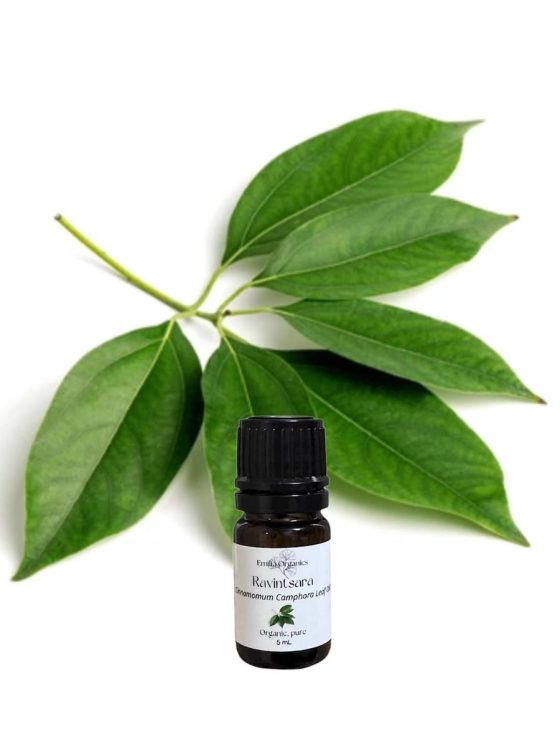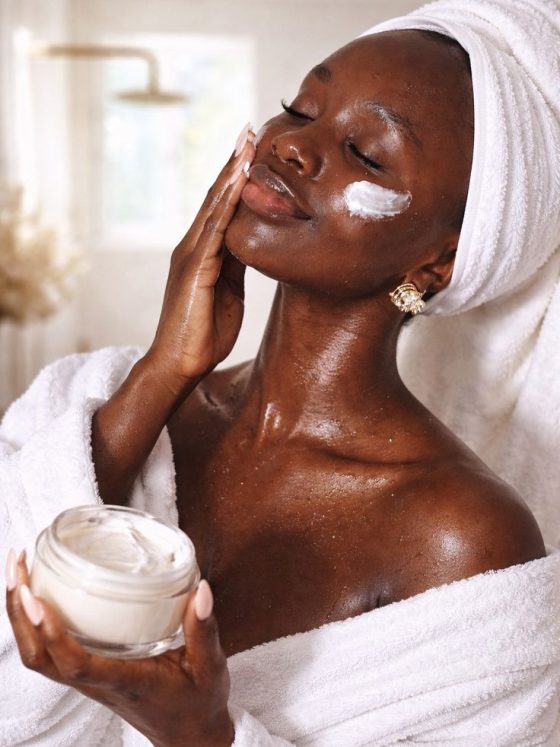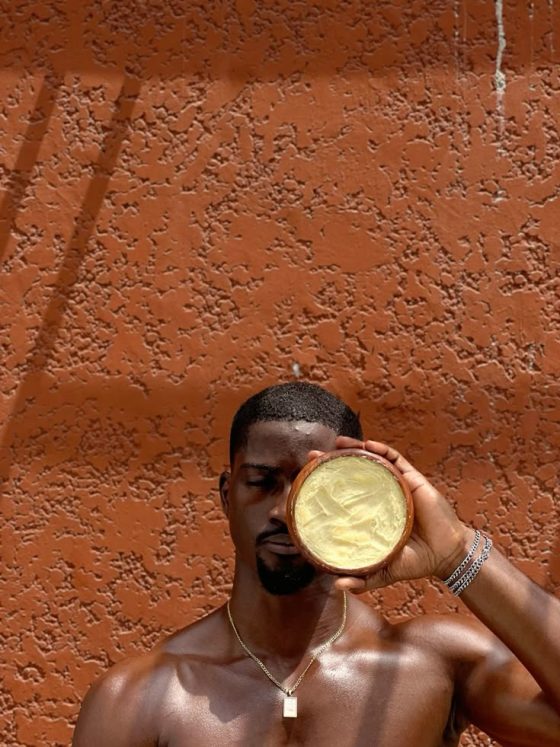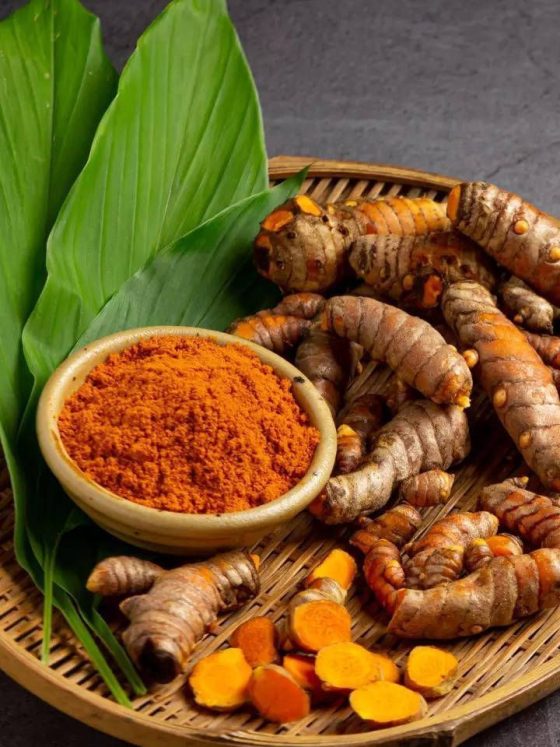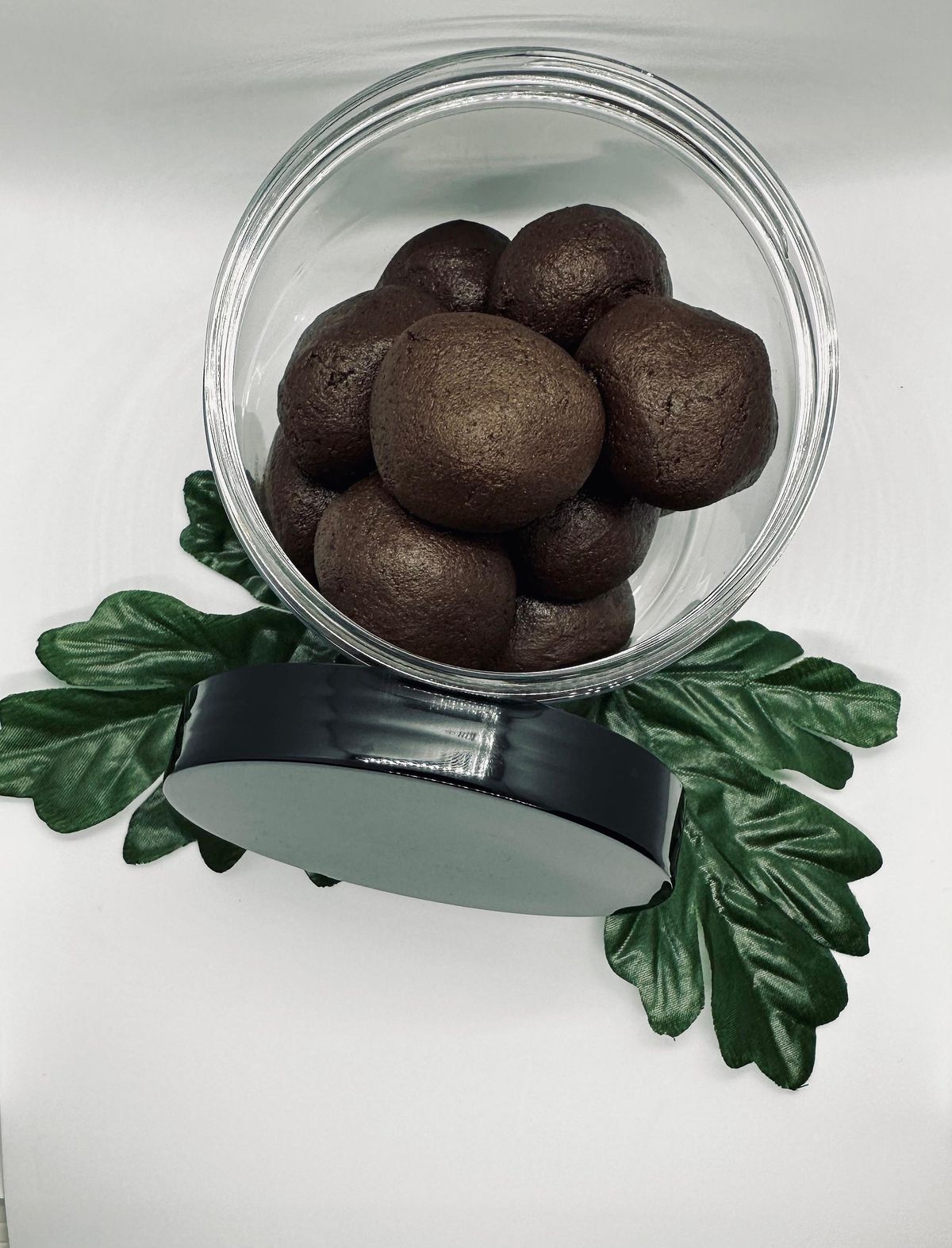
The global beauty industry has discovered dilka. On Etsy, Sudanese body scrub balls sell with five-star reviews that compare them favourably to kessa mitts and describe the smoky rose scent on the skin. On TikTok, dilka preparation videos accumulate millions of views. In London and Houston, diaspora-focused beauty brands sell commercially formulated dilka products with international shipping. The word is circulating. The product is moving. And the knowledge system that made the product meaningful has been stripped out in transit.
The global beauty and personal care market was valued at approximately 552 billion dollars in 2025. As Exploding Topics’ 2026 documentation of beauty industry statistics confirms, the market is dominated by L’Oréal, Unilever, Estée Lauder, P&G, and Shiseido, whose combined revenues represent the most significant concentration of commercial power in beauty globally. The African fashion and beauty market is worth $ 31 billion. The mainstream beauty industry’s relationship with traditions like dilka follows a consistent pattern: the product is discovered, extracted, and repackaged for a new market, while the knowledge community whose practice gave the product its depth receives neither credit nor commercial participation in the market it created.
The global beauty industry has discovered dilka. It has packaged it, priced it, and missed the point entirely. Here is what a product cannot transmit.
Sudanese Dilka and Mainstream Beauty: The Category Error
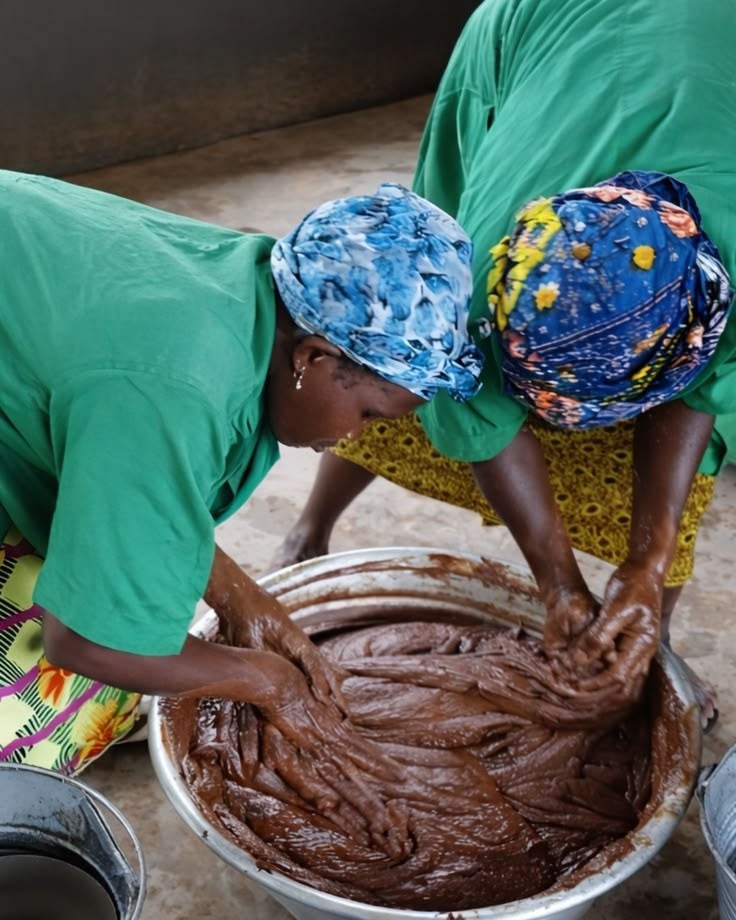
The category error that mainstream beauty makes with dilka begins at the moment of naming. Dilka is described as a body scrub. The description is technically accurate and strategically inadequate. A body scrub is a product category defined by physical function: it exfoliates. A product category defined by physical function tells you what a thing does to a surface. It does not tell you what a thing is in the life of the person who uses it, the person who makes it, the community it belongs to, or the occasion it was made for.
Dilka is not a body scrub that happens to have cultural associations. It is a knowledge system that produces, among other things, a body scrub. As Women’s Literacy Sudan’s documentation of the full kabarayt cosmetic system confirms, the cosmetics and scents central to northern Sudanese women’s beauty regimes, dilka, khumra, bukhuur, and karkar, especially when used as part of the dukhan, are collectively known as the kabarayt. Dilka is the second step in a sequence that begins with a smoke bath and ends with the application of herb-infused sesame oil. What a commercial dilka product provides is step two, isolated from the sequence, missing the preparation that makes step two possible, and missing the context that makes the sequence meaningful.
The mainstream beauty industry discovers dilka and sells it as a body scrub. What it cannot sell is the afternoon when the aunties mixed it, the smoke from the dukhan that the dough absorbed for three days, the grandmother’s specific proportion of sandalwood to clove, the name of the woman who will use it, and what the occasion requires. The product arrives. The knowledge system it came from does not.
What the Commercial Product Cannot Transmit
A commercial dilka product can transmit the following: the approximate ingredients of dilka (wheat or lentil flour, cloves, mahlab cherry seed, sandalwood, orange peel, acacia wood); the physical method of application; the exfoliation effect; and a fragrance that approximates the scent of dilka’s constituent materials. This is substantial. It is also a fraction of what dilka is.
What the commercial product cannot transmit: the specific proportion that a particular family uses, which has been calibrated through generations of making and adjusted to local ingredient availability, family preference, and occasion type. The difference between dilka made for a bridal preparation, where the dough is wrapped in cloth and smoked with the dukhan for two to three days, and dilka made for a weekly maintenance scrub. The specific woods used in the dukhan that the dilka will absorb, and how that particular fragrance combination differs from another family’s combination in another region. The conversation that happens during the preparation session, between the aunties mixing the ingredients, that carries social knowledge alongside the recipe. The knowledge of which skin types need more moisture and which need more exfoliation, calibrated through the maker’s experience of the user’s skin across years of preparation. These are not decorative extras that the product omits for convenience. They are the knowledge system. The product is the residue of that knowledge system after the knowledge has been removed.
The Community Already Built the Commercial Infrastructure
One of the most important facts about dilka’s commercial market is that the Sudanese community built it before the mainstream arrived. As 500 Words Sudan’s documentation of Sudanese beauty brands confirms, there are multiple established Sudanese brands are operatingan/UAE, available in UK, UAE, KSA, and Egypt: Zaza Scents (Abu Dhabi) and Diva Nihal (US), selling dilka, dukhan products, khumra, and karkar to Sudanese diaspora communities worldwide. These businesses existed and served their communities before the global wellness industry noticed dilka on TikTok. The Sudanese community did not wait for L’Oréal to legitimise their beauty tradition. They built markets for it, priced it correctly, and served customers who understood what they were buying.
The mainstream beauty industry’s arrival in the dilka market does not create a market that did not exist. It competes with a market that the community already built, with the additional commercial disadvantage to the community that the mainstream enterprise and brand recognition that the community businesses do not have. This is documented across African beauty ingredient categories. Shea butter. Argan oil. Baobab. Moringa. In each case the community that developed the knowledge of the ingredient, the tradition of its use, the production methods, and the standards for quality finds itself competing in its own market with better-capitalised outsiders who have extracted the ingredient, reformulated it for a different customer, and branded it without reference to the community of origin.
The Wellness Industry’s Structural Problem With Context
The global wellness industry, whose market the Global Wellness Institute estimated at 6.8 trillion dollars in 2024, has a structural problem with context. Its dominant commercial model requires that a product be legible without explanation, functional without cultural knowledge, and beneficial without community. A body scrub that requires a smoke bath, a specific sequence, a communal preparation session, family knowledge of proportions, and a specific cultural occasion to achieve its full meaning is not optimised for a commercial market that wants to ship a jar to an anonymous customer with a QR code linking to application instructions. As Omiren Styles’ documentation of bakhoor and frankincense as wellness trends confirms, incense and fragrance systems from North and East Africa carry cultural weight that wellness markets tend to reduce to mood association and aromatherapy data points. The wellness industry’s vocabulary of stress relief, skin benefits, and self-care rituals is not wrong about what these traditions do to the body. It is inadequate to what these traditions are in the life of the community.
The specific word the mainstream beauty industry uses for dilka’s most interesting characteristic is itself interesting. It calls dilka an ancient beauty secret. This framing serves the commercial product by implying rarity and historicity. It does not serve the community that maintains the practice, because a secret is something hidden, and dilka is not hidden. It is practised openly by Sudanese women in Khartoum, Omdurman, Lagos, London, and Houston every week. It is not a secret that the mainstream beauty industry discovered. It is a tradition that the mainstream beauty industry noticed.
What Serious Engagement Would Look Like
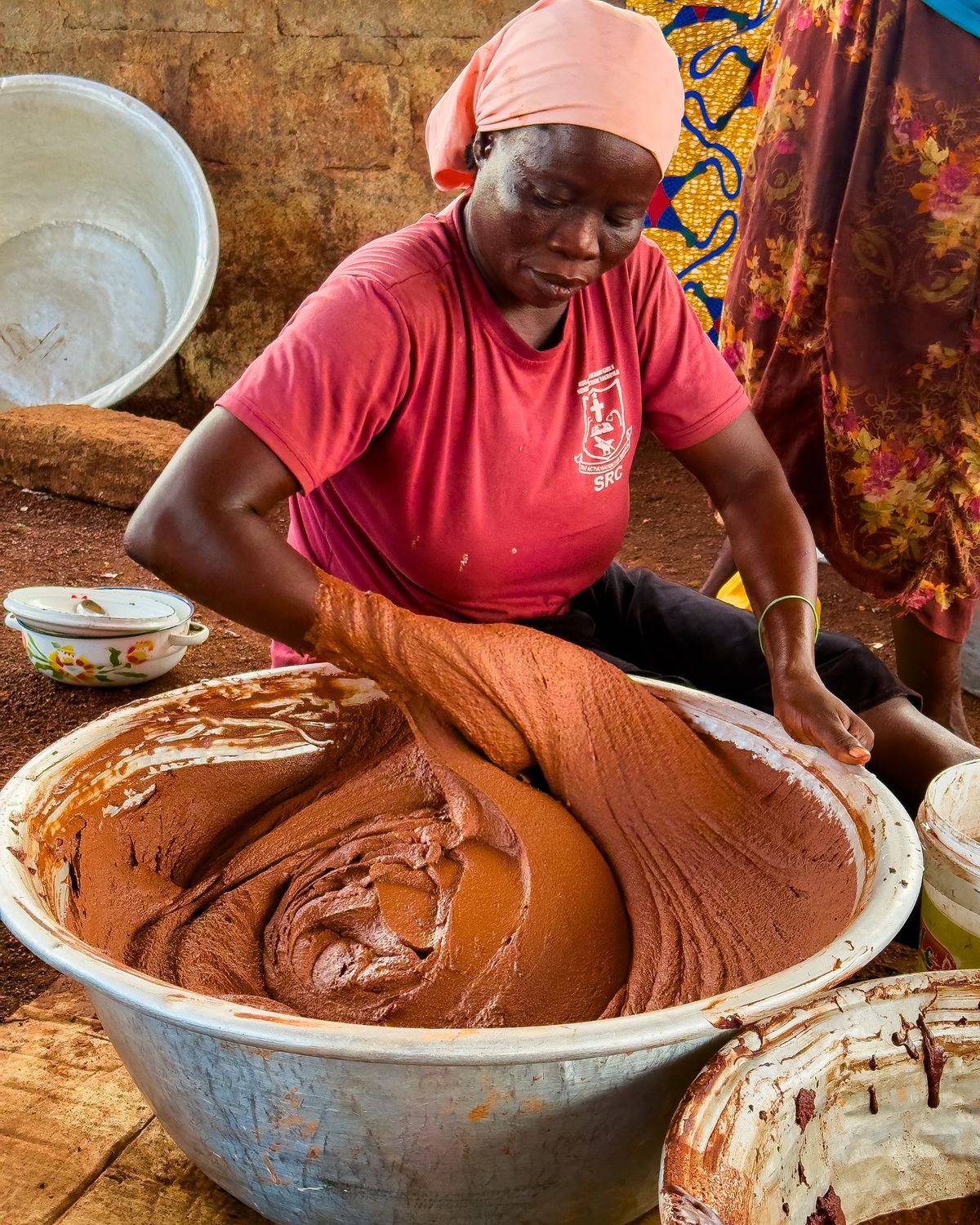
The Sudanese beauty market is not waiting for the mainstream to confer authority on it. It has authority. What the mainstream can do, if it chooses, is engage with dilka in a way that adds commercial value to the community that owns the tradition rather than extracting that value and redirecting it elsewhere. As Omiren Styles’ documentation of African oils and the ownership of the ingredient supply chain confirms, the question for African beauty ingredients entering international markets is not whether they belong there, but who controls and benefits from their presence. Commercial dilka products made by Sudanese-owned businesses that source ingredients from Sudanese suppliers, employ Sudanese makers, and distribute profits to the community: this is what serious engagement looks like. Commercial dilka products made by a non-Sudanese brand that lists sandalwood and cloves on the ingredient panel and describes the product as inspired by ancient Sudanese beauty rituals: this is extraction.
The distinction matters commercially as well as ethically. A Sudanese-owned dilka brand has access to the knowledge system. It can explain the difference between a bridal dilka and a maintenance dilka. It can explain how the dukhan preparation changes the fragrance. It can provide the specific family recipe variation that sets its product apart from every other dilka product. It can connect the customer to tradition rather than substitute the product for it. This is a commercial advantage that no outside entrant can replicate. The knowledge is the product differentiation. And the knowledge belongs to the community.
The Omiren Argument
Mainstream beauty has discovered dilka. It has packaged it, priced it, photographed it beautifully, and missed the point entirely. The African fashion and beauty market is worth 31 billion dollars. The knowledge system $ that produces it: the kabarayt sequence of dukhan smoke bath, dilka scrub, and karkar oil application; the family-specific proportions that distinguish one woman’s dilka from another’s; the communal preparation session where aunties mix ingredients and calibrate the recipe against generations of accumulated skin knowledge; the bridal context that gives dilka its most culturally significant application; the dukhan smoke that the dough absorbs for two to three days in bridal preparation: none of these can be put in a jar and shipped internationally. The product that arrives in the jar is the output of the knowledge system after the knowledge has been removed. It may be an excellent body scrub. It is not dilka in any sense that the women who make it for their families would recognise. The Sudanese community built commercial markets for dilka, khumra, and karkhan products before the global wellness industry took notice of the tradition on social media. Those who took notice of these- La Charm, Zaza Scents, Diva Nihal, and the Sudanese-owned makers on Etsy who ship worldwide are the correct participants in the dilka market. They hold the knowledge. They understand the product they are selling. Omiren Styles argues that the mainstream beauty industry’s job, when it encounters a tradition as rich and as specifically held as dilka, is not to extract a product from it but to direct its audience to the communities that are already selling the real thing.
Also Read:
- Caribbean Beauty Rituals That Deserve a Global Stage
- Royal African Beauty Rituals: Power, Craft, and Modern Elegance
- Why Global Fashion Keeps Returning to the Same African Craft Traditions
- Afro-Peruvian Women’s Chincha Dress: Clothing, Dance, and Cultural Memory
Frequently Asked Questions
What does mainstream beauty miss about dilka?
Mainstream beauty misses the knowledge system that makes dilka significant. Commercial products can transmit the ingredients and the exfoliating effect. They cannot transmit the kabarayt sequence (dukhan smoke bath preceding dilka, followed by karkar oil), the family-specific proportions that distinguish one preparation from another, the communal session in which women gather to mix and calibrate the recipe, the bridal preparation in which the dilka dough is smoked with the dukhan for two to three days, or the knowledge of which variation serves which occasion. The product is the output of a knowledge system after the knowledge has been removed. The knowledge belongs to the community.
Is dilka just a body scrub?
No. Dilka is the second step in the kabarayt, the Sudanese cosmetic system that includes the dukhan smoke bath, the dilka scrub, and the karkar sesame oil application, as well as khumra perfumed paste and bukhuur incense. Describing dilka as a body scrub is technically accurate and structurally inadequate. A body scrub is a product category defined by what it does to a surface. Dilka is a knowledge system defined by what it means in the lives of the person who uses it, the person who makes it, and the community and occasion for which it was made.
What is the kabarayt system?
Kabarayt is the collective term for the Sudanese cosmetic system, which includes dilka (body scrub), khumra (fumed paste), bukhuur (incense), and karkar (fragrant sesame oil), especially when used in sequence with the dukhan smoke bath. The dukhan opens the pores through fragrant wood smoke. Dilka exfoliates and layers fragrance into the skin. Karkar is applied after as a conditioning oil. Together the sequence produces a layered fragrance effect from the wood smoke, the spices in the dilka, and the herbal oil, that carries on the skin for many hours. The full kabarayt sequence is most elaborate in bridal preparation.
Why can’t mainstream beauty replicate dilka?
Mainstream beauty can replicate the ingredients and the physical effect. What it cannot replicate is the knowledge system: the family-specific proportions, the bridal preparation method (dough smoked with dukhan for 2-3 days), the communal preparation session, the experience of knowing which variation to use for which occasion, and the relational meaning of a preparation made by specific people for a specific person’s specific event. These elements are held by the community that practises dilka, not by the ingredient list. A Sudanese-owned business that makes and sells dilka with the full knowledge system is selling something categorically different from a non-Sudanese brand that lists sandalwood and cloves on an ingredient panel.
What is the difference between commercial dilka and traditional dilka?
Commercial dilka is a formulated product that approximates the ingredients of traditional dilka and delivers its physical exfoliation and fragrance effects. Traditional dilka is a preparation made within a knowledge system: using proportions specific to a family tradition; prepared communally by women whose knowledge has been transmitted across generations; calibrated to the specific skin of the person it is made for; positioned within the full kabarayt sequence; and in bridal form, smoked with the dukhan for two to three days before use. Commercial dilka can be excellent skincare. Traditional dilka is excellent skincare plus a transmission of knowledge, relationships, and cultural identity that a retail product cannot contain.
For More
Read products in the Beauty section at omirenstyles.com for Omiren Styles’ documentation of African and diaspora beauty traditions, the knowledge systems behind them, and the community businesses that are already selling the real thing.
Discover travel and heritage intelligence across Africa at rexclarkeadventures.com.