Two plant-derived beauty ingredients now appearing regularly in Western skincare products come primarily from Madagascar, the world’s fourth-largest island, which holds one of the most biodiverse ecosystems on earth. Ravintsara essential oil and centella asiatica extract are each commercially significant. Each has documented benefits. And each reaches the beauty consumer through a supply chain whose connection to Madagascar and to the communities whose land and botanical knowledge produce these ingredients is rarely visible on the label.
The African fashion and beauty market is worth $ 31 billion. Madagascar’s contribution to that market through botanical beauty ingredients, including ravintsara, centella, ylang-ylang, rosewood, and clove, represents a significant extraction of natural value from an island whose communities have managed these plant populations through traditional knowledge systems for generations. As Omiren Styles’ documentation of African oils and the ownership of the ingredient supply chain confirms, the question for African beauty ingredients that enter international markets is not whether they belong there but who controls and benefits from their presence. The same question applies to Madagascar ravintsara and centella.
Madagascar produces ravintsara and centella for the global skincare market. Here are the ingredients, where they come from, and what skincare consumers should ask about.
Madagascar Ravintsara: The Good Leaf and Its Specific Chemistry
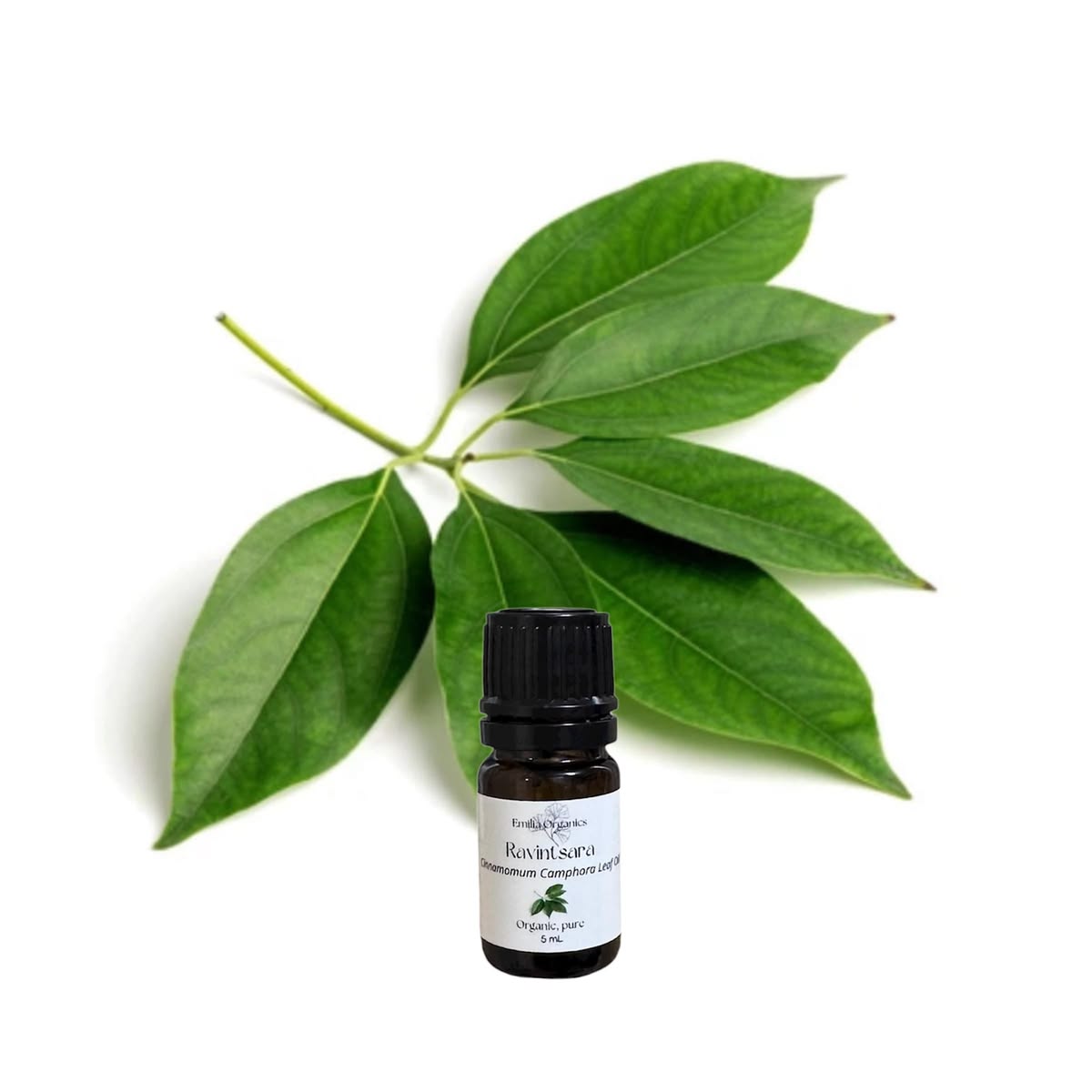
Ravintsara takes its name from two Malagasy words: ravin, meaning leaf, and tsara, meaning good. The good leaf. As Nature Madagascar’s documentation of ravintsara production confirms, the name reflects the plant’s long history of medicinal use by Malagasy communities. Botanically, ravintsara is Cinnamomum camphora, the same species as the camphor tree found in China and East Asia. But the Madagascar chemotype is significantly different from its Asian counterpart, and that difference makes Madagascar ravintsara particularly valuable to the beauty and aromatherapy market.
While the Asian camphor tree produces an oil high in camphor, the leaves of the same species growing under Madagascar’s specific soil and climate conditions instead produce a high concentration of 1,8-cineole, also known as eucalyptol. This is not a gradual difference in proportion. It is a chemotypic distinction that makes the two oils function differently. Madagascar ravintsara, with its high 1,8-cineole content, offers a purifying and decongestant effect similar to eucalyptus but with significantly gentler skin tolerance and a distinct camphoraceous-balsamic-sweet aromatic profile rather than the sharp, medicinal quality of pure eucalyptus. The Chinese camphor oil, by contrast, is not interchangeable with ravintsara either in aroma or in application.
Ravintsara and centella reach skincare consumers as ingredient names on a label. What the label does not carry is the 90-100 kilograms of fresh leaves that produced one litre of ravintsara oil, the altitude forests of Madagascar’s Central Highlands, or the ancient plantations whose chemical concentration makes Madagascar centella distinctly different from centella grown anywhere else.
Ravintsara vs Ravensara: A Critical Confusion
Before purchasing or recommending ravintsara, skincare consumers should know that a common and consequential confusion exists in the essential oil market: ravintsara (Cinnamomum camphora) and ravensara (Ravensara aromatica) are two different plants with distinct botanical identities, chemical profiles, and applications. They are both Malagasy trees, both used in aromatherapy, and both sold under confusingly similar names. For years, they were marketed interchangeably by suppliers who had not distinguished between them.
The distinction matters: ravintsara is high in 1,8-cineole and has the documented respiratory and antiviral properties that have driven the ingredient’s popularity. Ravensara aromatica has a distinct profile dominated by methyl chavicol, with distinct properties and safety considerations. A consumer or formulator purchasing essential oil for a specific application should confirm the botanical name on the product: Cinnamomum camphora is ravintsara; Ravensara aromatica is ravensara. These are not interchangeable, and reputable suppliers will confirm the distinction.
How Ravintsara Is Produced
Ravintsara grows wild in Madagascar’s rainforests and is cultivated, particularly in the Central Highlands, where it thrives at altitude in well-preserved areas. As Aromeya’s April 2026 documentation of ravintsara production in Madagascar confirms, the essential oil is extracted through steam distillation of fresh leaves. This gentle process preserves the integrity of the plant’s active components. The tree belongs to the Lauraceae family, grows to 20-30 metres, and blooms from November to January. The yield is significant in terms of raw material required: it takes 90-100 kilograms of fresh leaves to produce a single litre of essential oil. This is the physical scale of extraction behind every small bottle of ravintsara oil sold in a pharmacy or beauty retailer.
Wild harvest and sustainable cultivation both occur in Madagascar. The most developed sustainable cultivation model integrates ravintsara with vanilla production: ravintsara trunks serve as natural supports for vanilla orchids, creating a permaculture system in which the two crops support each other. This integration is commercially significant because vanilla is Madagascar’s most economically important agricultural export. A ravintsara cultivation system that also supports vanilla production creates two income streams from the same land and builds the economic case for sustainable management of ravintsara populations rather than extraction without replanting.
The active constituents of ravintsara essential oil include 1,8-cineole (the dominant compound), alpha-terpineol, monoterpenic alcohols, and pinenes. Safety note for consumers: high 1,8-cineole content means ravintsara should not be applied near the face of babies and children, as it can cause central nervous system and breathing problems in young children. This is a standard safety caution for all 1,8-cineole-rich essential oils, including eucalyptus and should be stated clearly on products containing ravintsara.
Madagascar Centella Asiatica: What Makes the Origin Specific
Centella asiatica, known also as gotu kola, cica, Indian pennywort, and tiger grass, is a plant that grows in tropical regions across Asia and Africa and has been used in traditional medicine for thousands of years, with some documented traditional use dating back up to 3,000 years in Ayurvedic and traditional Chinese medicine. In skin care, it is primarily known for its documented ability to stimulate collagen synthesis, strengthen the skin barrier, support wound healing, and reduce inflammation. Its active compounds are pentacyclic triterpenoid saponins: asiaticoside, madecassoside, asiatic acid, and madecassic acid, collectively called centellosides.
Madagascar centella is not simply centella grown in Madagascar. The island’s conditions produce a centella with a distinctly higher concentration of active centellosides than centella grown in other regions. As Meder Beauty’s documentation of Madagascar centella confirms, plants from Madagascar are proven to be highly concentrated in asiatic acid, madecassic acid, madecassoside, and asiaticoside. Madagascar centella is grown on ancient plantations that have never been treated with chemicals, which preserves both the plant’s biochemical integrity and the soil conditions that produce the specific concentration of active compounds. This phytochemical profile is why Madagascar centella commands a premium in the beauty ingredient market and why several brands have built their entire centella product lines around specifically sourced Malagasy plant material.
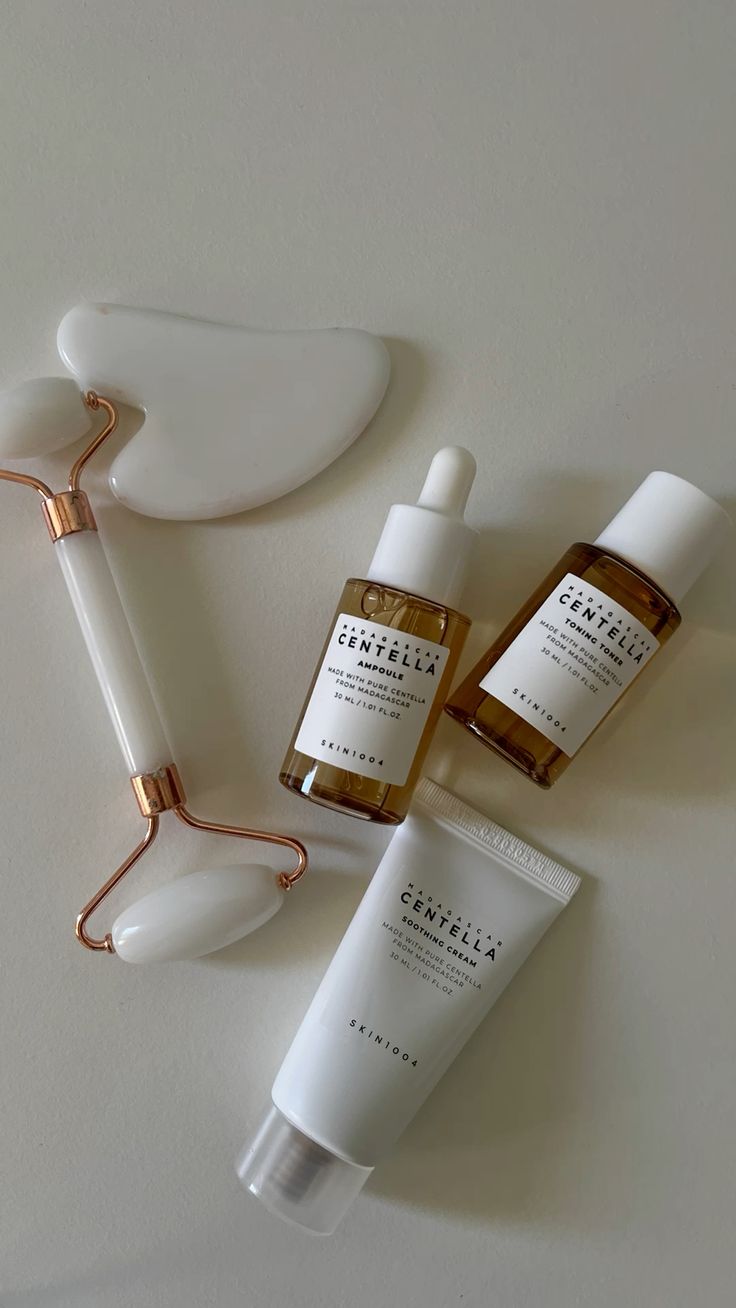
The most commercially visible example is the Korean beauty brand SKIN1004, whose name directly references Madagascar centella: its Madagascar Centella Ampoule has been one of the most widely sold centella skincare products globally. The Madagascar specificity in the brand name is not generic. It reflects the documented chemical superiority of Madagascar-sourced centella for the specific skin benefit the brand is promoting. Beauty consumers who see Madagascar centella on a label or have purchased SKIN1004 products receive a botanical provenance claim with a corresponding biochemical basis.
What Consumers Should Be Asking
Both ravintsara and centella reach consumers through supply chains whose connection to communities in Madagascar is typically invisible. A consumer buying a bottle of ravintsara essential oil or a centella serum encounters an ingredient name and a country of origin on the label. They do not encounter the farmers who collected the leaves, the steam distillation operators who produced the oil, the communities whose land the plants grow on, or the traditional knowledge systems that first identified these plants’ properties and applications.
The questions worth asking before purchasing: Is the sourcing certified by an independent standard such as Fair Trade, USDA Organic, or similar? Does the brand publish information about its Madagascar supply chain, including the names of producers or cooperatives it works with? Does the pricing reflect a premium that could plausibly return value to Madagascar producers, or is the Madagascar origin cited for marketing purposes at the same price point as non-origin-specific alternatives? As Omiren Styles’ documentation of the baobab oil supply chain confirms, the baobab oil market demonstrates the same pattern: Madagascar and Africa produce, export, and watch the commercial value be captured elsewhere while producer communities receive the harvester’s share at the beginning of a chain whose premium accumulates at the retail end. Ravintsara and centella follow the same structural pattern unless active supply chain transparency and fair trade standards are applied.
The good news is that Madagascar-based producers exist and sell direct. Nature Madagascar and Aromeya, among others, are Madagascar-connected suppliers whose production documentation is transparent and whose supply chains connect more directly to the island’s botanical producers. Beauty consumers who care about provenance can purchase ravintsara from suppliers who source from Madagascar with documented ethical standards rather than from aggregators who list Madagascar origin without supply chain visibility.
The Omiren Argument
Madagascar ravintsara and centella asiatica are not generic beauty ingredients that happen to come from a specific island. They are specific to Madagascar in ways that matter chemically, ecologically, and commercially. The African fashion and beauty market is worth 31 billion dollars. Madagascar ravintsara produces 1,8-cineole rather than camphor because the island’s specific soil and climate conditions produce that chemotype in the Cinnamomum camphora tree that grows nowhere else with the same chemical profile. Madagascar centella asiatica is proven to be more highly concentrated in active centellosides than centella grown in other regions, which is why serious brands including SKIN1004 and Meder Beauty specify Madagascar origin rather than treating centella as a generic commodity. These differences have commercial value. That value is generated by Madagascar’s land, Madagascar’s climate, Madagascar’s traditional botanical knowledge, and the labour of the farmers, harvesters, and distillers who collect 90-100 kilograms of ravintsara leaves to produce one litre of oil. Beauty consumers who understand this should ask where the premium they pay for Madagascar-origin products goes, and whether the supply chain they are participating in returns any of that premium to the communities whose ecological inheritance produced the ingredient in the first place.
Also Read:
- Sudanese Dilka: The Body-Scrub Ritual Carried Through Family, Fragrance and Bridal Care
- Caribbean Beauty Rituals That Deserve a Global Stage
- Royal African Beauty Rituals: Power, Craft, and Modern Elegance
- Ritual Before Routine: The African Hair Traditions Shaping Modern Beauty
Frequently Asked Questions
What is ravintsara essential oil?
Ravintsara essential oil is derived from the leaves of Cinnamomum camphora, the camphor tree, as it grows in Madagascar. The Malagasy name means the good leaf, reflecting centuries of traditional medicinal use by Malagasy communities. Although ravintsara is botanically the same species as the Asian camphor tree, Madagascar’s specific soil and climate conditions produce a unique chemotype: the leaves produce a massive concentration of 1,8-cineole (eucalyptol) rather than camphor. This makes Madagascar ravintsara distinctly different from Chinese camphor oil in aroma, properties, and applications. The oil is steam-distilled from fresh leaves and requires 90-100 kilograms of leaves to produce one litre of oil.
What is centella asiatica in beauty and why is Madagascar different?
Centella asiatica, also known as gotu kola, cica, Indian pennywort, and tiger grass, is a plant used in skin care for its documented ability to stimulate collagen synthesis, strengthen the skin barrier, support wound healing, and reduce inflammation. Its active compounds are pentacyclic triterpenoid saponins: asiaticoside, madecassoside, asiatic acid, and madecassic acid. Madagascar centella is specifically valued because plants grown on the island’s ancient, chemical-free plantations are proven to be highly concentrated in these active compounds. The island’s conditions produce a phytochemically superior centella, which is why brands including SKIN1004 and Meder Beauty specify Madagascar origin rather than treating centella as a generic commodity.
What is the difference between ravintsara and ravensara?
Ravintsara and ravensara are two different Malagasy plants with different botanical identities, different chemical profiles, and different applications that are frequently confused in the essential oil market. Ravintsara is Cinnamomum camphora (the Madagascar chemotype), high in 1,8-cineole, with documented respiratory and antiviral properties. Ravensara is Ravensara aromatica, a different species with a different chemical profile dominated by methyl chavicol. They are not interchangeable. Always check the botanical name on any essential oil product: Cinnamomum camphora is ravintsara; Ravensara aromatica is ravensara.
Why is Madagascar origin important for beauty ingredients?
Madagascar origin is significant for both ravintsara and centella because the island’s specific ecological conditions produce botanically distinct versions of these ingredients. Ravintsara’s Madagascar chemotype produces 1,8-cineole rather than camphor, making it functionally different from Asian camphor oil. Madagascar centella is demonstrably more concentrated in active centellosides than centella grown elsewhere, producing measurably stronger skin benefits. The Madagascar label is not a generic branding choice; it reflects specific phytochemical properties that depend on the island’s land, climate, and traditional cultivation practices.
What should skincare consumers know about Madagascar ingredient sourcing?
Skincare consumers should know that the Madagascar origin claim on ravintsara and centella products is commercially significant but does not automatically mean that Madagascar communities benefit from the commercial premium the origin creates. The supply chain connecting Madagascar farmers and harvesters to international beauty retailers is typically opaque to consumers. Consumers who care about provenance should look for: certified fair trade or organic sourcing with documented supply chain information; brands that name their Madagascar producer cooperatives or suppliers; and pricing that plausibly returns premium to producers rather than treating the origin as a marketing claim at commodity prices. Madagascar-based producers including Nature Madagascar and Aromeya offer more direct supply chain connections than aggregators who list Madagascar origin without transparency.
Explore More
Read the full Beauty section for Omiren Styles‘ documentation of African beauty ingredient supply chains, botanical traditions, and the knowledge systems behind the ingredients that global beauty markets are increasingly discovering.
Discover travel and heritage intelligence across Madagascar and Africa at Rex Clarke Adventures.