This article contains affiliate links. We may earn a small commission if you purchase through our links at no extra cost to you.
Moringa, marula and mongongo oils are sometimes touted as emerging in global skincare markets, part of the category of trending natural oils. But this is not accurate. The oils are neither new nor emerging. They are traditional health systems that have existed in Africa long before the industry began seeking alternative plant-based products.
These oils have their unique roles. Moringa is rich and heavy, with purifying and replenishing properties. Marula is light but intensely moisturising and has been likened to premium oils for its texture and feel. Mongongo, less familiar, is protective; it provides a natural sunscreen and a long-lasting barrier. They offer a range of skincare tailored to adapt and be complete.
The value of oils lies not only in what they contain but also in where they come from. They’ve evolved in places where the skin is subjected to heat, dryness and other harsh conditions. Their success is not just in theory but in practice, in environments that require resilience.
These oils are now being recognised by the global skincare industry, albeit only in part. In this article, they are not introduced as trends. It offers them as benchmarks, because it is not about whether they work, but why they were not recognised before.
Moringa, marula, and mongongo oils are among the most powerful African skincare ingredients. Discover why these oils outperform global favourites and redefine natural skincare.
Moringa, Marula, and Mongongo Are Not Alternatives: They Are Benchmarks
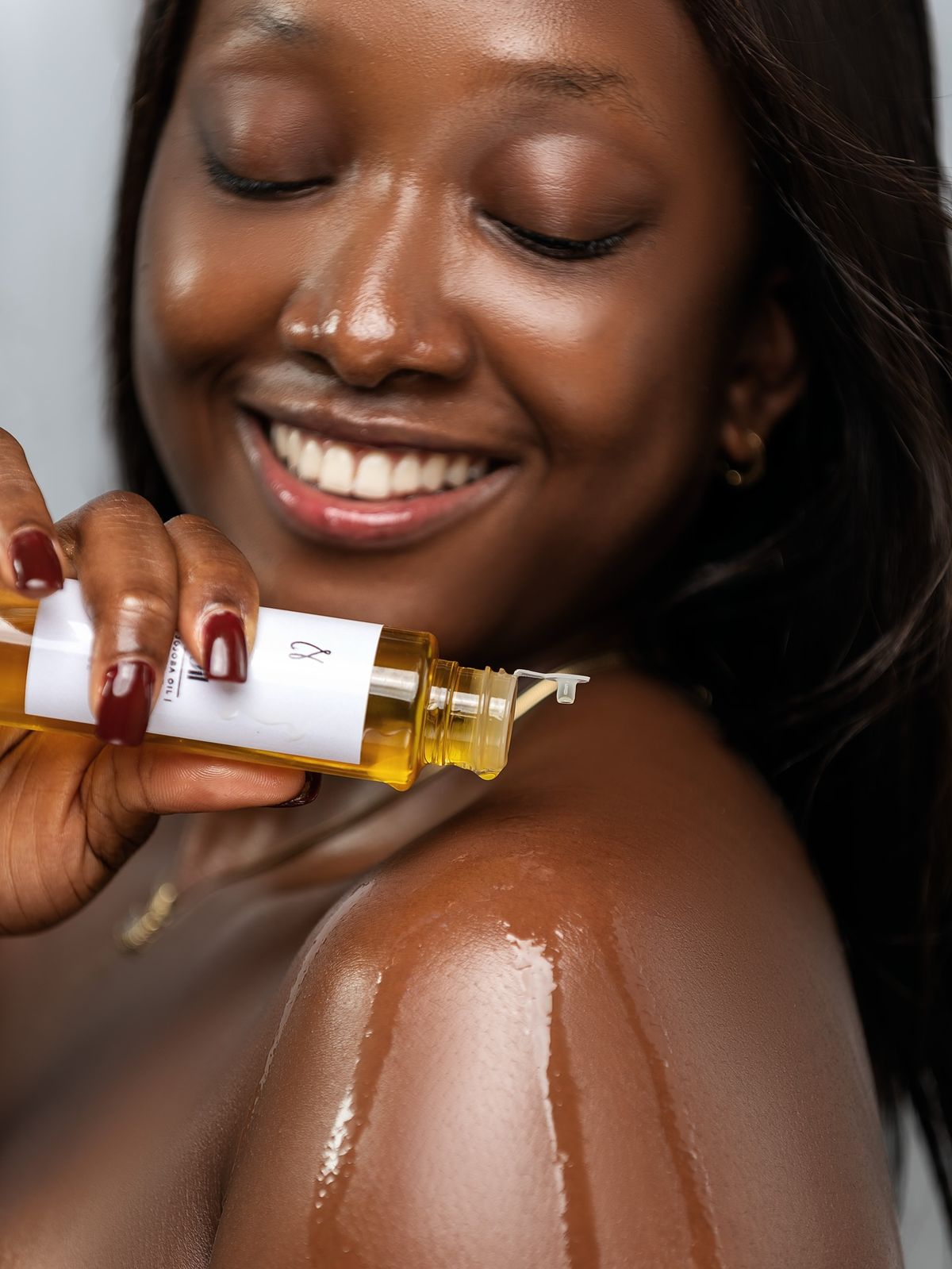
The international skincare industry frequently promotes African oils as natural alternatives to chemical ingredients or as exotic alternatives to oils developed in the West. But this thinking is wrongheaded. Moringa, marula and mongongo oils are not alternatives. They are powerhouses and hold up to, and often surpass, the globally used skincare oils.
Moringa oil, for example, is incredibly rich in nutrients, especially oleic acid and antioxidants, which make it an excellent oil for repairing environmental damage and skin. It is not only a moisturiser but also a repair oil, helping to repair skin exposed to pollution, UV light and stress. Marula oil provides moisturising benefits in a light, quickly absorbed form, making it ideal for tropical environments where heavier oils can be too much for the skin. Mongongo oil, on the other hand, offers protection. Its structure enables it to act as a protective barrier, locking in moisture and providing some protection from environmental factors, especially dryness and sun damage.
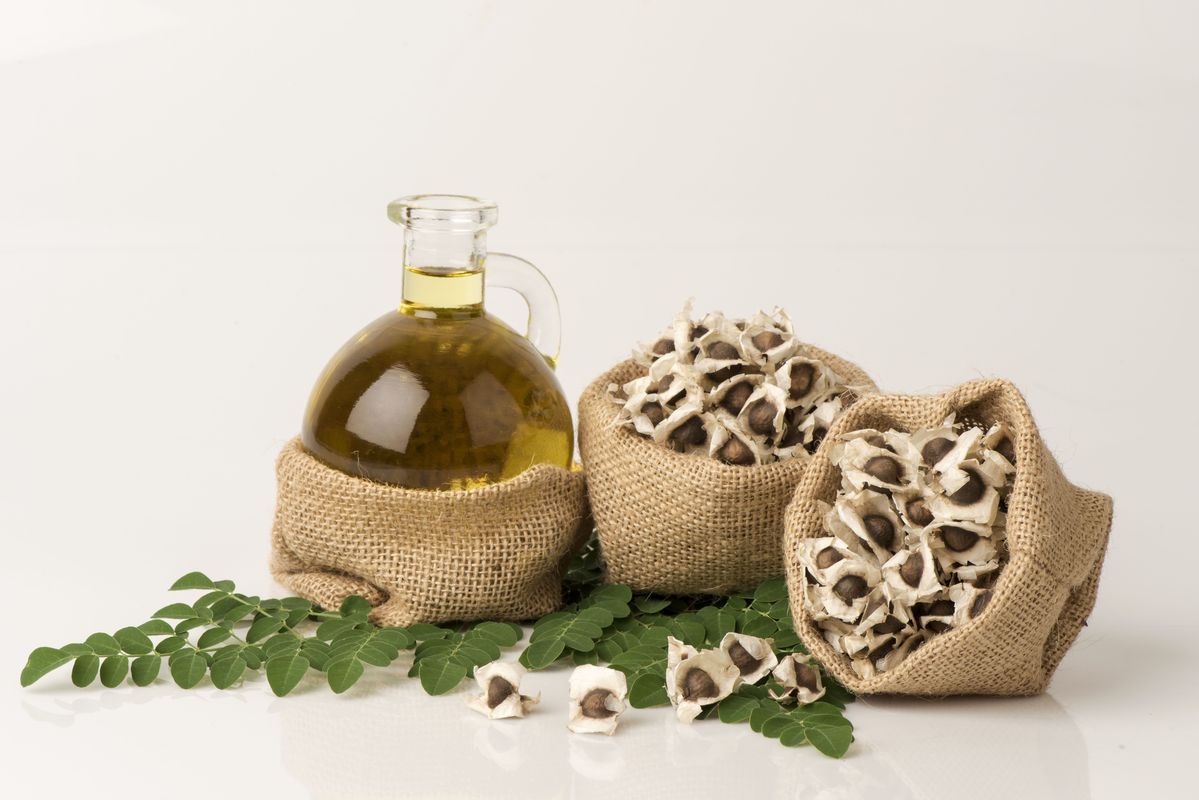
Moringa oil has been used across parts of East Africa for generations, long before it started appearing in modern skincare packaging and ingredient lists. For people interested in trying it without heavily fragranced blends or unnecessary fillers, this is one of the cleaner cold-pressed options currently available.
The uniqueness of these oils lies not in their individual characteristics but in their collective actions. They complement one another to provide hydration, repair, and protection without the need for unnatural layering or additive treatments. This is based on the conditions in which they were created, places where skincare needed to be efficient, versatile and sustainable.
Marula oil has remained relevant for years partly because it absorbs more comfortably into the skin than many heavier botanical oils. When properly cold-pressed, it tends to retain more of the fatty acids and antioxidants that make it useful for dryness, barrier support, and moisture retention without leaving the skin overly coated. This is one of the cold-pressed versions people repeatedly come back to for texture and finish.
African brands understand that they preserve. Skin Gourmet, for instance, works with these oils in their purest forms, where they retain all their functional properties. Arami Essentials provides these oils in a well-rounded skincare routine that allows them to be used for what they are best at, rather than merely for their natural benefits. At a more sophisticated level, Epara Skincare integrates these oils into high-end products, furthering the argument that African botanicals can deliver high-end skincare, not just natural products.
The distinction is critical. These oils are not playing catch-up. They have always been ahead of it; the industry is just catching up.
The Global Industry Recognised the Oils: But Not the Systems Behind Them
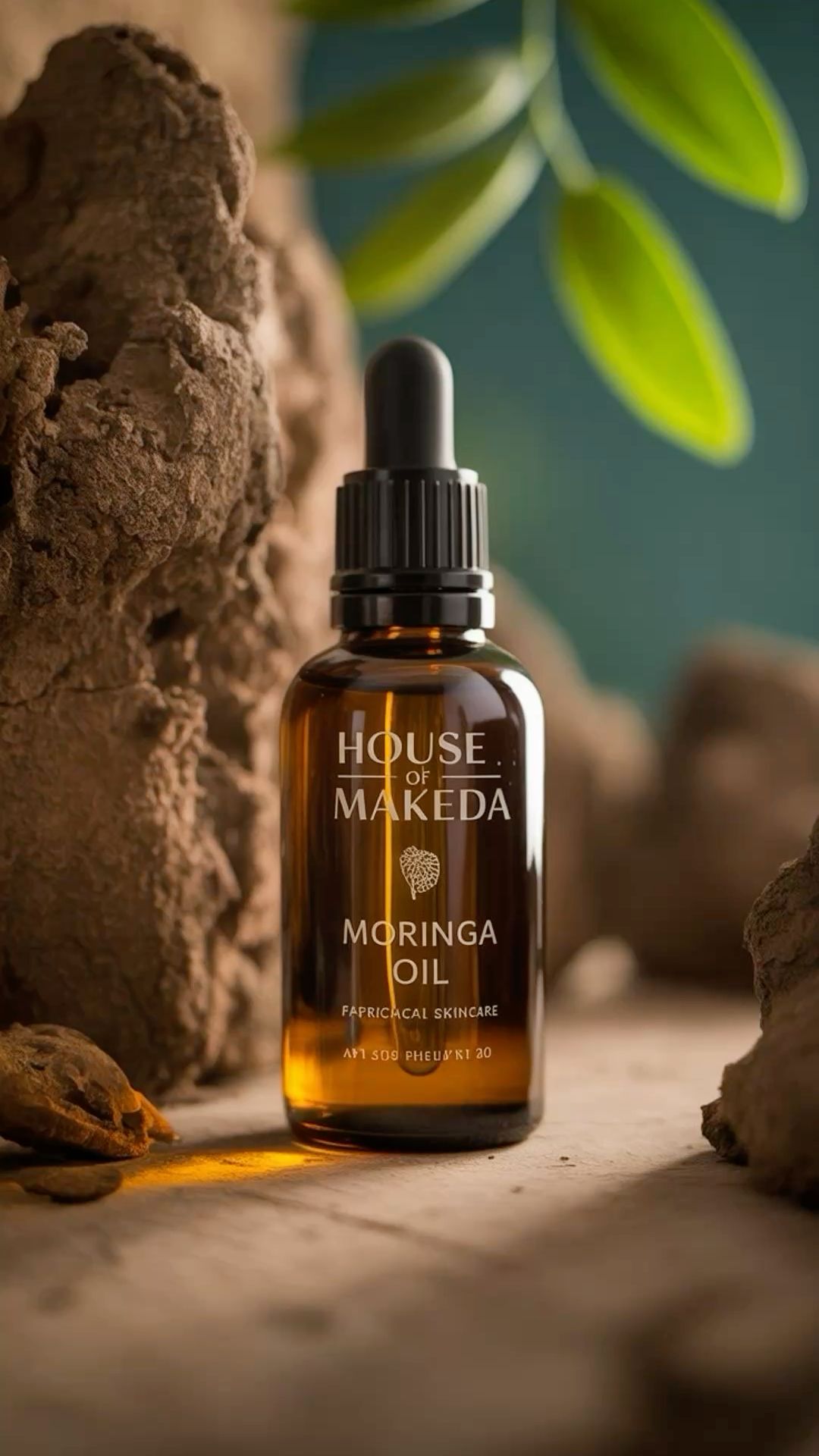
In a rapidly growing global market for botanically based skin products, African oils are now widely known. Marula oil has already made its way into the luxury market, often appearing alongside the more common global oils, and moringa and mongongo oils are increasingly incorporated into clean or natural formulations. But their popularity is a typical instance of the ingredient being absorbed more rapidly than the system can accommodate.
For most global products, these oils are used as ingredients. They are added to make it more attractive to a consumer, not to form the basis of the product. This changes how they function. When an oil has been formulated to serve as a primary therapy, it is used as a minor ingredient, mixed into a product not formulated with it in mind.
This change is symptomatic of a wider problem in the industry: its tendency to remove ingredients from their environment. African oils are not isolated products; they are part of a skincare system that includes their use, interaction with the skin, and interaction with the world. Taking them out of this system diminishes their efficacy, though their prominence grows.
Mongongo is still relatively niche outside of Southern Africa, which actually means the product is genuinely good — not just a trend. If dry or sun-exposed skin is your concern, this one is worth exploring.
Companies such as 54 Thrones are countering this trend by incorporating African oils into full routines, ensuring their effectiveness is maintained. Likewise, Hanahana Beauty keeps the connection between sourcing and production alive, ensuring that these oils are not just products, but also part of a wider economic and cultural ecosystem.
The international industry is aware of its value, but that awareness is not yet complete. It results in recognition without comprehension, and when it comes to skincare, that means a product is not just recognised but used.
ALSO READ:
- Baobab Oil and the Next Generation of African Botanical Skincare Brands Defining the Market
- The Skin Barrier and Why African Climates Demand a Completely Different Routine Logic
- The Shea Butter Economy: How West Africa’s Most Powerful Skincare Ingredient Became a Global Industry
- Black Soap, Stripped: The Science Behind West Africa’s Most Ancient Cleansing Ritual
The Future of Skincare Will Be Defined by Who Controls These Oils
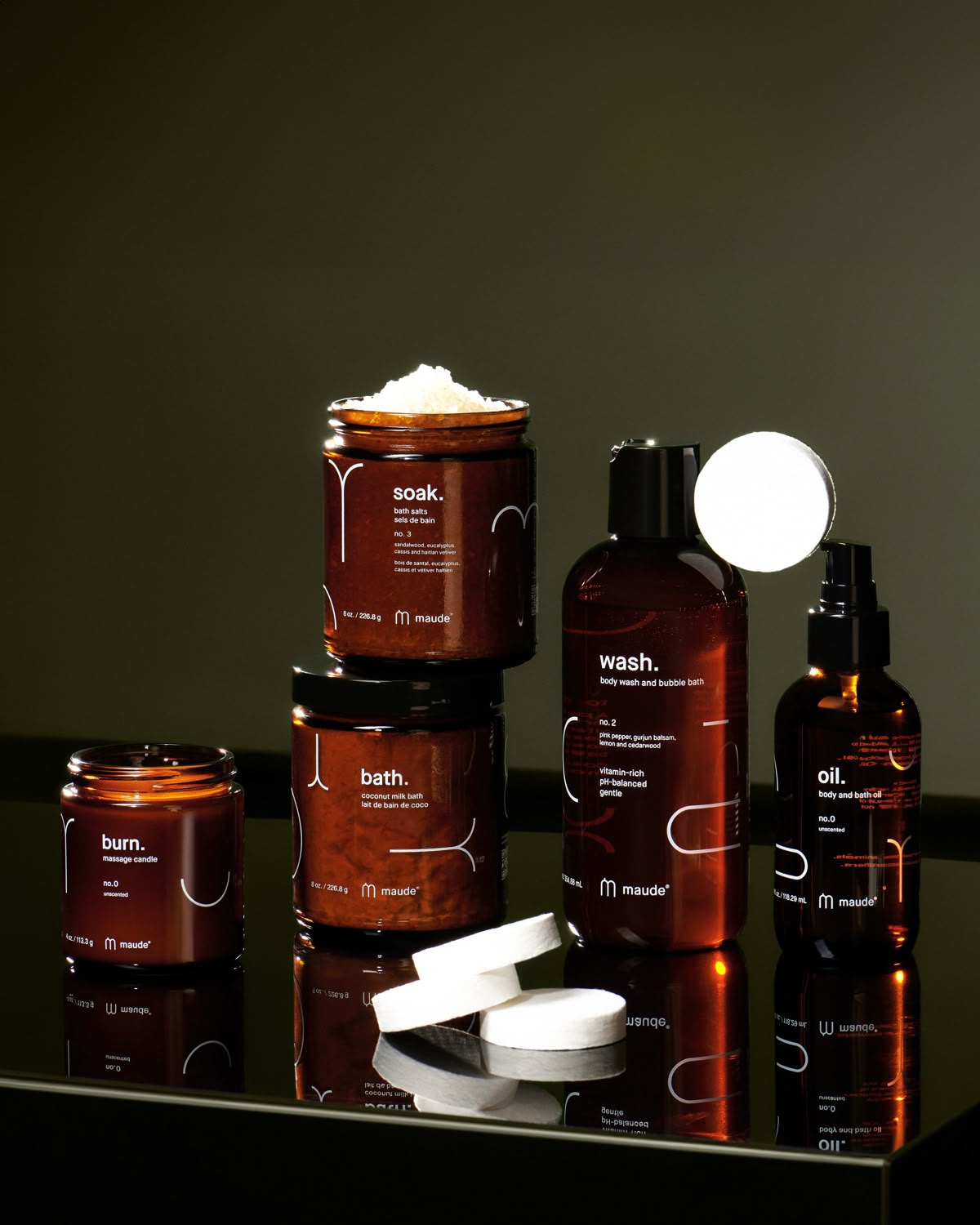
The growing demand for moringa, marula and mongongo oils is more than a change in consumer taste; it is a change in dependence. Global skin care is no longer a closed system. It is increasingly dependent on botanical systems that emerge from outside its traditional production centres, and African oils are part of that shift.
But demand is not what determines value. Control does.
African ingredients have historically moved to global markets through a value chain that divides production from profit. This involves exporting the raw material, processing it, packaging it, and reselling it for a premium. The product becomes known globally, but the production system doesn’t. This is not solely the case with skincare products, but it’s more apparent here.
Now, what is shifting is not the demand for these oils, but the supply. African brands are now not only suppliers, but owners of an ingredient and a story. Companies such as Liha Beauty are combining African botanical expertise with international visuals, so that the product is not lost in translation. Alaffia remains committed to community-led sourcing, proving that growth can be attained without sacrificing context.
This is more than commercial; it is structural. It alters the value chain, the positioning and the landscape of power. When African brands own the oils, they control the conditions of the oils’ globalisation.
The Omiren Argument
Moringa, marula and mongongo oils are not becoming more prominent because the international skincare industry has discovered them; they are becoming more prominent because the industry is at a point where it needs to look beyond its own systems for innovation. This is not an expansion. It is reliance.
The point is not whether these oils will determine the future of skincare; they will. The question is whether they will control it. The history of African ingredients has gone like this: discovery, extraction, globalisation, and disconnection from origin. The ingredient goes global, but the system goes underground.
The Omiren message is this: it’s no longer time for recognition, but leverage. African oils are a lever in the global skincare industry, and the way they are used will determine whether the result is transformation or more of the same. If African brands control the sources, formulations and stories, the industry will become more equitable. If not, it’s business as usual.
These oils are not just ingredients. They are decision points. And what happens next will determine the future not only of skincare but also of skincare’s architects.
For deeper, argument-driven insights on African beauty, botanical ingredients, and the brands shaping the future of global skincare, visit Omiren Styles, a platform built on perspective and precision and positioning the industry cannot ignore.
Omiren does not keep up with where skincare is going. It defines where it should go.
Frequently Asked Questions (FAQs):
1. What are the benefits of African oils like moringa, marula, and mongongo for skin?
African oils for skin provide multi-level benefits, hydration, repair, and protection. Moringa oil helps restore damaged skin, marula oil delivers lightweight hydration, and mongongo oil supports barrier protection, making them highly effective for long-term skin health.
2. Which African oil is best for dry skin?
Marula oil is particularly effective for dry skin due to its rapid absorption and high fatty acid content. In contrast, mongongo oil adds an extra layer of protection against moisture loss in harsh environments.
3. Can moringa oil help with acne or skin irritation?
Yes, moringa oil contains anti-inflammatory and antibacterial properties that can help calm irritation and support clearer skin, especially when used as part of a balanced routine.
4. Why are African botanical oils becoming popular in global skincare?
African botanical oils are gaining popularity because they align with the shift toward natural, plant-based skincare. However, their effectiveness has always existed; the global industry is only now recognising it.
5. Are African skincare brands leading innovation in natural beauty?
Yes. African skincare brands are not just using these oils; they are building systems around them, combining traditional knowledge with modern formulation to define how natural skincare evolves globally.
The Three African Oils Your Skin Has Been Missing
Each of these oils has been used across the African continent for generations. Here is where to find properly sourced versions of each one.
| Product | Best For | Why It Works | How to Use | Where to Buy |
|---|---|---|---|---|
| Cold pressed moringa oil face serum | Anti-ageing, antioxidant protection | Rich in oleic acid, vitamins A, C, E | 2–3 drops after serum, morning or night | View on Amazon → |
| Cold pressed marula oil pure | Lightweight daily moisture | Fast absorbing, high in omega fatty acids | Mix into moisturiser or apply alone | View on Amazon → |
| African botanical oil blend | All round skin care protection | Multiple African oil combination | Ideal for beginner wanting one product | View on Amazon → |
This article contains affiliate links. We may earn a small commission if you purchase through our links at no extra cost to you.