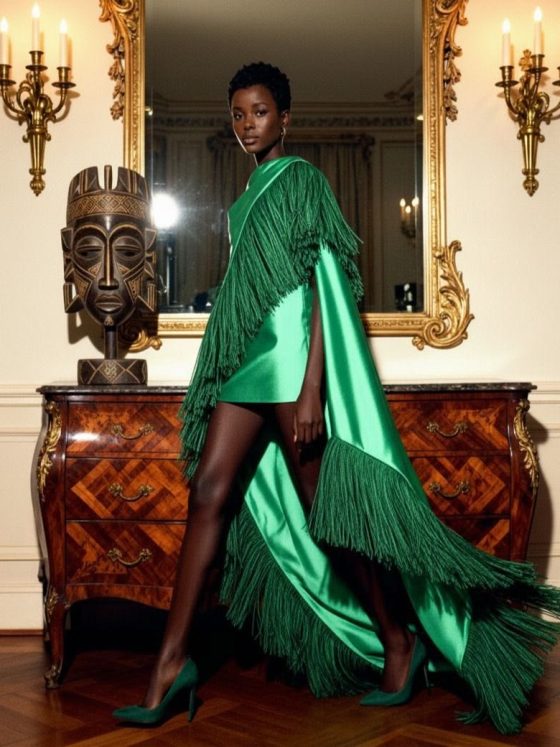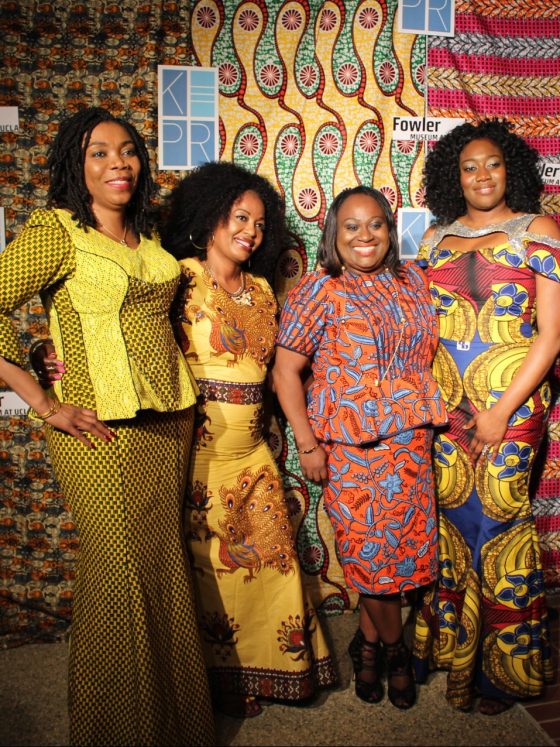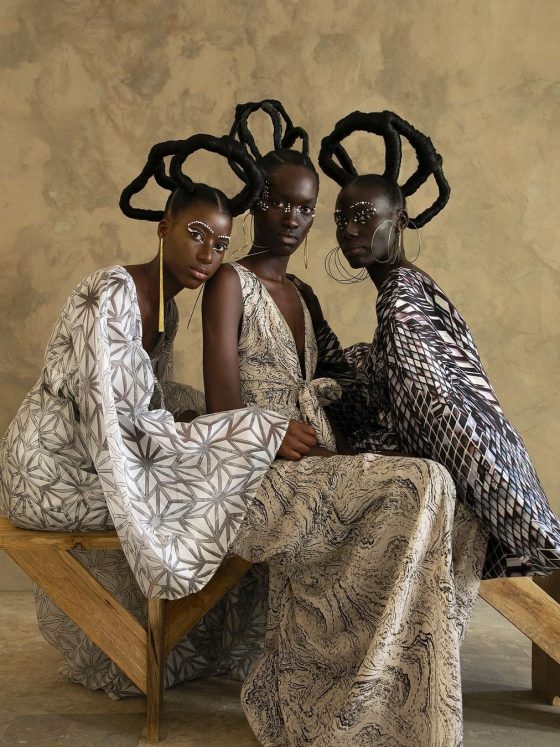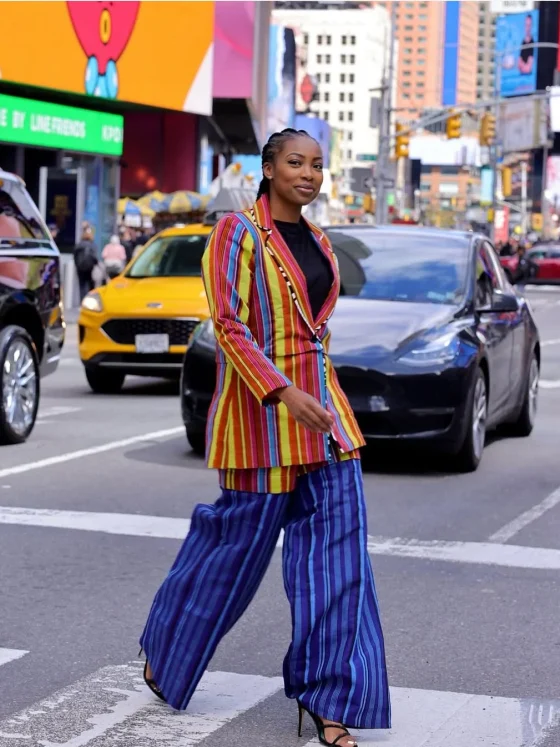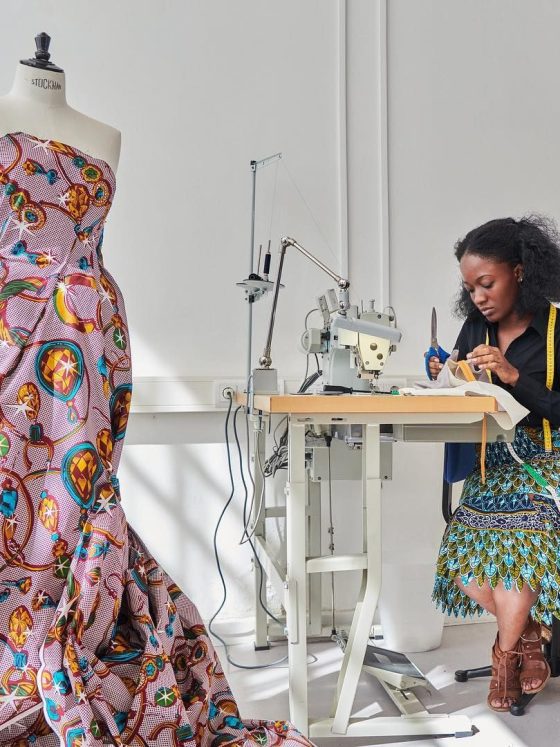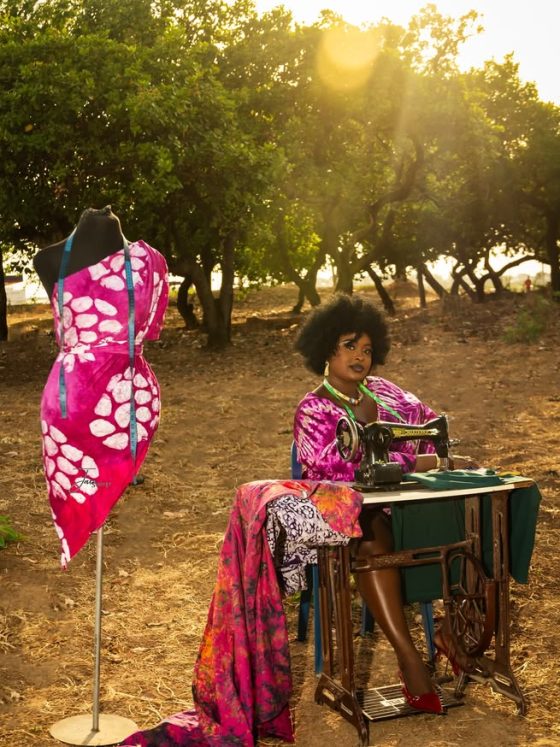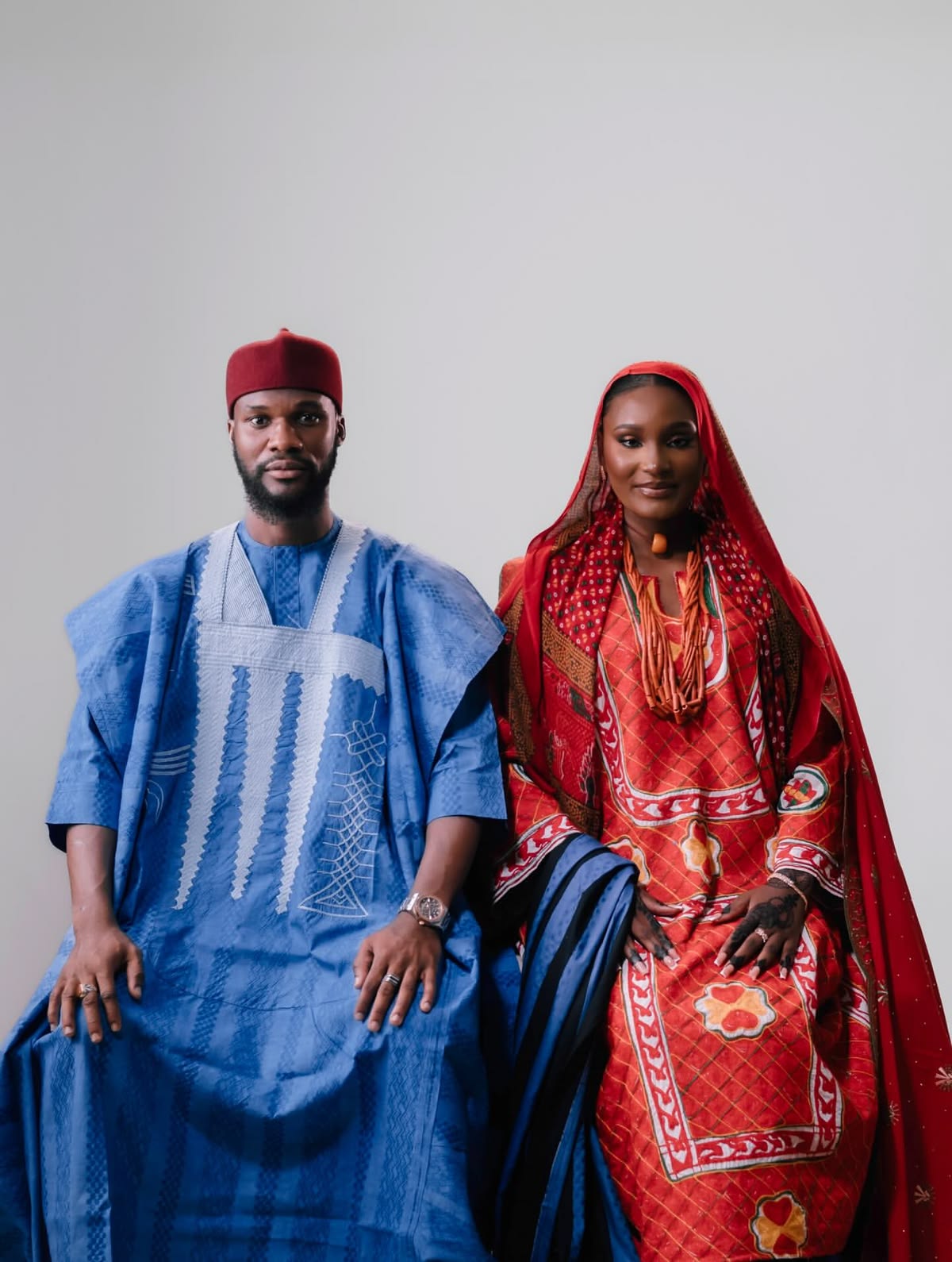
Every few seasons, a major European or American fashion house arrives in Africa. The collection features kente-inspired geometric colour blocking, or mud cloth motifs on monochrome ground, or adinkra symbols stripped of their specific proverb meanings and deployed as print. The press coverage describes the collection as a celebration of African heritage. The African communities whose heritage has been drawn on receive neither credit nor income from the celebration. And then, a few seasons later, another house does the same thing.
The African fashion market is worth 31 billion dollars. The global fashion industry’s relationship with African craft traditions is not a relationship with African craft. It is a relationship with the most visually accessible, most pre-translated-for-Western-consumption fraction of African craft. Kente. Adinkra. Bogolan. Kuba cloth. These are the traditions that appear on European and American runways with reliable frequency. As Omiren Styles’ documentation of bogolan and why the name matters confirms, the use of bogolan patterns by Givenchy and Oscar de la Renta, without attribution, reflects the structural failure that defines the global fashion industry’s entire engagement with African textile heritage: cultural value extracted and redistributed through global fashion markets without economic benefit to the communities that built that value.
Global fashion has repeatedly returned to kente, adinkra, and mud cloth. The traditions it consistently skips are the more consequential omission. Here is why.
Global Fashion’s African Craft Traditions: Why the Same Ones Keep Appearing
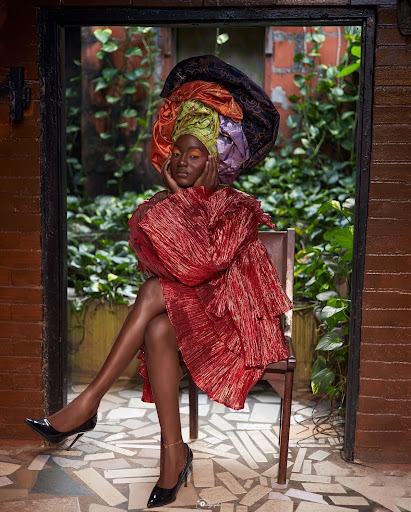
The question worth asking is not why global fashion uses African craft traditions. It uses visual references from everywhere. The question is why it consistently uses the same small subset of African craft traditions, why those traditions receive pattern appropriation rather than cultural credit, and why the deeper, more complex, and in many ways more interesting traditions on the same continent are consistently absent from the same runways.
The answer to the first question is legibility. Kente’s bold geometric colour structure reads immediately to a viewer who has never encountered it before. Adinkra symbols have a graphic clarity that translates directly into print design. Mud cloth’s high-contrast geometric pattern on natural ground is the kind of visual that fashion photography renders well. These traditions have been pre-translated for Western consumption through decades of exposure in design books, museum exhibitions, and African American cultural contexts. A European designer who uses them does not need to do deep research. They need only to recognise what they have seen before.
The traditions that require more cultural engagement are systematically absent. As Omiren Styles’ documentation of the sacred African textiles the world is finally discovering confirms, conversations about African textiles in global fashion have for years revolved around the same well-known fabrics. Among the consistently overlooked: Akwete cloth from southeastern Nigeria, whose weaving tradition is primarily carried out by Igbo women and whose structural complexity rivals any comparable textile tradition globally; barkcloth from Uganda, a UNESCO Intangible Cultural Heritage whose making process is entirely distinct from woven fabric and whose surface qualities cannot be replicated by any industrial process; Kete of the Ewe people of Ghana and Togo, which carries a distinct design philosophy from Asante kente and represents a parallel tradition that Western fashion has almost entirely ignored; Faso Danfani from Burkina Faso; Hausa embroidery from northern Nigeria; and the raffia traditions of the Kongo cultural area.
The global fashion industry does not return to the same African craft traditions because they are the most significant. It returns to them because they are the most legible. Pre-translated for Western consumption, visually striking at first encounter, deployable without deep cultural knowledge. The traditions that require more cultural engagement are consistently overlooked. That is not a coincidence. That is a selection criterion.
What Legibility Without Understanding Costs
The cost of engaging with African craft traditions at the level of legibility without cultural understanding is precisely documented in the adinkra case. The Adinkra tradition contains over one hundred documented symbols. Each carries a specific proverb. Each is the visual anchor for a philosophical position, a cosmological principle, or a precise argument about how to live among others. When a fashion house uses an adinkra symbol as a print motif without knowing which symbol it has chosen or what that symbol means, it is not celebrating African heritage. It is using African intellectual property as decoration.
The distinction matters commercially as well as culturally. When a fashion house deploys a kente-inspired geometric colour combination without attribution to Asante weaving or to a specific Ghanaian designer who has done the cultural translation work, it is taking commercial advantage of a visual language whose cultural authority was built by centuries of Ghanaian craft knowledge. The brand benefits from the authority. The weavers of Kumasi do not.
The kikoi tradition of East Africa’s Swahili coast illustrates the same dynamic from a different angle. As Omiren Styles’ documentation of the kikoi’s journey into international fashion confirms, it is a textile that fashion arrived at long after coastal communities had already resolved every question about how cloth should move in heat, hold up against sea air, and carry meaning beyond its surface. The global fashion industry has a consistent pattern of separating cloth from context. What it keeps is the visual. What it discards is the knowledge system that produced the visual, and that gives it its authority.
The Selection Criterion and Its Consequences
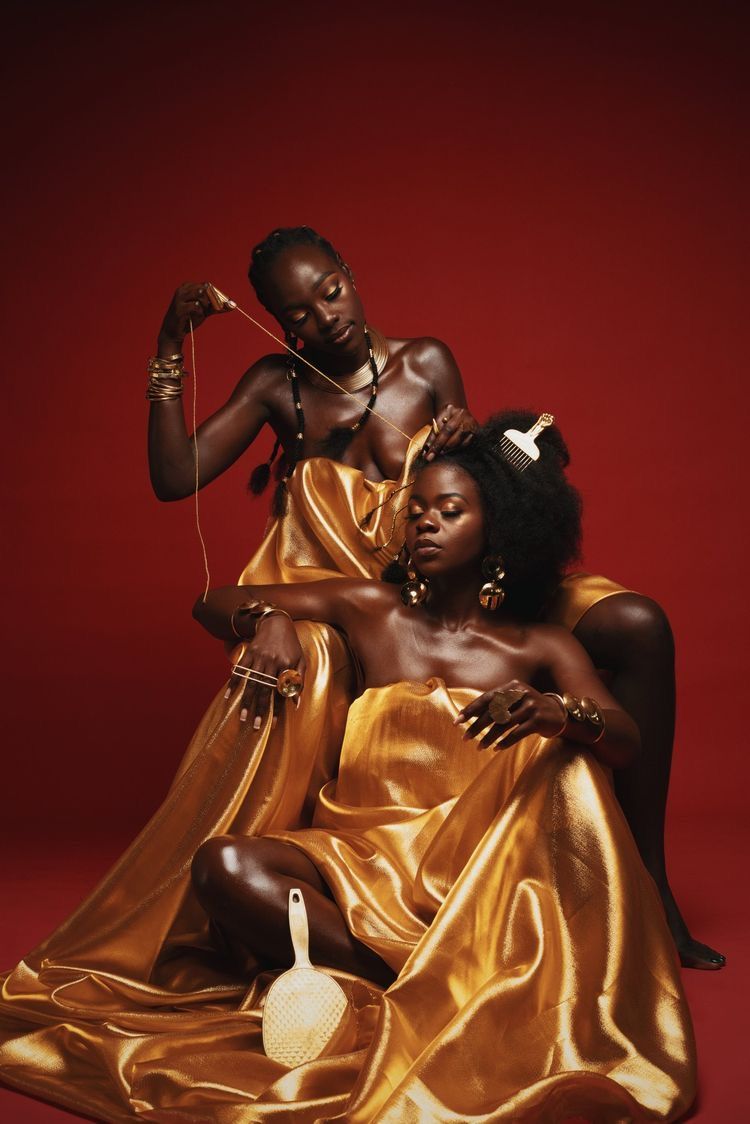
The African textile traditions that global fashion engages with repeatedly are those that require the least cultural intelligence to deploy. That is a selection criterion with direct economic consequences. As global fashion cycles accelerate, the cultural weight of African textiles is often reduced to surface aesthetics. Patterns are copied, colours are replicated, but the stories disappear. The market that cannot distinguish between traditional bogolanfini produced through the full multi-stage process in San, Mali, and a stencilled tourist version produced in a fraction of the time cannot price them differently. When both products call themselves African craft, quality differentiation is impossible.
This is the economic consequence of engagement without understanding. When the visual is separated from the knowledge system that produced it, the visual becomes generic. The moment mud cloth becomes a widely recognised global fashion reference, the most commercially vulnerable product in that ecosystem is authentic bogolanfini from San, because it must compete with every imitation that carries the same surface appearance without the same production process. The knowledge system that produced the authentic cloth subsidises the market for its own imitation.
In this frame, traditions that global fashion has not yet reached are in a more protected position. Akwete cloth’s structural complexity and the specific knowledge required to weave it make imitation harder. Hausa embroidery’s specific techniques and the years of skill development they require make surface replication without craft understanding more evident. The traditions that are most visually complex and culturally specific are also the most protected from the extractive engagement that kente and adinkra have experienced. The selection criterion that determines which traditions global fashion returns to is also the selection criterion that determines which traditions are most exposed to extraction.
What Serious Engagement Actually Looks Like
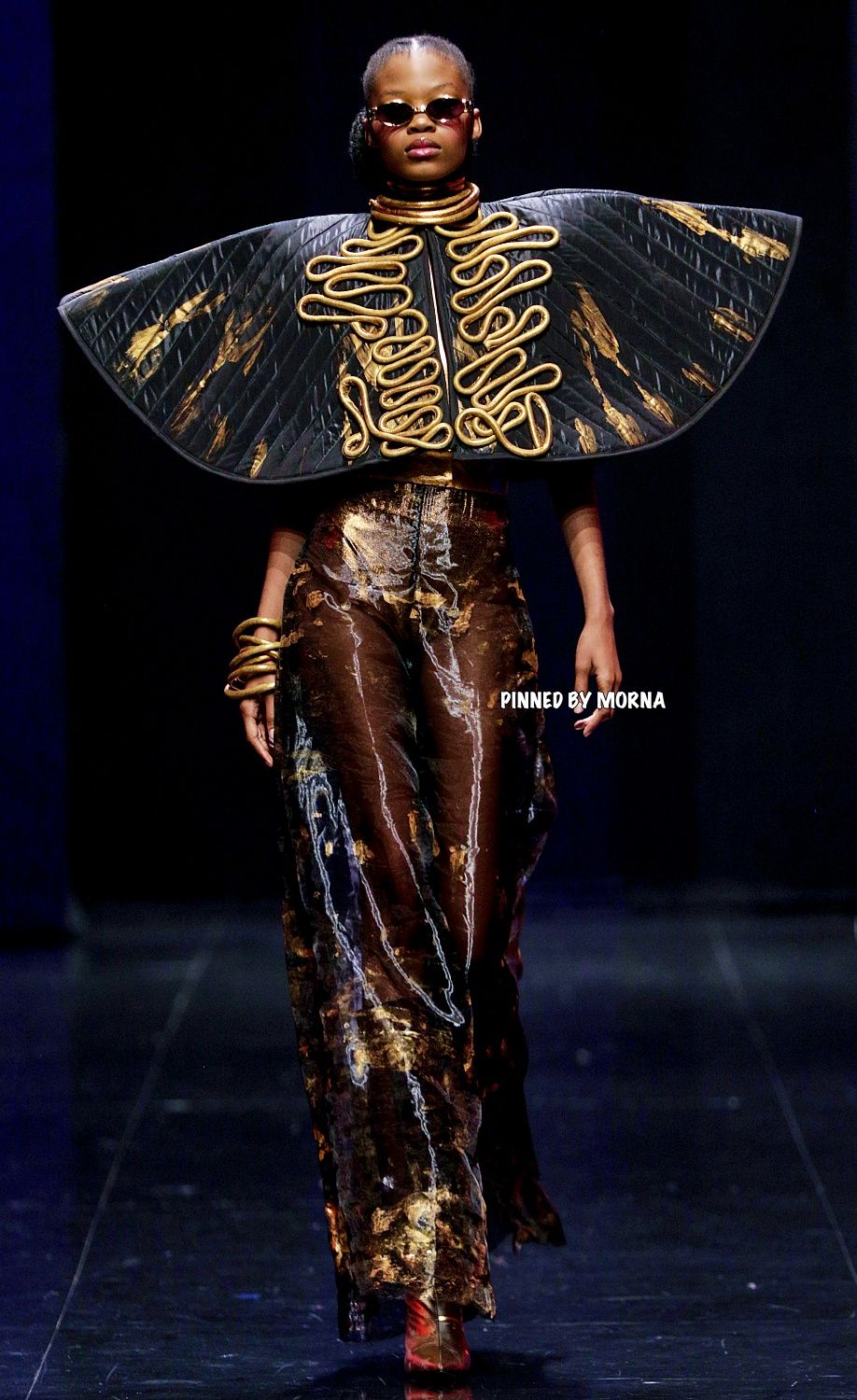
Some designers engage with African craft traditions at the level of cultural intelligence rather than visual legibility. Kenneth Ize transforms handwoven ceremonial fabrics such as Fugu and Ewe Kente into runway-ready garments, preserving lineage and craft while amplifying their visibility. Loza Maléombho reinterprets ceremonial textiles into fluid silhouettes that speak to both African heritage and global fashion audiences. These designers do not arrive at African craft as a trend reference. They arrive at it as their primary design language.
The African designers who build from specific cultural craft traditions outward are demonstrating what serious engagement looks like: not using the visual surface of a tradition while discarding its knowledge system, but working within the knowledge system well enough to expand it into new forms. That is the difference between a designer who uses kente-inspired colour blocking and a designer who understands which kente colour combinations are appropriate for which occasions and builds from that understanding into new silhouettes. The first is decoration. The second is design.
The global fashion industry will keep returning to the same African craft traditions until the structural conditions that produce that pattern change. Those conditions include the absence of attribution requirements, the absence of meaningful intellectual property protection for African textile traditions, the absence of direct economic relationships between global brands and African craft communities, and the absence of editorial coverage that builds the cultural literacy required to distinguish between engagement and extraction. Omiren Styles operates in that editorial space precisely because the change in those conditions begins with naming what is happening accurately.
The Omiren Argument
Global fashion returns to the same African craft traditions because those traditions are the most legible, most pre-translated, and most deployable without deep cultural knowledge. The African fashion market is worth 31 billion dollars. The kente, adinkra, and bogolan that appear on European and American runways with reliable seasonal frequency represent a tiny fraction of the continent’s craft-tradition wealth. They appear not because they are the most significant but because they require the least engagement to use. Givenchy and Oscar de la Renta have used bogolan without attribution. Fashion houses have used adinkra symbols without knowing which proverb they were wearing. Kente-inspired colour blocking appears without acknowledgement of Asante weaving culture.
Meanwhile, Akwete cloth, barkcloth, Kete, Faso Danfani, Hausa embroidery, and the raffia traditions of the Kongo cultural area remain absent from the same runways, not because they are less interesting but because they require more cultural intelligence to engage with. That is the structural argument Omiren Styles is making here: the selection criterion that determines which African craft traditions global fashion returns to is the selection criterion that determines which African craft communities are most exposed to extraction without benefit. The correct response is not a season of African craft appreciation. It is sustained cultural intelligence: credit, payment, partnership, and the willingness to learn the traditions that do not translate without effort.
ALSO READ:
- African Textile Museums: Preserving Memory in an Age of Fast Fashion
- Fashion and Ritual: How Celebrations Shape African Style Practices
- When Dressing Becomes Declaration: Clothing as Cultural Identity
- Traditional Clothing in Ghana: Beyond Kente, Batakari, Fugu, and Cultural Identity
Frequently Asked Questions
Why does global fashion keep using African patterns?
Global fashion repeatedly returns to the same African craft traditions because they are visually legible to designers and consumers with limited cultural knowledge of African textile heritage. Kente, adinkra, and mud cloth have been pre-translated for Western consumption through decades of exposure in design books, museum exhibitions, and diaspora cultural contexts. They are visually striking, graphic, and deployable as print or colour reference without deep cultural research. The traditions that require more cultural engagement, including Akwete, barkcloth, Kete, Faso Danfani, and Hausa embroidery, are consistently absent from the same runways.
Which African craft traditions are most used by global fashion?
The most frequently referenced African craft traditions in global fashion are: kente cloth (Asante, Ghana), whose bold geometric colour structure translates immediately into print and colour blocking; adinkra symbols (Akan, Ghana), whose graphic clarity renders well as surface pattern; bogolan or mud cloth (primarily Mali), whose high-contrast geometric pattern on natural ground photographs well; and Kuba cloth (Democratic Republic of Congo), whose cut-pile geometric velvet has entered interior design and fashion editorial contexts. All four share the characteristic of visual legibility without deep cultural knowledge.
What African textiles are overlooked by global fashion?
Among the most consistently overlooked African textile traditions in global fashion: Akwete cloth from southeastern Nigeria, woven by Igbo women with structural complexity that rivals any comparable global textile tradition; barkcloth from Uganda, a UNESCO Intangible Cultural Heritage with a making process distinct from any woven fabric; Kete of the Ewe people of Ghana and Togo, a parallel tradition to Asante kente with a distinct design philosophy; Faso Danfani from Burkina Faso; Hausa embroidery from northern Nigeria, whose specific techniques require years of skill development; and the raffia traditions of the Kongo cultural area. These traditions require more cultural engagement to deploy, which is the primary reason they are absent from the runways that regularly feature kente and adinkra.
Is global fashion using African textiles ethically?
The predominant pattern in global fashion’s use of African textile traditions is not ethical by the standards of attribution, compensation, and cultural intelligence. Fashion houses including Givenchy and Oscar de la Renta have used bogolan patterns without attribution to Malian craft communities. Adinkra symbols have been deployed as print motifs without knowledge of the specific proverb or philosophical meaning each symbol carries. Kente-inspired colour blocking appears without acknowledgement of Asante weaving culture or partnership with Ghanaian weavers. Ethical engagement requires credit, payment, partnership with craft communities, and cultural knowledge sufficient to use traditions with understanding rather than only with visual recognition.
What is the difference between appreciation and extraction in African craft?
Appreciation involves engaging with African craft traditions at the level of cultural intelligence: understanding what a tradition means, who produces it, how its visual vocabulary was built, and what economic benefit should flow to the producing community when its visual authority is used commercially. Extraction involves using the visual surface of a tradition while discarding the knowledge system that produced it, taking commercial advantage of the tradition’s cultural authority without attribution or economic benefit to the community. The practical distinction is whether the producing community benefits from the engagement. If a fashion house uses a kente-inspired colour combination and neither credits Asante weavers nor creates any economic relationship with Ghanaian craft communities, that is extraction regardless of the intent behind the creative choice.
Explore More
Read the full Fashion > Opinion section for Omiren Styles‘ documentation of African craft traditions, global fashion industry arguments, and the editorial positions that matter for getting African fashion right.