Sierra Leonean designers shape how their country’s fashion is understood locally and internationally.
They do this by operating as professionals who assert specific points of view rooted in material knowledge, cultural continuity, and adaptive production. These designers treat design as a practice of agency rather than recovery.
Through this approach, they address real constraints in the Sierra Leone fashion industry through documented strategies that balance local impact with broader reach. This article shows key Sierra Leone fashion designers based on their verifiable achievements.
Sierra Leonean designers are redefining African fashion through contemporary creativity. See how they are transforming Sierra Leone’s fashion industry here.
Pioneering Sierra Leonean Designers Advancing Professional Practice and Industry Foundations
Foday Dumbuya’s Professional Practice of Cultural Storytelling
Foday Dumbuya’s design identity is shaped by movement between places. Born in Freetown, he spent part of his childhood in Cyprus before moving to the UK as a teenager.
That early shift between cultures is reflected in how he approaches clothing and identity today. Before launching his own label, he trained in menswear at the London College of Fashion.
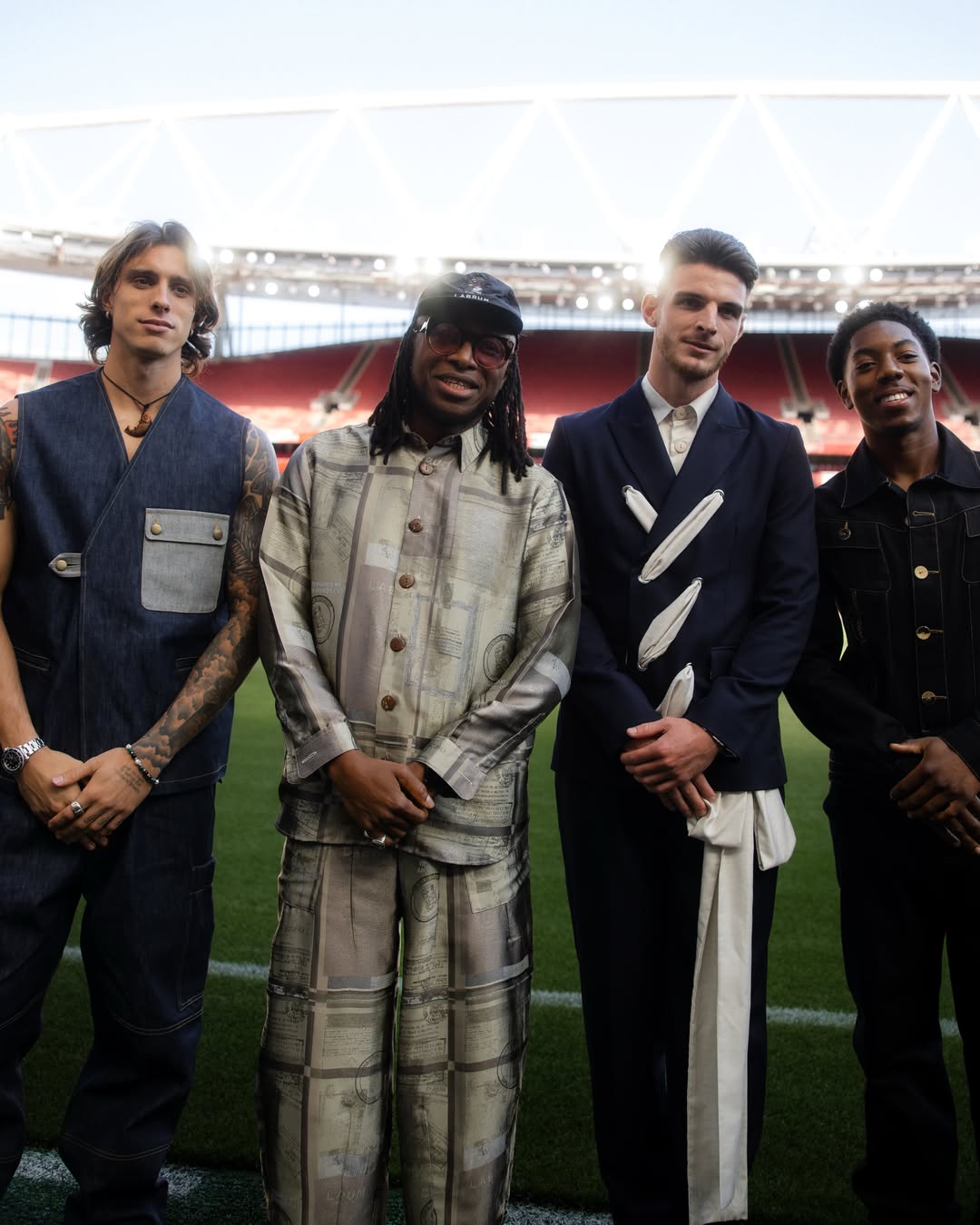
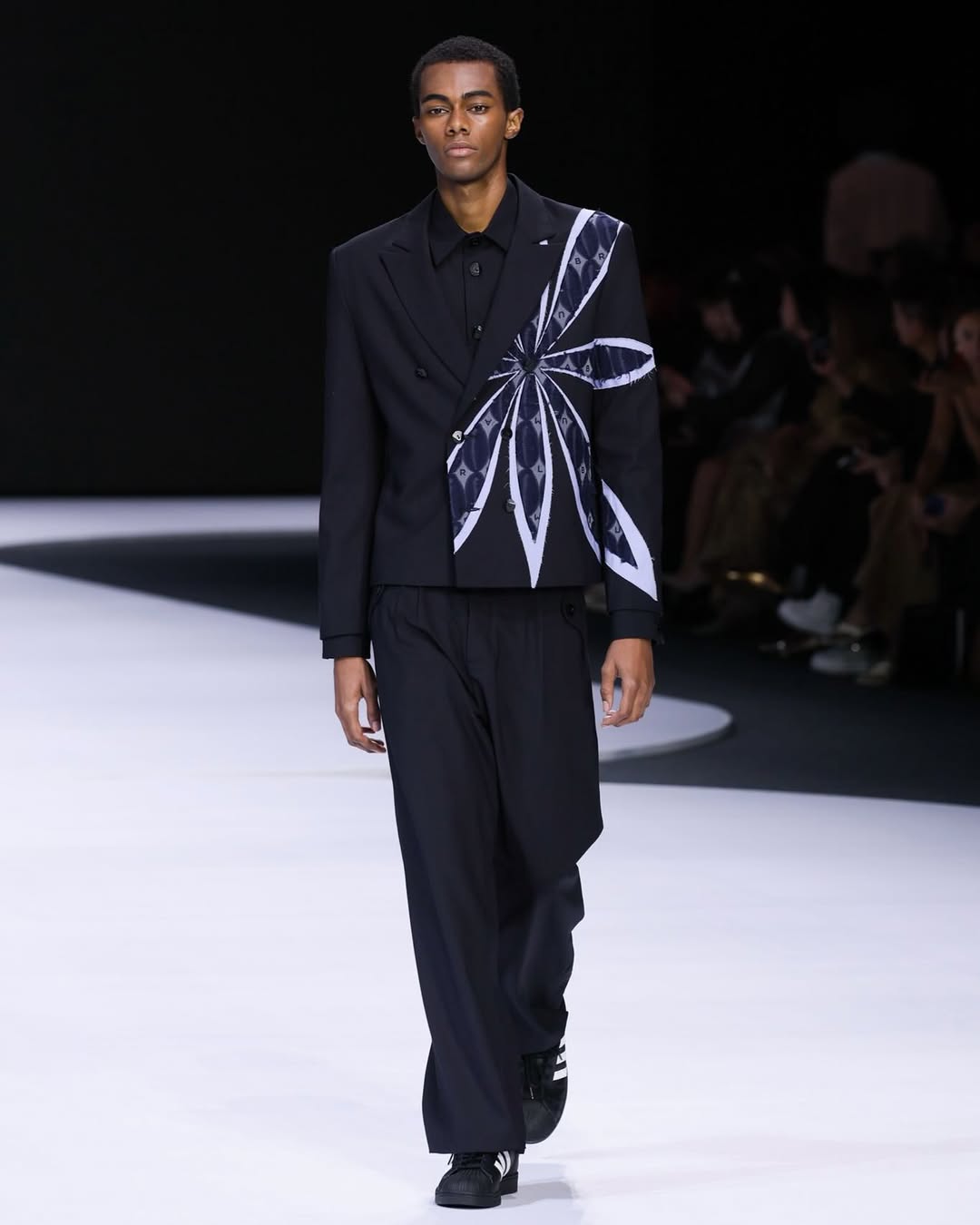
He also worked with brands such as DKNY and Nike, where he gained technical experience in global fashion systems. Around 2014–2015, he founded LABRUM London. The brand became a space for telling West African stories through structured tailoring and modern sportswear references.
His work reached wider visibility through major collaborations, including designing the 2024/25 Arsenal away kit for Adidas, which drew on Pan-African ideas and Sierra Leonean influence.
Furthermore, Dumbuya has created kits for Sierra Leone’s Olympic teams, and in 2023, he received the Queen Elizabeth II Award for British Design.
Mary-Ann Kaikai’s Enterprise Model
When Madam Wokie began in 2009, it was not built as a traditional fashion label. It was designed as a working system for production, training, and income.
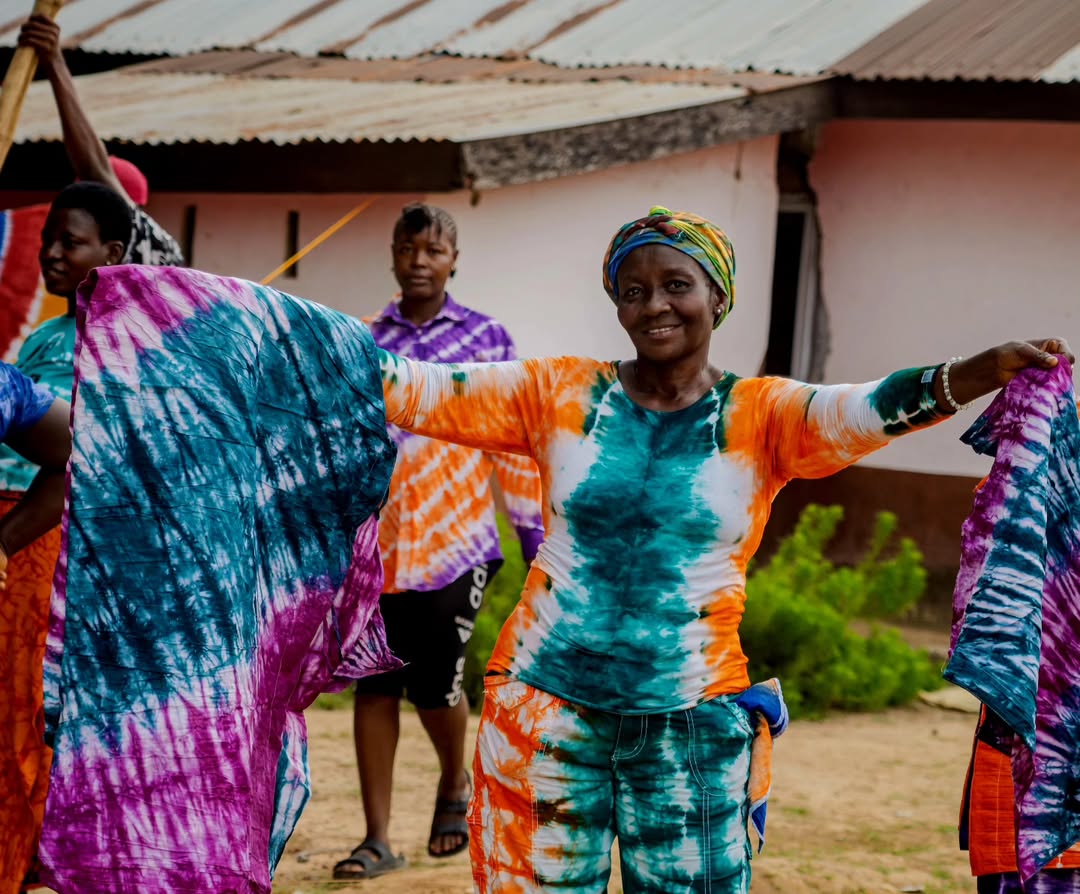
Later on, Mary-Ann Kaikai shaped it around Gara tie-dye and batik, both deeply rooted in Sierra Leonean textile practice. Instead of focusing only on finished garments, she focused on the people behind them.
Over time, the brand became a space where women could learn textile skills and earn from them. This approach expanded through partnerships with organisations such as the World Bank, Orange Foundation, and the German Embassy.
Reports place the number of women trained in the thousands, with ongoing expansion targets.
What makes her model distinct is its structure. Production, training, and income generation sit in the same space rather than being separated.
Madam Wokie operates as both a fashion brand and a long-term skills network that supports women while keeping local textile knowledge active in the Sierra Leone fashion industry.
Adama Kargbo
The shift from custom-only clothing to ready-to-wear fashion in Sierra Leone has clear turning points, and Adama Kargbo is one of them.
She was trained at Parsons School of Design and worked in Paris and New York with major fashion houses before returning to Freetown in the mid-2000s.
In 2008, she opened Aschobi Designs. At the time, the idea of a ready-to-wear fashion store in Sierra Leone was still new. Her store introduced structured retail fashion to a market that mostly relied on tailoring or imported clothing.
Her designs combined modern silhouettes with bold African prints, making everyday fashion more accessible without diminishing cultural expression.
Although she passed away in 2018, her contribution is tied less to one aesthetic and more to a shift in how fashion could be bought, sold, and experienced within Sierra Leone’s emerging retail space.
Also Read:
- Freetown Streetwear: Youth Culture and Fashion Evolution
- Traditional Clothing in Sierra Leone: Culture, Identity, and Style
- Fabrics and Craftsmanship in Sierra Leonean Fashion
Ethical Production and Heritage Revival in Sierra Leonean Design Practice
Euphemia-Ann
Euphemia-Ann owns Sydney-Davies. She approaches fashion through lived experience across multiple countries.
Born in Sierra Leone, she became a refugee during the civil war and later lived in Gambia, Kenya, and the UK. That background shaped how she understands responsibility in fashion production.
She studied textile design at Heriot-Watt University and trained at Alexander McQueen (MCQ), where she developed strong technical skills in garment construction. Instead of fully centring production overseas, she later chose to build manufacturing links in Freetown.
Her work also focuses on skill transfer. Local artisans are trained in sewing, cutting, and garment construction, which turns production into a shared process rather than a distant one.
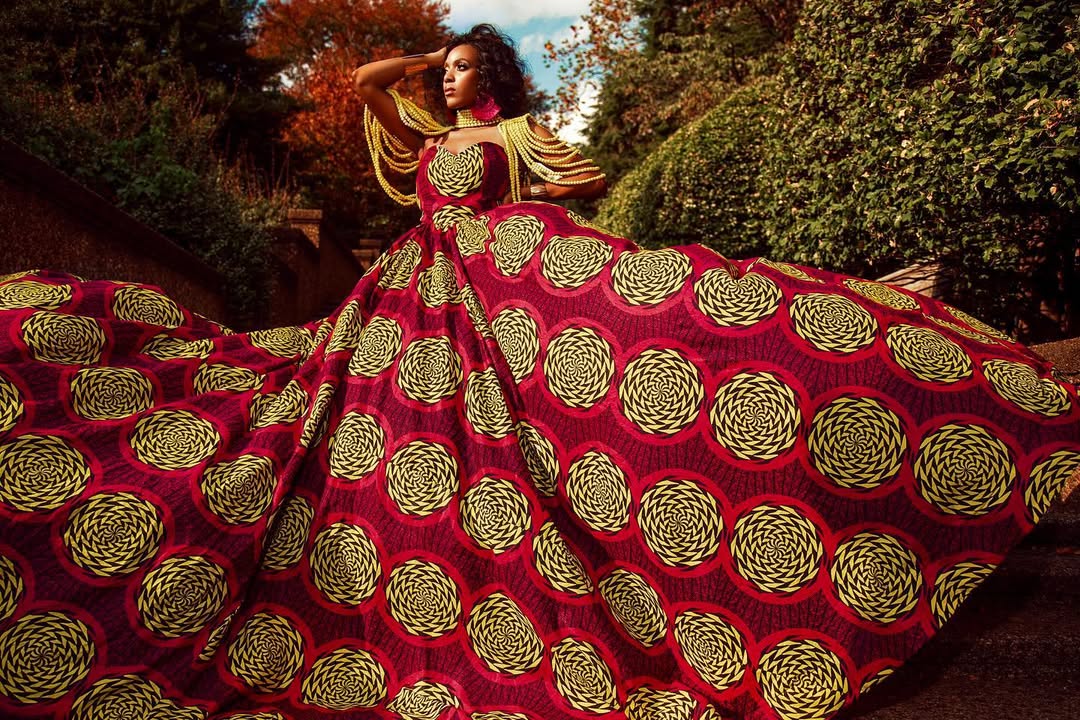
She uses African textiles alongside recycled materials to reduce waste and keep production grounded in context.
Her work has been presented at Buckingham Palace during London Fashion Week through the Commonwealth Fashion Exchange. Throughout her practice, fashion serves as a means of connecting diaspora experience with local production systems in Sierra Leone.
Troy Massa’s Bold Ready-to-Wear Couture
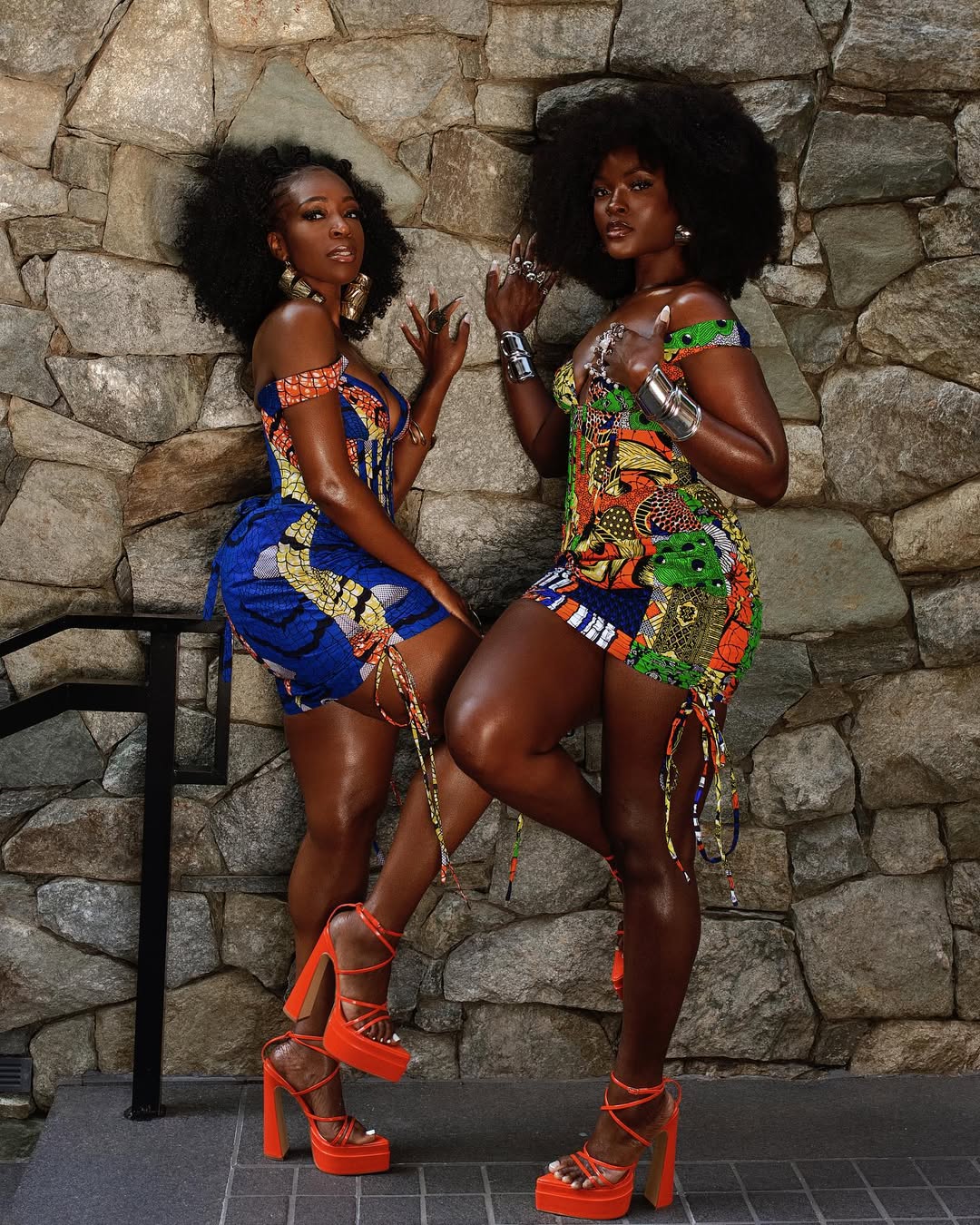
Troy Massa’s work is built around visibility. From the start of his label(shop.troymassa) in 2016, he focused on clothing that stands out through colour, print, and strong shapes. The goal was not subtlety, but presence.
His designs sit between ready-to-wear and couture. They are made to be worn, but they also carry a strong visual identity that draws attention in public and media spaces. This approach helped his work move into wider cultural visibility.
He has worked with public figures such as Jidenna and DJ Tunez, and his designs have appeared in publications like Glamour Magazine.
These moments helped position his brand within both African and international fashion spaces.
At the centre of his practice is cultural pride. His clothing often reflects African identity through bold styling choices rather than traditional storytelling methods.
So, instead of explaining culture, he presents it visually through colour, energy, and form.
Emmanuel Edwards and Manikene’s Craft Revival
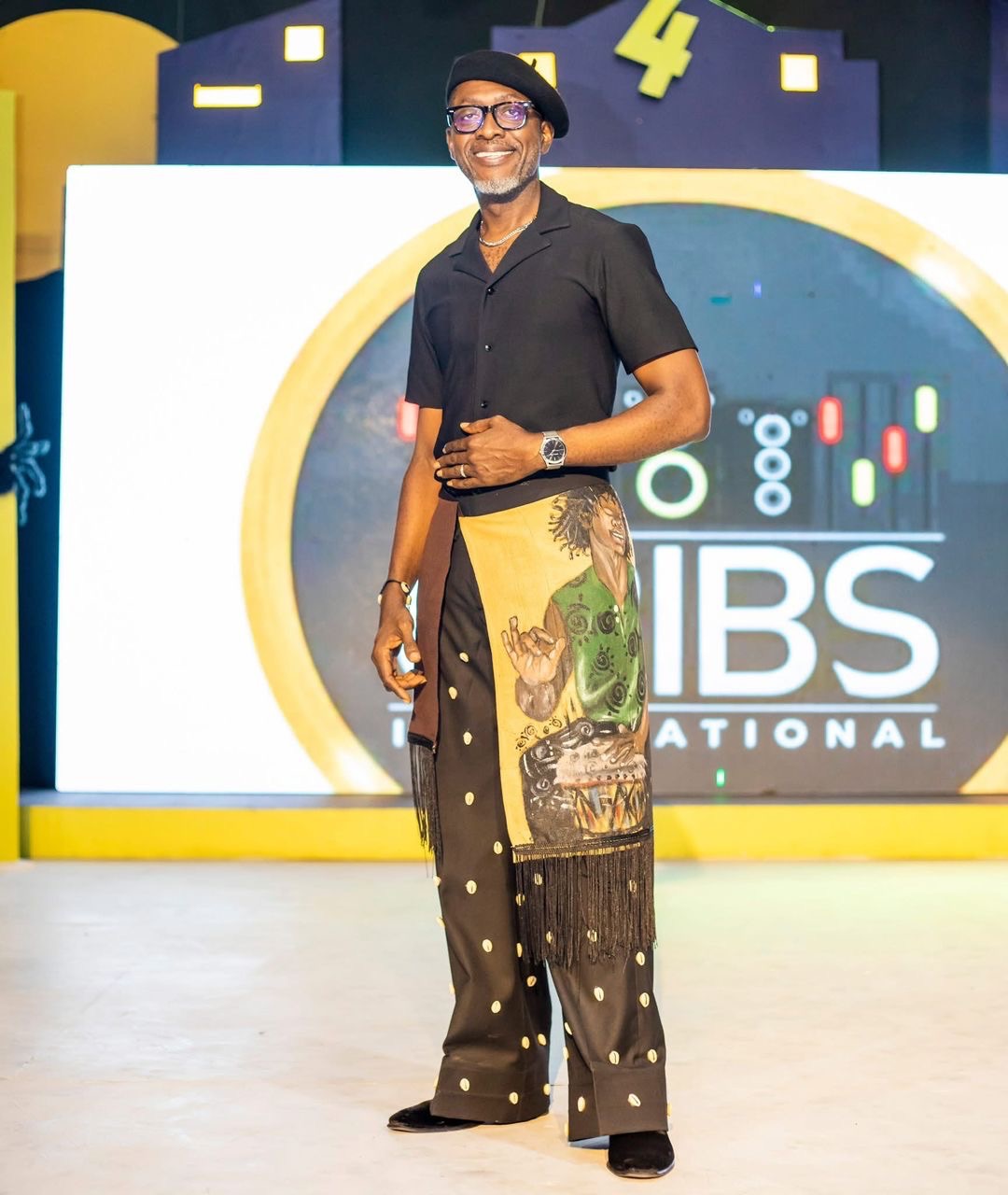
Emmanuel Edwards, professionally known as Manikénè, is a multidisciplinary talent whose work in fashion strongly emphasises heritage revival and local empowerment in Freetown.
With nearly a decade of experience as a designer, tailor, and creative, he founded Manikene. This brand was formed to revive traditional Sierra Leonean craft techniques and integrate them into contemporary clothing.
As founder, CEO, and creative director, Edwards collaborates closely with local artisans, using indigenous materials and skills to produce high-quality pieces under a “Made in Salone” banner.
This has led to improved production standards and greater appreciation for traditional craftsmanship among younger makers. He has taken his collections internationally, including a solo fashion show in the UK, and has collaborated with notable names such as Labrum London.
The Omiren Argument
Sierra Leonean designers shape the direction of African fashion by exercising professional agency. This was achieved through material expertise and adaptive production models that prioritise cultural continuity and local economic participation over undifferentiated global scaling.
In Sierra Leone’s post-conflict setting, these designers built verifiable impact. They did this through Gara Craft Enterprises, ethical supply chains, artisan training programmes, and strategic international positioning.
This disrupts the assumption that the Sierra Leone fashion industry operates mainly in recovery mode, with limited independent influence. For sustained progress in the sector, targeted strengthening of collective associations, technical infrastructure, and domestic market access must be available to expand these established models without diluting local control.
Frequently Asked Questions
-
Who is Foday Dumbuya?
Foday Dumbuya is a Sierra Leonean fashion designer and the founder of the London-based brand LABRUM. He is known for combining West African identity with contemporary tailoring and has gained international recognition through global showcases and collaborations.
-
Who is the finest artist in Sierra Leone?
There is no official ranking for the “finest” artist in Sierra Leone because artistic merit is subjective. However, well-known Sierra Leonean musicians include Emmerson, Drizilik, and Kao Denero, who are influential in shaping modern Sierra Leone music culture.
-
Who are the top 5 fashion designers?
Foday Dumbuya is a Sierra Leonean fashion designer and the founder of the London-based brand LABRUM. He is known for combining West African identity with contemporary tailoring and has gained international recognition through global showcases and collaborations.
-
Who was the first African fashion designer?
There is no single recorded first African fashion designer because fashion traditions across the continent evolved through many independent textile and tailoring systems. However, early modern pioneers in African fashion include designers such as Shade Thomas-Fahm, who helped shape contemporary ready-to-wear fashion in Nigeria in the mid-20th century.
-
Who is the 7-year-old designer?
The most widely reported example is Max Alexander, a young American fashion designer who gained attention for creating clothing and presenting designs at fashion events at around age 7. He became known for showcasing his work on youth-focused runway platforms, including appearances during Denver Fashion Week coverage.