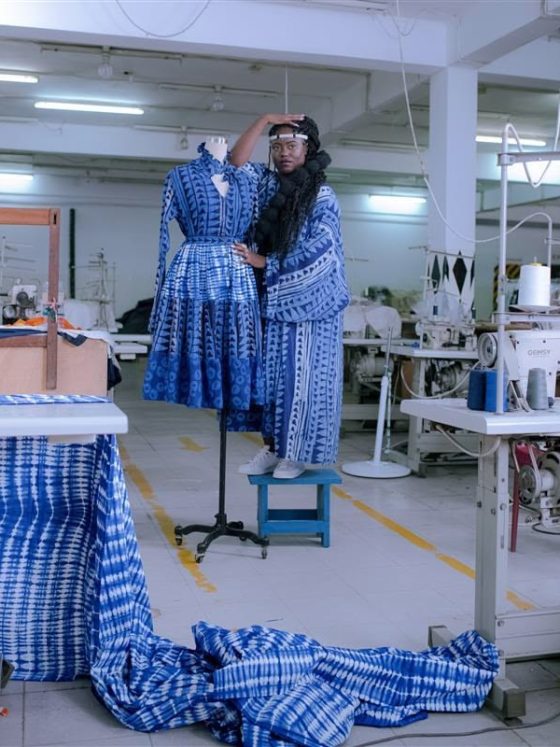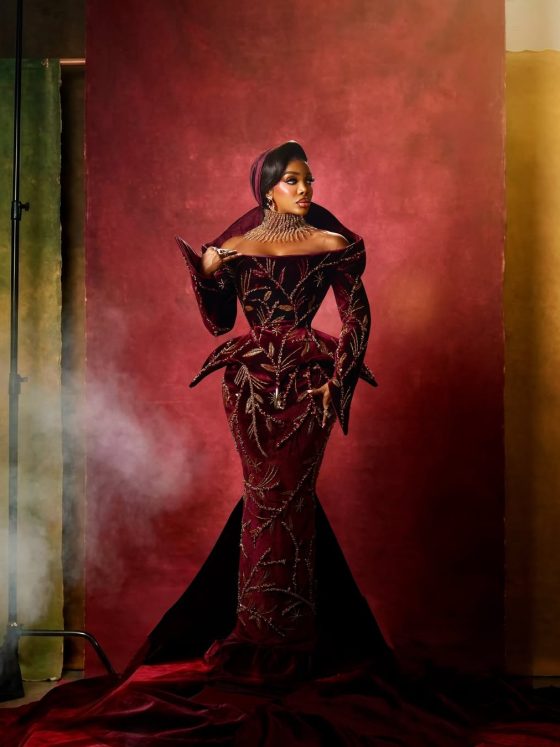
There is a version of the African fashion story that the mainstream press has been telling for the better part of a decade. It begins in Lagos. It pivots through Accra. It finds validation in a Paris showroom or a London editorial. ShaSha Designs is not interested in that story. Based in Douala, Cameroon’s economic capital, the brand has spent years building something the global fashion conversation has been poorly equipped to receive: a body of work rooted in a specific textile, a specific culture, and a specific argument about what African luxury looks like when it refuses to translate itself for outside approval. The result is a brand with more than half a million followers on Facebook and a visual language so distinct it stops the scroll before the caption is read. That audience did not arrive through press placement. It arrived through the quality and consistency of work that knows precisely what it is making.
The fashion industry has a recurring problem with specificity. It can handle African fashion as a category. It struggles with African fashion, as there are fifty-four distinct design traditions, each with its own materials, histories, and claims on the present. ShaSha Designs is one of the most compelling examples of what happens when a designer stops waiting for the industry to develop that vocabulary and simply begins working. What the brand has built from Douala, in one of Africa’s most underrepresented fashion cities, is a case for cultural sovereignty made through craft — one Toghu gown at a time.
Toghu was a royal document long before fashion had a category for it. ShaSha Designs is not modernising the fabric. It is giving the world the introduction it was always owed.
ShaSha Designs and the Toghu Textile: What the Fabric Actually Is
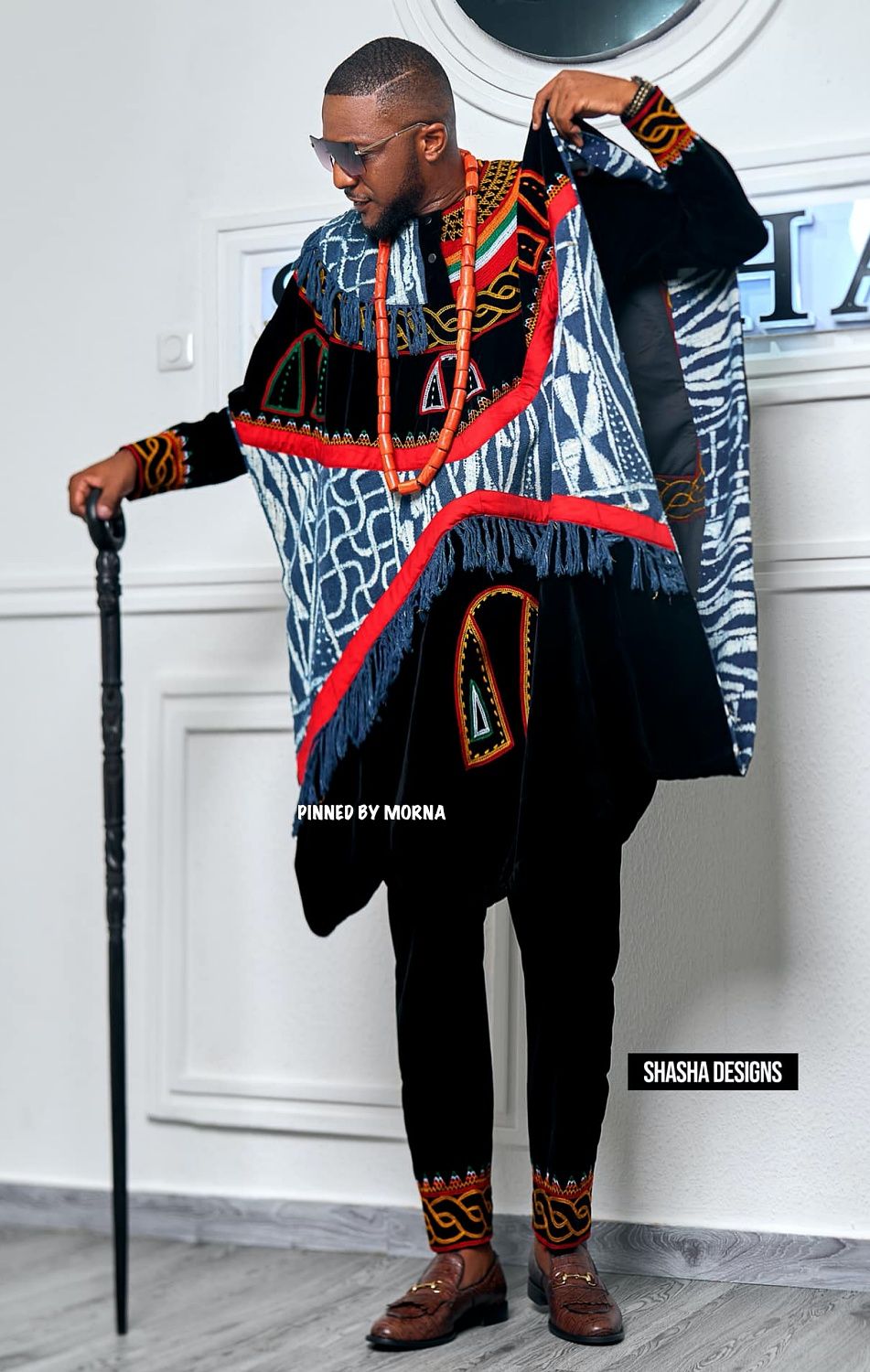
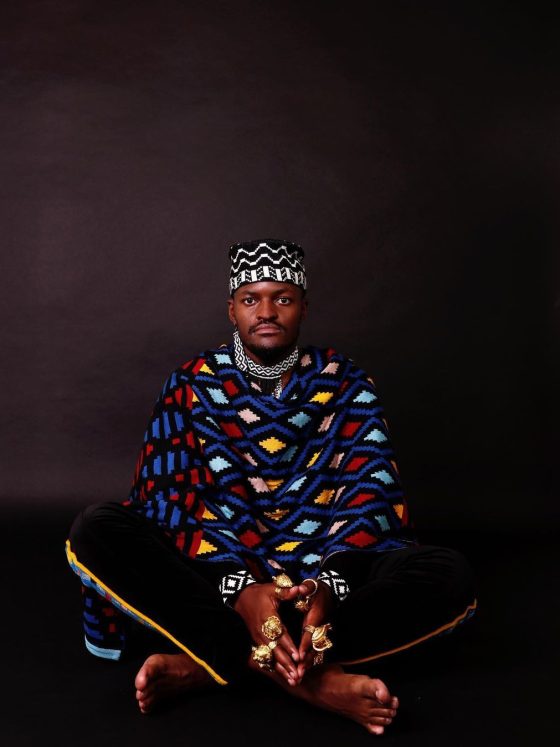
Toghu is Cameroon’s royal fabric. Originally produced for the Fon palaces and chieftaincies of the North West highlands, it is a velvet textile distinguished by its dense floral and geometric embroidery, worked in contrasting thread in a process that is painstaking, skilled, and entirely deliberate. The underlying material is Ndop, a hand-made cloth from the North West Region, also called velvet back material, onto which the embroidery is applied. As the Ultimate Traditional Designs documentation of the fabric confirms, Toghu is not the name of the material itself. Still, the name of the design tradition embroidered onto it — a distinction that tells you immediately that what is being described is a craft practice, not a commodity. You do not mass-produce Toghu. The embroidery alone demands a level of craft that resists speed. And that resistance is part of the point.
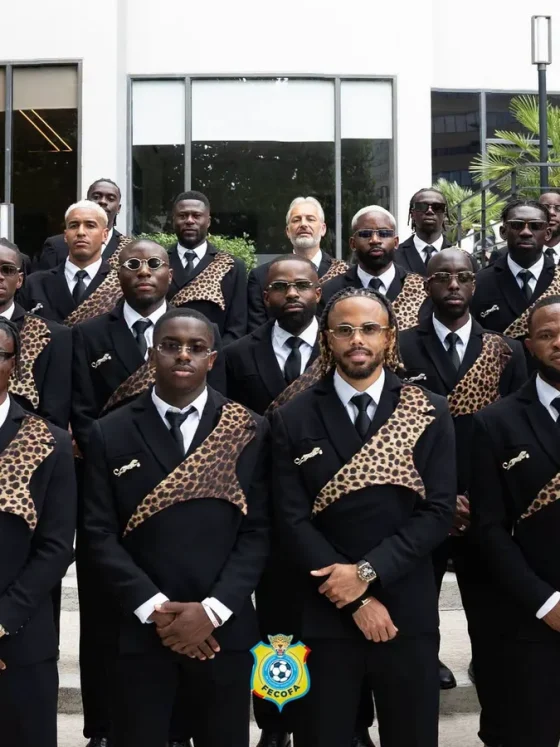
Historically, Toghu was not a garment you chose from a rack. It was a garment you were granted the right to wear. In the social architecture of the Nso kingdom and the broader Grassfields region of Cameroon, the appearance of Toghu at any gathering communicated volumes before a word was spoken. The fabric encoded rank, occasion, and lineage. It was a visual constitution, stitched in velvet, worn on the body. To appear in Toghu was to make a formal statement about who you were in the order of things. The fabric’s most common colours are black, gold, and orange, finely embroidered in patterns that form bold geometric and floral compositions. The Cameroonian national football team’s formal attire at the 2012 Olympic Games in London was Toghu, which introduced the fabric to an international audience with the specific framing of national pride and institutional authority it has always carried.
ShaSha Designs has not stripped Toghu of that weight. It has carried it forward and offered it to a contemporary woman who understands, even if she did not grow up in the North West highlands, that wearing something with that kind of history on her body is an act of inheritance rather than aesthetic selection. The brand’s gowns are not Toghu-inspired in the diluted sense that word usually implies. They are Toghu-structured, built from the inside out around the logic and demands of the textile rather than applying the fabric as decoration to a silhouette borrowed from elsewhere.
The Designer’s Decision: Why Douala, Why Toghu, Why Now
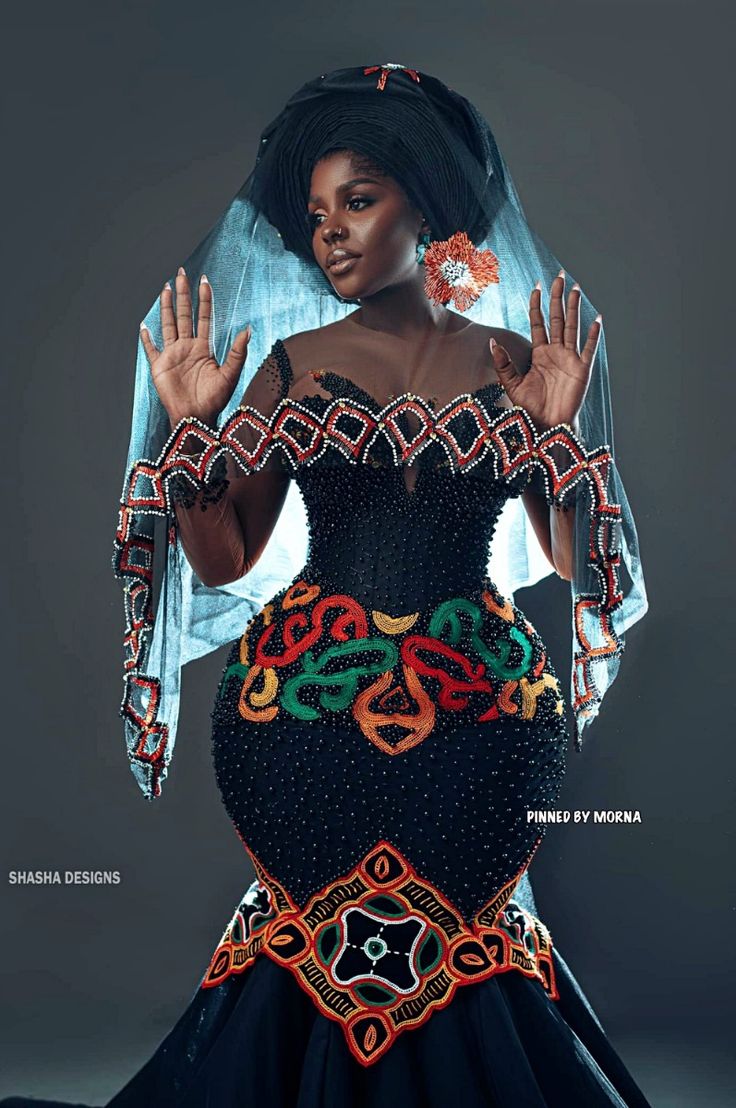
The creative behind ShaSha Designs trained at a fashion institute in Ghana before returning home to Cameroon and establishing the atelier in Douala. That trajectory is worth examining beyond the biographical detail. Ghana’s fashion education system has produced a generation of West African designers who understand both the technical grammar of international fashion and the deep material cultures of the region they return to. The decision to come back and work specifically with Toghu was not a retreat into tradition. It was a strategic and creative claim: this textile is the argument, and I am qualified to make it.
What ShaSha Designs has built since that return is characterised by a consistency that distinguishes serious work from seasonal noise. Collection after collection, the brand returns to the same discipline: precise construction, purposeful embroidery, silhouettes that serve the woman wearing them rather than announce themselves independently of her. The brand’s collections read as a coherent body of thought rather than a sequence of seasonal pivots. Rebirth. Silhouette. Moonlight Stories. Synesthesia. Illusion. Morphe. Each title suggests a designer who is not simply producing clothing but pursuing a sustained argument about how fabric and form can carry meaning.
The wedding range, Garden of the Brides, premiered in 2014 and extends that argument into the space where cultural heritage and personal occasion intersect most visibly. These are not gowns designed to disappear into the background of a wedding album. They are designed to be the record. A bride who commissions a ShaSha Designs Toghu gown is not selecting a dress. She is making a statement about which cultural tradition she considers the most significant moment of her ceremonial life. That is the same statement that Toghu’s original wearers were making in the Fon palaces of the Grassfields when the fabric was reserved for royalty and dignitaries alone. The brand’s Facebook presence, with 521,751 followers and over 21,000 actively engaged, documents the reach of a creative practice that has never required a European platform to build an audience proportionate to its ambition.
The fashion press chases the story of African designers breaking into global markets. ShaSha Designs built an audience of half a million without waiting for that story to be written about them.
Half a Million People and the Market the Mainstream Missed
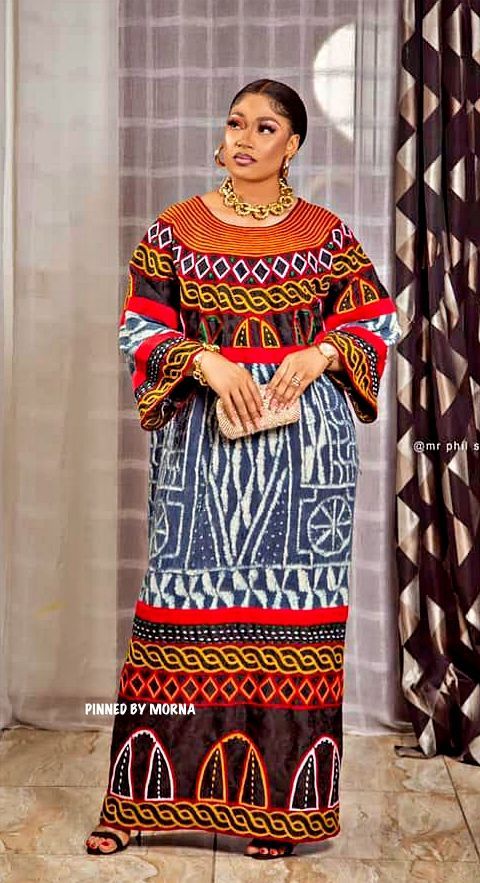
More than half a million people follow ShaSha Designs on Facebook. That number is not a vanity metric. In the context of African fashion, where brands that receive the most international press coverage often have only a fraction of that organic reach, this tells a more honest story about where the genuine appetite lies. The fashion press has spent years chasing the story of African designers breaking into global markets: the Lagos atelier that lands a Vogue feature, the Accra label that debuts at Paris Fashion Week, the moment of external recognition that supposedly confirms that a designer’s work has arrived. ShaSha Designs has built an audience at scale without that story. Its reach is not the result of a single feature or a placement in a prestigious stockist. It is the accumulated result of work that consistently delivers on a clear and uncompromising promise.
What the audience is responding to is specificity. Not African fashion in general. Not an Afrocentric aesthetic designed to speak to everyone and therefore to no one in particular. A Cameroonian creative voice, working with Cameroonian materials, making a Cameroonian argument about what elegance means: the audience has found that specificity not despite its precision but because of it. People who know exactly what they are looking for will always find a brand that knows exactly what it is making. The Toghu gown that ShaSha Designs produces for a bride in Bamenda carries the same precise cultural authority as the one that circulates across the Cameroonian diaspora in Europe and North America. The fabric travels. The meaning travels with it.
The TikTok documentation of ShaSha Designs content confirms what the Facebook numbers suggest: an audience that is not passively receiving the brand’s output but actively participating in it. Traditional Bamenda weddings featuring ShaSha Designs gowns generate organic content from participants who are not the brand’s marketing team. The brand has become the reference point for what Toghu looks like at its most contemporary and most technically accomplished. That reference point was built from Douala, not from any city the mainstream fashion press uses as its frame of reference for African design.
Also Read:
- Bubu Ogisi of IAMISIGO: The Designer Who Refuses to Make African Fashion Legible to the West
- Investing in Textile Heritage: The Business Case for Preserving What Western Fast Fashion Cannot Copy
- The Silence Around African Luxury: Why the Continent’s Most Expensive Fashion Is Almost Never Discussed
- The Problem with Calling Every African Designer One to Watch
What Cameroon Represents in the African Fashion Conversation
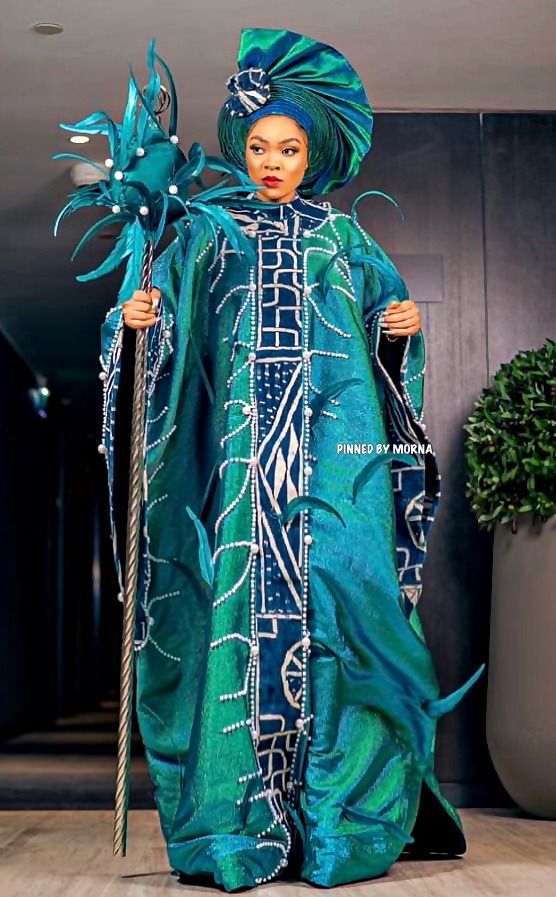
The global fashion conversation about African design is maturing, but unevenly. The same cities get the same coverage. The same designers are cited in the same round-up articles. In that conversation, Cameroon remains peripheral. And Toghu, one of the most visually complex and culturally specific royal textiles on the continent, remains largely unknown to communities outside those who understand its meaning. First Lady Laura Bush and Barbra Streisand have been documented as wearers of Toghu. The Cameroonian designer Kibonen Nfi of Kibonen New York carried Toghu to the Commonwealth Fashion Exchange at Buckingham Palace in February 2018, pairing it with Maasai beading from Tanzania in a look that demonstrated the fabric’s capacity to hold its own in the most formally prestigious contexts available to Commonwealth designers. These moments of international visibility have not translated into sustained global coverage of Toghu as a design tradition. They have been individual moments in a conversation that has not yet committed to the sustained engagement the tradition warrants.
ShaSha Designs is the most consistent case being made against Cameroon’s peripheral status in that conversation. Not through press releases or campaign strategies, but through the quality and consistency of work that gives the world increasingly few reasons to continue looking past it. Every gown that leaves the Douala atelier is a document. It records where Cameroonian fashion is at this moment in its evolution: confident, specific, technically accomplished, and entirely unbothered by the absence of coverage from outlets that have not yet developed the vocabulary to review it properly.
The Omiren Argument
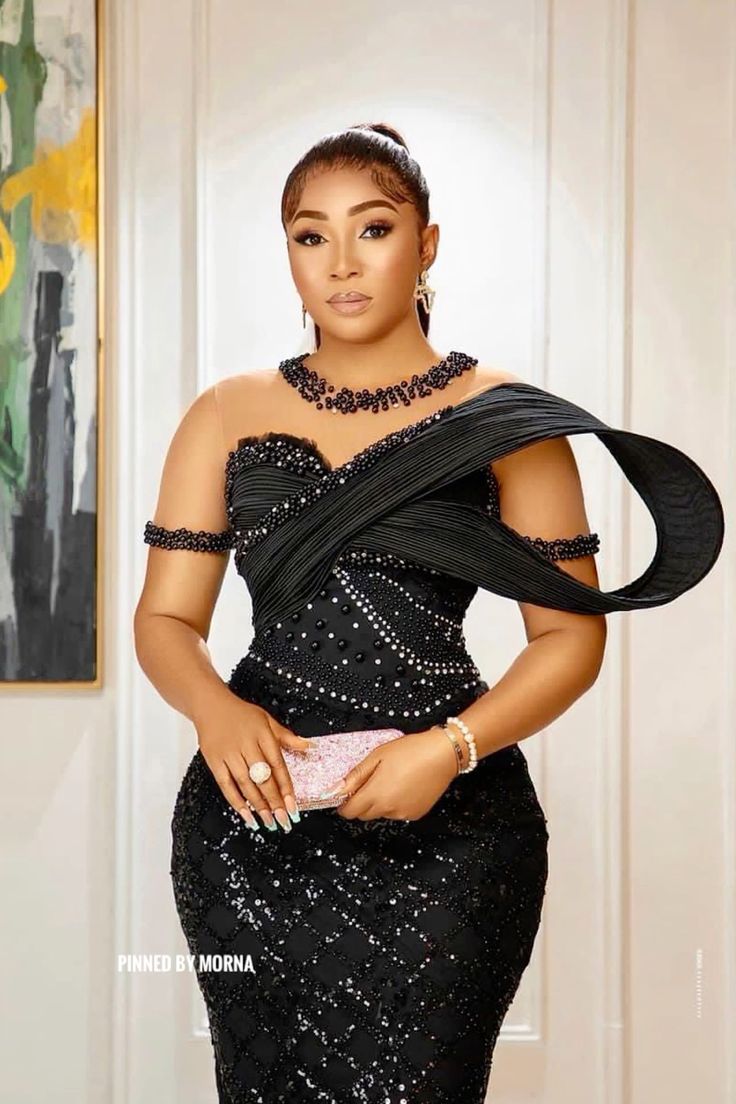
ShaSha Designs is not a discovery. It is a mature creative practice that has been making a specific, sustained, and technically rigorous argument about Cameroonian royal textile culture for years, in a city and a country that the global fashion press lacks the institutional knowledge to cover. The brand’s half-million Facebook audience is the documented proof that the argument has been received by the community it was built for. The absence of equivalent international press coverage does not reflect the brand’s significance. It is a reflection of the press’s limitations. Toghu was a royal document before fashion editorial existed as an industry. ShaSha Designs is not modernising it. It is giving the world the introduction that the textile industry always owed.
Omiren Styles documents ShaSha Designs for the same reason it documents Sande Society masquerade, Krobo Dipo beadwork, and Eswatini’s Umhlanga: because African fashion’s most authoritative creative practices are not the ones waiting for external validation. They are the ones that were always being built, from the inside out, in the specific places and from the specific materials that make them irreplaceable. A ShaSha Designs Toghu gown cannot be produced in Paris or Milan. It cannot be conceptually replicated by a designer who has not committed years to understanding what the textile is doing. It can only come from the creative practice that chose Douala, chose Toghu, and chose the discipline of making something that does not ask permission to be extraordinary. That is the Omiren Styles definition of African fashion at its most powerful. ShaSha Designs is exactly that.
Frequently Asked Questions
What is ShaSha Designs, and where is it based?
ShaSha Designs is a Cameroonian fashion brand based in Douala, Cameroon’s economic capital. The brand is built around Toghu, the traditional embroidered velvet royal textile of the North West Region of Cameroon. The creative director trained at a fashion institute in Ghana before returning to Cameroon to establish the atelier. The brand produces evening gowns, traditional ceremonial dress, and bridal wear, with collections including Rebirth, Silhouette, Moonlight Stories, Synesthesia, Illusion, and Morphe. The bridal range, Garden of the Brides, premiered in 2014. ShaSha Designs has over 521,000 followers on Facebook, with more than 21,000 actively engaging with its content.
What is Toghu, and why is it significant?
Toghu is the design tradition of the North West Region of Cameroon, specifically the Grassfields area, applied to Ndop, a handmade velvet cloth. The embroidery is dense, geometric, and floral, worked in contrasting thread in a painstaking manual process that cannot be industrially replicated at speed without losing its defining qualities. Historically, Toghu was worn exclusively by royalty and dignitaries in the region’s Fon palaces and chieftaincies, including the Nso kingdom. It encoded rank, occasion, and lineage at a glance. The most common colours are black, gold, and orange. The Cameroonian national football team wore Toghu at the 2012 Olympic Games in London, and figures including First Lady Laura Bush have worn the fabric.
How did ShaSha Designs build its audience without international press coverage?
ShaSha Designs built its audience of over half a million Facebook followers through the consistency and quality of its output rather than through press placement or international debut. The brand’s visual language — Toghu gowns of extraordinary technical precision, with purposeful embroidery and silhouettes that serve the wearer — generated organic audience growth from Cameroonian communities and the broader African diaspora who recognised the textile tradition and its contemporary articulation. The brand’s presence in traditional Bamenda weddings, documented organically on TikTok by participants rather than the brand’s own marketing, demonstrates an audience that is not receiving the brand’s content but actively participating in its cultural context.
What is the Garden of the Brides bridal collection?
Garden of the Brides is ShaSha Designs’ bridal range, which premiered in 2014. It extends the brand’s core argument about Toghu into the space where cultural heritage and personal occasion intersect most visibly. The gowns are not designed to disappear into a wedding album. They are designed to serve as a record of a woman’s commitment to her cultural inheritance on the most significant day of her ceremonial life. A bride who commissions a ShaSha Designs Toghu gown is making the same cultural statement that Toghu’s original royal wearers made in the Fon palaces of the Grassfields: this textile belongs at the highest occasion I can imagine, and I am qualified to wear it.
Why does Omiren Styles consider ShaSha Designs significant for the broader African fashion conversation?
ShaSha Designs demonstrates that African fashion’s most authoritative creative practices are not concentrated in the cities the mainstream press uses as its primary frame of reference. Douala is not Lagos or Accra. Toghu is not Ankara or Kente. And yet ShaSha Designs has built a creative practice of sustained seriousness and technical accomplishment, with an audience that exceeds that of many internationally press-covered brands, from a base largely ignored by the global fashion conversation. The brand’s significance lies precisely in this: it has not needed the mainstream press’s vocabulary to build its audience, and its existence proves that African fashion’s richest stories are the ones the mainstream conversation has not yet arrived to tell.
Explore More
Read the full Designers > African Designers section for Omiren Styles’ profiles of the designers building African fashion’s creative authority from their own cities, in their own materials, on their own terms.