Menu
  • DIASPORA
    • Diaspora Voices
    • UK Scene
    • US Scene
    • Caribbean Diaspora
    • Afro-Latino Identity
    • Migration & Identity
  • CULTURE
    • Style & Identity
    • Black Culture
    • Heritage Stories
    • Ceremony & Ritual
    • Art & Music
    • Cultural Inspirations
  • FASHION
    • Trends
    • Street Style
    • Runway
    • Sustainable Fashion
    • Tailoring
    • Luxury Fashion
  • INDUSTRY
    • Editorial Intelligence
    • Market Trends
    • Brand Strategy
    • Retail & Commerce
    • Partnerships
    • Reports
      • Omiren Style Index
    • Insights
  • BEAUTY
    • Skincare
    • Makeup
    • Hair & Hairstyle
    • Fragrance
    • Beauty Traditions
    • Natural Beauty
  • MEN
    • Men’s Style
    • Grooming Traditions
    • Traditional & Heritage
    • The Modern African Man
    • Menswear Designers
  • WOMEN
    • Women’s Style
    • Evening Glam
    • Workwear & Professional
    • Streetwear for Women
    • Accessories & Bags
    • Bridal
  • NEWS
    • Cover Stories
    • Fashion Weeks
    • Opinion & Commentary
    • Style Icons
    • Rising Stars
  • DIRECTORY
    • Designers
    • Brands
    • Boutiques
    • Stylists
    • Models
    • Photographers
    • Creative Teams
    • Events
    • Production
    • Materials & Suppliers
Subscribe
OMIREN STYLES OMIREN STYLES

Fashion · Culture · Identity

OMIREN STYLES OMIREN STYLES OMIREN STYLES OMIREN STYLES
  • DIASPORA
    • Diaspora Voices
    • UK Scene
    • US Scene
    • Caribbean Diaspora
    • Afro-Latino Identity
    • Migration & Identity
  • CULTURE
    • Style & Identity
    • Black Culture
    • Heritage Stories
    • Ceremony & Ritual
    • Art & Music
    • Cultural Inspirations
  • FASHION
    • Trends
    • Street Style
    • Runway
    • Sustainable Fashion
    • Tailoring
    • Luxury Fashion
  • INDUSTRY
    • Editorial Intelligence
    • Market Trends
    • Brand Strategy
    • Retail & Commerce
    • Partnerships
    • Reports
      • Omiren Style Index
    • Insights
  • BEAUTY
    • Skincare
    • Makeup
    • Hair & Hairstyle
    • Fragrance
    • Beauty Traditions
    • Natural Beauty
  • MEN
    • Men’s Style
    • Grooming Traditions
    • Traditional & Heritage
    • The Modern African Man
    • Menswear Designers
  • WOMEN
    • Women’s Style
    • Evening Glam
    • Workwear & Professional
    • Streetwear for Women
    • Accessories & Bags
    • Bridal
  • NEWS
    • Cover Stories
    • Fashion Weeks
    • Opinion & Commentary
    • Style Icons
    • Rising Stars
  • DIRECTORY
    • Designers
    • Brands
    • Boutiques
    • Stylists
    • Models
    • Photographers
    • Creative Teams
    • Events
    • Production
    • Materials & Suppliers
  • Fashion

Repair Culture: The True Luxury Your Wardrobe Deserves

  • Fathia Olasupo
  • March 6, 2026
Repair Culture: The True Luxury Your Wardrobe Deserves
Total
0
Shares
0
0
0

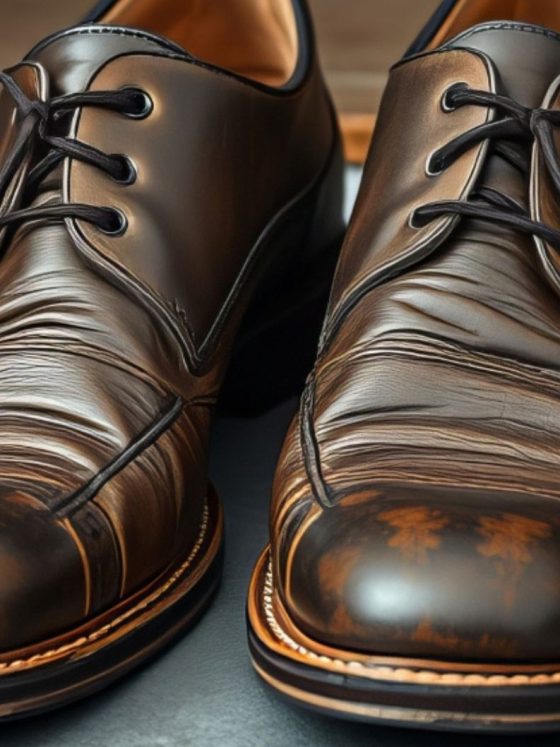
Global fashion equates luxury with novelty: a freshly cut silhouette, a new fabric, a label in gold foil. Yet true luxury is measured not by acquisition but by care, continuity, and the stories woven into a garment. Repair culture embodies this principle. It transforms clothing from a disposable commodity into an heirloom, from a transaction into a relationship.

Across Africa, the Caribbean, and Black Latin America, repairing clothes is not merely practical. It is philosophical. Each stitch, patch, or alteration preserves craft knowledge, maintains material value, and extends the life of clothing that carries cultural memory. Luxury emerges not from price tags but from intention, skill, and historical continuity.

Repairing clothes reminds us that value lies not in the garment’s immediate aesthetic or brand label, but in its enduring life. It is a quiet act of stewardship, one that signals respect for labour, for material, and for culture.

Repairing garments preserves craft, heritage, and value. Across Africa and the diaspora, mending is a sustainable and luxurious act.

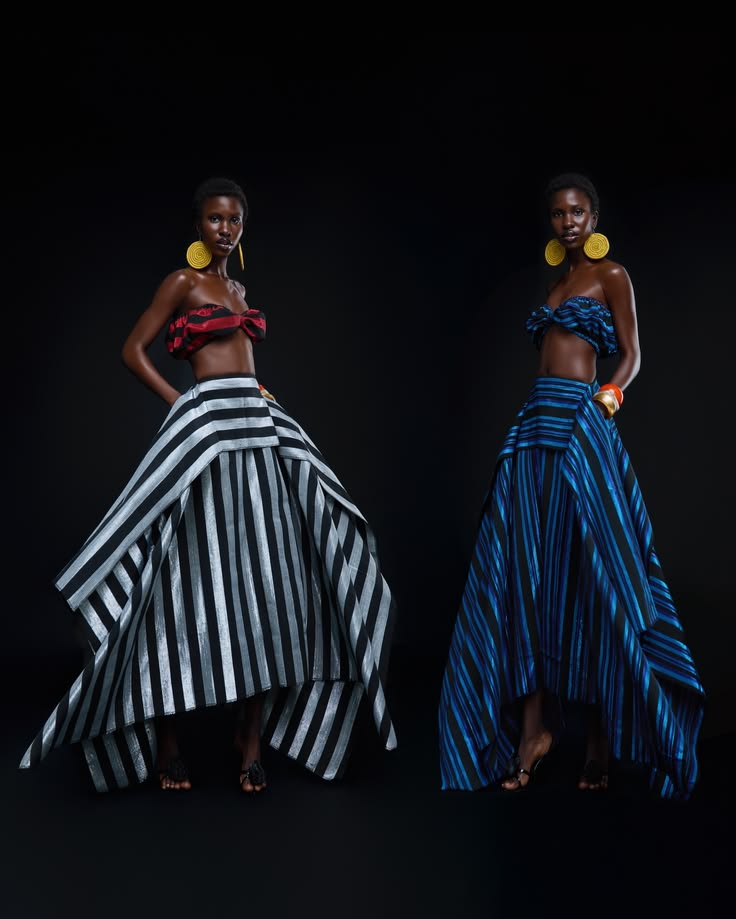
African Tailoring and the Discipline of Repair
African Tailoring and the Discipline of Repair
Photo: Industrie Africa.

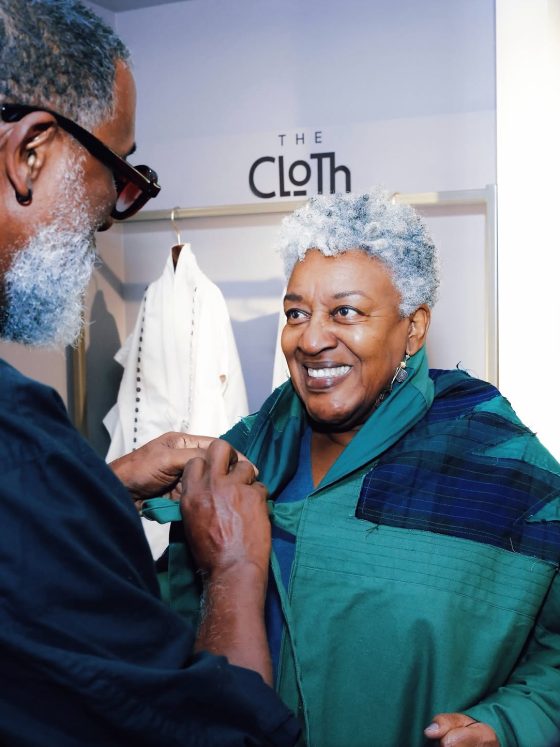
In West African cities like Lagos, Accra, and Dakar, local tailors do more than create new garments; they sustain existing ones. Wrappers, kaftans, agbadas, and tailored jackets are repaired meticulously, sometimes several times over decades, to accommodate changing body shapes, evolving personal style, or ceremonial significance.

The repair process involves more than replacing fabric. Tailors reinforce seams, restitch embroidery, and adjust proportions while maintaining the original silhouette and integrity of the design. This requires intimate knowledge of fabrics from handwoven cotton to imported silks and precision in handcraft that automated machinery cannot replicate.

Repair is embedded in African textile culture as a natural extension of consumption. The notion of “wear and discard” is rarely applied in communities where textiles were ceremonial or symbolic. A garment’s life was measured not by seasons but by occasions, and repair ensured continuity.

Caribbean Mending Practices as Cultural Preservation

In Caribbean households, mending has historically been both a necessity and a cultural practice. During the 20th century, colonial import restrictions and high clothing costs meant families had to extend the life of each garment. Clothes were patched, hems reinforced, and fabrics repurposed into new forms.

Beyond economic rationale, mending was also an intergenerational learning process. Mothers and grandmothers taught children to repair, reinforcing practical skills and embedding respect for craftsmanship. Every repair preserved a memory: of who wore it, for what occasion, and how it evolved.

Repair in the Caribbean also intersects with identity. Traditional garments such as the Jamaican bandana skirts or Trinidadian Carnival costumes are repaired and restructured annually. The mending process ensures cultural continuity, sustaining aesthetic practices that communicate history, status, and belonging.

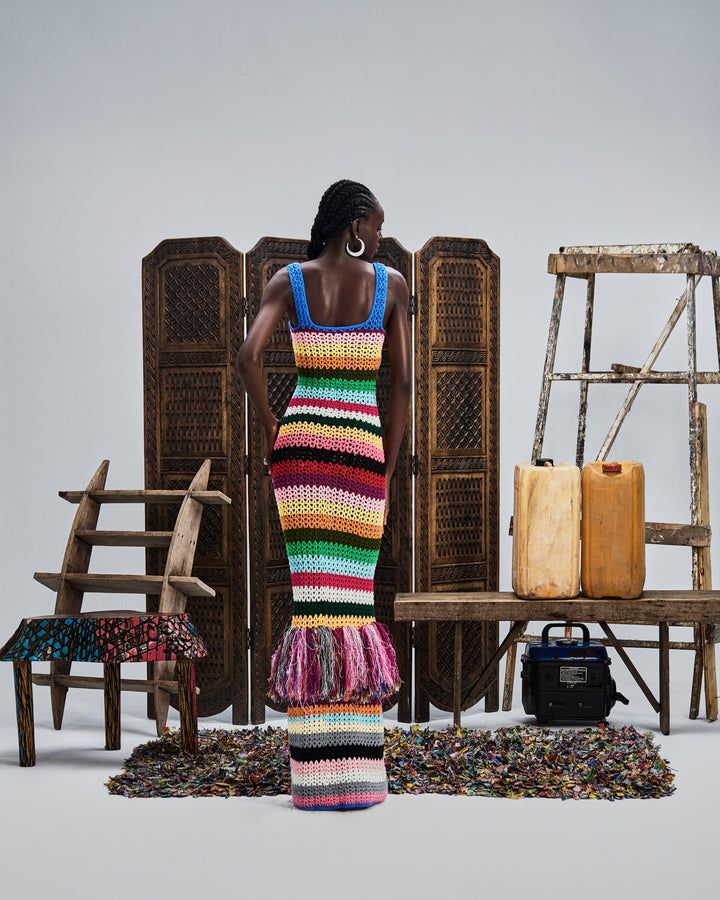
Japanese Boro, African Parallels, and Global Reverberation
Japanese Boro, African Parallels, and Global Reverberation

While Western fashion has recently embraced “visible mending” as a trend, the philosophy has long existed globally. In Japan, boro textiles embody a centuries-old repair culture, while in Africa, patchwork and fabric reworking were integral to both necessity and ceremony.

For example, in Mali, hand-stitched patching of Bogolanfini or hand-dyed cotton garments was common. Instead of discarding a torn wrapper, artisans would repair it with complementary fabrics, often adding symbolic patterns. This elevated the garment aesthetically and culturally, embedding layers of narrative into the fabric itself.

Across regions, repaired clothing conveys resilience, resourcefulness, and respect for labour. It demonstrates that luxury can emerge from care rather than consumption.

ALSO READ:

  • Reclaiming the Narrative: How Cultural Resistance Shaped the World’s Most Powerful Style Movements
  • What Ceremony Teaches Us About Dressing: The Sacred Origins of Our Most Everyday Choices

Repair as Political, Ethical, and Environmental Luxury

Repair culture intersects with sustainability, ethics, and political agency. It challenges the disposable fashion model that dominates global markets, which relies on exploitative labour and ecological degradation.

When consumers commit to repairing garments, they:

  • Protect artisanal knowledge and traditional textile skills.
  • Reduce environmental waste from fast-fashion cycles.
  • Support local economies and informal labour networks.
  • Resist consumerist pressures that equate status with acquisition.

Luxury, in this framework, becomes a conscious choice rather than a default marketing label. The garment’s value increases with care, not novelty. This principle aligns directly with African, Caribbean, and Black Latin American traditions, where clothing is inseparable from lineage, ceremony, and community.

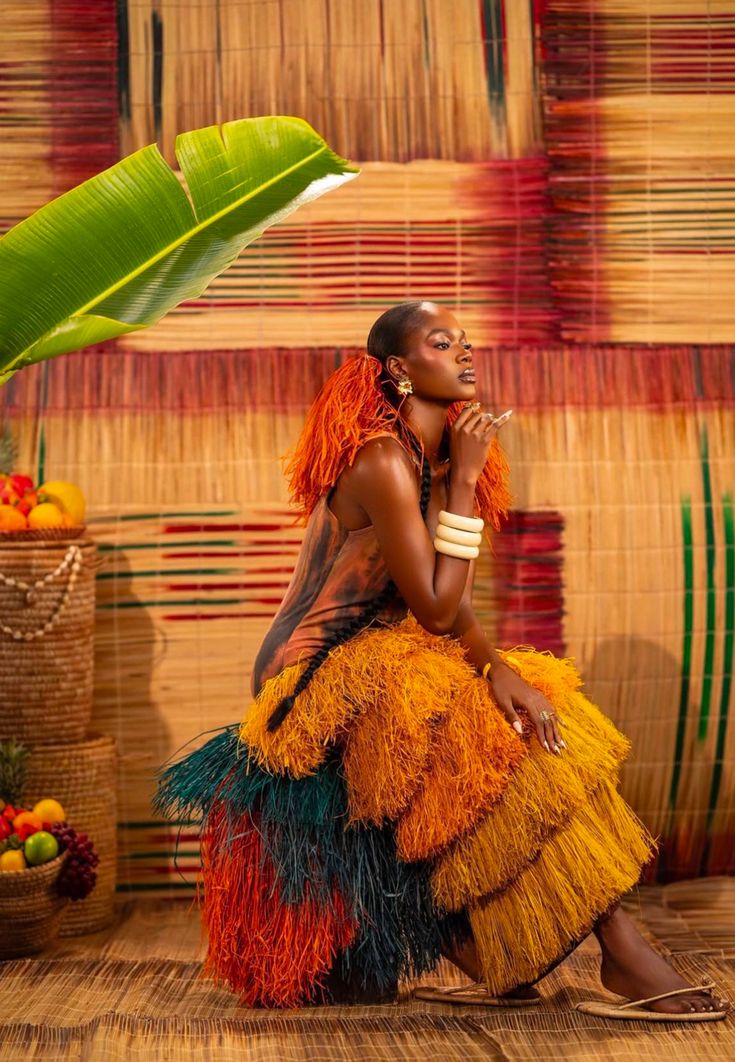
Contemporary Implications for African Designers

Contemporary Implications for African Designers
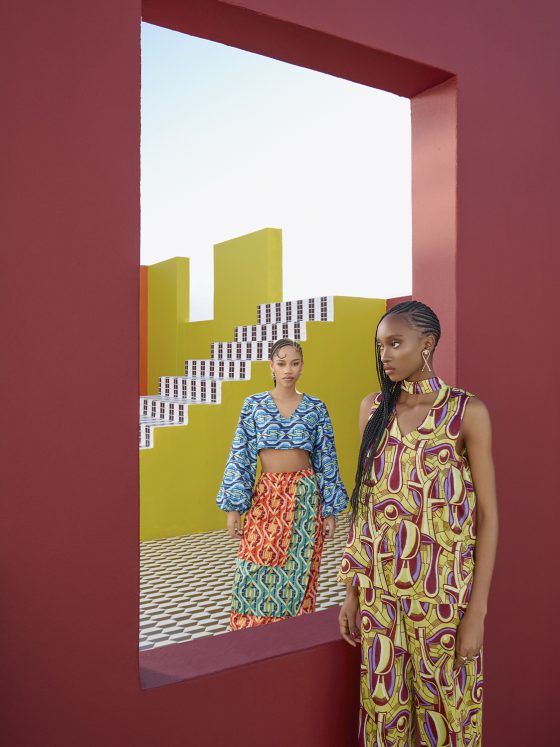
Photo: Moda Operandi.

For contemporary African designers, integrating repair culture into their business models is both strategic and ethical. Offering repair services, designing garments with modularity for extended use, and educating consumers about garment longevity can differentiate brands in global markets.

Repair culture is not a limitation. It is an opportunity to communicate values, protect cultural authorship, and elevate fashion beyond transactional consumption into a practice of intentionality.

Conclusion

Luxury is not bought. It is nurtured. Repair culture transforms clothing into heirlooms, preserves artisanal skill, and embeds historical and cultural memory into every stitch.

Across Africa, the Caribbean, and Black Latin America, mending has always been a sophisticated practice, economic, aesthetic, and ethical. When we repair rather than discard, we participate in a system of care, continuity, and cultural preservation.

True luxury is in prolonging the life of what matters.

FAQs

  1. Why is repairing clothes considered a luxury?

It preserves craftsmanship, extends garment lifespan, and embeds cultural and historical value.

  1. How does repair culture support African artisan economies?

It sustains local tailors, sewists, and craft networks, keeping skill and economic value within communities.

  1. What lessons can global fashion learn from Caribbean mending practices?

They demonstrate resourcefulness, intergenerational skill transfer, and the integration of repair into everyday life.

  1. How does repair culture contribute to sustainability?

By reducing waste, extending garment life, and resisting mass-production cycles that harm the environment.

  1. Can repair culture influence contemporary fashion design?

Yes. Designers can integrate repairability, modularity, and longevity into collections, aligning luxury with ethical and cultural responsibility.


Post Views: 214
Total
0
Shares
Share 0
Tweet 0
Pin it 0
Related Topics
  • clothing repair movement
  • repair culture fashion
  • sustainable wardrobe habits
Fathia Olasupo

olasupofathia49@gmail.com

You May Also Like
Designers from Trinidad and Tobago Shaping Afro-Caribbean Fashion Globally
View Post
  • Caribbean

Designers from Trinidad and Tobago Shaping Afro-Caribbean Fashion Globally

  • Fathia Olasupo
  • May 22, 2026
.The Future of Afro-Venezuelan Fashion: Diaspora Networks, Digital Platforms, and Cultural Continuity
View Post
  • Trends

The Future of Afro-Venezuelan Fashion: Diaspora Networks, Digital Platforms, and Cultural Continuity

  • Ayomidoyin Olufemi
  • May 21, 2026
Afro-Cuban Designers Influencing Fashion Culture Within and Beyond the Island
View Post
  • Caribbean

Afro-Cuban Designers Influencing Fashion Culture Within and Beyond the Island

  • Fathia Olasupo
  • May 21, 2026
Cartagena Streetwear: Champeta Culture, Afrocentric Identity, and Urban Dress
View Post
  • Street Style

Cartagena Streetwear: Champeta Culture, Afrocentric Identity, and Urban Dress

  • Ayomidoyin Olufemi
  • May 20, 2026
View Post
  • Trends

The Future of Fashion in Senegal: Sustainability, Tailoring, and Global Reach

  • Philip Sifon
  • May 19, 2026
View Post
  • Caribbean

Carnival Fashion vs Everyday Caribbean Style: The Gap the Media Has Never Closed

  • Ayomidoyin Olufemi
  • May 15, 2026
View Post
  • Caribbean

Havana Streetwear: Vintage Economy, Son Culture, and Afrocentric Self-Expression

  • Fathia Olasupo
  • May 15, 2026
What Addis Ababa's Street Style Owes to Its Fashion Week — and What It Doesn't
View Post
  • Street Style

What Addis Ababa’s Street Style Owes to Its Fashion Week — and What It Doesn’t

  • Rex Clarke
  • May 14, 2026

Leave a Reply Cancel reply

Your email address will not be published. Required fields are marked *

The Omiren Argument

African fashion and culture are not emerging. They are foundational. We document, interpret, and argue for the full cultural weight of African and diaspora dress. With precision. Without apology.

Omiren Styles Fashion · Culture · Identity

All 54 African Nations
Caribbean · Afro-Latin America
The Global Diaspora

Platform

  • About Omiren Styles
  • Our Vision
  • Our Mission
  • Editorial Pillars
  • Editorial Policy
  • The Omiren Collective
  • Campus Style Initiative
  • Sustainable Style
  • Social Impact & Advocacy
  • Investor Relations

Contribute

  • Write for Omiren Styles
  • Submit Creative Work
  • Join the Omiren Collective
  • Campus Initiative
Contact
contact@omirenstyles.com
Our Reach

Africa — All 54 Nations
Caribbean
Afro-Latin America
Global Diaspora

African fashion intelligence, in your inbox.

Editorial features, designer profiles, cultural commentary. No noise.

© 2026 Omiren Styles — Rex Clarke Global Ventures Limited. All rights reserved.
  • Privacy Policy
  • Editorial Policy
  • Terms of Use
  • Accessibility
Africa · Caribbean · Diaspora
The Omiren Argument

African fashion and culture are not emerging. They are foundational. We document, interpret, and argue for the full cultural weight of African and diaspora dress. With precision. Without apology.

Omiren Styles Fashion · Culture · Identity
  • About Omiren Styles
  • Our Vision
  • Our Mission
  • Editorial Pillars
  • Editorial Policy
  • The Omiren Collective
  • Campus Style Initiative
  • Sustainable Style
  • Social Impact & Advocacy
  • Investor Relations
  • Write for Omiren Styles
  • Submit Creative Work
  • Join the Omiren Collective
  • Campus Initiative
Contact contact@omirenstyles.com

All 54 African Nations · Caribbean
Afro-Latin America · Global Diaspora

African fashion intelligence, in your inbox.

Editorial features, designer profiles, cultural commentary. No noise.

© 2026 Omiren Styles
Rex Clarke Global Ventures Limited.
All rights reserved.

  • Privacy Policy
  • Editorial Policy
  • Terms of Use
  • Accessibility
Africa · Caribbean · Diaspora

Input your search keywords and press Enter.