In February 2024, Juliana Gharbin of Jules Beads in Ghana was selected to dress Cynthia Erivo for the Golden Globes Eve event. The pieces were beaded, handcrafted in Accra, and worn by one of the most visible women in global entertainment. The story circulated internationally. What the story did not circulate was the decade of brand-building, cultural documentation, and market positioning that made the moment possible. Jules Beads did not get lucky in 2024. It got there because of what Gharbin had built before the invitation arrived.
That is the pattern. African jewellery brands that reach international stockists, receive editorial coverage, earn celebrity dressing credits, and generate global direct-to-consumer revenue do not do so because the market suddenly noticed them. They do so because they built four specific structural conditions before the market noticed them. This article documents what those four conditions are, why each one matters, and which brands demonstrate them most clearly. The analysis draws on documented cases across East, West, and Central Africa, using brands whose international trajectories are confirmed through published editorial, stockist records, and industry reporting rather than asserted.
African jewellery brands that reach international stockists share four structural conditions. This is what those conditions are and how to build them.
Condition One: Cultural Specificity That Cannot Be Copied
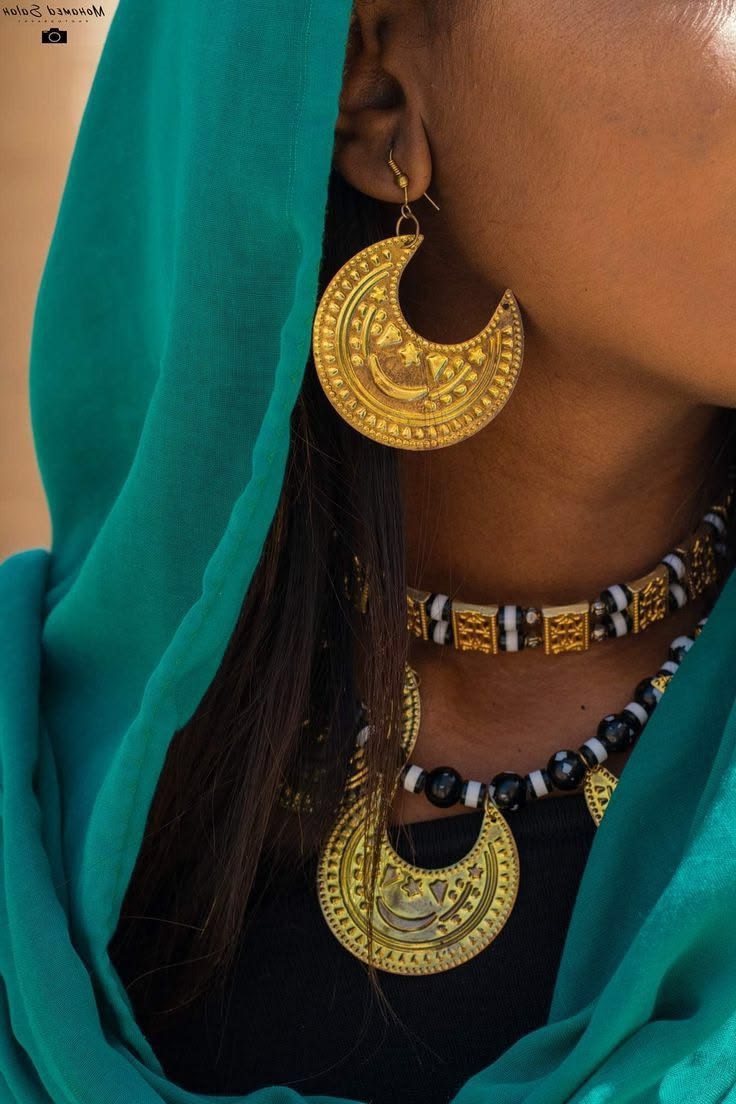
The most durable competitive advantage an African jewellery brand can hold is cultural specificity so precise that mass production cannot replicate it without the original knowledge system. This is not the same as having a distinctive aesthetic. Every jewellery brand has an aesthetic. Cultural specificity means the piece carries information, social weight, or craft knowledge that belongs to a specific community and cannot be reproduced without that community’s involvement.
Adele Dejak’s Nairobi-based label demonstrates this at its fullest development. Her pieces draw on specific East African material traditions: Maasai beadwork geometry, recycled brass, bone, and found materials reworked into contemporary jewellery that references the same visual vocabulary as the ceremonial objects Omiren Styles has documented in its analysis of Maasai beadwork meaning and symbolism. Cultural specificity is not a surface decoration. It is structural: the pieces communicate the same information system as the source tradition, translated into a form that can travel internationally while remaining legible as specifically East African. Fast fashion cannot copy the information system. It can only copy the visual output, and the visual output without the information system is readable as a derivative by anyone who knows the original.
Jules Beads by Juliana Gharbin operates on the same principle from a Ghanaian perspective. The Accra-based label produces hand-beaded pieces whose visual grammar draws on Ghanaian craft traditions in ways that require handicraft skill, the brand’s control and cultural knowledge that belongs to its maker. The Golden Globes Eve moment with Cynthia Erivo was not a coincidence of visibility. It was the specific outcome of a brand whose pieces had been documented by international stylists as culturally legible, handcrafted, and non-reproducible by industrial alternatives. As Birimian Ventures, the Abidjan-based fashion investment firm that has invested in over twenty-seven African brands, has documented in its investment thesis, the brands that attract repeat international attention are those whose cultural content is verifiable and irreducible. The visual can be approximated. The cultural knowledge cannot.
“The brands that attract repeat international attention are those whose cultural content is verifiable and irreducible. The visual can be approximated. The cultural knowledge cannot.” — Birimian Ventures investment thesis, documented in Fashion United, 2024
Condition Two: Production Infrastructure That Supports International Quality Standards

Cultural specificity without production consistency results in one-off critical successes and repeated failures of fulfilment. The brands that convert international attention into sustained international business are those that have built production infrastructure capable of delivering consistent quality at the volumes international stockists require, on the lead times international buyers expect, with the packaging and documentation that international retail demands.
Matthew Rugamba’s House of Tayo in Kigali demonstrates the production discipline that cultural specificity requires. The label’s Kitenge-based accessories are produced in limited runs with intentional quality control: pattern alignment is verified at each stage, fabric selection is curated rather than volume-driven, and the scale is kept deliberately small to ensure that every piece leaving the atelier meets the standards required by international stockist relationships. The strategic entry through accessories rather than full-garment collections was explicitly a production decision: accessories are scalable, exportable, and manageable at a small-atelier scale in a way that seasonal clothing collections are not. That restraint protected the brand’s quality standard and its relationships with international buyers.
The production infrastructure condition also applies to packaging, documentation, and shipping. International luxury retailers have specific requirements for how pieces arrive: branded boxes, authenticity documentation, country-of-origin certificates, and, in some cases, sustainability certification. Brands that meet these requirements on first delivery are the brands that get reordered. Brands that arrive with adequate pieces in inadequate packaging do not get a second chance in the same retail season. As The Folklore’s wholesale management platform, which has connected African brands to Nordstrom, Saks Fifth Avenue, and Bergdorf Goodman, has documented in its operational guidance, the administrative and packaging standards of international retail are as important as the product standards. Most African brands underinvest in this dimension relative to the investment in the pieces themselves.
Condition Three: A Pricing Model That Reflects Value Without Apology
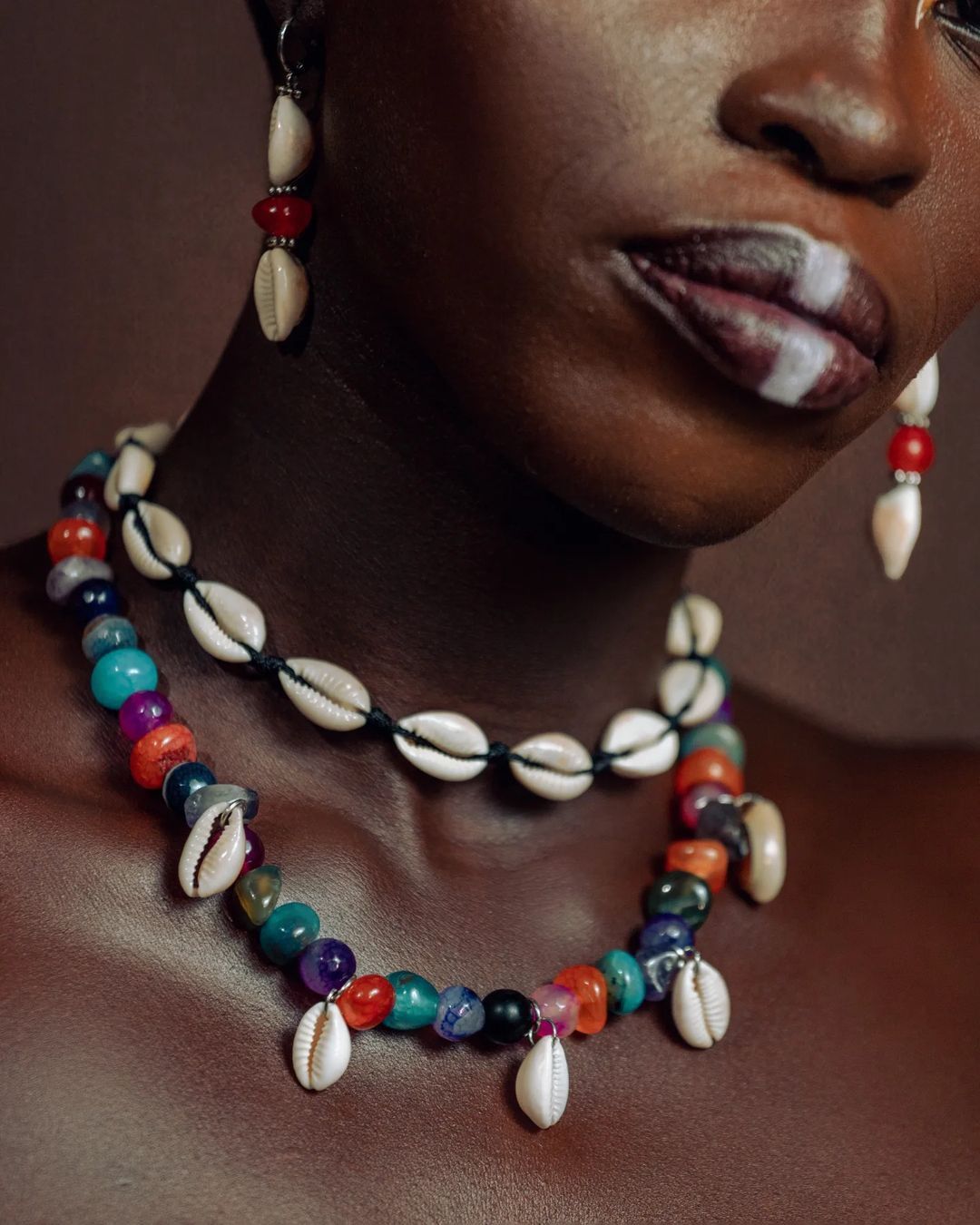
African jewellery brands that underprice their work for international markets destroy their own positioning. A handcrafted, culturally specific piece priced below comparable European artisan jewellery signals to international buyers that the brand does not understand its own value tier. International luxury retail operates on the assumption that price communicates quality. A piece priced below the tier it belongs in will be placed below that tier, regardless of its actual value. As Omiren Styles has argued in its analysis of African fashion pricing, the underpricing of African craft is not a market response. It is the residue of a valuation system that has historically depreciated African making. Correct pricing in international markets is the first step in correcting that depreciation.
Adele Dejak prices at an international luxury level: pieces range from approximately $200 to over $1,000, competitive with comparable artisan jewellery from European labels with similar craft intensity and cultural specificity. That pricing is not aspirational. It is accurate: the pieces require skilled labour, specific materials, and cultural knowledge, all of which are reflected in the price. Jules Beads prices are at a premium artisan tier consistent with the handcrafted level and the cultural narrative the brand carries. Both brands demonstrate that African jewellery can be priced at the level its craft demands and find the international buyers who will pay that price, because those buyers exist and are actively seeking culturally specific work that the mass market cannot supply.
The pricing model also needs to account for the full cost structure of international sales: platform commissions, shipping and duty, currency exchange, packaging, and the administrative overhead of international stockist relationships. Brands that price based on production costs alone and do not account for these additional layers find that their international sales are less profitable than their domestic sales, creating a commercial disincentive to invest in international market development. As Omiren Styles has documented, the Moonlook Africa framework recommends a 4x-6x production-cost multiplier for premium positioning in markets where the brand competes on craft rather than volume. For jewellery brands with high handicraft intensity, the correct multiplier is typically at the upper end of that range.
Condition Four: Distribution Partnerships That Match the Brand’s Tier
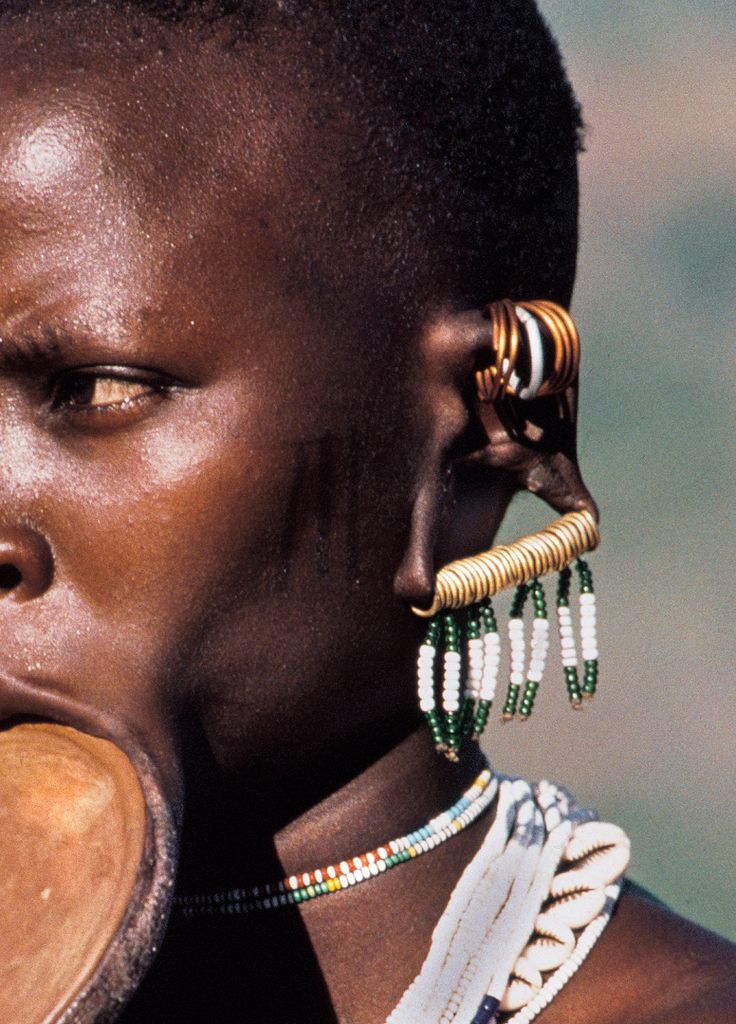
The fourth condition is the one most often treated as a goal rather than a precondition: the right distribution partner. Brands that go global do not find distribution partners once they are ready for international markets. They build toward specific distribution relationships that align with their tier, aesthetic, and commercial model. The distribution partner is not the reward for having built the first three conditions. It is the fourth condition, and it requires as much strategic investment as the first three.
The Folklore’s wholesale management software, which connects African brands to international retailers, has documented that the brands that succeed through its platform are those that arrive with production consistency, pricing clarity, and cultural documentation already in place. The platform cannot create those conditions. It can only connect brands that already have them to the buyers who are looking for them. Jendaya, which raised approximately US$1.2 million in pre-seed funding to build its African designer marketplace, operates on the same logic. As Omiren Styles has documented in its analysis of pan-African fashion investment, the platform ecosystem for African fashion has matured to the point where the infrastructure for international distribution is in place. The gap is in the brands that are ready to use it.
For jewellery brands specifically, the distribution question involves a choice between four primary channels: direct-to-consumer e-commerce (highest margin, requires the most marketing investment), multi-brand platform partnerships through platforms like The Folklore or ANKA (lower margin, higher traffic access), physical stockist relationships with international boutiques (relationship-dependent, highest brand-building value), and wholesale to international department stores (volume-dependent, highest administrative overhead). The brands that go global typically start with direct-to-consumer and multi-brand platforms, use those channels to build documented sell-through data, and present that data to physical stockists and department stores as evidence of international demand. The data is the credential. Without it, the conversation with a Nordstrom or a Bergdorf buyer is a pitch. With it, it is a negotiation.
The Omiren Argument
African jewellery brands do not fail in international markets because demand is lacking. They fail because they arrive without the structural conditions that international markets require, and the market does not accommodate brands that are not ready. The global jewellery market was valued at approximately US$353 billion in 2023, according to Statista, with the handcrafted and culturally specific tier growing faster than mass-market jewellery as international consumers increasingly seek provenance and authenticity. That growth creates the market condition that African jewellery brands are positioned to serve. What it does not create is the structural readiness that turns market opportunity into commercial outcome.
Juliana Gharbin built Jules Beads across years of cultural documentation, craft development, and market positioning before Cynthia Erivo wore her pieces to the Golden Globes Eve. Adele Dejak built her East African material intelligence into a pricing and production model that international luxury retail could engage with before it did. Matthew Rugamba built House of Tayo’s production discipline and brand clarity in Kigali before the international menswear accessories market noticed it. None of these outcomes was luck. They resulted from four structural conditions built in sequence. As Omiren Styles has argued, the global fashion industry is not waiting to discover African design talent. The talent is already there. What the industry is waiting for is the structural readiness that enables sustained commercial engagement. Building that readiness is not a short-term task. It is the task.
The international market does not reward potential. It rewards structural readiness. The four conditions are how readiness is built.
ALSO READ
- Maasai Beadwork: Meaning, Symbolism, and the Language of Identity
- House of Tayo: How Matthew Rugamba Is Redefining Menswear Through the Smallest Details
- Why No Serious Investor Has a Pan-African Fashion Portfolio: The Cost of Institutional Blindness
- How to Price an African Fashion Brand Without Apologising for the Answer
Frequently Asked Questions
What are the four structural conditions African jewellery brands need to go global?
Cultural specificity that cannot be copied by mass production: pieces that carry verifiable cultural knowledge or craft traditions that industrial alternatives cannot replicate. Production infrastructure that meets international quality standards: consistent quality, appropriate packaging and documentation, and delivery lead times that international stockists can rely on. A pricing model that reflects the true value of the work without underpricing relative to the international luxury tier the brand belongs in. Distribution partnerships that match the brand’s tier: the right channels, built with the data and documentation that international buyers require before committing.
Why do African jewellery brands fail in international markets despite having strong products?
The most common failure points are production inconsistency at international volumes, underpricing that signals a lower tier than the work occupies, inadequate packaging and documentation for international retail requirements, and approaching distribution partners without the sell-through data or cultural documentation that international buyers need to make a stocking decision. The product quality is often present. The structural readiness around the product is often not.
Which African jewellery brands have successfully reached international markets?
Adele Dejak (Kenya) prices at an international luxury level and has built a sustained international editorial and stockist presence, drawing on East African material traditions. Juliana Gharbin of Jules Beads (Ghana) received international attention following the Golden Globes Eve placement with Cynthia Erivo in February 2024, built on years of cultural documentation and craft development. Matthew Rugamba’s House of Tayo (Rwanda) has built an international menswear accessory presence through production discipline, limited runs, and clear brand positioning from a small Kigali atelier. Each brand demonstrates a different combination of the four structural conditions.
How should African jewellery brands price for international markets?
At the level the craft demands, not below it. Underpricing signals to international buyers that the brand does not understand its own tier. As Omiren Styles has documented, the correct pricing approach for African craft brands is to price at the international luxury tier that comparable artisan work from European labels occupies, using the Moonlook Africa 4x to 6x production cost multiplier as a starting framework for premium positioning, and accounting for the full cost structure of international sales, including platform commissions, shipping, duty, packaging, and currency exchange.
What role do platforms like The Folklore and Birimian Ventures play?
The Folklore’s wholesale management software connects African brands with demonstrated production consistency and pricing clarity to international retailers,s including Nordstrom, Saks Fifth Avenue, and Bergdorf Goodman. Birimian Ventures, founded in Abidjan in 2021 by Laureen Kouassi-Olsson, has invested in 27 African brands at the incubation, acceleration, and growth stages, as documented in Omiren Styles’ analysis of pan-African fashion investment. Both platforms can connect brands to international buyers. Neither can create the structural conditions that make those brands attractive to international buyers. That work must be done before the platform relationship begins.