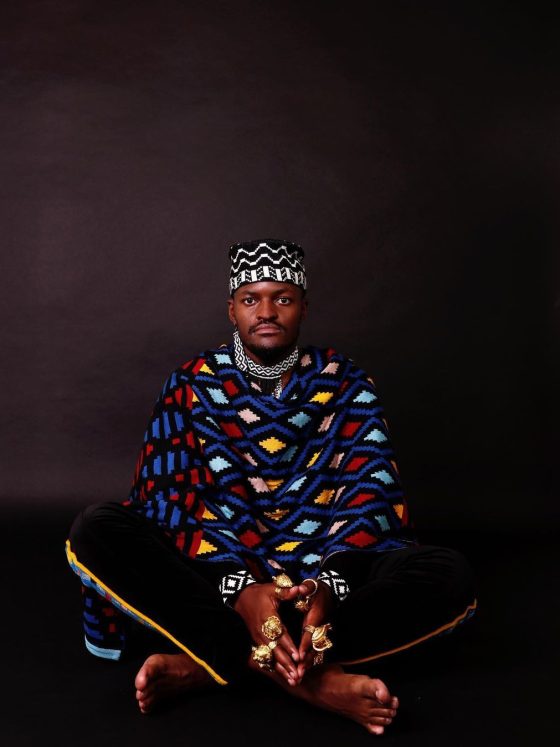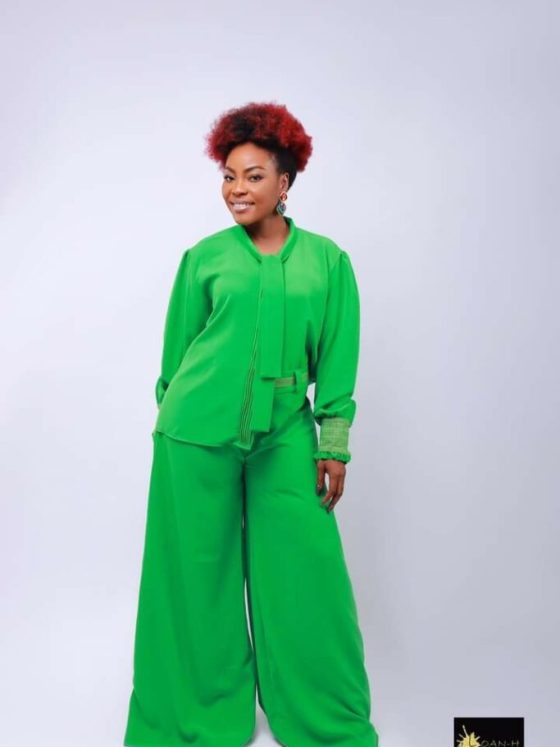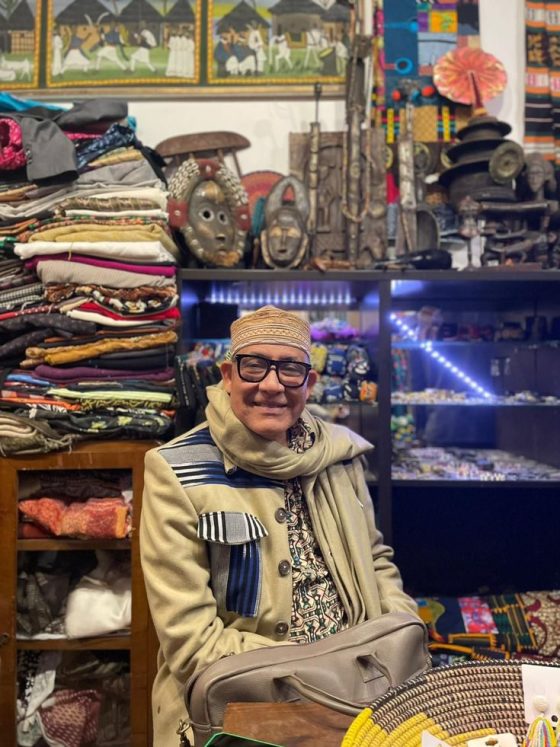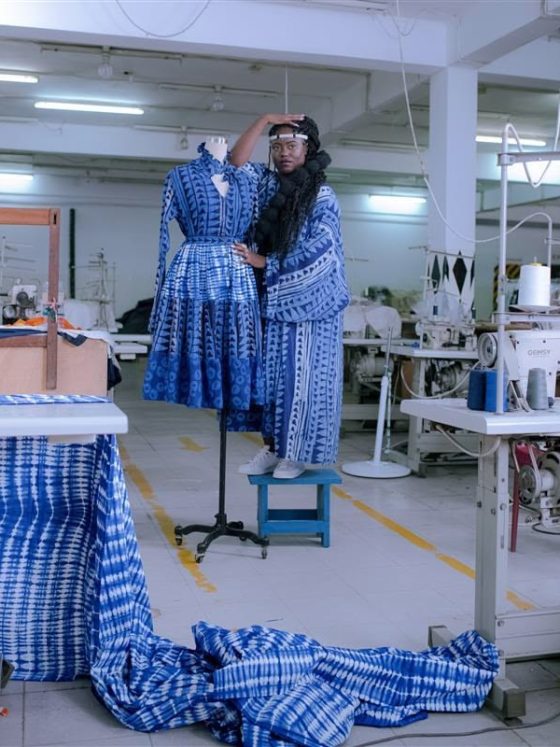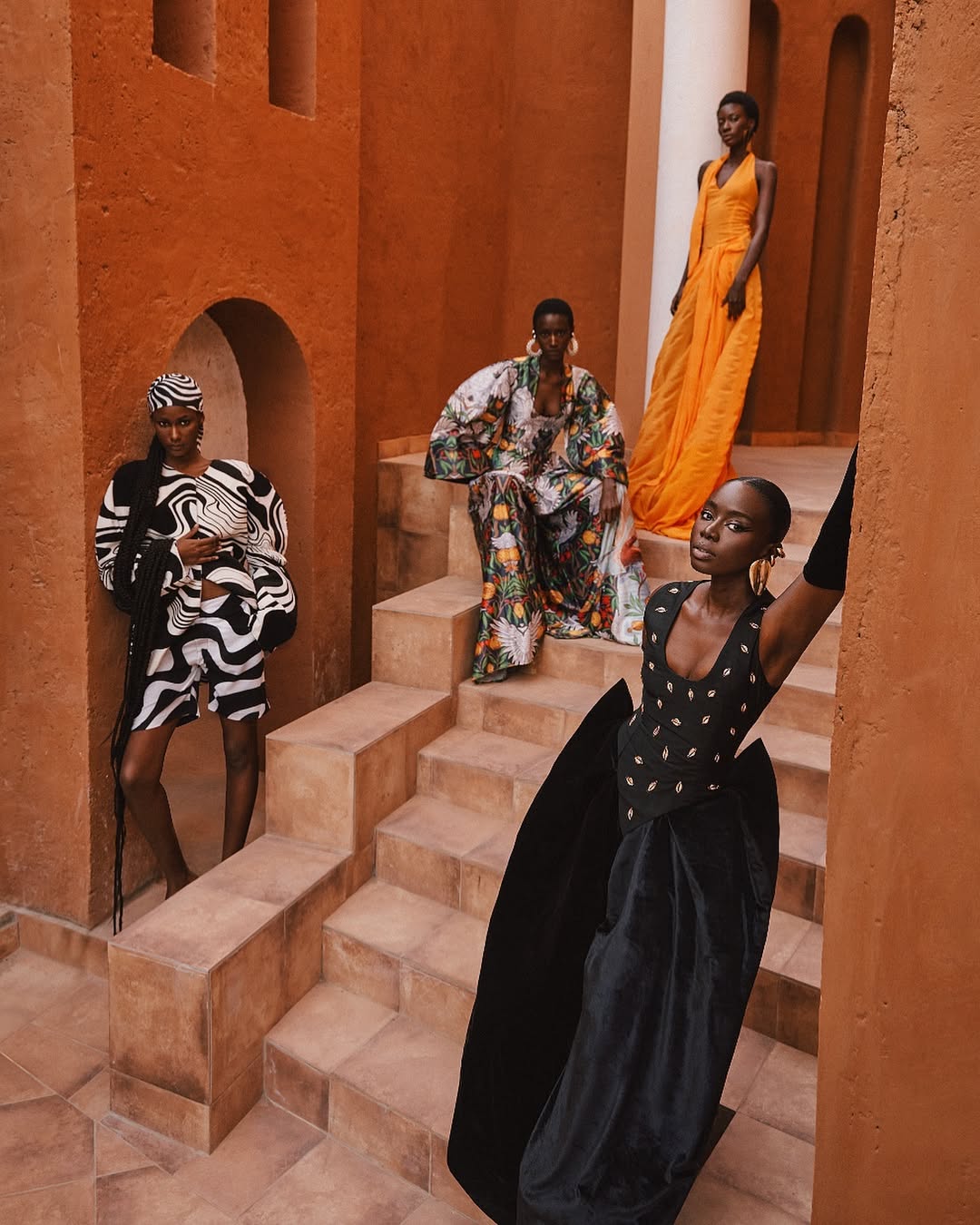
Senegalese fashion designers who have influenced global style have built a sustained presence on the international stage over the past three decades. Through consistent participation in Paris Fashion Week and other major platforms, they have established a recognisable Senegalese approach.
Strong tailoring, dramatic silhouettes, and creative use of local and imported textiles characterise this approach. These designers operate with a clear professional vision. They draw from Senegal’s deep tailoring heritage and vibrant textile culture while engaging with contemporary global aesthetics.
Senegalese fashion designers have steadily expanded the definition of contemporary luxury and African modernity. They have done this by asserting their own aesthetic codes within the international fashion system.
Senegalese fashion designers influencing global style have built a strong international presence through technical mastery. Discover these talents here.
The Couture Foundations of Senegalese Global Presence
Oumou Sy, a Senegalese designer, stands as the most iconic pioneer of Senegalese fashion. Widely known as Senegal’s “Queen of Couture,” she gained international recognition in the 1990s.
She achieved this with her dramatic, theatrical presentations that mixed grand silhouettes, traditional textiles, and bold storytelling. Her founding of SIMOD (Semaine Internationale de la Mode de Dakar) provided an early platform for African designers.
Adama Ndiaye, also known as Adama Paris, played a complementary foundational role. After returning from Europe, she established Dakar Fashion Week, which created a vital infrastructure and visibility for Senegalese talent on the global stage.
These two figures, along with a small group of early professionals who maintained high standards of tailoring and couture, built Senegal’s reputation. They did this during a time when African designers received limited international attention.
Their work combined technical excellence with cultural confidence and created pathways that Senegalese fashion designers continue to expand today, influencing global style.
Current Senegalese Fashion Designers Influencing Global Style
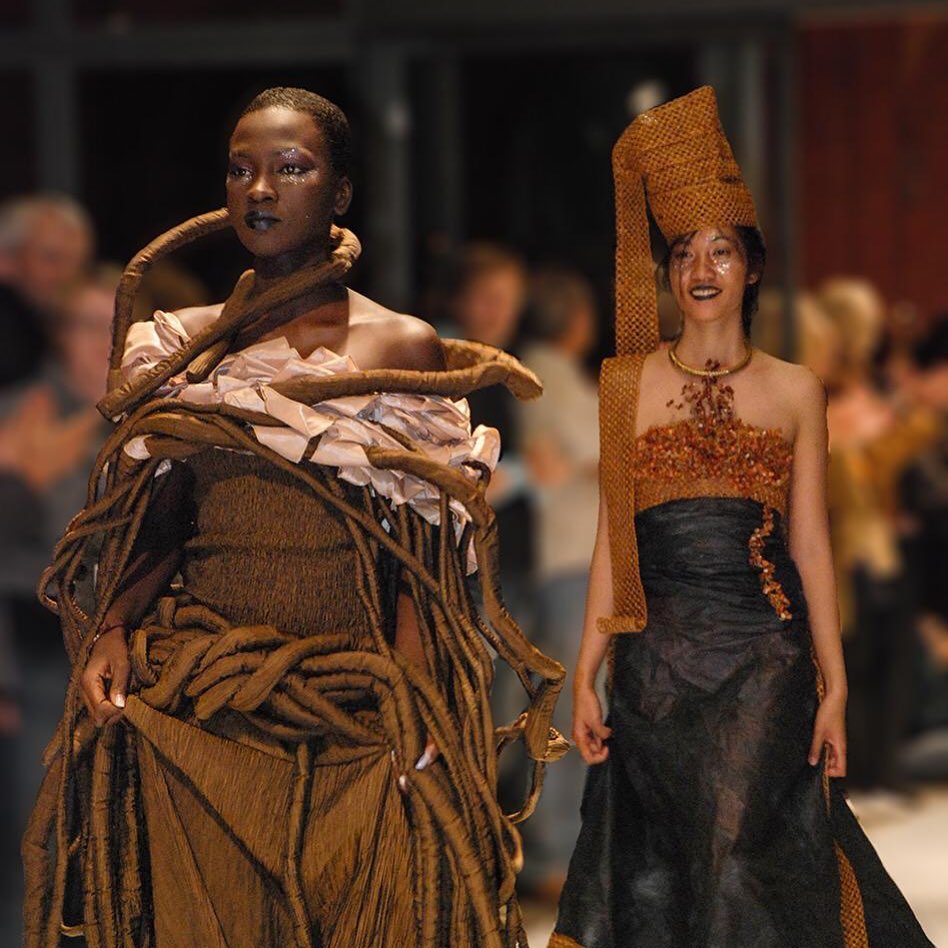
Today’s designers work on the foundation established by the pioneers. However, they’ve pushed the conversation toward contemporary luxury, conceptual fashion, sustainability, and digitally driven global visibility.
What distinguishes this generation isn’t simply international recognition. It’s their ability to shape the international discussion of African fashion without reducing their work to cultural symbolism alone.
Some of the top Senegalese fashion designers influencing global style include:
Sarah Diouf and the Globalisation of Dakar Luxury
Sarah Diouf became one of the most internationally recognised Senegalese fashion designers through Tongoro.
Tongoro is a label that transformed Dakar-based production into a global fashion statement rather than a hidden manufacturing detail.
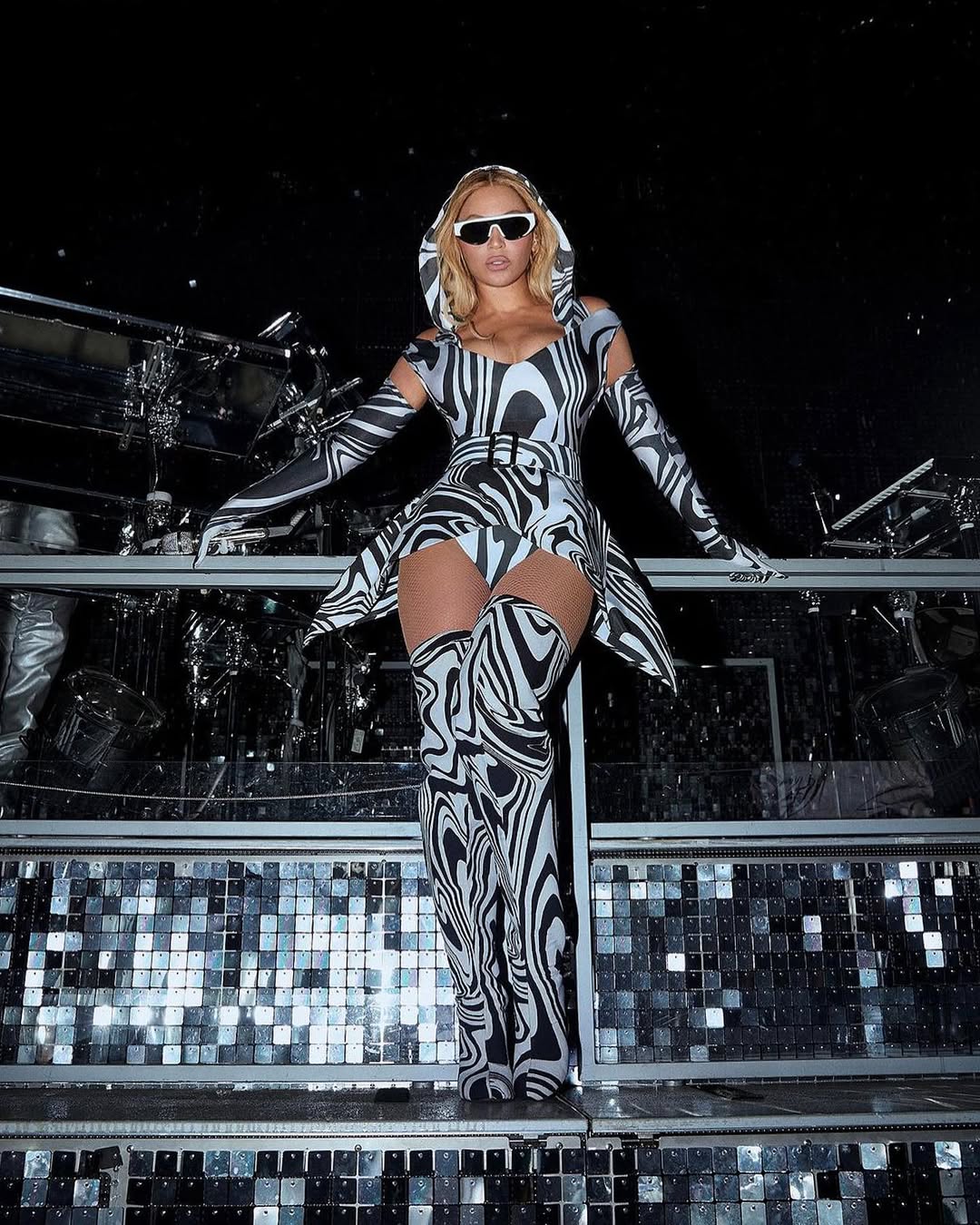
Tongoro gained major visibility after being worn by Beyoncé and several international entertainers, but the brand’s influence extends beyond celebrity placement.
Diouf helped reposition Senegalese fashion within conversations around contemporary African luxury. She achieved this by focusing on clean silhouettes, architectural cuts, flowing separates, and refined styling rather than relying on heavy print-based identity markers.
Her business model also matters. Tongoro manufactures in Dakar and openly centres local production within its branding. Diouf’s work demonstrates that Senegalese fashion designers influencing global style aren’t only exporting aesthetics.
They are also reshaping conversations around fashion production and value creation on the continent.
Selly Raby Kane and Experimental Senegalese Fashion
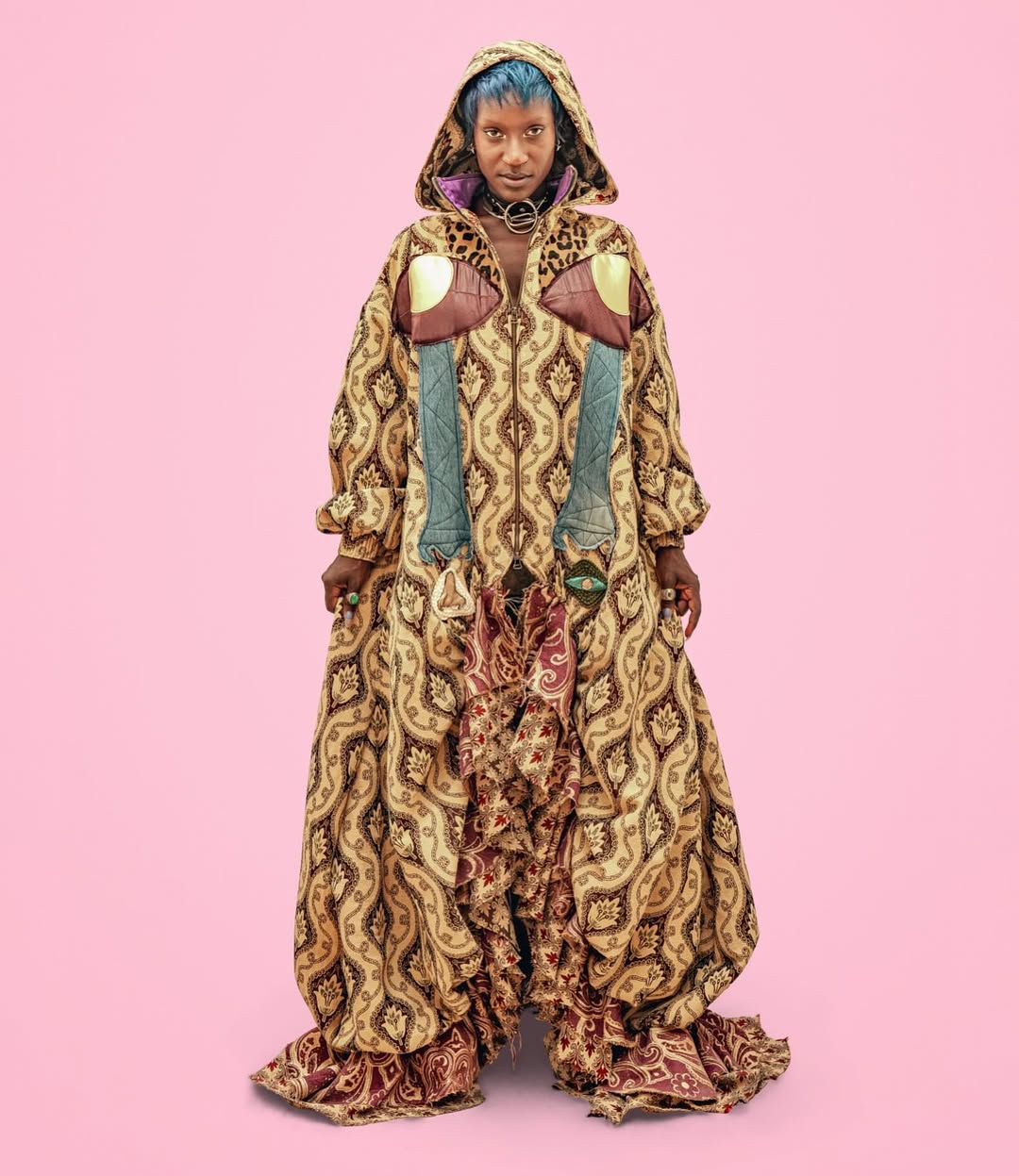
Selly Raby Kane occupies a radically different space within Senegal’s fashion landscape. Her work fuses fashion, performance art, speculative fiction, and youth culture into collections that resist straightforward categorisation.
Kane’s presentations frequently feature oversized silhouettes, layered textures, unconventional casting, and surreal visual narratives. These are influenced by Dakar street life, digital culture, mythology, and Afrofuturist aesthetics.
International publications often describe her work as avant-garde, but her importance in Senegalese fashion goes beyond stylistic experimentation.
She expanded what global audiences imagine Senegalese fashion can be. Rather than presenting African identity through expected textile references alone, Kane constructs futuristic visual worlds. These worlds place Dakar inside broader conversations about imagination, technology, and cultural reinvention.
This shift matters because many African designers entering international fashion spaces still face pressure to produce culturally legible aesthetics for foreign audiences. But Kane rejects that framework entirely.
Omar Salam and Diaspora Senegalese Elegance
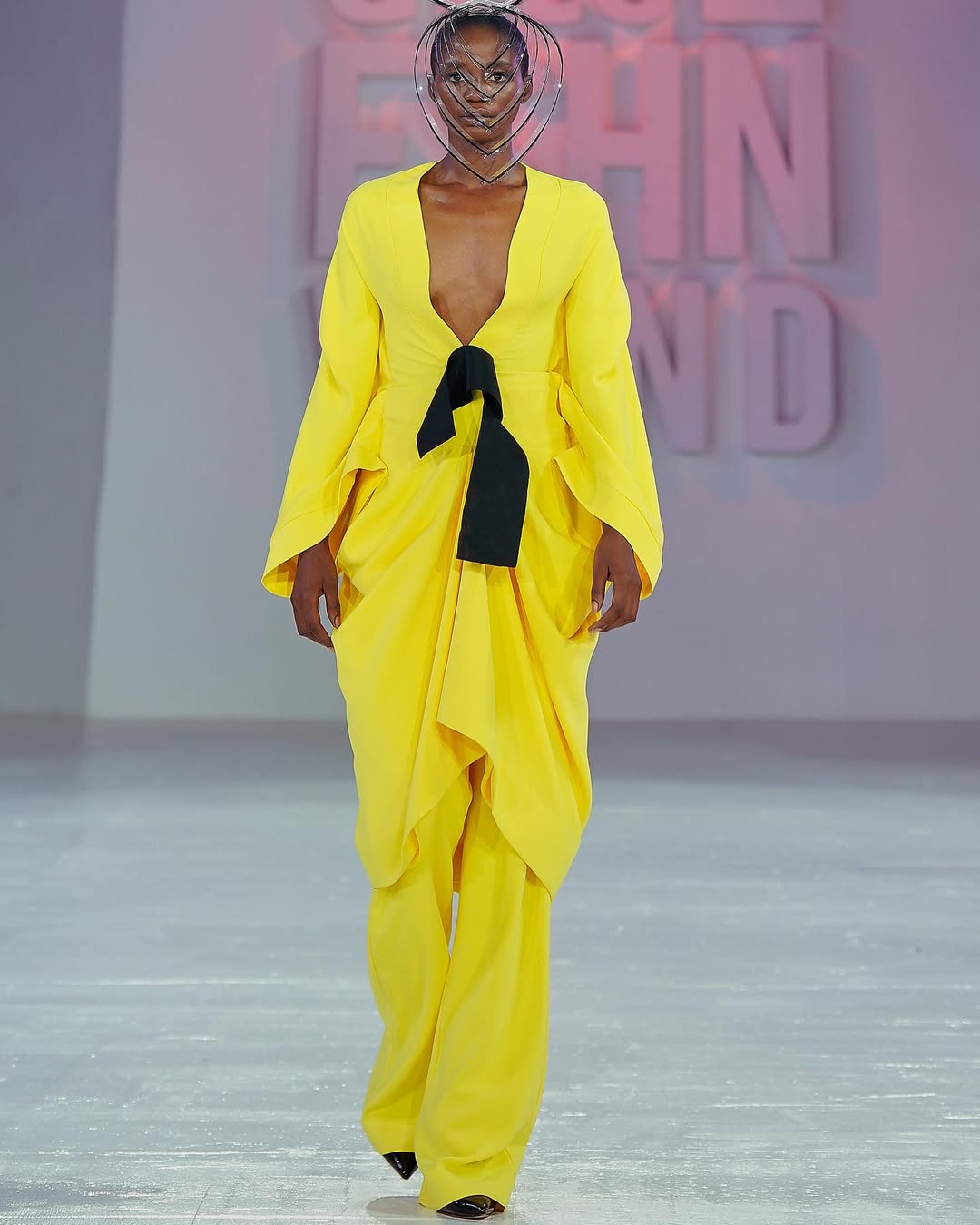
Omar Salam approaches fashion through sculptural tailoring and refined construction. Through his label Sukeina, Salam developed a design language shaped by Senegalese heritage, New York fashion culture, and couture discipline.
His garments often feature sharp silhouettes, asymmetric draping, layered volume, and controlled minimalism. Unlike designers who foreground textile symbolism, Salam’s work focuses heavily on form and movement.
That emphasis places him within broader global luxury conversations while still maintaining a distinctly Senegalese sensibility shaped by Dakar’s long-standing tailoring culture.
Salam’s international visibility also reflects the growing influence of diaspora Senegalese designers. These designers operate across multiple fashion capitals while maintaining cultural connections to Senegal.
Their work complicates narrow definitions of African fashion. It shows how migration, mobility, and transnational identity shape contemporary design practice.
Sophie Zinga Sy and Contemporary Senegalese Luxury
Sophie Zinga is a Senegalese designer trained at Parsons School of Design in New York. She works across Dakar and international fashion platforms.
Her label focuses on structured womenswear defined by clean tailoring, controlled silhouettes, and refined construction rather than heavy textile symbolism.
Sophie’s production is based in Dakar, linking local manufacturing with global fashion circulation. She has shown collections in cities including Paris, Milan, Lagos, and Dubai. This positions her work within contemporary luxury womenswear markets.
Beyond design, she contributes to fashion development initiatives such as the Dakar Design Hub. This reflects a practice that combines brand building with ecosystem support within Senegal’s fashion industry.
Also Read:
- Dakar Street Style: How Senegalese Youth Are Redefining African Fashion
- Senegalese Textiles and Craftsmanship: The Art Behind West African Fashion
- Traditional Clothing in Senegal: The Elegance of Boubou and Cultural Identity
- Top Ghanaian Fashion Designers Shaping Africa’s Global Fashion Narrative
Challenges and Strategies for Sustained Global Impact
Senegalese fashion designers influencing global style face significant structural challenges in sustaining their international presence. High production costs remain a major obstacle.
Inconsistent infrastructure and limited access to capital add another layer of difficulty. The difficulty of scaling while maintaining quality also remains a serious issue for designers operating from Dakar.
Despite these realities, many have developed clear strategies. They maintain local production to preserve cultural authorship and support Senegalese artisans.
Contemporary Senegalese haute couture designers increasingly focus on innovation in Senegalese fashion. They do this by combining traditional craftsmanship with modern techniques.
This allows them to create pieces that justify premium positioning. These designers have shown strong resilience by building direct relationships with international buyers and investing in personal branding.
These efforts demonstrate a deliberate approach to long-term positioning rather than short-term visibility.
The Omiren Argument
Senegalese fashion designers influencing global style are not newcomers seeking entry into the international fashion system. They are professionals who have built and sustained a distinct presence through technical skill and cultural confidence for decades.
The common assumption holds that African designers must adapt to Western expectations or rely on external validation to matter. Senegalese designers have consistently asserted their own aesthetic codes.
They maintain production in Dakar, draw deeply from local tailoring and textile traditions, and engage strategically with major platforms on their own terms.
This approach reveals a clear cultural insight: that is, true global influence comes from strong authorship rather than imitation.
By refusing to dilute their identity while meeting international standards, Senegalese fashion designers who influence global style are expanding the very definition of contemporary fashion.
Frequently Asked Questions
- Who Are the Fashion Designers in Senegal?
Senegal has a vibrant fashion scene led by pioneers like Oumou Sy, known as Senegal’s “Queen of Couture”, and Adama Ndiaye, founder of Adama Paris and founder of Dakar Fashion Week. Prominent contemporary designers include Sarah Diouf, Tongoro, Selly Raby Kane, Sophie Zinga Sy, and others such as Diarra Bousso and Diarrablu.
- What Celebrities Are From Senegal?
Notable Senegalese celebrities include:
- Youssou N’Dour (world-renowned musician)
- Sadio Mané (football star)
- Akon (singer and entrepreneur)
- Khaby Lame (TikTok star)
- Patrice Evra (former footballer)
- Anna Diop (actress)
- Cultural figures like filmmaker Ousmane Sembène and writer Mariama Bâ
- Which City Is the Center of Fashion in Senegal?
Dakar is the undisputed fashion capital of Senegal. It hosts Dakar Fashion Week, features numerous designer ateliers, tailoring workshops, and serves as a creative hub blending traditional craftsmanship with contemporary design.
- What Are Senegalese Dresses Called?
The most iconic traditional garment is the boubou (also spelt grand boubou or mboubou in Wolof). Both men and women across West Africa wear this flowing, wide-sleeved robe. Women often pair it with a wrapper (pagne) and a head tie; men wear it over a shirt and trousers. It is typically made from vibrant fabrics like bazin or wax.
- Is Veekee James the Best Fashion Designer in Nigeria?
Veekee James is a highly acclaimed Nigerian fashion designer, known for her award-winning bridal, bespoke, and red-carpet creations. She has earned recognition, including Forbes features, for her structured designs and business success.
However, Nigeria has many top talents, so while she is among the leading voices, there is no single “best” designer.