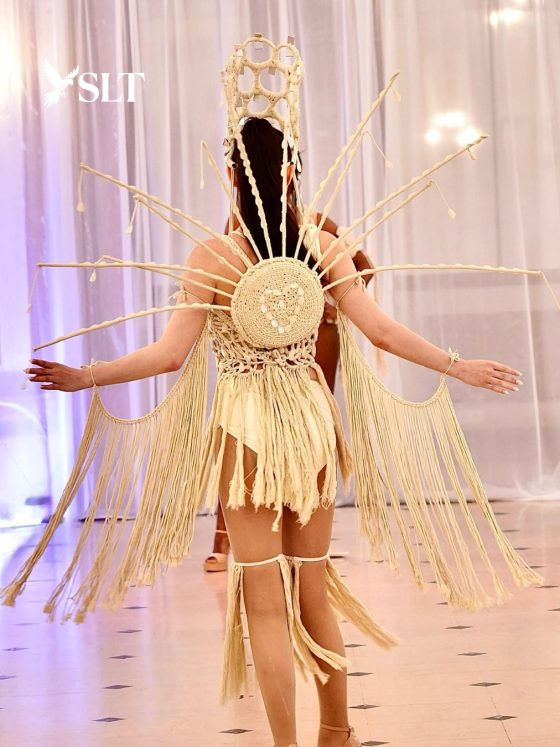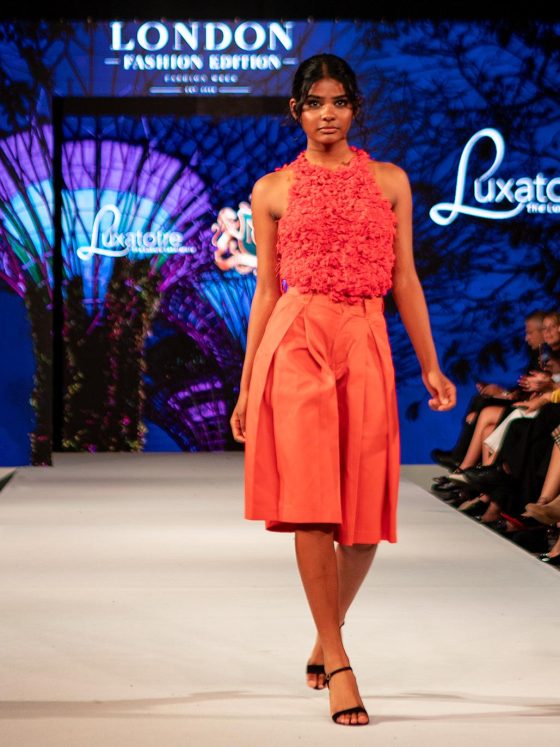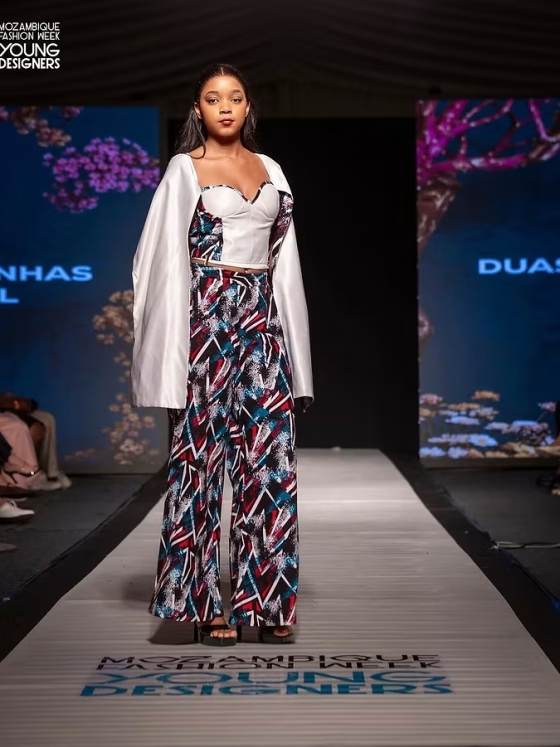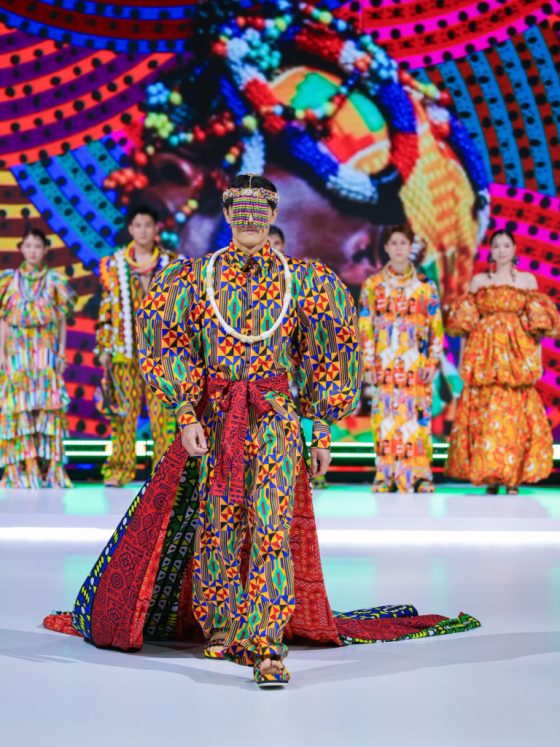
Not all African styles last.
Some remain recognisable across generations, worn with the same authority decades later. Others appear briefly, circulate, and then disappear without leaving a trace. They exist intensely for a moment and then dissolve into the background of fashion history.
This difference is often explained in simple terms. People say some styles are “timeless,” while others are “trends.”
But that explanation is not enough.
Because in African fashion, what survives is rarely accidental. Longevity is not just about aesthetics. It is about structure, meaning, and the systems that hold a style in place.
To understand why some styles endure, it is necessary to look beyond their appearance and examine how they function.
Why do some African styles endure across generations while others fade? A deep look at memory, structure, and cultural continuity in African fashion.
Timelessness Is Built, Not Discovered
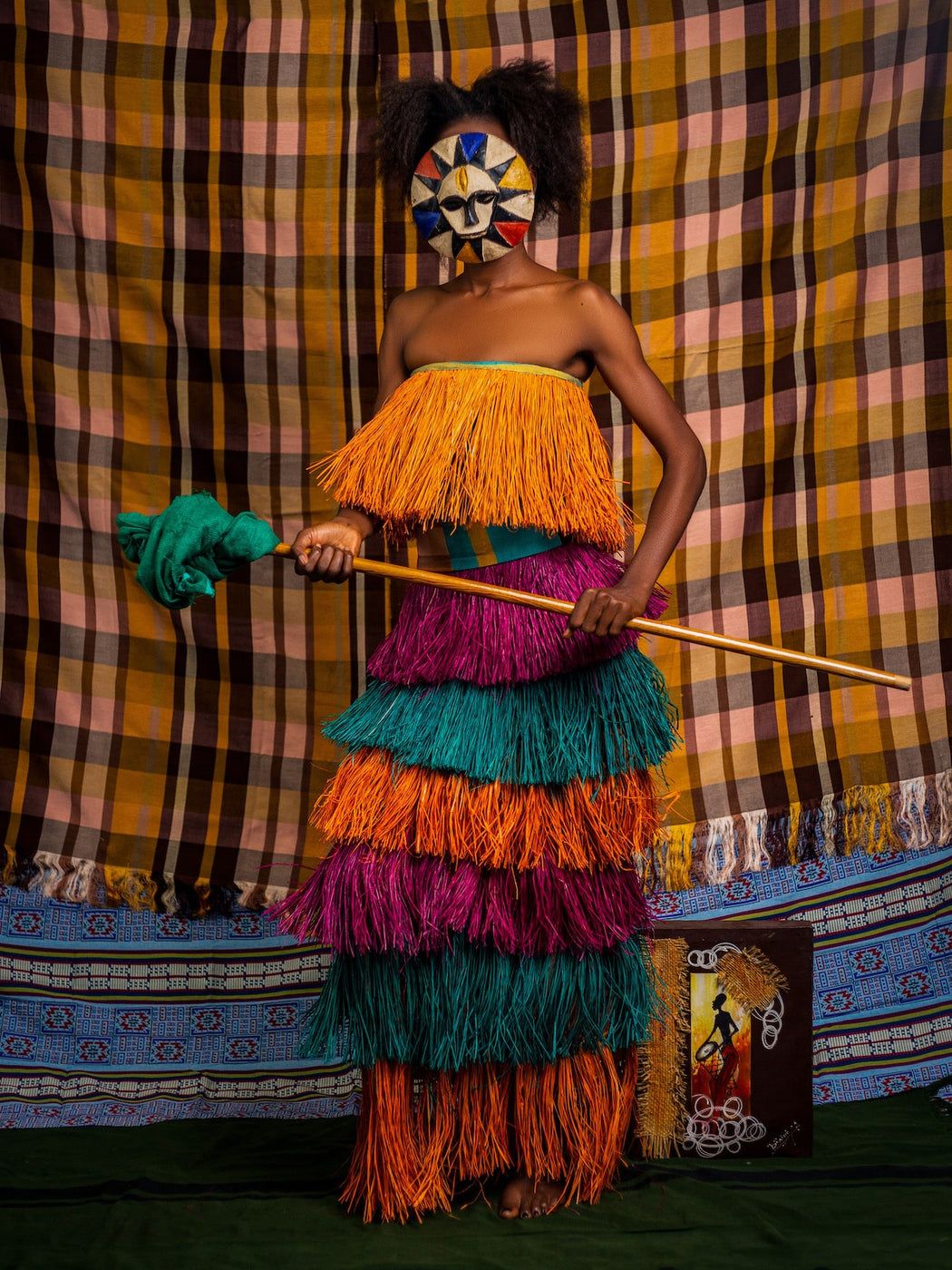
Timelessness is often treated as a natural quality.
As if certain designs are inherently enduring, as if they possess a universal appeal that allows them to exist outside of time. But in practice, timelessness is constructed.
A style becomes timeless when it is repeated.
When it is worn across generations, embedded in ceremonies, in daily life, and in social meaning, repetition creates familiarity, and familiarity creates permanence.
In Nigeria, garments like agbada or iro and buba have endured not because they are visually static, but because they are structurally embedded. They are tied to occasions, to identity, to social expectations.
They are not optional expressions.
They are systems.
Styles That Are Carried vs Styles That Are Consumed
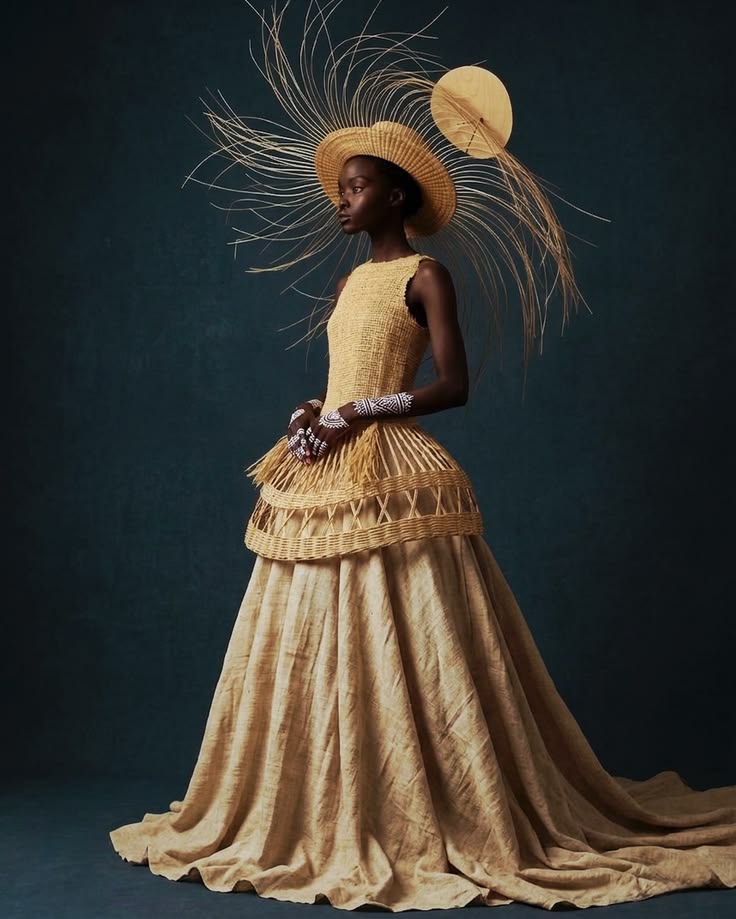
One of the clearest distinctions between enduring styles and disappearing ones is how they are held.
Some styles are carried.
They are passed down, taught, repeated, and maintained within communities. They exist within a shared understanding of what they mean and how they should be worn.
Others are consumed.
They circulate quickly, often driven by visibility rather than meaning. They are adopted because they are seen, not because they are understood. And once the visibility fades, so does the style.
The difference is not in the design itself.
It is in the relationship people have with it.
Meaning Creates Longevity
Styles that endure tend to carry meaning beyond aesthetics.
They are associated with rites of passage, social roles, cultural identity, and historical continuity. Because of this, they are not easily replaced.
A garment worn for marriage, initiation, or specific ceremonies cannot simply be substituted without disrupting the system surrounding it.
This creates stability.
It anchors the style in something deeper than preference.
The Role of Community Recognition
A style becomes lasting when it is collectively recognised.
Not just seen, but understood.
In many African fashion systems, meaning is shared. The way a garment is tied, layered, or worn can communicate specific information. That communication only works if the community recognises it.
This shared recognition reinforces repetition.
And repetition reinforces survival.
Without that recognition, a style remains individual. And individual styles, no matter how striking, are more likely to fade.
When Fashion Moves Faster Than Culture
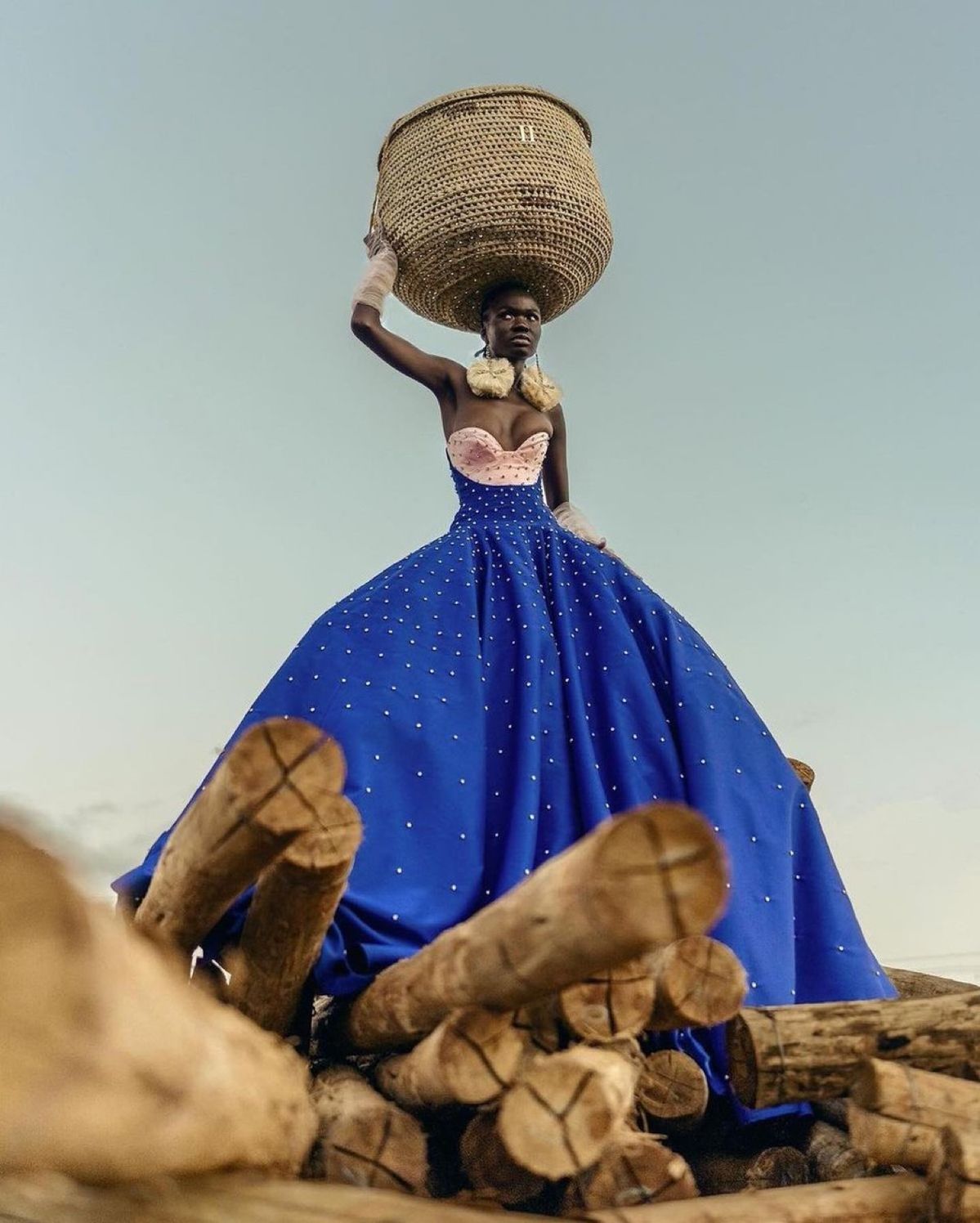
In contemporary fashion, speed has increased.
Styles circulate rapidly through social media, global markets, and digital visibility. This acceleration changes how styles are created and consumed.
Some African styles now emerge within this faster system.
They gain attention quickly. They are widely shared. But they are not always embedded in cultural structures. They exist as moments rather than systems.
Because of this, they are more vulnerable to disappearance.
They are not carried forward. They are replaced.
Innovation vs Continuity
There is often a tension between innovation and continuity.
Designers on the continent and in the diaspora are constantly pushing boundaries, experimenting with form, and redefining what African fashion can look like.
But not all innovation becomes lasting.
For a new style to endure, it must move beyond novelty. It must be adopted, repeated, and integrated into existing cultural frameworks.
Without that integration, innovation remains temporary.
It becomes part of fashion’s movement, not part of its memory.
The Influence of Global Fashion Systems
Global fashion systems reward newness.
They prioritise what is current, visible, and attention-grabbing. This creates an environment where styles are constantly replaced.
African styles that enter this system often face a different trajectory.
They may gain visibility, but without the cultural structures that sustain them, they risk being treated as trends rather than traditions.
This does not mean they lack value.
It means they exist within a system that does not prioritise longevity.
Read Also:
- The Ankara Economy: How a Fabric Became a Continent’s Most Exported Fashion Statement
- The Ankara Abroad: How West African Print Became a Global Style Language
What Disappearing Styles Reveal
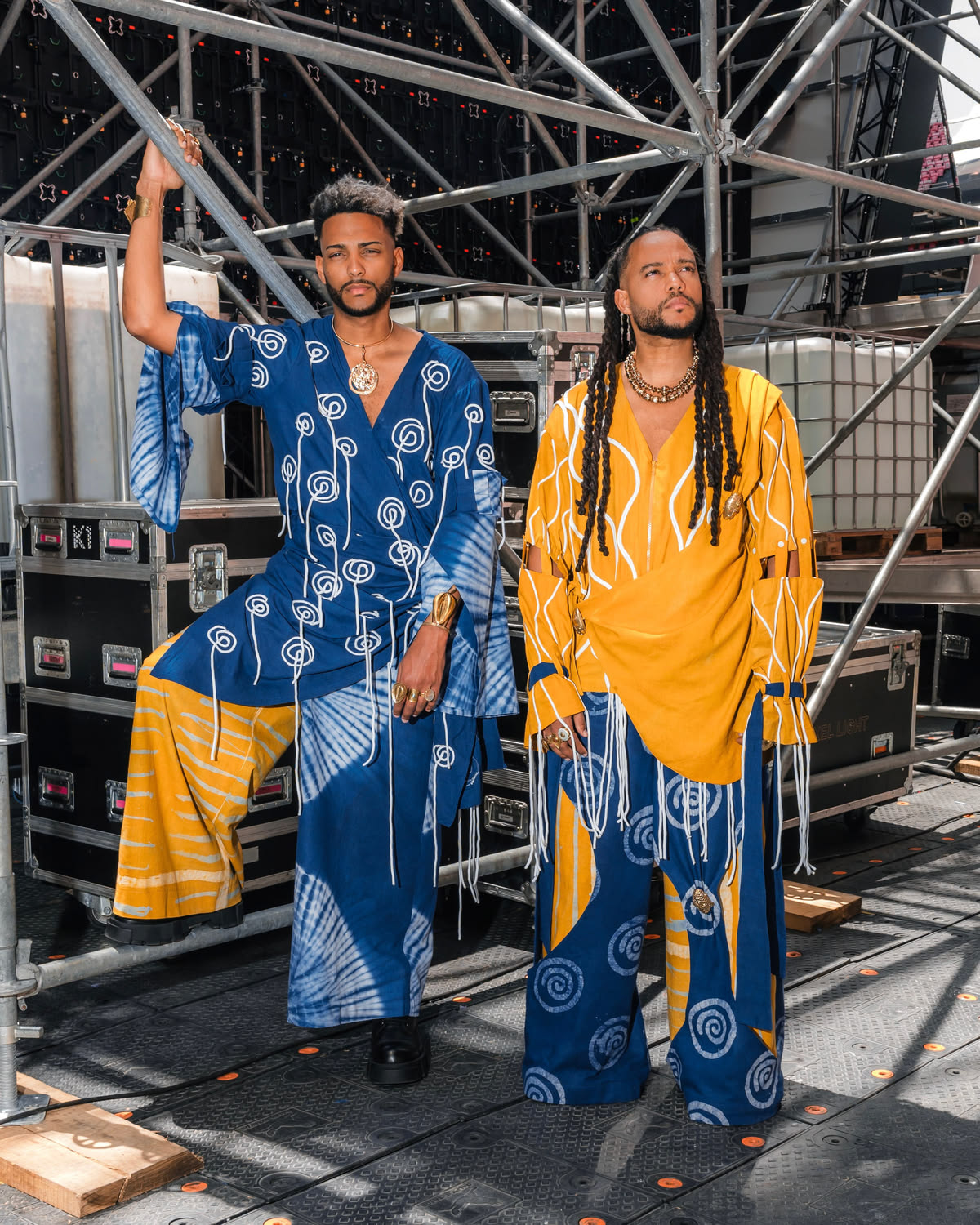
Styles that fade are not necessarily less important.
They often reveal moments of experimentation, shifts in identity, and responses to changing environments. They show how fashion adapts, reacts, and evolves.
But without systems to hold them, they remain temporary.
They do not accumulate the repetition needed to become lasting.
What Enduring Styles Teach
Styles that endure offer a different lesson.
They show that longevity is not about resisting change. It is about maintaining a connection.
Connection to meaning.
Connection to community.
Connection to structure.
These connections allow styles to evolve without disappearing.
They create continuity within change.
OMIREN Argument
Timelessness in African fashion is not an aesthetic achievement.
It is a structural one.
Styles do not endure because they are universally appealing. They endure because they are held in place by systems that require their existence. Systems of ceremony, identity, and shared understanding.
The global fashion industry often misunderstands this.
It searches for timelessness in design, in silhouette, in visual appeal. It assumes that what lasts is what looks good across time.
But African fashion operates differently.
What lasts is what is repeated.
What is repeated is what is needed.
And what is needed is what carries meaning beyond appearance.
This is why some styles disappear.
Not because they are less beautiful, but because they are not structurally required. They exist within cycles of visibility rather than systems of continuity.
To call something timeless, then, is not to describe how it looks.
It is to recognise how deeply it is embedded in the life of the people who wear it.
Frequently Asked Questions (FAQs)
- What makes a fashion style timeless?
A style becomes timeless when it is repeatedly worn across generations and embedded in cultural or social systems.
- Why do some African styles disappear?
They often lack deep cultural integration and are consumed as trends rather than carried as traditions.
- Are disappearing styles less important?
No. They reflect innovation and changing cultural moments, even if they do not endure in the long term.
- How does culture affect fashion longevity?
Cultural meaning and community recognition help sustain styles over time through repetition and relevance.
- Can modern African styles become timeless?
Yes, if they are adopted, repeated, and integrated into cultural systems beyond initial visibility.