Menu
  • African Style
    • Designers & Brands
    • Street Fashion in Africa
    • Traditional to Modern Styles
    • Cultural Inspirations
  • Fashion
    • Trends
    • African Fashion Designers
    • Afro-Latin American Designers
    • Caribbean Designers
    • Street Style
    • Sustainable Fashion
    • Diaspora Connects
  • Beauty
    • Skincare
    • Makeup
    • Hair & Hairstyle
    • Fragrance
    • Beauty Secrets
  • Lifestyle
    • Culture & Arts
    • Travel & Destination
    • Celebrity Style
    • Luxury Living
    • Home & Decor
  • News
    • Cover Stories
    • Designer Spotlight
    • Fashion Weeks
    • Style Icons
    • Rising Stars
    • Opinion & Commentary
  • Women
    • Women’s Style
    • Health & Wellness
    • Workwear & Professional Looks
    • Evening Glam
    • Streetwear for Women
    • Accessories & Bags
  • Shopping
    • Fashion finds
    • Beauty Picks
    • Gift Guides
    • Shop the Look
  • Events
    • Fashion Week Coverage
    • Red Carpet & Galas
    • Weddings
    • Industry Events
    • Omiren Styles Special Features
  • Men
    • Men’s Style
    • Grooming Traditions
    • Menswear Designers
    • Traditional & Heritage
    • The Modern African Man
  • Diaspora
    • Designers
    • Culture
  • Industry
    • Insights
    • Investment
    • Partnerships
    • Retail
    • Strategy
Subscribe
OMIREN STYLES OMIREN STYLES

Fashion · Culture · Identity

OMIREN STYLES OMIREN STYLES OMIREN STYLES OMIREN STYLES
  • Africa
  • Women
  • Men
  • Fashion
  • Beauty
  • Lifestyle
  • Diaspora
  • Industry
  • News
  • Fashion

Music, Identity, and Dress: How Afrobeats Became the World’s Unspoken Style Language

  • Heritage Oni
  • March 27, 2026
Music, Identity, and Dress: How Afrobeats Became the World’s Unspoken Style Language
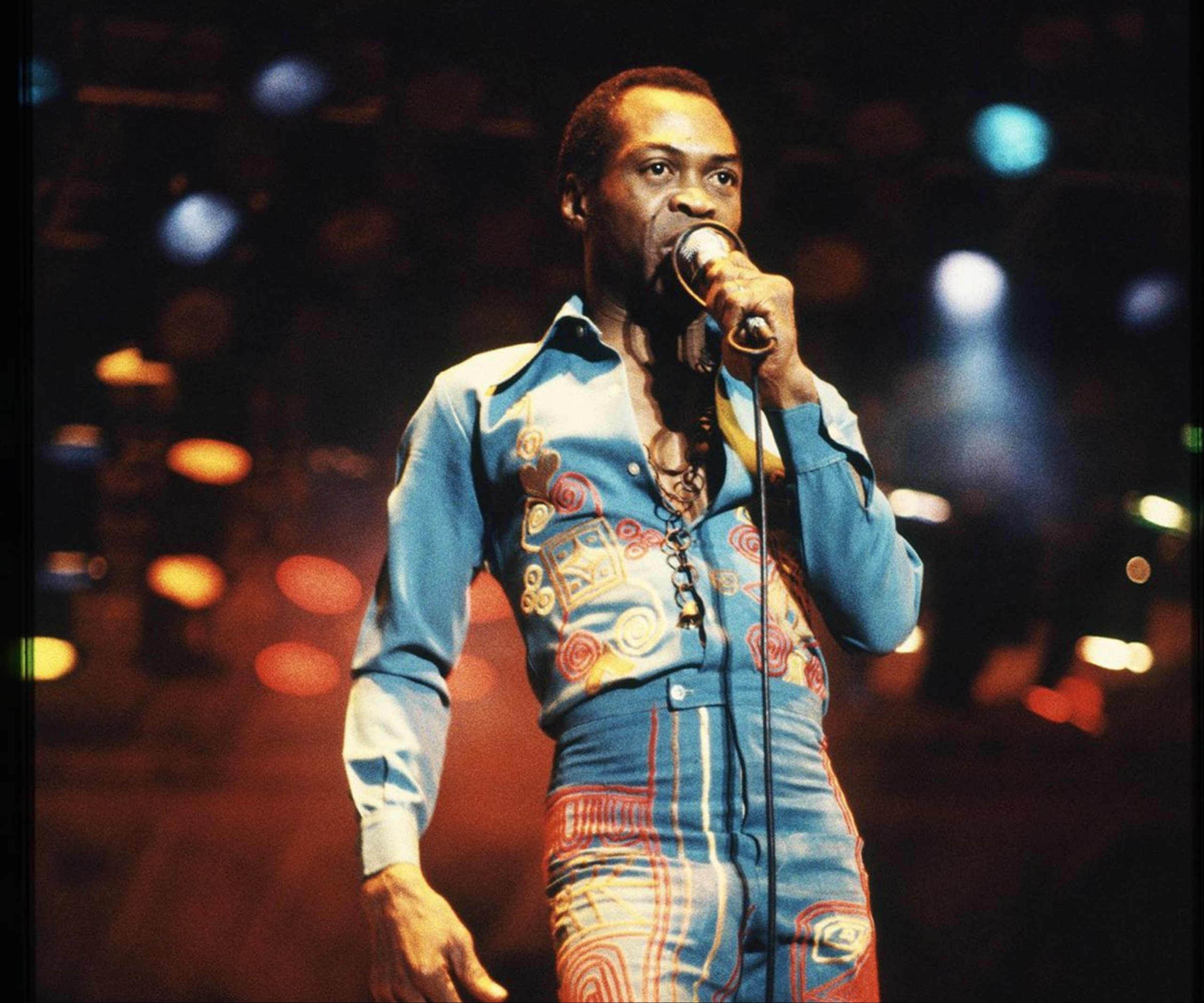
Afrobeat Pioneer, Fela Kuti.
Total
0
Shares
0
0
0

Long before the world learned how to pronounce Afrobeats, it had already started wearing it. Not the music itself, but what came with it—silhouettes, textures, attitude, and a quiet confidence rooted in African identity.

What looks like a fashion trend today is, in truth, a cultural movement decades in the making. From Fela Kuti’s defiant stage presence to Burna Boy’s global dominance, clothing has carried the same message as the music: this is who we are, on our own terms.

The difference now is scale. What once lived in Lagos clubs and cultural spaces has moved into arenas, award shows, and streetwear across continents. And as Afrobeats travels, so does the identity stitched into it—sometimes understood, often imitated, rarely credited.

Afrobeats reshaped global fashion through identity and music from Lagos to London and New York revealing why African style now defines global culture

From Resistance to Global Presence

Afrobeats fashion begins with intention. For Fela, clothing was not styling—it was resistance. His use of Ankara, beads, and near-bare silhouettes rejected colonial expectations of respectability. It spoke to ownership of body, culture, and narrative.

That foundation still shapes the present. But where Fela resisted the global gaze, artists today engage it. Burna Boy’s agbadas on international stages are not costumes; they are statements of arrival. The fabric is heavier, the tailoring more deliberate, the context more global, but the message remains rooted in identity.

This shift matters because it reflects a broader change. African fashion is no longer trying to be seen. It is being referenced, replicated, and absorbed into global style systems.

The Invisible Architects of Afrobeats Style

The Invisible Architects of Afrobeats Style
Afrobeat Giant, Burna Boy.

Behind every defining look is a layer of creative direction that rarely gets documented. Stylists like Swanky Jerry and Ugo Mozie operate at the intersection of culture and image-making.

Their work is not simply about dressing artists. It is about translating identity across audiences. They decide how traditional textiles meet modern tailoring, how local designers sit beside global luxury brands, and how far an artist can stretch visually without losing cultural grounding.

Designers such as Kenneth Ize and Thebe Magugu are part of this ecosystem, shaping garments that carry cultural memory into global spaces.

When the Streets Respond: Lagos, London, New York

When the Streets Respond: Lagos, London, New York
Nigerian Musician, Lagbaja.

Afrobeats does not move in one direction. It circulates.

In Lagos, fashion responds quickly. A music video today becomes a street interpretation tomorrow. Young people remix artist looks with what is accessible, creating a version of style that feels lived-in rather than staged.

In London, diaspora communities reinterpret these aesthetics through layered identities. Here, African fashion meets global streetwear, producing something hybrid yet rooted.

By the time these ideas reach New York City and Toronto, they function as cultural signals. Wearing certain silhouettes or fabrics becomes less about trend and more about alignment—an unspoken recognition of where the influence began.

This feedback loop is what gives Afrobeats fashion its longevity. It is not dictated from the top. It is negotiated across communities.

READ ALSO:

  • Cultural Trends vs Tradition: Why Global Fashion Is Rooted in Continuity
  • Intentional Dressing: How to Dress for the Life You Are Building
  • Top 5 Ankara Styles for Kanuri Women in 2026

More Than Aesthetic: Fashion as Cultural Declaration
More Than Aesthetic: Fashion as Cultural Declaration
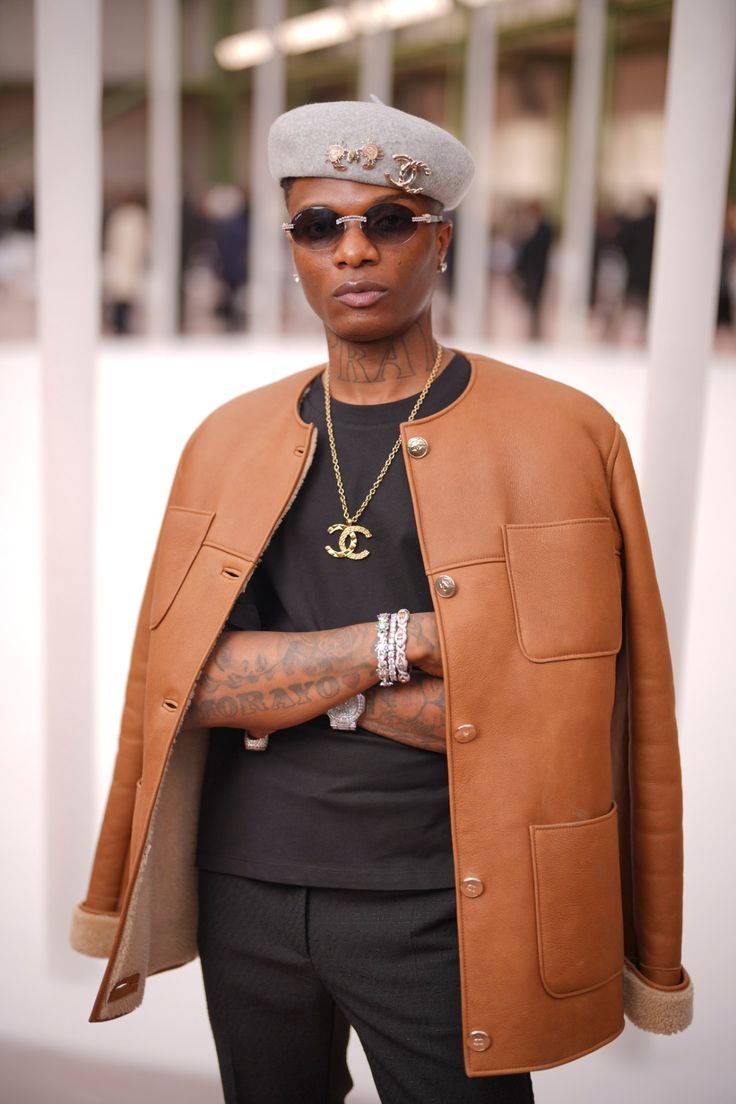
Afrobeat Superstar, Wizkid.

Artists today use clothing as language.

Wizkid communicates restraint—his style reflects a global ease that does not need to prove itself. Tems challenges expectations, using structure and volume to shift how women are seen on stage.

Ayra Starr draws from youth culture, blending nostalgia with confidence, while Rema experiments with futurism. Amaarae moves beyond binaries, using fashion to question gender itself.

These choices matter because they shape how African identity is perceived globally. They expand it, complicate it, and refuse to let it sit with a single definition.

Cultural Influence or Cultural Extraction

As Afrobeats aesthetics spread, so does the risk of disconnection. Global fashion brands increasingly adopt African-inspired visuals without context. What began as a cultural expression can become trend material.

The difference lies in authorship. When African creatives lead, the story remains intact. When removed from its source, the aesthetic loses its meaning.

Afrobeats has accelerated visibility, but it has also exposed the tension between influence and ownership.

Conclusion

Afrobeats has done something fashion alone could not achieve. It made African identity unavoidable in global culture. Not through runway seasons, but through sound, repetition, and presence.

But visibility is only part of the story. The deeper question is who tells it, who benefits from it, and how it is remembered.

FAQs

  1. Why is Afrobeats so influential in fashion today?

Because it travels faster than traditional fashion systems and carries identity, not just aesthetics, into global spaces.

  1. Did Afrobeats create African fashion visibility?

No. African fashion has always existed. Afrobeats amplified it and made it more visible globally.

  1. Who are the key creatives behind Afrobeats fashion?

Stylists, designers, and artists all contribute, including figures like Swanky Jerry and Ugo Mozie.

  1. How does Afrobeats influence street fashion?

Artists’ looks are quickly reinterpreted by everyday people, especially in cities like Lagos and London, creating a continuous style cycle.

  1. Is the global adoption of African fashion always positive?

Not always. It can lead to visibility, but without proper credit, it risks becoming cultural extraction rather than appreciation.


Post Views: 247
Total
0
Shares
Share 0
Tweet 0
Pin it 0
Related Topics
  • Afrobeats fashion influence
  • global African culture
  • music and fashion identity
Avatar photo
Heritage Oni

theheritageoni@gmail.com

You May Also Like
Haitian Vodou Dress and the Colours That Are Not for Decoration
View Post
  • Diaspora Connects

Haitian Vodou Dress and the Colours That Are Not for Decoration

  • Ayomidoyin Olufemi
  • April 17, 2026
What Jamaica Kept: The African Fabrics and Head-Tie Traditions That Survived the Middle Passage
View Post
  • Cultural Inspirations
  • Diaspora Connects

What Jamaica Kept: The African Fabrics and Head-Tie Traditions That Survived the Middle Passage

  • Ayomidoyin Olufemi
  • April 16, 2026
The Timing of Fashion: Why Some Ideas Are Only Accepted Later
View Post
  • Beauty
  • Fashion

The Timing of Fashion: Why Some Ideas Are Only Accepted Later

  • Fathia Olasupo
  • April 15, 2026
The White Shirt: A Study in Minimalist Authority
View Post
  • Men's Style
  • Trends

The White Shirt: A Study in Minimalist Authority

  • Faith Olabode
  • April 15, 2026
The African Men Who Dress to Be Remembered: Style, Power, and the Continent’s Forgotten Dandy Tradition
View Post
  • Diaspora Connects
  • Style & Identity

The African Men Who Dress to Be Remembered: Style, Power, and the Continent’s Forgotten Dandy Tradition

  • Ayomidoyin Olufemi
  • April 15, 2026
KikoRomeo: The Nairobi Brand That Turned Kenyan Craft Into Global Fashion Authority
View Post
  • African Fashion Designers

KikoRomeo: The Nairobi Brand That Turned Kenyan Craft Into Global Fashion Authority

  • Adams Moses
  • April 14, 2026
View Post
  • African Fashion Designers
  • Opinion & Commentary

Why Fashion Brands Don’t Scale: Access Over Design

  • Fathia Olasupo
  • April 14, 2026
Mia Amor Mottley: The Prime Minister Who Wears the Caribbean on the World Stage
View Post
  • Caribbean Designers
  • Celebrity Style
  • Fashion

Mia Amor Mottley: The Prime Minister Who Wears the Caribbean on the World Stage

  • Rex Clarke
  • April 12, 2026

Leave a Reply Cancel reply

Your email address will not be published. Required fields are marked *

The Omiren Argument

African fashion and culture are not emerging. They are foundational. We document, interpret, and argue for the full cultural weight of African and diaspora dress. With precision. Without apology.

Omiren Styles Fashion · Culture · Identity

All 54 African Nations
Caribbean · Afro-Latin America
The Global Diaspora

Platform

  • About Omiren Styles
  • Our Vision
  • Our Mission
  • Editorial Pillars
  • Editorial Policy
  • The Omiren Collective
  • Campus Style Initiative
  • Sustainable Style
  • Social Impact & Advocacy
  • Investor Relations

Contribute

  • Write for Omiren Styles
  • Submit Creative Work
  • Join the Omiren Collective
  • Campus Initiative
Contact
contact@omirenstyles.com
Our Reach

Africa — All 54 Nations
Caribbean
Afro-Latin America
Global Diaspora

African fashion intelligence, in your inbox.

Editorial features, designer profiles, cultural commentary. No noise.

© 2026 Omiren Styles — Rex Clarke Global Ventures Limited. All rights reserved.
  • Privacy Policy
  • Editorial Policy
  • Terms of Use
  • Accessibility
Africa · Caribbean · Diaspora
The Omiren Argument

African fashion and culture are not emerging. They are foundational. We document, interpret, and argue for the full cultural weight of African and diaspora dress. With precision. Without apology.

Omiren Styles Fashion · Culture · Identity
  • About Omiren Styles
  • Our Vision
  • Our Mission
  • Editorial Pillars
  • Editorial Policy
  • The Omiren Collective
  • Campus Style Initiative
  • Sustainable Style
  • Social Impact & Advocacy
  • Investor Relations
  • Write for Omiren Styles
  • Submit Creative Work
  • Join the Omiren Collective
  • Campus Initiative
Contact contact@omirenstyles.com

All 54 African Nations · Caribbean
Afro-Latin America · Global Diaspora

African fashion intelligence, in your inbox.

Editorial features, designer profiles, cultural commentary. No noise.

© 2026 Omiren Styles
Rex Clarke Global Ventures Limited.
All rights reserved.

  • Privacy Policy
  • Editorial Policy
  • Terms of Use
  • Accessibility
Africa · Caribbean · Diaspora

Input your search keywords and press Enter.