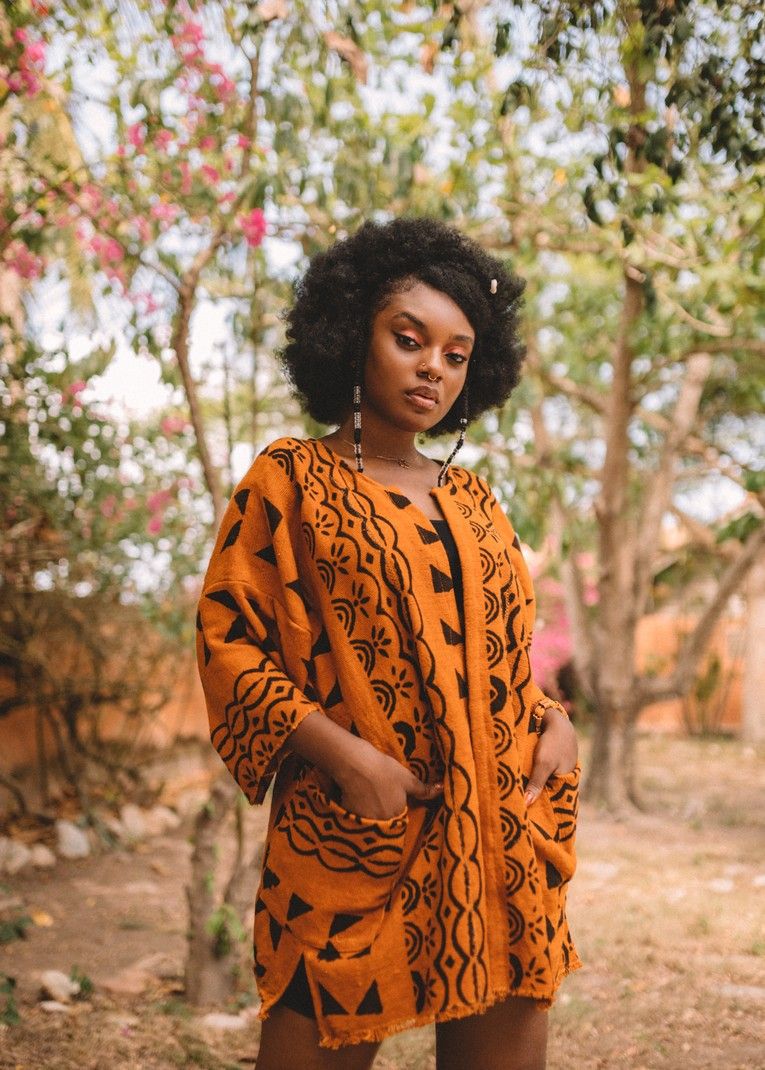
The cloth has a name in Bambara. Bògòlanfini: bɔgɔ meaning earth or mud, lan meaning by means of, fini meaning cloth. The composite is precise. It names the material, the process, and the product in a single word that encodes the knowledge system required to understand what you are holding. The cloth arrived in Western interior design markets under a different name: mud cloth. Two words that describe appearance rather than process, that carry no Bambara etymology, that tell the buyer nothing about the Bambara and Bamana people of Mali who developed the tradition, the women who dye the cloth, the gendered production system it operates within, the symbolic grammar encoded in its patterns, or the specific chemistry that actually produces its characteristic marks. The market chose mud cloth. That choice was not neutral.
Bogolanfini is not in fact dyed with mud. This is the first and most fundamental thing that ame mud c”loth gets” wrong. What is applied to the cloth to create its deep browns and blacks is a clay slip with a high iron content, harvested from the banks of the Niger River and fermented for months before use. The iron in the clay reacts with tannins introduced by the earlier n’gallama tree leaf bath the cloth receives, producing a black pigment through a chemical discharge process. The result looks like mud. It is not mud. The person who named “mud” has “served the surface” and named what they saw. The person who names it bogol” has understood the process and named what. There are different kinds of knowledge, and the name that circulates in global markets matters because it determines which kind of knowledge is transmitted.
The term “mud cloth” describes what the cloth looks like to someone who does not know it. Bogolan describes what it is. The difference is not semantic. It is the whole argument.
Bogolan and Bogolanfini: What the Bambara Name Encodes

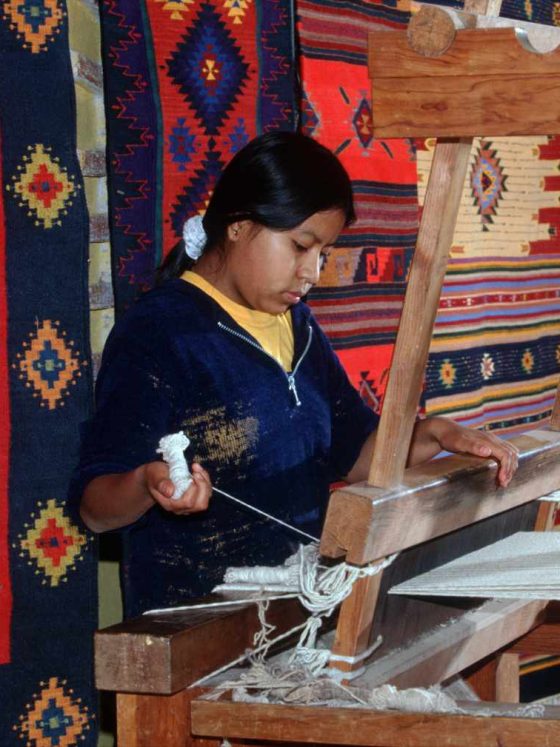
The production process of traditional bogolanfini is a multi-stage chemical system that begins long before the characteristic patterns appear. Men weave narrow cotton strips on horizontal looms, approximately fifteen centimetres wide, which are then sewn together selvedge to selvedge to produce the finished cloth. The cloth is soaked in a solution made from the boiled leaves of the n’gallama tree, which introduces tannins and turns the cloth yellow. This step is invisible in the finished product but chemically essential: without the tannin layer, the iron-rich clay slip cannot bond with the fabric. Women then apply the fermented clay using sticks, carved bamboo tools, or metal implements to paint patterns in negative space, filling the background to create geometric and symbolic forms in deep brown and black against a yellow ground. The cloth is dried in the sun. The process is repeated, sometimes dozens of times, to build colour depth. A final step uses a bleaching agent to lighten or discharge the areas that were protected during dyeing, sharpening the contrast between pattern and ground. As The Craft Atlas documents, the highest-quality bogolanfini is produced in the town of San, where the full multi-stage process is still practised, and the centre of production quality is not Bamako. It is San.
The gendered division of labour in bogolanfini production is not incidental. It is structural. Men weave the cloth and women dye it. The dyeing knowledge, the symbolic vocabulary of the patterns, and the understanding of which designs carry which meanings in which ceremonial contexts are passed from mother to daughter through a long-term apprenticeship that traditionally lasted a year or more. The democratic reforms following the 1991 overthrow of Moussa Traoré created an economic disruption that sent many young men into bogolanfini production for the tourist market, compressing the apprenticeships into informal sessions and shifting the dominant producer demographic. The result is a large volume of simplified, stencilled bogolan produced by men who learned the surface aesthetics without the symbolic grammar. This is not a moral judgement. It is a documented production history that the name mud cloth makes no reference to and does not distinguish.
The patterns on traditional bogolanfini encode specific meanings. Tigafaranin, the little peanupeanut-shellf on the cloth held at the Metropolitan Museum of Art, symbolises the beaded belt young Bamana women wear around the waist, associated with seduction and fertility. Turusina, derived from words meaning to pound grain and co-wife, references the need for cooperation between co-wives in shared domestic tasks, encoding a social ethic about conflict resolution within polygamous households. Bunteni ku is the scorpion’s tail. Kaana nònkòn is the iguana’s elbow. Other patterns reference a famous battle between a Malian warrior and French colonial forces, crocodiles, which are significant in Bambara mythology, proverbs, historical events, and spiritual protections. The cloth is a visual language. Mud cloth names the medium. It says nothing about the message.
What the Export Market Did with the Name and the Cloth
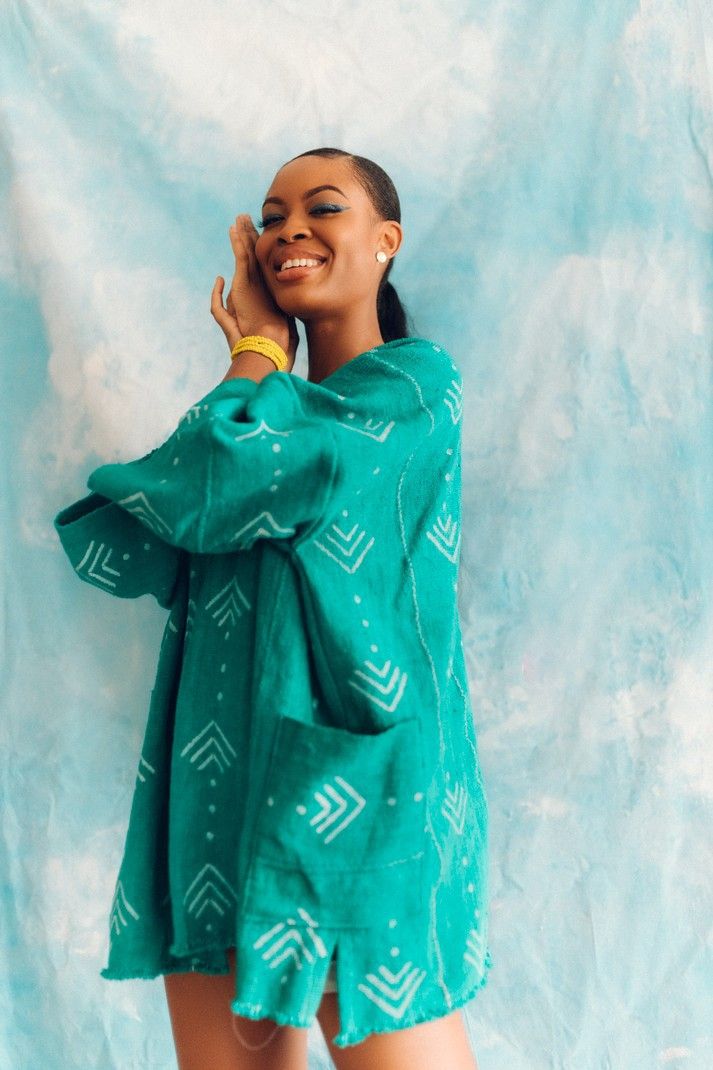
Bogolanfini became a popular Malian export to the United States from the 1980s onward, marketed there as mud cloth, either as a symbol of African American cultural identity or as a generically ethnic decorative product. The Wikipedia documentation of this trajectory is direct: in the United States, it is marketed as mud cloth, either as a symbol of African American culture or as a generically ethnic decorative cloth. Both framings involve a primarily visual relationship with the cloth, which suggests African American cultural connection is real and historically significant: Afrocentric fashion movements of the 1980s and 1990s embraced bogolanfini patterns as a connection to continental Africa, and that embrace drove genuine market demand. The generically ethnic framing is more damaging: it treats the cloth as decoration whose cultural content is irrelevant to the transaction.
The mass production response to that export demand confirmed the name’s consequences. From around 2000, large quantities of simplified bogolan were produced for tourist and export markets using stencils, synthetic dyes, and techniques that allow cloth to be produced six to seven times faster than the traditional process. These cloths use designs applied in black on yellow or orange backgrounds without the multi-stage chemical process that produces the genuine article’s depth of colour. They are sold as mud cloth. The name creates no distinction between the genuine hand-painted bogolanfini produced by women in San through a year-long process and the stencilled tourist product produced in Bamako workshops in an afternoon. Both are mud. Both are cloth. The name cannot make the distinction because the name does not encode the knowledge system that generates that distinction.
The fashion industry’s use of bogolanfini patterns followed a similar trajectory of aesthetic adoption without cultural attribution. Riccardo Tisci used bogolan-inspired patterns in his Spring 2007 collection for Givenchy. Oscar de la Renta used them in Spring 2008. Neither credited Mali, the Bambara people, or the women whose knowledge system produced the visual grammar being referenced. This is not ancient history. These are recent fashion seasons. The cloth’s visual identity circulated through two of the world’s most commercially powerful fashion brands without generating any institutional connection to the communities that built it. Tisci did not call his collection mud cloth. He did not call it bogolan either. He used the patterns and moved on.
Mud cloth tells you what someone saw when they looked at it from outside. Bogolan tells you what it is. The market chose the first name. That choice has consequences.
What Chris Seydou Did and What It Cost
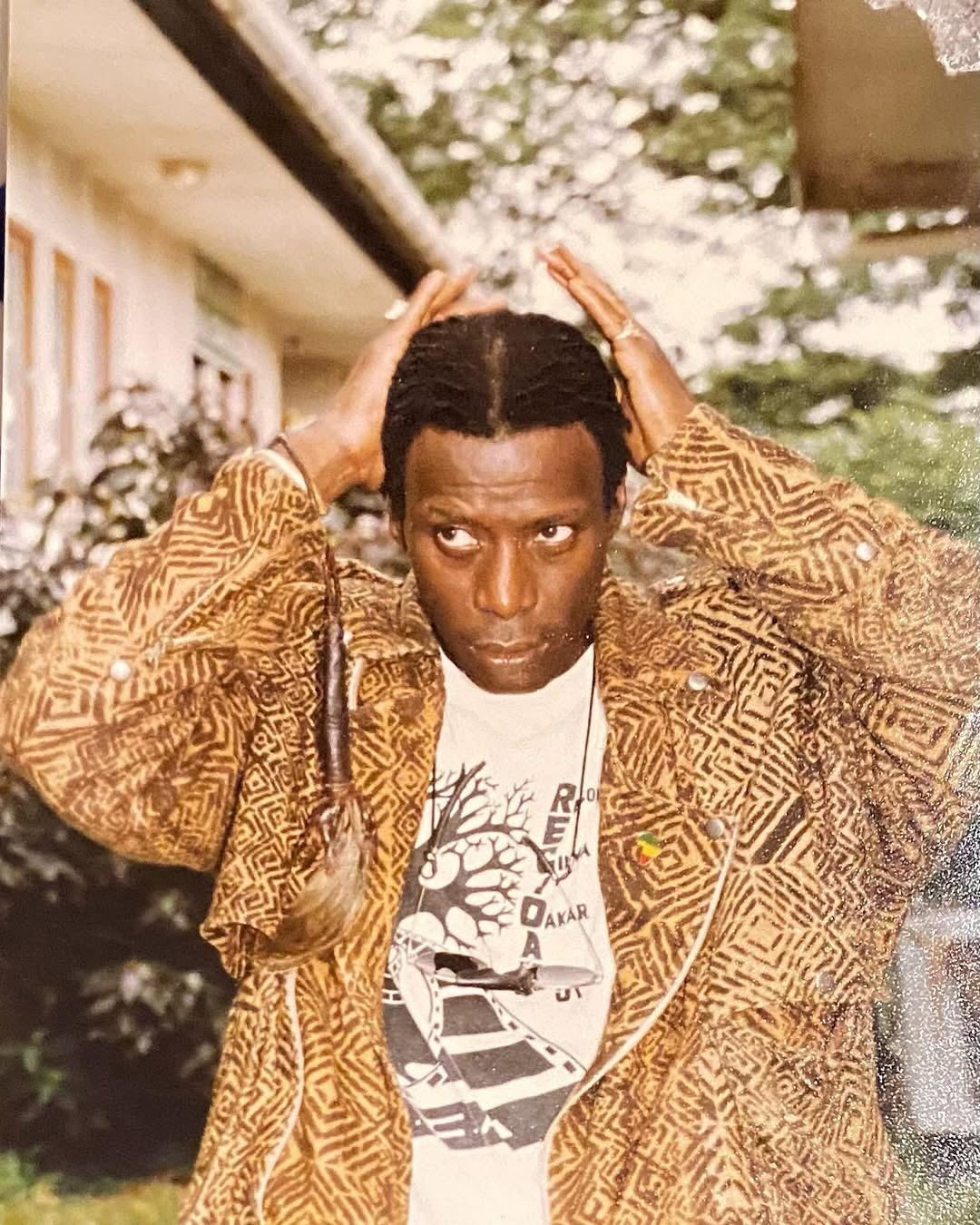
The most significant attempt by a Malian designer to position bogolanfini within international fashion on its own cultural terms came from Chris Seydou, born Seydou Nourou Doumbia in 1949 and widely described as the father of African fashion. Seydou trained in Paris and worked for Yves Saint Laurent and Pierre Cardin before returning to Africa and beginning to incorporate bogolanfini into contemporary silhouettes. His work in the 1980s and early 1990s, based first in Abidjan and then in Bamako, introduced simplified adaptations of bogolanfini patterns onto Western-cut garments: cropped jackets, mini skirts, coats, and hats that placed the cloth in a luxury fashion context without requiring the buyer to understand the symbolic grammar to appreciate the design. As documented at the Fashion History Timeline, Seydou’s work was the catalyst for the subsequent expansion of bogolan into commercial fashion production. He simplified the cloth for the runway. He died in 1994, aged 44. The commercial engine he started continued without the cultural authority he brought to it.
Seydou’s legacy contains the contradiction at the heart of Bogolanfini’s international trajectory. His work gave the cloth its fashion credibility. That credibility then attracted designers, manufacturers, and markets who vested in the visual output of that credibility with the cultural knowledge Seydou carried. The Groupe Bogolan Kasobané, six Malian artists who have been collaborating since 1978, represent the parallel tradition that did not require simplification: fine art practitioners producing bogolanfini paintings using vegetable dyes and traditional mud with contemporary motifs, working from inside the knowledge system rather than abstracting from outside it. Nakunte Diarra is among the other notable fine art practitioners working in this tradition. Their work circulates in gallery and museum contexts rather than fashion markets. The distinction between those two circuits is itself part of the argument about whose name for the cloth gets used and whose knowledge gets transmitted.
Also Read:
- The Indigo Trail: How West African Resist-Dyeing Traditions Are Being Reclaimed from Global Trend Culture
- Who Actually Owns Ankara: The Legal and Cultural Argument the Fashion Industry Has Been Avoiding
- Kente’s GI Status: What Geographic Indication Protection Actually Means for Ghanaian Weavers in Practice
- Investing in Textile Heritage: The Business Case for Preserving What Western Fast Fashion Cannot Copy
Why the Name Is a Practical Problem, Not Just a Symbolic One
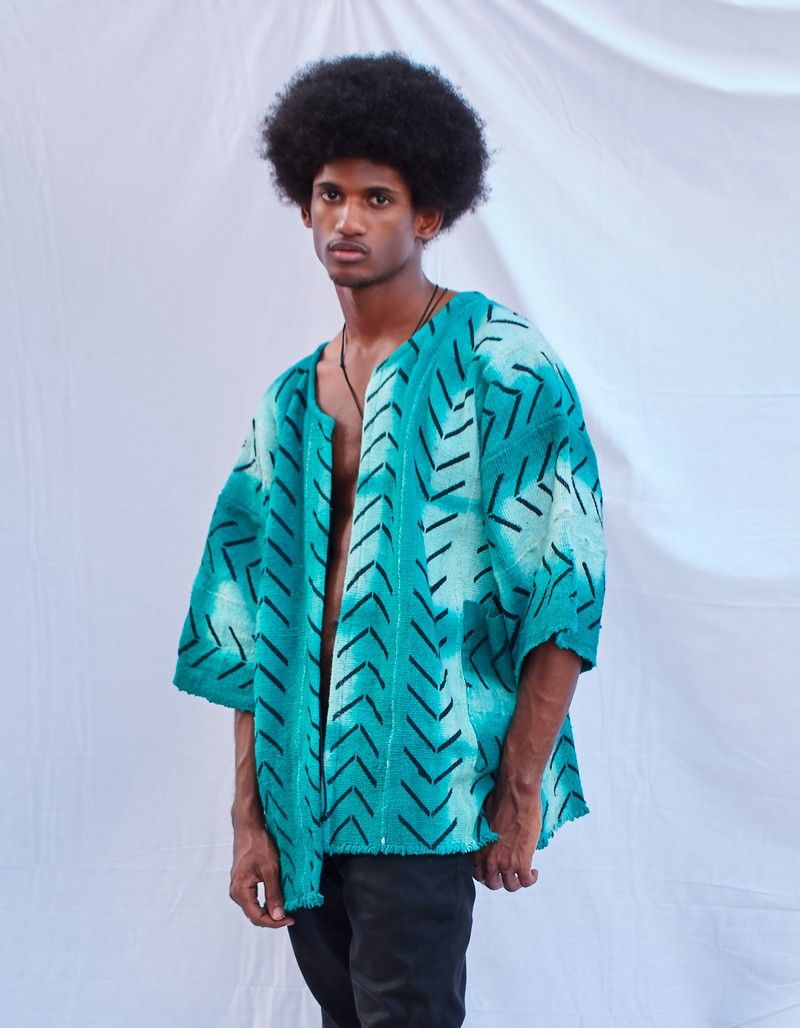
The argument that getting the name right matters is not primarily symbolic. It is practical and economic. A market that cannot distinguish between traditional bogolanfini produced through the full multi-stage process in San and stencilled tourist bogolan produced in six to seven times less time cannot price them differently. When both products are called” cloth, quality differentiation is impossible because the name carries no quality information. As the Omiren Styles analysis of the Kente GI confirmed, legal frameworks for Africa’s protection of textile heritage require precise naming and specification as their technical foundation. A GI for bogolanfini would need to define what bogolanfini is, which the Bambara name enables and the export market name does not. Mali has not yet pursued a GI for bogolanfini. The name confusion is one of the reasons why the technical specification required for GI registration is harder to build on this cloth than on Kente, whose name has never been replaced.
The use of bogolan patterns by Givenchy and Oscar de la Renta, without attribution, reflects the same structural failure documented in the Ankara ownership debate. Cultural value extracted from African textile traditions and redistributed through global fashion markets without economic benefit to the communities that built that value. The difference with bogolan is that the specific knowledge system encoded in the patterns is further obscured by a name that describes appearance rather than origin. A consumer who encounters bogolanfini patterns in a Givenchy collection is encountering patterns that encode Bambara history, mythology, and social ethics. The patterns are presented as aesthetic. The term “loth, if i”t is at all in the collection notes, confirms that framing.
The Omiren Argument
The name mud cloth is n”ot wrong because, although inaccurate about the material, thousands are technically inaccurate. It is wrong because it describes the cloth from the outside rather than naming it from the inside. Bogolan and bogolanfini are Bambara words that encode the knowledge system required to understand what the cloth is: a multi-stage chemical process, a gendered production tradition, a symbolic visual language, a ceremonial object worn at the most significant transitions in a Bambara woman’s life. Mud cloth names what someone saw when they encountered the finished product without knowing any of that. The market chose mud cloth because it is accessible, memorable, and requires no engagement with the Bambara knowledge system it references. That accessibility has a cost, and the cost is paid by the communities whose knowledge is being accessed.
The practical consequence of getting the name right is that it makes it possible to articulate the distinction between genuine bogolanfini and mass-produced imitation. When the cloth has a specific name tied to a specific production community and process, the specification that is required by the framework must be written. When it is called mud cloth, the cloth is already positioned as a generic ethnic product rather than a specific cultural object with a named origin and a documented knowledge system. Riccardo Tisci did not need to call his Givenchy collection bogolan. He could have. The choice not to is itself a statement about whose naming authority the fashion industry treats as commercially relevant. Omiren Styles names it bogolan. The Bambara people of Mali were named.
Frequently Asked Questions
What is bogolan, and what does the name actually mean?
Bogolan, short for bògòlanfini, is a handmade Malian cotton fabric produced primarily by the Bambara and related Mande peoples of Mali. The name is Bambara: bɔgɔ meaning earth or mud, lan, meaning by means of, and fini, meaning cloth. The composite word encodes the production method, the material, and the product simultaneously. The cloth is not dyed with mud but with a clay slip containing iron, sourced from the Niger River and fermented for months, which reacts with tannins introduced by an earlier plant dye bath to produce the characteristic deep brown and black pigment through a chemical process. Calling it mud c”loth is a” visual description that erases this itsnical and cultural specificity.
What is the difference between traditional bogolanfini and tourist bogolan?
Traditional bogolanfini follows a multi-stage production process: men weave narrow cotton strips and sew them together, the cloth is soaked in a tannin solution from n’gallama tree leaves, women apply fermented clay slip using traditional tools to paint patterns in negative space, the cloth is sun-dried and the process repeated multiple times to build colour depth, then a bleaching step sharpens the contrast. Patterns carry specific cultural meanings encoded in the Bambara visual language. Tourist bogolan, which expanded from around 2000, uses simplified stencilled designs applied in black on yellow or orange backgrounds, often with synthetic dyes, and can be produced six to seven times faster. The term “loth make”s no distinction between them.
How have Western fashion designers used bogolan patterns?
Riccardo Tisci used bogolan-inspired patterns in his Spring 2007 collection for Givenchy. Oscar de la Renta used them in Spring 2008. Neither credited Mali, the Bambara people, or the women whose knowledge system produced the visual grammar being referenced. Malian designer Chris Seydou, widely described as the father of African fashion, was the first major designer to incorporate bogolanfini into contemporary fashion silhouettes in the 1980s and early 1990s, working from inside the cultural tradition before his death in 1994 aged 44. His legacy is complicated: his work gave bogolan its fon credibility, which then attracted designers who used the aesthetic without the cultural knowledge he brought to the Groupe Bogolan Kasobané, and why do they matter?
The Groupe Bogolan Kasobané is a collective of six Malian fine art practitioners who have been collaborating since 1978. They produce bogolanfini paintings using vegetable dyes and traditional mud with both traditional and contemporary motifs, working from inside the Bambara knowledge system rather than abstracting from outside it. Their work circulates in gallery and museum contexts and represents the living fine art tradition of bogolan that has not been simplified for tourist or export markets. Nakunte Diarra is among other notable fine art practitioners in this tradition. Their work is the clearest articulation of what bogolan looks like when it isced with full cultural authority rather than aesthetically with etic reference.
Does bogolan have any intellectual property protection?
No. Unlike Ghana’s Kente, which received Geographical Indication status in September 2025, bogolanfini has no GI protection or equivalent IP framework. This means the name mud c”loth “the visual patterns of bogolan can be used commercially by anyone without attribution to or economic benefit for the Bambara communities of Mali. The name confusion is itself a structural obstacle to building the GI framework: GI registration requires precise naming and production specifications, which are technically harder to establish when the cloth’s primary export name does not correspond to the other community’s terminology. Mali has not yet pursued GI status for bogolanfini. The Kente precedent provides the most relevant model for how that process could proceed.
Explore More
Read the full Fashion > Textiles section for the complete analysis of African textile naming, ownership, and the cultural economies that determine whether traditions are transmitted with their knowledge systems intact.