

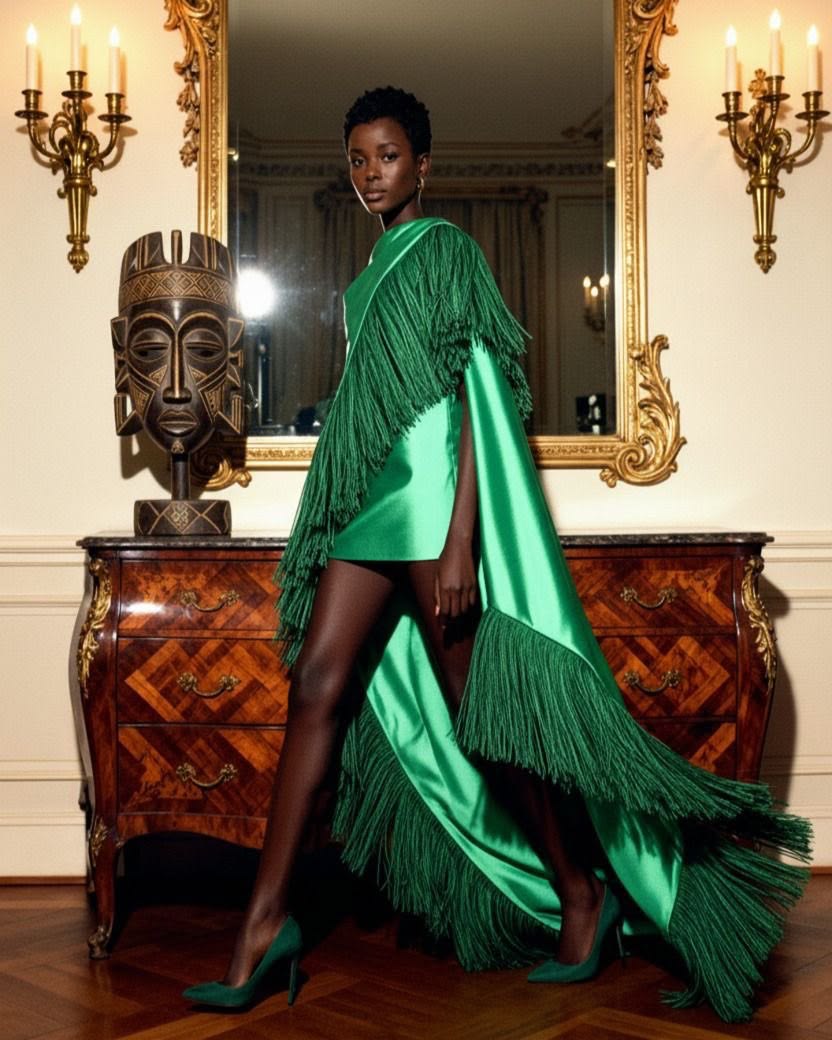
A fashion show ends. The editor files a review. The review describes what they saw: the clothes, the set, the music, the model casting, the atmosphere, and the audience’s response. If they are attentive, they describe what the collection was arguing and whether the argument landed. If they are thorough, they note who was in the front row and what the brand’s positioning within the wider show schedule implied about its ambitions. Then the review runs. The show moves from present to past tense. The editor moves on to the next show.
What the review does not contain, because it cannot, is any commercial outcome, whether buyers placed orders. Whether stockists signed on. Whether the press coverage converted into website traffic that converted into sales. Whether the designer whose collection was described as ‘a triumph of restraint’ is still solvent six months later. Those outcomes are not available on the day of the show. They are available weeks or months later, to whoever asks for them. Fashion journalism asks for them less often than any other form of business coverage would.
This article examines the distinction between what an editor can verify on the day of a fashion show and what they can verify after it and argues that collapsing that distinction produces a specific kind of unreliable coverage: coverage that mistakes the spectacle for the outcome and the outcome for the proof of the spectacle’s worth.
Fashion show coverage reports atmosphere, aesthetic and reception on the day. Orders, stockists and commercial relationships take weeks to emerge. This analysis examines which outcomes an editor can actually verify – and what the gap between the two records means for fashion journalism.
What Is Verifiable on the Day
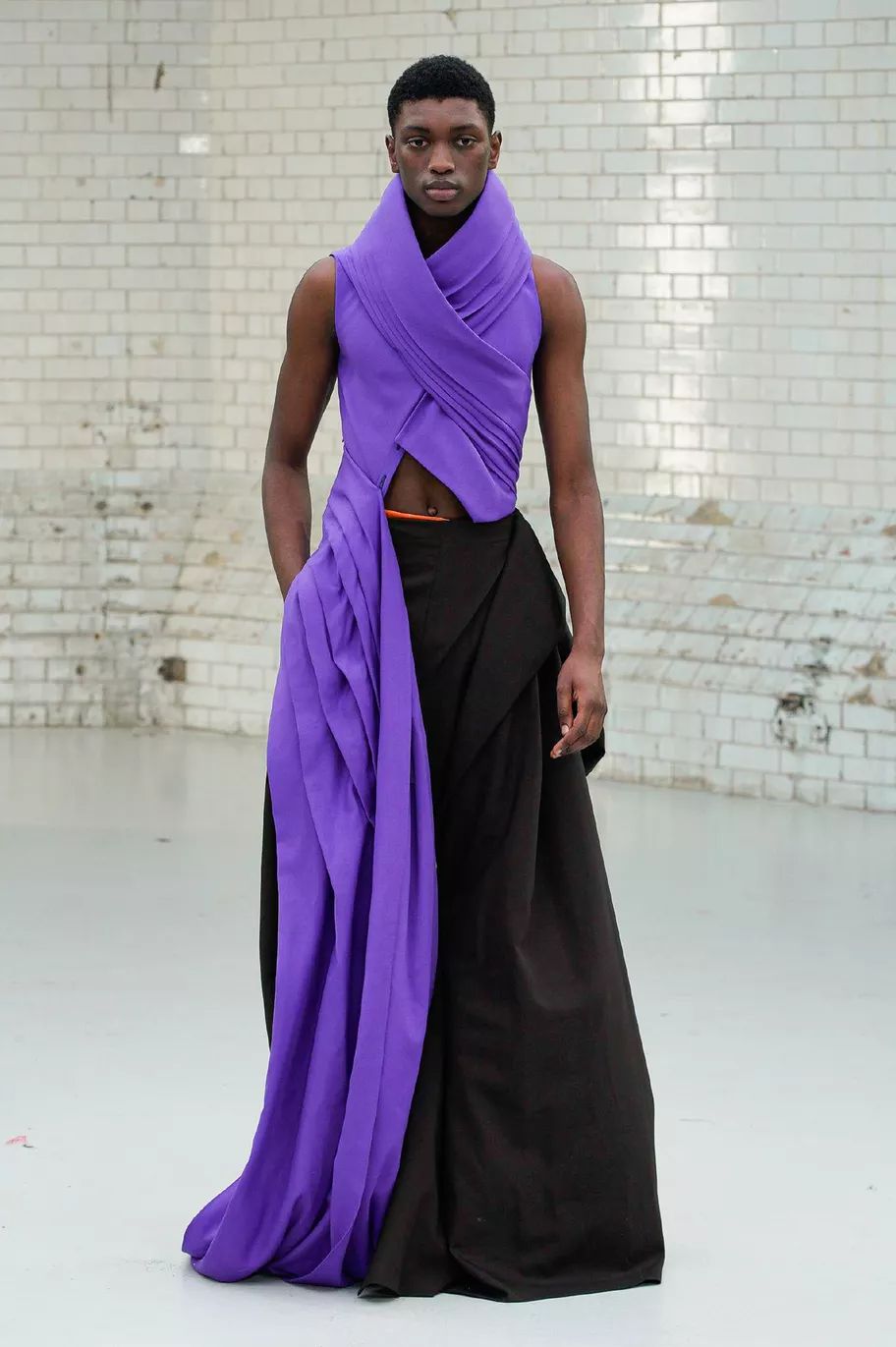
The day-of-record from a fashion show is the most accurate record the editor will ever have of a specific set of events. They were present. They saw the clothes move. They heard the response. If they are a skilled observer with knowledge of the technical vocabulary of garment construction, they can assess execution quality against the stated design intention. If they know the brand’s history, they can assess the collection against the prior work. These are genuine editorial skills producing genuine editorial value.
The verifiable day-of-record includes the garments presented, described with accuracy and assessed with craft knowledge; the set design and show format, whose choices communicate the brand’s self-image; the model casting, which is a public decision subject to public analysis; the music, pacing and atmosphere, which constitute the brand’s live communication; and the audience response in the room, which is observable and attributable to specific sections of the audience where the editor can identify who is sitting where. This is a substantial record. It is not a commercial record.
The day-of-record does not include whether the collection will sell; whether the buyers present placed orders; whether the press in attendance will run positive coverage; whether the investment in the show produced a return; and whether the brand whose show the editor attended will be operating at the same scale in twelve months. None of those is observable from a seat in the show venue. Fashion show coverage treats all of them as implied by the review’s quality.
The Conversion Gap
Between the show and its commercial outcome lies what this series calls the conversion gap: the distance between a fashion event and the measurable consequences that follow. The conversion gap applies to press coverage, buyer orders, stockist relationships, social media visibility, and direct consumer behaviour. Each conversion requires its own evidence.
A positive review is not a sale. An order form is a sale. A show with forty buyers in the front row and no orders placed has produced a positive aesthetic record and a negative commercial one. The coverage that describes the show as a success has described the spectacle. The commercial record is filed elsewhere.
Omiren Styles examined this conversion gap directly in its post-event analysis of Africa Fashion Week London 2026, asking which outcomes from the event converted into orders, stockists, press relationships or partnerships in the months following the show. That question is this article’s argument applied to a specific event: the gap between what the show produced as an event and what it produced as a commercial reality requires a different reporting methodology than a day-of-review and a longer timeline.
The conversion gap matters more for emerging and independent brands than for established luxury houses. An established house whose show produces a consensus negative review can absorb the critical opinion through the weight of its existing commercial relationships, customer base and distribution network. An independent designer whose show produces a consensus positive review but no buyer orders has received validation without the commercial consequence that would make the validation useful. For that designer, the gap between the critical record and the commercial record is the difference between continuing and not continuing.
What Can Be Verified After the Show
The post-show record is harder to produce than the day-of review and more informative about what the show actually accomplished. The following outcomes are verifiable after a fashion show by an editor willing to ask for them:
- Press coverage: Which publications ran coverage of the show, at what prominence, and within what timeframe? A show covered by three publications in the week following the event and not mentioned again has received a different press outcome than a show whose images recirculate for six months. Press coverage is verifiable through publication archives; it just takes time to check.
- Buyer attendance and orders: Which buyers attended? Did they place orders? Order data is commercially confidential, but buyer attendance is often documented in the brand’s own post-event materials, and orders can be established through later stockist relationships. If a buyer attended and a stockist relationship followed within the normal order-to-shelf timeline, the order is implied. Brands that have placed their products with new stockists following a show have demonstrated conversion; coverage rarely names them.
- Stockist changes: Which retailers now stock the brand that did not before the show? New stockist listings are usually publicly visible: the brand’s own website, the retailer’s listings, and press announcements of new brand additions. This is verifiable without access to confidential commercial data.
- Sell-through: Did the collection sell? Sell-through data is not public for most brands, but limited editions that sell out, waitlists that open, and reorder announcements are public signals of commercial response. A brand whose show collection sells out within weeks has produced a verifiable commercial outcome. A brand whose show collection remains available at full price for six months has not.
- Partnerships and collaborations: Which partnerships announced at or after the show materialised? Fashion events frequently include partnership announcements; which of those announcements converted into operating relationships is verifiable from the public record six to twelve months later.
- Brand trajectory: Is the brand still operating? At what scale? With what team? The post-show trajectory of a brand is the most informative single indicator of whether the show produced anything commercially durable. An editor who returns to a brand they covered favourably six months after the show and asks what the show produced has done the journalism that day-of coverage cannot do.
Why Fashion Journalism Does Not Do This
The structural reason fashion journalism does not routinely produce post-show verification is the same reason the fashion profile does not routinely ask commercial questions: the economics of fashion media are structured around the show cycle, not the commercial cycle. A publication that reviews shows on the day has editors and photographers deployed across multiple shows simultaneously, producing coverage whose value is its immediacy. The post-show follow-up, which requires the same editor to return to a brand they covered weeks or months ago, does not fit the publication schedule of the show cycle and does not produce the advertising revenue that the show coverage attracts.
A secondary reason is the relationship between fashion media and the brands it covers. An editor who publishes a positive show review and then returns six months later to ask whether the show produced any orders is asking the brand to disclose information that may embarrass both the brand and the editor who praised it. The social infrastructure of fashion media, whose editors attend shows at brands’ invitation and maintain working relationships with publicists across multiple brands simultaneously, creates incentives to limit coverage to the record that the brand can manage: the positive day-of review, filed and filed away.
As Omiren Styles established in its analysis of why ‘What Inspired You?’ is not enough for a fashion profile, the structural disincentive to ask accountable questions in fashion journalism is a feature of how the industry’s media relationships are built, not a failure of individual editors. Changing the incentive requires changing the coverage standard: not as an adversarial act, but as a return to the basic editorial function of distinguishing what was asserted from what was verified.
What a Verification-Minded Editor Does
A verification-minded editor produces two pieces of coverage for every fashion show: the day-of review, what they witnessed and assessed, and the post-show follow-up, what they can confirm happened as a result. The two pieces are explicitly distinct: the review is the aesthetic record, and the follow-up is the commercial and structural record.
The follow-up does not require the brand’s cooperation, though cooperation makes it richer. A verification-minded editor can check stockist listings without the brand’s input. They can check publication archives without the brand’s input. They can identify new partnerships from public announcements without the brand’s input. The things that require the brand’s cooperation, chiefly sell-through data and order volumes, can be sought through direct questions and reported in their absence where the brand declines to answer.
The follow-up also changes the editorial relationship with the day-of review. An editor who knows they will return to a show in six months writes their day-of review differently: with slightly more distance from the event’s own energy, with slightly more attention to the specific claims the show is making rather than to the atmosphere it is creating, and with specific questions that the follow-up will test. The review becomes the first half of a two-part record rather than a complete document.
As Omiren Styles established in its analysis of the casting audit, the count that fashion journalism produces about itself is the count that the industry has learned to manage. The day-of show review is a count the industry manages through PR, scheduling and access. The post-show follow-up is a count the industry has not been required to manage, because fashion journalism has not routinely produced it. The verification-minded editor produces content that has not been managed, and in doing so produces coverage that is harder to perform and more useful to the reader.
The Omiren Argument
The outcome of a fashion show and the review of a fashion show are two different documents. Fashion journalism has built its identity around the second and given the first to trade publications, financial analysts and the brands themselves. The result is a body of fashion coverage whose aesthetic record is often exceptional and whose commercial accountability is thin.
The thin commercial record is not a failure of the individual editors who produced it. It is a structural feature of a media model that runs on show-cycle advertising and access relationships. Changing that structural feature requires editors who decide, independently of the model’s incentives, that producing the second document is part of their editorial function, not optional.
As Omiren Styles has argued throughout its coverage of fashion journalism and the Global South, the Global South made fashion and never got credit. A day-of-show review that praises a brand’s aesthetic without checking whether the brand survived its own show does not produce credit. Credit requires follow-up: verifying that what was asserted about the show’s significance actually occurred in the commercial record, for the brand and the community it represents. The follow-up is the piece that the editor who covered the show has the knowledge to produce and the structural incentive not to. Producing it anyway is what distinguishes journalism from press release distribution.
ALSO READ
- After Africa Fashion Week London 2026: What Converted Into Orders, Stockists, Press or Partnerships?
- Why “What Inspired You?” Is Not Enough for a Fashion Profile
- The Luxury Casting Audit: Who Appears in a Defined Set of Fashion Campaigns?
- The Documentation Gap: What Fashion Supply Chains Still Fail to Record
- The Global South Made Fashion. It Just Never Got Credit.
EXPLORE MORE
Read the full Craft and Editorial and On Fashion Journalism coverage at Omiren Styles for ongoing analysis of fashion journalism practice, editorial standards and the accountability gap between show coverage and commercial verification. Discover travel and heritage intelligence across Africa, the Caribbean and Latin America at Rex Clarke Adventures.
