Pick up a garment and read the label.
It tells you where the garment was made. It tells you the fibre content. It gives you washing instructions. In markets with disclosure requirements, it may tlistthe name of the factory or the tier-one manufacturer that assembled it. In markets with the most advanced supply chain transparency initiatives, it may carry a QR code that traces the fabric to a mill, the mill to a cotton-producing region, and the cotton-producing region to a certification body.
It does not tell you the name of the person who sewed it. It does not tell you the name of the community whose textile tradition informed the print. It does not tell you what the cutter who made the pattern pieces was paid, whether the finisher who applied the embroidery was employed directly or subcontracted through an informal arrangement, or whether the wire bender who shaped the structural elements of a Carnival costume that inspired the season was ever contacted, compensated or credited.
The fashion supply chain produces documentation at every commercial stage: purchase orders, shipping manifests, customs declarations, quality inspection records, certification audit reports. What it consistently fails to document is the knowledge, the skill, the cultural practice and the specific human labour that makes the product what it is. The gap between what the supply chain records and what it does not record is not an accident. It is a structural feature of a documentation system that was designed to protect commercial transactions rather than to acknowledge the human and cultural inputs that make those transactions possible.
The things the fashion supply chain fails to record are precisely the things whose documentation would make extraction harder to disguise. A supply chain that named the cultural knowledge holder alongside the factory name, the maker alongside the export volume and the specific skill alongside the production metric would be a supply chain in which the distance between contribution and credit was visible rather than structural.
Fashion supply chains document every commercial transaction. They consistently fail to record the knowledge, skill and cultural practice behind the product. That is not a data problem. It is an accountability problem.
What the Supply Chain Does Record
Understanding the documentation gap requires being precise about what commercial supply chain documentation actually covers.
Tier-one manufacturing is increasingly documented through supplier disclosure programmes, audit frameworks and certification systems. The SA8000 certification documents labour practices: working hours, wages, health and safety conditions and freedom of association at the facility level. GOTS documents material provenance: the organic fibre from cultivation through processing to finished textile. OEKO-TEX documents chemical safety by confirming the absence of harmful substances in the finished fabric. The EU Digital Product Passport, mandating traceability from 2026, documents the material journey from input to product.
These are all commercially significant forms of documentation. They protect buyers from regulatory liability, protect consumers from product safety risk, and protect brands from reputational exposure when supply chain conditions attract scrutiny. They are also all designed primarily to protect the purchasing party rather than to credit or compensate the supplying party.
The documentation asks: Is this factory compliant? Is this fabric certified? Is this product safe? It does not ask: who held the knowledge that made this possible? What is their name? What was their contribution? What did they receive in return?
What the Supply Chain Fails to Record
The documentation gap has five specific dimensions, each of which this series has documented in a different territory.
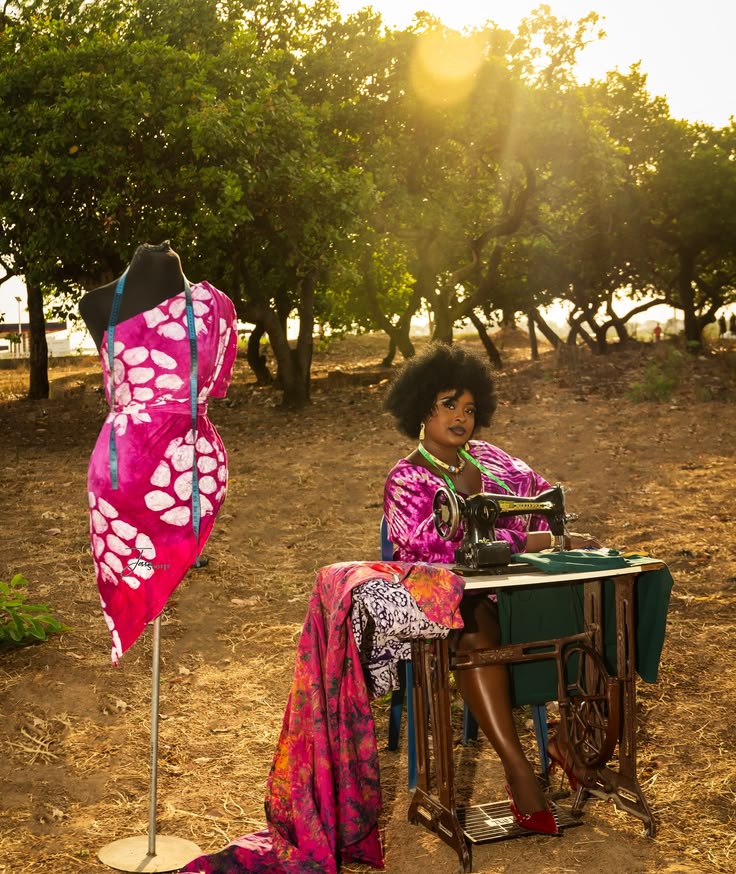
The first is the artisan and maker gap. As Omiren Styles has documented in its analysis of the hidden fashion supply chain of Carnival mas, the wire benders, seamstresses and feather workers who produce Carnival costumes year after year are absent from the photographs that Carnival generates, and largely absent from the documentation. Every Carnival costume has a supply chain. Almost none of its participants are named in any record that persists beyond the season in which they worked. The maker is invisible in the documentation of what they made.
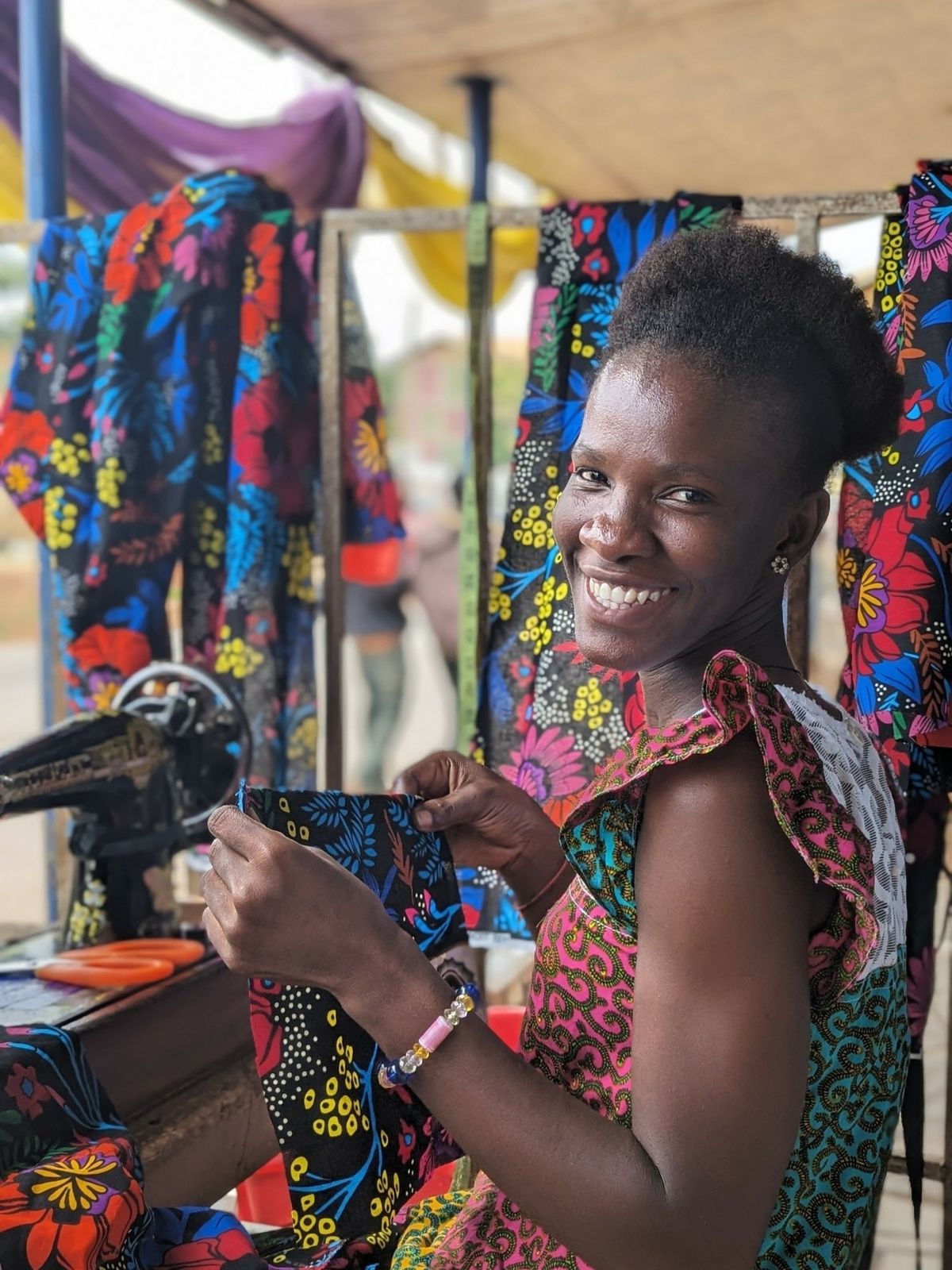
The second is the skill and knowledge gap. As Omiren Styles has established in its analysis of Africa’s repair economies and the sustainability metrics that cannot see a tailor, the tailors, cobblers, and repair specialists of African fashion cities are invisible to the certification frameworks that determine what counts as sustainable. A tailor who produces zero overstock, extends garment life through repair and uses no new inputs is performing the highest-value intervention in the textile lifecycle by the standards of circular economy literature. That practice is undocumented in the frameworks that reward sustainability, because those frameworks were built around the disclosure requirements of industrial companies rather than the practice records of craft practitioners.
The third is the cultural knowledge gap. As Omiren Styles has documented, in its analysis of who owns the pattern and why cultural credit rarely becomes licensing revenue, the cultural knowledge holder whose aesthetic tradition informed a collection is almost never named in the supply chain documentation that records how that collection was produced. The factory that made the garment is documented. The mill that produced the fabric may be documented. The dyeing process that created the colour may carry a certification. The community whose visual language the print vocabulary drew on is not in the record.
The fourth is the intermediary gap. As Omiren Styles has established in its analysis of the fabric middleman and the fashion system, the converter, the wholesaler, and the jobber who sit between the mill and the designer are among the most commercially significant and least documented actors in the fashion supply chain. The fashion industry’s sustainability and traceability claims rest on a material documentation chain that is systematically broken at the intermediary layer, because the opacity of the fabric intermediary chain is a structural feature of the intermediary’s commercial model rather than an oversight in the documentation system.
The fifth is the payment-and-terms gap. As Omiren Styles has established in its analysis of the economics of cultural collaboration, the specific payment terms of cultural collaboration, including what the practitioner was paid, when, at what rate, and whether audit rights were included, are almost never part of any public supply chain documentation. The purchase order records that a brand placed an order. It does not record whether the artisan who executed that order was paid at the agreed rate and on the agreed timeline, whether royalties were calculated correctly on the documented sales figures, or whether the cultural knowledge holder received anything at all.
Why the Gap Is Structural, Not Accidental

The documentation gap is not the result of carelessness or indifference. It is the consequence of a documentation system designed for a specific purpose that does not account for the human and cultural inputs behind a fashion product.
Commercial supply chain documentation was designed to manage commercial risk: to ensure that goods described in a purchase order match what is delivered, that customs declarations accurately reflect the shipment, that quality inspection records justify payment and that certification documentation reduces regulatory exposure. Each of these documents protects the party who receives the goods or the certification against risk. None of them is designed to protect the parties who provide the goods, skills, knowledge, or labour.
The audit frameworks added to commercial supply chain documentation over the past three decades are an improvement: they extend the documentation scope from commercial transaction records to labour condition records, from price and volume to wages and hours. But they are still designed primarily from the perspective of the purchasing party: an audit that satisfies a brand’s corporate social responsibility requirements is an audit that protects the brand from reputational risk. Whether it simultaneously protects the workers whose conditions it records is a separate question, and the audit’s existence does not guarantee an answer.
The cultural knowledge gap is the most structurally entrenched of the five gaps, because it predates the modern supply chain documentation system entirely. The fashion industry’s convention of treating cultural knowledge as available creative inventory, documentable only as aesthetic inspiration rather than as identifiable intellectual property, has been the norm for as long as fashion has been an international commercial industry. The lack of a document recording the community whose textile tradition was used in a collection is not a recent oversight. It is the default of a system that has never treated cultural knowledge as something that requires documentation, attribution or compensation.
What Complete Documentation Would Contain
A supply chain documentation system designed to record everything that makes a fashion product what it is, rather than only the commercial transactions surrounding it, would contain several categories of record that current systems almost never include.
The maker record would name the individuals whose skilled labour constructed the garment: not only the factory and the tier-one manufacturer, but the workers whose hands made the garment. This is technically possible at small production scales and increasingly possible at industrial scale through QR code and RFID-based tracking systems. The question is not capability but decision: whether the brand chooses to invest in a documentation system that makes the maker visible, or whether the maker remains structurally invisible in the product record.
The skill and knowledge record would document the specific technique, craft tradition or cultural practice embodied in the production method. A garment whose surface is finished with a tie-and-dye technique carries a knowledge history that should be documentable alongside the fibre content and the manufacturing location. A collection whose print vocabulary is drawn from a specific community’s visual tradition carries a cultural knowledge claim that should be documented with the same specificity as the material safety claim that OEKO-TEX provides.
The intermediary record would document the full chain from the raw material to the finished product, including the converters, wholesalers, and jobbers whose margin structure determines the cost at which materials are available to the manufacturer. The EU Digital Product Passport requirement for material traceability creates the regulatory framework for this record at the material level. Extending that framework to include the intermediary chain whose commercial structure determines material access would address the opacity that currently makes sustainability and traceability claims impossible to verify at the material sourcing stage.
The payment and terms record would document what the cultural knowledge holder, the artisan and the maker were paid, on what terms, at what rate and with what commercial protections. This is the most contested element of complete supply chain documentation because it requires brands to disclose commercial arrangements that they currently treat as confidential. The argument for confidentiality is legitimate in some contexts. The argument that payment terms to cultural knowledge holders and craft practitioners should remain undisclosed in a supply chain in which other commercial terms are documented protects the extracting party rather than the supplying one.
What Documentation Changes
Documentation alone does not change a payment structure, undo an extraction or return cultural credit to a community that has been unnamed for decades. But documentation changes the accountability landscape in which those practices occur.
A brand that names the cultural knowledge holder in its supply chain record has created a document that the knowledge holder can reference, that journalists can report on, that buyers can verify and that courts can consider. The name in the record is not compensation. It is the precondition for the conversation about compensation that the absence of a name makes impossible to have.
A maker record that names the specific workers who constructed a garment creates a document that worker advocates can use to verify wage claims, that brands can use to demonstrate the human-level compliance of their supply chain, and that consumers can use to understand the relationship between the garment they are buying and the person who made it. The name in the record is not the same as a living wage. It is the infrastructure on which a living wage claim can be built and verified.
An intermediary record that documents the full material chain from raw material to finished product provides a document against which sustainability claims can be verified, that regulatory authorities can audit, and that competing manufacturers can use to demonstrate the advantage of direct sourcing relationships. Transparency is not the same as removing the intermediary. It is the information that allows the market to price intermediary opacity correctly.
As Omiren Styles has established in its analysis of what fashion buyers should ask before stocking a culturally referenced collection, documentation is the precondition for accountability. A buyer who asks for documentation is not expressing distrust. They are applying the standard of due diligence required by responsible practice. The same principle scales to the supply chain level: a documentation standard that requires brands to record what they currently omit is not a burden on legitimate practice. It is the accountability infrastructure that distinguishes legitimate practice from extraction disguised as inspiration.
Who Is Building the Documentation Infrastructure
The documentation gap is being addressed, partially and incrementally, by institutions working at different levels of the supply chain.
The EU Digital Product Passport creates a regulatory requirement for material traceability that extends the scope of documentation to include material origins, the processing chain, and compliance credentials in a verifiable, rather than self-reported, manner. Its implementation from 2026 creates the legal infrastructure for a more complete supply chain record at the material level, and its framework can be extended to cover the skill, knowledge, and labour dimensions of the supply chain that current traceability requirements do not address.
The Fair Wear Foundation, the Worker Rights Consortium and similar labour standards organisations have been building the institutional infrastructure for maker-level documentation through their factory audit and worker engagement programmes. Their work creates records of working conditions at the maker level that do not currently appear in standard supply chain documentation and whose scale and depth depend on brand membership and engagement rather than regulatory requirement.
As Omiren Styles has established in its analysis of African fashion weeks and the infrastructure they built faster than criticism, Lagos Fashion Week won the Earthshot Prize for building circular fashion infrastructure that includes mandatory sustainability standards, a replication framework, and measurable commercial outcomes. The documentation infrastructure that would extend that model to cover the full supply chain, including the makers, the cultural knowledge holders and the intermediary chain, is the next level of institutional investment that the most ambitious fashion platforms are beginning to build.
The Omiren Index, whose methodology this series has been building, is contributing to the documentation infrastructure at the cultural knowledge and practitioner level: creating the reference record that names the people, places, materials, institutions and systems that make fashion possible, in a form that persists, is verifiable and is publicly accessible. The Index is not a supply chain traceability system. It is the editorial documentation layer that captures what is currently omitted from commercial supply chain documentation.
The Omiren Argument
The documentation gap in fashion is the same argument this series has been making from a different angle.
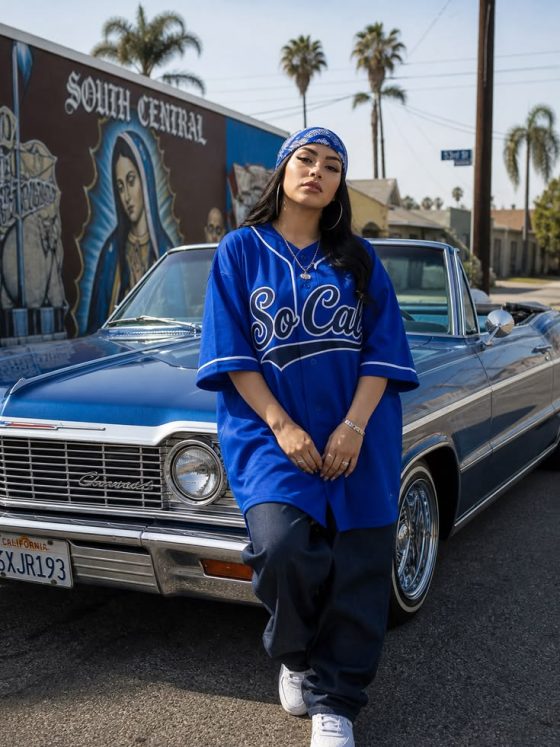
Every article in this series has documented a specific instance of what the supply chain fails to record: the wire bender whose name is absent from the Carnival costume record, the tailor whose zero-waste practice is invisible to sustainability metrics, the Chola aesthetic whose technique appears in a luxury campaign without any record of the community that built it, the fabric converter whose margin structure determines which designers can afford which materials without ever appearing in a sustainability disclosure, the cultural knowledge holder who receives a credit line rather than a licence because the record of what they contributed never included the commercial terms of that contribution.
In each case, the absence of the record is the mechanism through which the accountability gap is sustained. If the wire bender’s name were in the record, the question of their compensation could be asked in a way it currently cannot. If the tailor’s zero-waste practice were in the record, the sustainability metric would have to account for it. If the technique’s community origin were in the record, the inspiration credit could not dissolve the knowledge holder into an anonymous cultural reference. If the intermediary chain were in the record, the sustainability claim would have to withstand contact with the material-sourcing reality.
The documentation gap is not the fashion industry’s most urgent problem. The most urgent problems are payment and working conditions, cultural compensation, manufacturing infrastructure, and access to capital. But all of those problems are harder to address when the people affected by them are not in the record. Documentation is the precondition for accountability, and accountability is the precondition for change.
As Omiren Styles has argued throughout this series, the Global South made fashion and never got credit. The documentation gap is where that credit is lost: in the space between what the supply chain records and what it does not. Closing that gap is not a technology project or a regulatory project alone. It is an accountability decision: to record, accurately and persistently, the knowledge, the skill, the cultural practice, and the specific human labour that make fashion what it is, alongside the purchase orders, the shipping manifests, and the certification audit reports that currently constitute the supply chain record. The record is not the credit. It is where the credit begins.
ALSO READ
- The People Behind Carnival: The Hidden Fashion Supply Chain of Mas
- Who Owns the Pattern? Why Cultural Credit Still Rarely Becomes Licensing Revenue
- The Fabric Middleman Is Part of the Fashion System
- The Economics of a Cultural Collaboration: Who Is Paid, When and for What?
- The Global South Made Fashion. It Just Never Got Credit.
Frequently Asked Questions
What is the documentation gap in fashion supply chains?
The documentation gap is the systematic absence, in commercial fashion supply chain records, of the knowledge, skill, cultural practice and specific human labour that make a fashion product what it is. Commercial supply chains document every transaction: purchase orders, shipping manifests, customs declarations, quality inspection records and certification audit reports. They do not systematically record the name of the individual maker who constructed the garment, the cultural community whose visual tradition informed the collection, the specific technique whose knowledge history the production method draws on, the intermediary chain between the raw material and the finished fabric, or the payment terms under which the cultural knowledge holder and the artisan contributed to the product. Each of these absences is a structural feature of a documentation system designed to protect commercial transactions rather than to acknowledge the human and cultural inputs that make those transactions possible.
Why does the documentation gap matter for cultural accountability?
As Omiren Styles has documented in its analysis of why cultural credit still rarely becomes licensing revenue, credit cannot become compensation when the person to be credited is not in the record. A cultural knowledge holder who is unnamed in a supply chain record cannot receive a licence, negotiate royalties or audit the sales figures on which royalties would be calculated, because there is no documented commercial relationship to enforce. The documentation gap is the mechanism through which cultural extraction sustains itself: the absence of a record of contribution makes the absence of compensation structurally invisible.
What would a complete fashion supply chain documentation record contain?
A complete supply chain documentation record would contain five categories currently absent from standard supply chain documentation. The maker record: the names of the specific individuals whose skilled labour constructed the garment, not only the factory and tier-one manufacturer. The skill and knowledge record: the specific technique, craft tradition or cultural practice embodied in the production method, documented with the same specificity as material safety certifications. The intermediary record: the full chain from raw material to finished product, including converters, wholesalers, and jobbers whose commercial structures determine access to materials. The payment and terms record: what the cultural knowledge holder, artisan and maker were paid, on what terms, at what rate and with what commercial protections. And the cultural attribution record: the specific community, place, tradition and knowledge history that the product’s aesthetic vocabulary draws on. Each of these records is technically achievable. The obstacle is not capability but the accountability decision to require it.
What regulatory frameworks are beginning to address the documentation gap?
The EU Digital Product Passport, mandating supply chain traceability from 2026, creates a regulatory requirement for material documentation that extends beyond commercial transaction records to include material origins, processing chains and compliance credentials in a verifiable form. Its scope currently covers material traceability rather than the maker, skill and cultural knowledge dimensions of the supply chain record. The framework it establishes, however, creates the regulatory infrastructure that could be extended to cover the full supply chain record if the political and commercial will to require complete documentation develops. Labour standards organisations, including the Fair Wear Foundation and the Worker Rights Consortium, have been building maker-level documentation infrastructure through factory audit and worker engagement programmes, creating records of working conditions that are not currently captured in standard supply chain documentation.
How does Omiren Styles contribute to closing the documentation gap?
As Omiren Styles has established, in its analysis of why the Omiren Style Index must map the fashion system and not only the designer, the Omiren Index is an editorial documentation layer that names the people, places, materials, institutions and systems that make fashion possible, in a form that persists, is verifiable and is publicly accessible. The Index covers the makers, tailors, artisans, and cultural knowledge holders whose contributions to the fashion system are currently absent from commercial supply chain documentation. It covers the intermediary structures, trade systems, and supply chain mechanisms whose operations determine who can access what, and on what terms. It is not a supply chain traceability system. It is the editorial infrastructure that records what commercial documentation omits, building the reference layer that makes the accountability questions askable.
EXPLORE MORE
Read the full Opinion and The Omiren Argument sections at Omiren Styles for ongoing analysis of fashion supply chain documentation, cultural accountability and the record infrastructure that would make the Global South’s contribution to fashion visible, credited and commercially protected. Discover travel and heritage intelligence across Africa, the Caribbean and Latin America at Rex Clarke Adventures.