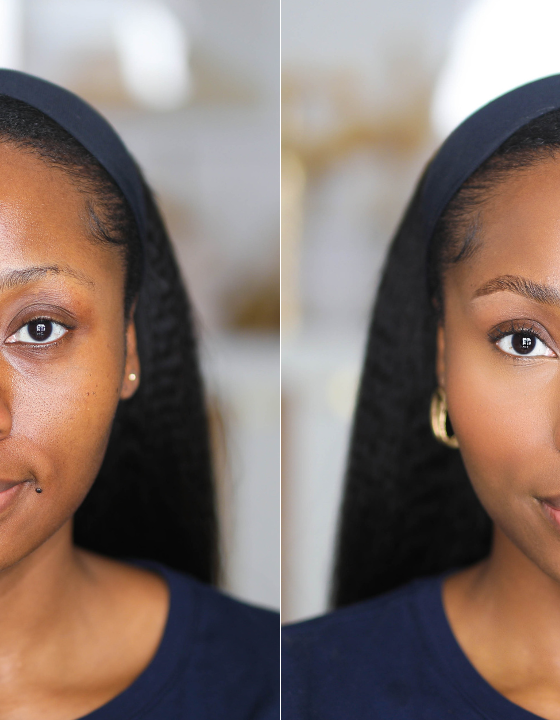
Contouring and highlighting on dark skin without the ashy result is where most makeup advice falls apart for deeper complexions.
A lot of the time, the techniques being taught are borrowed from tutorials made for lighter skin tones and then used without adjusting for undertone, depth, or texture. That’s usually when the problems start showing up.
For dark skin, contouring is not about making the face look lighter or forcing sharper angles. It is about working with warmth, richness, and natural depth that already exist in the skin.
Contouring and highlighting on dark skin without the ashy result requires attention to specific details. Find out more here.
Why Contouring on Dark Skin Often Looks Ashy
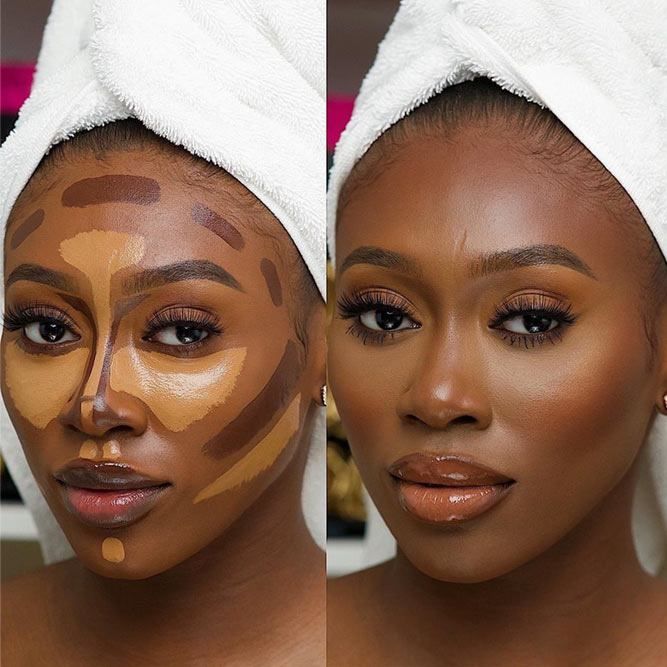
The ashy result most people struggle with after contouring isn’t just about blending.
It usually starts with the wrong product choices and techniques that don’t account for how dark skin holds colour.
Some of the most common issues include:
- Undertone Mismatch: Many contour products are made with cool or grey bases to mimic shadows on lighter skin. On deeper skin, these tones don’t read as shadow. They show up as dull or visibly grey.
- Using Overly Light Concealers: Going several shades lighter under the eyes might look good on camera, but in real life,e it creates harsh contrast. Instead of brightening, it leaves the skin looking chalky or washed out.
- Over-Powdering the Face: When heavy or light-toned powders are used, they sit on the skin’s surface and reduce its natural warmth. This is what creates that dry, dusty finish.
Understanding Undertones in Dark Skin (And How to Get It Right)
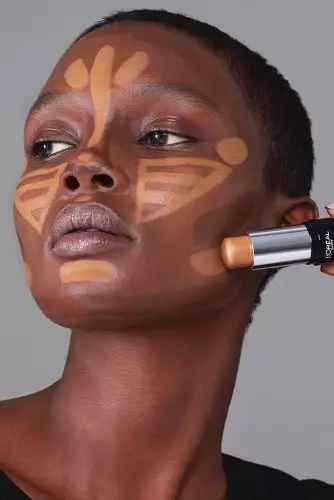
If your contour or highlight keeps turning out ashy, the issue usually comes down to undertone.
Getting this right is what separates a finish that looks blended from one that looks grey or chalky.
The first step is knowing what your undertone looks like on your skin, not in theory. In natural light, dark skin often appears warm.
This can show up as a golden glow, a rich red base, or a mix of both. That natural warmth is what your products need to match.
A quick way to check is simple. Look at your bare skin in daylight:
- If your skin looks golden or slightly yellow, you are warm
- If it looks deeper with a red or copper tone, you lean red
- If it feels like a mix, you sit somewhere in between
Once you know this, product choice becomes clearer.
Contouring and Highlighting on Dark Skin Without the Ashy Result
Contouring and highlighting on dark skin without the ashy result comes down to three things: preparation, correct placement, and controlled layering.
When any of these are off, the face can quickly lose its natural warmth and start looking grey or flat.
Step-by-Step Contouring Technique for a Natural Finish
Step 1 – Prep the Skin for Blendability
Good contouring starts before any product touches the face.
On melanin-rich skin, hydration is important because dry patches can make contours sit unevenly.
- Use a lightweight moisturiser that absorbs well
- Apply a smooth base so foundation and cream products blend easily
- Avoid layering heavy products too quickly
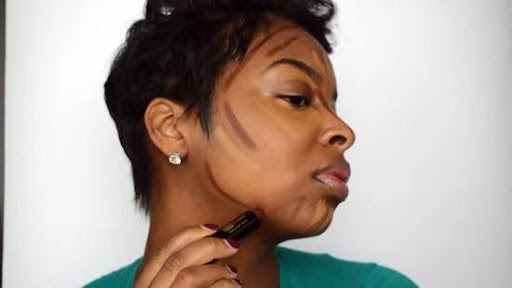
Step 2 – Apply Cream Contour Strategically
Placement matters more than intensity. So, contour should follow the natural structure of the face, not reshape it completely.
Focus on:
- Hollows of the cheekbones for structure
- Jawline for definition
- Temples to balance the face
Then blend upwards into the skin rather than dragging the product down. This keeps the face lifted and avoids harsh lines.
The key to having a perfect contour is using a shade that is only slightly deeper than your skin with a warm or rich undertone.
Anything too grey will immediately look ashy instead of sculpted.
Also Read:
- Bold Lip Colours for Deep Skin: The Shades That Actually Flatter and the Application Steps That Make Them Last
- The Kohl Legacy: How Africa Invented Eye Makeup Three Thousand Years Before It Was a Trend
- Building a Beauty Empire: The House of Tara Story
- Jemila Beauty Sedik: The Soft Power Behind Jemies_Touch Glow
Step-by-Step Highlighting Technique for a Natural Finish
Step 3 – Layer Highlight with Control
Highlight should add light, not overpower the skin. So,
- Apply only to high points like cheekbones, bridge of the nose, and brow bone
- Keep the application light and build gradually
- Blend until it looks like skin glow, not product sitting on skin
For dark skin, warm highlights like gold, bronze, or honey tones work better. That’s because they enhance natural richness instead of creating a pale contrast.
Step 4 – Set Without Flattening the Face
Setting is where many looks lose their dimension. For this step,
- Use translucent powder sparingly or a powder close to your skin tone
- Focus on areas that crease or get oily, not the entire face
- Avoid chalky or very light powders that can dull warmth
What to Look For in Contour and Highlight Products
For contouring and highlighting on dark skin without the ashy result, product choice matters just as much as technique.
If the undertone or formula is wrong, even perfect blending will still leave the face looking dull or grey.
Contour Products That Work for Dark Skin
- Choose deep brown, cocoa, or espresso tones with warm or slightly red undertones
- Avoid contour shades that look grey, ashy, or flat in the pan
- Cream or stick formulas usually blend better into deeper skin than dry powders
The ideal contour should be only slightly deeper than your natural skin tone, not overly dark or harsh
Highlight Products That Enhance, Not Wash Out
- Go for gold, bronze, honey, or warm champagne tones
- Avoid icy, silvery, or very pale highlights that can look chalky on deeper skin
- Liquid or cream formulas tend to melt better into melanin-rich skin
The right highlight should look like skin catching light naturally, not a separate layer
Final Thoughts
Contouring and highlighting on dark skin without the ashy result is not about following every trend or copying techniques from general tutorials.
It is about understanding how depth, undertone, and product choice work together on deeper complexions.
When the right shades are used and applied with intention, contour stops looking grey and starts looking like a natural shadow.
Highlight also stops sitting on the skin and instead blends into it as a warm, natural glow. At the end of the day, the goal is not to change how dark skin looks, but to enhance what is already there.
Frequently Asked Questions
1. How To Not Make Makeup Look Ashy?
Use shades that match your undertone, not just your skin tone. Avoid grey or too-light products, blend well, and choose warm or golden highlights instead of icy tones.
2. What Colour Contour Should I Get for Dark Skin?
Go for deep brown, cocoa, or espresso shades that are 1 to 2 tones darker than your skin. Stick to neutral or slightly cool undertones to avoid looking orange or muddy.
3. What Are the Contouring Mistakes To Avoid?
Avoid using overly dark or warm contour shades, skipping blending, applying too much product, and placing contour too low on the face.
4. What Goes First, Contour or Highlight?
Foundation first, then contour, then highlight, then set with powder.