In 1998, when Tara Fela-Durotoye established House of Tara, there was no genuine model for professional makeup artistry in Nigeria. Now, however, there is a plan. The market was flooded with imported goods that did not match African skin tones, and few people considered beauty a significant career choice. Nonetheless, what started as a modest bridal makeup service in Lagos eventually evolved into House of Tara Nigeria, a pioneering beauty and cosmetics firm that revolutionised the way Africans viewed makeup, entrepreneurship, and self-expression.
From this day forward, House of Tara has become a recognised name throughout the continent. In addition to being a brand of beauty products, it is also a movement founded on the principles of empowerment, innovation, and education.
Discover how House of Tara Nigeria became Africa’s leading beauty brand through innovation, training, and the vision of Tara Fela-Durotoye.
OmirenStyles
The Early Days: Where Vision Met Opportunity
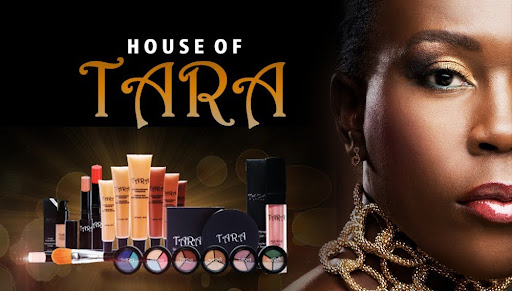
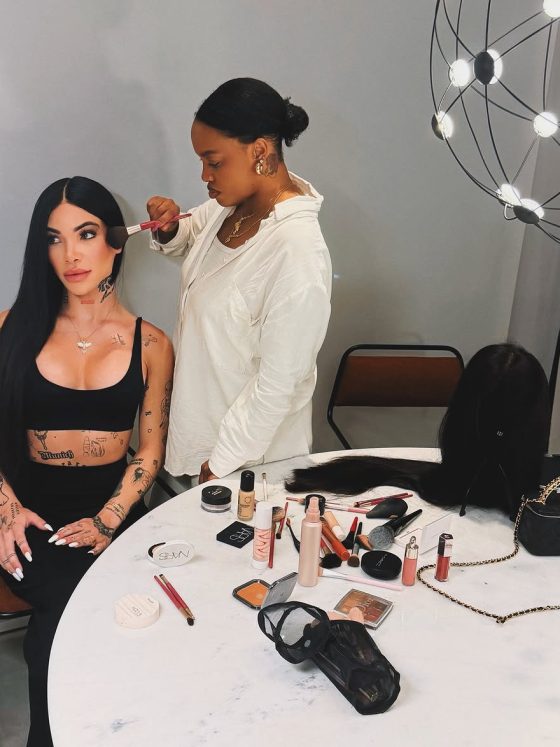
What happened in the House of Tara? It all started in Tara’s home room, marking the humble beginnings of Tara Nigeria. While attending Lagos State University to study law, she began providing bridal cosmetic services, despite having very little more than a beauty box and a strong will to succeed. At the time, bridal makeup was considered an unofficial trade; however, Tara recognised a need for it and decided to turn it into a profession.
By 1999, she had established the first Bridal Directory in Nigeria, a resource that connected women with reputable makeup artists and other service providers. Bridal Seminars, a forum that trained women in cosmetics methods and confidence-boosting techniques, was another organisation that she established. House of Tara positioned itself as a beauty brand driven by purpose rather than trend, a result of these early activities that defined the brand.
Expanding into Products and Studios

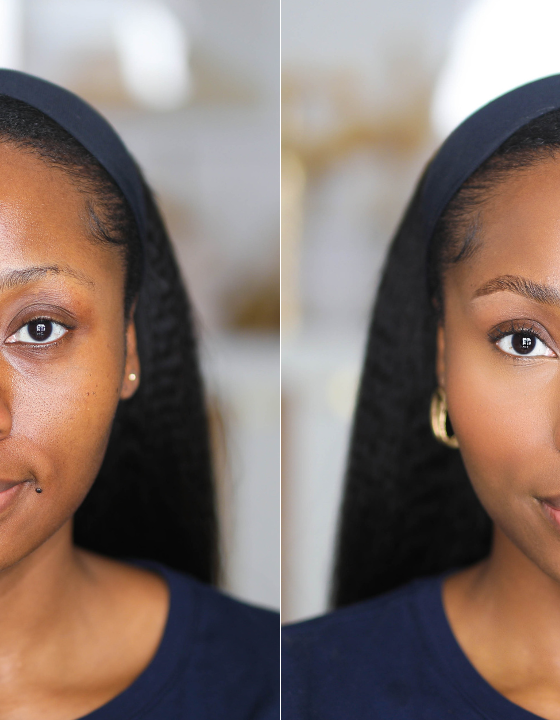
House of Tara soon transitioned from services to products, a move that changed everything. Tara noticed that most imported foundations and powders didn’t cater to the undertones of African skin. She developed Nigeria’s first locally formulated foundation range specifically for melanin-rich tones, proving that African beauty deserved its own palette.
By the mid-2000s, House of Tara had opened multiple makeup studios across Nigeria, creating an accessible network for both everyday consumers and professionals. The brand expanded its catalogue to include lipsticks, perfumes, eye palettes, and skincare products, all designed for African women who wanted quality without compromise.
With this, House of Tara Nigeria became more than a beauty brand; it became a homegrown solution that celebrated African identity.
Building the Next Generation: The Makeup Academy
One of House of Tara’s most impactful contributions to the Nigerian beauty industry is its training school. The House of Tara Makeup Academy was founded to empower young people, particularly women, with practical skills to build their own careers in the beauty industry.
Over the years, the academy has trained thousands of makeup artists across Nigeria and other African countries. Many of its alumni have gone on to start their brands, work with celebrities, or become beauty influencers.
The school’s structured programmes, from short boot camps to full-time professional courses, teach both technical artistry and business management. This educational arm of the company has transformed House of Tara into a hub of creative entrepreneurship, fuelling the growth of a new generation of beauty professionals.
The Entrepreneur Behind the Brand

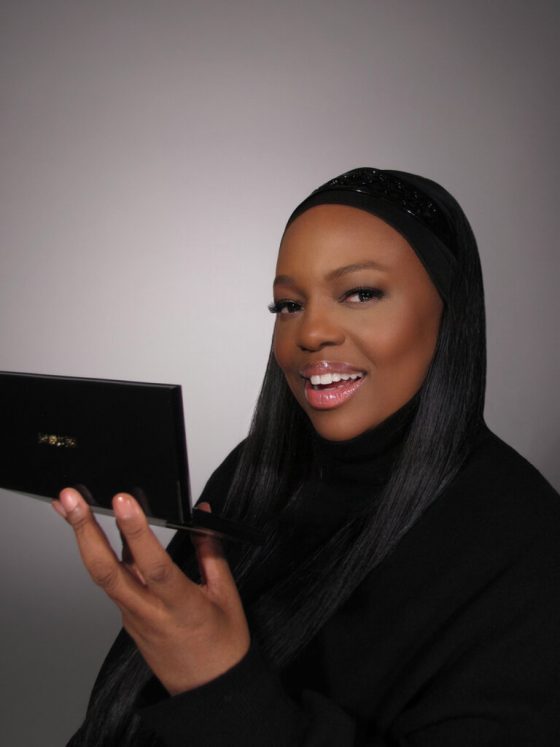
At the centre of House of Tara’s success is Tara Fela-Durotoye, a visionary entrepreneur often referred to as the “mother of the Nigerian beauty industry”. A trained lawyer turned beauty mogul, Tara built her company with a focus on ethics, excellence, and empowerment.
Her leadership has earned her recognition on platforms such as CNN, Forbes Africa, and BusinessDay Women’s Hub, where she’s celebrated for redefining what African women can achieve in business. She’s also a mentor to many emerging female entrepreneurs, sharing insights on brand building and sustainable business models.
Tara’s approach is people-centric; she believes that every lipstick sold and every student trained is part of a larger story about confidence, dignity, and opportunity.
A Beauty Empire Rooted in Social Impact
Unlike many commercial brands, House of Tara’s foundation is built on community. Beyond selling makeup, the company actively promotes women’s empowerment, education, and ethical leadership.
Through initiatives like the Beauty Business Program, House of Tara has supported young entrepreneurs in launching micro-businesses. These brand representatives, often students or stay-at-home mothers, earn income by retailing Tara’s products within their communities.
This model not only widens product reach but also addresses unemployment, a crucial issue in Nigeria’s youth-dominated population. It’s this fusion of business and social purpose that gives House of Tara its enduring relevance.
Facing Challenges in a Changing Industry
Even with its strong reputation, House of Tara has had to adapt to the fast-shifting global beauty landscape. The rise of international brands, e-commerce, and influencer-driven marketing means local brands must constantly innovate to stay visible.
However, House of Tara’s deep cultural understanding, loyal community, and authenticity continue to provide it an edge. Its messaging is rooted in inclusivity, representation, and homegrown confidence values that global consumers increasingly appreciate.
Moreover, as Nigeria’s economy diversifies and the creative industry gains more attention, House of Tara Nigeria remains a case study in how consistent quality and cultural relevance can outlast trends.
House of Tara’s Legacy: More Than Makeup
The objective measure of House of Tara’s success isn’t just in revenue or retail expansion; it’s in its legacy. The brand has:
- Professionalised makeup artistry in Nigeria.
- Trained and empowered thousands of artists and entrepreneurs.
- Created products tailored for African skin.
- Built a trusted, ethical, and sustainable African brand.
In doing so, House of Tara has demonstrated that creativity, when supported by discipline and vision, can become a catalyst for national development. For many, it’s not just a makeup label; it’s a symbol of possibility.
House of Tara Nigeria stands as one of Africa’s most influential creative brands. It has bridged the gap between business and purpose. In an era where authenticity defines success, Tara Fela-Durotoye’s creation continues to prove that a brand built on integrity and local relevance can shine on any global stage.
At Rex Clarke Adventures, we champion stories that redefine Africa’s creative spirit. Discover more inspiring stories.
Post-Imperial: Niyi Okuboyejo’s Global Vision of Nigerian Craft
Nigerian Fashion Innovation: Yomi Casual’s Ravaya and Its Place in the Industry
FAQs
- Who founded House of Tara Nigeria?
House of Tara was founded in 1998 by Tara Fela-Durotoye, a lawyer and entrepreneur who pioneered Nigeria’s professional beauty industry.
- What products does House of Tara offer?
The brand produces a range of cosmetics, including foundations and powders, lipsticks, fragrances, and skincare products, all specifically designed for African skin tones.
- Does House of Tara have a training school?
Yes. The House of Tara Makeup Academy offers professional and short courses that have trained thousands of makeup artists across Africa.
- Where can I buy House of Tara products?
House of Tara products are available through official stores, selected beauty retailers, and online platforms in Nigeria and several African countries.
- What makes House of Tara different from other brands?
Its focus on inclusivity, women’s empowerment, and local innovation sets it apart. The brand is built on authenticity and ethical entrepreneurship.