In April 2026, bogolan, Mali’s centuries-old mud-dyed textile, received Protected Geographical Indication (IGP) status, giving it international legal protection and a formal commercial identity outside Mali’s borders. It was a significant moment. It was also a moment that arrives inside a set of structural problems that IGP status alone cannot solve: Mali exports most of its cotton raw, leaving the value-added stages to processors elsewhere; the country’s withdrawal from ECOWAS in January 2024 disrupted regional trade routes; and the EU trade relationship that the artisan sector depends on for premium export access operates within a political context that Mali’s military government has made considerably more complicated.
As Omiren Styles has documented in its analysis of Zambia’s Mulungushi Textiles reopening and the raw cotton export trap, the question of who captures value in an African cotton economy is never settled by the volume of production. It is settled by where in the supply chain the processing happens. Mali’s bogolan artisan sector is the most visible example of local value capture in the Malian cotton economy. The EU trade test it faces is whether the IGP can create the commercial conditions that actually deliver that value to the women who produce the cloth.
Bogolan achieved Protected Geographical Indication status in April 2026. Mali’s cotton sector produces 598,500 tonnes annually but exports most of it raw. Here is what the EU trade relationship means for the artisan weavers in the middle.
The Numbers Behind Mali’s Cotton Economy
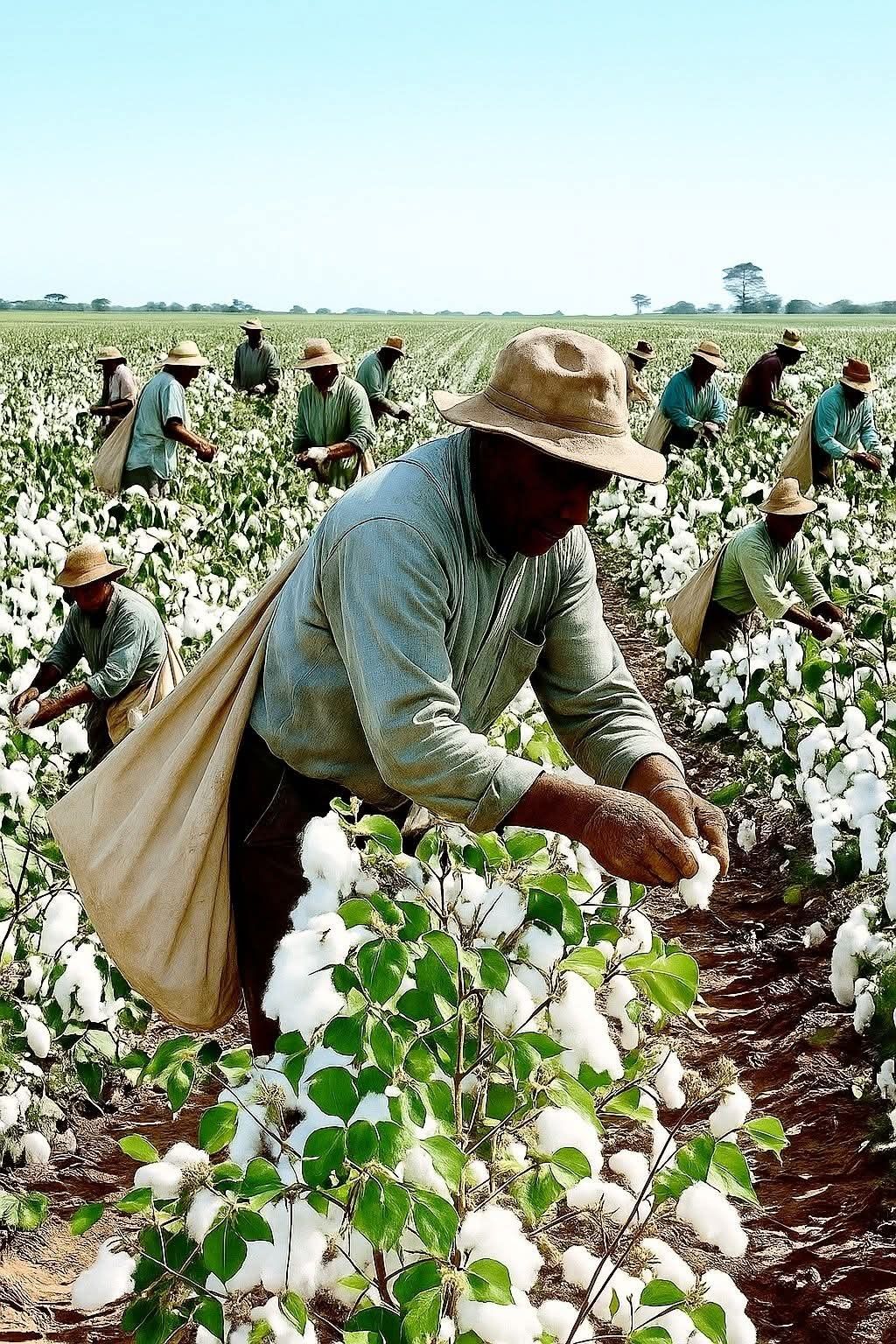
Mali’s cotton sector is large and structurally imbalanced. Cotton is the country’s second-largest export after gold, as AllAfrica’s July 2026 analysis of bogolan’s economic futures confirms, generating nearly $70 million in 2024 despite falling global prices. Production reached 598,500 tonnes in 2026, with the state-owned Compagnie malienne pour le Développement des textiles (CMDT) targeting 650,000 tonnes by 2027. Around 40% of rural households depend on cotton cultivation.
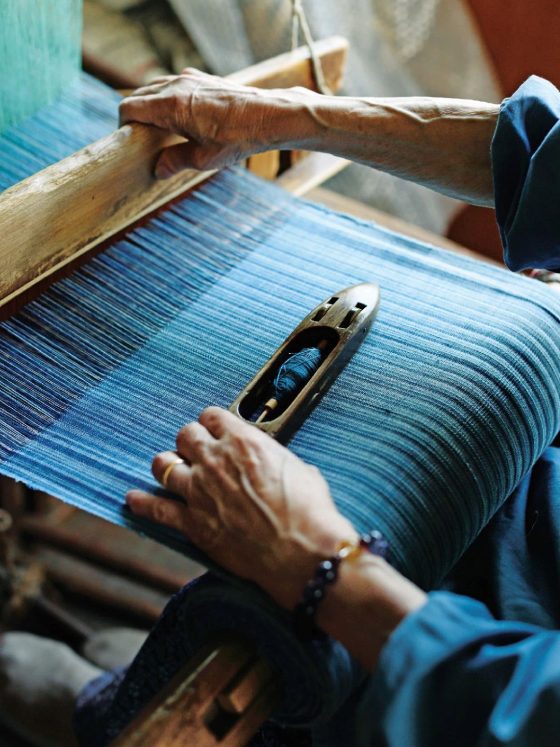
The structural problem is in the phrase “exported raw.” As African News Analysis’ account of bogolan’s economic future confirms, most of Mali’s cotton is exported as raw fibre, leaving little value captured locally. The artisan bogolan sector represents the opposite model: cotton stays in Mali, is processed by hand into cloth, dyed using fermented mud and local plant materials in a process specific to the region, and sold at premium prices that raw cotton never commands. A single piece of bogolan from a skilled artisan in Ségou or Bamako sells for multiples of what the cotton content would yield as a commodity export. That value difference is exactly what the IGP is designed to protect and formalise.
The scale of the raw-export gap is illustrated by a specific data point: according to UN COMTRADE data via Trading Economics, Mali exported $324.74 million in cotton in 2023. The EU alone exported $207.93 million in cotton products TO Mali in 2024, as confirmed by EU-Mali trade data via Trading Economics. The EU is selling Mali processed cotton goods while buying Mali’s raw cotton. That is the value chain problem in one data point.
Bogolan: What the IGP Actually Covers
Bogolan is not simply a dyed textile. As Omiren Styles has documented in its analysis of traditional clothing in Mali, bogolan and handwoven cotton production stay rooted in small-scale artisan systems and community knowledge across workshops in Bamako, Ségou, and Djenné. The technique involves dyeing woven cotton cloth with fermented mud and plant-based tannins in a specific sequence that produces the characteristic dark geometric patterns on a cream or terracotta ground. Every motif tells a story and carries the memory of the communities that have shaped it over time. This is not a decorative tradition with a craft backstory. It is a knowledge system in which the visual output is inseparable from the community that holds the technique.
The IGP granted in April 2026 gives bogolan a legal definition tied to geographic origin, protecting the name from being applied to imitation products manufactured elsewhere. As Financial Fortune Media’s account of bogolan’s new economic opportunities confirms, women artisans and entrepreneurs are turning the tradition into businesses: Massaran Koné in Ségou employs other women; Assa Gope of Gope Design shows bogolan collections in Bamako. The IGP provides the legal framework that can support those businesses when selling into European markets that require traceable, documented provenance for premium positioning. What it cannot provide is the market access itself, which depends on the EU trade relationship.
The Sahelexit Complication
In January 2024, Mali, Burkina Faso, and Niger announced their withdrawal from ECOWAS, in what the European Parliament Think Tank described as “Sahelexit”. The withdrawal created a complex set of challenges for regional trade, as ECOWAS had been the framework through which Mali engaged with both regional partners and, indirectly, international trade structures including EU Economic Partnership Agreements negotiated at the ECOWAS bloc level.
As Al Jazeera’s reporting on Mali’s ECOWAS exit confirmed, Mali is a landlocked country that depends on ECOWAS neighbours for trade routes. The ECOWAS exit complicates not only regional trade but the institutional framework through which preferential EU market access had been negotiated. EPA agreements between the EU and West Africa were negotiated at the ECOWAS bloc level, and Mali’s position outside that framework creates uncertainty about the terms on which Malian artisan exporters can access European markets going forward.
The Morocco-Mali Modal Tex 2025 partnership, as Kohan Textile Journal’s October 2025 coverage documents, aims to establish a production unit in Bamako capable of manufacturing 1,000 garments per day, combining Mali’s cotton base (the largest in West Africa at 690,000 tonnes in 2023-2024) with Morocco’s industrial manufacturing expertise. Officials said the partnership would create modern infrastructure, transfer technical skills, and open access to international markets. That bilateral approach to market access, outside the ECOWAS and EU-EPA framework, represents one possible path for the Malian textile sector. Whether it serves the artisan bogolan sector specifically, or primarily the industrial garment production aspiration, is the critical question.
What EU Trade Access Actually Means for Artisan Weavers

The EU trade relationship matters for the bogolan sector specifically because European consumers represent the premium market segment that can pay the prices artisan-produced bogolan commands. As Tracex Tech’s analysis of the African textile value chain confirms, EU partnerships and trade agreements reduce tariffs and favour closer sourcing relationships, particularly as European brands seek compliant and traceable suppliers. The IGP is exactly the kind of traceability documentation European premium buyers require. The political complication is that EU-Mali diplomatic relations have been strained by the junta government’s alignment with Russian military interests and its ECOWAS exit, creating political headwinds against the kind of bilateral trade facilitation that would turn the IGP into actual export volume.
The distinction the sector needs to make clearly is between the industrial cotton export economy, which is large, commodity-priced, and structurally disadvantaged by raw-fibre export dependence, and the artisan bogolan economy, which is small, premium-priced, and structurally advantaged by its IGP status and the growing European demand for traceable artisan textiles. As Omiren Styles has documented in its analysis of African fashion brand launch costs, the economic conditions that support a premium artisan export sector are different from those that support industrial textile manufacturing. Mali needs both, but the policy interventions that serve each are different, and conflating them risks serving neither.
The Omiren Argument
Mali’s handwoven cotton sector is facing a trade test that is simultaneously a legal opportunity and a political obstacle. The bogolan IGP, achieved in April 2026, creates the formal international identity that artisan exporters need to access premium European markets. The Sahelexit, the strained EU-Mali diplomatic relationship, and the continuing raw-cotton export trap all create structural headwinds against converting that legal identity into actual export value at artisan scale. As Omiren Styles has argued in its analysis of Rwanda’s Made in Africa industrial policy, the gap between policy framework and production reality is not unique to any single African government attempting to build manufacturing capacity. What makes the Mali case distinctive is that the artisan sector already has the product, the provenance, and now the legal protection. The missing element is the trade access, and that access is being complicated by political decisions made at a level far above the workshops in Ségou where Massaran Koné dips cotton cloth into fermented mud at dawn.
The women who produce bogolan are not waiting for EU trade policy to validate their work. They are building businesses, training apprentices, and turning a centuries-old technique into an income stream, as documented by both AllAfrica and Omiren Styles’s own coverage of Malian textile practice. What the EU trade relationship offers them is a larger premium market. What the current political context threatens is their access to it. The bogolan IGP is the most significant formal development in the Malian artisan textile sector in years. Whether it translates into sustained export growth depends on political conditions that are outside the artisans’ control but entirely within the scope of the analysis this piece provides.
The cloth is protected. The trade route is not. That is the test.
ALSO READ
- Traditional Clothing in Mali: The Cultural Significance of Boubou and Bogolan
- Zambia’s Textile Industry: Cotton Export Gap, Local Production Deficit, and What the Mulungushi Reopening Changes
- Rwanda’s “Made in Africa” Push: Government Vision or Private Capital?
- African Fashion Brand Launch Costs 2026: Lagos, Nairobi, and Global Benchmarks
Frequently Asked Questions
What is bogolan and why did it receive IGP status in 2026?
Bogolan is Mali’s traditional mud-dyed textile, produced by dyeing woven cotton cloth with fermented mud and plant-based tannins in a technique specific to Malian artisan communities, particularly centred in Ségou, Bamako, and Djenné. As AllAfrica’s July 2026 analysis confirms, since April 2026 bogolan has been recognised as a Protected Geographical Indication (Indication Géographique Protégée, or IGP), giving the centuries-old textile international legal protection. The IGP restricts the bogolan name to products made using the authentic technique and geographic origin, protecting artisans from competition from imitation products manufactured elsewhere and strengthening the textile’s commercial identity in international markets.
Why does Mali export most of its cotton raw when bogolan commands premium prices?
Because the industrial raw cotton export sector and the artisan bogolan sector operate at different scales and through different economic structures. As African News Analysis documents, around 40% of rural households depend on cotton cultivation, and the CMDT (Compagnie malienne pour le Développement des textiles) manages export of raw fibre at commodity scale. The artisan bogolan sector is smaller, handcraft-based, and premium-priced, but it cannot absorb the full volume of Mali’s cotton production. The raw-export trap reflects the absence of industrial processing capacity between the two extremes: raw commodity and artisan handcraft. The Morocco-Mali Modal Tex 2025 partnership is one attempt to fill that gap.
What is the Sahelexit and how does it affect Mali’s EU trade access?
In January 2024, Mali, Burkina Faso, and Niger announced their withdrawal from ECOWAS. As the European Parliament Think Tank’s analysis of Sahelexit documents, this withdrawal presents a complex set of challenges for regional trade and for EU engagement with the Sahel states. EU Economic Partnership Agreements with West Africa were negotiated at ECOWAS bloc level, and Mali’s position outside that framework creates uncertainty about the terms on which Malian exporters, including artisan bogolan producers, can access European markets. The political complication of the junta government’s alignment with Russian military interests adds additional diplomatic friction to trade facilitation.
What is the Morocco-Mali Modal Tex 2025 partnership?
A joint textile initiative announced in October 2025, as Kohan Textile Journal documents, aimed at establishing a production unit in Bamako capable of manufacturing 1,000 garments per day. It combines Mali’s cotton base, the largest in West Africa at 690,000 tonnes in 2023-2024, with Morocco’s industrial manufacturing expertise. The goal is modern infrastructure, technical skills transfer, and international market access. Whether this partnership serves the artisan bogolan sector specifically, or primarily the industrial garment production ambition, is an open question. The two are different models with different market access requirements.
What does the bogolan IGP mean for European buyers?
The IGP gives European buyers the traceable provenance documentation that premium market positioning requires. As Tracex Tech’s Africa textile value chain analysis confirms, EU partnerships favour closer sourcing relationships as European brands seek compliant and traceable suppliers. Bogolan with IGP status is exactly the kind of artisan, geographically specific, documented textile that premium European fashion buyers are looking for. The commercial opportunity is real. The political conditions for converting it into sustained export volume are currently complicated by the Sahelexit and Mali’s broader diplomatic relationship with the EU.