Amazigh silver jewellery has become an increasingly important reference in contemporary fashion because its bold geometric forms, handcrafted techniques, and centuries-old symbolism align with growing demand for heritage design and artisan craftsmanship. While relatively few European streetwear labels reproduce traditional Amazigh jewellery directly, many are embracing design principles that echo its visual language—from oversized metal hardware and geometric motifs to handcrafted finishes and culturally rooted storytelling.
As fashion moves beyond logo-driven aesthetics, Amazigh jewellery demonstrates how Indigenous craftsmanship continues to influence the industry’s appreciation for authenticity, history, and design with meaning.
Explore the history of Amazigh silver jewellery, its iconic geometric motifs, cultural significance, and how its handcrafted design language is influencing contemporary fashion.
What Is Amazigh Silver Jewellery?
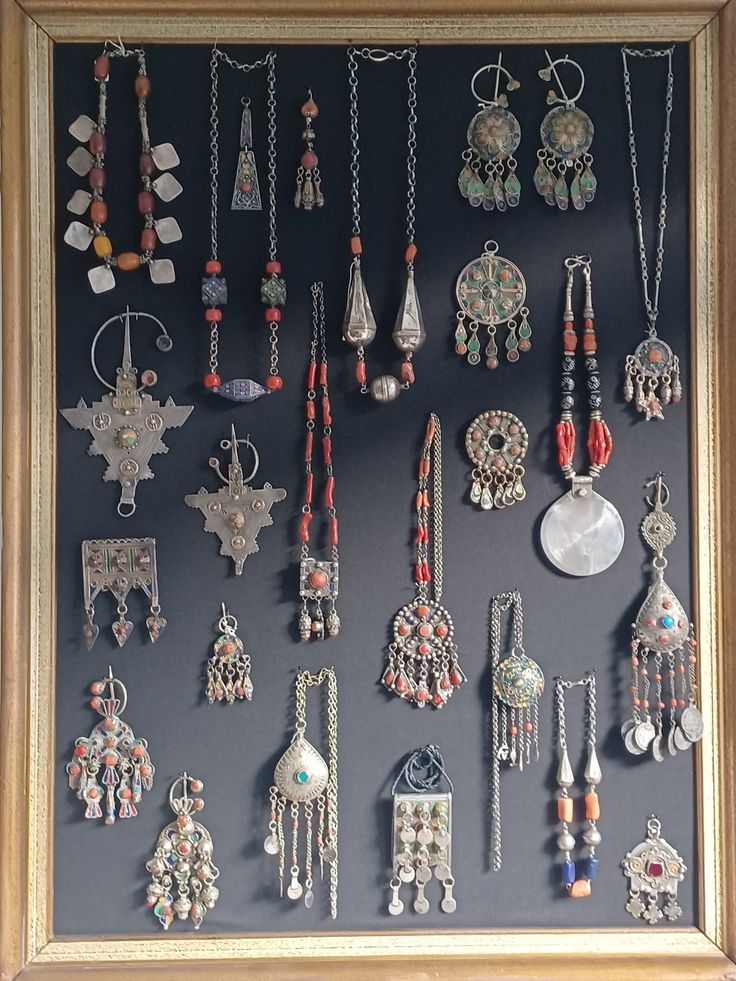
Amazigh silver jewellery refers to the traditional metalwork created and worn by Amazigh communities across Morocco, Algeria, Tunisia, Libya, and parts of the Sahara.
For centuries, these handcrafted pieces have served purposes far beyond personal adornment. Jewellery has historically expressed:
- family identity
- regional origin
- marital status
- social standing
- cultural heritage
Unlike fashion accessories designed around changing trends, Amazigh jewellery has long functioned as a form of cultural memory, with many pieces passed from one generation to the next.
Silver, rather than gold, became the preferred material in many Amazigh communities, particularly in Morocco’s Atlas Mountains, where jewellery also represented portable wealth and financial security.
The History Behind Amazigh Silver Jewellery
The origins of Amazigh jewellery stretch back centuries, shaped by North Africa’s trade routes, local craftsmanship, and community traditions.
Artisans developed distinctive techniques for casting, engraving, and decorating silver using locally available materials. Many pieces were handmade for weddings, family ceremonies, and important milestones, becoming treasured heirlooms within Amazigh households.
Because jewellery was often commissioned for specific individuals or families, every piece carried cultural and personal significance beyond its decorative appearance.
This tradition continues today, with skilled artisans preserving techniques that have been passed down through generations.
What Makes Amazigh Jewellery So Distinctive?
Amazigh silver jewellery is instantly recognisable for its bold forms and geometric decoration.
Among its defining characteristics are:
Geometric Motifs
Triangles, diamonds, lozenges, and repeating linear patterns appear throughout Amazigh jewellery. While interpretations vary between communities, these shapes are often associated with identity, protection, and continuity.
Fibulae (Traditional Brooches)
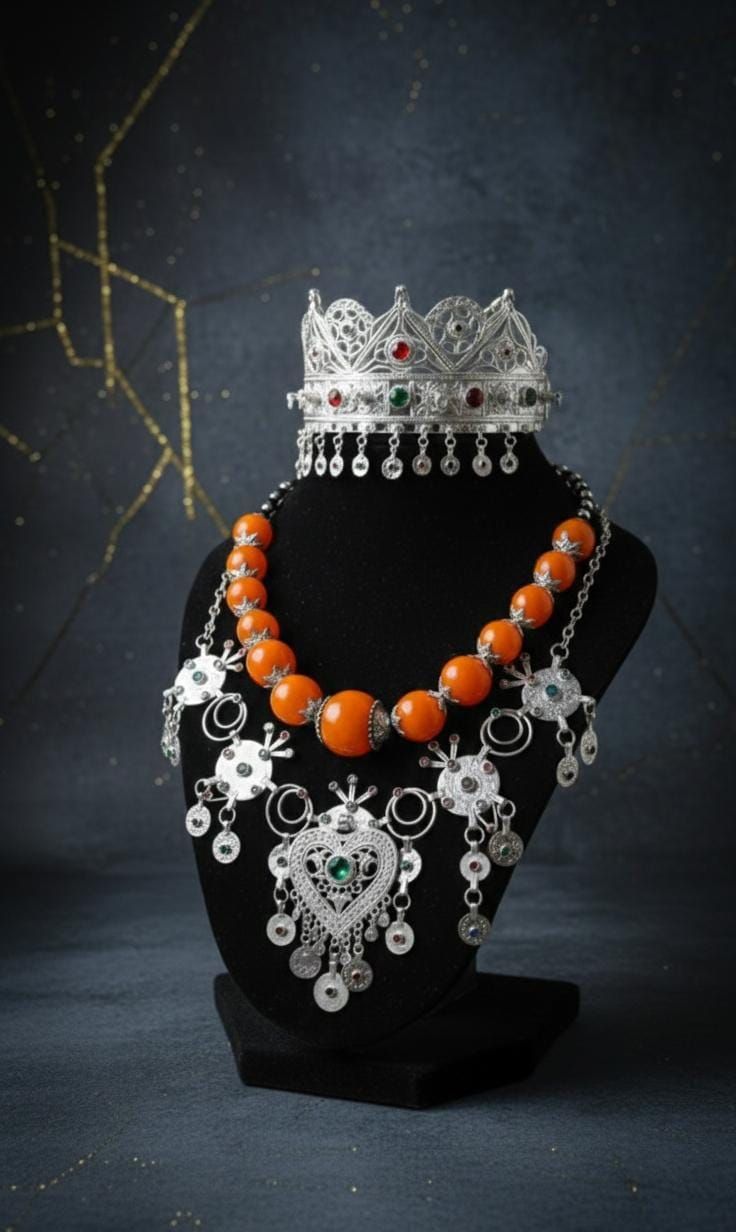
One of the most recognisable Amazigh ornaments is the fibula, a large silver brooch traditionally used to fasten garments. Beyond its practical function, the fibula became an enduring symbol of Amazigh craftsmanship.
Engraved Silver Surfaces
Many pieces feature intricate hand-engraved patterns that showcase the technical skill of local metalworkers.
Natural Decorative Materials
Traditional jewellery often combines silver with:
- Mediterranean coral
- amber
- coloured glass
- enamel
These materials add colour while preserving the handcrafted character of each piece.
Why Contemporary Streetwear Finds These Designs Appealing
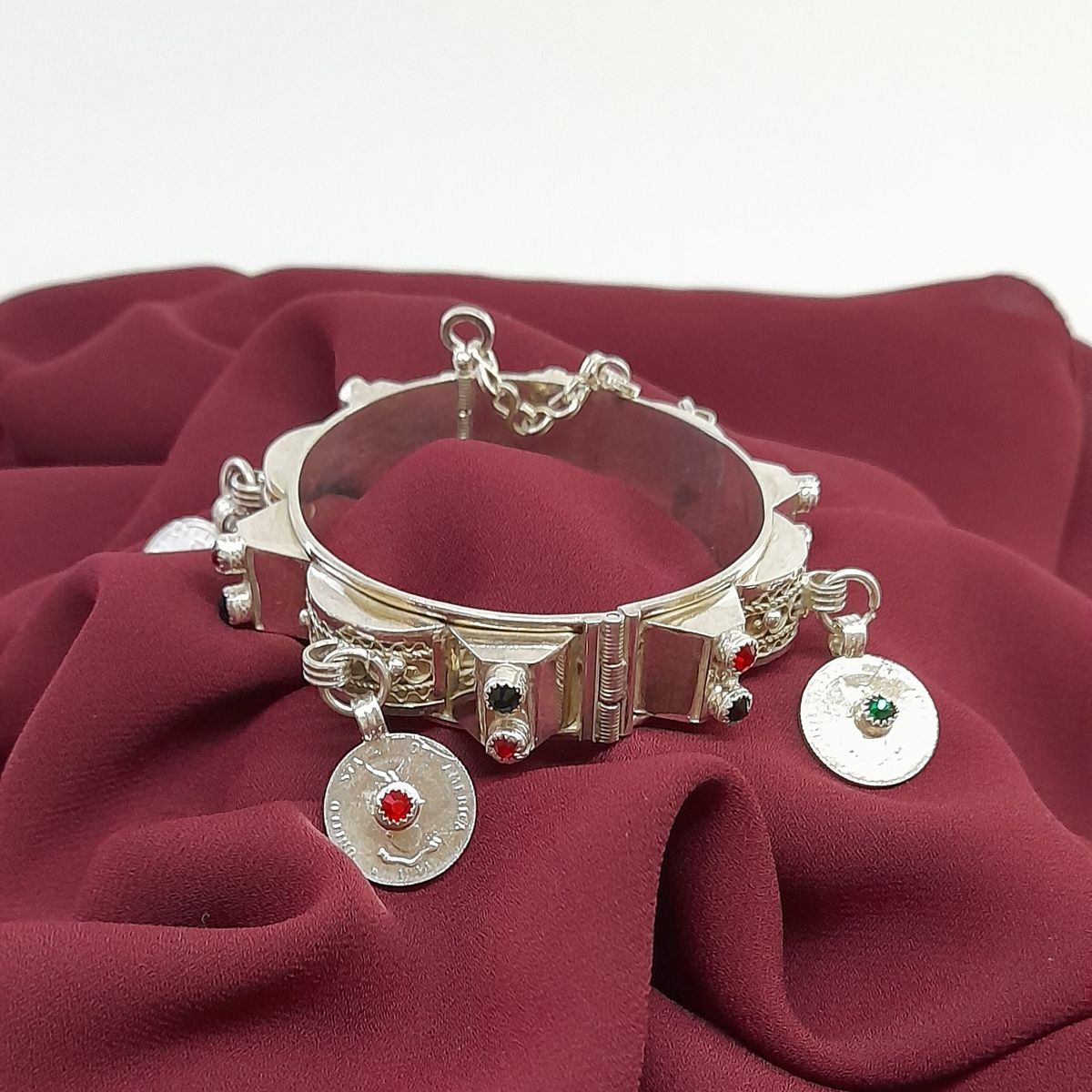
Streetwear has evolved beyond graphic logos and sportswear influences.
Today’s designers increasingly value craftsmanship, heritage, and distinctive materials—qualities that have long defined Amazigh jewellery.
Bold Metal Hardware
Oversized clasps, buckles, rings, and metallic accessories have become recurring features in contemporary streetwear, reflecting an appreciation for statement metalwork.
Geometric Design
The clean, structured geometry of Amazigh motifs aligns naturally with modern graphic design,, and accessory detailing.
Visible Craftsmanship
Consumers increasingly appreciate products that reveal the hand of the maker rather than hiding it. Handmade silver jewellery embodies this preference for authentic craftsmanship.
Heritage Storytelling
Fashion brands increasingly communicate the history behind their products. Amazigh jewellery demonstrates how objects can carry cultural narratives that extend far beyond aesthetics.
Inspiration Is Different From Cultural Appropriation
Drawing inspiration from Indigenous design traditions carries important responsibilities.
Fashion becomes more respectful when brands:
- acknowledge source communities
- credit cultural influences
- collaborate with artisans
- ensure fair compensation
- avoid presenting traditional symbols as original creations
Without attribution, centuries-old cultural motifs risk being reduced to decorative graphics detached from their historical meaning.
As conversations around ethical fashion continue to grow, transparency has become just as important as creativity.
The Global Market for Amazigh Jewellery
Interest in Amazigh silver jewellery now extends well beyond North Africa.
Historic and contemporary pieces can be found in:
- museum collections
- artisan cooperatives
- cultural exhibitions
- ethical fashion retailers
- specialist jewellery galleries
Institutions such as the Musée Berbère in Marrakech and the Smithsonian National Museum of African Art have helped introduce international audiences to the artistry and cultural significance of Amazigh jewellery.
Meanwhile, artisan workshops across Morocco and neighbouring countries continue producing handcrafted jewellery using techniques that have survived for generations.
Why Amazigh Jewellery Matters Beyond Fashion
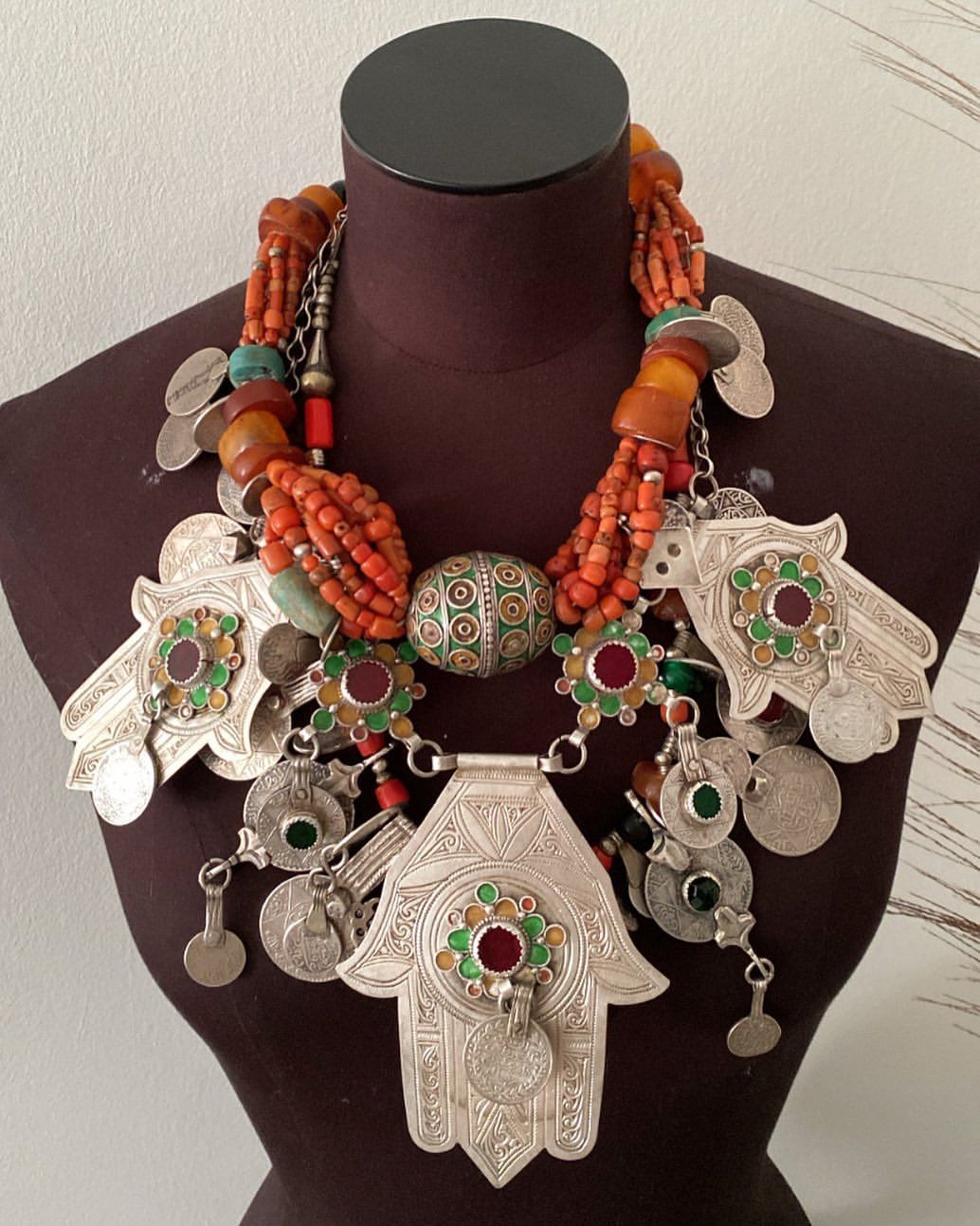
Amazigh silver jewellery represents more than exceptional craftsmanship.
It preserves:
- Indigenous identity
- family history
- women’s artistic traditions
- regional knowledge
- cultural memory
For many Amazigh families, jewellery remains a tangible connection to ancestors, ceremonies, and community heritage.
Its continued production also supports local artisans whose work helps preserve traditional metalworking techniques in an increasingly industrialised global economy.
The Future of Amazigh Design in Contemporary Fashion
As luxury and streetwear continue shifting toward heritage craftsmanship, Amazigh jewellery offers an important example of how traditional design can remain relevant without losing its cultural integrity.
Rather than becoming another passing trend, its greatest contribution may lie in encouraging designers to value authenticity, handmade production, and collaboration with Indigenous artisans.
Fashion’s future increasingly rewards products with meaningful stories—and Amazigh silver jewellery has carried those stories for centuries.
Omiren Heritage Design Record: Amazigh Silver Jewellery
| Record | Details |
| Tradition | Amazigh Silver Jewellery |
| Region | Morocco, Algeria, Tunisia, Libya |
| Primary Materials | Silver, coral, amber, coloured glass, enamel |
| Defining Features | Fibulae, geometric engraving, triangular motifs, statement silver pieces |
| Cultural Role | Identity, marriage, inheritance, protection, portable wealth |
| Contemporary Relevance | Heritage-inspired accessories, artisan luxury, ethical fashion and museum collections |
Amazigh silver jewellery is more than a source of aesthetic inspiration. It is a living tradition that combines artistry, history, and identity through handcrafted metalwork. As contemporary fashion increasingly embraces cultural authenticity and skilled craftsmanship, Amazigh jewellery stands as a reminder that some of the world’s most influential design ideas have been refined not in fashion capitals, but within Indigenous communities that have preserved them for generations.
READ ALSO:
- Chitenge as a Bridal Statement Fabric in Zambia
- Malagasy Lamba Cloth: Why Its Handwoven Heritage Aligns With the Future of Luxury Resortwear
FAQs
- What is Amazigh silver jewellery and why is it important?
Amazigh silver jewellery is the traditional handcrafted jewellery created by Amazigh communities across Morocco, Algeria, Tunisia, and Libya. Beyond its decorative appeal, it has historically represented family identity, marital status, regional heritage, and social standing, with many pieces passed down through generations as treasured heirlooms.
- Why do Amazigh communities traditionally wear silver instead of gold?
Many Amazigh communities have historically preferred silver because it was more widely available through regional trade and served as a practical form of portable wealth. Silver jewellery was often part of a woman’s personal assets and held both cultural and economic value within Amazigh society.
- What are the most common symbols found in Amazigh silver jewellery?
Traditional Amazigh silver jewellery often features geometric motifs such as triangles, diamonds, lozenges, and engraved linear patterns. Large fibulae (decorative brooches), along with coral, amber, coloured glass, and enamel, are also common elements that distinguish Amazigh jewellery from other North African traditions.
- How is Amazigh silver jewellery influencing contemporary fashion?
Amazigh silver jewellery is influencing contemporary fashion through its bold geometric forms, handcrafted metalwork, and heritage-inspired aesthetic. While most designers do not replicate traditional pieces directly, many draw inspiration from its emphasis on craftsmanship, statement hardware, and cultural storytelling.
- What is the difference between Amazigh jewellery and Tuareg jewellery?
Although both originate in North Africa and often feature silver craftsmanship, Amazigh and Tuareg jewellery belong to different Indigenous communities with distinct histories, artistic traditions, and symbolic designs. Amazigh jewellery is especially known for fibulae and geometric motifs, while Tuareg jewellery is recognized for styles such as the Agadez Cross and intricate engraved silverwork.
- Where can you buy authentic Amazigh silver jewellery?
Authentic Amazigh silver jewellery can be purchased from artisan cooperatives, traditional markets in Morocco and other North African countries, museum shops, ethical jewellery retailers, and craftspeople who specialise in handmade Indigenous jewellery. Buyers should look for information about the artisan, region of origin, and traditional craftsmanship to ensure authenticity.
- How can fashion brands respectfully use Amazigh jewellery motifs in their designs?
Fashion brands can respectfully draw inspiration from Amazigh jewellery by acknowledging the source communities, collaborating with Amazigh artisans where possible, providing fair compensation, and avoiding the use of culturally significant symbols without context or attribution. Ethical collaboration helps preserve traditional craftsmanship while ensuring Indigenous communities benefit from the continued appreciation of their cultural heritage.