Let’s retire a phrase: “Africa is rising.” It has been used so often in trend reports and keynote speeches that it now says more about the speaker’s assumptions than about what is happening on the ground. African streetwear is not a future possibility. It is already here, with its own designers, scenes, and visual logic, as The Native Magazine’s documentation of African fashion industry momentum confirms.
That distinction matters because the wrong frame produces the wrong strategy. If Africa is treated as a story still becoming, the industry keeps postponing serious engagement. If it is treated as an existing centre of creative production, global brands have to face a harder truth about how much cultural ground they have already ceded.
African streetwear is not emerging. It already has designers, scenes, and visual logic of its own. Here is why the global industry is misreading the continent as a destination rather than an origin.
A Real Creative Grammar
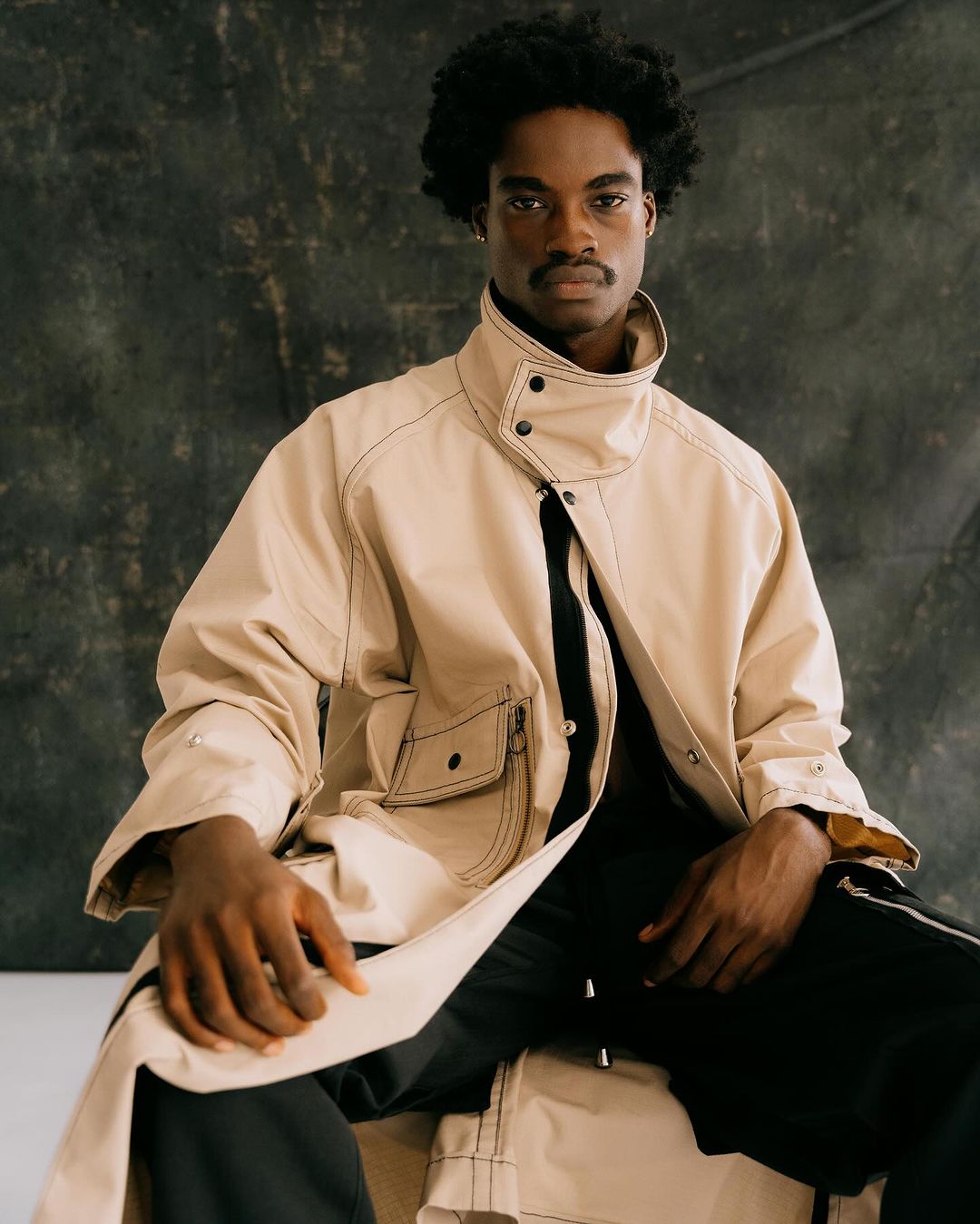
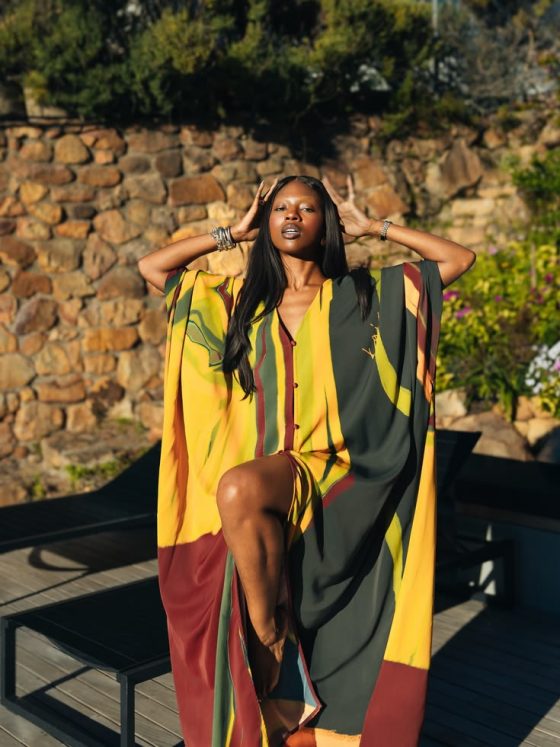
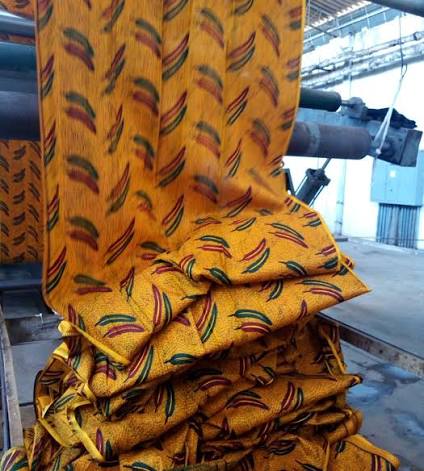
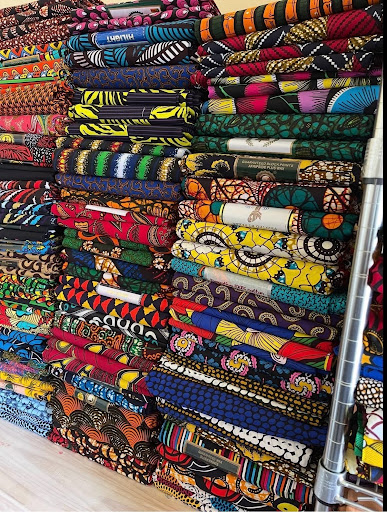
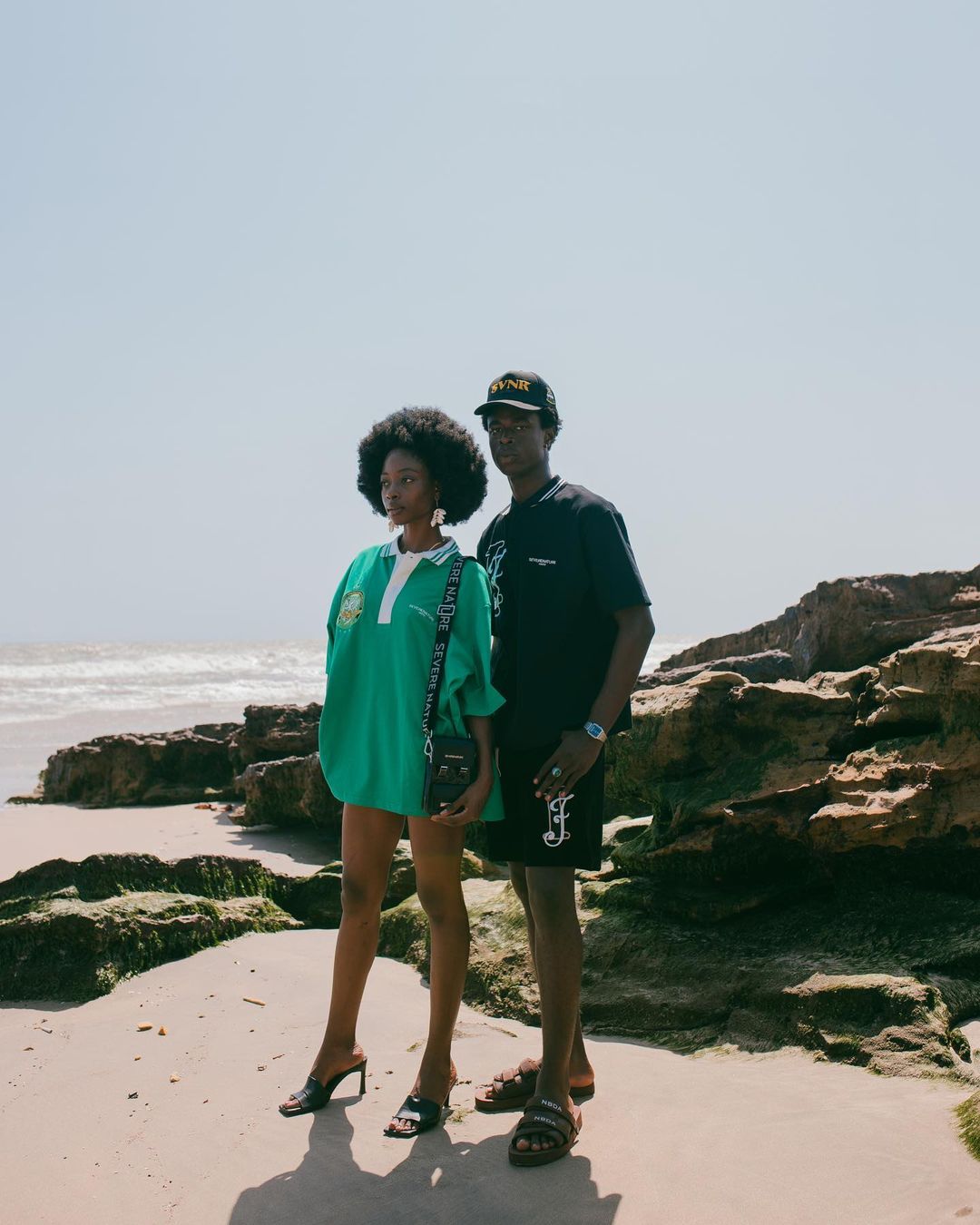
African streetwear is not a regional copy of Western hype culture. It is built from tailoring traditions, textile histories, community references, and local aesthetic priorities that did not wait for global validation. That is why the strongest labels in the space feel conceptually distinct rather than derivative, as African Leadership Magazine’s analysis confirms.
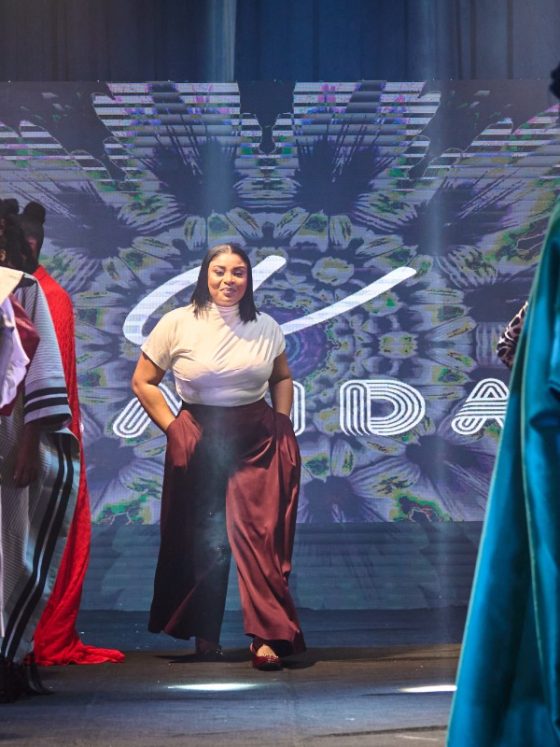
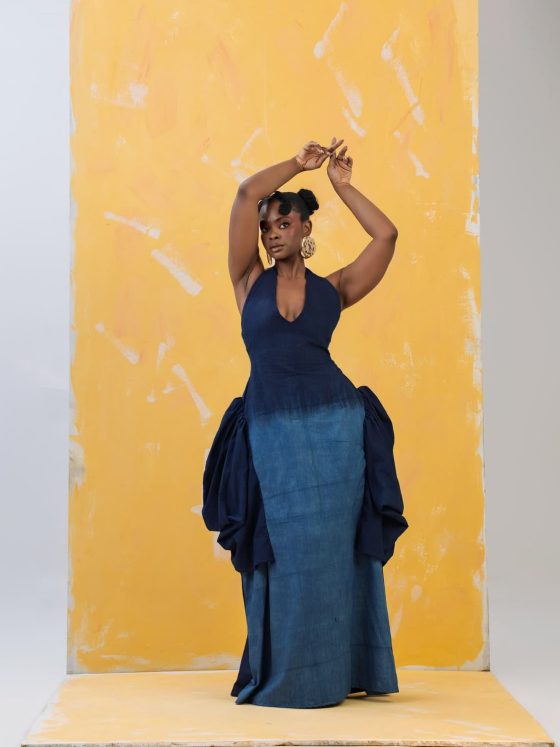
Maxivive in Lagos makes high-concept work with theatrical force. Orange Culture has spent years exploring masculinity, identity, and Nigerian cultural inheritance through clothing. Rich Mnisi brings Tsonga specificity into contemporary luxury. Tshepo The Jean Maker has turned denim into a language of craftsmanship and Black pride. Selly Raby Kane builds speculative worlds from Dakar with a visual intelligence that, as Nataal’s profile documents, feels closer to cultural authorship than trend response.
These are not emerging names waiting for permission. They are established creative businesses with serious points of view. As Omiren Styles has documented in its buyer shortlist, the designers producing the most conceptually rigorous work carry the most durable institutional standing: awards, museum placements, and international stockists that have nothing to do with African fashion specifically.
Scenes, Not One Scene
It is important not to flatten African streetwear into one continental aesthetic. Lagos, Dakar, Johannesburg, Nairobi, and Accra do not look the same, operate the same, or serve the same cultural pressures. Each city has its own ecosystem, and each one contributes differently to the larger picture.
Lagos is often the most visible because its fashion language is bold, self-aware, and exportable. Dakar leans toward world-building and future-making: Selly Raby Kane is building a speculative visual architecture rather than a trend proposition. Johannesburg has a strong relationship to luxury and subcultural polish. Nairobi’s streetwear energy is tied to youth culture and urban experimentation. Accra sits inside a creative economy where music, art, and fashion constantly cross-pollinate. The point is not that these cities are identical. As Omiren Styles has documented in its African fashion cities analysis, each is building a different kind of fashion influence, and understanding which requires engaging each on its own terms rather than reaching for a single continental summary.
The Commercial Case

The industry still talks about Africa as a growth market, but that language is incomplete. Africa is also a creative origin point, and the two things are not the same. As African Business Magazine’s pan-African catwalk analysis documents, the continent has a young population, a growing middle class, and a large diaspora that carries African aesthetics into London, New York, Paris, Toronto, and beyond. That diaspora matters because fashion does not travel only through retail. It travels through music, styling, social media, nightlife, and cultural prestige.
The mechanism is direct, not abstract. As Omiren Styles has documented in its analysis of the Black American fashion dollar, African diaspora communities in major global cities show a 2.3x higher likelihood of redirecting spending to culturally aligned brands. The aesthetic influence is already moving internationally. The commercial infrastructure to support it is growing. The question is not whether the market is significant. It is whether global brands will move early enough to engage it with genuine cultural intent rather than distribution-first thinking.
What Global Brands Misread
Global brands often approach Africa as a distribution channel rather than a source of cultural intelligence. They know how to enter a market. They are much less consistent at learning from one.
The distinction matters when naming what has gone wrong. Football sponsorship and athlete marketing are different from streetwear cultural engagement. Puma has a serious African football presence; that has not translated into creative streetwear relationships. Asics and Salomon are each experiencing significant global streetwear moments. Still, neither has built any meaningful creative footprint in African city scenes that are actively discussing exactly the aesthetics those brands represent. Those are different categories of brand activity, and collapsing them produces a misleading picture of where brands actually stand. As Woven Insights’ data on African fashion markets confirms, African Gen Z consumers are among the most globally connected and culturally literate in the world. They know the difference between a brand that has shown up because it sees them and a brand that has shown up because it sees their purchasing power.
In Japan and the UK, global brands spent years building specific subcultural relationships that compounded over time. The Nike-Fujiwara partnership, as Nike’s own launch documentation confirms, was built on deep, sustained cultural engagement, not a single seasonal collaboration. The equivalent commitment in African city scenes has not happened. That gap is a gap in intention, not in opportunity.
What Real Engagement Requires
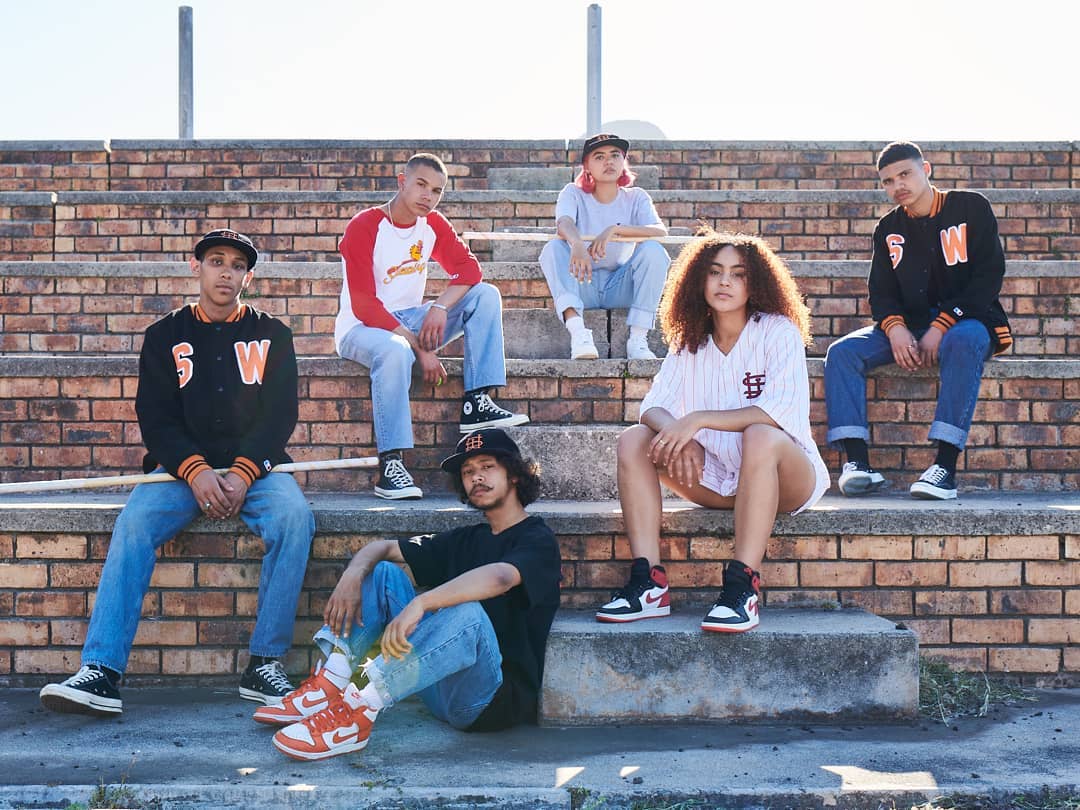
If a global brand wants credibility in African streetwear, it has to start by treating African designers as creative authorities, not decorative collaborators. That means shared authorship, fair revenue structures, and partnerships that last beyond a single seasonal drop. As African Business Magazine documents, it also means building campaigns with African creatives, not simply adapting global campaigns for African audiences, and investing in the ecosystem: design education, manufacturing capacity, and the institutions that allow more African labels to grow on their own terms.
For the detailed strategic brief addressed directly to brand creative directors and strategy teams, see the companion piece: The Brands That Built Tokyo and London Are Ignoring Lagos. That’s a Strategic Mistake. This is not charity. It is brand building with long-term return. The brands that figured this out in Tokyo in the 1990s are still benefiting from those relationships three decades later.
African Streetwear Does Not Need a Co-Sign
African streetwear does not need Nike, Adidas, New Balance, Puma, Asics, or Salomon to validate it. The movement already has designers, audiences, and cultural authority of its own, as Nataal’s ongoing coverage of African creative culture documents. What those brands need to decide is whether they want to be part of the next chapter as genuine partners or show up later as followers.
The culture is not waiting. The industry is.
ALSO READ
- The Brands That Built Tokyo and London Are Ignoring Lagos. That’s a Strategic Mistake.
- African Fashion Is Not Emerging. It Has Always Been Here.
- The Black American Fashion Dollar Is Not Coming Home
- African Designers Buyers Should Act On in 2026: A Three-Tier Shortlist
Frequently Asked Questions
Which city scenes are driving African streetwear right now?
Five cities are building distinct kinds of influence simultaneously. Lagos leads in designer exports and bold, self-aware aesthetic language, with Maxivive and Orange Culture as the most internationally documented examples. Dakar is producing world-building and speculative fashion through Selly Raby Kane, as DW’s coverage confirms. Johannesburg connects to luxury and subcultural polish. Nairobi is tied to youth culture and experimentation. Accra sits inside a creative economy where music, art, and fashion constantly cross-pollinate. Each operates differently, and treating them as one continental scene produces a distorted picture.
What makes a collaboration extractive versus genuine?
An extractive collaboration borrows the African designer’s aesthetic for a seasonal capsule, gives them limited creative control, an inequitable revenue share, and no lasting platform uplift. The global brand gets cultural credibility; the African designer gets a credit line. A genuine collaboration means shared authorship, fair commercial terms, investment in the African partner’s long-term brand, and a creative process that flows both ways. The difference is immediately legible to African consumers who are highly brand-literate and are watching the distinction closely.
Why does the African diaspora matter to this market story?
Because fashion influence does not travel through retail alone. African diaspora communities in London, New York, Paris, and other major cities carry African aesthetic signals into global fashion conversations through music, styling, social media, and cultural prestige. As Omiren Styles has documented in its analysis of the Black American fashion dollar, diaspora communities demonstrate a documented preference for culturally aligned brands at rates significantly higher than the general consumer population. That makes authentic engagement with African streetwear not a regional strategy but a global one.
Is African streetwear commercially important?
Yes, across multiple measures. As Woven Insights’ data on African fashion markets documents, Africa has the world’s youngest consumer population, a growing middle class, and fashion markets in Nigeria, South Africa, Kenya, and Ghana that are underserved by products that speak to specific cultural experience rather than translating global campaigns. The question is no longer whether the market is significant. It is whether global brands will move early enough to engage it with cultural intent.
What does genuine collaboration between a global brand and an African streetwear label look like?
Genuine collaboration means creative equity: shared authorship, fair revenue structures, and real platform building for the African partner beyond a single seasonal drop. It means the global brand learns from the African designer’s aesthetic and community intelligence, not just borrows their visual language for a marketing calendar. It means commitments that extend beyond one season, campaigns built with African creatives rather than adapted for African audiences, and investment in the broader ecosystem: manufacturing, education, and institutional relationships.