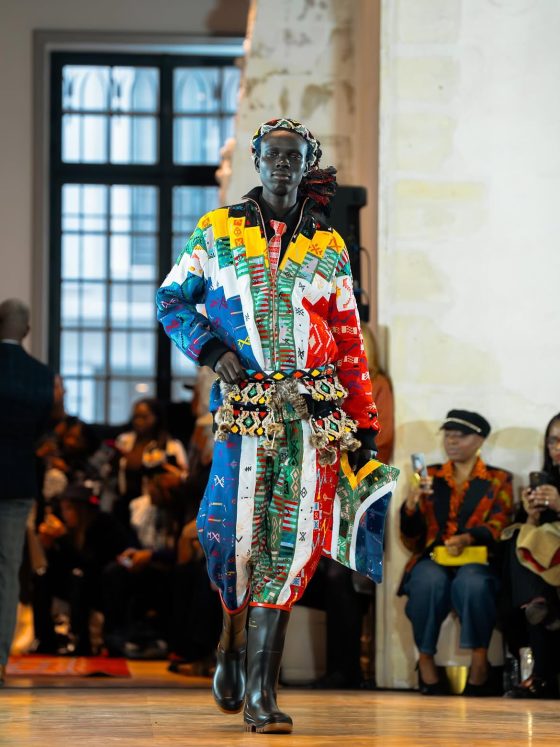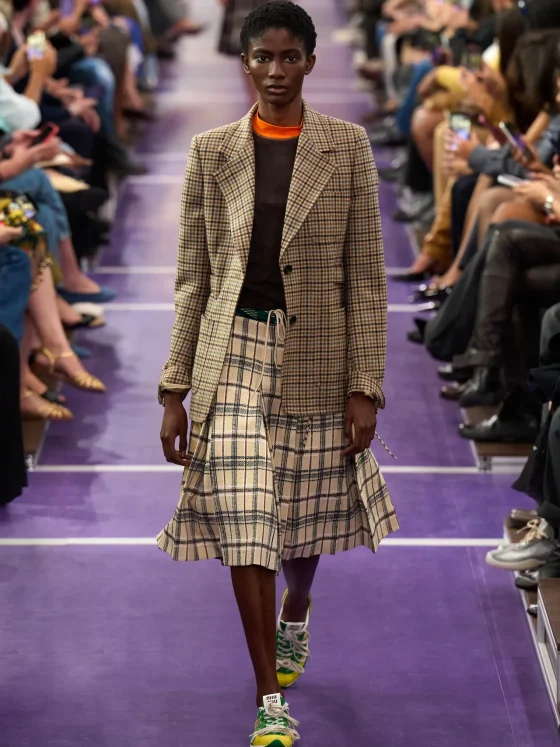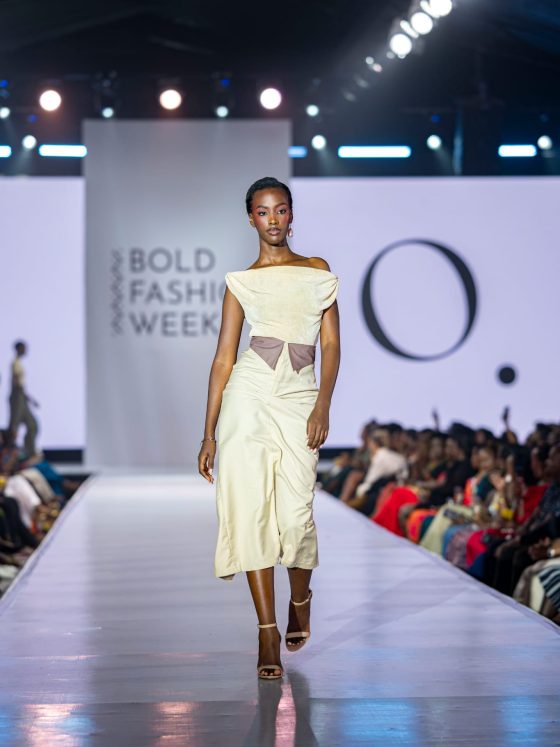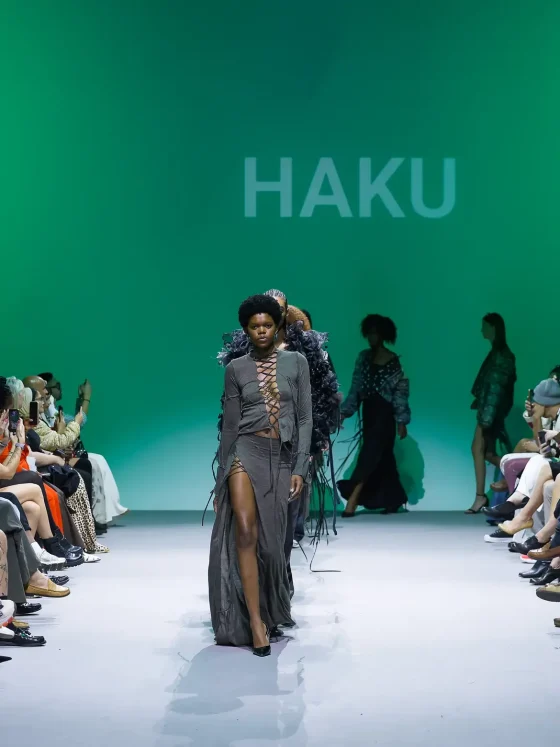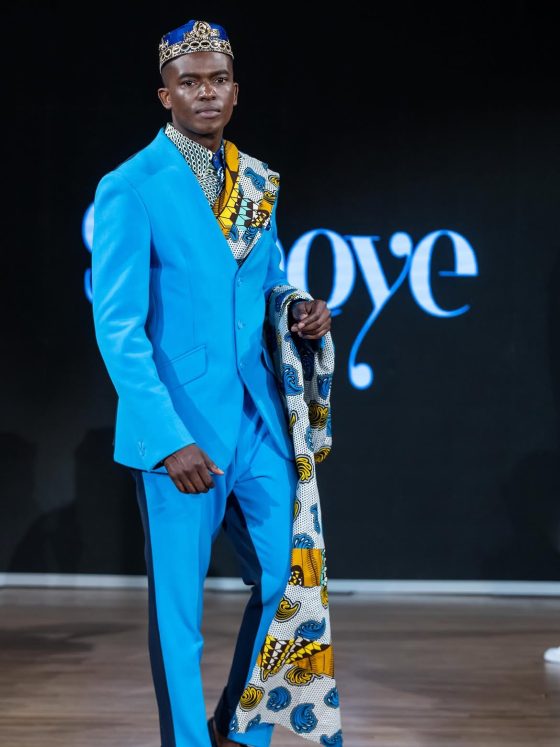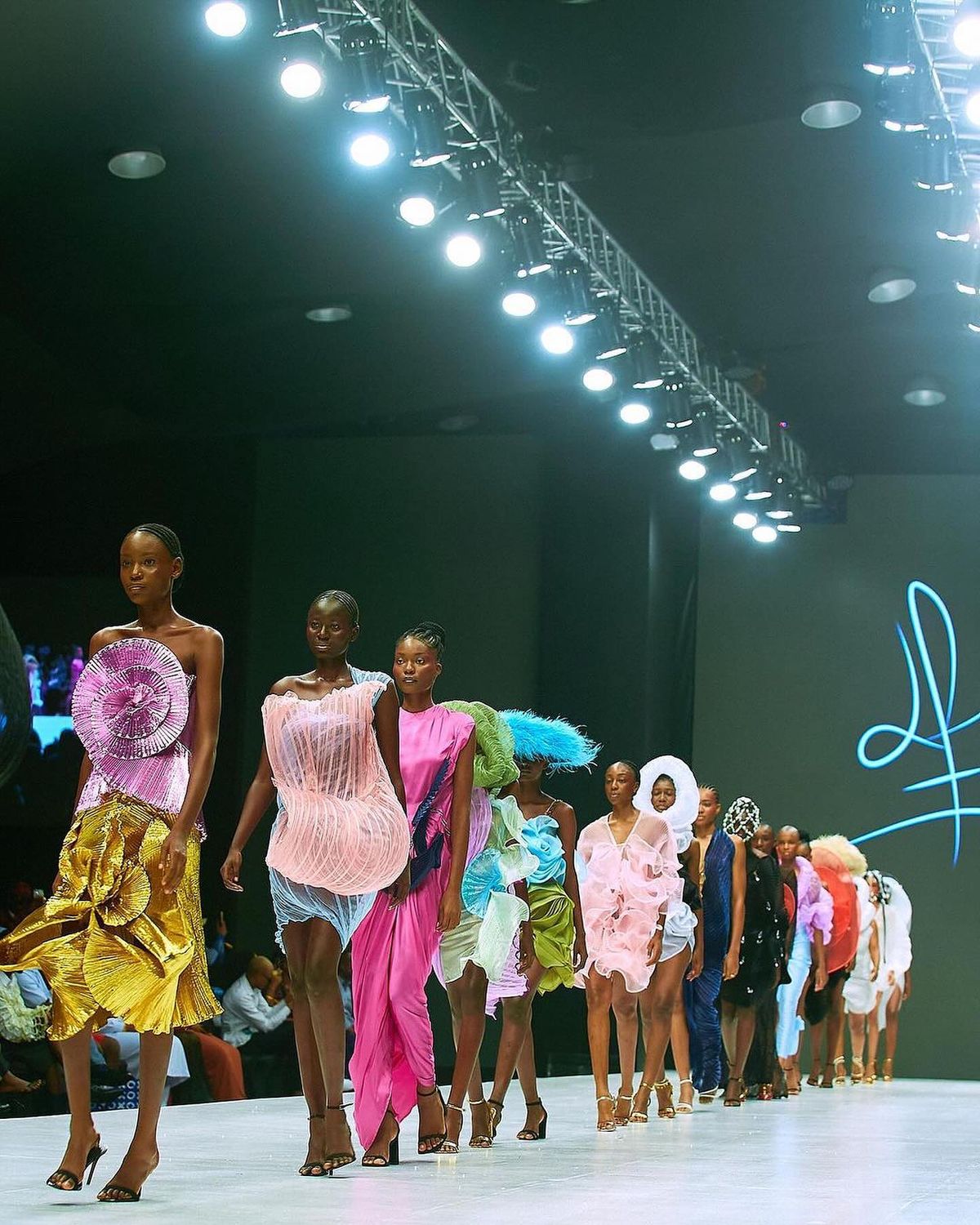
A fashion runway show costs between $100,000 and $200,000 at a minimum. At the top end, established houses spend over $1 million per presentation. These figures, reported by NSS Magazine and Starting Finance from industry production data, cover venue hire, lighting, sound, staging, model fees, hair and makeup, production crew, and invitation printing. They do not cover the collection. They do not cover the international flights. They do not cover the accommodation for a team travelling from Lagos, Accra, or Nairobi. They do not cover the cost of shipping garments across international customs borders, where declarations, duties, and delays routinely cost more than the shipping itself.
For a designer based in a European or American fashion capital, these production costs are high but structurally manageable. The designer lives in the market they are presenting to, speaks the language of the press and buyers attending, has a local bank account in the currency in which everything is priced, and can call a cab to the venue on the morning of the show. For an African designer presenting at Paris Fashion Week, every one of those structural advantages is absent. The base cost is the same. The additional cost of being African is substantial, specific, and rarely discussed in the post-show coverage that celebrates their presence on the schedule.
A runway show in Paris costs $100,000 at a minimum. For African designers, add currency conversion, international shipping, and a market that may not be ready to buy. Here is the real number.
The Paris Fashion Week Cost for African Designers: Breaking It Down
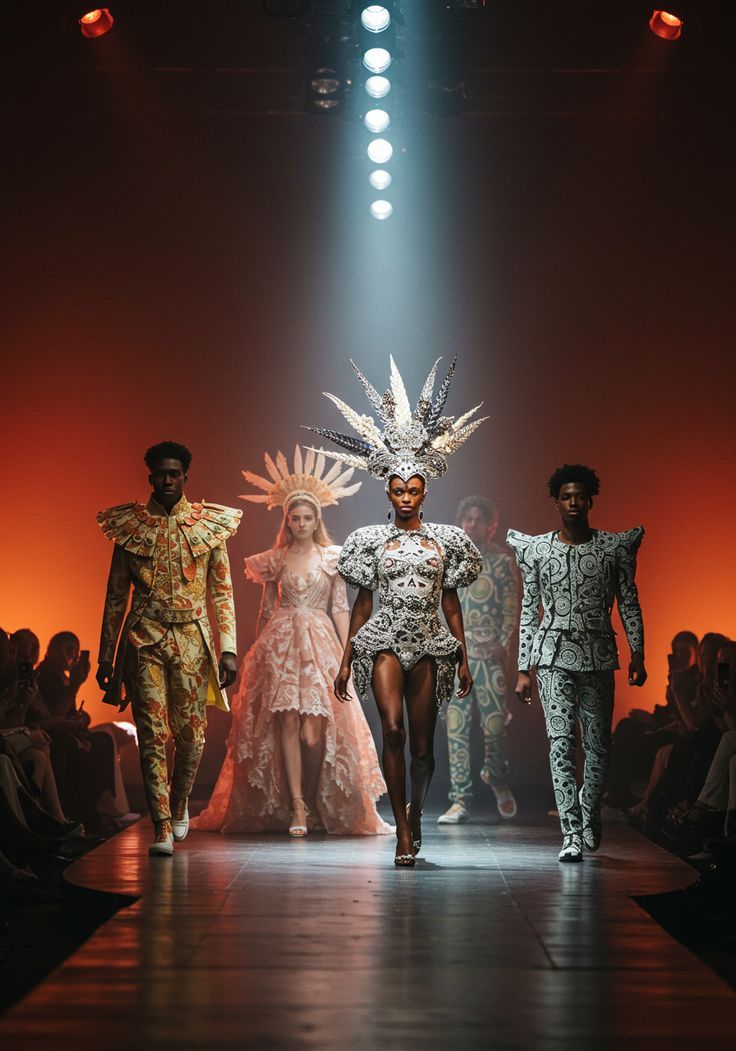
The direct production cost of a Paris Fashion Week runway show starts at $100,000 to $200,000 for a minimal presentation. A mid-scale show with a credible venue, professional production, and 15 to 20 looks runs $300,000 to $500,000. For designers operating from Nigeria, Ghana, Kenya, or South Africa, this figure is then multiplied by currency conversion costs. As of 2026, one US dollar costs approximately 1,580 Nigerian naira. A $200,000 production budget equals roughly ₦316 million. The naira’s depreciation trajectory, which has seen it lose over 60% of its value against the dollar since 2023, means that a budget planned six months before the show can be materially different from the actual cost by show week. As Fashionista’s January 2026 analysis confirmed, shipping costs alone routinely exceed production costs for African designers fulfilling international orders. Garments shipped from Lagos to Paris for a runway show are not orders. They are samples. They generate no revenue on entry. But they attract customs declarations, potential duties, handling fees, and the cost of a freight forwarder who understands European customs requirements, which most Lagos-based logistics providers do not specialise in.
The team costs are the next layer. A designer travelling from Lagos to Paris with two assistants, a PR contact, and a stylist for a show week that runs Monday to Sunday is looking at seven return flights, seven hotel rooms for seven nights in one of Europe’s most expensive cities during its peak fashion month, seven daily living allowances, and ground transportation. A conservative budget for this alone runs to $30,000 to $50,000. Paris Fashion Week’s womenswear ready-to-wear calendar runs nine days. Most African designers cannot afford to be present for the full week. They arrive for their presentation, attend key appointments, and leave as quickly as logistics allow.
Then there is the press and PR cost. Being on the official FHCM calendar or showing as a presentation during fashion week is not sufficient to guarantee press attendance. International fashion editors have schedules determined weeks in advance by established relationships and editorial commitments. A designer without a Paris-based PR agency, with retainer fees starting at €3,000 to €5,000 per month, has limited ability to guarantee press presence sufficient to justify the production cost. Emerging African designers who cannot sustain a Paris PR retainer are competing for editorial attention in one of the world’s most saturated media environments without the infrastructure that makes that competition viable.
What African Designers Have Actually Spent, and What They Got Back
The most documented case of an African designer’s Paris investment is Kenneth Ize, the Nigerian-Austrian designer who made his Paris Fashion Week debut in 2020 and became the first African designer to open Paris Fashion Week in October 2021. As BoF documented, Ize’s path to Paris was built on support from the African Fashion Foundation, founded by Roberta Annan. That support was essential, in Ize’s own words, to elevating his work to a global audience. His label’s own revenue did not fund his presence on the Paris calendar. It was funded by institutional support, which covered a significant portion of the structural costs. Without that support, the ROI calculation on a Paris show, at the stage of brand development Ize was at in 2020, would not have been commercially justifiable from label revenue alone.
The Afreximbank CANEX programme has provided the latest template for how African designers can access Paris without incurring the full cost individually. When BOYEDOE, Wuman by Chukwuma Ekwerike, Morocco’s Late For Work, and Kenya’s We Are NBO showed at the Tranoi trade show and Galeries Lafayette pop-up during Paris Fashion Week in October 2025 and July 2025, respectively, Afreximbank covered sample shipping, showroom space fees, PR, scenography, sales support, and, in some cases, flights and accommodation. The bank’s $2 billion creative industries fund is specifically designed to underwrite the structural cost differential that makes Paris inaccessible for African brands at their own expense. This is institutional recognition that the cost is real, significant, and not something individual brand revenue at the emerging stage can rationally absorb.
The honest question is what any of these presentations returned in order. Some critics have noted, as BoF’s reporting on the Afreximbank programme documented, that fewer buyers at the big four fashion weeks are seeking to stock emerging African designers amid tighter budgets and increasingly crowded trade events. A Paris show generates press. It generates social media reach. It generates the cultural legitimacy signal that tells buyers and stockists that a brand is serious. What it does not reliably generate, for most African designers at the emerging stage, is order volumes that justify the investment from revenue alone.
Showing in Paris is not the same as selling in Paris. Most African designers discover this distinction after they have already paid for the flight.
The Alternatives That Are Paying Better Returns
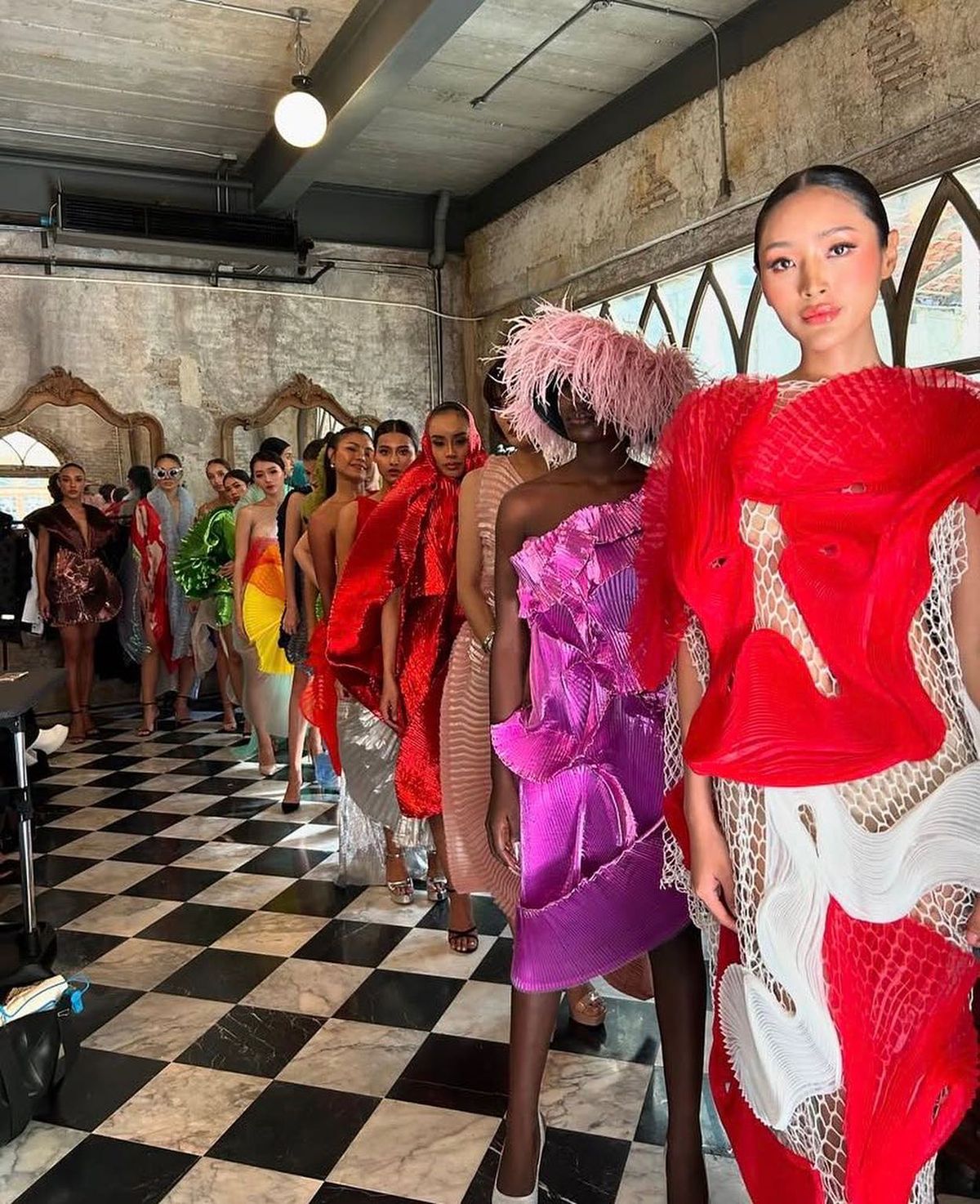
The clearest counterargument to the Paris-at-all-costs position was made in December 2025 by the Africa Reimagined newsletter, which reported that designers seeking the best return on investment in international fashion week in 2025 were those looking to smaller, more targeted events rather than the Big Four. Berlin Fashion Week awarded three African brands €20,000 each in grants. Copenhagen Fashion Week, which has built a credible sustainability positioning and attracts a younger, more commercially active buyer profile than Paris, offers African designers a less saturated environment where their cultural specificity stands out rather than competing against 100-plus other presentations for the same editorial column inches.
Africa Fashion Up, the platform founded by Valérie Ka that shows during Paris Fashion Week but operates as a distinct event with its own selection and business support for young African designers, represents a third model: presence in Paris without the full cost of an independent show. Africa Fashion Up 2026 uses the energy of Fashion Week as a backdrop, positioning African designers for buyer meetings at Galeries Lafayette and for fashion-house connections at Balenciaga, while providing business-structuring support that most emerging designers need before they can make a Paris runway economically viable. The distinction the platform draws, between existing where decisions are made and being absorbed into the background, is a precise articulation of what African designers at Paris Fashion Week are navigating.
Shanghai Fashion Week in 2025 opened doors for several African designers into Asian distribution channels. The Asian buyer market, which is less familiar with African design but increasingly interested in it as global creative diversity becomes a commercial differentiator, may offer African designers better near-term order volume than the European market, where buyer familiarity and budget constraints interact to limit purchasing decisions at the emerging level.
Also Read:
- What African Fashion Brands Get Wrong About Scaling — and the Three That Got It Right
- The Lagos Fashion Week Effect: What a Decade of Runway Has Actually Done for Nigerian Designer Revenue
- Why African Fashion Needs Its Own Data Infrastructure Before It Can Lead Globally
- Lagos vs Accra: Two Cities, Two Dress Philosophies, One Contested Crown
When Paris Is Worth It, and When It Is Not
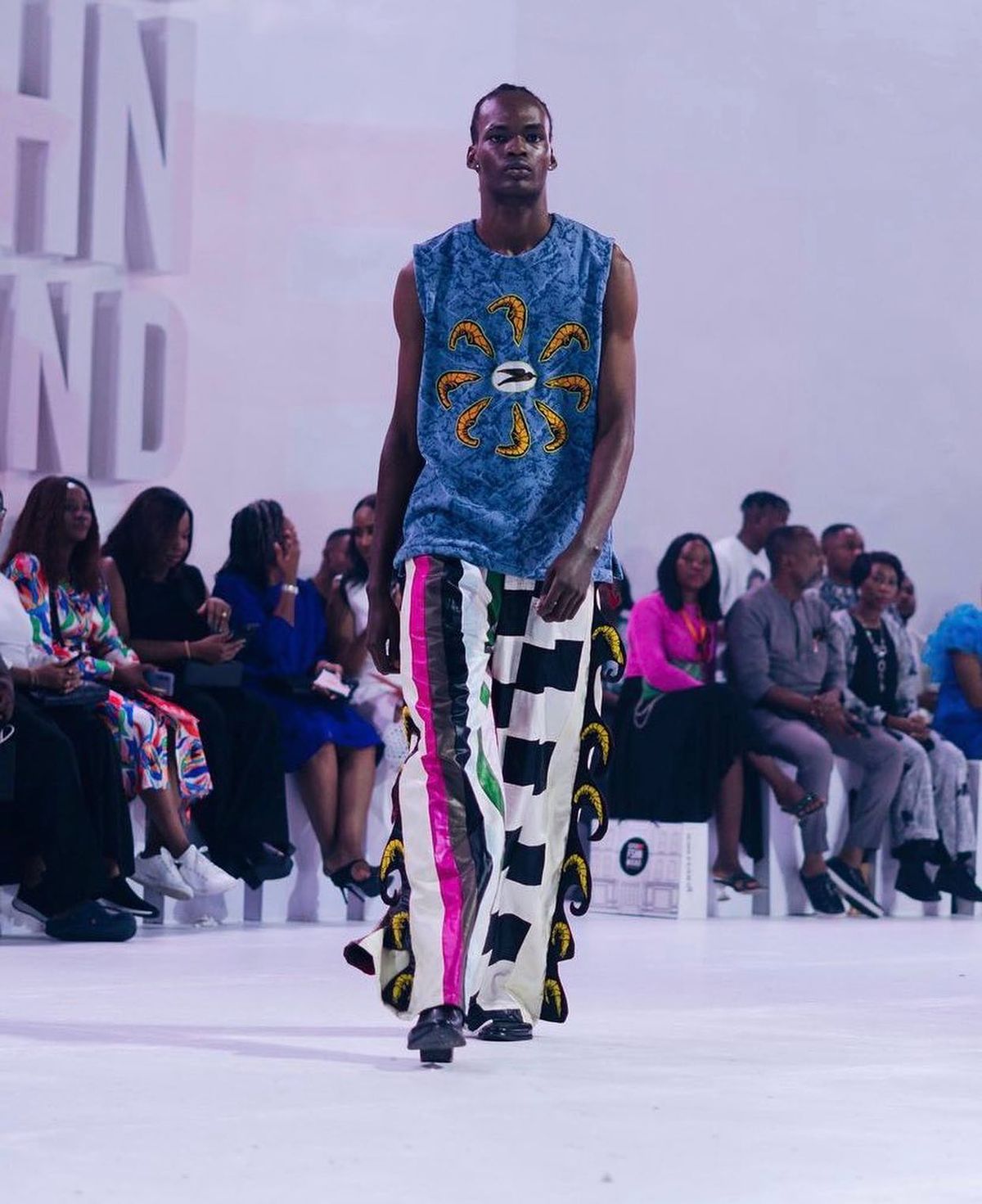
Paris Fashion Week is worth the investment for an African designer, but only under specific conditions. The designer has institutional or fund support that covers the structural cost differential, eliminating currency conversion, logistics, and team travel expenses from the brand’s balance sheet. The designer has a Paris-based PR agency or a strong enough press following to project editorial attendance reliably. The designer has wholesale relationships or buyer meetings confirmed in advance of the show, meaning the production cost is underwritten by projected order volume rather than hoped-for visibility. The designer has shown at the continental level long enough to have a documented track record that international buyers can assess.
Without at least the first and third of those conditions, showing at Paris Fashion Week is a marketing expense of $100,000 to $500,000 with uncertain commercial return. For an African brand operating on margins compressed by currency instability, local manufacturing cost structures, and logistics overhead, that expense is not a growth investment. It is a risk the brand’s domestic business must absorb.
The brands that have made Paris work, Kenneth Ize, MaXhosa Africa, Emmy Kasbit, BOYEDOE, are the ones that either had institutional support, built wholesale relationships before the show, or both. They are not evidence that Paris is affordable for African designers. They are evidence that Paris is achievable when the structural conditions are right. Those conditions require either institutional funding or a level of commercial development that most emerging African brands have not yet reached. Building toward those conditions through domestic market ownership, documented revenue growth, and the development of institutional relationships is the rational pre-Paris strategy. Showing at Paris without those foundations in place is a brand decision driven by aspiration rather than analysis.
The Omiren Argument
Paris Fashion Week functions as the international fashion industry’s credibility signal. Showing these signals to buyers, the press, and institutional investors that a brand is serious about international positioning. That signal has real commercial value. It has generated stockist relationships, institutional investment, and sustained press coverage for the African designers who have shown there successfully. The problem is not that Paris is not valuable. The problem is that the cost of accessing that value is structurally disproportionate for African designers in a way that the industry rarely acknowledges openly. A $200,000 production budget represents a fundamentally different proportion of annual revenue for a Lagos-based designer than it does for a Paris-based one. The currency exposure, logistics burden, and press infrastructure gap further multiply that disparity.
Afreximbank’s decision to underwrite Paris access for select African brands is the most honest acknowledgement the industry has made that the cost structure is broken and that individual brand economics cannot fix it. The more important strategic question, which the CANEX programme is beginning to force, is whether Paris is the most efficient use of that institutional support for every African brand, or whether targeted investment in domestic market development, smaller international platform access, and direct-to-consumer infrastructure would produce better commercial returns for a larger number of brands. The answer is not the same for every brand. The industry needs to stop treating Paris as the universal benchmark for African fashion’s global ambitions and start treating it as one of several paths available to brands at a specific stage of commercial development, rather than a rite of passage that every serious designer must attempt regardless of the cost.
Frequently Asked Questions
How much does it cost to show at Paris Fashion Week?
A fashion runway show costs at least $ 100,000 for a basic presentation. Mid-scale shows with professional production, and 15 to 20 looks run $300,000 to $500,000. Top luxury houses spend over $1 million per presentation. For African designers, these baseline figures are compounded by international flights and accommodation for a team, garment shipping and customs costs, currency conversion losses, and Paris-based PR retainer fees ranging from €3,000 to €5,000 per month. A conservative all-in budget for an emerging African designer’s Paris presentation, excluding PR retainer, runs to $150,000 to $300,000.
Which African designers have shown at Paris Fashion Week?
Kenneth Ize made his Paris Fashion Week debut in 2020 and became the first African designer to open Paris Fashion Week in October 2021. MaXhosa Africa’s Laduma Ngxokolo has shown at Paris. Emmy Kasbit held an off-site Paris Fashion Week show in 2024 to mark the brand’s tenth anniversary. BOYEDOE was among three African brands at Tranoi during Paris Fashion Week in October 2025, with support from Afreximbank CANEX. Africa Fashion Up presents a selection of African designers in Paris during each season’s Fashion Week, including the 2026 edition. Machos Africa appeared on the Paris Fashion Week Fall 2026 official calendar.
How does the Afreximbank CANEX programme support African designers in Paris?
The Afreximbank’s CANEX programme covers costs including sample shipping, showroom space fees, PR, scenography, sales support, and in some cases flights and accommodation for African designers at Paris-based trade events. In July 2025 and October 2025, CANEX supported BOYEDOE, Wuman by Chukwuma Ekwerike, Late For Work, and We Are NBO at Tranoi and Galeries Lafayette. The bank runs a $2 billion creative industries fund that underwrites export-focused initiatives for designers from Kenya, Ghana, Nigeria, and across the continent.
Is Paris Fashion Week the best international platform for African designers?
Not universally. The Africa Reimagined 2025 analysis found that some African designers are earning higher returns at smaller, less saturated events. Berlin Fashion Week awarded €20,000 each to three African brands. Copenhagen Fashion Week offers a less crowded buyer environment where African cultural specificity stands out. Africa Fashion Up provides a Paris presence without the full cost of a standalone show. Shanghai Fashion Week opened Asian distribution channels for several African brands in 2025. The right international platform depends on the brand’s stage of development, its wholesale relationships, and whether it has institutional support to absorb the structural cost differential that Paris specifically requires.
What conditions make Paris Fashion Week worthwhile for an African designer?
Paris Fashion Week generates a reasonable return for an African designer when at least two conditions are met: institutional or funding support covering the structural cost differential, and confirmed buyer meetings or wholesale relationships that indicate projected order volume before the show. Without those foundations, the investment is a marketing expense of $100,000 to $500,000 with uncertain commercial return. The brands that have made Paris work, Kenneth Ize, MaXhosa Africa, Emmy Kasbit, BOYEDOE, either had institutional support, pre-existing buyer relationships, or both. They are not evidence that Paris is affordable at the emerging stage. They are evidence that it is achievable when the commercial conditions are right.
Explore More
Read the full Industry section for strategy, investment analysis, and business intelligence across the African fashion economy.