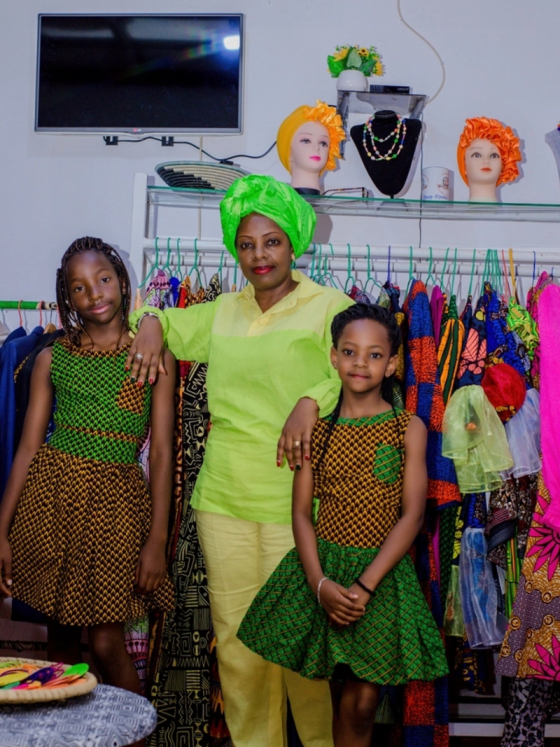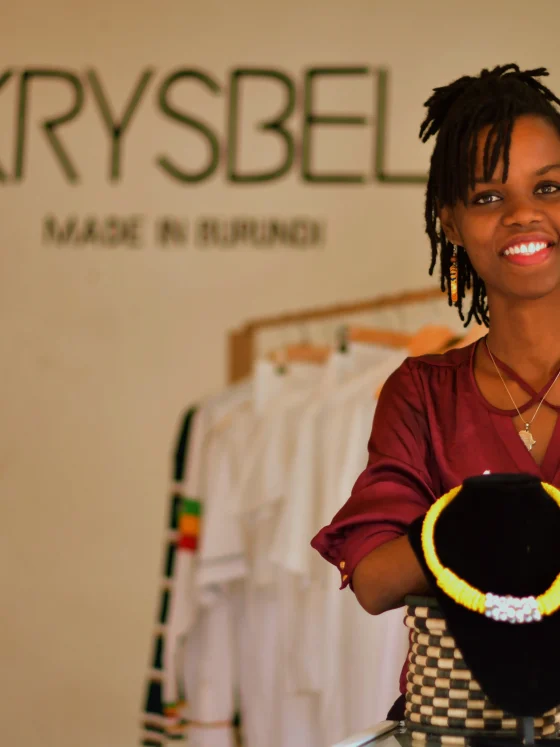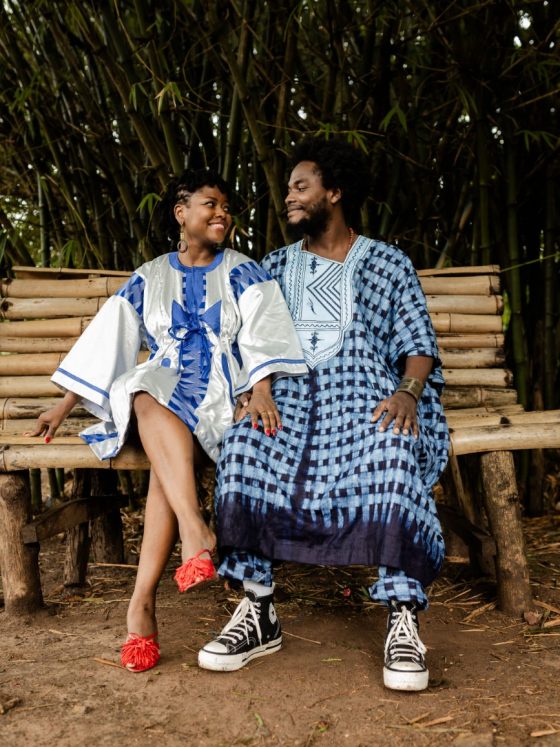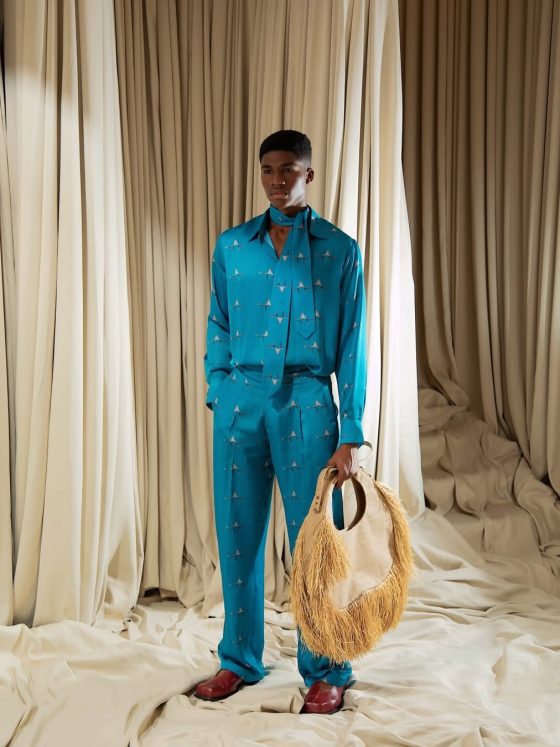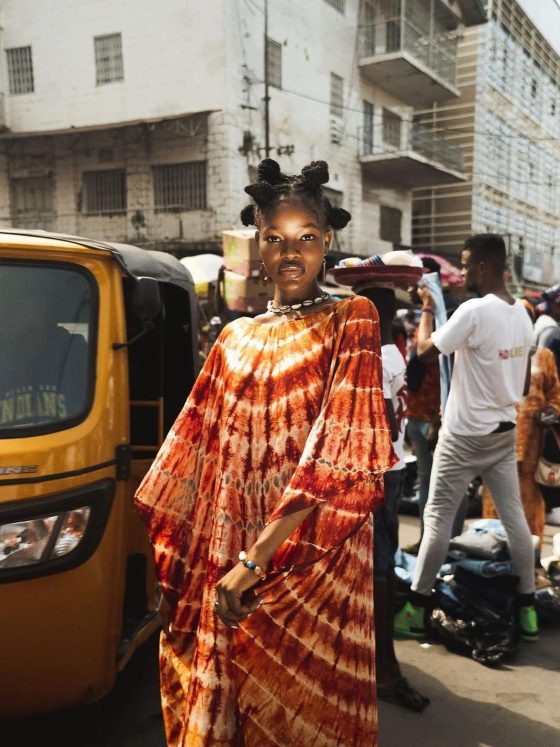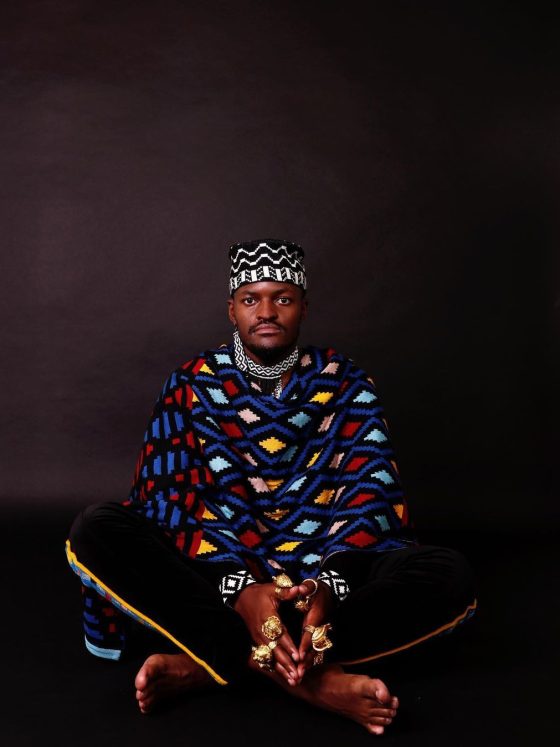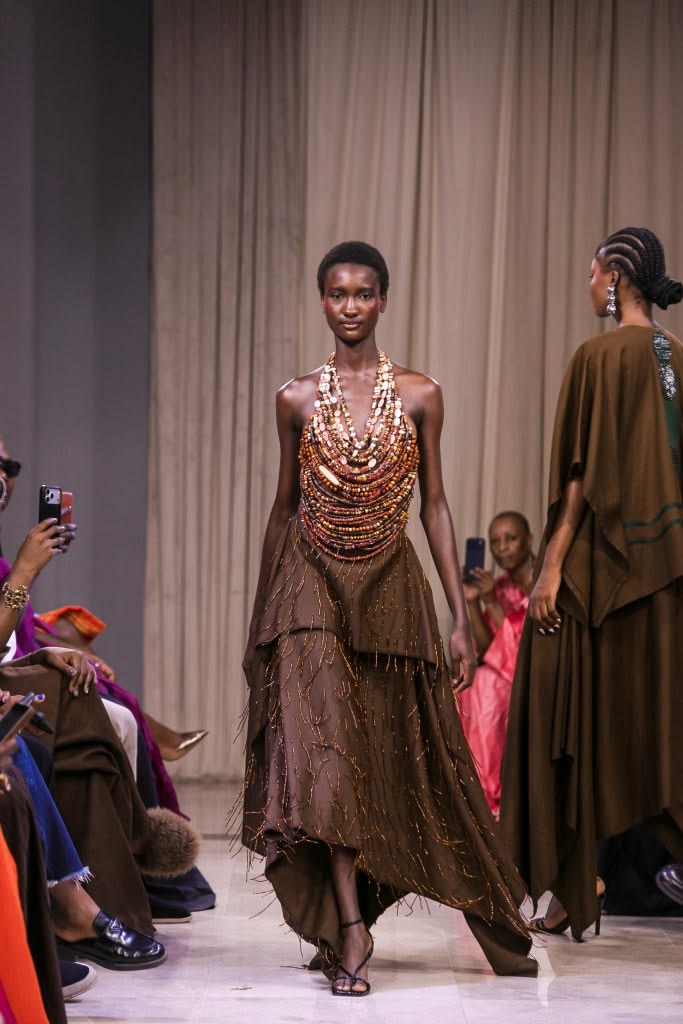
By fusing traditional symbolism, ceremonial textiles, tailoring culture, and contemporary design aesthetics into apparel that reflects both heritage and current identity, Beninese designers are transforming contemporary African fashion. In the Benin Republic, fashion has never been limited to ceremonial settings. It has always evolved through trade, migration, religion, craftsmanship, and cultural adaptation. By converting historical allusions into modern fashion language, today’s designers carry on that evolution.
This shift is significant because African designers are still often forced to choose between tradition and modernity, as if they were mutually exclusive. Beninese fashion creatives increasingly reject that framework entirely. Their work demonstrates that African fashion can remain culturally grounded while also being experimental, urban, luxurious, minimalist, contemporary, and globally relevant simultaneously.
Benin Republic designers operate in a nation where apparel has long held significant social significance. Indigenous textiles, embroidery, beadwork, royal court customs, ceremonial dressing systems, and tailoring techniques all influenced how identity was expressed through fashion. To create silhouettes appropriate for contemporary African cities, international runways, and digital fashion culture, contemporary designers continue to draw on those traditions.
In particular, Cotonou is crucial to this evolution. The city’s markets influence fashion’s social development, tailoring shops, music scenes, nightlife culture, and creative industries. Benin’s young designers are increasingly blending traditional craftsmanship with modern youth aesthetics without considering either culturally superior.
The diaspora has also influenced this change. Beninese creative culture was exposed to new fashion systems, luxury aesthetics, and international design discussions through connections with Benin, France, Nigeria, Ghana, and larger Afro-diasporic communities. However, local designers frequently use cultural allusions that are unique to Beninese culture to reinterpret those influences.
In the end, Beninese designers reflect a generation that rejects oversimplified notions of African fashion. Tradition is a dynamic archive, as their work demonstrates. It is material that is constantly transformed by modern creativity.
Beninese designers are blending traditional textiles, tailoring, symbolism, and contemporary fashion into modern African design culture.
Beninese Designers Use Traditional Culture as Creative Material
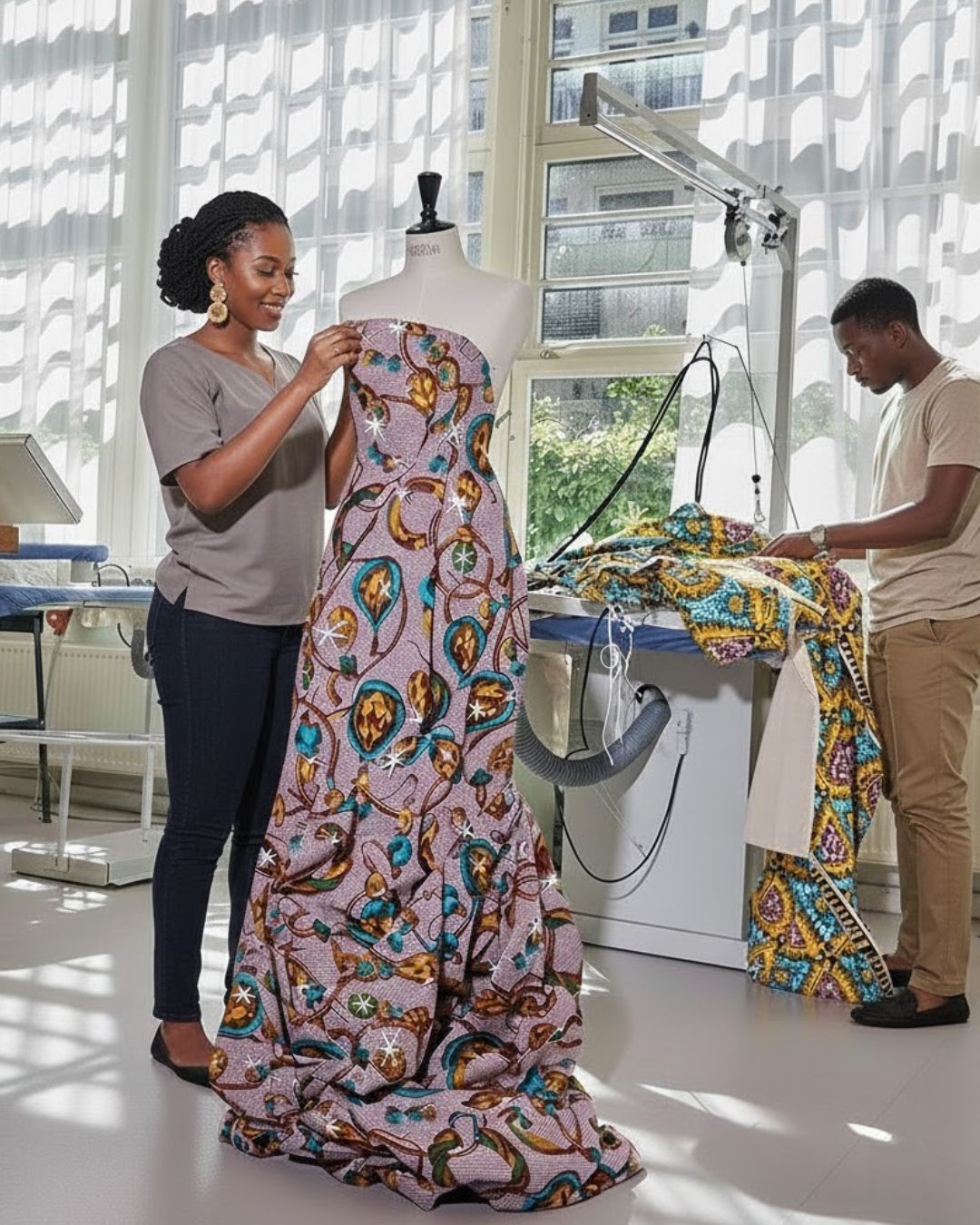
Beninese designers are increasingly viewing traditional culture as living creative material that can be adapted to modern fashion systems rather than as nostalgia. Their creations are part of a larger trend in African fashion, where designers no longer distinguish between innovation and heritage.
In the past, Benin Republic fashion customs have had social, political, and spiritual significance. Communities were able to clearly communicate their identities through symbolic colours, ceremonial fabrics, embroidery traditions, and royal attire. These historical components are now reinterpreted by contemporary designers using luxury construction methods, tailored structures, and contemporary silhouettes.
This reinterpretation can be found in various design methodologies. Some creatives incorporate indigenous textiles into modern dresses, jackets, and oversized tailoring. Others use colour schemes, beadwork, hand embroidery, or sculptural clothing design influenced by ceremonial dressing customs to allude to historical symbolism.
Long before contemporary fashion industries tried to commercialise African aesthetics internationally, fabrics historically conveyed authority, spirituality, and social belonging, according to our analysis of textile traditions in the Benin Republic.
Additionally, young Beninese designers are increasingly fusing modern streetwear influences with historical allusions. Besides ceremonial-inspired tailoring, there are sneakers. Handwoven details and indigenous craftsmanship coexist with oversized silhouettes; therefore, rather than a rigid division between the old and the new, modern fashion in Benin reflects cultural layering.
Because of its adaptability, Beninese fashion can maintain its uniqueness while still being modern. Designers reject the notion that in order to be relevant, contemporary African fashion must mimic Western luxury aesthetics or European minimalism.
African designers are increasingly treating African cultural identity as a central creative authority rather than a decorative inspiration, as evidenced by African brands like Tongoro and Hanifa.
Therefore, rather than just preserving African fashion, Beninese designers also contribute to it through reinterpretation.
Contemporary Fashion in Benin Is Built Through Tailoring and Entrepreneurship
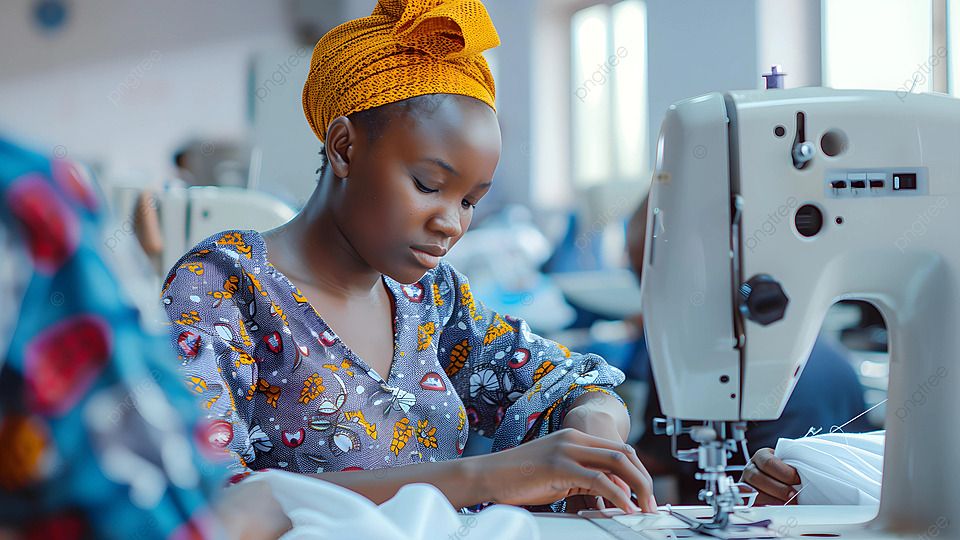
Due to the ongoing structural development of the nation’s fashion industry, Beninese designers frequently work in multiple creative and commercial roles concurrently. In regional fashion ecosystems, many creatives work as tailors, creative directors, entrepreneurs, stylists, marketers, and educators in addition to designers.
In Benin’s fashion industry, tailoring remains crucial. Because fitted clothing conveys professionalism, celebration, visibility, and personal identity in a variety of social contexts, custom-made apparel continues to have significant cultural and social value. As a result, modern designers often come straight out of the tailoring culture.
The relationship between fashion entrepreneurship and tailoring shapes the way contemporary Beninese brands operate. Instead of depending solely on industrial manufacturing systems, designers create businesses through custom commissions, social media campaigns, fashion photography, runway events, entertainment partnerships, and direct client relationships.
This process has been greatly altered by digital culture. Beninese creatives can now exhibit collections globally while staying true to local fashion culture thanks to Instagram, TikTok, and modern fashion photography. Through online narratives about music, nightlife, urban fashion, and Afrocentric identity, young designers are becoming increasingly visible.
This development is also greatly aided by Cotonou’s creative atmosphere. Designers experiment with modern aesthetics, influenced by local urban life, in spaces shaped by street markets, music culture, nightlife scenes, youth fashion communities, and tailoring workshops.
In our analysis of contemporary street fashion in Benin, urban youth similarly used clothing as a form of cultural participation and social visibility. This relationship between youth culture and fashion entrepreneurship reflects broader developments in West Africa.
This entrepreneurial adaptability is becoming increasingly evident in modern African brands on a global scale. African designers are now combining storytelling, business innovation, tailoring, and cultural identity, as evidenced by labels like Orange Culture and Ashluxe.
Therefore, Beninese designers contribute to African fashion through institution-building in emerging creative economies, as well as through aesthetics.
ALSO READ:
Beninese Designers Challenge Simplified Ideas About African Fashion
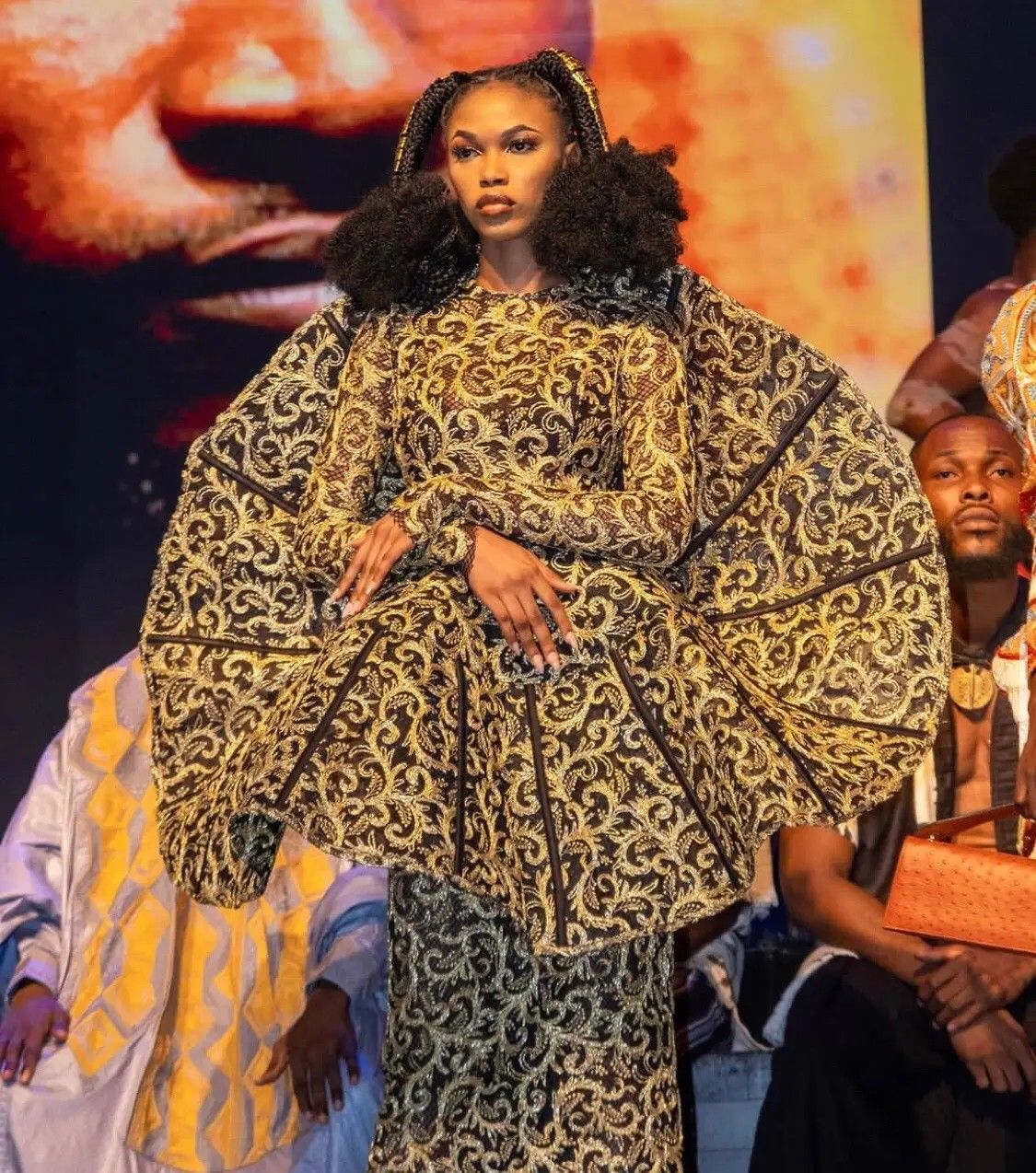
Because their work challenges the expectation that African creativity must appear culturally predictable to international audiences, Beninese designers are increasingly challenging global assumptions about African fashion.
International fashion industries frequently reduce African design to stereotypes based on prints, heritage symbolism, or oversimplified notions of tradition. By simultaneously creating works that span luxury tailoring, streetwear, minimalist design, ceremonial reinterpretation, conceptual fashion, and modern urban aesthetics, Beninese creatives subvert those expectations.
Some designers draw on ceremonial inspiration, indigenous textiles, and embroidery to clearly highlight historical references. Others keep their work rooted in Beninese culture while concentrating on contemporary silhouettes, monochromatic colour schemes, or experimental clothing structures. Because African fashion is not unique, both strategies remain equally African.
This distinction is important because African designers are still often under pressure to create identifiable cultural imagery to gain international approval. By claiming that African creativity encompasses experimentation, abstraction, modernity, and global conversation without necessitating cultural simplification, Beninese fashion is increasingly resisting this pressure.
Additionally, young designers in the Benin Republic are increasingly rejecting the notion that creative value is solely determined by international visibility. Long before international recognition enters the conversation, fashion is still closely linked to weddings, festivities, nightlife, music culture, and everyday social identity in local communities.
Our analysis of traditional clothing systems throughout the Benin Republic, where clothing has historically conveyed authority, power, and belonging within local society, also highlights the conflict between local significance and global visibility.
Therefore, by proving that modern African identity cannot be reduced to nostalgia or Western approval, Beninese designers expand contemporary African fashion. Their art reflects societies that are already independently creating sophisticated contemporary culture.
African designers are increasingly positioning African identity as a source of creative authority rather than cultural reference material for global interpretation, as demonstrated by brands like Daily Paper and Boyedoe.
In the end, Beninese designers are important because they are changing how African fashion sees itself.
The Omiren Argument
Beninese designers are frequently portrayed as striking a balance between tradition and modernity, but their creations actually demonstrate that African fashion never separated the two in the first place.
Global fashion industries often characterise African designers through dichotomies that associate traditional culture with the past and modern fashion with advancement. The way African fashion systems have historically changed due to migration, trade, adaptation, and ongoing cultural reinvention is misunderstood by that framework.
Beninese designers explicitly oppose that division. Without treating any of those components as culturally incompatible, they blend indigenous symbolism, tailoring culture, ceremonial allusions, streetwear influence, luxury aesthetics, and digital creativity. Instead of preserving heritage, their work reflects living culture.
The way that African fashion is perceived globally is altered by this distinction. African designers are not updating static traditions for a global audience. They are carrying on a long-standing cultural evolution that predates attempts by international fashion systems to classify African creativity.
Thus, Beninese designers are more than just modern talent. Through experimentation, craftsmanship, entrepreneurship, and cultural confidence based on local identity rather than outside expectations, they show how African fashion continues to redefine itself internally.
Frequently Asked Questions (FAQs):
- Who are Beninese designers?
Beninese designers are fashion creatives from the Benin Republic working across tailoring, luxury fashion, contemporary Afrocentric design, streetwear, and cultural storytelling rooted in Beninese identity.
- How do Beninese designers use traditional culture in fashion?
Many Beninese designers incorporate indigenous textiles, embroidery, ceremonial symbolism, beadwork, tailoring traditions, and historical references into modern garments and contemporary fashion collections.
- Does youth culture in the Benin Republic influence fashion?
Yes. Urban youth culture, music scenes, nightlife, social media, and streetwear aesthetics strongly influence contemporary fashion development in cities such as Cotonou and Porto-Novo.
- Why is tailoring important in Beninese fashion?
Tailoring remains important because custom-made clothing carries strong social value in the Benin Republic. Many designers emerge directly from tailoring culture and continue building businesses through made-to-measure fashion systems.
- Why are Beninese designers important to African fashion?
Beninese designers expand contemporary African fashion by blending craftsmanship, entrepreneurship, cultural symbolism, and modern aesthetics into design work rooted specifically in Beninese experience and identity.
EXPLORE MORE
Omiren Styles covers Afrocentric fashion, African creative industries, textile heritage, and contemporary design culture through editorial focused on identity, craftsmanship, urban life, and cultural transformation.
Explore more research-driven analysis on African designers, textile heritage, urban fashion, and Afrocentric creative industries at Omiren Styles.