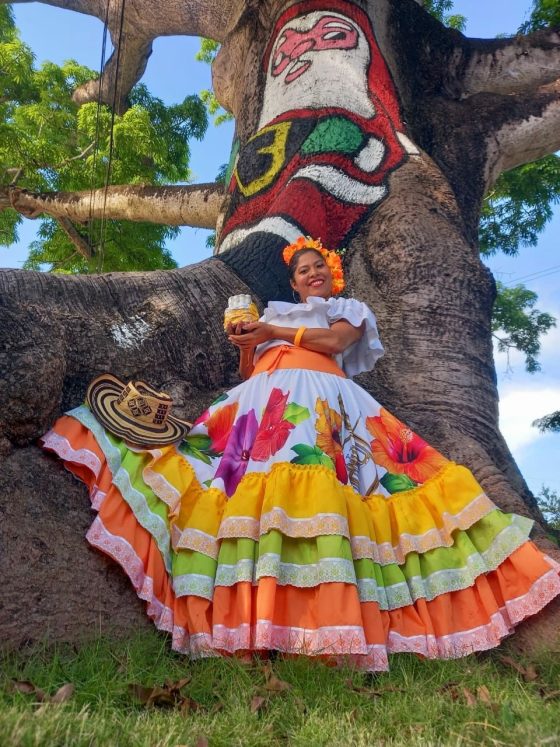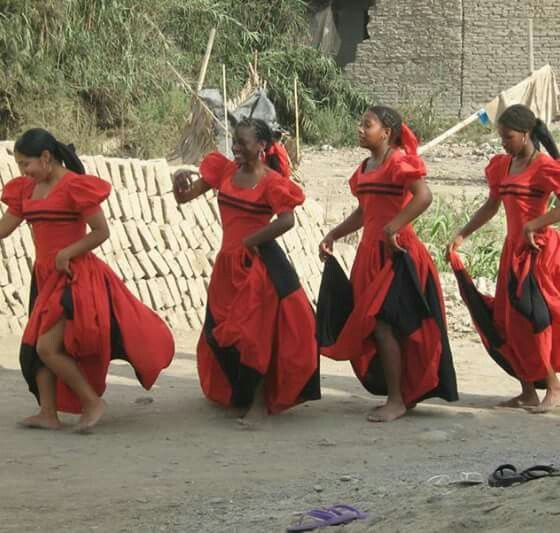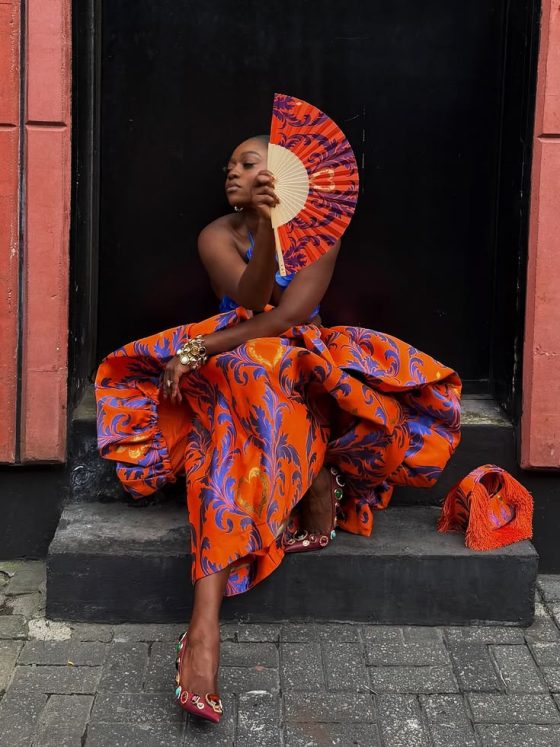
When São Paulo Fashion Week organised an editorial spotlighting designers from across Brazil’s regions, it selected four designers from Salvador, the city where more than 90 per cent of the population identifies as Black or Brown and whose cultural fabric is embedded with West African influence. None of the four was a Black woman. Salvador is home to two of Brazil’s most recognised Afro-Brazilian designers, Goya Lopes, who has been designing for more than thirty years, and Carol Barreto, the first Afro-Brazilian designer to show at Black Fashion Week in Paris. Neither was invited.
This is not an isolated oversight. It is the structural pattern that this piece exists to name.
Afro-Latin couture is often treated as a style category when it should be treated as a historical correction. African lineages have always shaped Latin American fashion, but they remain underreported, undercredited, and too often pushed to the margins of official fashion narratives. That is the real story here. Not just that Afro-Latin designers exist, but that the systems deciding what counts as Latin American fashion still often fail to name the African histories inside it fully.
When Sao Paulo Fashion Week profiled designers from across Brazil’s regions in a major editorial, no Black female designer from Salvador was included, despite two of the country’s most recognised Afro-Brazilian designers working there. This is what gets erased when institutions skip the lineage.
What Afro-Latin Couture Means
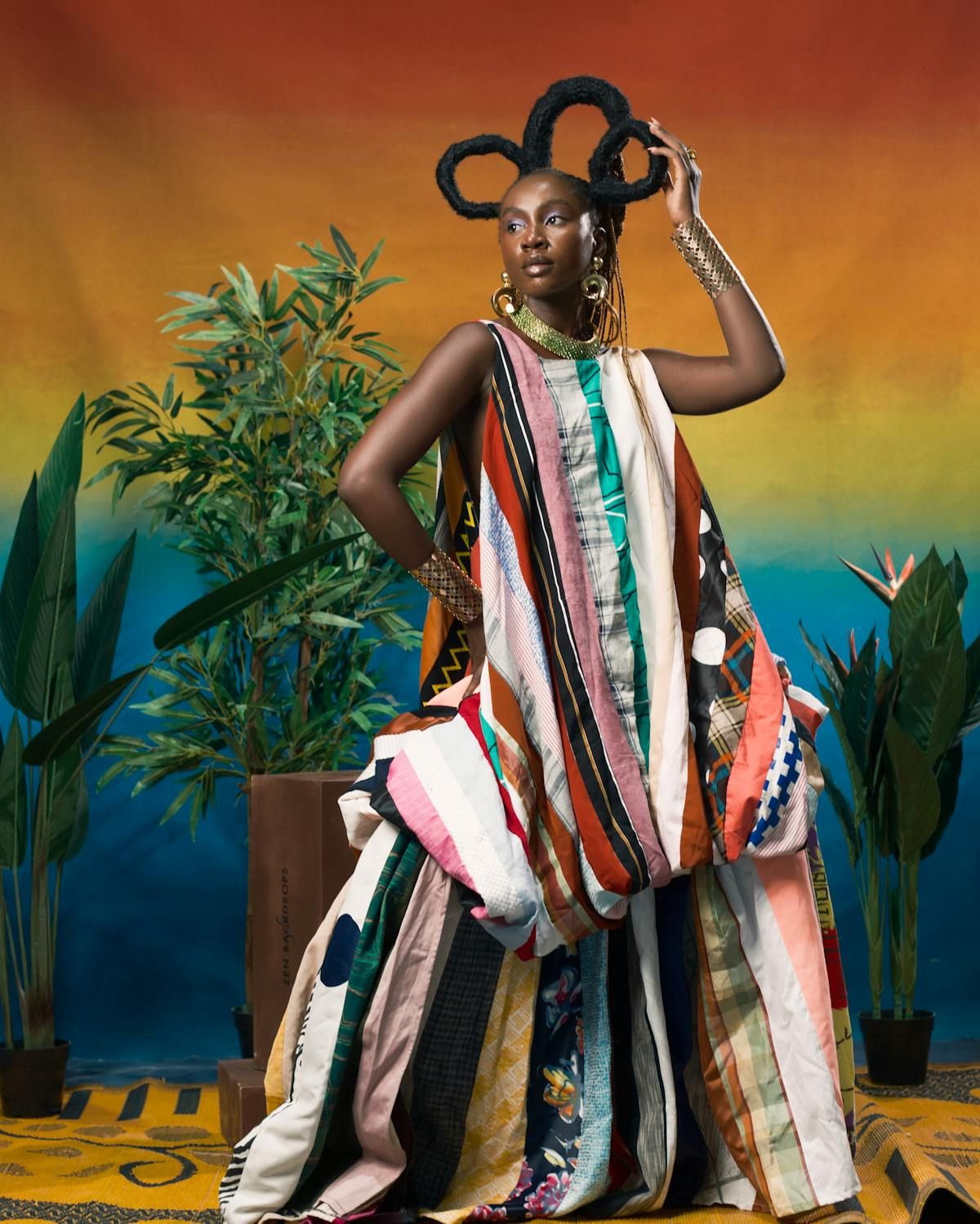
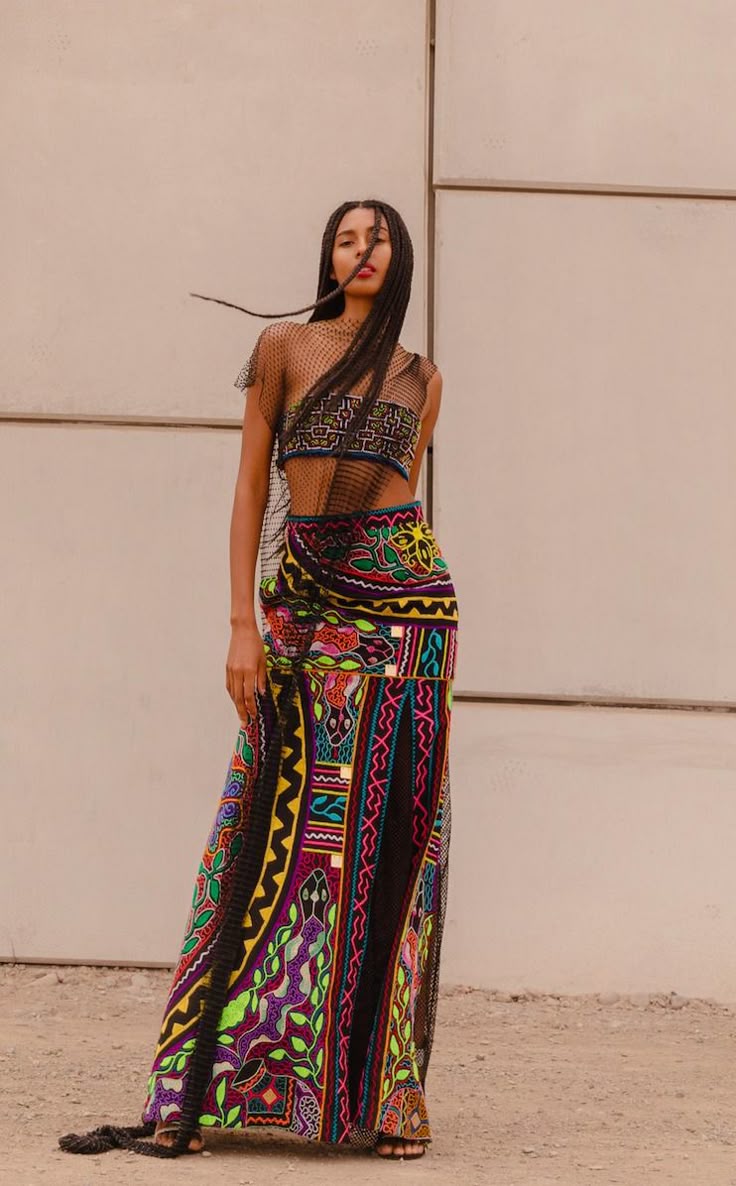
Afro-Latin couture refers to luxury and high-fashion work shaped by African-descended identity in Latin America and the Caribbean. It includes designers, textile traditions, aesthetics, and cultural codes that emerge from African heritage as it has been transformed through slavery, migration, resistance, and survival.
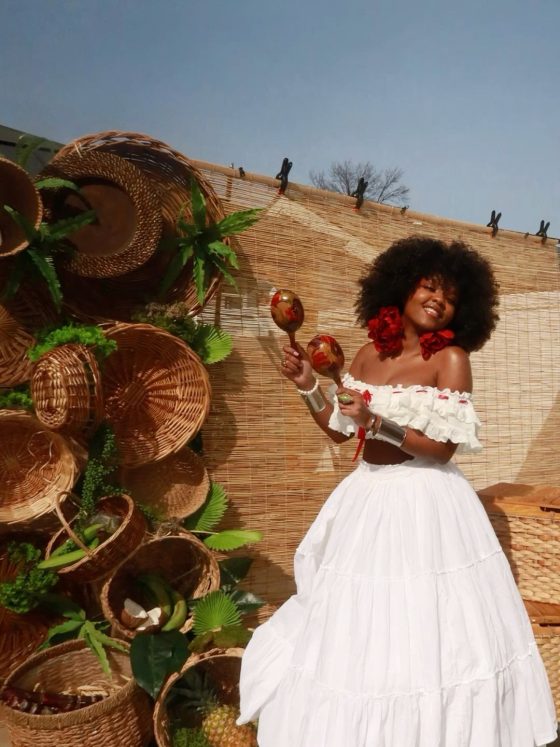
This is not a niche term. It describes a major part of Latin America’s fashion memory. In Bahia, Brazil, the Baiana de Acaraje dress, a white layered skirt and headwrap worn by women who sell acaraje in Salvador’s streets and lead Candomble ceremonies in the terreiros, is, as Omiren Styles has documented, a West African dress that has survived. The Pano da costa cloth used in the costume traces directly to alaka cloth from the Ivory Coast, carried on the bodies of enslaved women who arrived with no clothing of their own and were sold wrapped in it. Yoruba, Dahomey, Ewe-Fon, and Bantu textile, beadwork, weaving, and dyeing knowledge did not disappear in the crossing. It was rebuilt in Bahia and is still worn there today by women whose ancestors brought the knowledge with them.
The problem is that fashion language often isolates Latin identity from Blackness, as though the two were separate stories. They are not. Afro-Latin couture names the overlap that official systems have too often flattened. That overlap matters because fashion is never only about design. It is also about who gets remembered as belonging to the culture that produced the design.
ALSO READ
- The Rise of Afro-Brazilian Fashion Designers and Their African Roots
- Meiling: The Trinidad Designer Who Built a Minimalist Language From Caribbean Sensibility
- Edvin Thompson of Theophilio: How Jamaican Dancehall Built a New York Fashion Week Collection
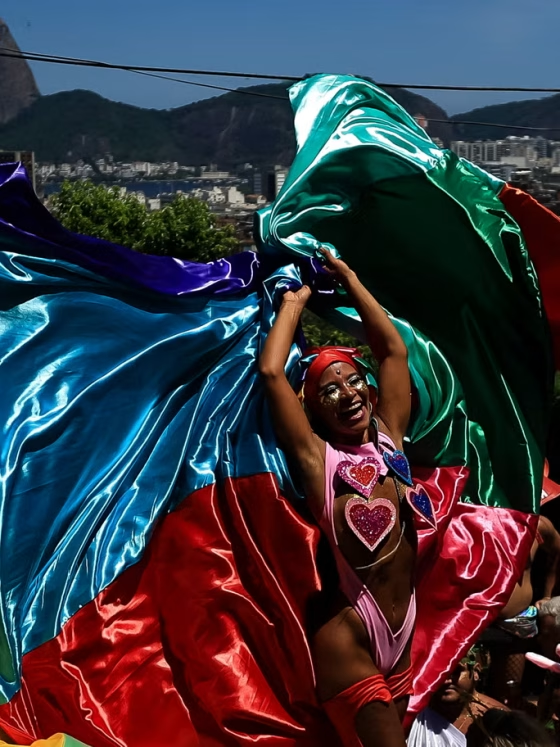
- African Origins of Carnival Costume
Why the Lineages Are Underreported
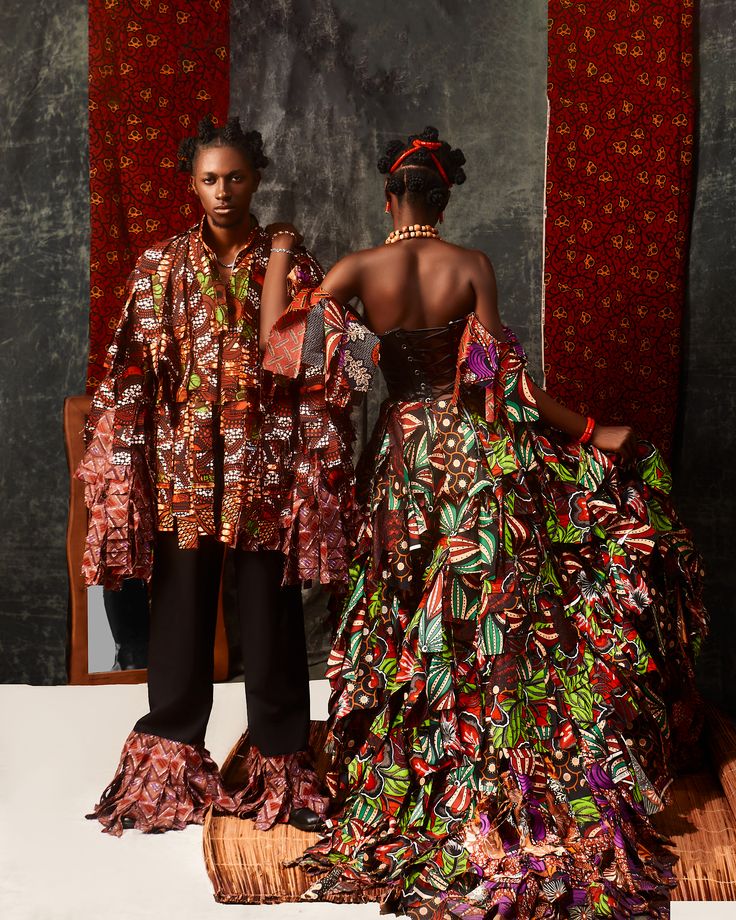
The omission from São Paulo Fashion Week is not an accident of editorial scheduling. It reflects a documented historical pattern of suppression. White elites in Brazil banned African-coded clothing and accessories from public spaces between 1905 and 1913. Police raided Candomble terreiros and confiscated sacred objects throughout the twentieth century. Designer Goya Lopes, who has worked in Salvador for more than three decades, described the institutional starting point directly: ‘When I first started, no one was interested in Afro-Brazilian fashion outside of the Afro-Brazilian bands in Carnival and the people who take part in the religious ceremonies of Candomble. It wasn’t even called Afro-Brazilian fashion, but Afro or Afro-Bahia.’ The naming itself was a containment strategy: confine the work to Carnival and religion, and it never has to be discussed as fashion at all.
Renato Carneiro, founder of Katuka Africanidades and Mercado Negro in Salvador, sources his fabric directly from Nigeria, Senegal, and Benin, putting the same Yoruba cloth that enslaved people wore to Salvador in the 1700s back onto the bodies of Black Bahians today. ‘I wanted to create a place that affirmed the plurality of all our lives when it comes to things like identity and sexuality,’ he has said. ‘A place that focused on the heritage of Afro-Brazilians, people in the diaspora and in Africa.’ This is not metaphorical restoration. It is literal: the same textile route, the same Yoruba cloth tradition, brought back across the Atlantic by a designer working from the same city where it first arrived in chains.
Part of the problem is classification. Latin American fashion is often presented through national identity first and racial history second, which hides the African component inside broader regional branding. That makes African lineage feel optional when it is actually foundational. Another problem is authority. The Sao Paulo Fashion Week editorial that excluded Goya Lopes and Carol Barreto from a feature specifically about regional Brazilian design demonstrates the mechanism precisely: visibility was extended to the region, Salvador, but not to the specific designers whose work makes that region’s fashion identity legible as African in origin.
Visibility without authorship is not enough.
What True Visibility Looks Like
True visibility is not a symbolic mention. It is structural recognition. It means clearly naming African ancestry, crediting Afro-Latin designers as central rather than peripheral, and placing Black cultural history within the main story of Latin American fashion.
It also means changing who writes the narrative. Carol Barreto’s status as the first Afro-Brazilian designer to show at Black Fashion Week in Paris is a fact that belongs inside the central history of Brazilian fashion, not filed separately as an Afro-Brazilian achievement adjacent to it. The same logic applies across the region. The same pattern of African-descended fashion knowledge surviving suppression and resurfacing as a distinct design language appears in Trinidad’s Carnival couture tradition and Jamaica’s dancehall-rooted fashion innovation, both documented elsewhere in the Omiren Latin American and Caribbean canon. In practical terms, true visibility means better archival language, more precise exhibition notes, more accurate designer biographies, and more serious attention to Black craft traditions across the region. It also means stopping the habit of describing Afro-Latin aesthetics as inspired by Africa when the relationship, as with the Baiana dress and the pano da costa cloth, is not inspiration. It is an unbroken transmission.
True visibility is not just about being seen. It is about being described accurately, remembered accurately, and positioned honestly within the region’s history.
ALSO READ
- The Aso-Ebi Economy: How Nigerian Celebration Culture Is Funding a Global Fashion Industry
- African Textile Museums: Preserving Memory in an Age of Fast Fashion
- How African Identity Is Styled Differently Across Continents
- The Diaspora Did Not Preserve African Style. It Redesigned It.
Why This Matters Now
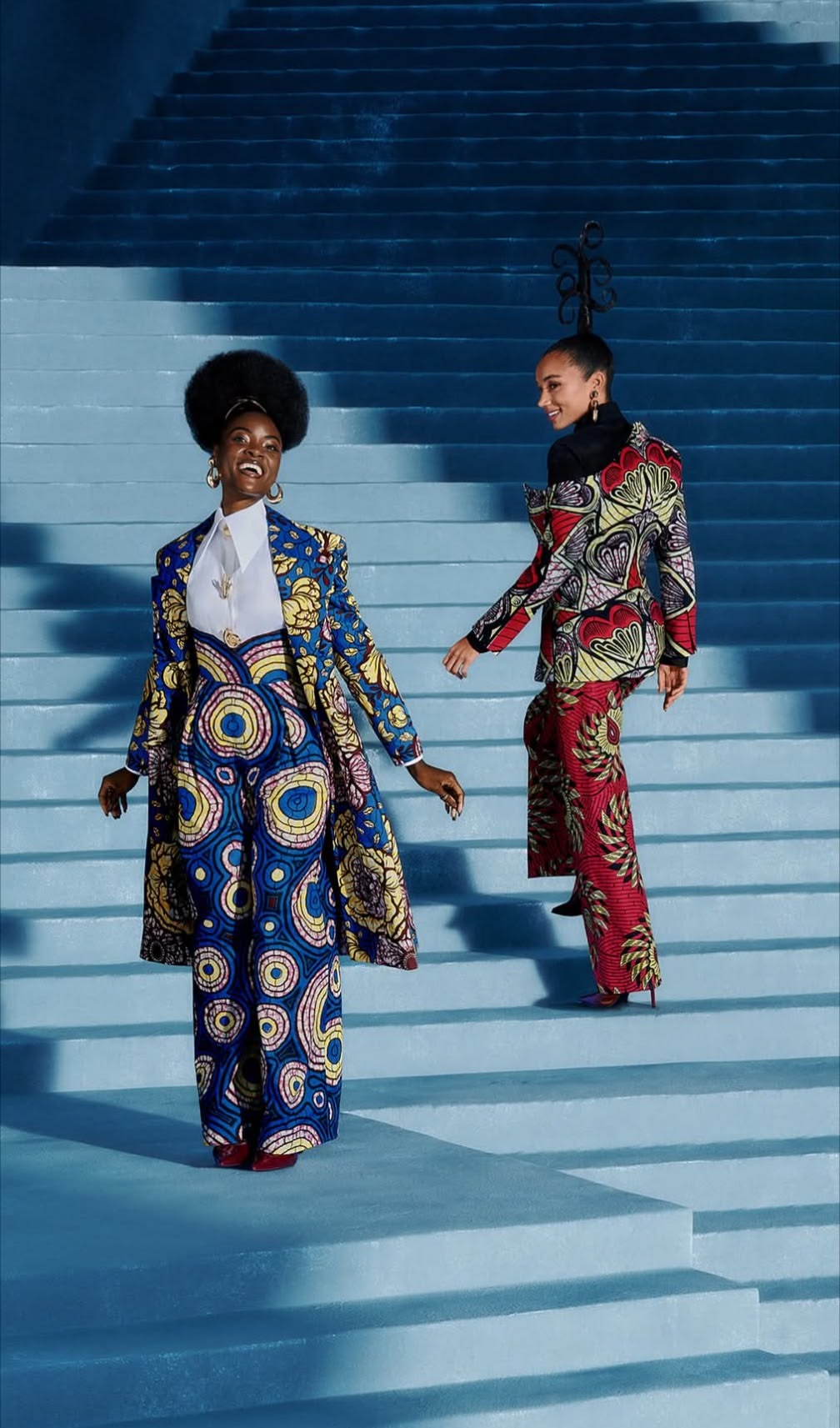
This conversation matters now because global fashion is increasingly interested in heritage, identity, and authenticity. But authenticity becomes meaningless if institutions keep skipping the African histories that make Latin American fashion what it is.
Afro-Latin couture offers a necessary challenge to the fashion world. It says that culture is not cleanly divided by language or geography. It says that Africa lives in the silhouettes, rituals, and style systems of Latin America in ways that deserve full recognition. The Baiana dress, the pano da costa cloth, and the Candomble terreiro dress codes that Goya Lopes, Carol Barreto, and Renato Carneiro work from and within are not a regional Brazilian curiosity. They are West African textile, religious, and craft knowledge that survived the Middle Passage, survived a 1905 to 1913 ban on African-coded public dress, survived twentieth-century police raids on sacred sites, and is now being worn on a Sao Paulo runway by designers the runway’s own editorial team did not think to invite.
The opportunity here is not only corrective. It is creative. Once African lineages are properly named, the fashion world gains a fuller, richer understanding of the region’s design intelligence. Afro-Latin couture exposes a familiar failure in fashion institutions: the tendency to celebrate the result while underreporting the African lineages that made the result possible. Latin American fashion is not separate from Black history, and any council or cultural system that treats it as if it were is leaving out part of the truth.
Omiren’s position is simple: visibility is not real without lineage, and lineage is not optional if you want to understand fashion correctly. Afro-Latin couture deserves to be named not as an edge case, but as part of the region’s central fashion story.
FAQs
What is Afro-Latin couture?
Afro-Latin couture is high-fashion work shaped by African-descended identity and heritage in Latin America and the Caribbean. In Brazil, it includes the Baiana de Acaraje dress tradition of Salvador, Bahia, built on the pano da costa cloth carried from the Ivory Coast by enslaved women, and the work of designers like Goya Lopes, Carol Barreto, and Renato Carneiro, who source textiles directly from Nigeria, Senegal, and Benin to reconnect Black Brazilian fashion to its Yoruba, Dahomey, Ewe-Fon, and Bantu origins. It is not an African-inspired design. It is an African design, rerouted through centuries of survival in the Americas.
Why are African lineages underreported in Latin American fashion?
Because institutions often prioritise national or regional identity while under-naming Black and African-descended history. A documented example: when Sao Paulo Fashion Week organised an editorial spotlighting designers across Brazil’s regions, four designers from Salvador, Bahia, were chosen, and none was a Black woman, despite Salvador being home to Goya Lopes and Carol Barreto, two of Brazil’s most recognised Afro-Brazilian designers. This pattern has historical roots: Brazilian authorities banned African-coded clothing and accessories from public spaces between 1905 and 1913, and police raided Candomble terreiros and confiscated sacred religious and dress objects throughout the twentieth century.
Why does this matter?
Because it affects who gets credited, archived, funded, and remembered in fashion history. Carol Barreto was the first Afro-Brazilian designer to show at Black Fashion Week in Paris, a fact that belongs in the central narrative of Brazilian fashion achievement, not filed separately as a niche Afro-Brazilian milestone. When institutions like fashion weeks and exhibition curators omit the specific designers and specific historical transmission routes (the pano da costa cloth, the Yoruba textile knowledge, the Candomble dress codes) behind Latin American fashion’s African lineage, they shape public understanding of who actually built the region’s visual culture.
What would true visibility look like?
It would mean naming African ancestry clearly rather than describing Afro-Latin aesthetics as merely inspired by Africa. It would mean including designers like Goya Lopes and Carol Barreto in regional editorials on the cities where they have worked for decades, rather than excluding them from the very feature meant to represent their city. It would mean archival language, exhibition notes, and designer biographies that trace specific textile routes, like the pano da costa from the Ivory Coast to Bahia, rather than describing the result as generically Afro-Brazilian without explaining the specific transmission. True visibility means structural inclusion in who tells the story, not only in who appears in the photograph.
Why is this an Omiren topic?
Because it reveals how African heritage is often hidden inside Latin American fashion, even when it is central to the culture’s visual identity, the Latin American dimension of the Omiren tri-regional mandate, alongside Africa and the Caribbean, requires the same documentary standard Omiren applies to Southern African dress traditions and West African designers: name the people, name the institutions, name the specific historical transmission, and treat the African lineage as the central story rather than a footnote. The Sao Paulo Fashion Week omission of Goya Lopes and Carol Barreto is the same structural failure Omiren has documented across the Zimbabwe series and the Southern Africa standalone series: visibility extended to a place, withheld from the specific people who made that place’s culture legible.