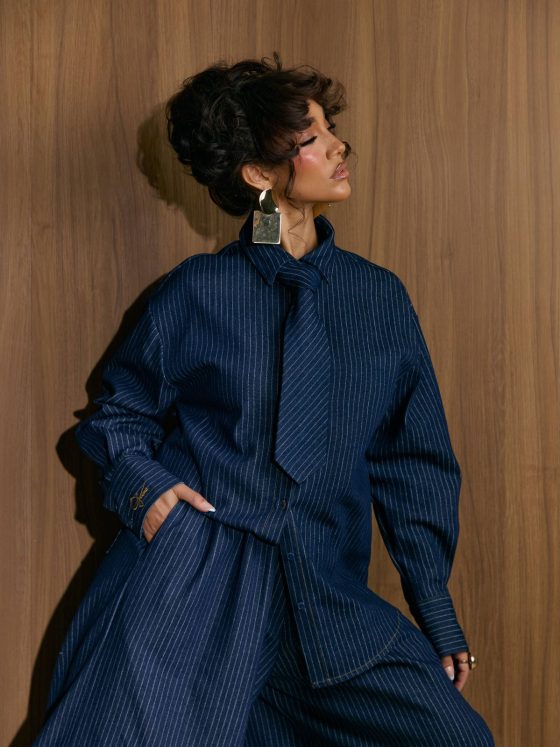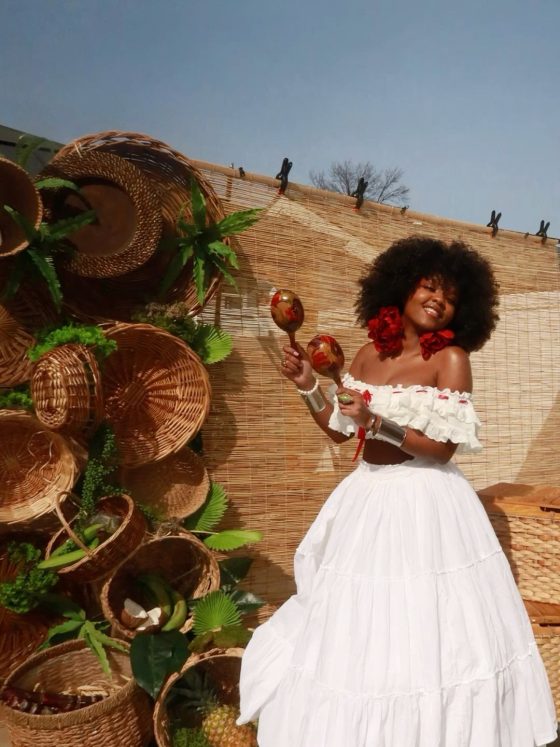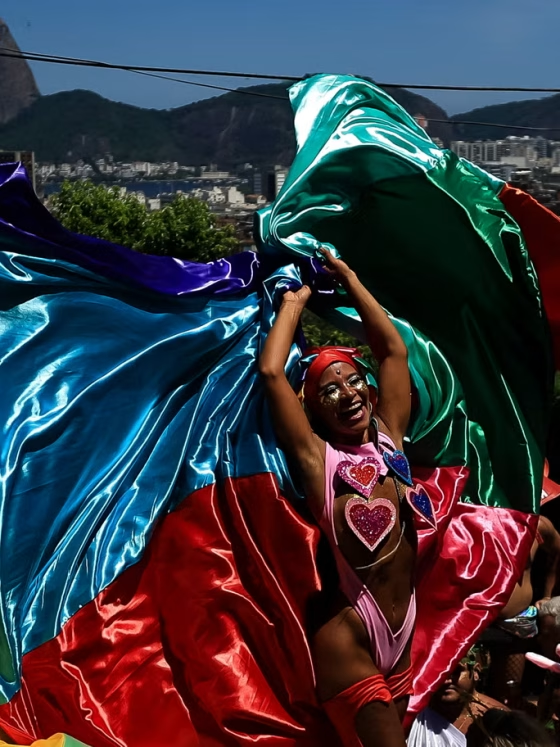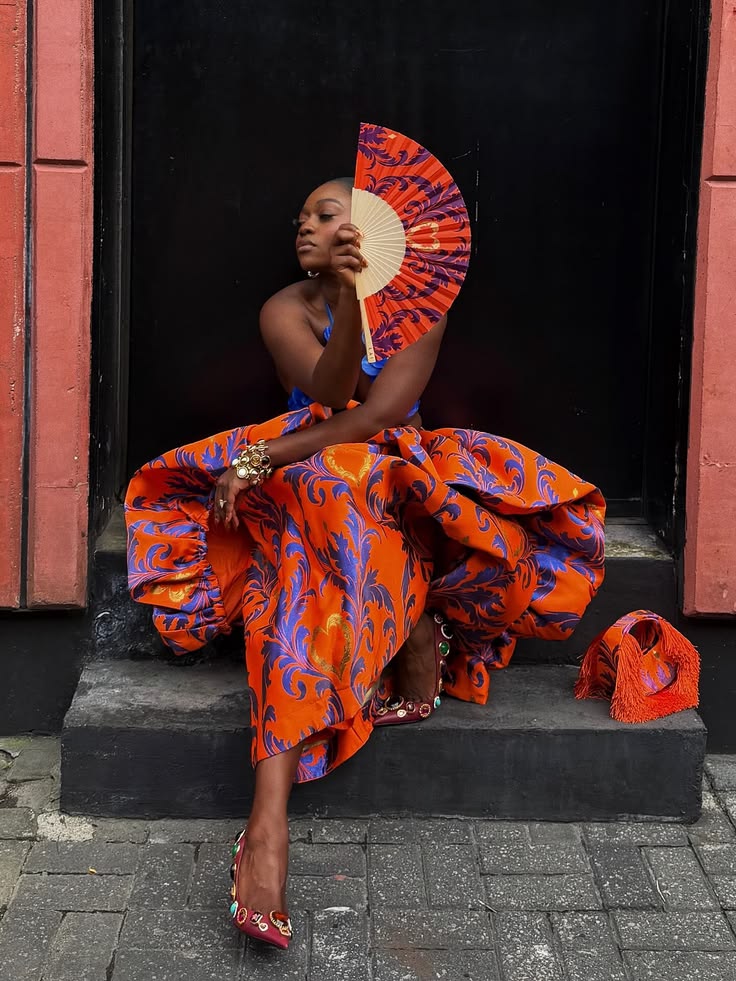
Afro-Venezuelan fashion does not have a fashion week. It does not have a Vogue feature, a Net-a-Porter stockist, or an international press infrastructure. What it has is something considerably more durable: a dress culture built over centuries in the coastal communities of Barlovento, Vargas, Aragua, and Carabobo, rooted in the tambor ceremonial tradition, the Maria Lionza spiritual practice, and the specific aesthetic inheritance of Kongo-descended communities who maintained their visual vocabulary through slavery, colonial suppression, and into the present. And increasingly, it has a diaspora: the largest migration crisis in the history of Latin America has scattered more than 7.7 million Venezuelans across South America, North America, and Europe since 2015, and with them has gone the cultural knowledge, the dress practices, and the Afro-Venezuelan aesthetic tradition that the fashion press has never covered.
The question this article addresses is not whether Afro-Venezuelan fashion exists. It does, with a documented history and a living contemporary practice. The question is what happens to it now: as the communities that carry it are dispersed across three continents, as digital platforms create new infrastructure for cultural transmission, and as diaspora organisations in Brooklyn, Bogotá, Lima, and Santiago work to keep the ceremonial dress traditions, the craft knowledge, and the visual identity of Afro-Venezuelan culture alive outside the geography that produced them. The future of Afro-Venezuelan fashion is being built at this very moment by exactly these people, and the fashion industry has not yet begun to pay attention.
Afro-Venezuelan fashion is being shaped by diaspora networks, digital platforms, and communities preserving drum ceremony dress from Barlovento to Brooklyn. Here is the full picture.
What Barlovento Built and What It Means
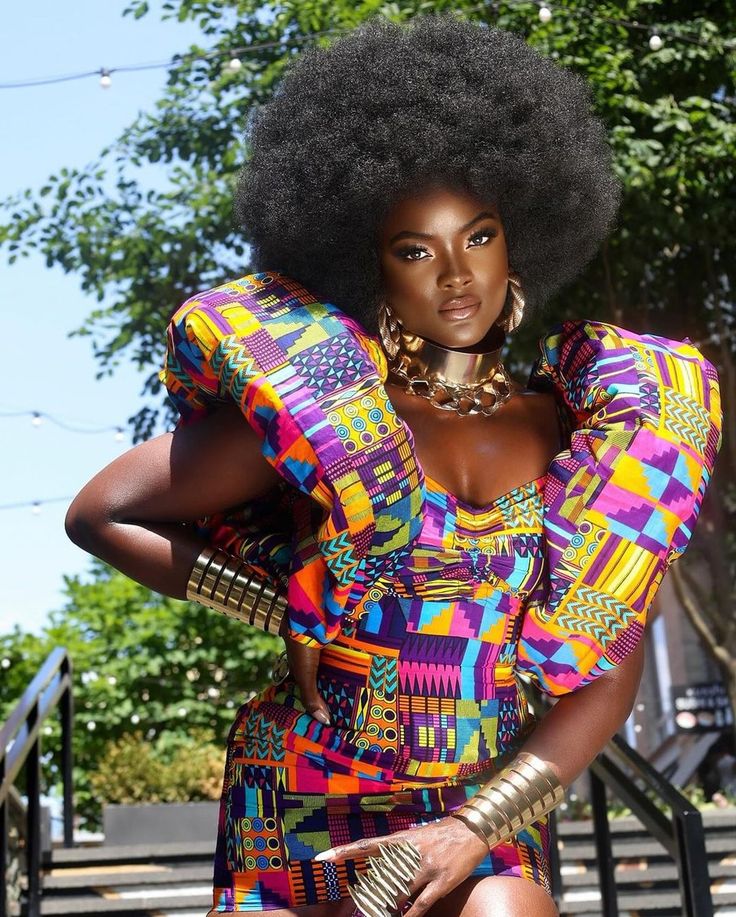
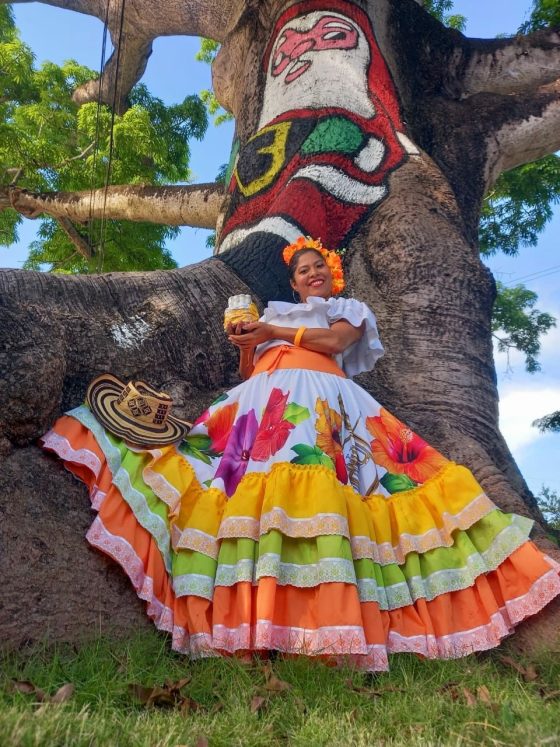
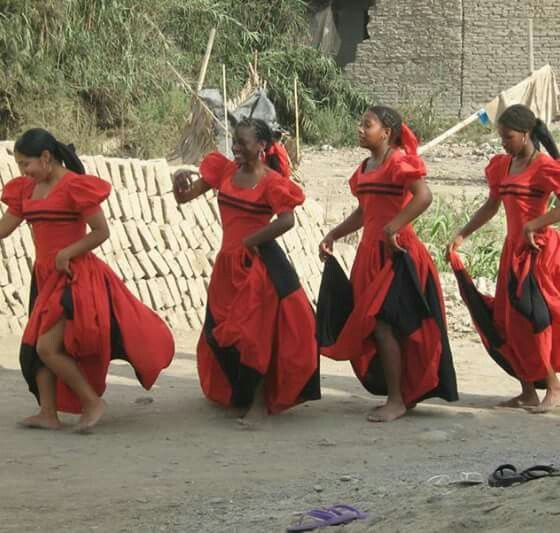
Barlovento is the name given to the coastal region of Miranda state in northern Venezuela, a lowland area stretching along the Caribbean coast whose population is predominantly Afro-Venezuelan and whose cultural life is among the most documented expressions of African cultural survival in South America. The region’s dress traditions are inseparable from its ceremonial life. The Fiesta de San Juan Bautista, held each June, is the most significant annual occasion, when communities gather to honour San Juan with three days of tambor drumming, dancing, and procession. The dress worn at these ceremonies is specific: white or brightly coloured garments, often with beaded or embroidered detail, women with their hair wrapped or adorned, the entire aesthetic rooted in an Afro-Catholic synthesis that connects the Kongo ceremonial traditions of the region’s ancestors with the Catholic framework imposed by colonial Venezuela.
The tambor itself, the drum at the centre of Barlovento’s ceremonial life, has its own dress association. The cumaco, a long cylinder-shaped drum played on the ground while the cumaquero sits on it, and the culo e’ puya drums of the Barlovento region, are played by musicians whose ceremonial role carries specific dress obligations. In the Maria Lionza spiritual practice, one of Venezuela’s most significant African diasporic religious traditions, dress is a complete liturgical system: specific colours and garments are associated with particular spirits in the corte, the court of spiritual beings invoked in ceremony. This is a dress code as precise and as culturally specific as the Candomblé orixá dress system documented in Bahia. The fashion press has covered the latter. It has not covered the former.
“The Maria Lionza spiritual tradition has a dress system as precise as Candomblé’s. The fashion press has covered one. It has not covered the other.”
The Migration and What It Carries
The Venezuelan migration crisis, which accelerated significantly from 2015 onward, has produced the largest displacement in Latin American history. The United Nations High Commissioner for Refugees estimates that more than 7.7 million Venezuelans have left the country, primarily to Colombia, Peru, Ecuador, Chile, Brazil, and the United States. Within this migration, Afro-Venezuelan communities face a specific set of challenges: they carry cultural knowledge that was maintained in specific geographic communities, in the coastal regions of Barlovento, Vargas, Aragua, and Carabobo, and that knowledge becomes harder to transmit when those communities are scattered across Lima, Bogotá, Santiago, and New York simultaneously.
What the migration also carries is the aesthetic knowledge itself: the women who know how to wrap a head for the San Juan ceremony, the artisans who produce the beadwork specific to the tambor traditions, the families who maintain the colours and forms of the ceremonial dress across generations. Digital platforms are providing new infrastructure for this transmission at exactly the moment when geographic transmission has become harder. Instagram and TikTok accounts maintained by Afro-Venezuelan cultural practitioners document ceremonial dress, teach specific wrapping and adornment techniques, and build connections among diaspora communities across different cities that would not have existed through physical community alone. The migration dispersed the knowledge. Digital infrastructure is reconnecting it.
Brooklyn’s Afro-Venezuelan Cultural Infrastructure
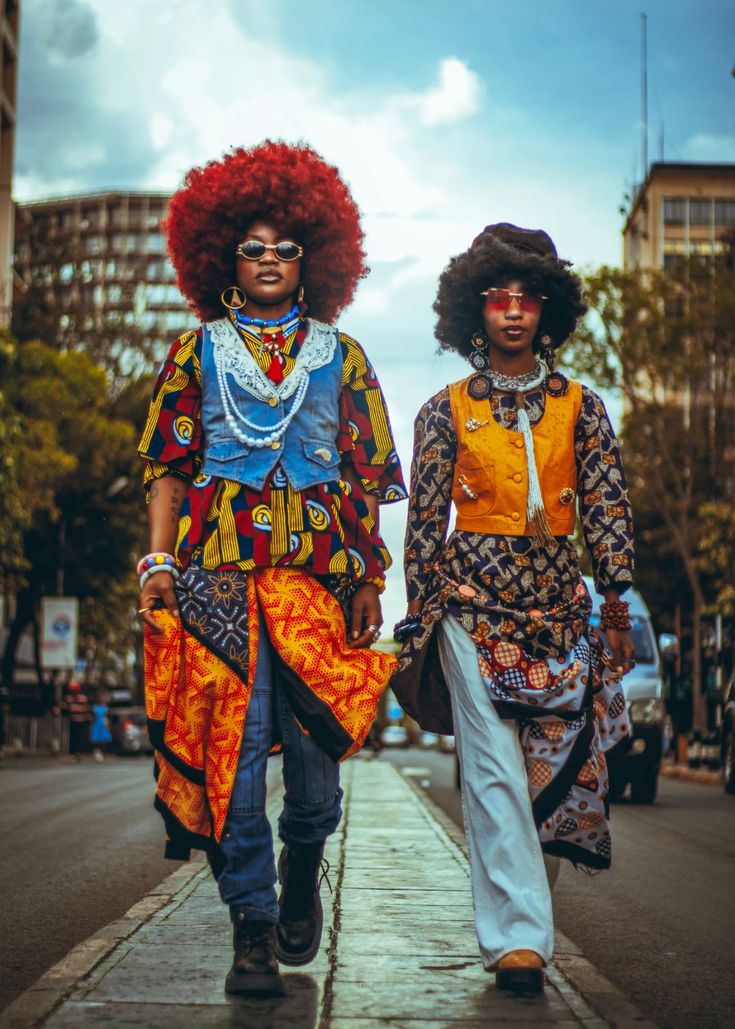
The most documented cluster of Afro-Venezuelan cultural organisations outside Venezuela is in Brooklyn, New York. Tambor y Caña, formally known as Escuela de Tambores Afrovenezolanos y Percusión Afrolatina (E.T.A.P.A.), and Afro-Códigos are Brooklyn-based Afro-Venezuelan drumming and cultural groups comprising immigrants from the Venezuelan states of Aragua, Maracay, and Carabobo. These organisations host events, workshops, and performances across New York City, teaching Afro-Venezuelan musical performance, sound, and dance, and, by extension, the dress and presentation conventions that accompany them.
The NYU Latinx Project has documented Tambor y Caña’s work as central to the Venespora in New York, using its term for the Venezuelan diaspora community, organising musical events and workshops that centre Afro-Venezuelan aesthetics.
The significance of these organisations for Afro-Venezuelan fashion, specifically, is that they maintain the performance contexts in which ceremonial dress is worn and transmitted. When Tambor y Caña performs the Sangueo de Ocumare, the Sangueo de Cata, or El Golpe de Tambor de Choróni at a Brooklyn venue, the musicians and dancers who participate dress for the ceremony. The specific colours, the head wrapping conventions, the adornment choices: these are not recreated from photographs. They are transmitted from practitioners who learned them in Venezuela and are now teaching them in New York. Fashion history is being made in a Brooklyn community hall, and the fashion press is nowhere nearby.
Betsayda Machado and What Afro-Venezuelan Sound Wears
Betsayda Machado is an Afro-Venezuelan singer from Barlovento whose international profile, built through touring across Europe and North America, has made her the most visible single figure of Afro-Venezuelan cultural expression outside Venezuela. Venezuelan DJ and cultural practitioner MPeach, interviewed by The DJ Cookbook in March 2025, named her directly: Betsayda Machado has the best voice in Venezuela. She is an Afro-Venezuelan artist from Barlovento. Her visual presentation in performance contexts, rooted in the Barlovento ceremonial dress tradition, brings that tradition’s aesthetic to concert halls and festival stages worldwide. When she performs in London or Berlin, she is not presenting Venezuelan folklore as costume. She is wearing her cultural practice. That distinction matters for how Afro-Venezuelan dress reaches international audiences.
The digital footprint that Machado and other Afro-Venezuelan cultural practitioners maintain creates a growing visual archive of Afro-Venezuelan dress that did not exist in accessible form before the social media era. For diaspora communities who left Venezuela before fully absorbing the ceremonial dress traditions, or who are raising children with no direct exposure to Barlovento’s cultural life, this archive serves as a resource. For international audiences encountering Afro-Venezuelan culture for the first time, it provides a reference point that no fashion editorial has yet provided. The practitioners themselves are building the documentation. It is not being built by the fashion industry.
The Liqui-Liqui, the Diaspora Designer, and UNESCO
Nabel Martins is a Venezuelan-Portuguese fashion designer who studied at the Instituto de Diseño y Moda Brivil in Caracas before specialising in fashion marketing at Central Saint Martins in London. She launched her eponymous label in 2013 with her atelier in Caracas and has, since 2022, regularly presented collections at Paris Fashion Week. In 2024, she was invited by the Venezuelan delegation to UNESCO in Paris during Latin America and Caribbean Week, where she presented a reinterpretation of the liqui-liqui, Venezuela’s traditional formal attire for men: a long-sleeved shirt and matching trousers in linen or cotton, originating in the llanos plains tradition and carrying both Indigenous and Afro-Venezuelan cultural influences in its history. Her Spring/Summer 2026 collection, Alegría, was shown at the historic Hacienda La Vega in Caracas, a venue that had previously hosted a Christian Dior show in 1953.
Martins’ work represents the Venezuelan diaspora designer’s most internationally visible current practice, and her engagement with the liqui-liqui at UNESCO demonstrates that the conversation about Venezuelan heritage dress is reaching formal cultural institutions. The liqui-liqui is not specifically Afro-Venezuelan in its most recognised form. Still, its history carries the same convergence of African, Indigenous, and Spanish colonial influences that runs through all Venezuelan dress culture. A designer who is reinterpreting it for international audiences at UNESCO is opening a conversation that the fashion press could have been facilitating for years. It has not. Martins is having it anyway, on her own terms, in Paris.
Also Read:
- Santo Domingo Streetwear: Bachata Culture, Afrocentric Identity, and Youth Dress
- Havana Streetwear: Vintage Economy, Son Culture, and Afrocentric Self-Expression
Digital Platforms and the New Transmission Infrastructure
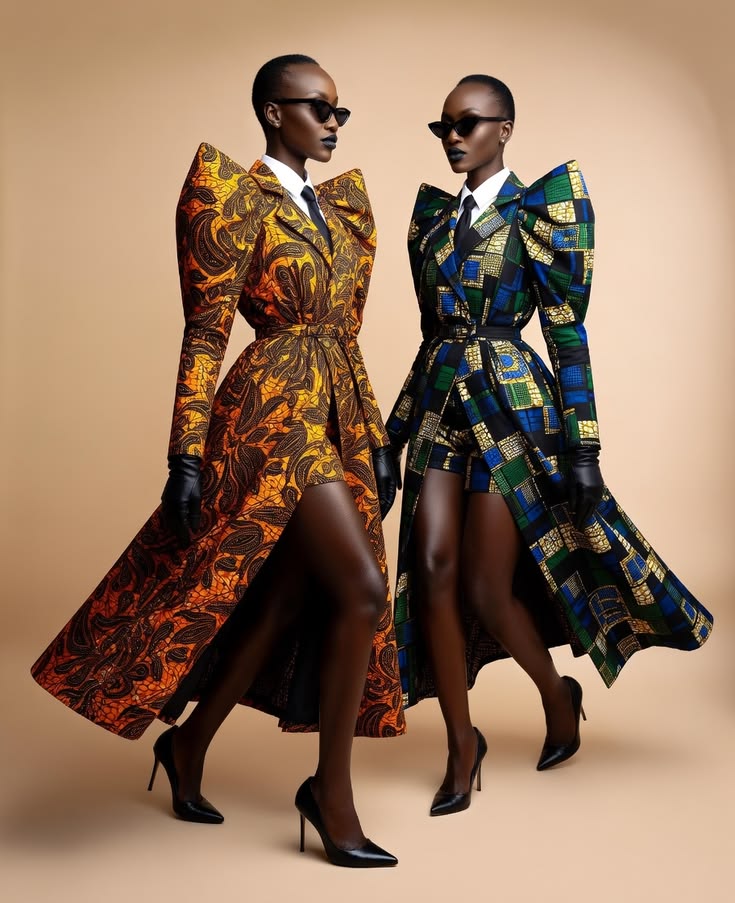
The single most significant development in Afro-Venezuelan cultural continuity over the past decade is not a designer, a collection, or a cultural institution. It is the emergence of digital platforms as a primary vehicle for transmitting dress knowledge across the diaspora. Instagram accounts documenting San Juan Bautista ceremonies in Barlovento reach Afro-Venezuelan diaspora members in Santiago and Madrid simultaneously. TikTok videos teaching the specific bead arrangements of the tambor tradition are saved and reshared across communities on three continents. WhatsApp groups connecting Afro-Venezuelan cultural practitioners across Lima, Bogotá, and New York maintain conversations about ceremonial dress standards that would previously have required physical community to sustain.
This digital transmission is imperfect. It cannot fully substitute for the embodied knowledge that comes from growing up inside a ceremonial community, watching and participating in the dress practices from childhood. But it is substantially better than nothing, and nothing is what previous generations of diaspora communities had. The Afro-Venezuelan cultural organisations in Brooklyn that teach tambor drumming and ceremony are also teaching dress through performance. The digital platforms that document those performances distribute that teaching beyond the room. The FIT Library’s Archive on Demand has recorded a specific collection on the Venezuelan diaspora and fashion, evidence that archival institutions are beginning to recognise what is at stake. The fashion industry, which is the institution most obviously positioned to document and amplify this practice, has not yet received the same recognition.
OMIREN ARGUMENT
The inherited assumption about the future of Afro-Venezuelan fashion is that there is no future for it, because there is no Afro-Venezuelan fashion industry, no fashion week, no international designer, and no institutional infrastructure from which a future could be projected. That assumption mistakes the industry for the practice. Afro-Venezuelan dress culture has survived Spanish colonialism, the racial politics of post-independence Venezuela, and now the largest migration crisis in Latin American history, not because it had institutional support but because the communities that carry it refused to let it go. Those communities are now in Barlovento and Brooklyn, in Caracas and Bogotá, in Lima and Madrid, connected by digital platforms that transmit knowledge of ceremonial dress, tambor performance aesthetics, and Afro-Venezuelan visual identity across three continents in real time.
The future of Afro-Venezuelan fashion is being built in this very moment, through this very network, and the question it poses to the fashion industry is not whether Afro-Venezuelan fashion deserves coverage. It is whether the industry has the cultural literacy to recognise what it is seeing when the dress walks into the room. The communities carrying this practice are not waiting for that recognition. They have stopped waiting.
Frequently Asked Questions
- What is Afro-Venezuelan fashion, and where does it come from?
Afro-Venezuelan fashion refers to the dress traditions of Venezuela’s Afro-descendant communities, concentrated primarily in the coastal regions of Barlovento, Vargas, Aragua, and Carabobo. These traditions are rooted in the tambor ceremonial culture, the Fiesta de San Juan Bautista, and the Maria Lionza spiritual practice, in which specific colours, garments, and adornment conventions are associated with particular ceremonies and spiritual entities. The drum traditions have Kongo origins, as do most Afro-Venezuelan musical and ceremonial practices. The dress culture accompanying these ceremonies represents a continuous African diasporic aesthetic tradition maintained over centuries in Venezuela’s coastal Afro-descendant communities.
- How has Venezuelan migration affected Afro-Venezuelan cultural continuity?
Venezuela’s migration crisis, which has displaced more than 7.7 million people since 2015, has scattered Afro-Venezuelan communities across Colombia, Peru, Ecuador, Chile, Brazil, the United States, and Europe. This dispersal creates challenges for cultural transmission, as knowledge of ceremonial dress has traditionally been passed through in-person community participation in places like Barlovento. Diaspora organisations in cities including Brooklyn, New York, are actively working to maintain this transmission through workshops, performances, and community events. Digital platforms, including Instagram, TikTok, and WhatsApp, are providing new infrastructure for connecting dispersed communities and transmitting knowledge of ceremonial dress across continents.
- Who is Betsayda Machado, and what is her significance for Afro-Venezuelan culture?
Betsayda Machado is an Afro-Venezuelan singer from Barlovento whose international touring has made her the most globally visible representative of Afro-Venezuelan cultural expression. Her performances carry the visual vocabulary of Barlovento’s ceremonial dress tradition into concert halls and festival stages across Europe and North America. Venezuelan DJ and cultural practitioner MPeach named her, in a March 2025 interview with The DJ Cookbook, as having the best voice in Venezuela and specifically as an Afro-Venezuelan artist from Barlovento. Her work provides an accessible point of reference for international audiences encountering Afro-Venezuelan culture through music and its accompanying visual presentation.
- What are the Afro-Venezuelan cultural organisations in Brooklyn?
The primary Afro-Venezuelan cultural organisations in Brooklyn, New York, are Tambor y Caña (formally Escuela de Tambores Afrovenezolanos y Percusión Afrolatina, E.T.A.P.A.) and Afro-Códigos. These organisations are Brooklyn-based drumming and cultural groups comprising Afro-Venezuelan immigrants from the states of Aragua, Maracay, and Carabobo. They host events, workshops, and performances across New York City, teaching Afro-Venezuelan musical performance, dance, and the ceremonial contexts in which Afro-Venezuelan dress is worn and transmitted. The NYU Latinx Project has documented Tambor y Caña’s work as central to the Afro-Venezuelan diaspora community in New York.
- Who is Nabel Martins, and how does she connect to Venezuelan fashion heritage?
Nabel Martins is a Venezuelan-Portuguese fashion designer who studied at the Instituto de Diseño y Moda Brivil in Caracas and at Central Saint Martins in London. She launched her label in 2013 and has regularly shown at Paris Fashion Week since 2022. In 2024, she was invited by the Venezuelan delegation to UNESCO in Paris during Latin America and the Caribbean Week, where she presented a reinterpretation of the liqui-liqui, Venezuela’s traditional formal attire. Her spring/summer 2026 collection, Alegría, was shown at Hacienda La Vega in Caracas. She is the most internationally visible Venezuelan fashion designer currently presenting at European fashion weeks.