When the Victoria and Albert Museum put out a public call for family photographs during the development of its 2022 Africa Fashion exhibition, the response included photographs from ten families, accompanied, as the Museums Journal recorded, by fascinating stories. The curators had expected to supplement a designer-led exhibition with some personal material. They discovered that some of the continent’s most significant fashion archives had never been housed in a museum. They had been in family homes, folded into trunks, tucked into wardrobes, and preserved by women who had never thought of themselves as archivists.
That discovery has a longer intellectual history. The academic volume Creating African Fashion Histories (Johns Hopkins University Press, 2023) identifies this gap precisely: the stark disjuncture between African self-fashioning and museum practices, and the need to debate new sources and approaches for constructing African fashion histories. The family wardrobe, the trunk, the photograph album, and the carefully folded wrapper are those sources. They have been available for decades. The institutions are only now catching up to what women have already been preserving.
A 2026 study published in Fashion Theory and Research directly confirms this pattern, presenting two cases of unconventional fashion archival practices in which Black women challenge conventions of documentation and preservation. Their wardrobes have safeguarded histories that might otherwise have disappeared.
African women have always been fashion’s most important archivists. Their wardrobes, trunks, and photographs hold histories no museum has fully collected.
The Wardrobe as Living Archive
Fashion history is most commonly told through museum collections, designer retrospectives, and runway archives. These institutions preserve garments as cultural artefacts, allowing future generations to study changing silhouettes, textiles, and craftsmanship. But they capture only a portion of the full story. The fashion histories that have shaped daily life across Africa and its diaspora are more often held in private hands than in public collections.
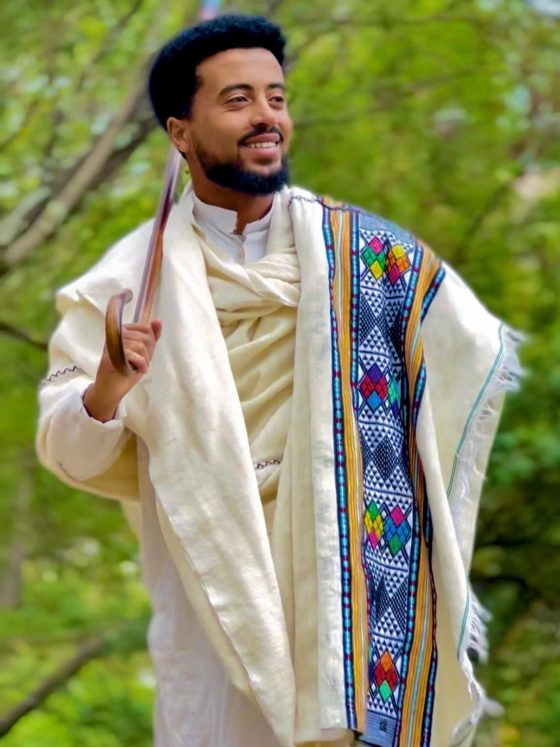
For many African women, the wardrobe is not simply a storage space. It is an active archive. Clothing accumulated across a lifetime carries material evidence of a woman’s social world: the fabrics she chose for ceremonies, the garments she inherited from her mother, the pieces she saved for occasions that defined her family’s life. The wardrobe evolves into an archive, recording births, marriages, religious ceremonies, funerals, migrations, and changing social aspirations through cloth rather than written documents.
Unlike museum collections, which are organised around artistic movements or historical periods, family wardrobes are organised around lived experience. Each garment reflects the people who wore it, the artisans who created it, and the social world in which it was made. That organisation makes the wardrobe a different kind of archive from any institution — more intimate, more specific, and often more complete in the social detail that formal collections miss.
Heirloom Textiles and the Transfer of Knowledge
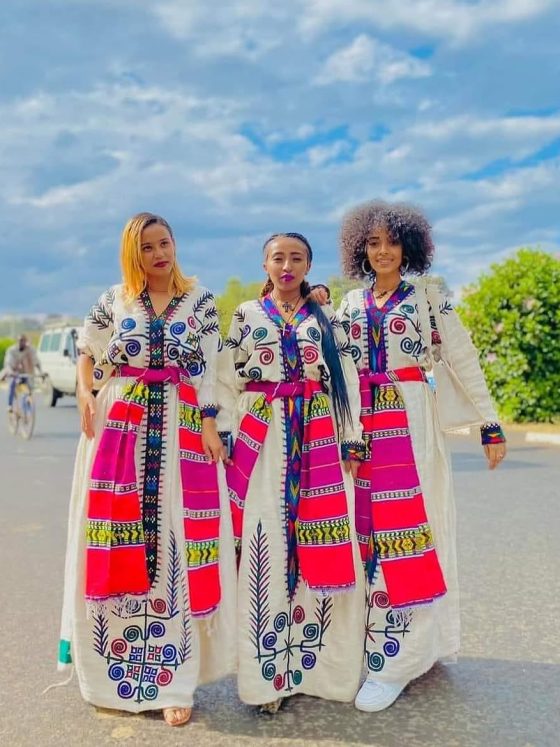
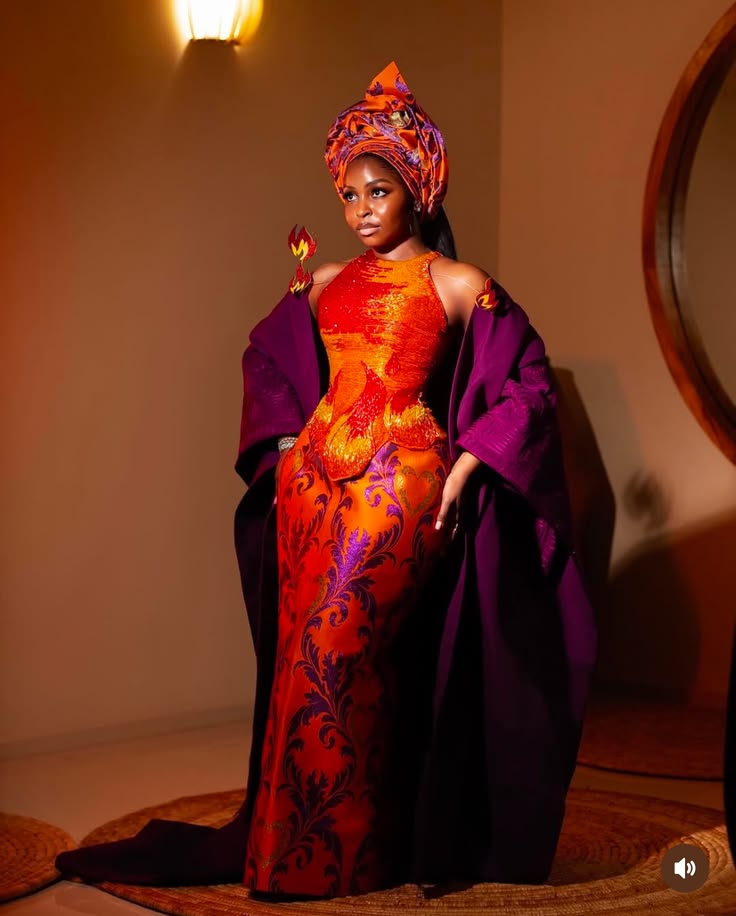
In Yoruba tradition, the àlàárì wrapper, a deep red silk cloth woven with symbolic patterns, is among the most significant heirloom textiles passed from mothers to daughters. Owning and wearing àlàárì communicates not only aesthetic taste but social standing, family lineage, and the accumulated investment of generations. When a woman inherits her mother’s àlàárì, she inherits a documented social history encoded in cloth. As Omiren Styles has documented in its analysis of African fashion and ritual, African ceremonial dress is a textual archive, a woven, dyed, and embroidered history of communities, values, and life stages.
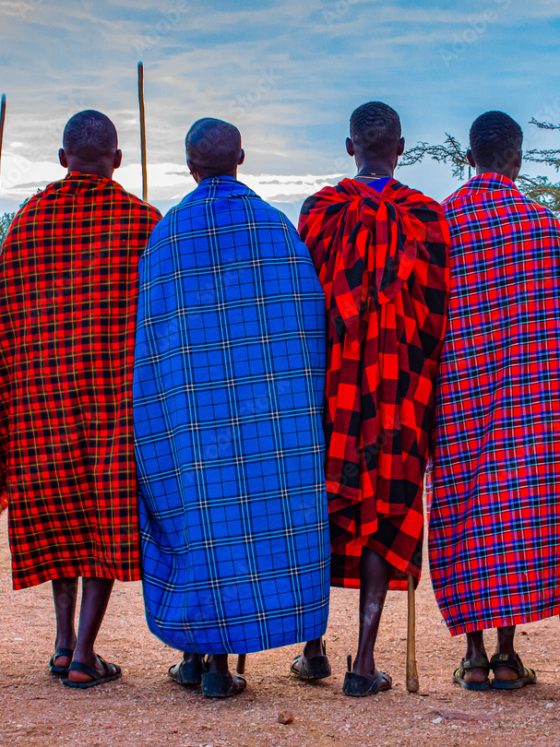
The same principle operates across the continent. Aso Oke, the hand-woven textile of the Yoruba people, is produced in distinctive patterns that mark occasion, family, and social rank. Kente cloth, woven in Ghana, encodes meaning in every colour combination and weave pattern. Adire, the indigo-resist textile of the Yoruba, carries the knowledge of the women who produced it in the texture of the cloth itself. Coral beads, among the Edo people of the Benin Kingdom, communicate lineage, spiritual authority, and social position in ways that no label or provenance note in a museum drawer can fully replicate.
These objects do not become archives when they enter a collection. They are already archived before they do. The woman who keeps her grandmother’s wrapper in a trunk, wrapped in cloth to protect it from dampness, is already performing preservation work. She simply has not been described as a conservator.
Family Photographs as Fashion Documents
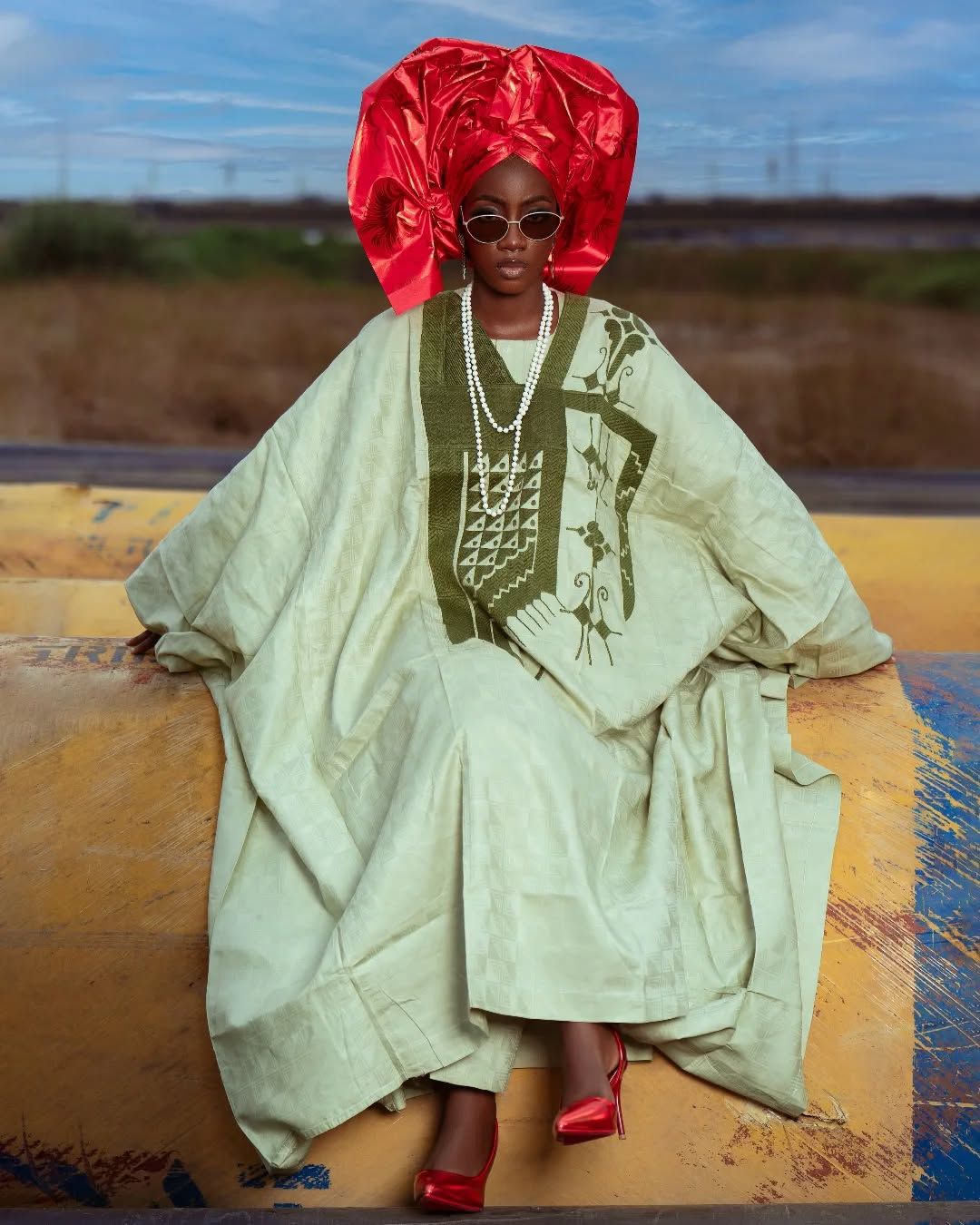
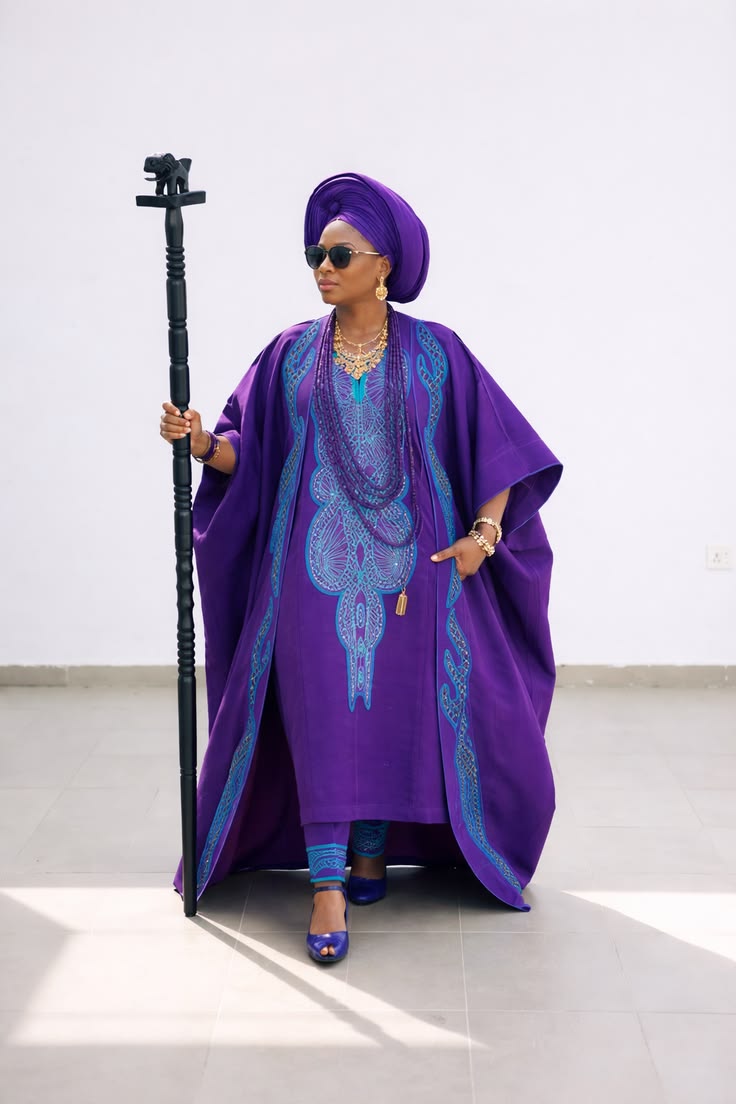
The V&A’s Africa Fashion exhibition included photographic work by four studio photographers whose archives document African dress over half a century: Rachidi Bissiriou of Benin, Sanlé Sory of Burkina Faso, Seydou Keïta of Mali, and James Barnor of Ghana, who opened the first colour-processing laboratory in Accra in 1969. Their studio portraits show people dressed for specific occasions, in specific textiles, with specific gele (the Yoruba and Hausa ceremonial head wrap) and accessories chosen with deliberate social intent. These photographs are fashion documents. They record what people wore, how they wore it, and why the choices mattered. For the families who submitted their personal photographs to the V&A call-out, the same logic applied. As the African Style Archive — a research platform and visual repository dedicated to documenting and preserving African fashion history through photographs, rare books, and ephemera — makes visible, the fashion archive of the continent is not housed exclusively in any single institution. It is distributed across the families who took and kept those photographs.
Personal photographs are rarely understood as fashion archives, even when they function as exactly that. A family album documenting three generations of women at weddings, funerals, and celebrations is a longitudinal record of textile choices, styling practices, and shifting social codes. The garments visible in those images represent purchasing decisions, inheritance, social investment, and community identity. Taken together, they constitute a fashion history that no designer retrospective fully captures.
As Omiren Styles has documented in its analysis of African identity and style across continents, clothing in African contexts is not always worn to signal Africanness. It is worn because it belongs. That sense of belonging — the ease of a woman who wears her family’s clothes without needing to explain it — is what family archives preserve. They remind us that garments are not only expressions of taste but also companions to memory.
What Institutions Are Beginning to Understand
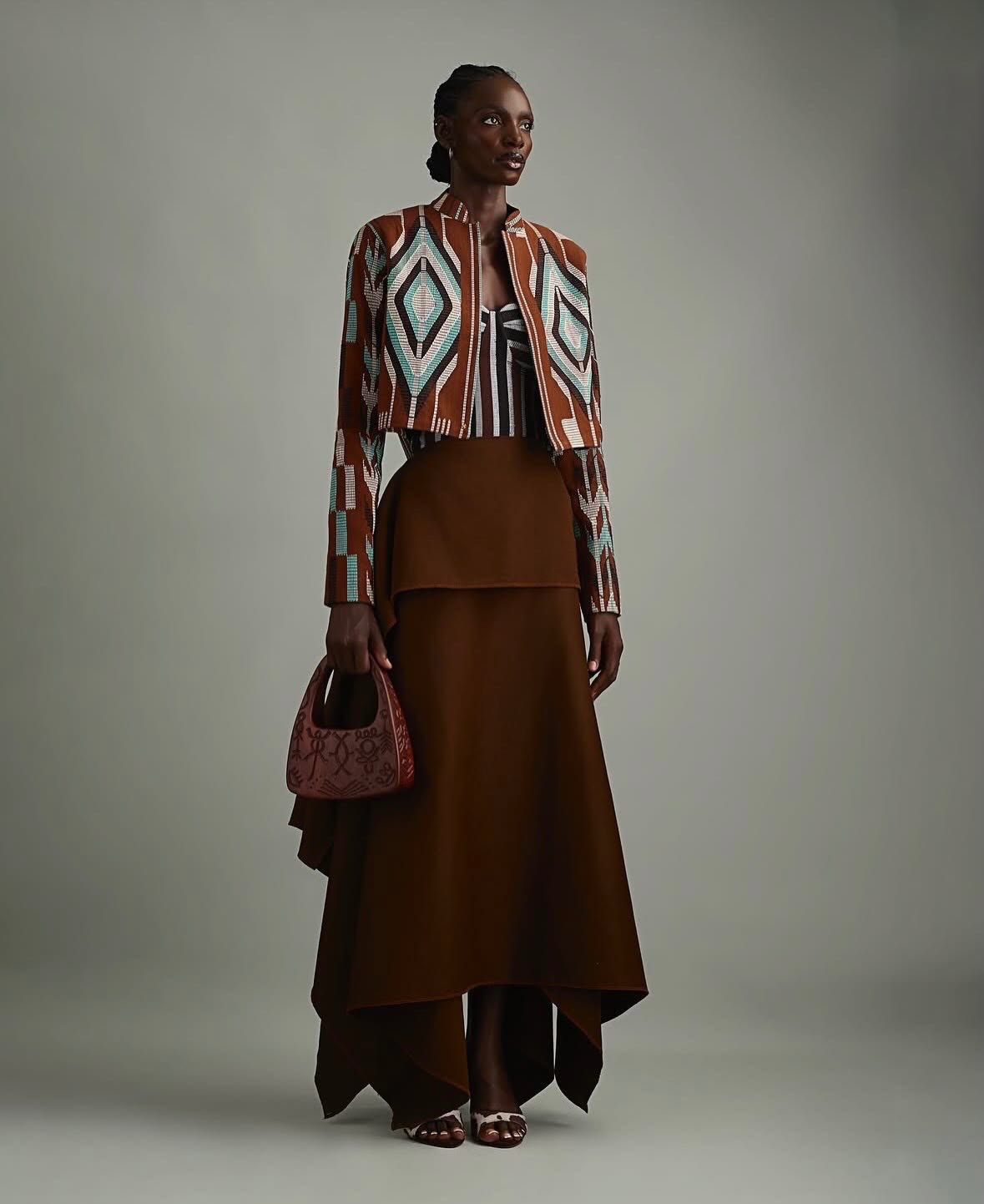
The V&A’s senior curator for African and African Diaspora Textiles and Fashion, Christine Checinska, acknowledged in 2022 what the family photographs confirmed: “Since the museum’s creation 170 years ago, African creativity has been largely excluded, or misrepresented, owing to the historic division between art and ethnographic museums rising from our colonial roots and embedded, racist assumptions.” The V&A’s public call-out for family material during the Africa Fashion exhibition was, in part, an attempt to correct that exclusion — to bring into the institution the histories it had previously left outside. The response from ten families showed how much had been preserved without the institution’s involvement.
The exhibition featured over 250 objects by 45 designers from more than 20 countries. It was the largest exhibition of African fashion ever staged at the V&A, and one of the largest in Europe. Yet some of its most discussed material came not from the designed objects but from the family photographs — images that had been kept not as fashion documents but as family memories, and that turned out to be both simultaneously.
That overlap is the argument this article is making. The women who kept those photographs, those wrappers, those coral beads, and those Aso Oke textiles were not waiting for a museum to validate what they had. They already understood the value of what they held. The institution is catching up to a practice that was never waiting for it.
The Omiren Argument
Fashion history does not begin when a garment enters a museum. More often, it begins when someone decides that a piece of clothing is too meaningful to discard. Across Africa and its diaspora, that decision has been made by women for generations: mothers who wrapped their daughters in the cloth they wore at their own weddings, grandmothers who kept the photographs from ceremonies no written record would have thought to document, aunts who preserved the gele from a funeral because the colour and the fold were part of how the family grieved.
The academic record is now beginning to confirm what those families already knew. Creating African Fashion Histories (Johns Hopkins University Press, 2023) identifies family wardrobes and personal archives as primary sources for a fashion history that institutions have systematically excluded from their archives. The 2026 Taylor and Francis study on unconventional fashion archiving as memory work confirms that Black women’s archival practices challenge and extend the conventions of institutional documentation. The African Style Archive is building the visual repository that connects those histories across time.
Christine Checinska, senior curator at the V&A, named the institutional gap directly: “Since the museum’s creation 170 years ago, African creativity has been largely excluded, or misrepresented, owing to the historic division between art and ethnographic museums rising from our colonial roots and embedded, racist assumptions.” The ten family photograph archives that formed part of the Africa Fashion exhibition show what filling that gap actually looks like. It looks like a trunk in a family home, a carefully folded wrapper, a photograph preserved because someone understood its value before any institution did. The women who kept those archives were not waiting for recognition. They were already doing the work.
Some of Africa’s most remarkable fashion archives have never needed grand exhibition halls. They have needed only the women who understood what they were holding.
ALSO READ
- The Language of Adinkra: When Cloth Becomes Scripture
- Fashion and Ritual: How Celebrations Shape African Style Practices
- What It Actually Means to Dress “Back Home” When You’ve Never Lived There
Frequently Asked Questions
Why are family wardrobes described as fashion archives?
Because they function as one, a wardrobe accumulated across a lifetime records births, marriages, religious ceremonies, funerals, migrations, and changing social aspirations through cloth. Unlike museum collections organised around artistic movements or historical periods, family wardrobes are organised around lived experience. Each garment carries material evidence of the social world in which it was made and worn.
What did the V&A Africa Fashion exhibition reveal about family archives?
The V&A put out a public call for family photographs during the development of the 2022 Africa Fashion exhibition and received submissions from ten families, accompanied by what the Museums Journal described as fascinating stories. The curators discovered that some of the continent’s most significant fashion archives had never been in a museum — they had been in family homes, preserved by women who had never thought of themselves as archivists.
What role do heirloom textiles play in African fashion history?
Heirloom textiles, including àlàárì wrappers, Aso Oke, Kente, adire, and ceremonial coral beads, carry encoded social information about lineage, occasion, rank, and spiritual authority. When a woman inherits her mother’s àlàárì, she inherits a documented social history. These objects do not become archives when they enter a collection. They are already archives before they do.
Who are the photographers whose work appeared in the V&A Africa Fashion exhibition?
The exhibition featured studio photographers Rachidi Bissiriou of Benin, Sanlé Sory of Burkina Faso, Seydou Keïta of Mali, and James Barnor of Ghana, who opened the first colour processing laboratory in Accra in 1969. Their portraits document decades of African dress at specific occasions, functioning as fashion documents as much as personal records.
Why are museums now collecting African family garments and photographs?
The V&A’s senior curator Christine Checinska acknowledged in 2022 that since the museum’s creation 170 years ago, African creativity had been largely excluded or misrepresented owing to colonial frameworks and embedded assumptions. Institutions are now attempting to correct that exclusion by seeking material from families rather than only from designers and formal collections. The Africa Fashion exhibition was a significant step in that direction.
Where can people find resources for research on African fashion history?
The African Style Archive (africanstylearchive.com) is a research platform and visual repository dedicated to documenting and preserving African fashion history through photographs, rare books, and ephemera. The academic volume Creating African Fashion Histories (Johns Hopkins University Press, 2023) is the primary scholarly resource on the gap between African family fashion archives and institutional collection practice. The V&A’s Africa Fashion exhibition digital resources remain accessible online.
Why does this matter for how African fashion is understood globally?
Because the archive determines the history, if fashion history is told only through what institutions have collected, then African fashion history will reflect the colonial exclusions that shaped those collections. If family wardrobes, personal photographs, and heirloom textiles are recognised as primary sources, the history becomes more accurate, more complete, and more truthful about who has always been shaping how the continent dresses.