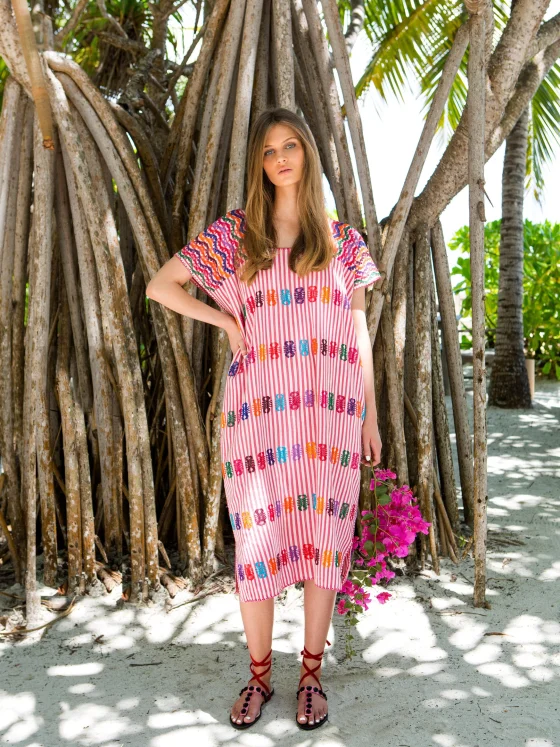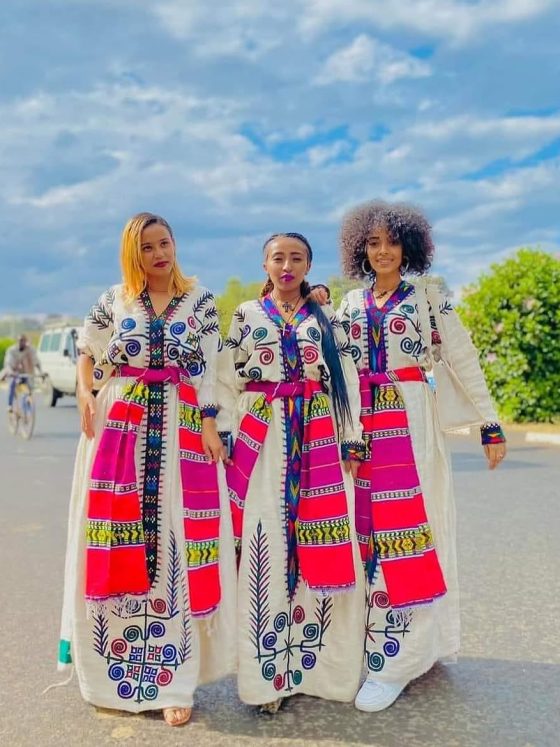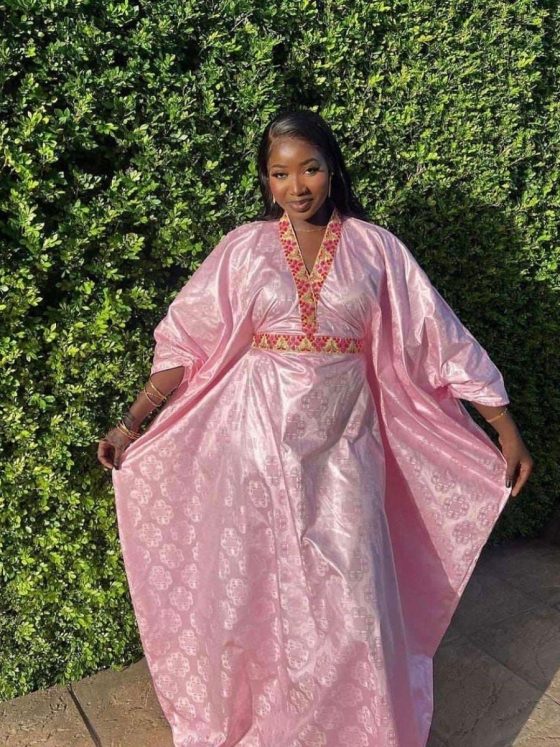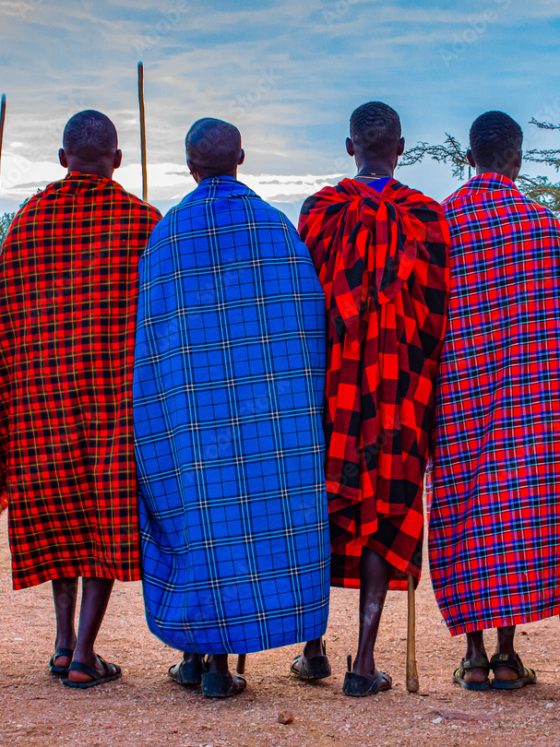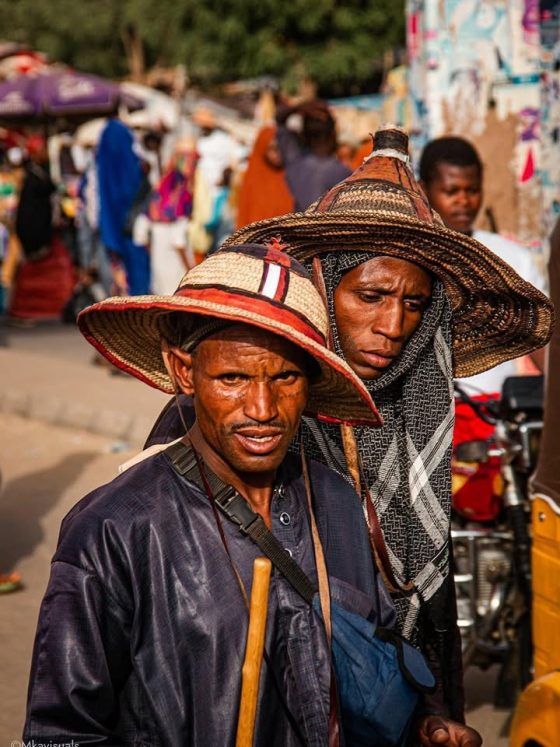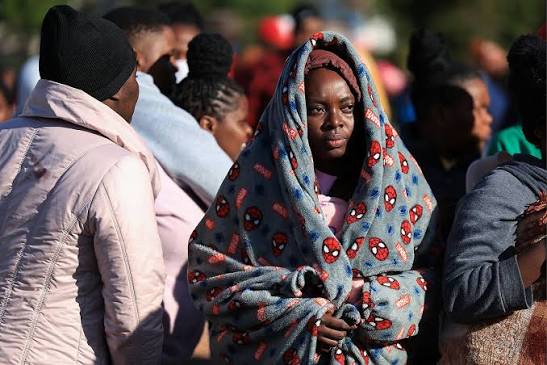
In a journey shaped by uncertainty, choosing which garments to bring can be one of the few moments where a migrant still decides how they will be seen, remembered, and protected. Packing is not just practical. It is one of the last acts of self-definition before the journey begins.
In January 1983, Nigeria’s President Shehu Shagari issued an executive order giving nearly two million undocumented migrants, most of them Ghanaian, between forty-eight and seventy-two hours to leave the country. With time too short to ship belongings and money too scarce to pay for proper luggage, families packed into whatever large, cheap container they could find. The bags they chose were woven polypropylene totes, inexpensive, lightweight, and durable, imported from Asia and available at every market. They were filled with clothes, photographs, documents, kente cloth, and small household objects. And they were carried to buses, to trucks, to borders, and eventually to ships.
The bags acquired a name. Ghana Must Go. The event that created the name was a political crisis. The bag that bore the name became something else: an archive of what people refused to leave behind, even when they had no choice.
Packing is not just practical. A wrapper, a headscarf, a coat chosen for cold: each one is also a decision about how to be seen on the other side. The Ghana Must Go bag started as a utility object and became a symbol of African migration. Here is the full story.
The Ghana Must Go Bag and What It Actually Carries
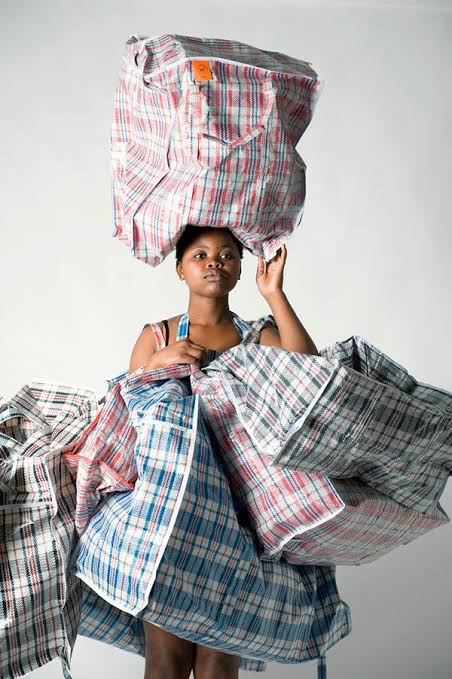
The woven polypropylene bag did not begin in Africa. Its red-white-blue nylon canvas was invented in Japan, exported to Taiwan, then Hong Kong, where the first versions were reportedly produced in the 1960s. It is a migrant object before it is an African one: a cheap, durable carry-all that moved through the same global trade routes that eventually brought it to West African markets, where its affordability made it ubiquitous.
What happened in January 1983 transformed a utility object into a cultural record. Hundreds of thousands of Ghanaians packed their entire portable lives into these bags and carried them across a border they had not chosen to cross. In South Africa, the same bag is called the Shangaan bag, linked to histories of migration under Zulu domination, where Shangaan was read as shiya ingane, leave the child behind. The same object carries different political memories depending on which border it crossed. The check pattern is recognisable across the continent because the migrations that needed it were recognisable across the continent.
As cultural historian Dr Nana Osei Quarshie has stated: ‘The bag is more than luggage. It’s a symbol of survival and displacement.’ That transformation, from a cheap market tote into a cultural document, is the same transformation that the Basotho blanket underwent when it crossed the Limpopo with Mfecane refugees, and the same transformation that the kanga cloth underwent when it moved from Indian Ocean trade routes into the ceremonial life of East African communities. As Omiren Styles has documented in the study of the kanga cloth’s transformation from trade object into one of the most politically charged textiles in East Africa, the objects communities choose to carry across borders are the ones that carry the most meaning back.
ALSO READ
- The Diaspora Fashion Paradox: Who Gets to Wear What, and Who Gets to Decide
- How African Identity Is Styled Differently Across Continents
- East African Kikoi: The Coastal Fabric Making Waves in International Fashion
- How African Dress Is Worn as Cultural Resistance Across the Continent
Three Journeys, Three Dress Decisions
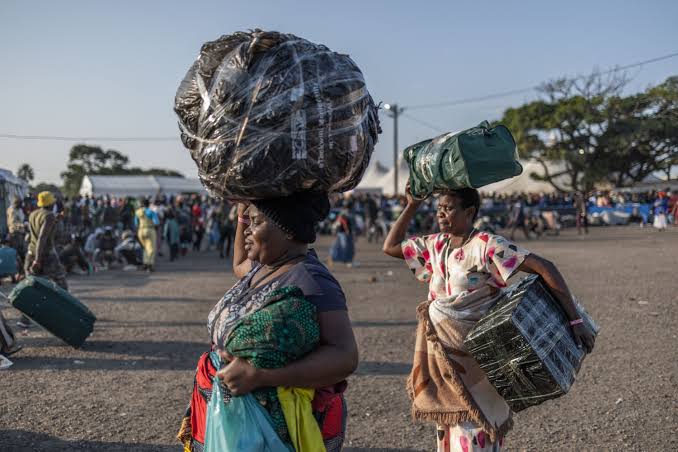
The clothes migrants carry are shaped by the specific conditions of the journey. Three routes, three bodies of documented experience, three different dress logics.
On the Sahara crossing from West and Central Africa toward North Africa, the dress logic is simultaneously survival and concealment. Long-sleeved shirts and loose-fitting robes that, in temperate climates, look like traditional garments are worn to regulate body temperature in extreme heat: covering the skin slows sweat evaporation and conserves fluids. A headwrap or shemagh protects from sun and dust and can be wetted and worn as a cooling compress. These garments serve multiple purposes in the desert and can be worn as traditional dress in the city. They do not announce that their wearer is crossing the Sahara. That is part of the point.
At the Zimbabwe-South Africa border, at the Limpopo crossing that hundreds of thousands of Zimbabwean migrants used during the economic crisis of the 2000s, the dress code was different. Migrants moving toward Johannesburg were moving toward a city with a large Zimbabwean community and a functioning second-hand clothing market. What they carried was the one outfit that could not be replicated in a South African charity shop: the garment that marked them as Zimbabwean to their own community, the one that would be worn to a church service in Soweto or a community gathering in Hillbrow. A dress worn to a ZANU-PF rally back home. A school shirt from a specific institution in Harare. Something that said, to the person wearing it and to anyone who could read it, exactly who they were and where they came from.
For Nigerian migrants moving to the UK in the 1990s and 2000s, the wrapper and the agbada occupied a specific role in the packing calculus. These garments were too large, too elaborate, and too culturally specific to be worn daily in British life. But they were the first things many migrants packed. They were packed for weddings that had not yet been planned, naming ceremonies for children not yet born, church occasions that did not yet exist. They were packed as a promise to an identity that the migrant intended to maintain. New York-based Nigerian visual artist Obinna Obioma, reflecting on his own migrations from Nigeria to the UK to America, put it directly: ‘When you move, you don’t just move yourself. You also move with your memories and culture, and I guess you kind of implant those things where you are.’
The Clothes That Outlast the Journey
Some of the clothes migrants carry outlast the journey itself. A wrapper, headscarf, or traditional outfit may take up little space in a bag, but it often carries deep personal meaning. After settling abroad, many migrants wear these clothes during weddings, religious services, naming ceremonies, and cultural celebrations. They become a way to maintain a connection to home and pass that heritage on to the next generation.
This is not nostalgia. It is active cultural work. As Omiren Styles has documented in the study of how African communities transmit cultural knowledge through dress and oral tradition, the garment that travels to a new country does not simply remind its wearer of home. It teaches the next generation what home means in a context where they may have no direct experience of it. The wrapper, packed in Lagos in 1985 and worn to a naming ceremony in London in 200,3 is doing cultural transmission work that no amount of storytelling alone can replicate.
The UNHCR and various international aid organisations distribute emergency clothing to intercepted or rescued migrants: thermal sweaters, waterproof capes, and blankets. These garments are functional. They are not chosen. They carry no personal meaning. That distinction is important because it illuminates what the chosen garments do carry: the migrant’s own understanding of who they are and who they intend to remain.
The Ghana Must Go Bag in Art, Fashion, and the Luxury Market
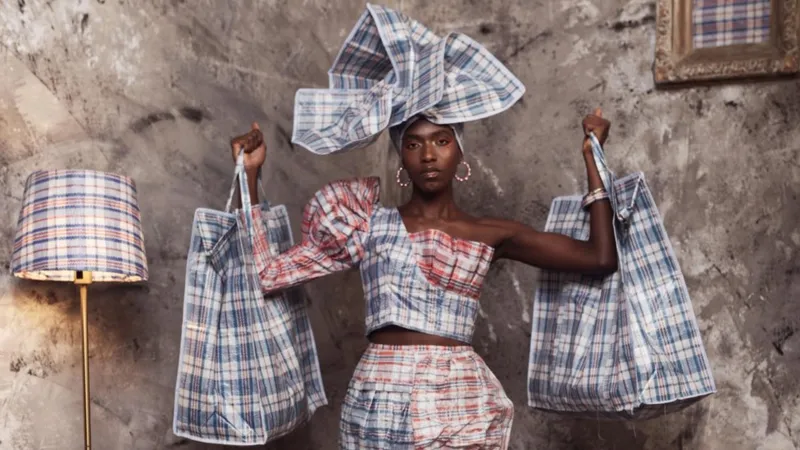
The Ghana Must Go bag’s journey from utility object to cultural symbol has attracted sustained attention from artists and designers across the continent. New York-based Nigerian visual artist Obinna Obioma created a photography and fashion series called Anyi N’aga (We Are Going in Igbo) that transforms Ghana Must Go bags into structured high-fashion garments worn by models in elaborate headwraps. Obioma was direct about the project’s intention: ‘The Ghana Must Go print captures that duality perfectly: it holds the memory of displacement while also celebrating movement, identity, and renewal. Over time, it has transformed from a marker of hardship into an emblem of cultural reclamation and pride.’
South African designer Wanda Lephoto built his Home Affairs Spring/Summer 22 collection and subsequent collections around the Ghana Must print as a central motif, naming one line Me Fie, meaning “My Place of Origin” in Akan. Ghanaian artist Abdur Rahman Muhammad immortalised the bag in oil paint in his The Allegory of a Seeker exhibition at the ADA contemporary art gallery in Accra. Zimbabwean artist Dan Halter has literally unpicked and re-stitched the bag’s material to interrogate histories of migration, labour, and colonial legacy.
Louis Vuitton produced a plaid laundry tote in 2007 under Marc Jacobs, and in 2025 released a calfskin leather version retailing at upwards of $3,000, described by the brand as a modern homage to the global traveller. No reference was made to the 1983 Nigerian expulsion, to the Ghanaian communities that gave the bag its name, or to the artists and designers who spent years reinterpreting it from within those communities. This is the pattern that Omiren Styles has documented in the analysis of how European luxury houses extract from African aesthetic traditions without investing in African fashion infrastructure: the design travels. The community that produced it does not. Fashion scholar Dr Erica de Greef of the African Fashion Research Institute has put the question precisely: ‘Is it homage, or is it appropriation?’
Packing Is Not Practical. It Is Political.
The clothes African migrants carry are not only about survival. They are about control. In a journey shaped by uncertainty, choosing which garments to bring can be one of the few moments where a migrant still decides how they will be seen, remembered, and protected.
A coat, a wrapper, or a headscarf may be chosen for the weather, but it may also be chosen because it says, I am still myself.” As Omiren Styles has argued in the analysis of how clothing functions as cultural identity under pressure, in migration, function and meaning are often inseparable. The clothes African migrants carry reveal that movement is never only physical. It is also about preserving identity under conditions that are specifically designed to make that preservation difficult.
The Ghana Must Go bag went from a 1983 political crisis to a $3,000 Louis Vuitton tote in forty years. What stayed constant was what was packed inside it. Two shirts. A Kente cloth. A photograph. An agbada for the wedding that has not yet been planned. The things that say: I know who I am, and I am taking that with me.
ALSO READ
- Clothing as Cultural Identity: What African Communities Wear and What It Means
- The Invisible Thread: How African Oral Tradition Shapes Fashion and Heritage Textiles
- Monuments and Memory: How Diaspora Architecture Is Reshaping Global Landmarks
- The Diaspora Did Not Preserve African Style. It Redesigned It.
FAQs
What is the Ghana Must Go bag, and why is it a symbol of African migration?
The Ghana Must Go bag is a large woven polypropylene tote with a distinctive blue, white, and red or black check pattern. Its association with African migration dates to January 1983, when Nigeria’s President Shehu Shagari issued an executive order giving nearly two million undocumented migrants, most of them Ghanaian, between forty-eight and seventy-two hours to leave the country. With little time to prepare, families packed their belongings into these cheap, available bags. The bags acquired the name Ghana Must Go from the expulsion event and gradually became one of the most recognisable symbols of African migration: an emblem of both the hardship of forced movement and the determination to carry something of home across any border. In South Africa, the same bag is known as the Shangaan bag, linked to its own history of migration.
Why do migrants pack traditional clothing alongside practical items?
Traditional clothing is packed not despite being impractical but because it is the most irreplaceable item available. A wrapper, agbada, or dirac cannot be purchased in a charity shop in Johannesburg or London. It cannot be replicated without access to specific fabrics and makers. It represents specific ceremonies, occasions, and community memberships that the migrant intends to maintain after settlement. Many migrants pack traditional garments for weddings, naming ceremonies, and religious occasions that have not yet occurred, as a promise to an identity they intend to keep. The garment is packed because it communicates something to the wearer’s own community that no purchased alternative can approximate.
What do the clothes migrants carry across borders tell us about identity?
They tell us that migration is never only physical. In a journey shaped by uncertainty, packing is one of the few remaining acts of self-definition. The choice of what to bring is a choice about how to be seen, remembered, and recognised on the other side. A Ghanaian migrant in Lagos in 1983, with forty-eight hours to leave, who packs kente cloth into a woven polypropylene bag, is not making a sentimental decision. They are making a political one: asserting that the Nigerian state’s identity will remain intact. New York-based Nigerian artist Obinna Obioma put it directly: ‘When you move, you don’t just move yourself. You also move with your memories and culture.’
How has the Ghana Must Go bag been reinterpreted in fashion and art?
The bag has attracted sustained creative reinterpretation from African artists and designers. Obinna Obioma’s photography series Anyi N’aga (We Are Going) transforms Ghana Must Go bags into high-fashion garments and headwraps, exploring nostalgia and migration. South African designer Wanda Lephoto built his Home Affairs Spring/Summer 22 collection around the bag’s print, naming one line Me Fie (My Place of Origin in Akan). Ghanaian artist Abdur Rahman Muhammad painted the bag in oils in his Allegory of a Seeker exhibition. Zimbabwean artist Dan Halter has unpicked and re-stitched the bag’s material to interrogate migration histories. Louis Vuitton produced plaid versions in 2007 and 2025, retailing the 2025 version for upwards of $3,000, without reference to the communities that gave the bag its cultural meaning.
Which African communities have the most documented traditions of migration dress?
The Ghanaian community’s relationship to the Ghana Must Go bag is the most well-documented, anchored in the specific 1983 Nigerian expulsion. Nigerian communities in the UK have documented traditions of packing wrappers and agbada for diaspora ceremonies. Zimbabwean migrants in South Africa carried specific garments as community identifiers in Johannesburg’s Hillbrow and Soweto. East African communities, including Somali communities in Minneapolis and London, carry specific garments, such as the dirac, as cultural markers. The Basotho blanket, documented in the Omiren Southern Africa Series, represents perhaps the most complete mobile cultural identity system: a garment designed to carry its full meaning regardless of where it is worn, as proven by Sotho communities who carried it across the Limpopo during the nineteenth-century Mfecane and still wear it in Matabeleland today.