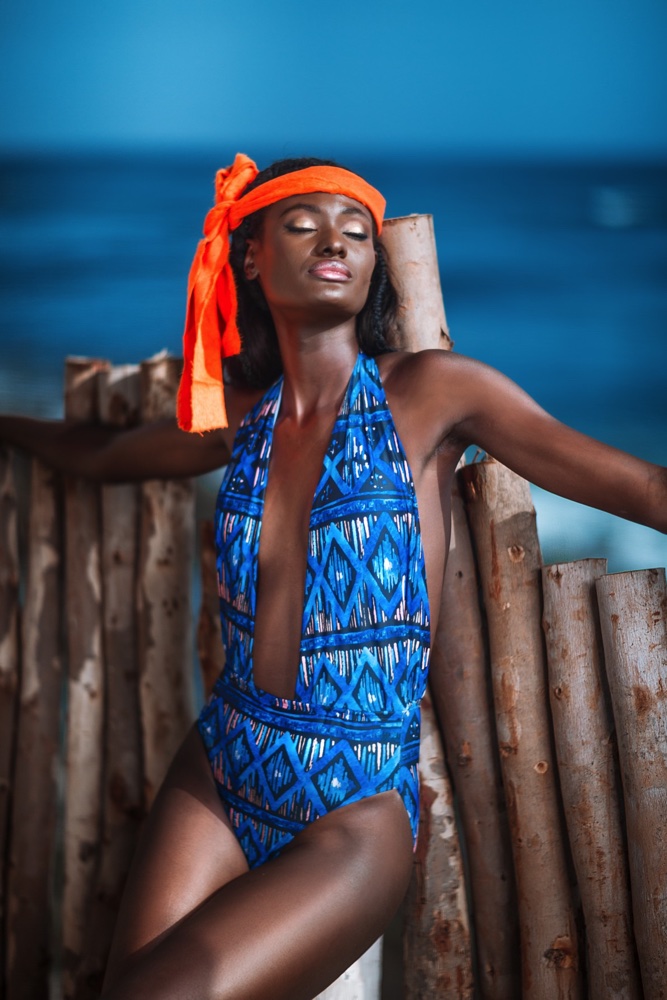
A print identified with DIARRABLU’s spring/summer 2019 collection, Ndar, began with graphs. Diarra Bousso used linear, quadratic and absolute-value equations to generate shapes, filled those shapes with colour, then developed the patterns through changes in scale, rotation and reflection. The resulting motif was printed on crepe and chiffon. She described this process in a May 2019 interview with FashionUnited. The account gives a specific answer to how mathematics enters her work. Equations generate visual material; geometric transformations develop it; colour gives it another organising relationship; textile printing carries the resulting design onto cloth.
It also makes authorship visible throughout the process. Bousso does not simply receive an image from a calculation and send it to production. Choosing the mathematical inputs, selecting shapes, arranging them and deciding how to colour them are all design decisions. A second interview, published by OkayAfrica on 18 October 2019, adds another part of her approach: hand-painting shapes using a palette she has chosen. Together, the interviews describe a working method without suggesting that every DIARRABLU print follows an identical sequence.
Diarra Bousso’s published interviews reveal how graphs, geometric transformations, colour and hand-painting shape DIARRABLU’s textile prints.
Ndar Provides a Concrete Starting Point
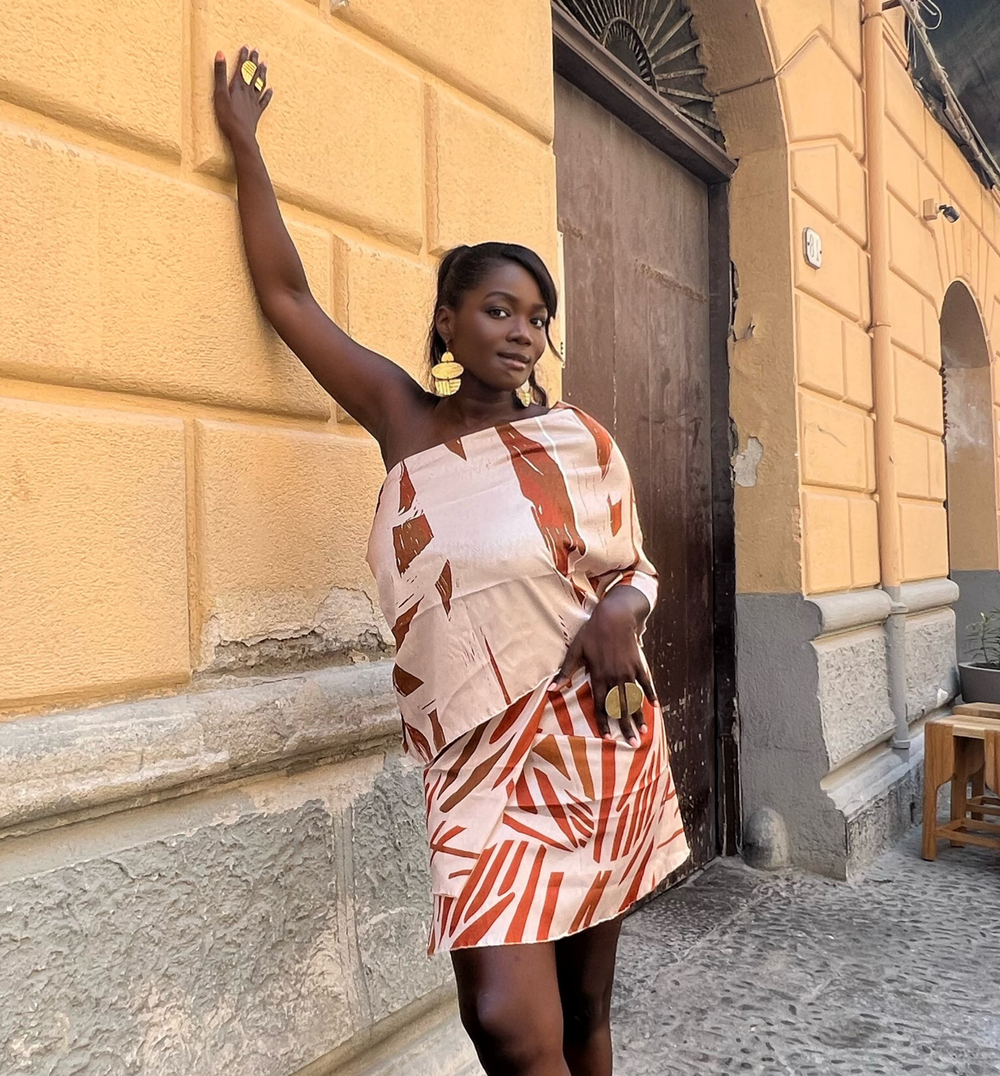
In the FashionUnited interview, Bousso described the main print for the spring/summer 2019 collection titled Ndar. She named three types of equations used to develop shapes and supplied a general quadratic form:
y = ax² + bx + c
She then described colouring the shapes and applying geometric transformations, including dilations, rotations and reflections, to develop a final motif. Those details move the discussion beyond the broad statement that DIARRABLU combines mathematics and fashion. They identify operations within the design process. They do not provide a complete reconstruction. The interview does not disclose the numerical values used, reproduce every intermediate graph or identify a final production file. The published formula is a general form, not the full mathematical specification of the finished print. Nevertheless, the account establishes a meaningful progression: graphed relationships became shapes; those shapes were coloured and transformed; the resulting motif reached fabric.
What Changes When a Shape Is Transformed?
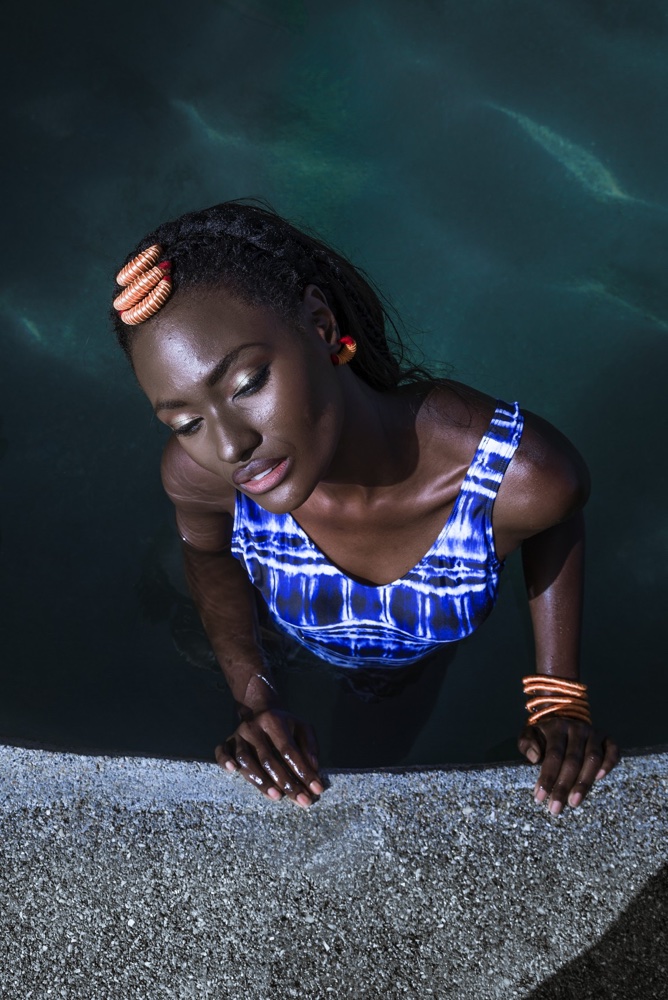
The transformations Bousso named describe different ways of developing an existing form. A dilation changes its scale. A rotation turns it. A reflection reverses it across an axis. In her account, these were part of the development between the initial shapes and the final motif. That matters because generating a shape and composing a print are different activities. A shape may supply the starting material, but it does not independently determine its size, orientation or relationship to neighbouring elements. The Ndar account therefore identifies design work as occurring after the initial graphing, without making graphing itself creatively neutral. Bousso chooses the equations and what to do with their results.
In the later OkayAfrica interview, she described experimenting with iterations, changing a number or reversing signs to produce another set of patterns. Mathematical variation was part of the creative activity, not merely a calculation completed before design began. Her method moves between generating alternatives and developing selected possibilities. Both involve judgement.
Keep Equations, Graphs and Prints Distinct
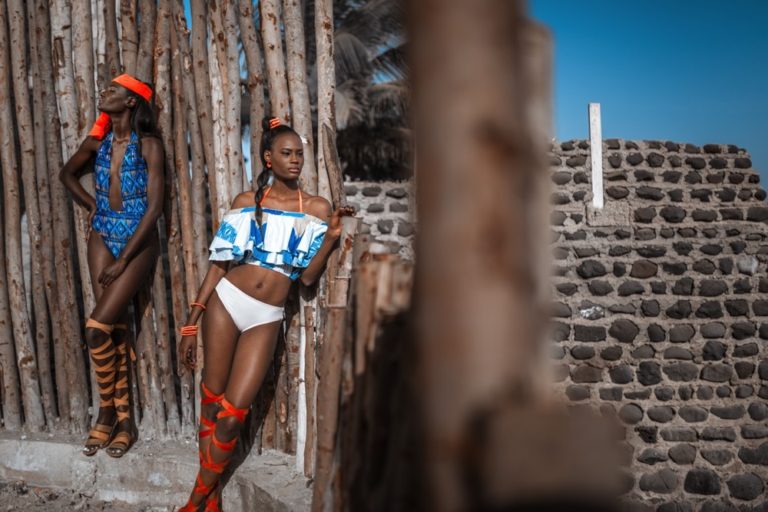
The language surrounding DIARRABLU often moves quickly between “equations,” “algorithms” and “prints.” Bousso uses these terms in her published explanations, but they refer to different parts of the work. An equation supplies a mathematical relationship. Graphing makes that relationship available visually. Within the resulting arrangement, Bousso identifies shapes that can be developed through colour and composition. The print is a later design outcome, not another name for the original equation. Bousso describes the broader approach as algorithmic. The interviews, however, do not publish source code or a complete technical specification for an individual design. The clearest explanation is therefore grounded in the operations she actually names: graphing, examining intersections, varying inputs, colouring, and transforming shapes.
This distinction also prevents a generated image from being mistaken for production-ready textile artwork. The May interview establishes that the Ndar motif was printed on crepe and chiffon, but does not describe every stage of sampling, colour preparation or printing.
Where Hand-Painting Enters
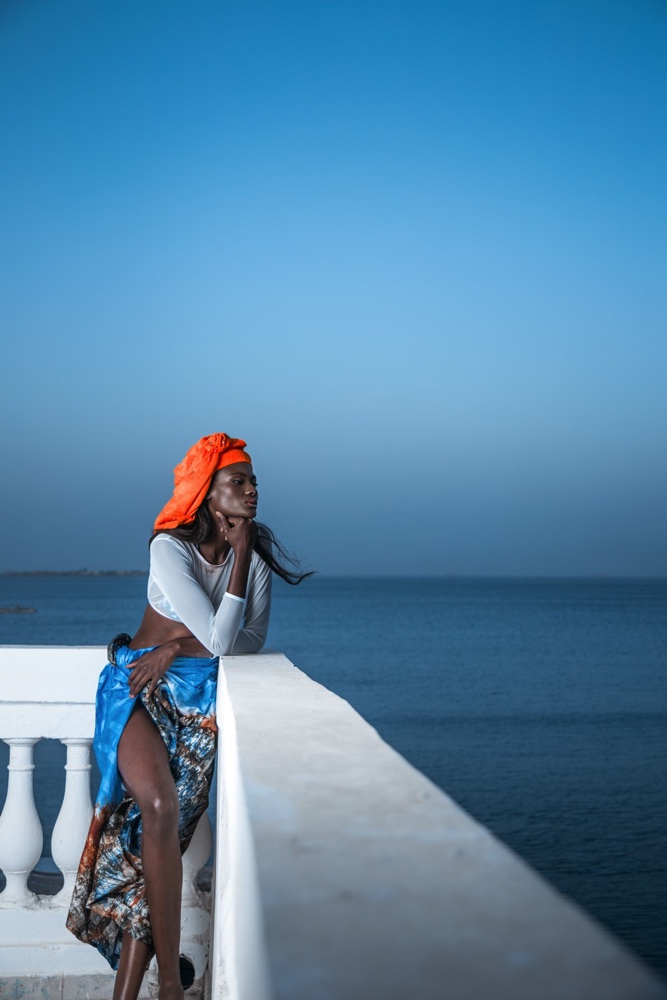
Speaking to Nereya Otieno for OkayAfrica in October 2019, Bousso described graphing lines, curves, parabolas and hyperbolas, then concentrating on the shapes formed where those lines and curves meet. Her next step was explicit:
“Then we hand-paint those shapes using a colour scheme that I’ve chosen.”
The quotation establishes two further decisions. A palette is selected, and the shapes are developed through painting. Neither is presented as an automatic output of the equations. It does not establish that the Ndar print followed this precise hand-painted sequence. The May interview describes that particular design account; the October interview explains her process more broadly while discussing another collection. The two sources illuminate one another without becoming a single, fully documented production history. Nor does the quotation mean every finished DIARRABLU garment is individually hand-painted. It describes work on shapes during design development, not the manufacturing method of every textile.
That distinction has practical value beyond this label. As Omiren’s guide to commissioning a textile print explains, originating imagery, developing colourways and preparing artwork for production involve different responsibilities. A finished print can conceal those stages unless it’s making them identifiable.
Linguère Gave the Method Another Direction
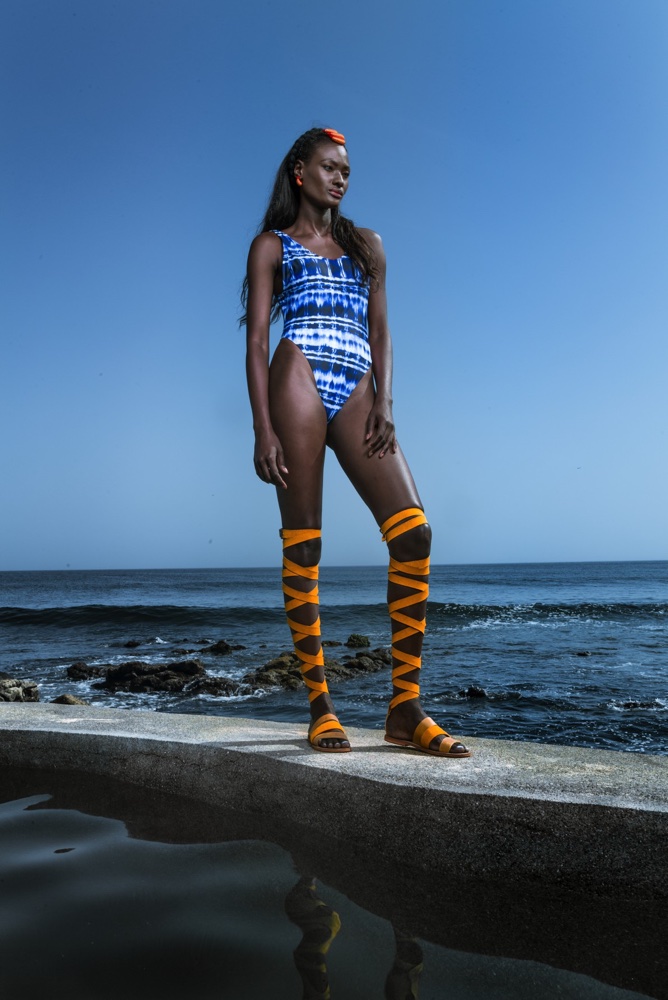
The October interview concerned Linguère, an autumn/winter collection that OkayAfrica reported had launched that week. The publication explained the title as a Wolof term for a royal woman. Bousso connected the collection to Senegalese history and to her own family memories. She recalled dressing as a Wolof princess for special occasions as a child, wearing clothing her grandmother resized for her, alongside traditional braids and jewellery. She also described growing up with cultural and historical references her parents shared. These memories gave the collection direction, not a formula the mathematics could generate on its own. Bousso said she wanted to evoke comfort, freedom and power in traditional clothing. The collection’s colours followed what she described as an arid landscape palette: camel undertones and green accents.
The relationship between the inputs is important. Mathematics offered a way of generating forms. Memory and historical interest shaped the collection’s purpose. Landscape informed the chosen palette. None alone explains the finished design language. This is more precise than treating Senegalese identity as something added to a technical process through a motif or colour. In Bousso’s account, personal and cultural references helped determine what the process expressed.
Gyraf and Zybra: References Developed Through Abstraction
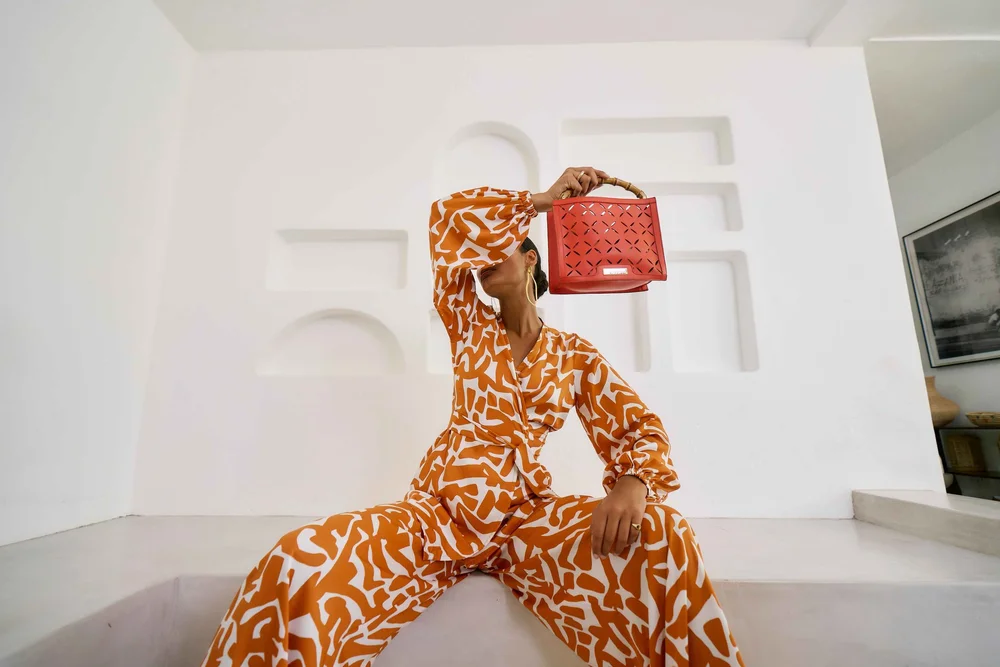
Bousso named Gyraf and Zybra among Linguère’s animal-inspired algorithmic patterns. She described them as abstractions rather than straightforward reproductions of animal markings. The names connect the collection’s references with the generative approach. An animal association supplies a point of departure; the mathematical work helps develop another visual form. The published interview does not show the equations behind either named pattern. It therefore cannot support a step-by-step mathematical reconstruction of Gyraf or Zybra. Nor should the general quadratic formula supplied in the separate Ndar discussion be assigned to them.
The interview does establish that Bousso understood those patterns within the same collection brief as its chosen colours and historical associations. They were not isolated technical demonstrations. They belonged to a broader set of decisions about what Linguère should communicate.
Garment Design Was Another Part of the Brief
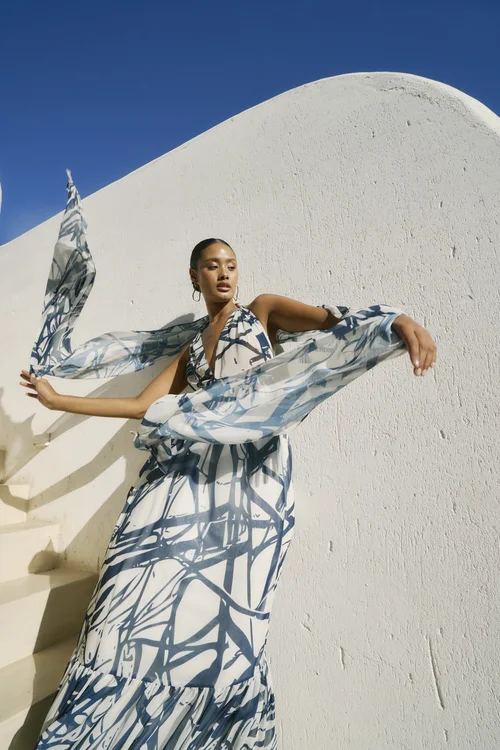
Bousso also described Linguère’s clothing as convertible and adjustable, comparing it with traditional boubous and wrap skirts. Those statements concern how garments are worn. They are different from her explanation of how surface patterns are generated. Keeping the distinction makes the design practice clearer. Equations can inform a print without automatically determining a sleeve, fastening or garment’s adjustability. Likewise, a reference to a boubou or wrap skirt does not explain every decision within the textile artwork. The collection brought these processes together, but the published evidence does not describe a single automated system producing both cloth imagery and garment construction. Bousso’s direction across those different activities gave it coherence.
Making the Process Visible in Dakar
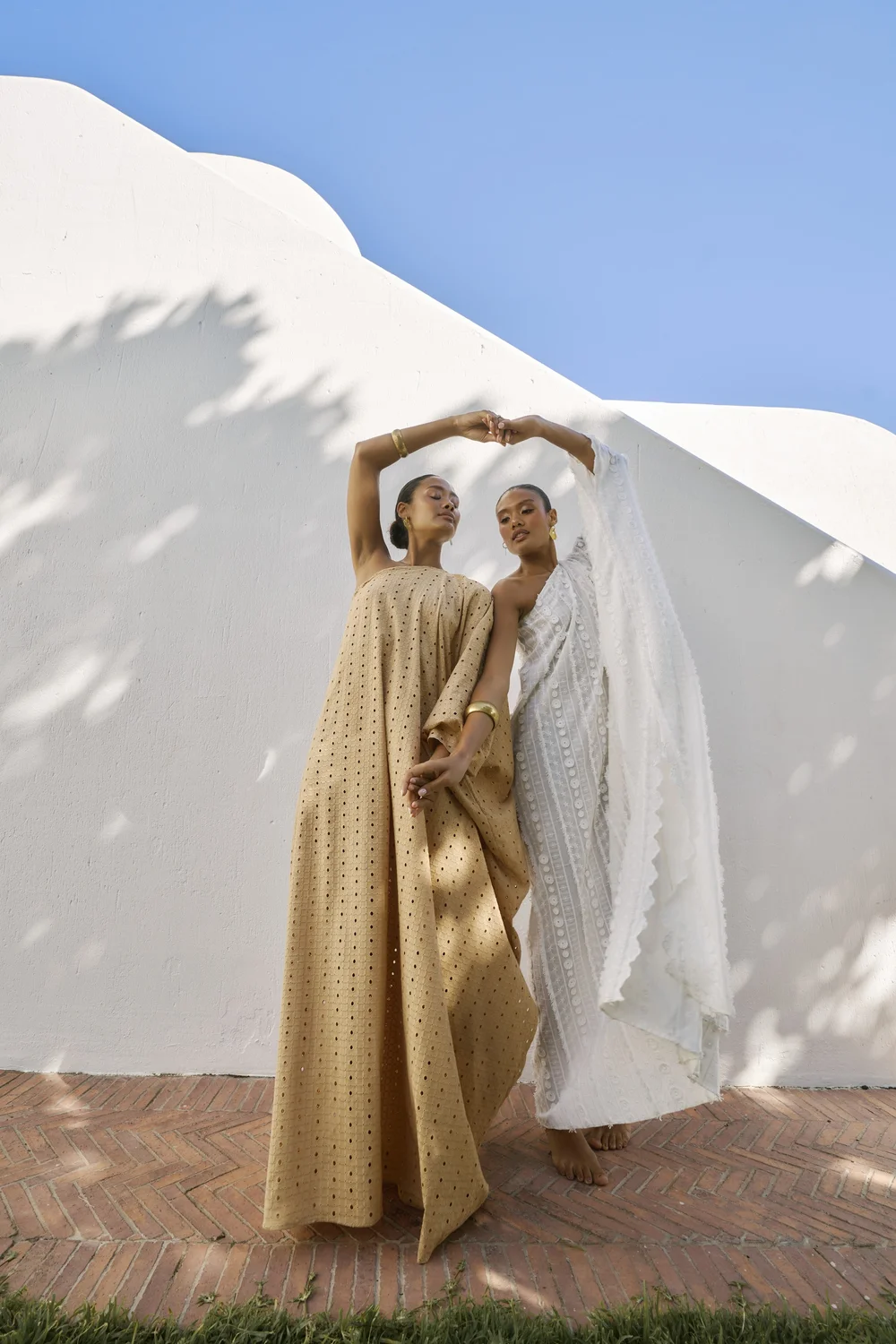
A later account shows the mathematical method becoming part of an exhibition’s subject. In a 19 November 2024 interview with OkayAfrica, Nelson C.J. discussed Bousso’s Woven Equations presentation at the 2024 Dakar Biennale. The report described garments on mannequins, a space covered with textiles and an animated video explaining the process. It also identified Ndar as a signature motif, according to the exhibition’s official press release. Bousso explained that she could graph a flower through equations or generate parallel-line patterns rather than drawing stripes directly. The method was not only a backstory to the displayed clothing: the explanatory animation made it something an audience could examine.
That is a development in presentation rather than proof that every studio operation remained unchanged between 2019 and 2024. The earlier interviews document the method at one stage; the later exhibition made its underlying relationship between mathematics and imagery more publicly visible.
The Omiren Argument
DIARRABLU’s mathematical approach expands the forms available to the designer without determining the finished print. Bousso’s authorship lies both in constructing possibilities, through equations and their variations, and in selecting, transforming and colouring what they produce.
The Ndar account makes that argument tangible by connecting named mathematical operations to a motif printed on cloth. Linguère adds another dimension: family memory, historical interest, animal references and landscape colours gave the generative work a particular direction.
The equation is therefore neither a decorative origin story nor a substitute for design judgment. It is one of Bousso’s working tools. The distinctive practice emerges through the decisions that connect it to painting, textiles and clothing.
Also Read:
Dakar Is Building Its Own Luxury Fashion System examines how Dakar’s brands, craft economy and institutions, including DIARRABLU, make up an independent luxury system.
Top Senegalese Fashion Designers Influencing Global Style profiles the pioneers and contemporary designers shaping Senegalese fashion, from Oumou Sy to Sarah Diouf.
Oumou Sy’s Costume-to-Runway Legacy, Revisited follows how the Senegalese designer moved between costume, couture and public cultural events such as SIMOD.
Kuba Cloth Is Not a Print: What Designers Need to Know Before Referencing It explains why a woven, hand-embroidered raffia textile should not be treated as a print reference.
Frequently Asked Questions
How do equations become DIARRABLU prints?
In her published accounts, Bousso describes graphing equations, developing shapes from the results, introducing colour and using transformations such as rotation, reflection and changes of scale. Her October 2019 interview also describes hand-painting those shapes in a chosen palette, so the method moves between calculation and design judgement.
What does the Ndar account establish?
It connects the main print for DIARRABLU’s spring/summer 2019 collection, titled Ndar, with linear, quadratic and absolute-value equations, geometric transformations, and printing on crepe and chiffon. It does not disclose the numerical values, the intermediate graphs, the complete formula set or a production specification for the finished print.
Are the finished garments hand-painted?
The cited interviews do not establish that as a general production method. Bousso’s hand-painting account concerns shapes developed during the design process, using a colour scheme she has chosen. It does not state that every finished DIARRABLU garment is individually hand-painted or describe how each textile is manufactured.
Does this process prove reduced environmental impact?
No. The documented creative method does not, by itself, establish waste reduction or other environmental outcomes. The interviews describe how prints are designed, not how much material, energy or waste a collection involves. Those conclusions require separate evidence and a defined basis of comparison.