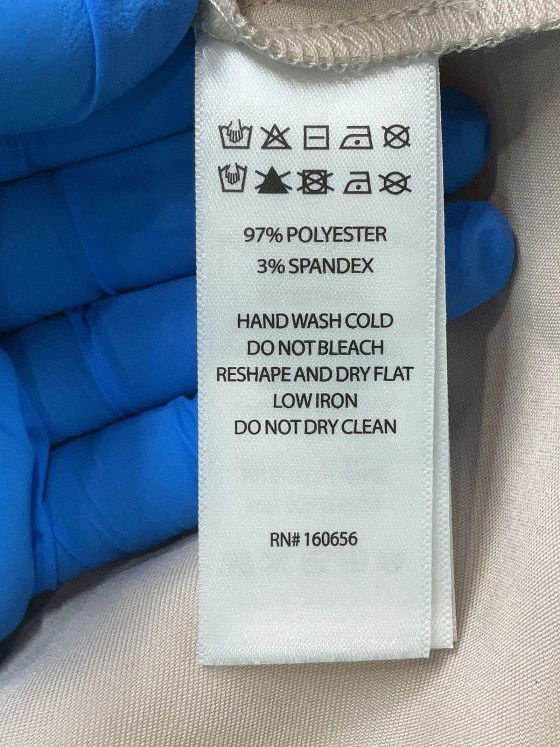
A garment label that reads ‘baby alpaca’ is making a specific quality claim. The claim is that the fibre in that garment is finer than standard adult alpaca, soft enough for next-to-skin wear, and drawn from a specific range of fibre diameter. Whether that claim is accurate, how it was graded, and whether the threshold the manufacturer used matches the threshold the designer or customer has in mind depends on the market the fibre was sold in, which industry body’s standard was applied, and which interpretation of the grade vocabulary the supplier used.
This is not a criticism of Alpaca’s qualities. The fibre is genuinely exceptional. But the grade vocabulary used to describe it in commercial and retail contexts is not standardised across markets. A designer who sources or specifies ‘baby alpaca’ without understanding the vocabulary is specifying a grade whose threshold may differ between the Peruvian mill, the Arequipa exporter, the Italian spinner and the eventual garment label by as many as four microns in either direction.
In 2021, the US Alpaca Owners Association published a new numbered grading system and deliberately excluded the familiar grade names – baby, royal, superfine – from the standard because, in the words of the AOA Fibre Committee, ‘these terms are inconsistent across the world. Australia uses no named grade system at all, classifying alpaca fleece to a wool industry standard and pricing it in micron bands. The only number that travels unchanged across markets is the micron count.
Royal alpaca. Baby alpaca. 100% alpaca. Three labels. Three implied qualities. None internationally standardised. This guide explains what the grade vocabulary actually means, where it agrees across markets, where it contradicts itself, and what a micron count tells a designer that a grade name cannot.
The Two Breeds: Huacaya and Suri
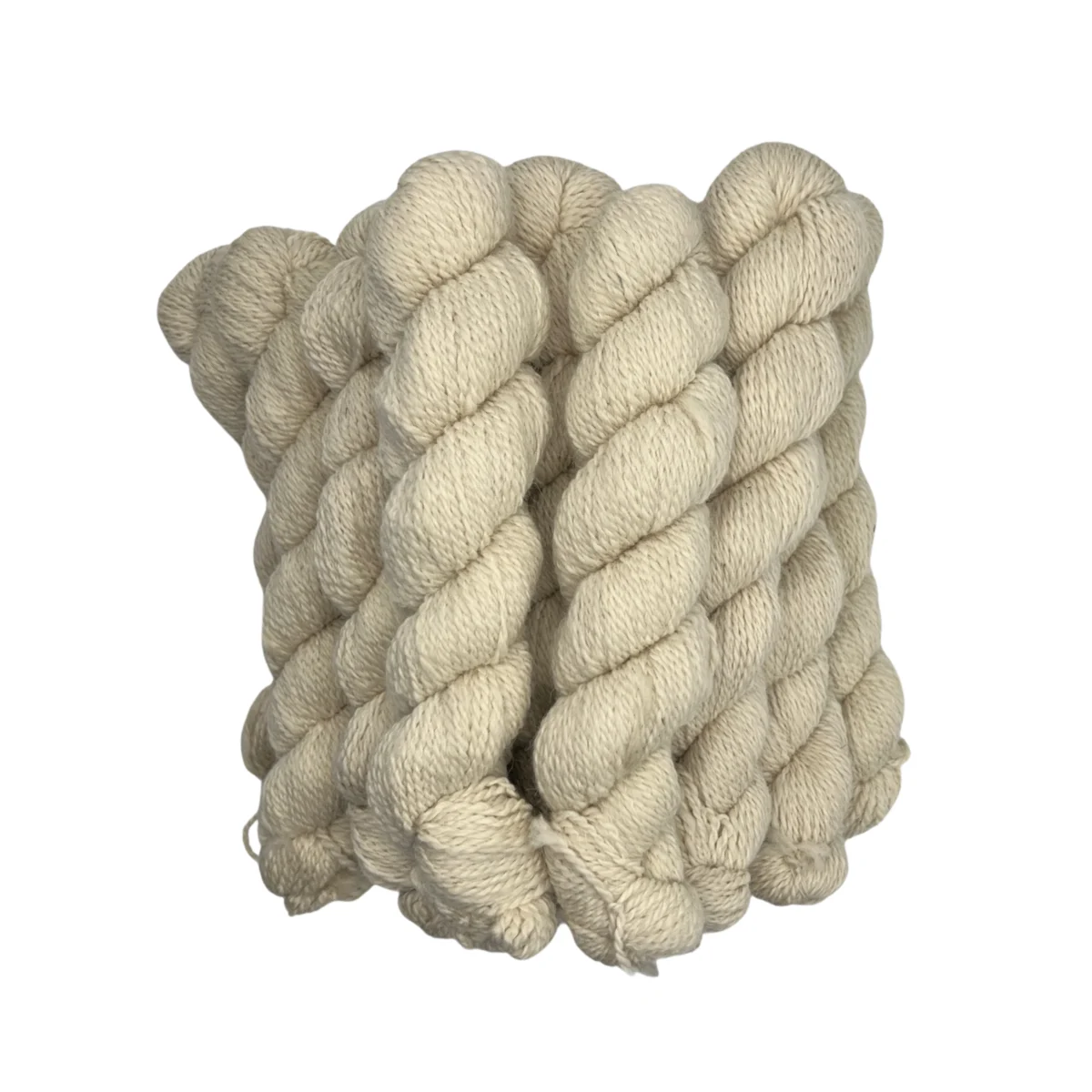
Before the grades, the breeds. Every alpaca label should specify which breed’s fibre the garment contains, because Huacaya and Suri are structurally different fibres with different textile properties and different appropriate end uses. A label reading ‘100% alpaca’ without breed specification omits a commercially significant dimension of the fibre’s character.
Huacaya
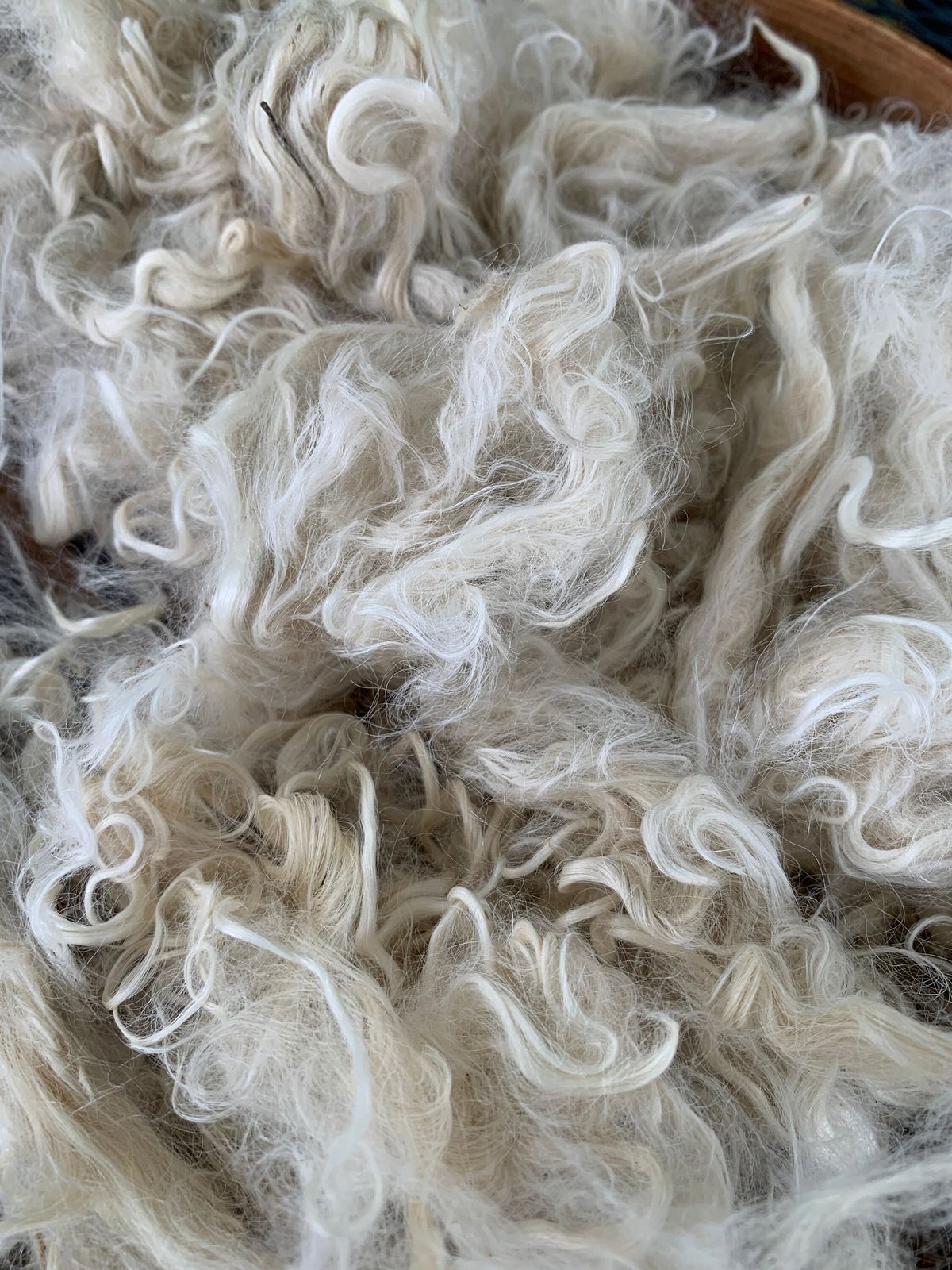
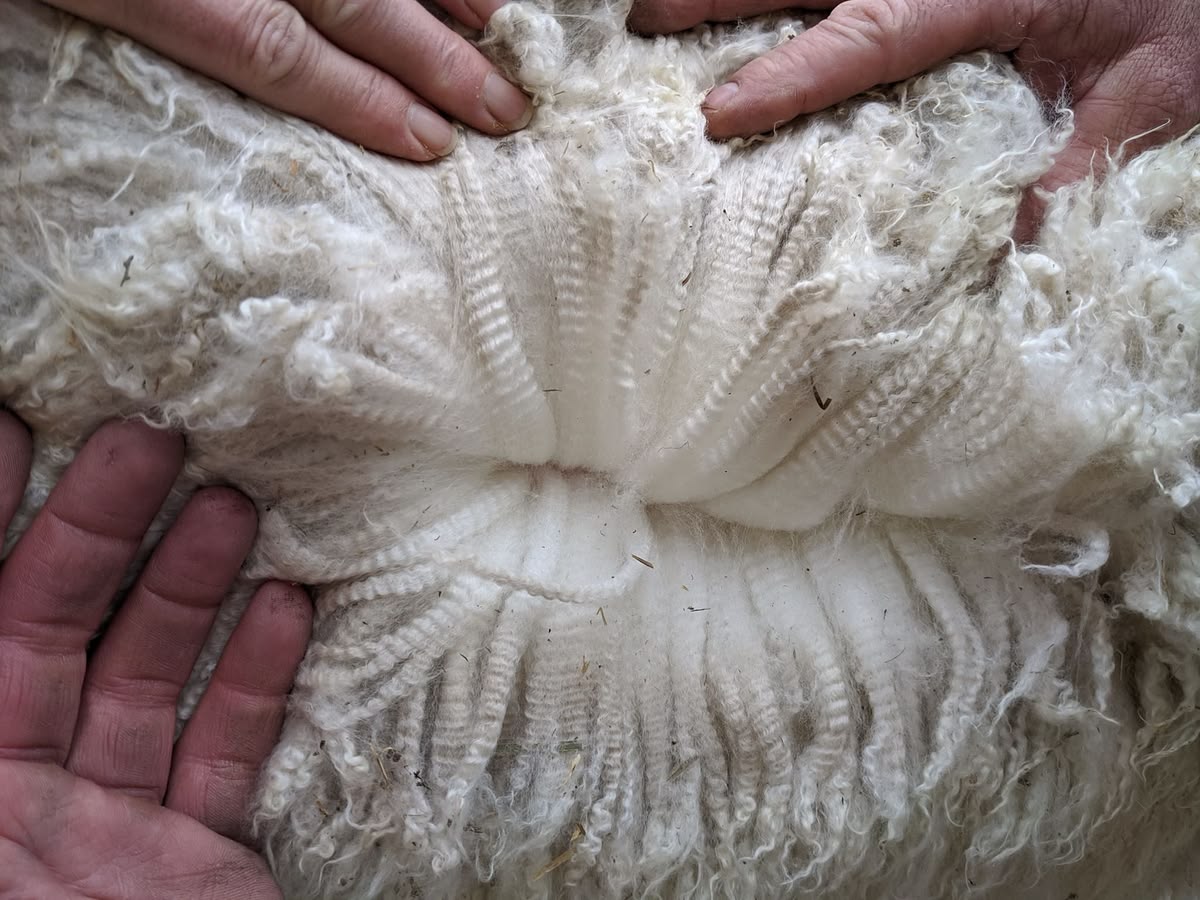
Huacaya alpacas make up about 85-90% of the global alpaca population. Their fibre exhibits pronounced crimp: a three-dimensional wave pattern that runs along each strand and creates a springy, elastic quality when spun into yarn. This crimp gives Huacaya fibre its characteristic loft and volume, making it the standard fibre for knitwear, insulating garments, blankets and socks. The crimped structure traps air effectively, producing superior thermal regulation. Huacaya yarn is easier to work with on industrial knitting machines than Suri and is more widely available at a commercial scale.
The standard adult Huacaya fibre runs at 26 to 30 microns in diameter. This is what a garment labelled ‘100% alpaca’ without a grade modifier most commonly contains. It is warm, durable, hypoallergenic (alpaca contains no lanolin) and lighter than wool. It is not what most luxury fashion buyers mean when they use the word ‘alpaca’ as a synonym for softness.
Suri
Suri alpacas account for 10 to 15% of the global alpaca population. Their fibre grows in long, straight, smooth locks without the crimp structure of Huacaya. This smooth alignment allows individual fibres to hang parallel, creating a lustrous surface that reflects light uniformly and produces a silk-like sheen and drape. Suri fibre is ideal for woven luxury fabrics, suits, shawls and garments where drape and lustre are the primary design values. Suri tends to run approximately two microns coarser than Huacaya of the same age, meaning that a Suri fibre at a given micron count is rarer than a Huacaya at the same count.
Suri is typically sheared less frequently than Huacaya, often every two years, allowing the locks to grow to 15 inches or more. The lower shearing frequency and smaller population mean Suri fibre is produced in lower volumes and commands a correspondingly higher price per kilogram than comparable-micron Huacaya. A designer specifying Suri for a woven piece chooses drape, lustre, and rarity over Huacaya’s loft and knitwear properties. These are design decisions, not quality hierarchies: both breeds produce exceptional fibre whose properties suit different ends.
A label reading ‘alpaca’ without breed specification does not tell the designer or the customer which fibre they are handling. For fashion pieces where drape is a primary design value, breed specification is a design specification.
The Grade Vocabulary: What It Claims and Where It Diverges
Standard Adult Alpaca
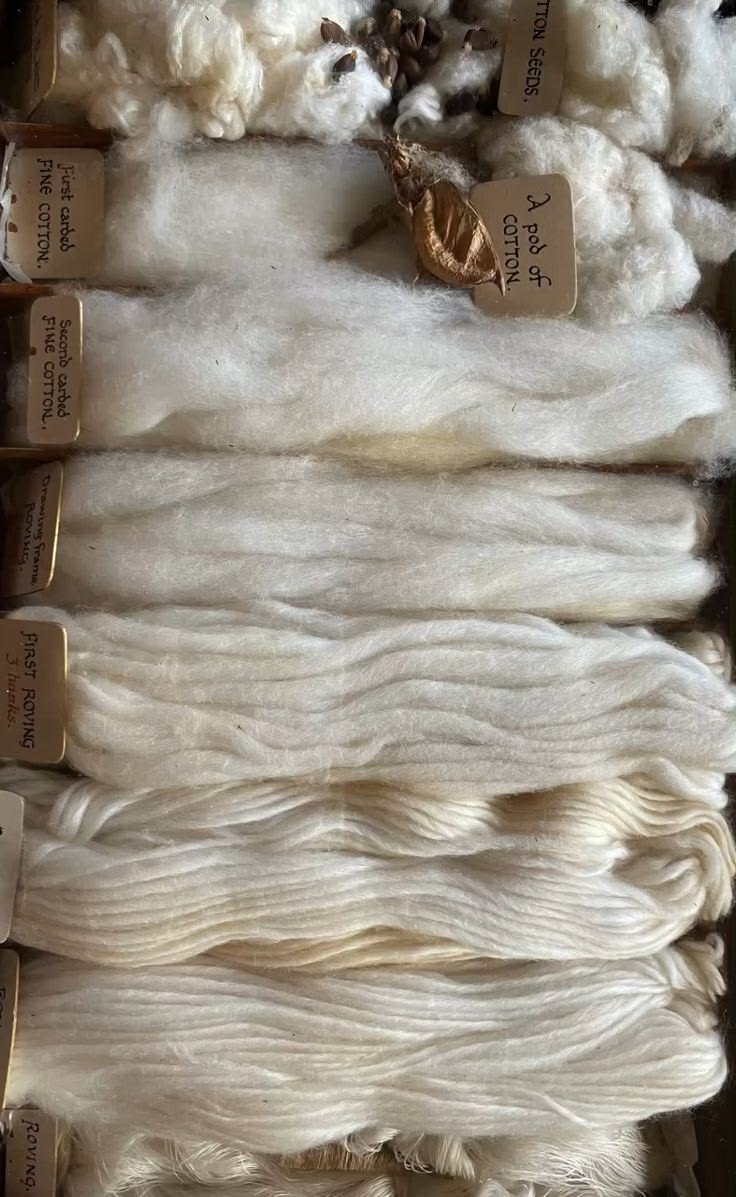
Standard adult alpaca fibre runs at approximately 26 to 30 microns in diameter for Huacaya. This is the fibre most commonly sold at commercial scale and most commonly found in garments labelled ‘100% alpaca’ without a grade modifier. At this micron range, the fibre is warm and durable and retains all of alpaca’s hypoallergenic properties. It suits outerwear, blankets, and home textiles better than next-to-skin luxury garments, where the fibre’s diameter can be perceptible to sensitive skin at the coarser end of the range.
Superfine Alpaca
Superfine alpaca is generally defined as fibre in the 22.5 to 26 micron range, though the lower boundary varies by source. Superfine balances softness and durability and suits accessories, knitwear, and garments worn against the skin. It is softer than standard adult alpaca while being more workable on industrial machinery than the finest grades. Superfine is the grade most commonly specified for mid-premium commercial knitwear.
Baby Alpaca
‘Baby alpaca’ is the grade name whose inconsistency is most commercially significant, because it carries the greatest consumer recognition and the greatest variation in definition. Different sources set the baby alpaca range at 19 to 22.5 microns, 20 to 22.5 microns, 21.5 to 23 microns, and 21.5 to 25 microns. A fibre that meets the baby alpaca threshold under one standard may not meet it under another. A designer specifying baby alpaca without a micron count is specifying a grade whose upper boundary varies by up to four or five microns between sources.
The name’s first misunderstanding is age: baby alpaca does not mean fibre from young animals. It refers to fibre fineness, typically selected from the finest area of an adult animal’s blanket or from first shearings where the fibre is at its finest. The name refers to the softness of the hand, not the animal’s life stage. This distinction matters for designers making animal welfare claims about their alpaca sourcing, because ‘baby alpaca’ does not imply any specific welfare standard or age.
The name’s second misunderstanding is consistency: in most markets, a garment labelled ‘baby alpaca’ does not guarantee that every fibre in the garment meets the baby alpaca threshold. Without a legal standard requiring a grade claim to apply to the entire fibre content, a garment made from a blend of baby-grade and standard-grade fibre may carry the baby alpaca label if any portion of the blend meets the threshold. A micron count specification on the technical pack – and independent testing of the finished garment – is the only way to confirm that the entire fibre content meets the claimed grade.
Royal Alpaca
Royal alpaca is the finest commercially recognised alpaca grade, reserved in strict textile rigour for fibres under approximately 19.5 microns. Different sources set this threshold at under 18 microns, under 19 microns, under 19.5 microns, and under 20 microns: a four-micron variation that, at this level of fineness, is commercially significant. Only between one and two per cent of global alpaca production reaches royal alpaca fineness, making it genuinely rare rather than a marketing category. The name comes from the Incan practice of reserving the finest alpaca fibres for the imperial nobility, and the royal alpaca at the right threshold is a fibre whose softness rivals cashmere and approaches vicuña.
Royal alpaca’s rarity creates a specific mislabelling risk: the commercial incentive to label a fibre as royal when it is at the finer end of the baby alpaca range is real, and the absence of an internationally enforced standard means the risk is not negligible. A designer sourcing royal alpaca should request the micron count for the specific batch and, for any commercially significant claim, commission independent laboratory verification.
The Royal Alpaca also has a design limitation rarely mentioned alongside its quality credentials. At extreme fineness, the fibre becomes harder to process on industrial machinery and more susceptible to pilling and stretching in the finished garment. A royal alpaca throw is exceptional. A royal alpaca fitted knit garment that the wearer subjects to friction may pill faster than a baby or superfine alpaca equivalent. Fineness and durability trade off, and a designer should understand both sides of that trade-off before specifying the finest grade.
Where the Grade Standards Diverge: A Market Comparison
The inconsistency in alpaca grade names isn’t accidental. It reflects the fact that three distinct standard-setting traditions have developed independently:
The US Alpaca Owners Association (AOA) 2021 standard deliberately addressed this by publishing a numbered system (Grades 0 to 6) and explicitly excluding grade names from the standard. The AOA Fibre Committee said it found the commercial terms inconsistent worldwide. Australian alpaca growers use no named grade system at all, classifying fleece to the wool industry standard and pricing it in micron bands. British, German and Italian breeders describe fleece by raw micron count. The commercial trade names – Royal, Baby, Superfine – appear in all markets as a selling vocabulary but without an agreed standard behind them.
The practical consequence for a designer is that a ‘baby alpaca’ label on a product from Peru, a product from Bolivia and a product from an Australian-grown-fibre Italian-spun yarn may carry the same words for three different micron ranges. The label tells the designer that the supplier considers the fibre fine enough to carry the grade name. It does not tell the designer what micron range was used to assign it.
What a Micron Count Tells the Designer That a Grade Name Cannot
A micron count is a measured fact, not market vocabulary. It tells the designer the average fibre diameter of the specific batch tested, in micrometres. That number is comparable across markets, time, and suppliers. A label stating ’19 micron baby alpaca’ is a more specific claim than ‘100% baby alpaca,’ because the micron count is the dimension against which the grade claim can be checked.
Micron count does not tell the designer everything. It does not tell the designer the fibre’s standard deviation (how consistently the fibres within the batch approach the average diameter – a lower standard deviation means more uniformly fine fibre); the staple length (how long individual fibre strands are, which affects spinning and durability); the cleanliness and contamination level; or the colour consistency of an undyed natural fibre. All of these affect processing behaviour and finished garment quality, and none are captured by a grade name or a micron count alone.
The complete fibre specification for a premium alpaca sourcing brief should therefore include: the micron count with standard deviation; the breed (Huacaya or Suri); the grade claim (if used) with the micron range the supplier is applying to it; the staple length; and any independent test result confirming the composition and fineness of the specific batch. A brief that specifies ‘baby alpaca’ without any of these additional parameters has specified the minimum information that a supplier needs to sell and the minimum information that a designer needs to understand what they are buying.
The Designer Specification Checklist
Before specifying or accepting an alpaca grade claim in a sourcing brief, a designer should know:
- Breed: is this Huacaya (loft, crimp, knit applications) or Suri (lustre, drape, woven applications)? If the label does not specify, ask.
- Micron count: what is the average fibre diameter, and what is the standard deviation? Together, these two numbers describe the fibre’s fineness and consistency far more specifically than any grade name.
- Grade threshold: if the supplier is using a grade name, which micron range are they applying to it? Ask them to specify the upper boundary of ‘baby alpaca’ in their system.
- Independent test: has a laboratory independently tested the batch? A supplier’s declaration of micron count is a claim; an independent test result is evidence. For load-bearing claims in product marketing, the distinction matters.
- Fibre consistency over production run: at what point in the supply chain was the fibre graded, and does the supplier retest the yarn or finished fabric? Fibre graded at source may vary once blended with other batches at the mill.
- Design application: is the grade choice appropriate for the end use? Royal alpaca offers maximum softness but reduced durability and processability. Baby alpaca suits most next-to-skin applications. Superfine suits garments requiring both softness and durability. Standard adult alpaca suits outerwear and home textiles.
Alpaca Grade Vocabulary and the Wider Provenance Argument
As Omiren Styles has established, in its analysis of fabric provenance claims field by field, content and composition is the first field of a provenance claim and that a care label declaration alone is not evidence of the claim it makes. The alpaca grade vocabulary is the specific version of this general argument applied to the most commercially visible luxury fibre from the Andean production context. A label reading ‘baby alpaca’ is the supplier’s self-description of the fibre using a vocabulary whose definition the supplier chose. The micron count, the independent test result, and the breed specification are evidence that would allow the designer to verify whether the self-description is accurate at the level of specificity the design brief requires.
As Omiren Styles has established in its analysis of what a fashion buyer can verify about Peruvian alpaca, trade-grade naming and certification vocabulary are two separate layers of evidence. A garment can be made from genuinely baby-grade alpaca fibre by micron measurement without the fibre supply chain being certified to the Responsible Alpaca Standard. A garment can be RAS-certified and carry an Alpaca del Peru mark without having the specific micron count independently tested. These are not equivalent assurances, and a designer building a product story around alpaca quality should understand which evidence layer each element requires.
The Omiren Argument
The grade names on alpaca labels are a commercial vocabulary developed without a single international standard. They communicate useful information in one direction: a label reading ‘royal alpaca’ signals that the supplier considers the fibre among the finest available and prices it accordingly. In the other direction, from designer to supplier, the grade name communicates nothing specific: ‘I want baby alpaca’ is an instruction whose precision depends entirely on which micron range the supplier is using to define baby.
This is not a call to abandon the grade vocabulary. It argues for understanding it as market language rather than a technical standard, and for supplementing it with micron specifications, breed designations, and independent test results that give it meaning. A designer who knows that the Huacaya fibre they are working with has an average diameter of 21 microns, a standard deviation of four, and a staple length of 10 centimetres knows something specific about the fibre. A designer who knows they specified ‘baby alpaca’ knows they used a word whose definition varies by at least four microns depending on who is reading it.
As Omiren Styles has argued throughout this series, the Global South made fashion and never got credit. The alpaca grade vocabulary is one of the mechanisms through which that dynamic operates in the specific context of Andean fibre production: a market language developed primarily for the commercial interface between Peruvian producers and international buyers that allows the buyer to specify quality without engaging with the technical specificity that would allow the producer’s work to be valued accurately. The micron count, the breed designation and the independent test are the instruments that make the technical specificity visible. They are also the instruments through which the producer’s knowledge and care in selection, sorting and grading become legible in the commercial record.
ALSO READ
- What Can a Fashion Buyer Actually Verify About Peruvian Alpaca?
- A Fabric Provenance Claim, Field by Field: What a Buyer Should Ask to See
- Can Heritage Textiles Scale Without Losing Their Meaning?
- A Fabric Is Never Just a Fabric: Why Material Intelligence Matters to African Fashion’s Future
- The Global South Made Fashion. It Just Never Got Credit.
Frequently Asked Questions
Does ‘baby alpaca’ mean fibre from a young animal?
No. Baby alpaca refers to a fibre fineness grade defined by micron diameter, not the animal’s age. The term is applied to fibre measuring approximately 19 to 22.5 microns, depending on the source standard, selected from the finest areas of adult animals – typically the blanket region or first shearings where fibre is at its finest. The name refers to the softness of the hand, not to the animal’s age or to any welfare standard specific to young animals. A designer making an animal welfare claim about their alpaca sourcing should understand that ‘baby alpaca’ as a grade name carries no inherent welfare assurance and requires separate certification evidence.
What is the difference between Huacaya and Suri alpaca for a designer?
Huacaya and Suri are the two alpaca breeds, and they produce structurally different fibres. Huacaya (85–90% of the global population) produces crimped, lofted, springy fibre ideal for knitting yarns, sweaters, blankets and insulating garments. Suri (10–15%) produces long, straight, smooth locks with exceptional sheen and drape, ideal for woven luxury fabrics, suits and shawls. Suri tends to run approximately two microns coarser than Huacaya at the same age, and the rarity of Suri fibre means it commands a higher price per kilogram. A label reading ‘100% alpaca’ without breed specification does not tell the designer which fibre they are working with. Breed specification is a design specification for any garment where drape, lustre or knit properties are primary design values.
Why are alpaca grade names not standardised internationally?
The US Alpaca Owners Association (AOA) explicitly addressed this in 2021 when it published a new numbered grading system (Grades 0 to 6) and deliberately excluded the familiar grade names from the standard, stating that terms like baby, royal, superfine, and others are inconsistent worldwide. Australia uses no named grade system at all, pricing alpaca fleece in micron bands in line with the wool industry standard. British, German and Italian breeders describe fleece by raw micron count. The trade names emerged from the Peruvian and commercial garment trade and have been adopted globally as a selling vocabulary without the backing of a unified international standard body. Micron count is the only number directly comparable across all these markets.
What does ‘100% alpaca’ on a label typically mean?
A label reading ‘100% alpaca’ without a grade modifier or breed specification most commonly refers to standard adult Huacaya fibre at about 26 to 30 microns. In this range, the fibre is warm, durable, hypoallergenic, and lighter than wool, but it’s not what most luxury buyers mean when they use ‘alpaca’ as a synonym for fine softness. A label reading ‘100% baby alpaca’ claims a finer grade but, as noted above, uses a grade name whose threshold varies by several microns across sources. The most specific commercially available claim pairs the grade name with a micron count: ‘100% baby alpaca, 21 microns’ is a more precise specification than ‘100% baby alpaca’ alone. However, independent laboratory verification is the strongest available confirmation.
What are the design trade-offs of royal alpaca versus baby alpaca?
Royal alpaca, at under approximately 19 to 20 microns, offers the finest available softness and a luxurious hand that approaches cashmere. At this fineness, however, the fibre is harder to process on industrial machinery and produces a yarn with less structural resilience than coarser grades. Throws, shawls and garments without significant wear friction perform well in royal alpaca. Fitted knit garments subjected to repeated friction risk pilling faster than the same construction in baby or superfine alpaca. Baby alpaca, at approximately 19 to 22.5 microns, provides next-to-skin softness with better processability and durability than royal. Superfine, at 22.5 to 26 microns, provides the best balance of softness and durability for knitwear and accessories that will receive regular wear. The grade choice should be a design decision based on the garment’s end use, not only a status claim about fibre quality.
EXPLORE MORE
Read the full Industry and Material Intelligence and Sourcing sections at Omiren Styles for ongoing analysis of fibre grades, provenance documentation and the technical intelligence that converts sourcing decisions into defensible product specifications. Discover travel and heritage intelligence across Africa, the Caribbean and Latin America at Rex Clarke Adventures.