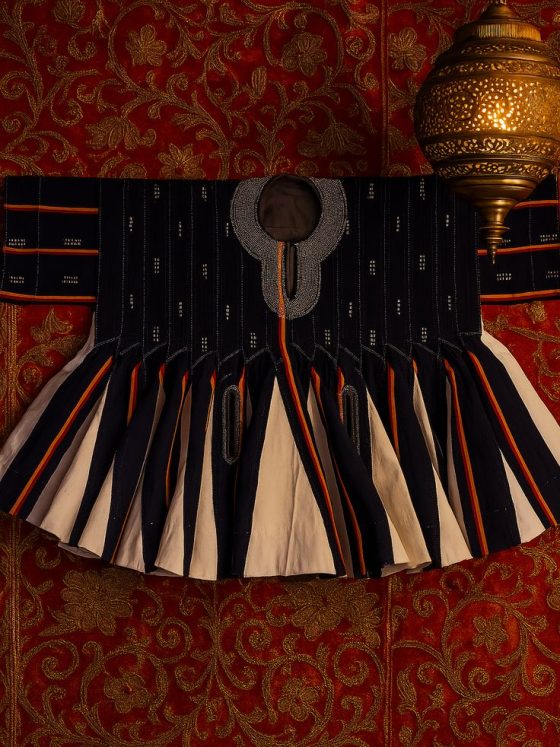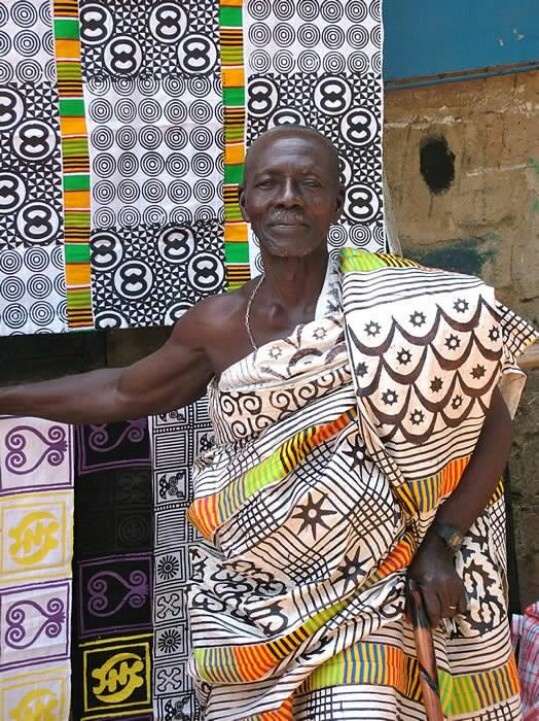
A fashion brand sources a fabric. The mill describes it as ‘organic cotton, sustainably grown, handwoven by artisan producers in a named region. The buyer accepts the description, puts it in the product copy and publishes it. The description is either true, partially true, or not true, and at the moment of publication the buyer typically has no mechanism to distinguish between these possibilities other than the supplier’s self-declaration.
This is the provenance gap. Not the gap between what is claimed and what is real, though that gap is real and well documented. The first gap is between a provenance claim and its evidence fields: the specific documented facts, at the specific supply chain stages, verified by the specific mechanisms, that would allow the claim to be tested rather than accepted.
The EU Digital Product Passport (DPP) registry opened on 20 July 2026. Under the EU Ecodesign for Sustainable Products Regulation (ESPR), textiles are confirmed as a first-priority product category. The textile-specific delegated act is expected in late 2026 or 2027, with enforcement targeting 2027–2028. The DPP will require fibre-level origin data, supply chain provenance records and environmental impact attributes for textile products entering the EU market. The care label saying ‘80% cotton, 20% polyester’ will not meet that requirement. Documentation from the fabric supplier confirming the exact composition, backed by testing or certification, is the minimum.
Most brands can name their Tier 1 factory. Far fewer can verify the full evidence chain behind the fabric, yarn, fibre origin, recycled-content claim or chemical input. That is the central operational challenge behind textile provenance readiness. The JRC’s May 2026 textile DPP study states that brands maintain high visibility over Tier 1 assembly suppliers, while the ‘full story’ of Tier 2 fabric, Tier 3 yarn and raw material origin remains largely opaque.
This guide breaks a provenance claim into its constituent fields. For each field, it names the claim, the evidence type that substantiates it, the supply chain tier where that evidence is held, and how a buyer can access and verify it. It is written for buyers who want to understand what they are asking for when they commission a fabric with a provenance claim before regulations require them to produce it on demand.
A fabric provenance claim is a set of fields, each requiring different evidence from a different supply chain point. This guide names the fields, specifies what evidence each requires, and maps the gap between what is typically documented and what is now being demanded.
The Supply Chain Tier Structure
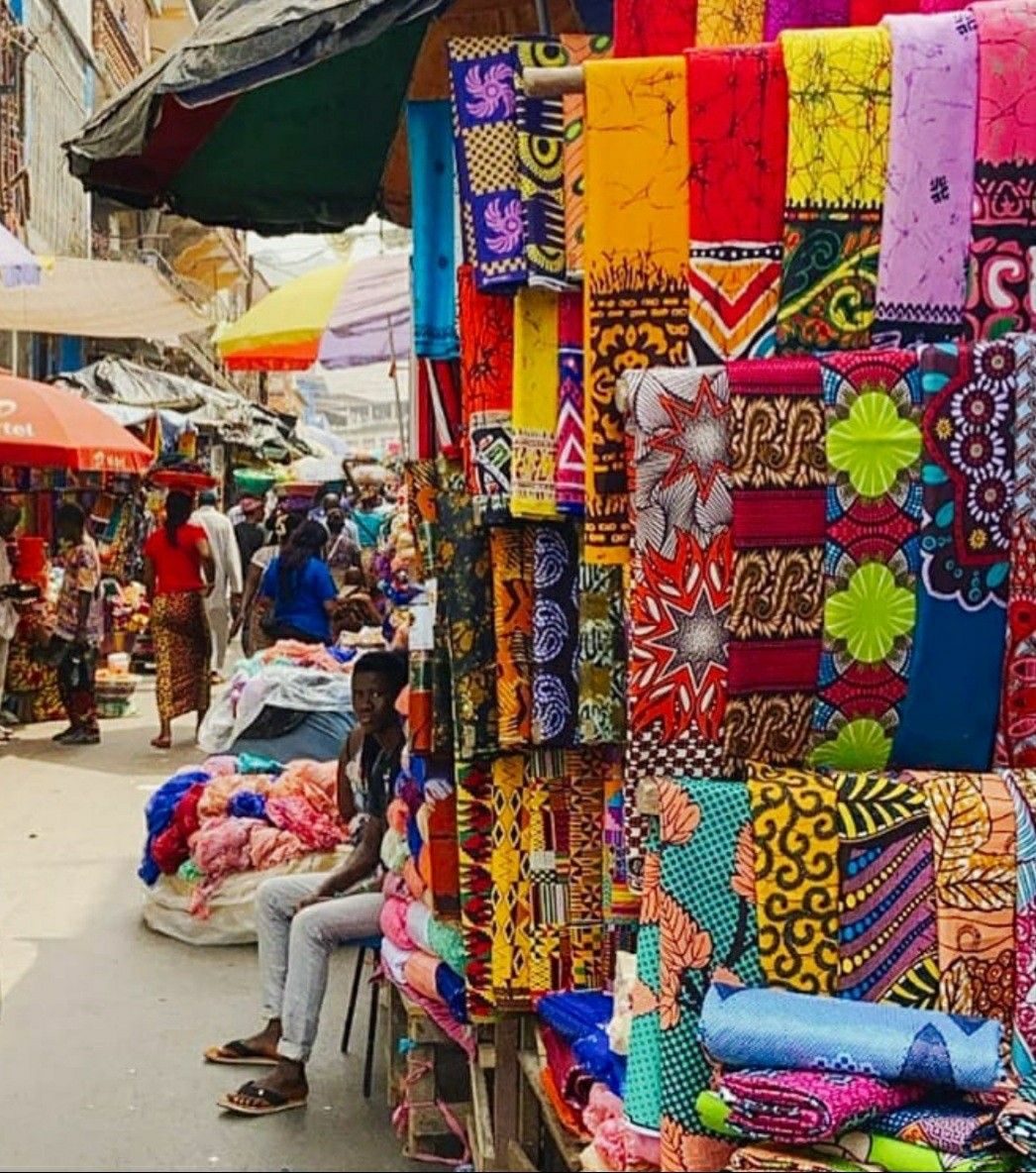
Before naming the fields, the tier structure needs to be clear. Fashion supply chains divide into tiers based on distance from the finished garment:
- Tier 1: Garment assembly – the cut-and-sew factory that makes the finished garment. Most brands have direct contracts with Tier 1.
- Tier 2: Fabric mill and dye house – where the fabric is woven or knitted, dyed, and finished. Brands typically have less direct visibility here.
- Tier 3: Yarn spinner – where the raw fibre is spun into yarn before going to the fabric mill. Most brands have little visibility at Tier 3.
- Tier 4: Raw material origin – the farm, cooperative, mine or wild-harvest source where the fibre originates. This is the furthest from the brand’s direct commercial relationship and the least documented in standard sourcing practice.
A provenance claim whose evidence extends only to Tier 1 is an assembly claim. A provenance claim that reaches Tier 2 is a fabric origin claim. A claim that reaches Tier 3 is a yarn-level claim. A claim that reaches Tier 4 is a fibre-origin claim. Each represents a different scope, and the marketing language used to describe each should match the scope whose evidence actually exists.
As the JRC’s May 2026 study on textile DPP readiness confirmed, DPP readiness often fails after Tier 1 because brands maintain stronger visibility over final assembly suppliers than over upstream suppliers. The study notes that upstream suppliers frequently hold relevant technical data in unstructured formats and may treat it as confidential business information. The provenance gap is not primarily a data problem. It is a relationship and incentive problem: the buyer needs to ask, the supplier needs a reason to answer, and neither party has historically had a structured mechanism for the exchange.
The Fields of a Fabric Provenance Claim
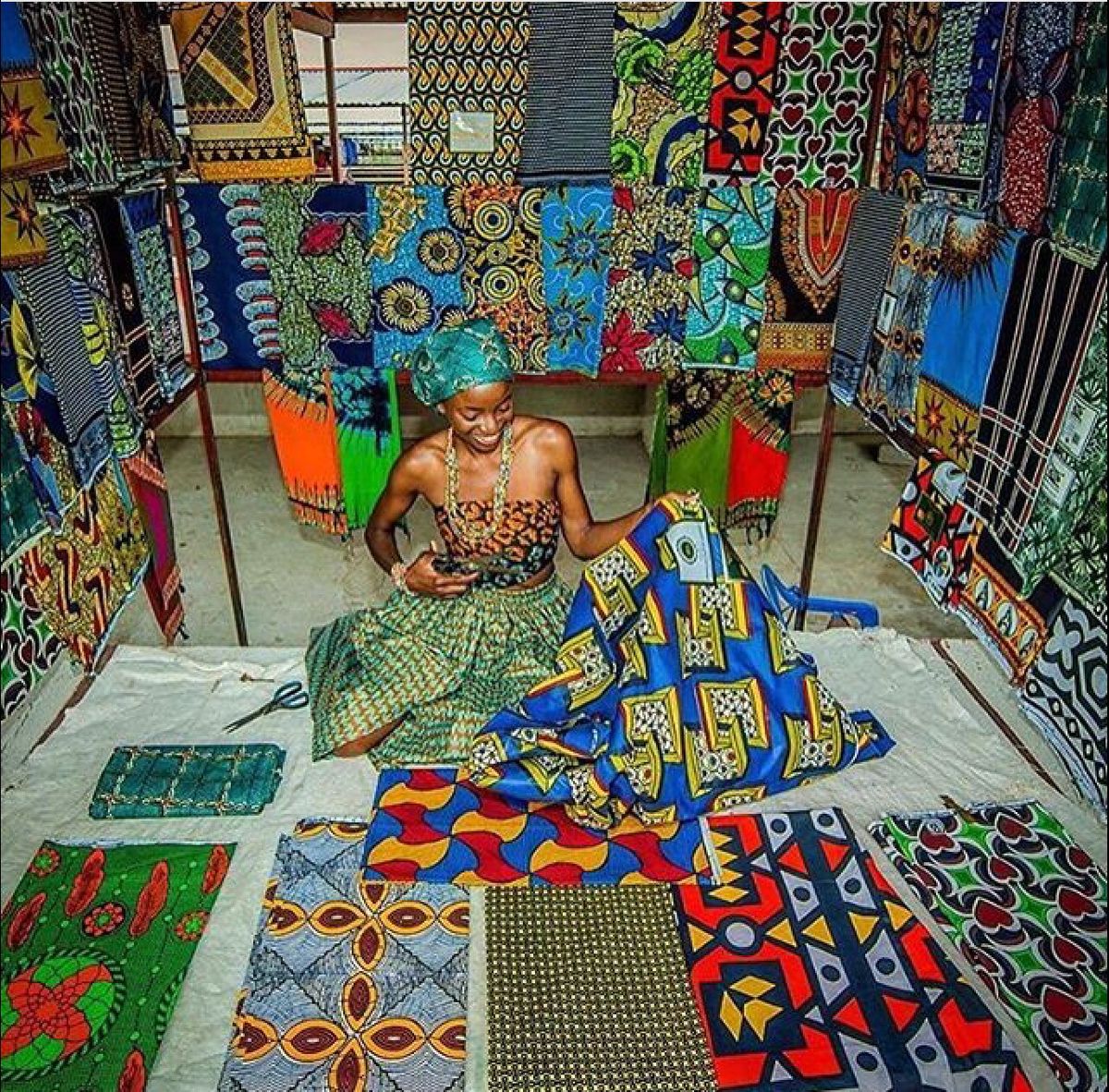
Field 1: Fibre Content and Composition
The claim: this fabric is 100% organic cotton / 80% Peruvian alpaca / a blend of certified recycled polyester and linen.
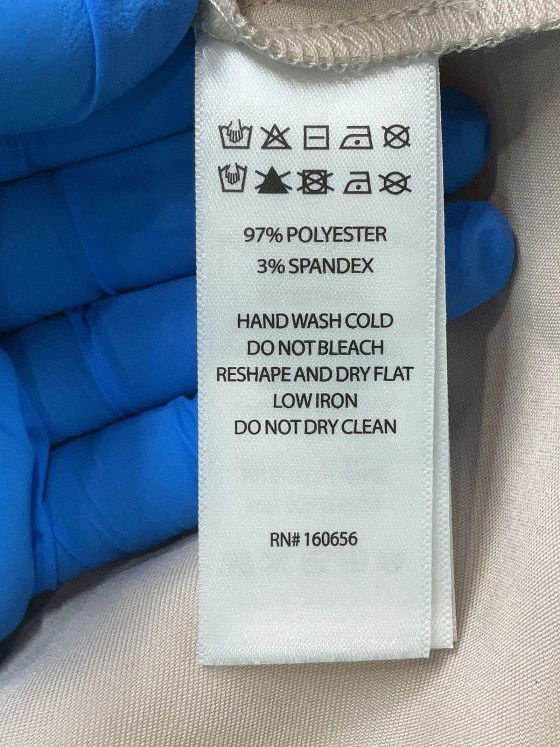
The evidence required: a fibre composition certificate from the fabric mill naming all fibre components and their percentages, backed by laboratory testing where the claim is load-bearing in marketing. A care label declaration alone is not evidence. The declaration is the brand’s claim about what the mill said; the mill’s certificate is the mill’s documented claim about what the spinner supplied; the laboratory test result is independent verification of what the fabric actually contains. These are three different levels of evidence, and most provenance claims rest on the first without the second or third.
Supply chain tier: Tier 2 (fabric mill) for the composition certificate; Tier 4 (fibre origin) for certification that the specific fibre content matches the claim. An ‘organic cotton’ claim that is verified at the fabric mill but not at the farm is a Tier 2 claim, not a fibre-level claim.
Verification mechanism: fibre composition testing (standard laboratory analysis of fibre type and percentage); certification records from GOTS, GRS, OEKO-TEX or equivalent, verified as current and covering the specific batch; transaction certificates from the certified supplier confirming that the specific order was supplied from certified stock.
Field 2: Geographic Origin
The claim: woven in [country/region]; grown in [country/region]; handwoven by artisan producers in [specific named place].
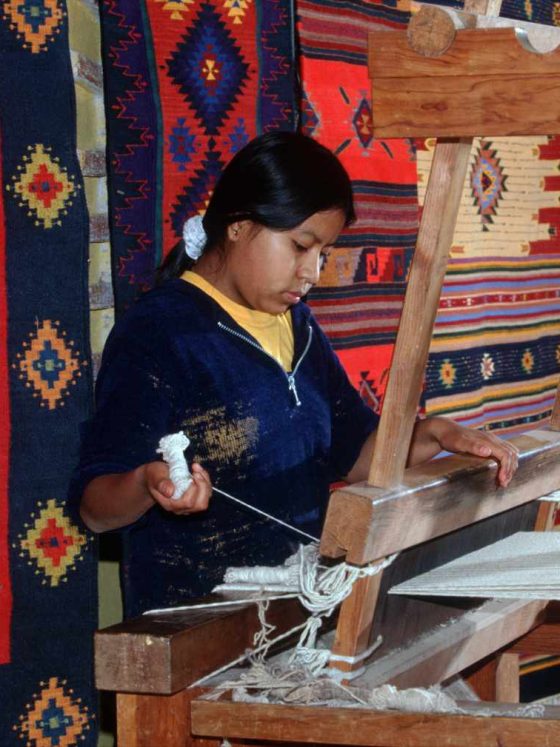
Geographic origin claims operate at different levels of precision. ‘Made in Italy’ is a country-of-assembly claim regulated in most markets that requires the final manufacturing stage to occur in Italy. ‘ Woven in Oaxaca’ is a regional claim that implies the weaving was performed in that Mexican state. ‘Handwoven by Zapotec artisans in the Oaxacan Valley’ is a community-specific claim that implies a documented relationship with specific practitioners in a specific place.
The evidence required increases with the claim’s specificity. A country-of-origin declaration from the manufacturer meets a country-level claim. A regional claim requires documentation placing the production in the stated region. A community-specific claim requires a documented sourcing relationship with named individuals or cooperatives in that community. The marketing copy should reflect the evidence that exists, not the most evocative version of the story the supplier told during the sales conversation.
As TraceX’s analysis of textile value chain mapping confirms, 67% of brands trace cotton as their top fibre. Still, consumers prioritise origin (69%) over farm-level data (20%), meaning geographic claims draw the most consumer scrutiny, while the specific farm-level evidence that would substantiate them is the least collected. This data makes the gap between the claim consumers care most about and the evidence tier most brands stop collecting directly visible.
Field 3: Certification Status
The claim: GOTS-certified organic / GRS-certified recycled content / Bluesign-certified process / OEKO-TEX STANDARD 100.
Each certification covers a specific scope and should be understood precisely before the claim is made:
- GOTS (Global Organic Textile Standard): covers the full chain from organic fibre through processing to finished garment, including dyeing and finishing auxiliaries. Requires an annual independent audit at every stage. Certifies both fibre content and processing conditions.
- GRS (Global Recycled Standard): covers recycled input material and the chain of custody for recycled-content claims. Does not certify processing conditions beyond the chain of custody.
- OEKO-TEX STANDARD 100: certifies that a finished product has been tested for harmful substances. It is a product safety standard, not a sustainability or origin standard. A product can carry OEKO-TEX certification while being produced under any environmental and labour conditions, as long as the finished product meets the substance-testing threshold.
- Bluesign: certifies that textile processing meets environmental and safety standards at the mill level. It is a process standard, not a fibre origin or finished-product standard.
A buyer who conflates these certifications in a provenance claim is making inaccurate claims that mix scope levels. The most common version: a product described as ‘certified natural’ that carries OEKO-TEX certification on the finished product but has no GOTS or equivalent certification on the fibre origin or processing. OEKO-TEX tells the buyer the fabric is tested safe. It does not tell the buyer where the fibre came from or how it was processed.
The evidence required: the current Scope Certificate (SC) from the certifying body, naming the certified organisation and the scope of certification; the Transaction Certificate (TC) for the specific order, confirming that the material in that order was supplied from certified stock. Both documents should be current: an expired certification is not current certification.
Field 4: Production Process
The claim: handwoven / artisan-made / small-batch / traditionally produced.
As Omiren Styles has established, in its analysis of when a brand says ‘handmade’ and what a customer should be allowed to ask, ‘handmade’ has no standardised legal definition in most markets, and the claim spans a range from fully artisan-produced to a single hand-finished element. The same analysis applies to fabric provenance: ‘handwoven’ could mean the entire fabric was produced on a traditional hand loom by a named weaver; it could mean the fabric was industrially woven with a hand-finished selvedge; or it could mean the fabric was described as handwoven by an intermediary whose relationship to the actual production is not direct.
The evidence required: documentation placing the production method at the specific stage of fabric production claimed. For a handwoven fabric claim: the name of the weaving workshop or cooperative; the production method confirmed in writing by the supplier (hand loom versus mechanical jacquard versus power loom); the approximate production time per metre or per piece as evidence of the labour intensity the claim implies. A buyer who cannot obtain this documentation from a supplier relies on an unverified production-method claim.
Field 5: Labour Conditions
The claim: fair trade / ethical production / supports artisan livelihoods/community benefit.
Labour condition claims are the most poorly evidenced category in fabric provenance because evidence of labour conditions requires audit access to the production environment, not documentation a supplier can provide without independent verification. A supplier’s self-declaration that workers are fairly paid is not evidence of fair pay; it is evidence that the supplier said workers are fairly paid.
The minimum required evidence: a third-party social audit at the relevant supply chain tier, conducted within the past year by an accredited auditing body (SA8000, Better Work, Fair Wear Foundation, or equivalent). For a community artisan claim at Tier 3 or Tier 4: the name of the community or cooperative; the pay structure documented in writing; and, where a ‘community benefit’ claim is made, specific documentation of what the community receives commercially from the relationship, not what the brand claims to provide.
The most significant structural limitation on labour condition evidence in fabric provenance is that most brands conduct social audits at Tier 1 (garment assembly) and none at Tier 2 or below. A fabric whose provenance claim includes a labour dimension and whose supplier has not been audited in the past year has a labour claim with no current independent evidence.
Field 6: Environmental Process
The claim: naturally dyed / low-impact processing / water-saving dyeing / zero-discharge mill.
Environmental process claims in fabric provenance span the dyeing and finishing stages of production, where chemical and water impacts are highest. As the two preceding articles in this series documented for cochineal and alpaca specifically, ‘naturally dyed’ is a claim whose environmental implication depends substantially on which mordants were used and how the dye bath was disposed of – details that a ‘naturally dyed’ label does not disclose.
The evidence required for environmental process claims: the mill’s current environmental certification (Bluesign, OEKO-TEX Made in Green, GOTS where applicable); the specific dyestuff and mordant system used where a natural dye claim is being made; the mill’s effluent treatment documentation where a zero-discharge or low-impact water claim is being made. For brands selling into the EU, the EU ECGT banning generic green claims from 27 September 2026 requires environmental claims to be substantiated, not asserted.
Field 7: Chemical Safety
The claim: chemical-free / non-toxic / REACH compliant/free from substances of concern.
Chemical safety claims in fabric provenance require documentation of the substances present in the finished fabric, not a declaration that harmful substances are absent. The absence claim (‘chemical-free’) is not testable; the presence claim (the fabric was tested, and substances of concern were below the specified threshold) is.
The evidence required: an OEKO-TEX STANDARD 100 certificate for the finished fabric (which tests for over 100 harmful substances); or a REACH compliance declaration for EU-specific requirements; or independent laboratory testing to the relevant standard for the market where the product will be sold. A supplier’s self-declaration of ‘chemical-free’ without a test result is an unverifiable claim in any regulatory environment.
The DPP Context: What the Regulatory Framework Is Now Requiring
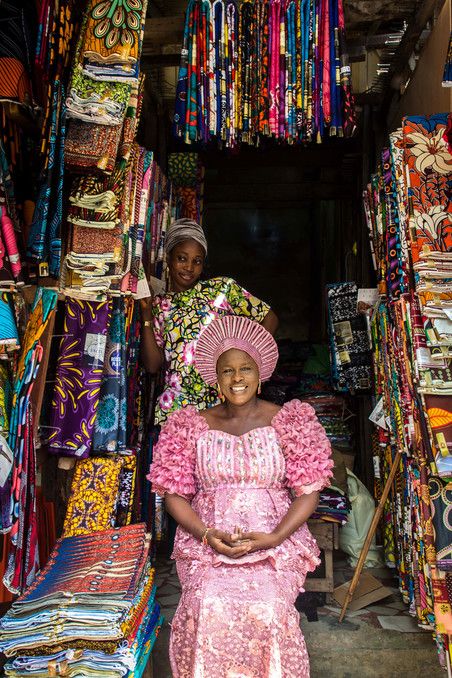
As GreenStitch’s analysis of EU DPP compliance confirms, up to 80% of a product’s eventual DPP performance is locked in at the design stage. Fabric weight, seam construction, elastane content, whether the material brief mandates recycled content and chain-of-custody certification: all of these determine what can be documented later. A brand that commissions a fabric with a community provenance narrative but does not build documentation requirements into the sourcing brief locks in a documentation gap at the moment of commission, not at the moment of publication.
The EU DPP minimum data requirement for textiles, as specified in the ESPR framework, includes product composition (fibre types and percentages), recyclability information, supply chain production traceability covering key processing steps from fibre to garment, and environmental impact data. The full set of 16 potential data categories, including carbon footprint, hazardous substance records and social impact information, will be specified in the delegated act expected in late 2026. From that point on, the care label declaration, the supplier self-description, and the marketing copy are not the evidence. They are the claims. The evidence is the documentation behind each field.
As BlueKaktus’s analysis of supply chain transparency confirms, raw material extraction facilities, smallholder farms, and regional yarn spinners often lack sophisticated IT infrastructure and manage operations through paper ledgers or basic messaging apps. Relying solely on paper-based scope certificates and transaction certificates from bodies like GOTS or GRS exposes brands to document fraud and duplicate volume counting. The solution is not to abandon certification but to build supplier relationships at Tier 2, 3, and 4 that make digital chain-of-custody tracking viable: each production partner inputs its own data into a connected system rather than sending paper documents through an intermediary chain.
The Provenance Brief: Asking Before Sourcing
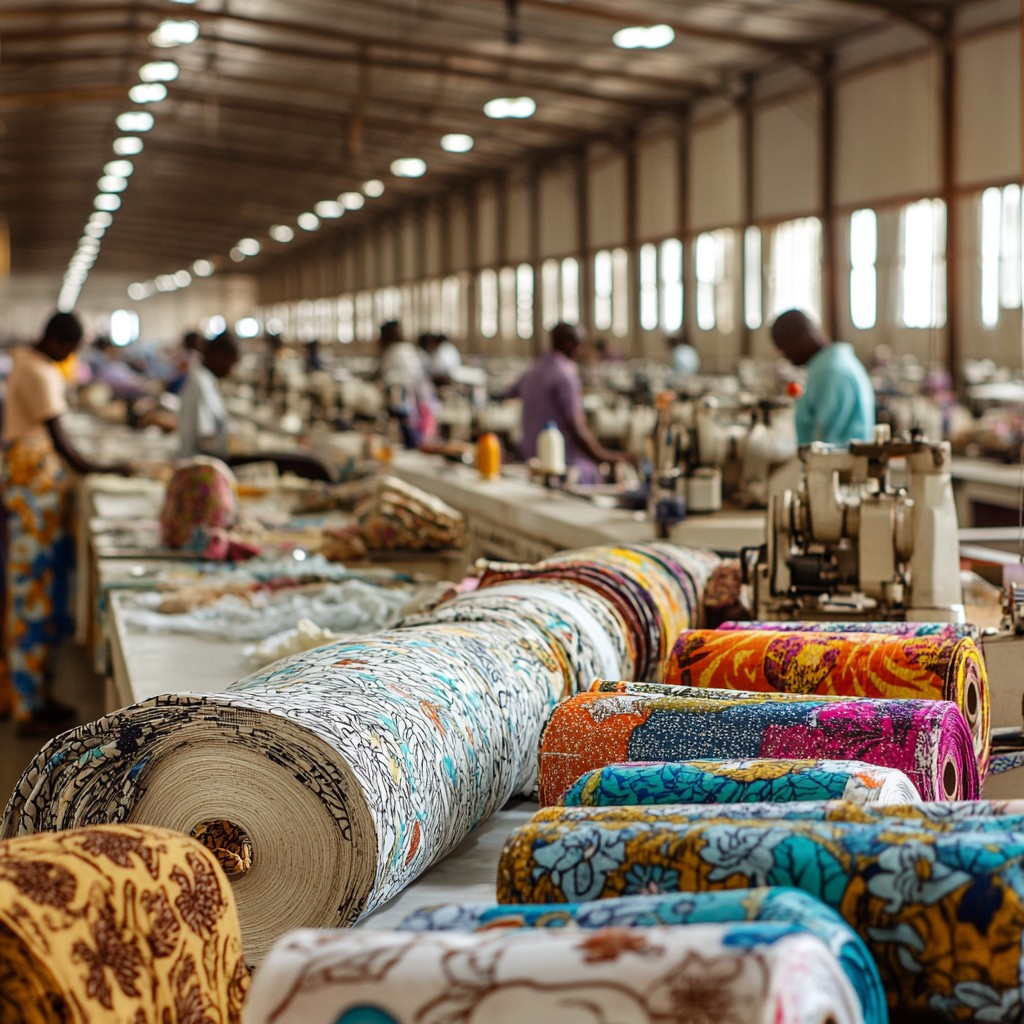
The practical instrument this guide produces is a provenance brief: a set of questions a buyer asks a fabric supplier before making a sourcing decision, whose answers determine whether the provenance claim the brand wants to make is supportable.
For each field covered above:
Field 1 – Fibre content and composition:
- Can you provide the fibre composition certificate for this fabric, naming all components and their percentages?
- Is the fibre content certified by an independent body (GOTS, GRS, OCS or equivalent)? Can you provide the current Scope Certificate and the Transaction Certificate for our order?
- Has this batch been independently tested to confirm the fibre content? Can we see the test report?
Field 2 – Geographic origin:
- Where specifically was this fabric woven/dyed/finished? Can you provide the mill’s name and location?
- Where does the yarn come from? Can you name the yarn spinner and their location?
- Where does the raw fibre originate? Can you name the farm, cooperative or supplier at Tier 4?
- If we want to use a community-specific origin narrative, can you document the direct sourcing relationship with that community?
Field 3 – Certification:
- What certifications does this fabric hold, and what is the scope of each? (Note: OEKO-TEX STANDARD 100 is a product safety standard; GOTS covers fibre origin and processing; Bluesign covers the mill’s process; these are not equivalent.)
- Are the certifications current? Can you provide the scope certificates with their validity dates and the issuing certification body?
- Can you provide Transaction Certificates confirming this specific order was supplied from certified stock?
Field 4 – Production process:
- If claiming handwoven: what is the weaving method (hand loom, mechanical jacquard, power loom)? What is the name of the weaving workshop or cooperative?
- What is the approximate production time per metre or per piece?
- Can you provide a production record confirming the process at the specific stage the claim describes?
Field 5 – Labour conditions:
- Has this facility (and the fabric mill, yarn spinner or fibre origin) been audited for labour conditions in the past twelve months? By which auditing body?
- If making a community benefit claim: what does the community receive commercially from this relationship? Can you document the price paid to the community per unit?
- Are workers paid at or above the living wage for their region? Is this documented?
Field 6 – Environmental process:
- If claiming naturally dyed: what dye source was used, and what mordant system? How was the dye and mordant bath disposed of?
- Does the mill hold environmental certification (Bluesign, OEKO-TEX Made in Green, GOTS)? Can you provide current certificates?
- What is the mill’s effluent treatment system? Do you have documentation of water use and chemical discharge?
Field 7 – Chemical safety:
- Has the finished fabric been tested for substances of concern under OEKO-TEX STANDARD 100 or an equivalent standard? Can you provide the current test certificate?
- Is the fabric REACH compliant? Can you provide the REACH compliance declaration?
- What chemical inputs were used in the dyeing and finishing process, and are any of them on the SVHC (Substances of Very High Concern) list?
The Omiren Argument
A provenance claim is a set of fields. Every field has a name, an evidence type and a supply chain tier. Before a buyer accepts a supplier’s provenance description, they should know which fields it covers and what evidence exists for each one.
The gap between provenance marketing language and supply chain documentation is closing, faster than most brands have prepared for. The EU DPP registry is live. The ECGT enforcement of green claims began on 27 September 2026. The JRC’s textile DPP study confirms that the ‘full story’ behind Tier 2 and Tier 3 is opaque for most brands operating today. The regulatory environment is moving from self-declaration to evidence-based, field-by-field documentation.
As Omiren Styles has documented in its series on material intelligence and sourcing, whether the material being claimed is Peruvian alpaca, cochineal dye or a handwoven textile from an Andean community, the verification requirement is the same in structure: the claim identifies the field, the evidence confirms what the field contains, and the tier identifies where in the supply chain that evidence is held. A brand that can name all seven fields and produce documentation for each one has a verifiable provenance claim. A brand that can name the claim without the documentation has a story whose truth it cannot confirm.
As Omiren Styles has argued throughout this series, the Global South made fashion and never got credit. The provenance brief this article describes is the commercial instrument through which credit can be both claimed and documented: the buyer asks the right questions, the supplier builds the record to answer them, and the community whose labour, land and knowledge is the basis of the claim is named in the documentation rather than absorbed into the marketing narrative as an unnamed background. The field-by-field framework is not only a compliance tool. It is how the record gets built.
ALSO READ
- Cochineal on Cloth: The Questions Behind a ‘Naturally Dyed’ Claim
- When a Brand Says ‘Handmade’, What Should a Customer Be Allowed to Ask?
- What African Communities Can Document, Decide and Protect Before Their Designs Become Fashion Content
- The Documentation Gap: What Fashion Supply Chains Still Fail to Record
- The Global South Made Fashion. It Just Never Got Credit.
Frequently Asked Questions
What is the difference between a Scope Certificate and a transaction certificate?
A Scope Certificate (SC) is issued by a certification body to a specific organisation – a farm, mill or manufacturer – confirming that the organisation is certified under a given standard (GOTS, GRS, OCS and others) and specifying which products and processes fall within the certified scope. The SC confirms the organisation is eligible to handle and sell certified material. A Transaction Certificate (TC) is issued for a specific shipment or order, confirming that the material in that specific transaction was produced under the certified scope and came from certified stock. For a buyer making a certified-material claim, both documents are required: the SC confirms the supplier is certified, and the TC confirms this order drew on certified material. An SC without a TC for the specific order does not confirm the material in that order was certified.
What is the EU Digital Product Passport, and when does it apply to textiles?
The EU Digital Product Passport (DPP), required under the Ecodesign for Sustainable Products Regulation (ESPR, Regulation EU 2024/1781), is a digital record that travels with each product and must include verifiable information on material composition, supply chain provenance, environmental impact and circularity. The EU DPP registry opened on 20 July 2026. Textiles are confirmed as a first-priority product category, with the textile-specific delegated act expected in late 2026 or 2027 and enforcement targeting 2027–2028. The DPP means that a care label declaration of ‘100% organic cotton’ will not be sufficient evidence: documentation from the fabric supplier, backed by certification and testing, will be required as the evidenced record behind the claim.
How far back in the supply chain should a buyer’s provenance documentation reach?
The documentation should match the claim’s scope. A garment assembly claim (made in [country]) needs Tier 1 documentation. A fabric origin claim (woven in [region]) needs Tier 2 documentation from the fabric mill. A yarn-level or natural fibre claim needs Tier 3 documentation from the yarn spinner. A fibre-origin or community-sourcing claim needs Tier 4 documentation from the farm or cooperative. Under EU DPP requirements, brands selling into the EU will need at minimum Tier 2 (fabric mill) and ideally Tier 3 (yarn) documentation. Stopping at Tier 1 is not sufficient for the claims most brands currently make about their fabrics.
What does the EU ECGT mean for fabric provenance claims from 27 September 2026?
The EU Empowering Consumers for the Green Transition Directive (ECGT) became enforceable on 27 September 2026, banning unsubstantiated environmental claims, including generic terms like ‘eco-friendly’, ‘climate neutral’, ‘sustainable’ and ‘green’. From this date, any environmental dimension of a fabric provenance claim made in EU-market consumer communications must be substantiated with evidence rather than asserted. This applies to claims on product pages, labels, hang tags, social media and packaging. A brand making a ‘naturally dyed with low-impact processes’ claim about a fabric without documentation of the dye system, mordant and effluent treatment is making a claim that the ECGT specifically prohibits after 27 September 2026.
What is the most common provenance documentation gap for fashion brands?
According to the JRC’s May 2026 textile DPP study, the most common gap is between Tier 1 and Tier 2: brands maintain high visibility over their direct garment assembly suppliers but have limited documentation of the fabric mill’s fibre sourcing, dye process and certifications. This means claims about fabric origin, fibre certification, and process conditions typically rely on the Tier 1 supplier’s communication of what Tier 2 told them, rather than direct documentation from Tier 2. Under EU DPP requirements, this indirect documentation will not be sufficient. Brands need direct supplier engagement at Tier 2, including scope certificates, transaction certificates, composition testing and, where relevant, environmental and social audit records.
EXPLORE MORE
Read the full Industry and Material Intelligence and Sourcing sections at Omiren Styles for ongoing analysis of fabric provenance documentation, supply chain traceability and the evidence frameworks that convert sourcing narratives into defensible product records. Discover travel and heritage intelligence across Africa, the Caribbean and Latin America at Rex Clarke Adventures.