Pam Edwards remembered her mother meeting the arriving children at the airport with a coat “because we didn’t know what a coat was.” Her recollection, published by the Hackney Museum, captures one practical adjustment to life in Britain: a parent already familiar with the weather supplied clothing the children had not previously needed. Stanley and Adella Dormer’s account describes another part of that adjustment. They moved from Jamaica to Hackney in the early 1960s without fully understanding what winter would require.
Their published testimony recalls “ordinary shoes, no winter coat” and a succession of unfamiliar purchases, including socks, long-sleeved nightwear and vests. The distinction between imagining the season and experiencing it remained clear in their memory: “You see a picture postcard of the winter, but it’s just seeing, not feeling.” These accounts turn attention towards clothes that rarely dominate histories of Caribbean style in Britain. Beneath the memorable suit or Sunday outfit was another wardrobe: the garments needed to get through an ordinary cold day.
Museum-recorded memories from Hackney reveal how Caribbean arrivals adapted to Britain’s weather, from airport coats to unfamiliar winter layers.
Learning What Winter Required
Knowing what winter looked like was not the same as knowing how to dress for it. The Dormers’ testimony records that gap directly: “We didn’t know what we were expecting.” It also recalls being told that the winter was exceptionally cold. That statement belongs to their remembered experience; it does not need to be treated as a verified meteorological comparison to explain the shock they described. The published account moves quickly from outer clothing to layers worn closer to the body:
“Long-sleeve nightdress, socks… We had to buy a lot of clothes. Vests – I’d never worn vests.”
That list matters because it describes more than a change in outward appearance. Adapting a wardrobe meant having clothes for different parts of the day, including sleep, and garments that would not necessarily appear in a public photograph. The emotional response is equally direct. The testimony recalls wanting to return and crying when winter came. The clothing history and the remembered difficulty of settling into unfamiliar conditions are recorded together.
More Than an Overcoat
Hackney Museum’s account identifies several kinds of winter adjustment. Adults incorporated essential raincoats and hats into their dress. Children joining parents in Britain encountered garments such as anoraks, woolly tights and boots for the first time. Taken alongside Edwards’s airport coat and the Dormers’ recollections, these details distinguish three parts of the wardrobe. Outerwear addressed exposure to the weather. Vests, socks and nightwear changed what was worn beneath or beyond the public outfit. Children’s clothing introduced unfamiliar forms of everyday dress.
The museum’s published account does not establish the price, shop or purchase date of every item. Its contribution is more specific: it identifies garments and connects them with named memories of adjustment. Edwards’s recollection is particularly revealing because acquisition began before arrival. The coat did not depend on the children recognising the need and finding one themselves. Their mother had already acted. Migration’s clothing history therefore includes preparation by people who were already settled, not only the decisions of those newly arriving.
Colour Belonged to the Same Wardrobe History
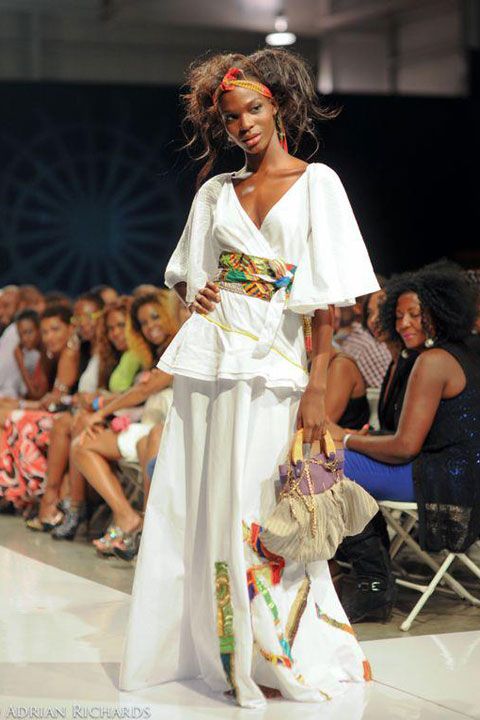
The museum places these winter memories alongside accounts of colour and personal presentation. Monica Morris, who moved to Stoke Newington as a child in 1960, remembered Britain as “very dull and boring” compared with the colourful dress she knew in British Guiana, now Guyana. Her recollection records a comparison between places through the appearance of their clothing. Wendy Ellison remembered the contrast from a different position. Recalling her childhood in Hackney, she described men in light-blue or fawn suits with matching trilby hats and women in striking colours. To her, their dress was “an explosion of colour.”
These memories do not trace the same people’s clothes through every season. They do show that the museum’s record contains several dimensions of dress: physical need, personal preference and the impressions people made on others. A practical account of winter should not erase those other dimensions. Equally, an evocative account of colourful suits should not stand in for what people needed beneath their coats. The two histories belong beside each other without having to become the same story.
Sunday Best Answered a Different Need
Occasion also organised the wardrobe. Hackney Museum describes churches as important centres of Caribbean community life. Its account connects Sunday services with wearing one’s smartest clothing, often completed with gloves and a hat. Those garments had a recurring social setting. Their purpose was not identical to the airport coat or newly purchased vest, even when an item could serve more than one function. Omiren’s earlier feature, Windrush Dress: Arriving in Britain’s Sunday Best, examines formal presentation. This climate-led history adds a different question: what did people need their clothes to do between the public occasions through which their style is often remembered? The answer begins with the ordinary layers named in the testimony.
Remembering Clothes Through Use
The strength of these accounts lies in their connection between a garment and a circumstance. For Edwards, the coat belongs to a meeting at the airport. For the Dormers, vests and nightwear belong to learning what winter felt like. Morris’s memory connects colour with a comparison between her childhood surroundings. Ellison’s recollection records the impression made by other people’s dress.
Hackney Museum originally presented the material in Hackney’s Got Style: Celebrating the History and Impact of African and Caribbean Fashion and Hair, an exhibition held from October 2019 to March 2020. Its published account preserves those memories within a wider history of local style. That context is useful. It makes room for the coat and vest alongside the carefully coordinated outfit. Clothing history becomes not only a record of how people appeared, but an account of what they learned to wear and why.
The Omiren Argument
Dress history is incomplete when it preserves the public outfit but overlooks the clothing that made ordinary life possible. The coat, vest and winter boot deserve attention alongside the suit and Sunday hat. They reveal a different relationship between clothing and migration: the process of learning what a new environment required. For Omiren, the principle is use.
We should ask not only how people wanted to be seen, but what they needed their clothes to do. The testimony matters because the wearers supplied the connection. An airport coat, unfamiliar layers and the remembered feeling of winter make this history concrete without asking one wardrobe to represent an entire generation.
Also Read:
- The Caribbean Hair Shop Is Not Just Retail. It Is Diaspora Infrastructure
- Caribbean Carnival Fashion: How Costume Traditions Shape Global Couture
- Dancehall Fashion History: How Kingston Dressed the World First
- The Madras Headwrap: How Caribbean Women Turned a Colonial Textile into a Declaration
Frequently Asked Questions
What winter clothing appears in the published recollections?
The museum’s account mentions coats, raincoats, hats, anoraks, woolly tights and boots. The testimony attributed to Stanley and Adella Dormer also recalls socks, long-sleeved nightwear and vests. The account does not establish the price, shop or purchase date of every item; its contribution is to identify garments and connect them with named memories of adjustment.
Whose experiences does this article discuss?
The principal climate accounts are Pam Edwards’s recollection of an airport coat and Stanley and Adella Dormer’s memories of moving from Jamaica to Hackney in the early 1960s. The article also draws on Monica Morris’s and Wendy Ellison’s recollections of colour and dress. They are individual experiences, not a representative survey of Caribbean migrants’ wardrobes.
Where can readers explore the original testimony?
The extracts appear in Hackney Museum’s Fashion & Hair of Hackney’s Windrush Generation, a published account drawing on material originally presented in its Hackney’s Got Style exhibition. That exhibition ran at Hackney Museum from October 2019 to March 2020, and the account preserves the memories within a wider history of local style.
Why do vests and nightwear matter to dress history?
They show that adapting a wardrobe involved clothing for different parts of the day, including sleep, and garments that would not necessarily appear in a public photograph. Alongside suits and Sunday hats, they record a practical side of migration: learning what a new environment required and what clothes needed to do between public occasions.