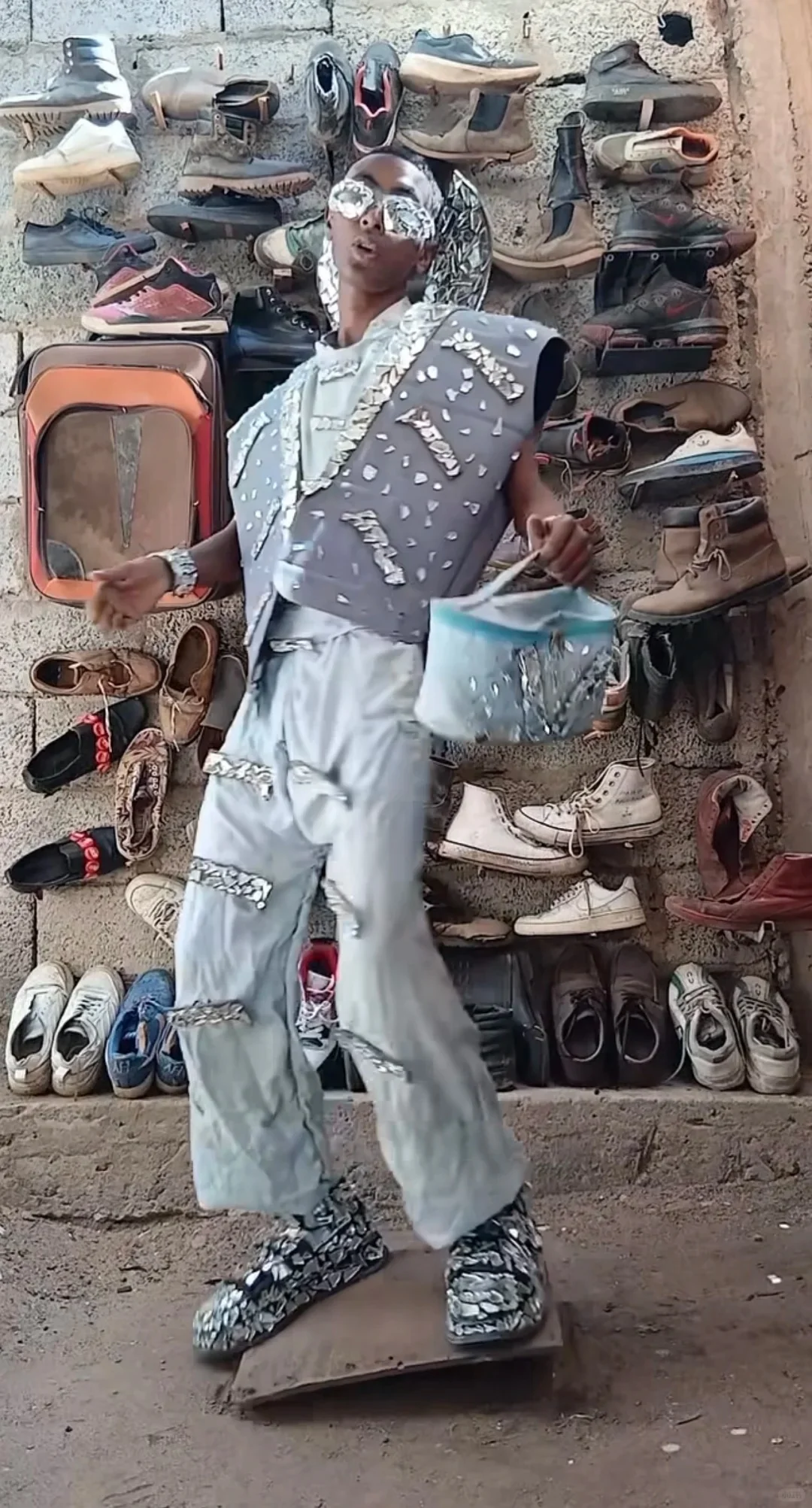
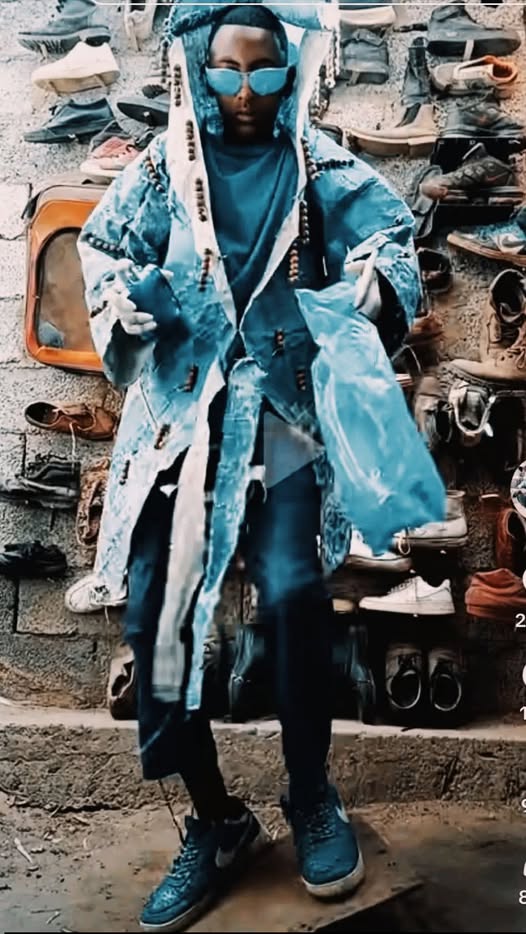
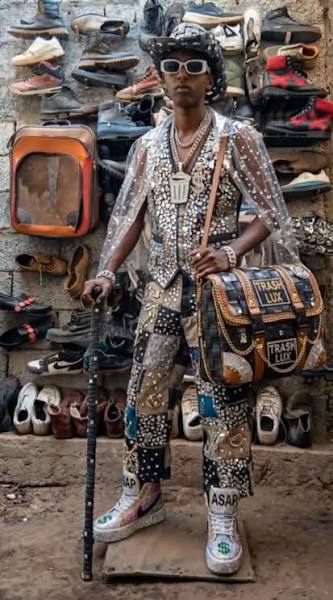
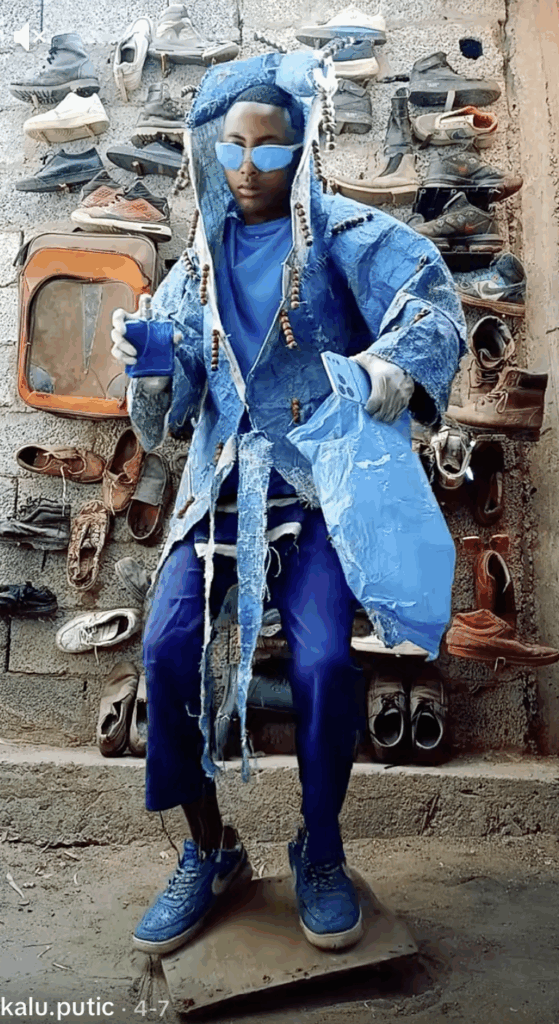
In April 2026, a TikTok account began circulating videos of a young person from Mekelle, Ethiopia, assembling avant-garde outfits from plastic bags, worn shoes, torn fabric scraps, and the detritus of a city’s everyday surfaces. The construction was architectural. The presentation was deliberate. The audience response was, by any metric, extraordinary. Two and a half months later, the account operating under the name @kaluputics has approximately 730,000 followers on TikTok and approximately 6.5 million on Instagram, according to TokPortal and HypeAuditor’s July 2026 data. SZA commented on one of his posts. A comment, to be precise, not an endorsement or a brand partnership, but a direct expression of admiration from one of the most visible artists in contemporary music. The fashion industry has been largely silent.
The original Omiren Styles analysis, published May 2, 2026, argued that he may be the most important fashion story of 2026. Two and a half months have passed since that piece was published. No publicly announced formal brand partnership has emerged. This article asks what the industry’s silence reveals, what it owes, and what responsible engagement with a creator of this profile, who is approximately 15 years old, whose identity remains publicly unverified, and whose context is post-conflict Tigray, would actually look like.
Kalu Putic has approximately 6.5 million Instagram followers and no confirmed brand deal. Two and a half months after the world noticed, Omiren asks what comes next.
What Mekelle Means
Mekelle is the capital of Tigray, a region of northern Ethiopia that experienced one of the most devastating conflicts of the twenty-first century. The Tigray War ran from November 2020 to November 2022, when the Cessation of Hostilities Agreement was signed between the Ethiopian federal government and the Tigray People’s Liberation Front. Eritrean forces participated on the federal side. Humanitarian access to Tigray was blocked for significant portions of the conflict. According to research led by Professor Jan Nyssen, an emeritus professor of physical geography at Ghent University, the average estimate of civilian deaths in the period from November 2020 to November 2022 stands at approximately 518,000, with a range from 311,000 to 808,000, including deaths from the collapse of healthcare infrastructure and famine as well as direct violence. This figure is the most comprehensive publicly available estimate of the war’s civilian toll.
Kalu Putic is, by consensus of available sources, approximately 15 years old in July 2026, which places his birth year at around 2011. He was approximately 9 years old when the Tigray War began in November 2020. He was approximately 11 years old when the ceasefire was signed in November 2022. He began posting his first videos from Mekelle in late December 2025, approximately three years after the ceasefire, in a city that is still recovering from the material, institutional, and human consequences of a war the world largely did not cover while it was happening.
The advocacy argument that the fashion industry owes this creator structural investment is inseparable from the context in which he is making this work. The resourcefulness that produces avant-garde construction from plastic bags and discarded fabric in Mekelle is not the same aesthetic sensibility operating in a London or New York studio. It is a specific creative intelligence developing in specific post-conflict material conditions. Any serious engagement with his work must engage with that context rather than abstracting the visual output from the place and the circumstances that produced it.
“The war in Tigray is one of the worst humanitarian disasters of the 21st century, and it happened largely out of sight. The young people who grew up through it and are now creating from it deserve to be understood in that context, not lifted from it.” — Professor Jan Nyssen, Ghent University, on Tigray’s post-conflict reconstruction, documented by Every Casualty Counts, January 2023
What He Has Built and What the Analytics Say
HypeAuditor ranked the @kaluputics Instagram account at approximately number 165 worldwide among Instagram influencers as of July 2026. Their estimated monthly income from Instagram alone stands at $22,402 to $30,691. TokPortal estimates comparable creator fund income from TikTok at approximately $13,632 per month. These are algorithmic estimates based on engagement data using the same methodology the industry applies to influencer valuation, not confirmed income figures. No public financial disclosure from the creator exists. Taken together, they indicate that a creator at this engagement level is likely generating some monetised income through platform creator funds, affiliate arrangements, or undisclosed commercial activity, even in the absence of a publicly announced brand partnership. The article’s advocacy argument is not that he has nothing. What he has is platform-dependent income at a scale the fashion industry has not matched with the structured investment his creative output warrants.
What has not materialised in two and a half months, by any publicly available record, is a formal brand partnership from a fashion house, a retailer, or an institution with the resources to offer the structural support, intellectual property protection, creative sovereignty, and appropriate commercial terms that a creator of this profile warrants. The Zambian Observer reported in May 2026 that “global fashion giants are circling” and that “brands are battling to secure deals worth $1 million a year.” This is tabloid-level sourcing and should be treated accordingly. However, it is consistent with the HypeAuditor income estimate. The demand exists. The structured, ethical, documented engagement has not yet been confirmed.
The Account Authenticity Context
Omiren Styles reports what the available sourcing establishes about the account’s authenticity rather than assuming a single verified entity. The Habesha diaspora community conducted a cross-account analysis in April 2026. It concluded that the TikTok account appeared authentic. In contrast, the largest Instagram account showed behaviour inconsistent with organic creator growth: three username changes and following only one person at the point of analysis. A Reddit thread from June 2026 identified a separate X/Twitter account claiming to be him as inauthentic. No confirmed legal name, direct statement from the creator, or verified contact channel has been established publicly as of the date of this article.
This uncertainty does not diminish the work. The visual output is documented, third-party analytics platforms measure the audience engagement, and SZA’s comment is confirmed across multiple sources. What it does mean is that any brand, institution, or individual who wishes to engage with this creator commercially or editorially faces a specific practical challenge. There is no publicly confirmed channel for doing so. Any responsible engagement begins with establishing that channel, working through community contacts in Tigray and the Habesha diaspora rather than through direct platform outreach to an unverified account.
What the Industry’s Silence Reveals
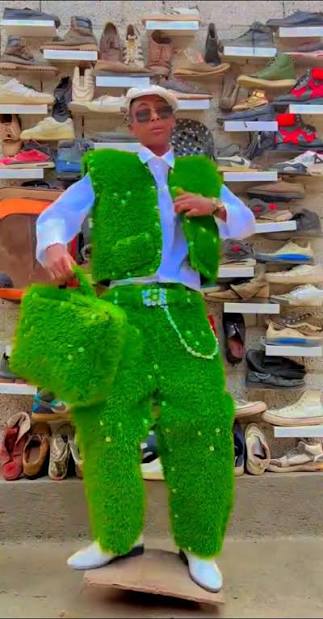
Two and a half months is not a long time by the fashion industry’s standard calendar. It is a long time measured against what the industry does when it wants to move quickly. When a European designer generates equivalent social momentum, the response from houses, agencies, and institutions is typically measured in days rather than months. The silence on Kalu Putic is not evidence that the industry lacks the mechanisms to respond. It is evidence of something more structural: a fashion system that has developed efficient pathways for engaging with creative talent from specific geographies and backgrounds, but has not developed equivalent pathways for engaging with creative talent emerging from post-conflict Tigray, with an unverified public identity and no existing industry relationships. As Omiren Styles has argued in their analysis of European luxury houses and African fashion infrastructure, the global fashion industry has consistently extracted cultural credibility from African creative output while declining to invest in the structural infrastructure needed for equitable engagement. The silence on Kalu Putic is the same pattern, at the level of a single creator.
As Omiren Styles has documented in its analysis of what African jewellery brands need to go global, the structural conditions for equitable creative engagement exist. They are not mysteries. They involve intellectual property protection, creative sovereignty in any commercial partnership, appropriate commercial terms that account for the creator’s age, legal context, and family situation, and a long-term relationship rather than a one-time transaction. None of this is beyond the capacity of the industry’s largest institutions. The question is whether those institutions will apply those capacities here.
What Responsible Engagement With a Minor Creator Looks Like
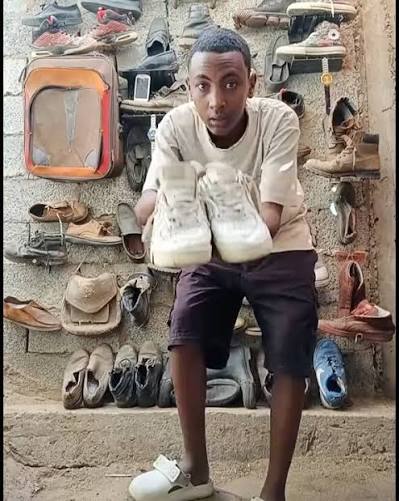
He is approximately 15 years old. Ethiopia ratified the UN Convention on the Rights of the Child by accession on 14 May 1991. Any commercial engagement with a minor in Ethiopia requires parental or guardian consent, is subject to specific legal frameworks governing contracts entered into by minors, and must prioritise the child’s wellbeing and long-term interests. The brand briefing process addresses none of this, the influencer agency model, or the standard terms offered by luxury house partnerships.
The call to action this article makes is not directed at brands that wish to make a public commercial offer to a 15-year-old whose family situation and guardianship are entirely unknown. That is not responsible engagement. The call to action is directed at the institutions, the British Fashion Council, the CFDA, Camera Nazionale della Moda Italiana, the Ethical Fashion Initiative, and the Vogue networks, who have the capacity to build the infrastructure that enables responsible engagement with creators of this profile. That infrastructure includes community contacts in Tigray and the Habesha diaspora who can establish verified channels of communication; legal frameworks for creative partnerships with minors that centre the creator’s long-term interests; and documented precedents for intellectual property protection that prevent the extraction of creative value without compensation.
The question is not whether the fashion industry should engage with Kalu Putic. The question is whether it can build the infrastructure to do so responsibly. As Omiren Styles has argued, the fashion industry has consistently positioned African creative talent as emerging rather than as established, as requiring discovery rather than as deserving equitable engagement on their own terms. Building the infrastructure to engage responsibly with a creator like Kalu Putic is the correction of that posture.
A Note on His Independence
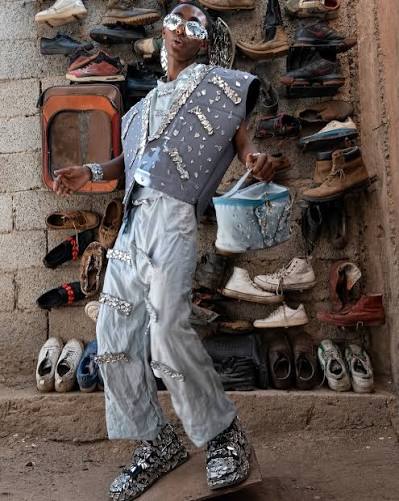
Multiple sources, including a documentary produced about him, describe why he refuses to speak, monetise, or reveal his real name. Omiren Styles notes that no direct statement from the creator confirming this as a deliberate philosophical stance has been publicly verified. He may be unreachable for reasons that have nothing to do with creative sovereignty: internet access constraints in post-conflict Tigray, protective family decisions about a minor’s public profile, or simply the absence of anyone with a direct relationship to him who has stepped forward as a contact. The silence may be chosen. It may be circumstantial. Treating it as chosen without a primary source confirming that choice is an inference.
What can be said is this: whatever produces his independence, its effect is to make the work legible on its own terms, without the mediation of brand association, agency representation, or editorial positioning by a fashion house. The work reaches its audience directly and is judged directly. That is rare at any scale. At 6.5 million Instagram followers, it is nearly unprecedented. Whether that independence is architecture or circumstance, its value is the same.
The Omiren Argument
Two and a half months after the world first looked at the wall in Mekelle, where a 15-year-old assembles avant-garde construction from discarded materials, the fashion industry has not announced a single confirmed, structured, ethical engagement with the creator whose work produced that attention. HypeAuditor places him at approximately number 165 worldwide among Instagram influencers. The industry has the mechanisms to move faster when it chooses to. It has not chosen to be here, and the reasons for that choice are structural rather than incidental: the absence of established pathways for engaging with post-conflict African creative talent, unverified identities, and minor creators whose legal and guardianship contexts are unknown.
Omiren Styles’ position is that no brand should make an offer to Kalu Putic. It is that the fashion industry should build the infrastructure that enables responsible, equitable engagement with creators of this profile, and that it should do so as a structural commitment rather than a case-by-case exception. The work coming from the wall in Mekelle does not require the industry’s validation to be significant. It is already significant. As Omiren Styles argued in its first analysis of this story, the fashion industry’s most important test is not whether it can discover African creative talent. It is whether it can engage with that talent equitably, on terms that serve the creator’s long-term interests rather than the industry’s short-term credibility needs.
The wall in Mekelle is still there. The work continues. The infrastructure for engaging with it responsibly does not yet exist. Building it is what the fashion industry owes.
ALSO READ
- Kalu Putic: From the Walls of Mekelle to the World’s Runways
- Why European Luxury Houses Invest in Afrobeats Stars but Not African Fashion Infrastructure
- African Fashion Is Not Emerging. It Has Always Been Here.
- African Jewellery Brands That Go Global Do Not Get Lucky. They Get These Four Things First.
Frequently Asked Questions
Who is Kalu Putic?
Kalu Putic is the name associated with a TikTok and Instagram account that began posting videos in December 2025 of a young person from Mekelle, Tigray, Ethiopia, assembling avant-garde outfits from plastic bags, worn shoes, torn fabric scraps, and discarded urban materials. The account gained significant international attention in April 2026. As of July 2026, the account has approximately 730,000 followers on TikTok and approximately 6.5 million on Instagram, according to TokPortal and HypeAuditor. No confirmed legal name, direct statement, or verified contact has been established publicly. A Habesha diaspora community cross-account analysis in April 2026 identified authenticity questions around the largest Instagram account, while assessing the TikTok presence as more credibly authentic. Omiren Styles first reported on his work on May 2, 2026.
What is the Tigray context?
Mekelle is the capital of Tigray, a region of northern Ethiopia that experienced a devastating civil war from November 2020 to November 2022. Research led by Professor Jan Nyssen of Ghent University estimates civilian deaths at an average of 518,000, with a range of 311,000 to 808,000, according to the Every Casualty Counts documentation webinar in January 2023. Kalu Putic is approximately 15 years old, meaning he was approximately 9 years old when the war began and approximately 11 when the ceasefire was signed. His creative practice is developing in a post-conflict city that is still recovering from the material and institutional consequences of that conflict.
What did SZA do?
SZA commented on one of his posts. A comment, documented across multiple sources as a direct expression of admiration. Not an endorsement. Not a brand partnership. Not a co-sign in the commercial sense. A comment on a post from one of the most visible artists in contemporary music, which, for a creator at this scale is a form of low-commitment public acknowledgement that nonetheless significantly amplified his international reach.
Why has no brand partnership been announced?
No publicly confirmed reason has been stated by any brand. The structural reasons are documented throughout this article: the absence of established pathways for engaging with post-conflict African creative talent, the unverified public identity of the creator, the fact that he is approximately 15 years old with no known confirmed contact channel, and the fashion industry’s historical pattern of extracting cultural credibility from African creative output without investing in the structural infrastructure for equitable engagement.
What does Omiren Styles recommend the industry do?
Not make a public commercial offer to an unverified minor creator with no confirmed contact channel. Build the infrastructure that makes responsible engagement with creators of this profile possible: community contacts in Tigray and the Habesha diaspora to establish verified communication channels; legal frameworks for creative partnerships with minors centred on long-term creator interests; and documented intellectual property protections. The British Fashion Council, CFDA, Camera Nazionale della Moda Italiana, and the Ethical Fashion Initiative have the institutional capacity to lead this infrastructure-building. The question is whether they will.