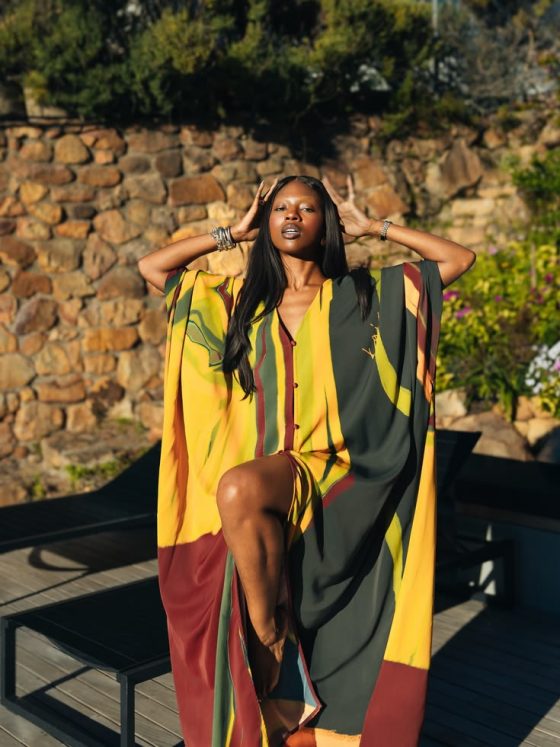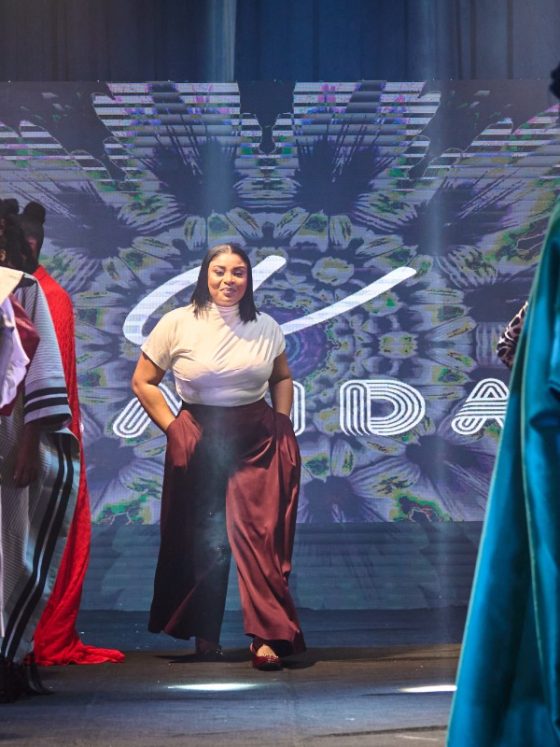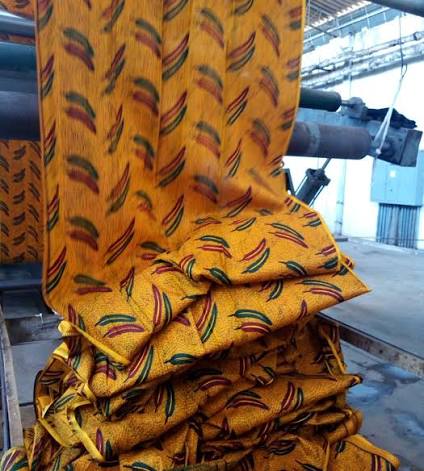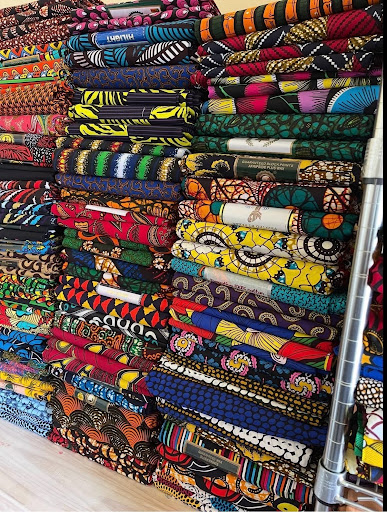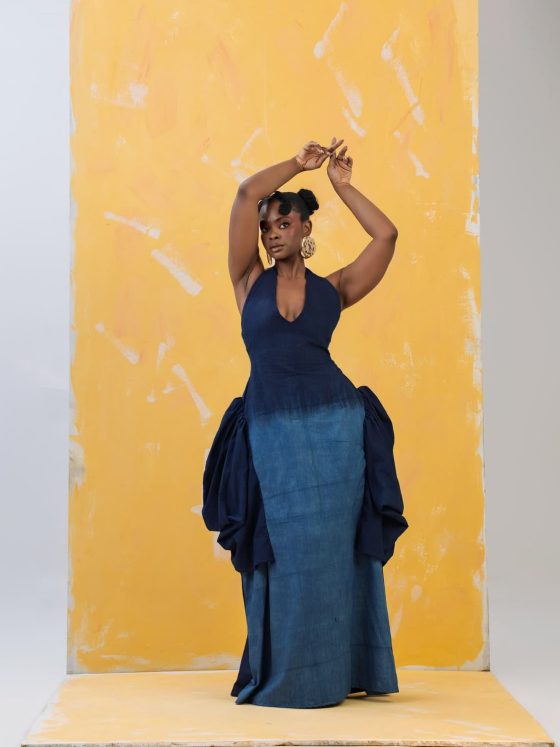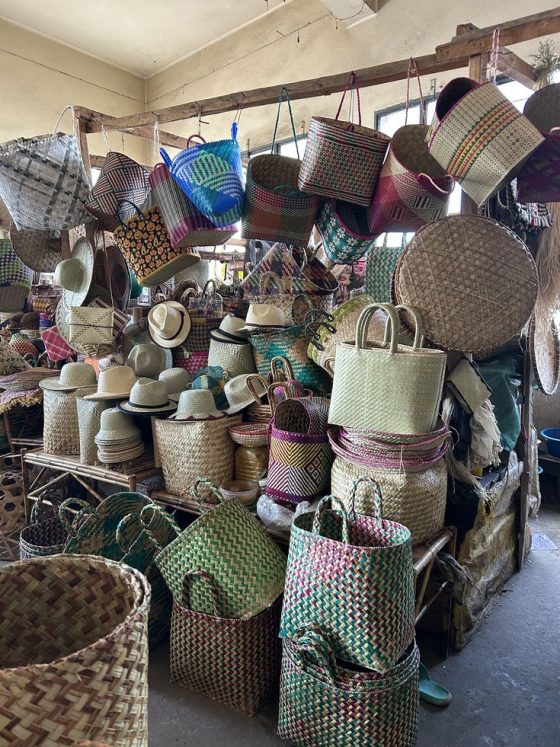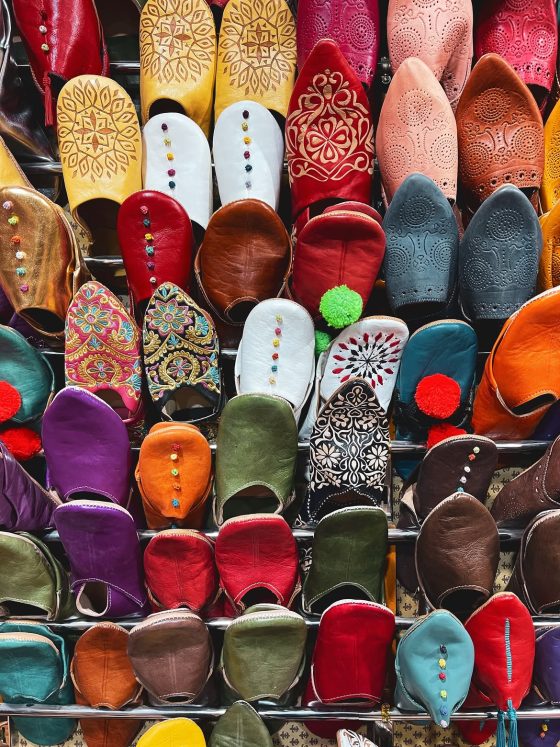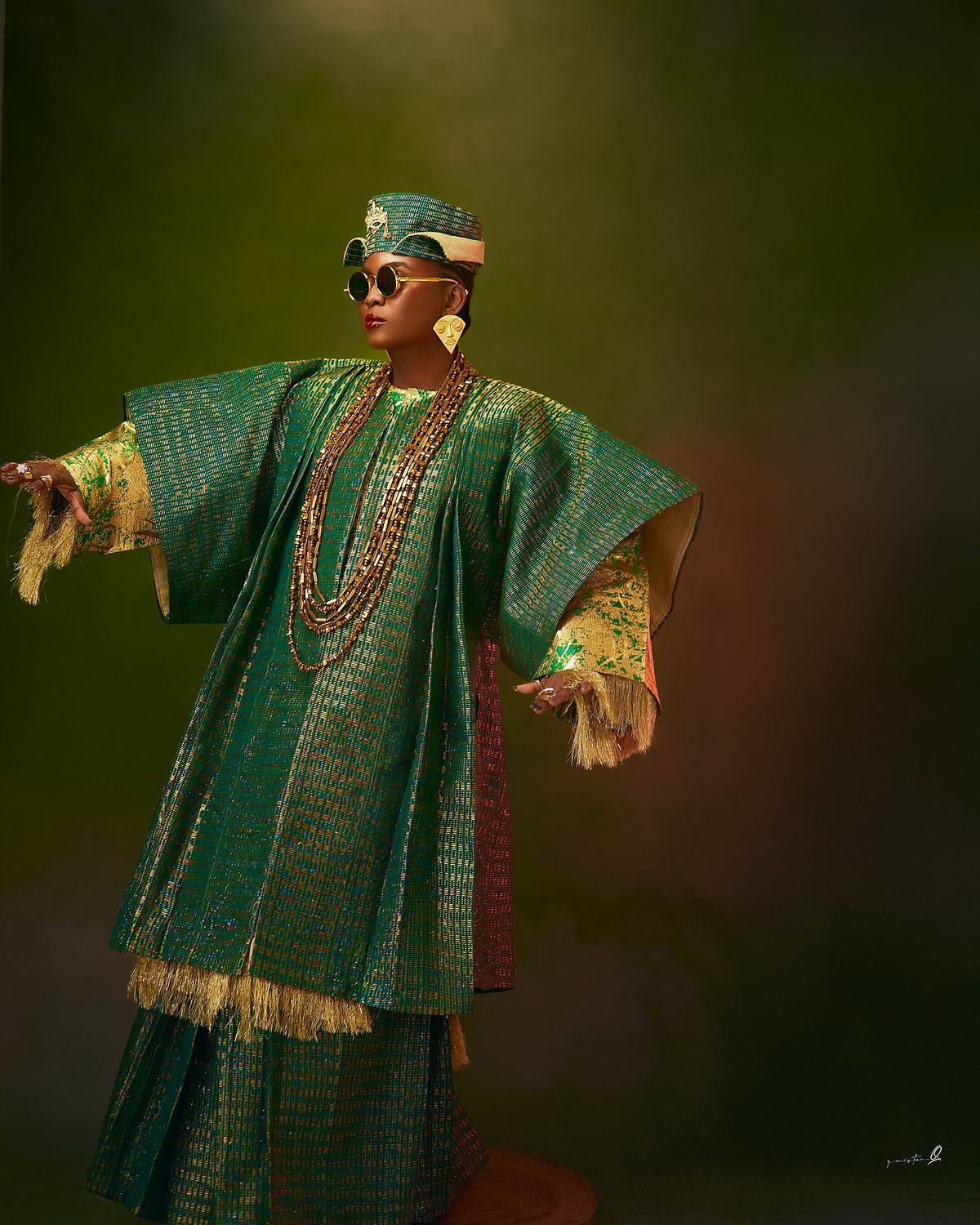
In 2025, a Ghanaian designer, Boyedoe, became the first designer from Ghana to reach the LVMH Prize semi-finalist list. In the same year, Iamisigo, a Nigerian-founded label, won the Zalando Visionary Award and showed its Spring/Summer 2026 collection in Copenhagen. South Africa’s Thebe Magugu, the first African designer to win the LVMH Prize outright in 2019, continued building a brand that uses fashion to examine apartheid’s legacy and South African identity directly. And in Nairobi, a Kenyan accessories designer worked with artisans in Kibera to produce statement pieces from brass, recycled glass beads, and upcycled cow horn, for a fashion week whose most pressing material conversation is not about luxury textiles but about the 92 million tonnes of textile waste the global fashion industry produces annually, much of which arrives in Kenya as mitumba, second-hand clothing.
Four designers, four countries, four completely different sets of concerns. This is the fact that gets lost every time African fashion is discussed as a single category. There is no African fashion industry in the singular. There are at least four distinct national ecosystems, each shaped by a different history, a different relationship to textile production, a different domestic market, and a different idea of what fashion is for. Treating them as one undifferentiated whole does not just flatten the picture. It makes it impossible to understand why a designer working in Lagos, Accra, Nairobi, or Johannesburg is making the choices they are making.
There is no single African fashion industry. There are at least four distinct ecosystems, each shaped by different histories, materials, and constraints. Omiren Styles maps the differences.
Nigeria: Scale, Velocity, and Lagos Fashion Week as the Continental Anchor
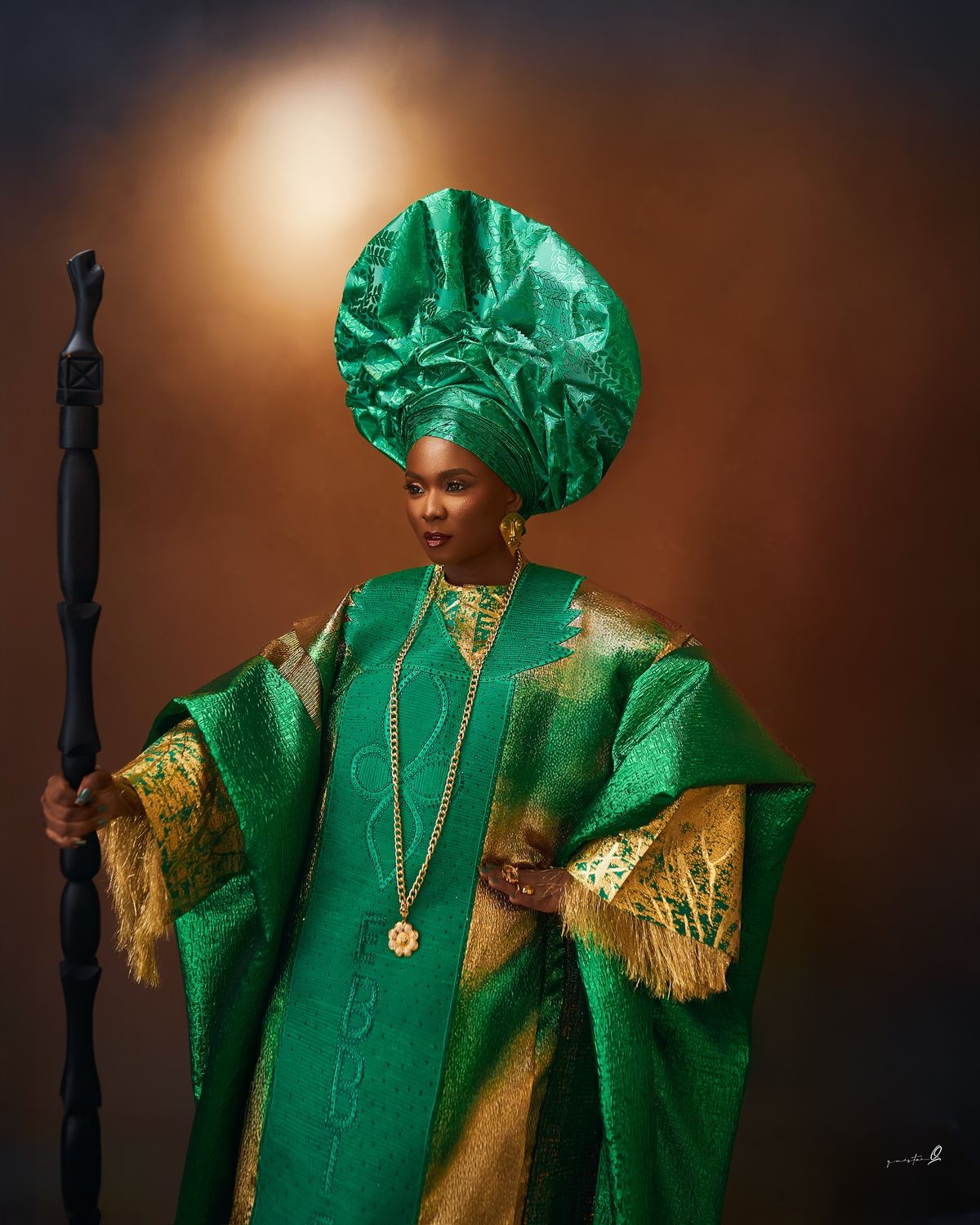
Nigeria’s fashion industry contributes over $6.1 billion to the country’s GDP, according to Nigeria’s Ministry of Art, Culture and the Creative Economy, and Lagos Fashion Week has, over fifteen years, become what one industry voice described as the catalyst within the African fashion ecosystem. Designers from South Africa and Ghana, including Maxhosa, Rich Mnisi, and Christie Brown, travel to Lagos to show, which tells you something about what Lagos Fashion Week has become: not simply Nigeria’s fashion week, but a continental platform that Nigeria happens to host.
The defining characteristic of Nigerian fashion is velocity, operating at the scale and speed that produces brands like Orange Culture, Tolu Coker, and Emmy Kasbit, each working from a specific cultural foundation while engaging international markets simultaneously. As Omiren Styles has documented in The Aso-Ebi Economy, Nigeria also has the largest informal celebration-driven fashion economy on the continent, an economy that runs in parallel to, and often funds, the formal designer sector. Nigeria’s fashion ecosystem is not one thing. It is a designer sector built for international runways, a celebration economy built around Aso-Ebi and ceremony, and an e-commerce sector generating approximately $43 million in online fashion sales in a single month in 2025, all operating at once at a scale and pace none of the other three countries matches.
Nigeria, Ghana, Kenya, and South Africa are not four flavours of the same African fashion story. Four different fashion industries happen to share a continent and, in some cases, share designers, but do not share an operating logic.
Ghana: Textile Heritage as Living Industry, Not Archive
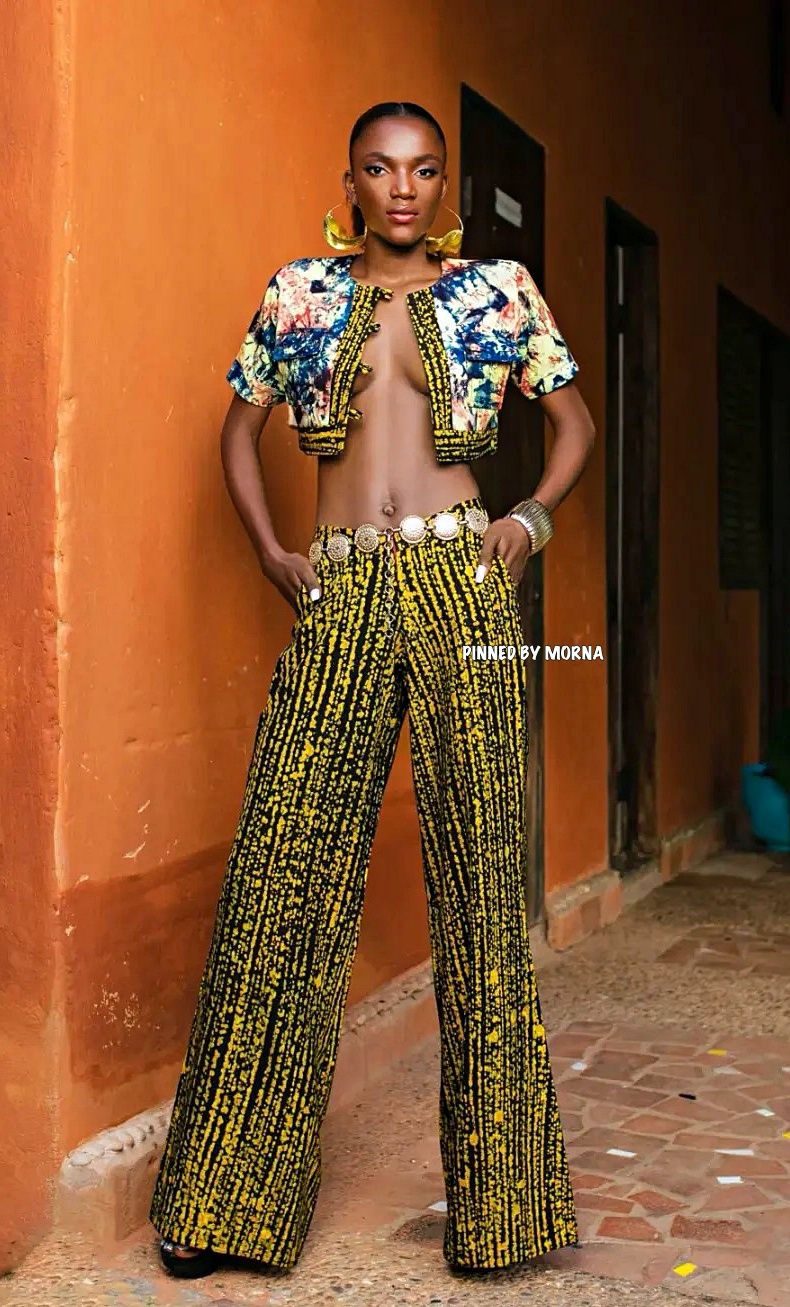
Ghana’s fashion identity is inseparable from Kente. As Omiren Styles has documented in The African Textiles Guide: Kente, Kanga, and Adire Decoded, Ghana secured a Geographical Indication for Kente in September 2025, following the textile’s UNESCO Intangible Cultural Heritage inscription in December 2024. This is not a heritage industry in the sense of something preserved in a museum. Bonwire and the other Ashanti Region weaving towns remain functioning production economies, and Kente weaving continues to contribute significantly to the local economy in those towns.
At the same time, Ghana’s contemporary fashion scene operates through a different infrastructure: Ghana Fashion and Design Week, designers like Christie Brown, who founded her label in Accra in 2008 and has been one of the anchoring figures of Ghana Fashion and Design Week since its founding, and Boyedoe’s 2025 LVMH semi-finalist position, the first Ghanaian designer to reach that stage. What distinguishes Ghana from Nigeria is scale and emphasis. Ghana’s fashion industry is smaller than Nigeria’s. Still, the relationship between heritage textile production and contemporary design is more institutionally formalised, with Kente’s legal protection as the clearest evidence: Ghana has built state-level infrastructure around a specific textile tradition in a way no other country on this list has yet done for its own heritage textiles.
Kenya: A Fashion Conversation Built Without Reference to Lagos, London, or Paris
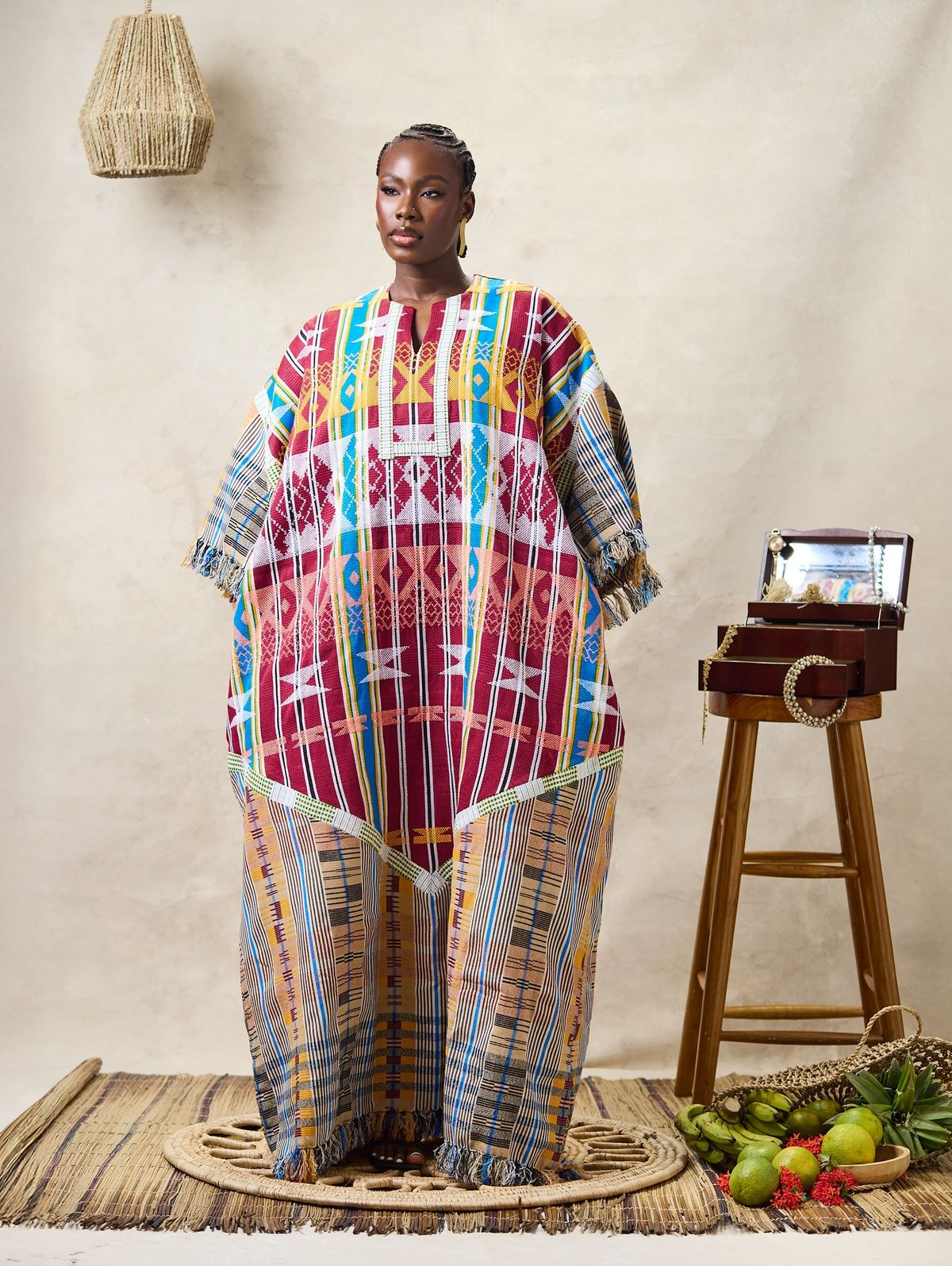
Kenya’s fashion industry faces a structural reality the other three countries do not share to the same degree: as Omiren Styles has documented in Nairobi Street Style: How Kenya’s Fashion Capital Builds Its Own Aesthetic Without Asking Permission, Kenya does not have the kind of large-scale heritage textile production that Nigeria, Ghana, and Akwete or Aso-Oke weaving towns represent, and it imports nearly $300 million worth of second-hand clothing annually, more mitumba by value than any other African nation, according to trade data, alongside a mitumba sector so large that 24 million Kenyans rely on it and it accounts for roughly 60% of the country’s clothing market. Kenya’s fashion industry was, for a long time, structurally disadvantaged by exactly the absence that Nigeria and Ghana do not have to contend with.
What Kenya has built instead is a fashion conversation rooted in Maasai beadwork, a visual heritage that designers, including Ann McCreath of KikoRomeo and John Kaveke, have engaged with directly, working with Maasai artisans to translate a system where colour and placement encode age, marital status, social rank, and community identity into contemporary design. Kenya’s fashion industry, valued at approximately $255 million in 2024 and projected to reach $311.7 million by 2029, is smaller than those of Nigeria and South Africa. Still, it has produced something the larger industries have not needed to produce: a street-style and design vocabulary built from mitumba upcycling and Maasai beadwork that does not reference Lagos, London, or Paris as its starting point. Nairobi Fashion Week 2025 reflected this directly, with collections built from recycled textiles, upcycled mitumba, and organic fabrics, the materials conversation Nairobi has been having- while Lagos discusses Aso-Ebi and Accra debates Kente protection.
South Africa: Fashion as Cultural Argument, From Kimberley to Paris
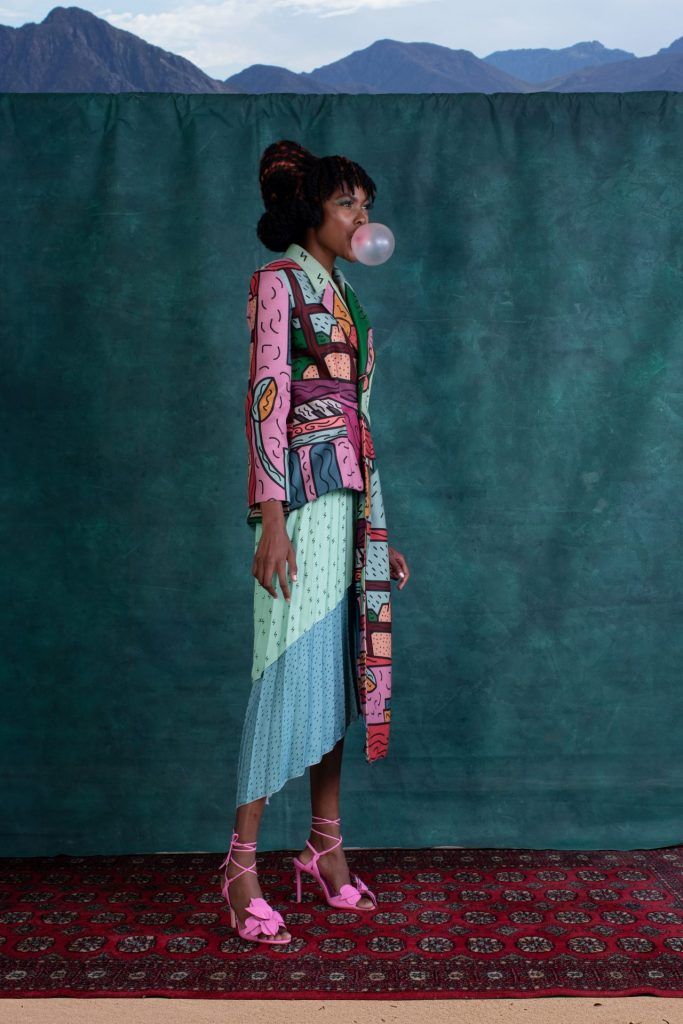
South Africa’s fashion industry has the most developed international luxury presence of the four, anchored by Thebe Magugu, born in Kimberley in 1993 and based in Johannesburg, who became the first African designer to win the LVMH Prize outright in 2019, and Laduma Ngxokolo’s Maxhosa, launched in 2011 from his final-year thesis project at Nelson Mandela University, which translates Xhosa beadwork patterns from the Amakrwala initiation tradition into knitwear shown at London and New York Fashion Weeks. South Africa’s fashion sector has seen approximately 10% annual growth, and South Africa leads Sub-Saharan Africa in fashion e-commerce, with the sector generating over US$1.1 billion in annual revenue in 2025, the largest online fashion market in the region. As Omiren Styles has argued in Stop Calling It Emerging: African Fashion Is the Foundation, Not the Future, what distinguishes South African fashion from the other three industries on this list is the explicitness with which it functions as a cultural argument. Magugu’s collections directly examine apartheid’s legacy, gender, and South African identity. Ngxokolo’s stated goal, in his own words, is to move South African fashion out of the curio space, the space reserved for craft objects treated as tourist souvenirs rather than design.
Rich Mnisi and Sindiso Khumalo extend this further: Mnisi’s work is described as expressive, political, and deeply personal, while Khumalo combines sustainable textiles with socially conscious design. South Africa’s fashion industry, more than the other three, treats the runway as a place where a designer makes an argument about the country, not just a collection.
ALSO READ
- Stop Calling It Emerging: African Fashion Is the Foundation, Not the Future
- The African Textiles Guide: Kente, Kanga, and Adire Decoded
- The Aso-Ebi Economy: How Nigerian Celebration Culture Is Funding a Global Fashion Industry
- Nairobi Street Style: How Kenya’s Fashion Capital Builds Its Own Aesthetic Without Asking Permission
Why the Differences Matter More Than the Similarities
It would be easy to read these four profiles and conclude that the differences are really about resources: Nigeria and South Africa have more developed industries; Ghana has a protected heritage textile industry; Kenya has structural disadvantages. That reading misses the point. Each of these industries has built something specific in response to its own conditions, and that specificity is itself the value.
Nigeria’s velocity produces designers who can move between Aso-Ebi commissions and Paris Fashion Week within a season. Ghana’s institutional approach to Kente has produced the first Geographical Indication for an African textile, a legal template that other countries, including Nigeria, with Akwete or Aso-Oke, could, in principle, follow. Kenya’s absence of a dominant heritage textile industry has produced a fashion conversation built from upcycling and Maasai beadwork that is, in its own way, more genuinely independent of external reference points than any of the other three. South Africa’s fashion industry has produced designers who treat the collection as an argument, a register that the other three industries engage with less directly. None of these is a lesser version of the others. There are four different answers to the same underlying question: what does fashion do, here, given what we have to work with?
THE OMIREN ARGUMENT
There is no single African fashion industry. Nigeria, Ghana, Kenya, and South Africa represent four distinct fashion ecosystems, each shaped by a different relationship to textile heritage, domestic market structure, and international positioning; understanding African fashion requires recognising these differences rather than flattening them.
Context: The inherited framing of African fashion treats the continent as a single market with a shared aesthetic vocabulary, Ankara, Kente-style prints, and bold colour, to which different countries contribute variations. This framing is convenient for global media and retail but does not reflect how these industries actually function. Nigeria’s $6.1 billion fashion sector, Ghana’s legally protected Kente industry, Kenya’s $255 million sector built around mitumba and Maasai beadwork, and South Africa’s internationally positioned luxury sector are not variations on a theme. They are different industries with different operating logics.
Disruption: The clearest evidence against the single-industry framing is what each country has produced that the others have not. Only Ghana has secured a Geographical Indication for a textile tradition. Only Kenya has built a fashion conversation primarily from upcycled second-hand clothing and Indigenous beadwork rather than from a dominant domestic weaving tradition. Only South Africa has produced a generation of designers whose collections function explicitly as commentary on national history. Only Nigeria combines a $6.1 billion formal sector with an informal Aso-Ebi economy operating at a scale that funds much of the formal sector’s client base. These are not different points on the same curve. They are different curves.
Cultural Insight: The fact that designers move between these ecosystems, Maxhosa and Rich Mnisi showing in Lagos, Boyedoe reaching the LVMH semi-finalist list from Ghana, Iamisigo showing in Copenhagen from Nigeria, demonstrates that these industries are connected without being the same. A South African designer showing in Lagos is not joining the Nigerian industry. They are bringing a South African design sensibility into a Nigerian platform, and the difference between the two sensibilities is precisely what makes the exchange meaningful.
Conclusion: Treating African fashion as four distinct ecosystems, rather than one undifferentiated continent, is not a more complicated way of telling the story. It is the only way to tell it accurately. Nigeria’s velocity, Ghana’s institutionalised heritage, Kenya’s independence from external reference points, and South Africa’s cultural argument are not four chapters of the same book. Four different books happen to share a continent, and an industry that wants to engage seriously with African fashion needs to read all four.
FREQUENTLY ASKED QUESTIONS
Is there one African fashion industry?
No. According to Omiren Styles, there is no single African fashion industry. Nigeria, Ghana, Kenya, and South Africa, the four largest and most internationally visible fashion economies on the continent, each operate as distinct ecosystems with different relationships to textile heritage, domestic markets, and international positioning. Nigeria’s fashion sector contributes over $6.1 billion to GDP and combines a formal designer sector with a large informal Aso-Ebi economy. Ghana has secured legal Geographical Indication protection for Kente. A large second-hand clothing market and Maasai beadwork traditions shape Kenya’s roughly $255 million sector. South Africa’s sector, the most internationally established in terms of luxury, has produced designers whose work serves as direct commentary on national history.
What makes Nigerian fashion distinct?
Nigerian fashion is distinguished by velocity and scale. Lagos Fashion Week has become a continental platform, hosting designers from South Africa and Ghana alongside Nigerian designers, and Nigeria’s fashion sector contributes over $6.1 billion to GDP. According to Omiren Styles, what is distinct about Nigeria is the coexistence of a formal international designer sector with a massive informal celebration economy built around Aso-Ebi, which funds much of the formal sector’s client base, alongside rapidly growing e-commerce, with online fashion sales reaching approximately $43 million in a single month in 2025.
What makes Ghanaian fashion distinct?
Ghana’s fashion identity centres on Kente, which received UNESCO Intangible Cultural Heritage recognition in December 2024 and a Geographical Indication in September 2025, the first such legal protection for an African textile tradition. According to Omiren Styles, what distinguishes Ghana is that Kente weaving remains a functioning production economy in towns across the Ashanti Region, rather than an archived heritage craft. At the same time, Ghana’s contemporary designer scene, including Christie Brown and 2025 LVMH semi-finalist Boyedoe, operates through Ghana Fashion and Design Week and increasingly on international platforms.
What makes Kenyan fashion distinct?
Kenya’s fashion industry, valued at approximately $255 million in 2024, developed without a dominant domestic heritage textile industry comparable to Nigeria’s or Ghana’s, and is shaped significantly by mitumba, second-hand clothing, which around 24 million Kenyans rely on and which accounts for roughly 60% of the country’s clothing market. According to Omiren Styles, what makes Kenyan fashion distinct is that designers, including Ann McCreath of KikoRomeo and John Kaveke, have built a design conversation from Maasai beadwork, where colour and placement encode social information, combined with mitumba upcycling, producing a street style vocabulary that does not reference Lagos, London, or Paris as its starting point.
What makes South African fashion distinct?
South Africa has the most internationally established luxury fashion presence of the four countries, anchored by Thebe Magugu, the first African designer to win the LVMH Prize outright in 2019, and Laduma Ngxokolo’s Maxhosa, launched in 2011, which translates Xhosa beadwork into knitwear shown at London and New York Fashion Weeks. According to Omiren Styles, what distinguishes South African fashion is the explicitness with which collections function as cultural argument, with designers including Magugu, Rich Mnisi, and Sindiso Khumalo using fashion to examine apartheid’s legacy, identity, and social issues directly, in Ngxokolo’s words, moving South African fashion out of the curio space.
Omiren Styles frames African fashion as four distinct industries, each with its own logic, rather than a single continent-wide aesthetic. Subscribe for the regional intelligence that takes each ecosystem on its own terms.