In 1993, a young lawyer in Lagos, recently called to the Nigerian Bar, decided that his profile pages still describe in the same careful sentence: he did not choose photography over law. He chose photography and painting over law because he had always been an artist, and the choice he had actually been avoiding was the one between art and everything else. Kelechi Amadi-Obi walked away from a law career to become a full-time photographer and painter at a time when there was no Nigerian fashion photography industry in the international sense for him to enter. Vogue would later call him a major force in Nigeria’s creative scene. In 1993, there was no scene to be a force in. He had to help build it.
This is the part of Amadi-Obi’s career that gets compressed into a single line in most profiles: photographer, painter, publisher of Mania Magazine. Each of those three roles, in sequence, represents a piece of infrastructure that Nigerian fashion imagery lacked before he built it. The photography established a visual standard. The painting background gave that standard a specific aesthetic signature, built on lighting and composition rather than just documentation. And Mania Magazine, when it launched, was an attempt to build the publishing infrastructure that photography and the standard it set actually needed to matter at scale.
Before Nigerian fashion had its own visual language at an international standard, Kelechi Amadi-Obi built it, first with his camera, then with a magazine. Most of what followed assumes the work he did first.
From the Bar to the Studio: A Decision Made Before There Was an Industry to Join
Amadi-Obi was born in Owerri, Imo State, in 1969, the fifth of seven children to a high court judge and an educationist. He studied law at the University of Nigeria, Nsukka, qualifying in the early 1990s and being called to the Nigerian Bar shortly after. By his own account, the decision to leave law was never really a decision between law and photography. It was between law and art, full stop, because he had been an artist since childhood, and the legal career had been the detour, not the other way around.
What makes this worth dwelling on is the timing. Amadi-Obi made this move in 1993. Nigeria’s fashion and creative industries did not yet have the infrastructure, the magazines, the agencies, the international exhibition circuit that would later make a career in fashion photography a recognisable path for a young Nigerian creative. He spent years shooting fashion and beauty photography for titles including the West African edition of True Love magazine, building a body of work and a reputation in an industry that, in its current form, owes much to people like him, who built it before it had a name.
Most photographers are remembered for the images they made. Amadi-Obi should be remembered for that and for something rarer: he kept noticing what was missing from Nigerian fashion imagery, and then he built it, one layer at a time, without waiting for someone else to do it first.
Depth of Field: The Collective That Connected Lagos to the Continent
In 2001, Amadi-Obi was one of six photographers and artists, alongside Uche James-Iroha, TY Bello, Amaize Ojeikere, Emeka Okereke, and Toyosi Odunsi, who founded Depth of Field, a Nigerian photography collective. The group’s origin is itself a piece of infrastructure-building: the six met at the 4th Rencontres Africaines de la Photographie, the Bamako Biennale, the continent’s most significant photography gathering, in 2001, and returned to Lagos determined to build a structure that would let Nigerian photographers critique and develop each other’s work at that same international standard, rather than working in isolation. Emeka Okereke was 21 years old at the time. This was not a gathering of established names consolidating their positions. It was a deliberate act of infrastructure-building by young practitioners who had decided the standard they wanted did not yet exist locally, and that the way to make it exist was to hold each other to it.
This matters for the same reason the Mania Magazine story matters. A photographer working to an international standard, on their own, is a single data point. A collective of photographers who hold each other to that standard, meet regularly, and build a shared visual language is an infrastructure. TY Bello, one of Amadi-Obi’s Depth of Field co-founders, went on to become one of Nigeria’s most significant photographers and musicians in her own right. The collective did not make any individual member’s career. It raised the floor for what Nigerian photography as a field was capable of, and Amadi-Obi was one of the six people who built that floor.
Mania Magazine: Nigeria’s First International-Standard Glossy, and What It Took to Build It

By the time Amadi-Obi launched Mania Magazine, in partnership with Dimeji Alara, in 2010, with the launch party held in Lagos in February 2011, he had spent close to two decades establishing the visual standard the magazine would need to exist. Mania was positioned, by its own publishers and by the press covering its launch, as Nigeria’s first fashion and lifestyle magazine produced to international glossy standard, with what one contemporary report called instantly iconic covers and a publishing schedule that moved from bimonthly to monthly within its first years, an extraordinarily demanding cadence for an independent magazine operation anywhere, let alone in Nigeria’s publishing and distribution environment. The magazine’s early covers featured figures including Agbani Darego, the first Black African woman to win Miss World, shot with the same lighting and compositional rigour Amadi-Obi had spent years developing in his studio work. This is precisely the kind of infrastructure question Omiren Styles has raised in The African Fashion Economy: A $31 Billion Industry the World Still Undervalues: an industry can have talent, even excellence, at the level of individual practitioners, and still lack the publishing, distribution, and institutional infrastructure that allows that excellence to compound into an industry. Mania was an attempt to build that infrastructure from inside Nigeria, rather than waiting for it to be built elsewhere and exported back.
Mania’s history after its strong early years is instructive in itself. Following Dimeji Alara’s departure around 2014, the magazine’s output slowed considerably, a pattern that industry commentators at the time linked directly to the publication’s dependence on the specific partnership and energy that had launched it. The lesson is not that Mania failed. The lesson is what it revealed: building a magazine to international standards in Nigeria was, and remains, an enormous undertaking, dependent on a small number of people sustaining an extraordinary level of output, in an environment where the broader publishing and advertising infrastructure that supports glossy magazines in larger markets does not yet exist at the same scale. Amadi-Obi did not just identify this gap. He spent years personally absorbing the cost of trying to close it.
ALSO READ
- The African Fashion Economy: A $31 Billion Industry the World Still Undervalues
- Why No Serious Investor Has an African Fashion Portfolio: The Cost of Institutional Blindness
- Stop Calling It Emerging: African Fashion Is the Foundation, Not the Future
- Emmy Kasbit and the Quiet Power of Igbo Tailoring Traditions
The Painter’s Eye: Why Amadi-Obi’s Photography Looks Different
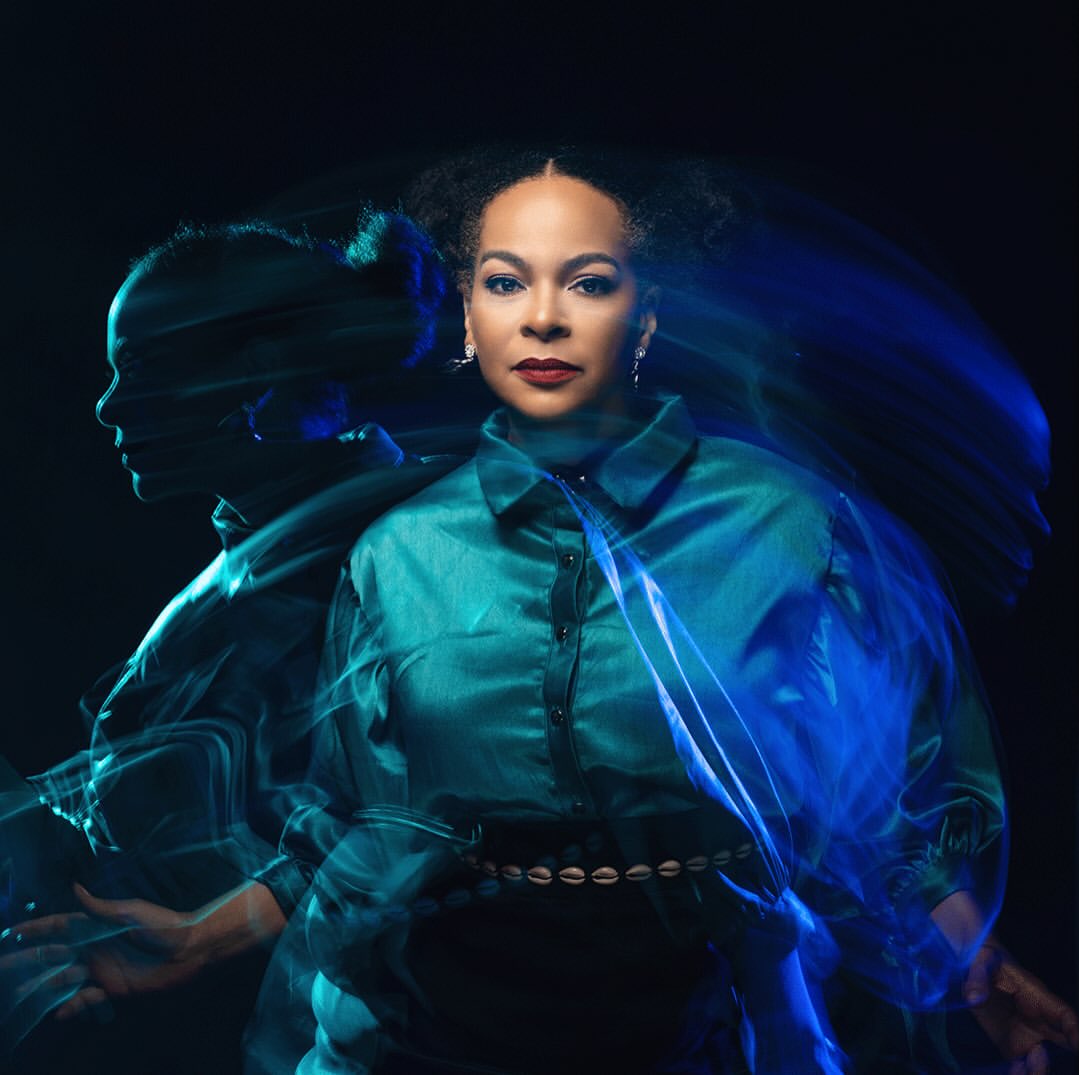
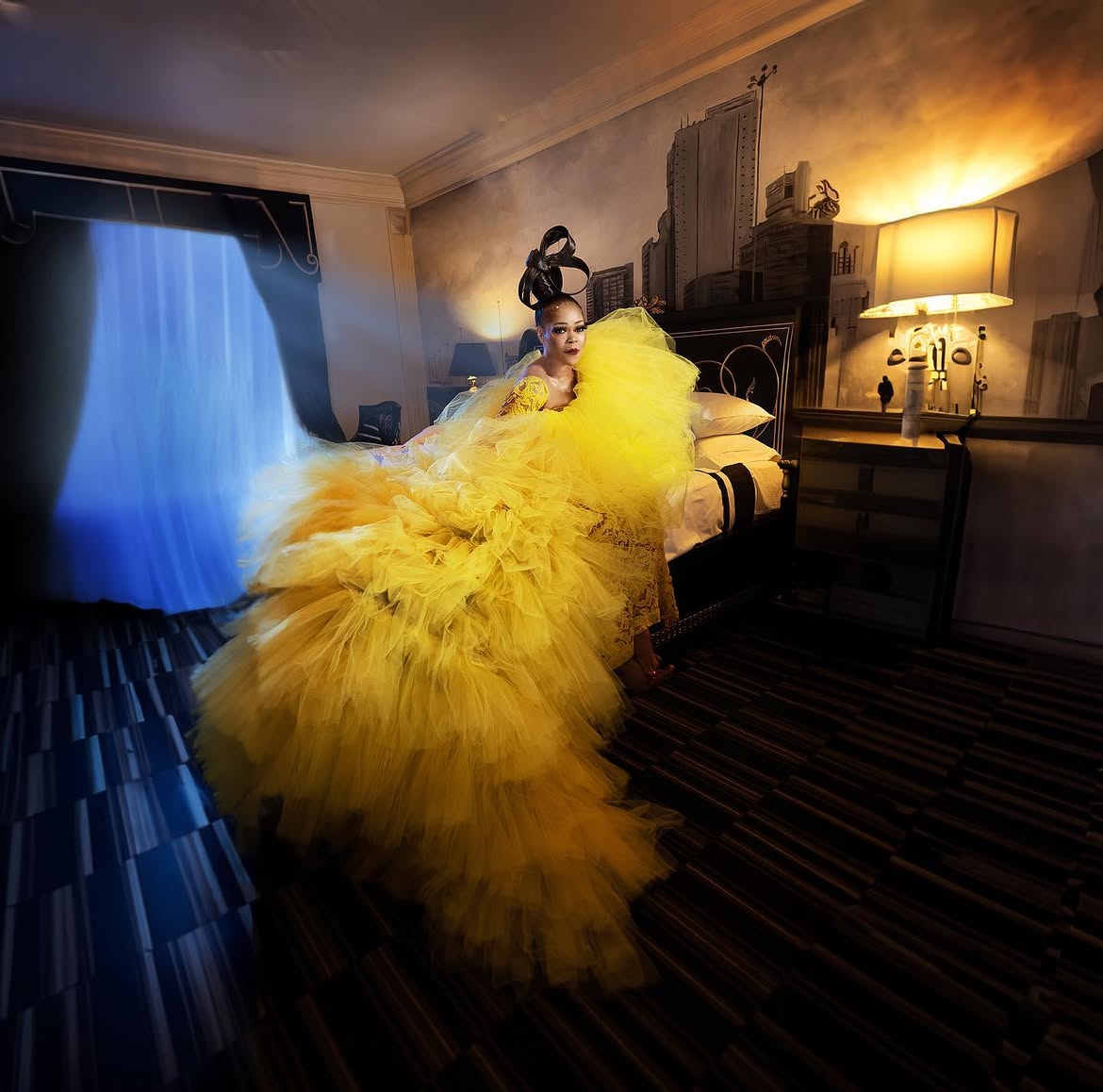
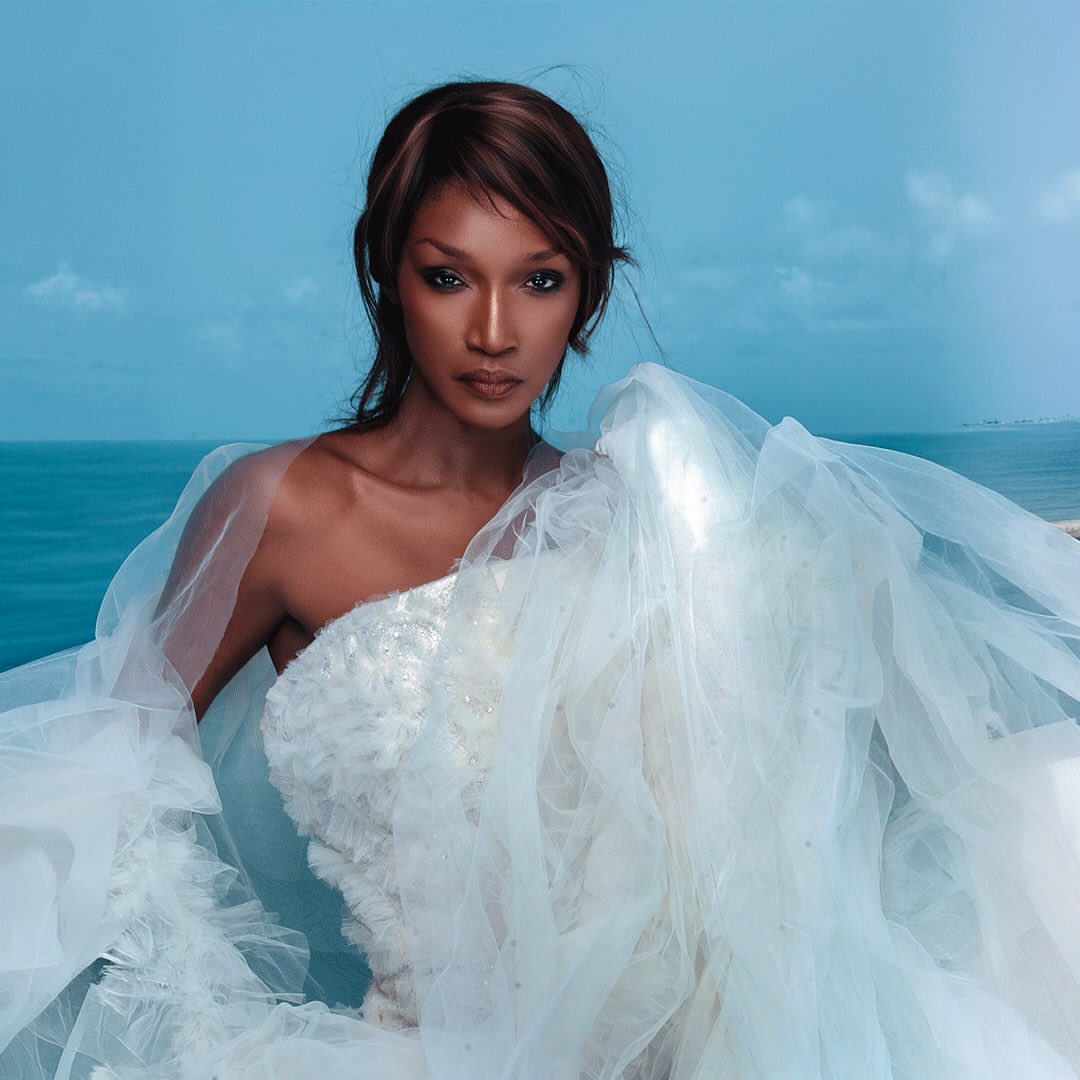
Across every profile of Amadi-Obi’s work, one detail recurs: his photography is described as shaped by his background as a painter, with a particular emphasis on lighting and composition that read as painterly rather than purely documentary. This is not incidental to the infrastructure argument. A visual standard is not just a technical benchmark, megapixels, equipment, or post-production. It is an aesthetic signature, a way of seeing that other photographers can recognise, learn from, and build on. Amadi-Obi’s painter’s eye gave Nigerian fashion photography something specific to aspire to and react against, a reference point with a recognisable identity, rather than a generic standard imported wholesale from elsewhere.
His exhibition history reflects the same dual identity. Snap Judgment: New Position in Contemporary African Photography at the International Center of Photography in New York in 2006, Depth of Field at the South London Gallery in 2005, and exhibitions at Africalia in Brussels in 2003 and the IFA Gallery in Stuttgart in 2005 placed his work in conversation with contemporary African photography internationally, while his fashion and beauty photography for Nigerian and West African publications kept that same eye working at home, on the images that Nigerian audiences actually saw. In 2004, he won the St. Moritz Style Award for Photography, confirmation from a European institution that the standard he had been building in Lagos since 1993 was legible and credible internationally.
THE OMIREN ARGUMENT
Thesis: Kelechi Amadi-Obi’s significance to Nigerian fashion lies not in his being a celebrated photographer, though he is. It is that across three decades, he repeatedly identified missing infrastructure in Nigerian fashion imagery, the visual standard, the collective critique structure, and the publishing platform, and built each piece himself, often at high personal cost, before the industry around him had developed the scale to build it collectively.
Context: The inherited framing of fashion photographers, in Nigeria and globally, treats them as image-makers whose work either succeeds or fails on its own visual merits. This framing is true but incomplete. Amadi-Obi’s career demonstrates that some photographers also function as infrastructure builders, people whose decisions about what to found, what collective to join, what magazine to launch, shape the conditions under which everyone else’s images get made and seen.
Disruption: Mania Magazine’s eventual slowdown is sometimes treated as evidence that the project did not work. The more accurate reading is that Mania worked exactly as well as an independent international-standard glossy magazine could work in Nigeria’s publishing environment at that time, sustained by an extraordinary and ultimately unsustainable level of personal output from its founders. The gap Mania revealed, the absence of the broader publishing and advertising infrastructure that supports glossy magazines elsewhere, is a gap that Nigerian fashion media is still working to close. Mania’s run is part of the evidence for why that infrastructure is needed.
Cultural Insight: Depth of Field’s founding in 2001, six Nigerian photographers meeting in Bamako and returning to Lagos to build a structure for mutual critique at an international standard, is a template for the kind of infrastructure-building that does not require external validation or investment to begin. It required six people deciding that the standard they wanted to work to did not yet exist locally, and that the way to make it exist was to hold each other to it. Amadi-Obi has repeatedly done versions of this: with Depth of Field, in his own studio practice, and with Mania.
Conclusion: Every piece Omiren Styles has published about the African fashion economy’s investment gap, its analytical blind spots, and its undercounted informal infrastructure describes a problem that people like Kelechi Amadi-Obi have been quietly addressing, piece by piece, since 1993. He did not wait for a market report to tell him the photography standard was missing, or for an investor to fund the magazine that the industry needed. He built what was missing, with the resources available, and the industry that exists today is partly built on the floor he and his collaborators raised. That is not a footnote to his career. It is a career.
FREQUENTLY ASKED QUESTIONS
Who is Kelechi Amadi-Obi?
Kelechi Amadi-Obi is a Nigerian photographer, painter, and publisher, born in Owerri, Imo State, in 1969. He trained and qualified as a lawyer in the early 1990s before leaving law to become a full-time artist and photographer in 1993. He is best known for fashion and beauty photography shaped by a painter’s approach to lighting and composition, for co-founding the Nigerian photography collective Depth of Field in 2001, and for launching Mania Magazine, positioned as Nigeria’s first international-standard glossy fashion magazine, in 2010. His work has been exhibited internationally, including at the International Centre of Photography in New York and the South London Gallery.
What is Depth of Field?
Depth of Field is a Nigerian photography collective founded in 2001 by six photographers and artists, including Kelechi Amadi-Obi, Uche James-Iroha, TY Bello, Amaize Ojeikere, Emeka Okereke, and Toyosi Odunsi. The group formed after its founders met at the Bamako Biennale, Africa’s most significant photography gathering, in Mali, and returned to Lagos to build a structure for Nigerian photographers to critique and develop each other’s work at an international standard. According to Omiren Styles, Depth of Field represents a form of infrastructure-building that requires no external investment, only a shared commitment among its members to hold each other’s work to a higher standard.
What was Mania Magazine?
Mania Magazine was a Nigerian fashion and lifestyle magazine launched in 2010 by photographer Kelechi Amadi-Obi in partnership with Dimeji Alara. Its launch party was held in Lagos in February 2011, and it was positioned as Nigeria’s first fashion magazine produced to international glossy standards. The magazine featured covers shot with the same lighting and compositional approach Amadi-Obi had developed over nearly two decades as a fashion photographer, including early covers featuring Agbani Darego, the first Black African woman to win Miss World. Mania moved from a bimonthly to a monthly publishing schedule within its first years before slowing considerably following Dimeji Alara’s departure around 2014.
How did Kelechi Amadi-Obi’s background as a painter influence his photography?
According to multiple profiles of his work, Kelechi Amadi-Obi’s photography is consistently described as shaped by his background as a painter, particularly in its approach to lighting and composition, which gives his images a painterly rather than purely documentary quality. According to Omiren Styles, this painter’s eye gave Nigerian fashion photography a recognisable aesthetic signature, a specific reference point that other photographers could recognise and build on, rather than a generic technical standard imported from elsewhere.
Why does Kelechi Amadi-Obi matter to the history of Nigerian fashion?
According to Omiren Styles, Kelechi Amadi-Obi’s significance lies less in any single body of work and more in a pattern across his career: repeatedly identifying infrastructure that Nigerian fashion imagery was missing, a visual standard, a collective critique structure, a publishing platform, and building each piece himself. His photography established a visual standard from the early 1990s; his co-founding of Depth of Field in 2001 built a structure for Nigerian photographers to develop that standard collectively, and Mania Magazine attempted to build the publishing infrastructure the resulting work needed to reach audiences at scale. Much of what the contemporary Nigerian fashion image industry takes for granted was built, in part, on this foundation.
Omiren Styles covers the people and infrastructure behind African and diaspora fashion, not just the collections it produces. Subscribe for the intelligence on who built the foundations the industry now stands on.