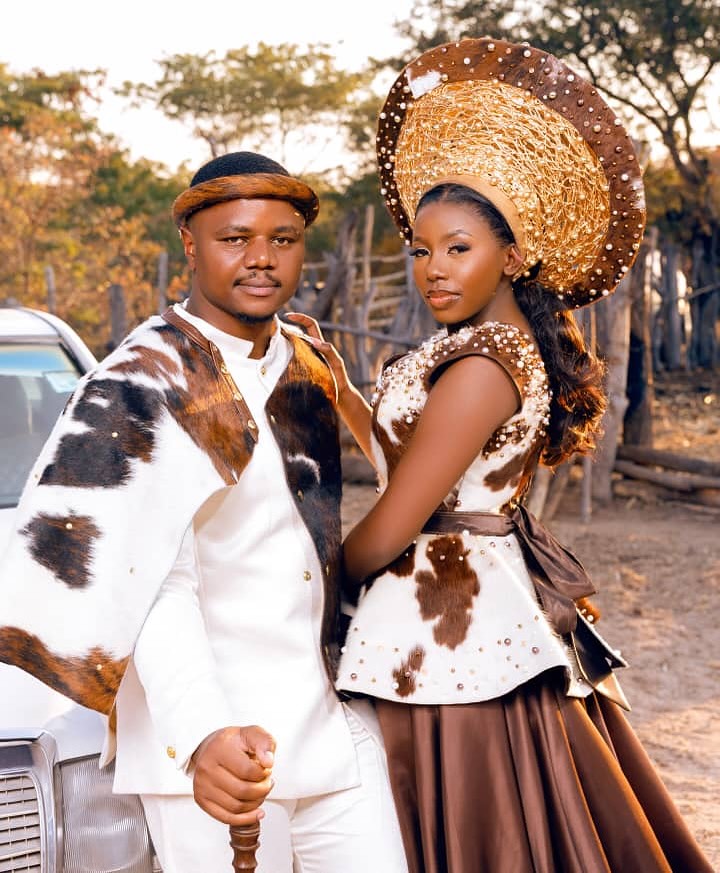
Two million tourists visit Hwange National Park every year to photograph elephants. Almost none of them know that Hwange is named after a Nambya king. The park sits atop the ruins of a royal stone kingdom. The people who built it still live there. And that their dress tradition has never once been written about in a fashion publication anywhere in the world.
There is a particular kind of invisibility that afflicts communities living in the shadow of famous landscapes. The landscape draws all the attention, the wildlife, the sunsets, the tourism brochures, and the people who have inhabited that landscape for centuries, who named it, who built their royal capitals within it, who maintained their cultural identity through invasion and colonial displacement and the conversion of their ancestral territory into a national park, become backdrop. Not invisible to themselves. Invisible to the world that is photographing the land around them.
This is the situation of the VaNambya people in Hwange District, northwestern Zimbabwe. The word Hwange derives from Sewanga, the dynastic title of the Nambya chieftainship, given to the founding king Dendelende Sawanga, who led his people northwest from the Rozvi heartland in 1737 and built a kingdom in the coalfields and forests of what is now Matabeleland North. That kingdom built stone walls. That kingdom maintained a dress tradition. And that dress tradition has survived everything that tried to erase it.
Two million tourists visit Hwange National Park every year. The park is named after a Nambya king. The ruins of their royal stone kingdom sit inside it. Their dress tradition has never been written about until now.
Origins: Sons of the Rozvi, Builders of the Northwest
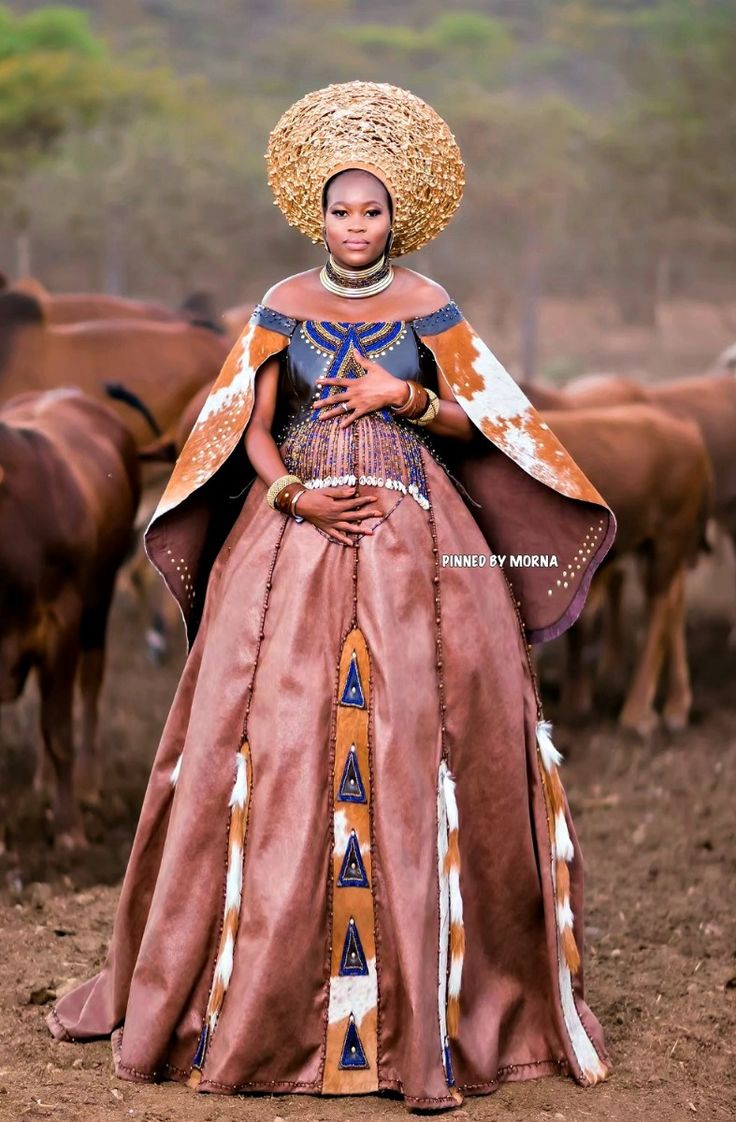
The vaNambya’s founding narrative begins with a departure. Dendelende Sawanga, son of Mambo, the Rozvi king, led his followers northwest from the Rozvi heartland in approximately 1737, passing through territories occupied by Kalanga and BaLeya communities, eventually establishing the first Nambya capital at a strategic hilltop near the confluence of the Lukosi and Chibungu rivers. He named it Shangano, meaning meeting place, and it became the first seat of royal Nambya power. The stone walls at Shangano exhibit the full range of wall styles attributed to Zimbabwe Culture construction, from poorly coursed early walls to later uncoursed walls within different enclosures.
The name that endures came from the king himself. At Shangano, Dendelende became known as Sewanga, shortened to Wange, and his people were referred to as Nambya. Wange became the hereditary dynastic title of the Nambya chieftainship. When British colonial cartographers named the town and the national park, they were using a Nambya royal title, encoding without knowing it the sovereignty of a people whose kingdom they had come to administer out of existence.
The oral tradition of the vaNambya preserves a precise record of twelve kings from Dendelende Sawanga in 1737 through to the late colonial period. Chilobamago was built at Shangano. Shana built the grandest of the capitals, Bumbusi, where a stone enclosure approximately 55 metres long housed the royal dwellings between two enormous baobab trees that still stand today. The oral tradition itself, this twelve-king sequence preserved across three centuries, is a form of traditional dress: it is the community wearing its own history in verbal form, carrying it from generation to generation in conditions where no written archive existed to do the same work. As Omiren Styles has documented in the analysis of how African oral tradition shapes fashion and heritage textiles, the oral record is not a lesser form of cultural evidence than the written one. It is a different medium carrying the same weight of historical claim.
Excavations at Bumbusi and Shangano have recovered graphite-burnished pottery, metal objects, shell, and imported glass beads, indicating trade connections reaching the Indian Ocean coast, directly or indirectly. The vaNambya, building stone capitals in the far northwest of the Zimbabwe Culture world, were connected to the same long-distance trade networks that brought wealth to Great Zimbabwe. The chevron decorative motif at Mtoa is the same chevron that appears on the Great Enclosure at Great Zimbabwe. The vaNambya were not imitating Great Zimbabwe. They were its descendants, carrying the stone-building knowledge of the Zimbabwe Culture tradition into the northwest.
ALSO READ
- Top 5 Traditional Styles for Ndebele Women in 2026: History, Beadwork, and Ceremony
- The Geometry of Heritage: Why Shweshwe Still Defines South African Fashion
- The Invisible Thread: How African Oral Tradition Shapes Fashion and Heritage Textiles
- African Textile Museums: Preserving Memory in an Age of Fast Fashion
The Dress Tradition: What Survives, What It Carries
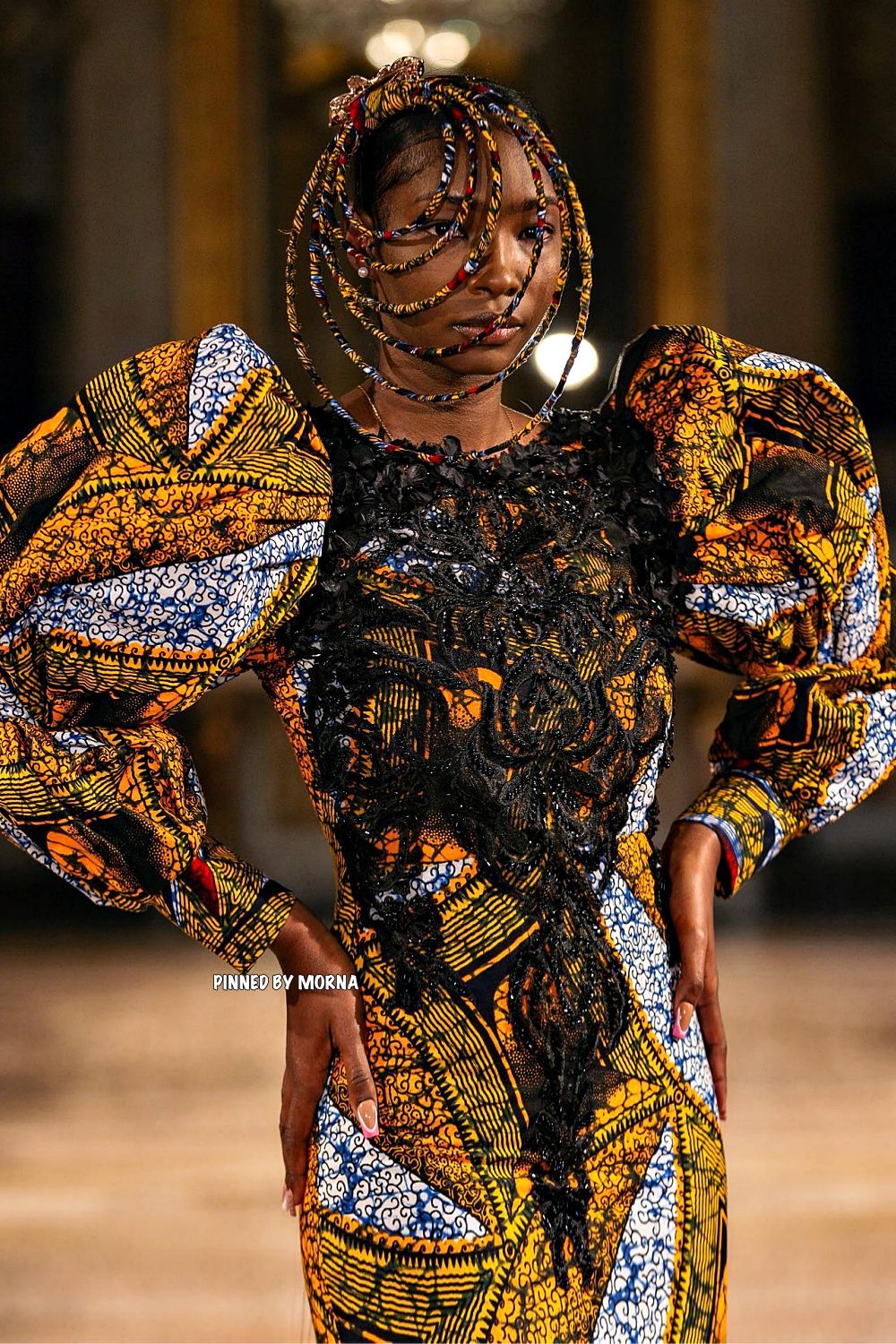
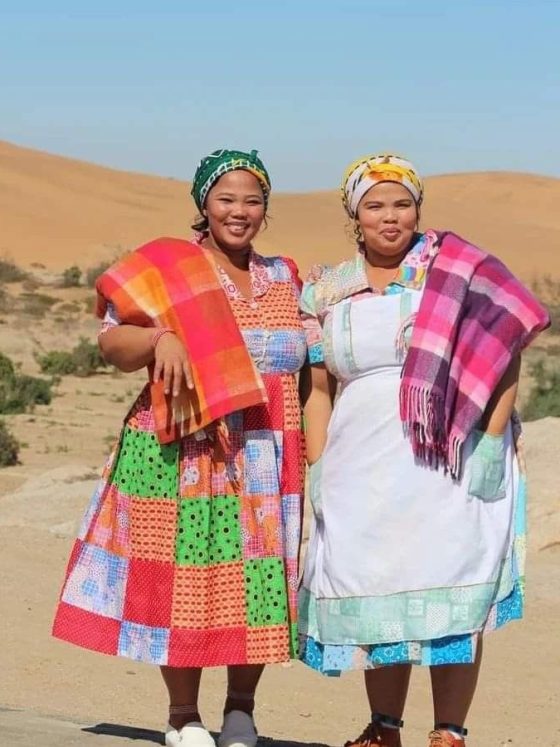
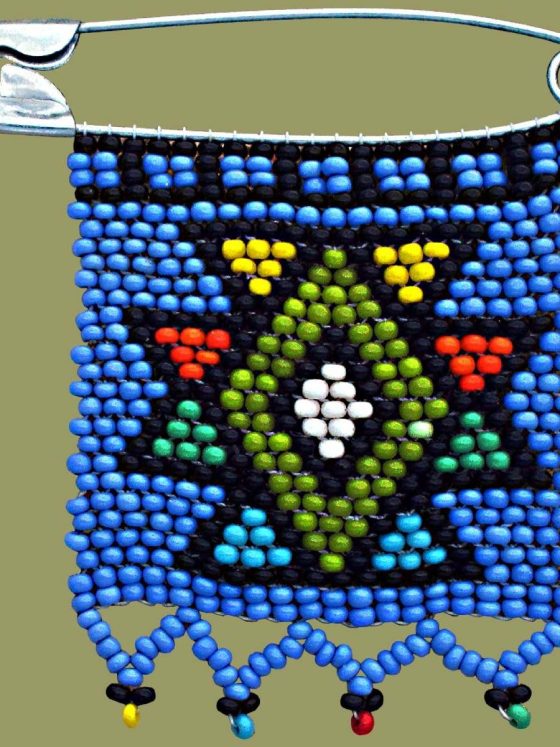
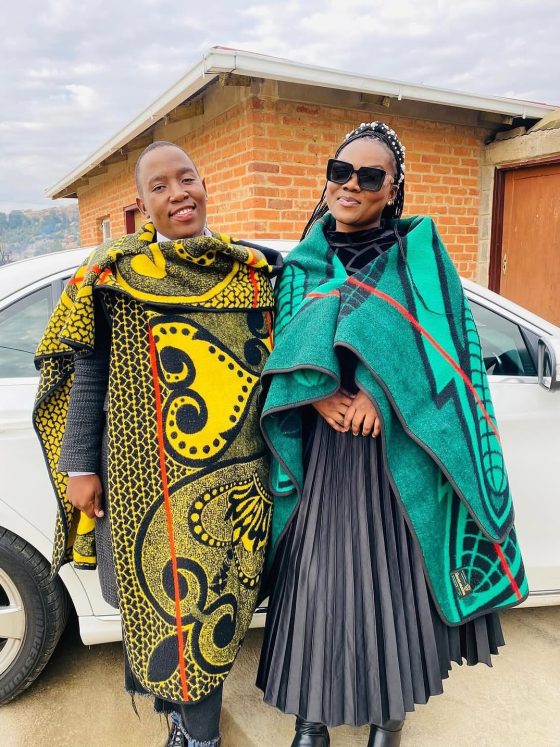
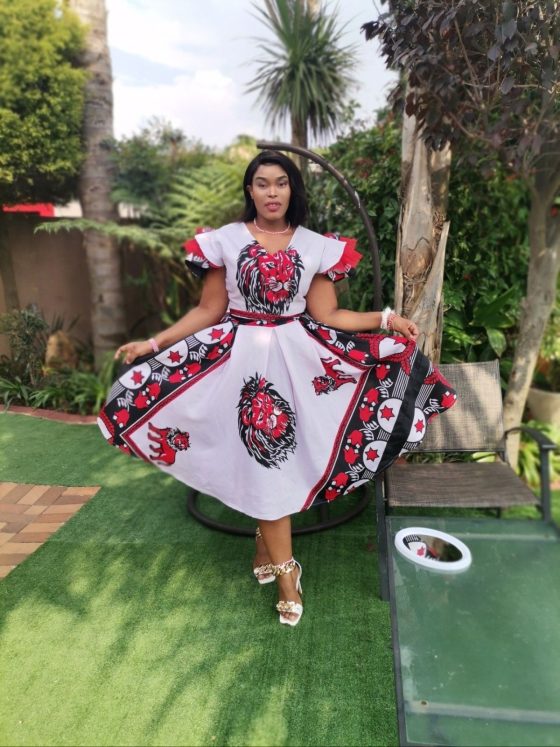
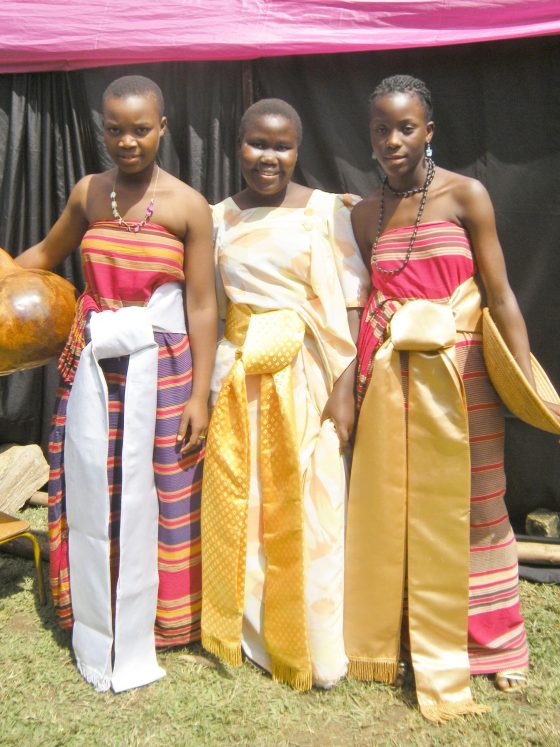
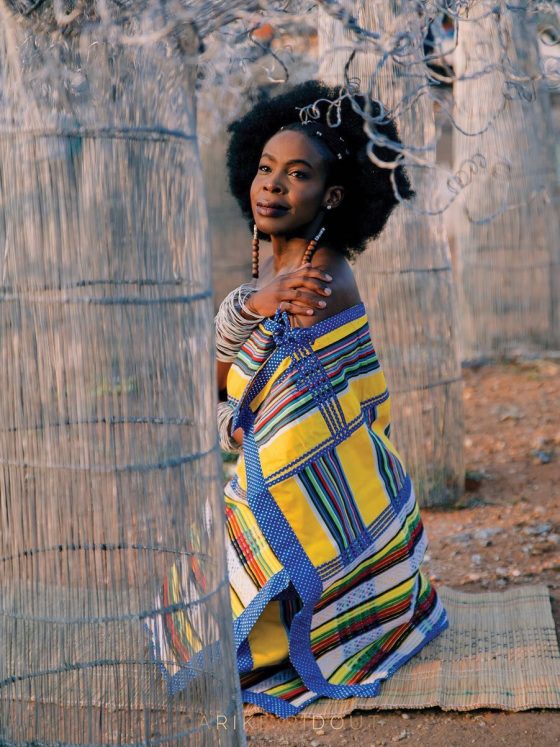
The vaNambya dress tradition shares the foundational grammar of the broader Zimbabwe Culture world while carrying specific Nambya aesthetic and ceremonial choices that distinguish it within that shared vocabulary. Traditional Nambya women’s dress centred on the nhembe, a wraparound skirt traditionally made from animal skin, and the wraparound cloths that replaced and evolved alongside it. Beadwork was the primary decorative and communicative element, layered onto the nhembe and worn as an ornament at the neck, wrists, and ankles. The beads recovered at Bumbusi and Shangano, imported glass alongside locally worked materials, confirm that this beadwork was not merely craft but an index of the kingdom’s external trade connections.
Mat-making and related crafts have always been central to Nambya material culture, documented across multiple sources as one of the community’s defining artistic practices. The techniques for working with reeds, grasses, and fibres to produce functional objects were the same as those applied to the decorative and woven elements of ceremonial attire. A Nambya woman skilled in mat-making brought the same precision and geometric sensibility to her beadwork and dress, and the geometric vocabulary of the stone walls at Bumbusi, with their chevron patterns inherited from Great Zimbabwe, runs through every medium the community has used to express its identity.
Gabriel Shokodema, an elder and member of the Nambya Cultural Association, describes the sacred site at Bumbusi in terms that apply equally to the dress tradition: “This is the area where we, as the baNambya, meet and communicate with our ancestors.” That meeting, enacted through ceremony at the royal graves, requires specific dress. When the elders, the vashe, conduct the miliya, the national rainmaking ceremony at Bumbusi, they approach the graves of the Wanges in attire appropriate to the gravity of the occasion. The dress worn at the miliya is not incidental to the ceremony. It is the ceremony’s visible dimension, connecting the living community to the royal lineage buried in the ruins of their stone capital.
The VaNambya built their dress tradition inside a stone kingdom. The kingdom fell to the Ndebele in the 1850s. The dress did not. A tradition that lives in the body of every woman who knows how to make it cannot be sacked.
Bumbusi: A Kingdom on the World’s Endangered List
The Bumbusi Ruins are extraordinary in ways that the Zimbabwean state and the international conservation community have mostly failed to act upon. In 2008, the World Monuments Fund placed Bumbusi on its Watch List of 100 Most Endangered Sites in the world. This designation acknowledges both the site’s significance and the inadequacy of its protection. The ruins are located approximately 70 kilometres from Hwange town, within the national park boundary near the Sinamatela area, and are surrounded by wildlife. Baboons are progressively dismantling what remains of the sandstone walls. The site has no permanent protection, limited signage, and receives almost no visitors compared to the elephant waterholes that draw the park’s tourism.
Nambya cultural leaders have repeatedly appealed to the National Museums and Monuments of Zimbabwe for intervention. The appeals have not produced results commensurate with the site’s importance. This is the context in which the vaNambya maintain their dress tradition: not with the institutional support of a cultural infrastructure that acknowledges their history, but despite a political and administrative reality that allows wildlife to dismantle their royal capital. At the same time, the park named after their king generates millions in tourism revenue.
The dress that the vaNambya wear to the miliya rainmaking ceremonies at Bumbusi is the most politically loaded garment in this series since the BaTonga beadwork carried out of the Zambezi valley before the rising waters of Kariba. In both cases, a community maintains its material cultural identity in conditions specifically designed, by nature, by colonial administration, by post-independence governance, to make that maintenance difficult.
ALSO READ
- Maasai Beadwork: Meaning, Symbolism, and the Language of Identity
- Traditional Clothing in the Benin Republic: Culture, Royalty, and Identity
- The Zulu Reed Dance and the Dress That Carries a Nation’s Dignity
- The Reed Dance and What Eswatini’s Umhlanga Ceremony Tells the Fashion World About Collective Dress
ChiNambya: The Language They Chose to Keep
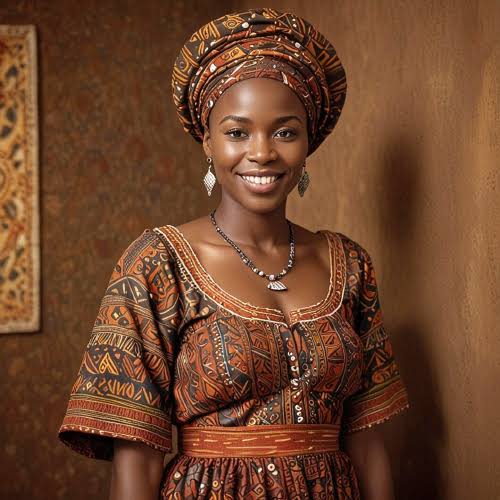
The vaNambya number approximately 100,000 people, concentrated in Hwange district, with smaller communities elsewhere in Matabeleland North. ChiNambya, their language recognised as one of Zimbabwe’s sixteen official languages in the 2013 constitution, is related to Kalanga and Shona, reflecting the linguistic family from which the Rozvi dynasty emerged. Like many minority languages in Zimbabwe, chiNambya faces pressure from isiNdebele, which became the dominant language of Matabeleland under Ndebele rule in the nineteenth century and retains that dominance in the region today.
The vaNambya response to this pressure has been active cultural preservation. The Nambya Cultural Association and the Nambya Development Organisation Trust both document and promote Nambya history and material culture. The Kune Ngoma Cultural Village, registered with the National Arts Council of Zimbabwe and committed to resuscitating Nambya culture and empowering local communities in Hwange District, represents an institutional effort to preserve the tradition in an accessible form. Mathe, the social and cultural anthropologist and tour guide who coordinates the Kune Ngoma Cultural Village, has described the situation with precision: chiNambya is fast vanishing because when a Nambya man or woman marries outside their community, they tend to adopt their partner’s language. The dress tradition faces the same pressure through the same mechanism. The community’s active preservation is a deliberate response to real erosion.
Nambya women who make beadwork, who know the traditional forms of ceremonial attire, who participate in the miliya rainmaking ceremonies at Bumbusi in appropriate dress, perform the same act of cultural sovereignty that their ancestors performed when they built stone walls in the Hwange forest and named their king after the act of making peace.
The Park Makes Millions. The Kingdom Is Crumbling.
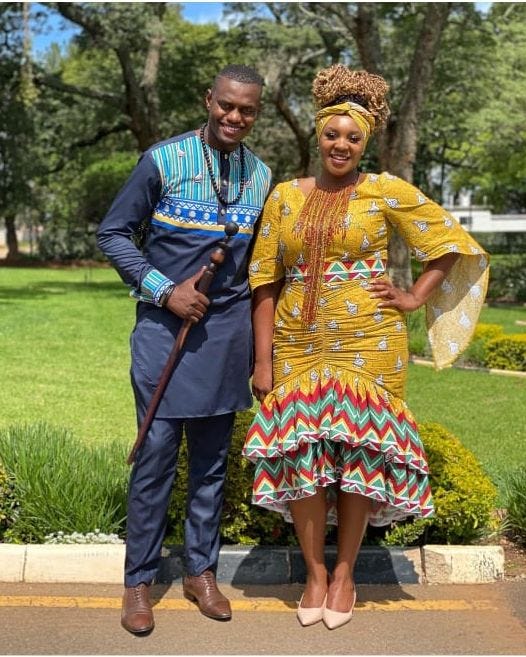
There is a specific irony that the Nambya situation poses to any honest accounting of how southern African cultures are valued. Hwange National Park generates substantial tourism revenue. The park is named after a Nambya king. The Bumbusi Ruins sit inside the park boundary, on the World Monuments Fund’s endangered list, crumbling, while tourists drive past to photograph elephants.
The wildlife is protected. The kingdom is not.
This is not an argument against wildlife conservation. It is an observation about which forms of heritage a society chooses to fund, and which it allows to decay. The vaNambya have been asking for Bumbusi’s protection for decades. The answer has consistently been inadequate. Meanwhile, the cultural tradition that Bumbusi represents, the dress worn at the miliya ceremonies at the graves of the Wanges, the mat-making techniques that carry the same geometric sensibility as the chevron stone wall decorations at Mtoa, the beadwork tradition documented in the glass beads excavated from the royal floors, continues, maintained by the community’s own effort, without institutional support proportionate to its significance.
If the land is worth protecting because of what lives on it, then the people who named that land, who built their royal capitals on it, who have maintained their cultural identity within it across three centuries of invasion and displacement, deserve at minimum the same attention and investment as the elephants their king’s name helps to market. The vaNambya are dressing for that argument every time they put on traditional attire for a ceremony at Bumbusi. The dress is the petition. The beads are the evidence.
What the Stones Carry
The chevron pattern at Mtoa is the same chevron that appears at Great Zimbabwe. This is not a coincidence or imitation. It is an inheritance, the visual grammar of a civilisational tradition, carried northwest by a royal son and embedded in the stone walls of three successive Nambya capitals. The pattern survived the Ndebele sacking of Bumbusi in the 1850s. It survived the British colonial administration. It survived independence and the conversion of the royal territory into a national park. It is carved into sandstone that baboons are currently dismantling, and it still means what it always meant: that the people who made it were part of the Zimbabwe Culture world, descendants of the builders, carrying the tradition forward in every medium available to them.
The vaNambya dress tradition is one of those media. The nhembe wraparound, the beadwork at neck and wrist, the ceremonial attire worn at Bumbusi for the miliya, all carry the same message as the chevron in the stone: we are still here, we are still who we have always been, and the land you are standing on knows our name.
The vaNambya are approximately 100,000 people. Two million tourists visit the park named after their king each year. The ratio is precise: for every one Namibian person, twenty tourists visit the territory their ancestors named and once governed through their royal lineage. Not one of those twenty tourists, statistically, is aware of this. Not one fashion publication, before this article, has written about what the vaNambya wear when they stand at the graves of the Wanges and ask the rain to come.
Omiren Styles documents the vaNambya dress tradition here because it is the clearest available illustration of what Omiren exists to correct: the gap between a community’s civilisational record and the attention that record receives from the global cultural conversation. Three UNESCO-connected heritage sites. Three royal stone capitals. Twelve kings in the oral tradition. A dress tradition maintained for three centuries against every force that tried to end it. And, until now, zero fashion coverage. This article is the first. It will not be the last.
FREQUENTLY ASKED QUESTIONS (FAQs)
Who are the VaNambya people and where do they live?
The vaNambya are a people of approximately 100,000, concentrated in Hwange district in northwestern Zimbabwe, with smaller communities elsewhere in Matabeleland North. They are descendants of the Rozvi dynasty, the stone-building civilisation that produced Great Zimbabwe, and formed a distinct group in the 18th century when Dendelende Sawanga led followers northwest from the Rozvi heartland in approximately 1737. Their language, chiNambya, is recognised as one of Zimbabwe’s sixteen official languages in the 2013 constitution.
What is the connection between the VauNambyaa and Great Zimbabwe?
The vaNambya are descendants of the Rozvi dynasty, the political and architectural tradition responsible for Great Zimbabwe, Mapungubwe, and Khami. Dendelende Sawanga, founding king of the Nambya, was a son or subchief of Mambo, the Rozvi king. When he established the Nambya kingdom in Hwange in 1737, he and his followers built stone-walled capitals in the same dry-stone construction tradition as Great Zimbabwe. The chevron decorative motif at the Nambya capital of Mtoa is the same chevron that appears on the Great Enclosure at Great Zimbabwe. The vaNambya were not imitating Great Zimbabwe. They were its descendants.
What does traditional vaNambya dress look like,e and when is it worn?
Traditional vaNambya women’s dress centres on the nhembe, a wraparound skirt traditionally made from animal skin, worn with beadwork at the neck, wrists, and ankles. The beads recovered at Bumbusi and Shangano include imported glass beads from Indian Ocean trade networks, indicating that even in the remote northwest, the Nambya dress tradition carried the marks of long-distance exchange. Ceremonial attire is worn for the miliya, the national rainmaking ceremony conducted by the vaNambya elders at the royal graves at Bumbusi when rains fail. The ceremony connects the living community to the royal lineage buried in the ruins of the stone capital.
What happened to the Bumbusi Ruins, and why are they endangered?
Bumbusi was the grandest of the three successive Nambya royal capitals, built by King Shana, with a stone enclosure approximately 55 metres long, set between two enormous baobab trees that still stand today. It functioned as a living royal city until the 1850s, when Ndebele warriors sacked it and scattered the Nambya population. Today, the ruins sit approximately 70 kilometres from Hwange town, within the Sinamatela area of Hwange National Park. Baboons are progressively dismantling the sandstone walls. In 2008, the World Monuments Fund placed Bumbusi on its Watch List of 100 Most Endangered Sites. Despite repeated appeals from Nambya cultural leaders to the National Museums and Monuments of Zimbabwe, the protection remains inadequate.
What is the relationship between Hwange National Park and VaNambya history?
Hwange National Park is named after a Nambya king. The word Hwange derives from Sewanga, the hereditary dynastic title of the Nambya chieftainship, taken by Dendelende Sawanga when he established the first Nambya capital at Shangano in approximately 1737. Every subsequent Nambya king carried the name Wange. When British colonial cartographers named the town and later the national park, they were using a Nambya royal title without acknowledging the sovereignty it encoded. The ruins of three successive Nambya royal capitals, Shangano, Mtoa, and Bumbusi, sit within the park boundary. Approximately two million tourists visit the park each year.
How can I learn more about the VaNambya cultural heritage?
The Kune Ngoma Cultural Village in Hwange is registered with the National Arts Council of Zimbabwe. It is committed to maintaining and sharing Nambya culture with the local communities of Hwange District. The Nambya community museum in Hwange holds artefacts related to Nambya history and material culture. The Nambya Cultural Association and the Nambya Development Organisation Trust are the primary institutional bodies that document and promote Nambya history. The Zimtribes project has documented VaNambya history in detail at blog.zimtribes.com. The nambya.org website maintains records of Nambya history, culture, and current affairs.