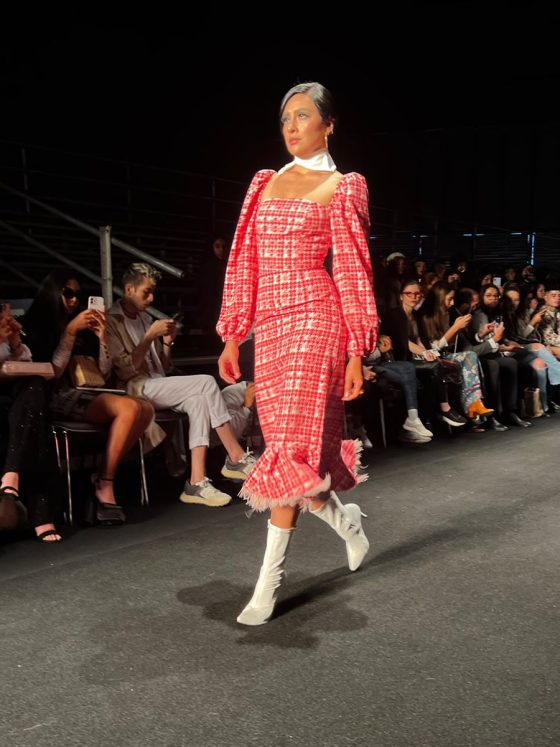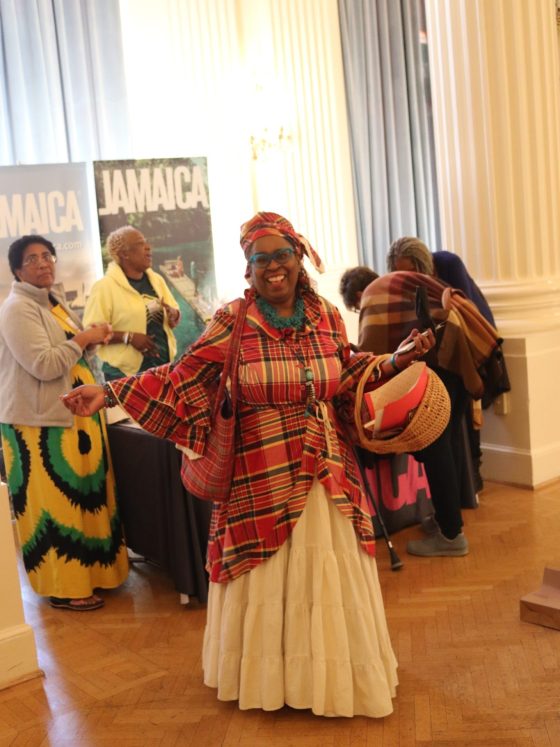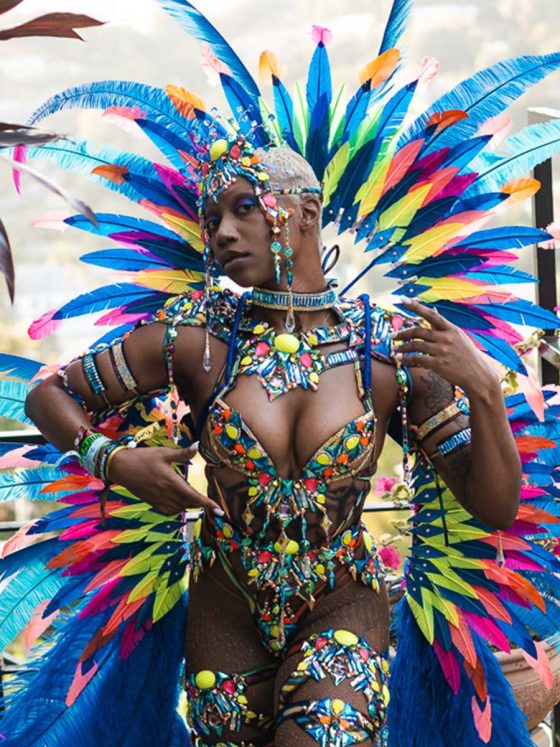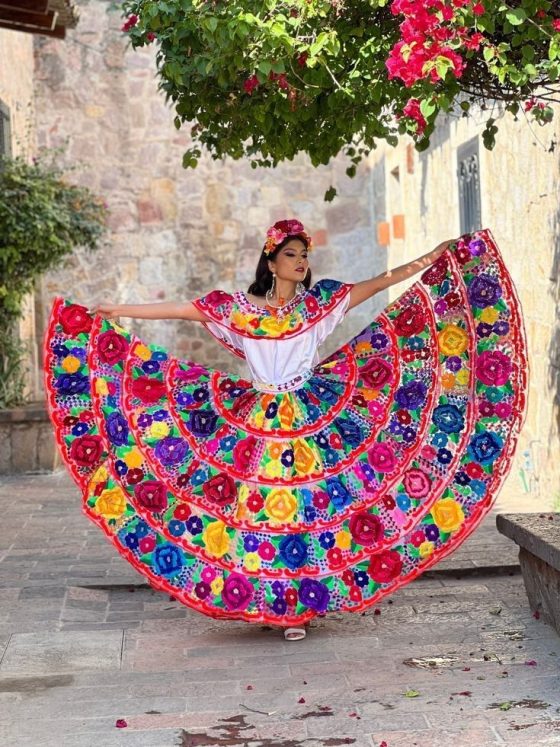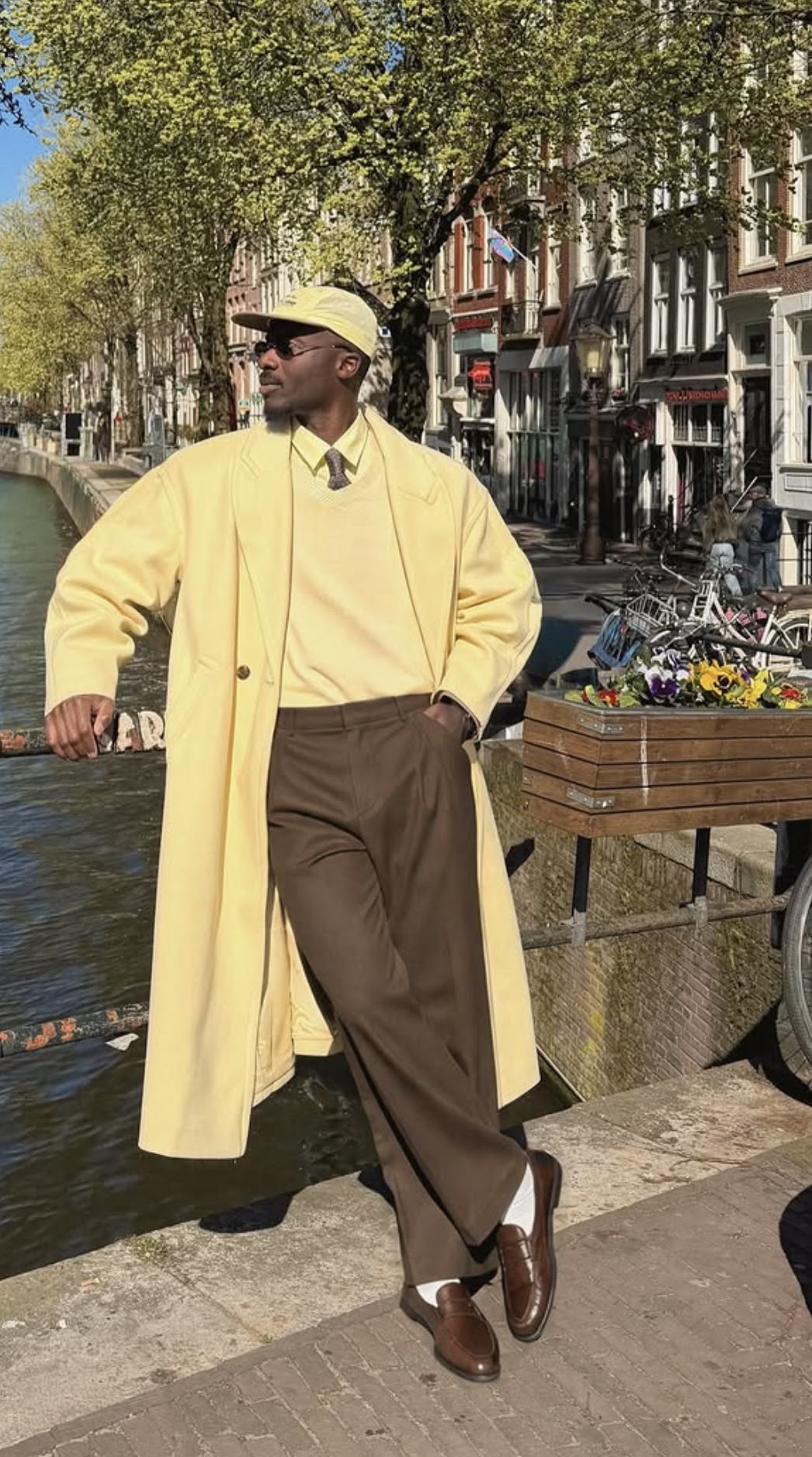
In 2017, a 23-year-old Nigerian designer named Mowalola Ogunlesi presented her graduation collection at Central Saint Martins. She called it Psychedelic. It drew inspiration from West African rock music of the 1970s and 1980s. It sent Nigerian men down the runway in tight leather trousers, nipple-grazing crop tops, and lace-edged, low-cut clothing that confronted Nigerian taboos around male sexuality from within a British fashion institution. The industry stood up and took notice immediately. Ogunlesi had not softened her Lagos reference point to make it legible to London. She had sharpened it. ‘I’m using my Nigerian heritage,’ she said, ‘and mixing that with what I want to see from my people.’
That collection is the argument this piece is making in miniature. African diaspora fashion is not a diluted version of African style. It is a living urban language, rewritten every day across London, Paris, and New York to fit work, nightlife, protest, weather, class, and identity. The diaspora does not simply preserve style in transit. It adapts it, remixes it, and makes it legible in new environments. That is what makes diaspora fashion so powerful: it is not static memory. It is active authorship.
Three cities. Three registers. Three versions of the same creative argument.
London layers. Paris negotiates. New York remixes. African diaspora fashion is not a softened version of continental style. It is a creative system built under the pressure of urban life. Here is what it looks like.
London as a Layering City
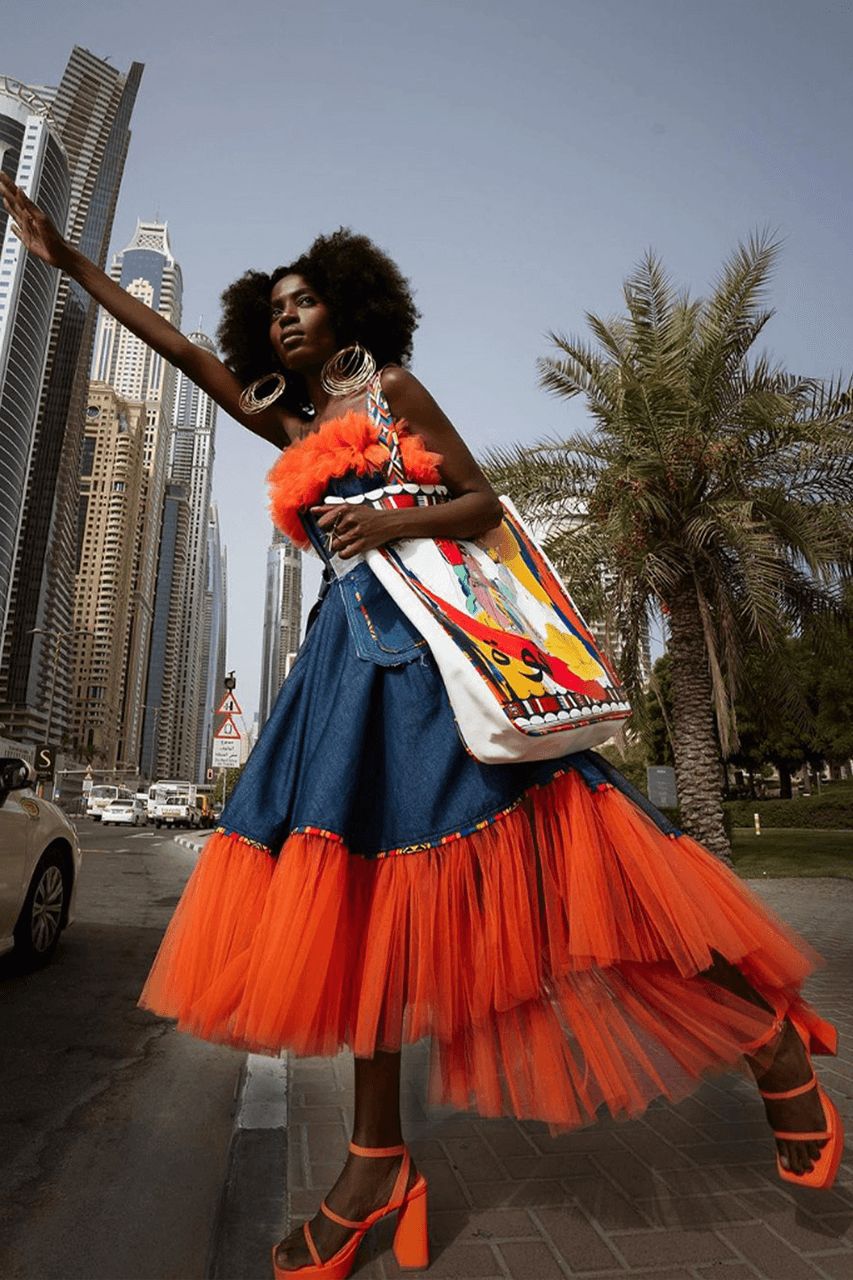
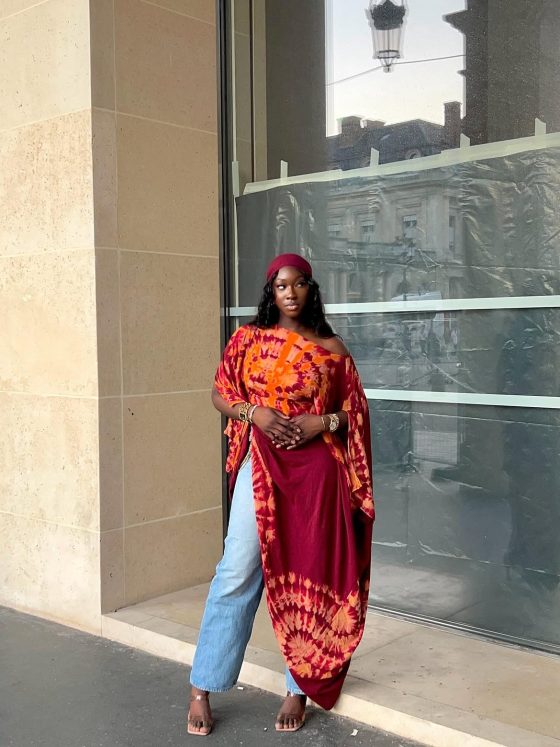
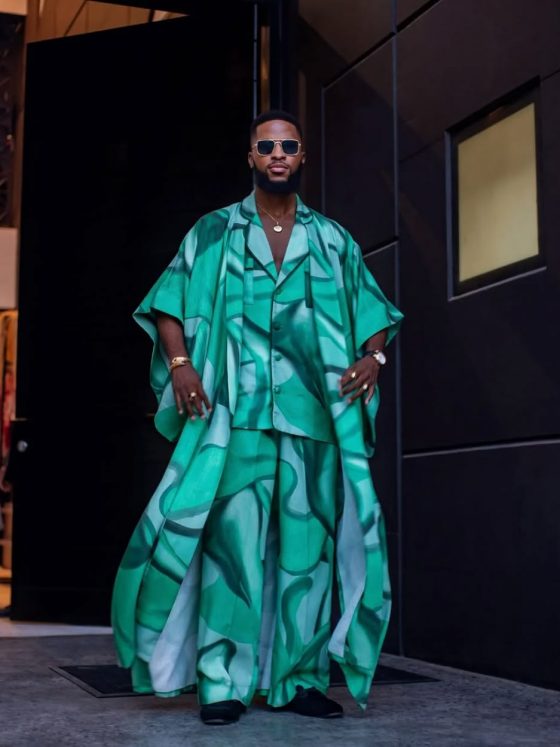
London is one of the clearest examples of diaspora fashion in layering. The city’s weather, formality, and multicultural street culture encourage looks that combine tailoring, outerwear, printed cloth, and statement accessories. Style here often has to work across many settings in one day. For the approximately 2.5 million people of African descent living in the UK, concentrated heavily in London’s Nigerian, Ghanaian, Somali, and Zimbabwean communities, the wardrobe is always doing more than looking good. It is navigating race, class, weather, and cultural expectations simultaneously. As Omiren Styles has argued in the analysis of how African identity operates differently for diaspora and home communities, the London diaspora dresses for multiplicity: heritage in the fabric, functionality in the cut, visibility controlled and deliberate.
Mowalola Ogunlesi is the sharpest current illustration of what London-as-layering means in design. Born in Lagos, moved to England at 12, trained at Central Saint Martins, she builds collections that layer Nigerian cultural codes, specifically the Lagos music scene, the aesthetics of Highlife and West African rock, the specific visual language of Yoruba sensibility, onto London youth culture’s appetite for provocation and skin. Her hand-painted leather pieces became icons of London’s cultural revolution. She was selected for Fashion East in 2019, appointed design director at Yeezy Gap in 2020, and styled Naomi Campbell in a Mowalola gown featuring a bullet-wound design that was both a statement on gun violence and an assertion of Black body autonomy.
What Ogunlesi’s career demonstrates is that London rewards diaspora designers who layer rather than translate. The Nigerian community in London, the largest African community in the UK, at approximately 250,000 in London alone, has its own social and community contexts for dressing that require exactly this layering capability: weddings that move from church to reception to after-party. In these church services, dressing is a form of public testimony; at launches and nightlife events, the same outfit must code for both cultural membership and urban credibility. The wardrobe becomes a flexible archive because the city demands flexibility from anyone navigating multiple roles in a single day.
ALSO READ
- The Diaspora Fashion Paradox: Who Gets to Wear What, and Who Gets to Decide
- How African Identity Is Styled Differently Across Continents
- How African Dress Is Worn as Cultural Resistance Across the Continent
- The Lagos Fashion Week Effect: What a Decade of Runway Has Actually Done for Nigerian Designer Revenue
Paris as Negotiation City
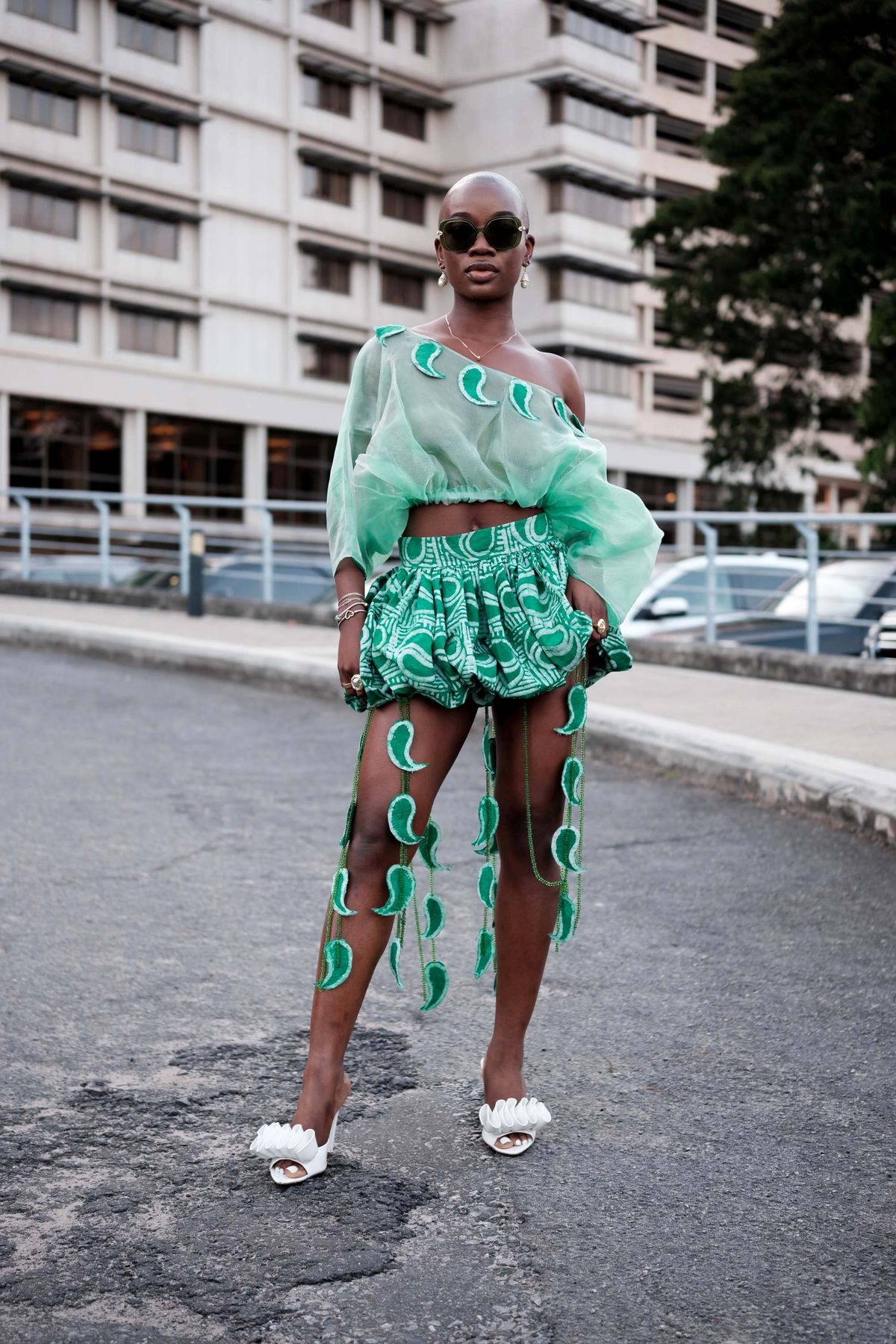
Paris changes the terms of style because it is home to one of the world’s most powerful fashion reputations. For African diaspora communities, dressing becomes a negotiation between personal expression and the city’s specific sense of what counts as refined, fashionable, and acceptable. The Senegalese, Congolese, Malian, and Ivorian communities that form the largest African presence in Paris, concentrated in the Île-de-France region with approximately 500,000 African-born residents, navigate a fashion capital that has historically defined taste from the centre and expected the world to orbit around it.
Imane Ayissi navigated this more precisely and more publicly than any other African designer in Paris history. Born in Yaounde, Cameroon, a former dancer with the Cameroon National Ballet and model for Dior, Lanvin, Givenchy, and Yves Saint Laurent, Ayissi spent decades in Paris before making history in 2020 as the first Sub-Saharan designer invited to show on the official Paris Haute Couture calendar as a guest of the Fédération de la Haute Couture et de la Mode. He did not do it by making African fashion palatable to Parisian taste. He did it by insisting that African craftsmanship meets the same standards as European and Asian craftsmanship, and by proving it with Obom bark cloth from Cameroon, raffia, Kente from Ghana, and Faso Dan Fani from Burkina Faso, all constructed into couture silhouettes that met the FHCM’s stringent technical requirements.
‘I would like people to see that African craftsmanship is as sophisticated and beautiful and luxurious as European or Asian craftsmanship,’ Ayissi stated plainly. His position on wax print is equally direct: ‘When we talk about African fashion, it’s always wax, which is a real pity, because it’s killing our own African heritage. We only started wearing wax during the colonial era.’ For Ayissi, the negotiation in Paris is not about becoming more European. It is about making African luxury legible on Europe’s most prestigious fashion stage without diluting what makes it African.
For the Senegalese and Malian communities in Paris, this negotiation operates at the community level as well. Paris often pushes diaspora dress toward minimalism, structure, or strong editorial polish. That pressure can produce some of the sharpest style expressions in the diaspora, specifically because the pressure requires precision. Diaspora style in Paris works by remaining true to oneself while moving through a city that has always loved to define taste from the centre.
New York as Remix City
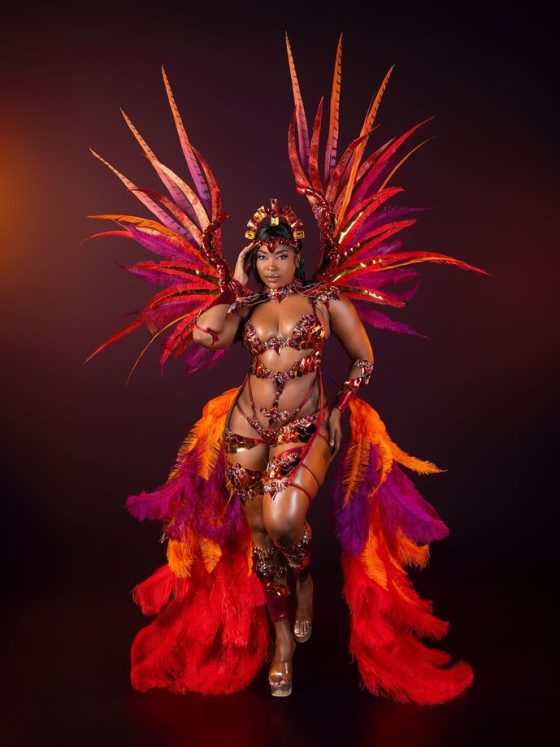
New York is the city where remix becomes the rule. In African diaspora fashion, African references blend with Black American style, Caribbean influence, streetwear, workwear, and performance dressing. The result is dynamic, fast-moving, and heavily shaped by subculture. The West African, East African, and African-Caribbean communities in New York, concentrated in Brooklyn’s Flatbush and Crown Heights (where Haitian, Trinidadian, and Jamaican communities meet Nigerian and Ghanaian ones), produce the most direct collision of African and Caribbean dress traditions available anywhere in the diaspora. As Omiren Styles has documented in the analysis of Trinidad’s carnival masquerade dress tradition and its movement through diaspora communities, the Caribbean-African aesthetic crossover in New York is one of the most generative collisions in contemporary diaspora fashion, producing new visual languages that neither community produces independently.
Fe Noel, the Grenadian-American designer building a New York-based luxury brand rooted in Caribbean and African aesthetics, is building precisely in this register. Her collections speak to the specific experience of women navigating multiple cultural inheritances in an American city, creating resort wear and occasion dressing that refuses to choose between Caribbean sensibility, African print vocabulary, and New York confidence. That refusal to choose is the New York diaspora argument.
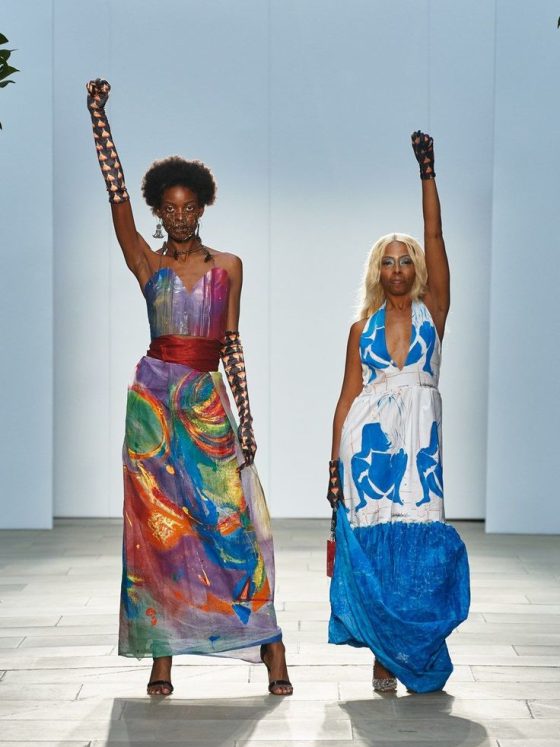
New York’s African Diaspora Fashion Week, which brings together designers from across the African and Caribbean diasporas, makes the remix explicit as an institutional position: the event is premised on the idea that the best diaspora fashion emerges from collision rather than preservation. People dress for art openings, for activism, for nightlife, for the social energy of a city that has always rewarded experimentation. Clothing becomes an argument for selfhood, and the city’s strength lies in not demanding a single dominant grammar. It lets diaspora fashion collide with other Black and urban style traditions, which is why it functions as a laboratory for new visual identities.
What Urban Life Does to the Wardrobe
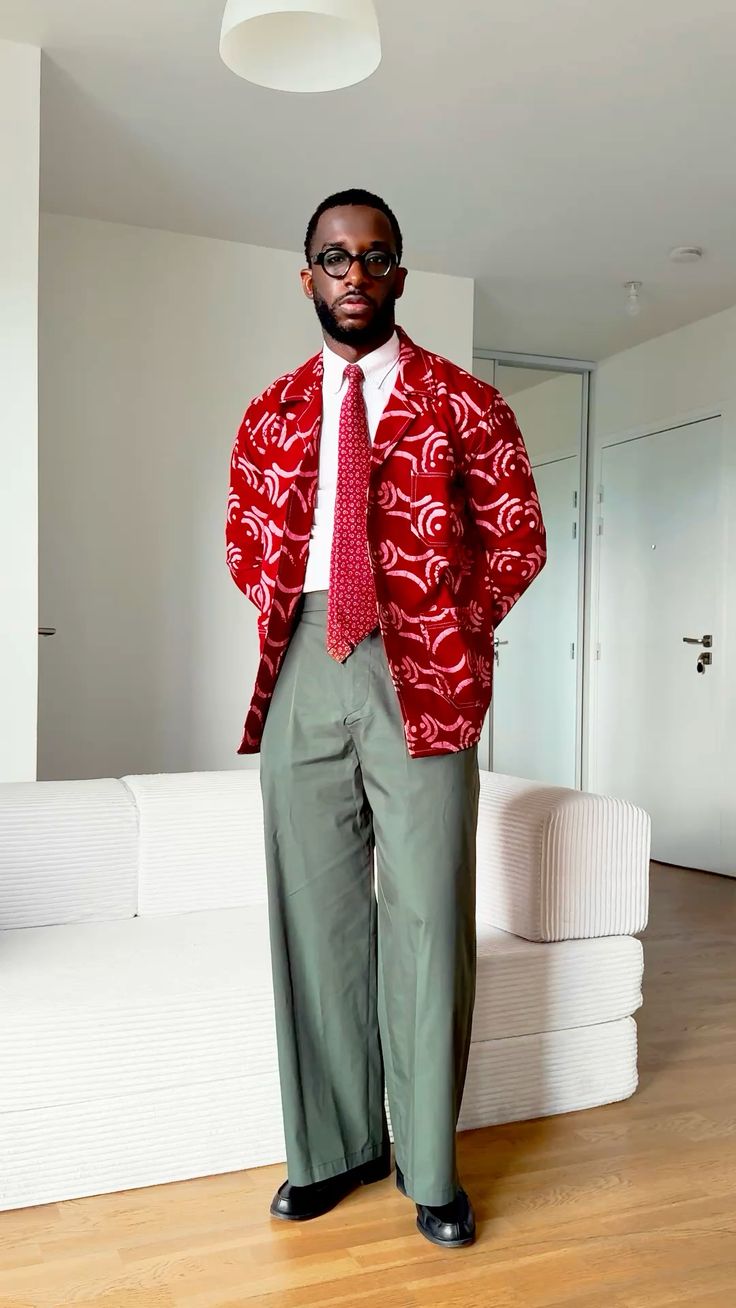
Urban life changes dress because the city imposes practical and social rules. People have to move quickly, work in different environments, and signal identity without always speaking. That means clothing becomes a technology of adjustment. For African diaspora communities, the city also changes what counts as appropriate. A cultural garment may need to be adapted to Western tailoring. A heritage print may need to read as sophisticated rather than decorative. These shifts are not compromises. They are acts of translation.
The city also produces visibility. In dense urban environments, fashion is seen more quickly and judged more often. That pushes people toward more intentional dressing, because clothes are part of how peers, colleagues, and strangers recognise them. So diaspora fashion is not just expressive. It is strategic. It responds to urban life while still preserving a sense of origin and belonging.
The deeper lesson is that influence is not one-directional. African style not only travels outward from the continent to the diaspora. The diaspora sends new ideas back into global fashion through silhouette, layering, styling logic, and hybrid aesthetics. Mowalola’s London-sharpened Lagos provocations travel back into Nigerian youth culture. Imane Ayissi’s Parisian couture travels back into the Cameroonian textile industries he actively supports. Fe Noel’s New York Caribbean-African luxury travels to the Caribbean communities she draws from.
African diaspora fashion is not a softened version of continental style. It is a creative system built in the pressure of urban life, where London, Paris, and New York force clothing to do more than look beautiful. It must work, adapt, signal, and survive. That is what makes diaspora style so important: it proves that African fashion does not end at the continent’s borders. It continues, transforms, and gains new power wherever African people remake dress for the city.
The diaspora did not preserve the African style. It redesigned it. And the redesign is better for knowing what it came from.
ALSO READ
- New York’s African Diaspora Fashion Week: What It Means and Why It Matters
- Why European Luxury Houses Invest in Afrobeats Stars but Not African Fashion Infrastructure
- The Dress That Survived a Genocide: How Herero Women Turned Colonial Cloth Into Cultural Defiance
- Trinidad Carnival Masquerade and the Fashion Identity of the Caribbean Diaspora
FAQs
What is African diaspora fashion?
African diaspora fashion is the style of culture created by African people and communities living outside the continent, especially in major global cities. It is not a preserved or diluted version of continental African dress. It is a creative system built under the specific pressures of urban life: work rules, weather, social codes, race, class, and the need to communicate identity across multiple cultural contexts simultaneously. In London, Mowalola Ogunlesi layers Nigerian heritage onto British youth culture in ways that sharpen both. In Paris, Imane Ayissi navigates the world’s most exclusive fashion institution with African bark cloth and raffia. In New York, Grenadian-American designer Fe Noel blends Caribbean and African aesthetics into a New York luxury register. None of these is a memory project. They are design arguments.
How do Africans in London, Paris, and New York dress differently?
London is a layered city: the Nigerian, Ghanaian, Somali, and Zimbabwean communities there dress for multiplicity, combining heritage fabrics and silhouettes with tailoring and outerwear that function across offices, churches, events, and public transport. Paris is a negotiation city: the Senegalese, Congolese, and Malian communities navigate a fashion capital that defines taste from the centre, producing precise, highly considered dressing that maintains cultural markers while meeting Parisian standards of refinement. New York is a remix city: the West African and Caribbean-African communities in Brooklyn and the Bronx produce the most direct collision of African and Caribbean dress traditions anywhere in the diaspora, generating new visual identities that neither community could produce independently.
Why is African diaspora style important beyond the communities that produce it?
Because it shapes mainstream fashion more than fashion media admits. The layering logic developed by Nigerian designers in London has influenced British streetwear and luxury simultaneously. The African couture argument Imane Ayissi has made in Paris, that African craftsmanship is as sophisticated and luxurious as European or Asian craftsmanship, has changed what the Paris Haute Couture calendar looks like for the first time in a generation. The Caribbean-African remix culture of New York generates visual identities that travel globally through music videos, social media, and the city’s cultural export infrastructure. Diaspora fashion is a creative system with global influence that does not receive global credit for.
How does migration change what people wear?
Migration changes the wardrobe by adding pressure from work rules, weather, social codes, and the need to translate identity into new environments. A cultural garment may need to be adapted to Western tailoring. A heritage print may need to read as sophisticated rather than decorative. A wedding look may need to work from the church ceremony to the evening reception without a change. These adaptations are not compromises. They are design decisions that accumulate over time into a distinct aesthetic logic specific to each diaspora community in each city.
What makes African diaspora fashion different from continental African fashion?
It is shaped by the specific demands of life in global cities, where style must balance visibility, cultural continuity, and adaptation to urban rules not designed with African communities in mind. Continental African fashion is shaped by the cultural intelligence of communities building authority at home. Diaspora fashion is shaped by the creative pressure of communities navigating environments where that authority must be re-earned in different terms. The result is a different kind of design argument: more layered, more strategic, and often more hybrid. The two traditions influence each other continuously: diaspora designers redesign continental references for urban life, and those redesigns travel back to the continent.