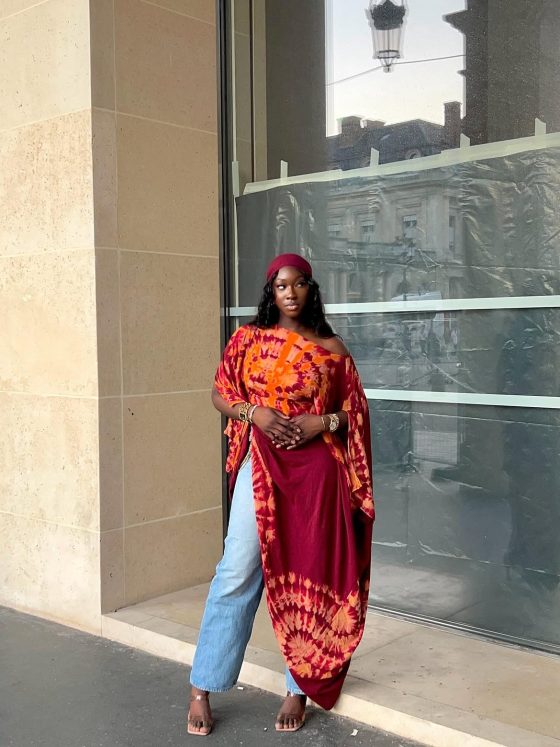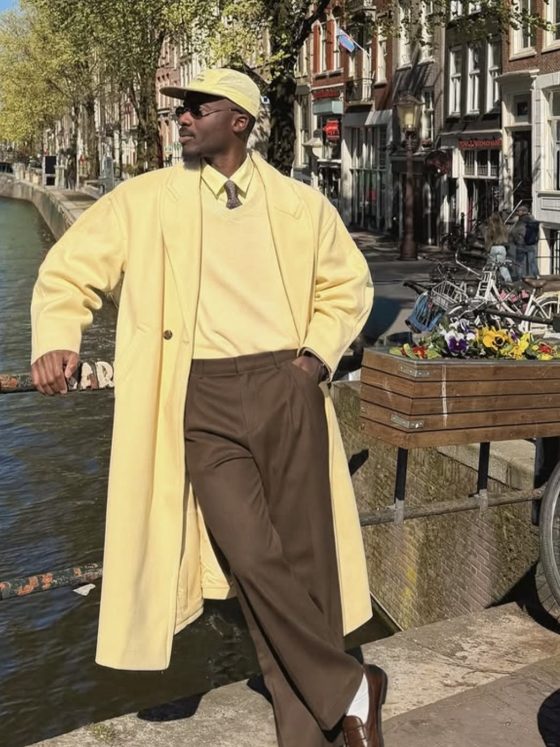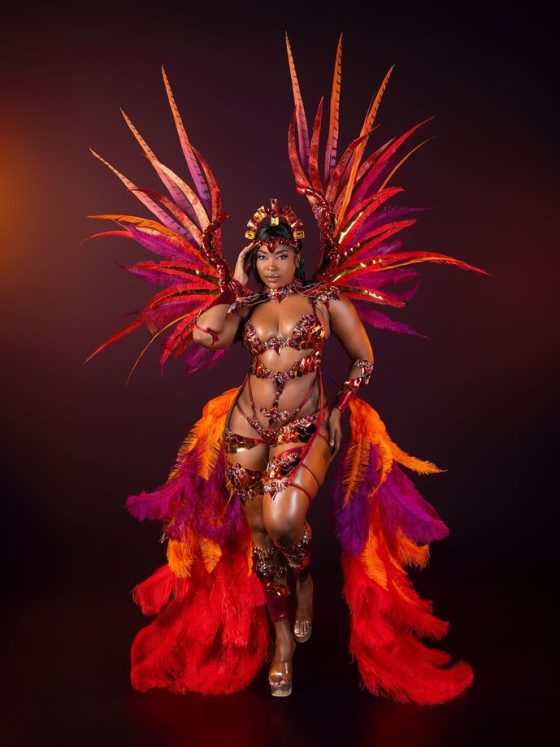
Veracruz’s Afro-Mexican dress tradition and Costa Chica’s are often collapsed into a single “Afro-Mexican dress” category. Still, they come from different coasts, different colonial economies, and different historical settlement patterns. Veracruz sits on Mexico’s Gulf coast and developed around a major colonial port through which thousands of enslaved Africans arrived from the 16th century onward. Costa Chica sits on the Pacific coast, spanning parts of Guerrero and Oaxaca, and its Afro-Mexican communities developed through a different pattern of settlement tied to cattle ranching and, in some documented cases, to communities of people who had escaped enslavement. That geographic and economic difference is the starting point for why their dress traditions diverged.
White lace jarocha dresses, son jarocho music, and Mexico’s first free Afro-descendant town: what is documented about Veracruz’s Afro-Mexican dress tradition and how it differs from Costa Chica.
Yanga: The Historical Anchor of Veracruz’s Afro-Mexican Identity
Veracruz’s Afro-Mexican history has a specific, named, and dateable anchor point: Yanga, recognised across institutional sources as among the first free settlements established by formerly enslaved Africans in the Americas. The settlement takes its name from Gaspar Yanga, who, in approximately 1570, led an escape from enslavement at the Nuestra Señora de la Concepción sugarcane plantation and established a palenque, a maroon settlement, in the rugged highlands near Córdoba. According to the Texas Institute for the Preservation of History and Culture, the settlement was chartered as a free town in 1617, with Yanga as governor, following negotiations with colonial authorities that granted the community their freedom and land in exchange for an end to raids and assistance to enslaved people who were escaping. The town was formally proclaimed free on October 3, 1631, and is recognised today, per its own town plaque, as the “Primer pueblo libre de America” (First free town of America), a claim that some sources render as “first free town in North America” and others as “first free African settlement in the Americas.” Both versions are in current use across institutional sources.
Gaspar Yanga’s geographic origin is disputed across sources: different accounts describe him as being from Gabon, Angola, or central or west Africa more broadly. None of these claims can be confirmed with certainty from the available historical record, and the article does not assert a specific origin. What is consistent across sources is that the settlement he led was real, historically documented, and represents a specific anchor for Veracruz’s Afro-Mexican identity, distinguishing its historical narrative from the more generally described maroon-community history sometimes associated with Costa Chica. The city of Yanga, Veracruz, was designated a site of memory under UNESCO’s International Slave Route Project, as documented by the Imagine Mexico record of the 2017 UNESCO ceremony in coordination with the National Institute of Anthropology and History.
The Jarocha and Jarocho: What the Costume Actually Consists Of
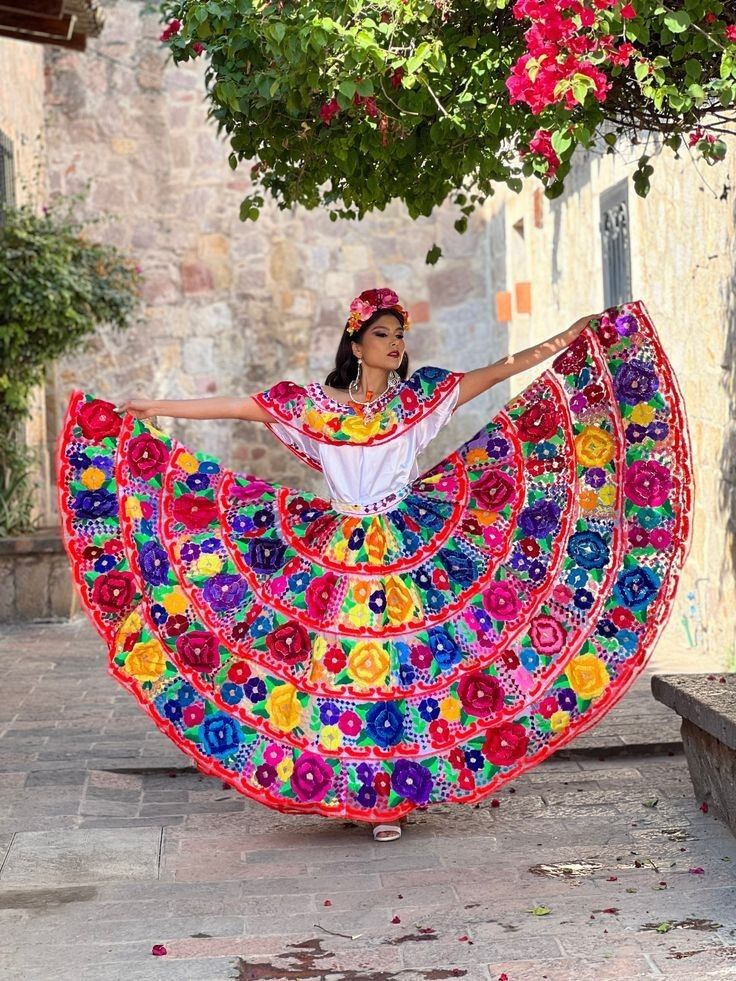
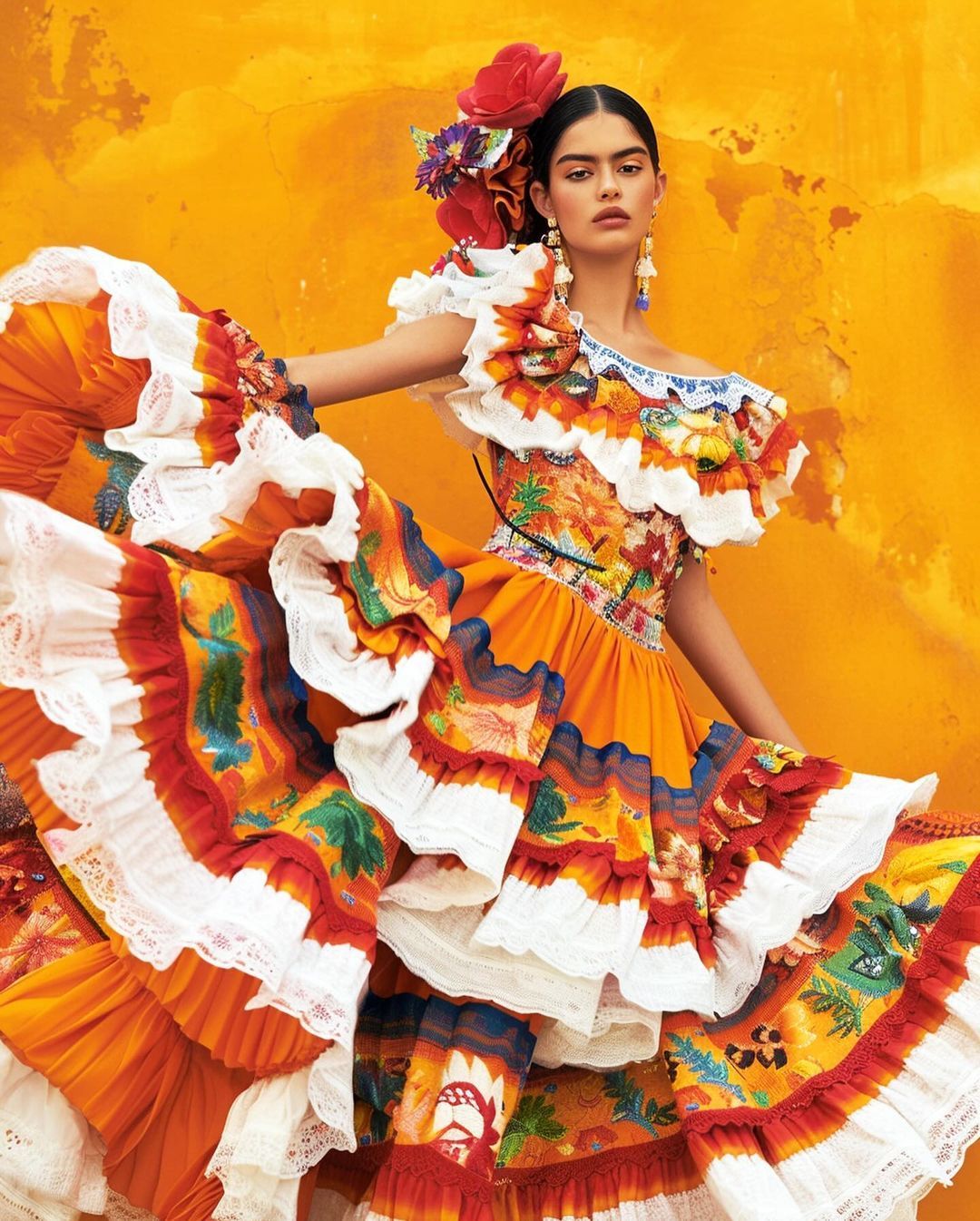
The traditional costume associated with Veracruz’s coastal culture is known as jarocho for men and jarocha for women. These terms also describe people and things from the port city of Veracruz more broadly. The women’s version consists of a white lace dress with a flowing, ruffled skirt, typically two or three ruffles, worn with a rebozo (shawl) draped over the shoulders and colourful ribbons and flowers arranged in the hair. A later historical addition to the costume is documented precisely: following Mexican independence, a black satin apron with red floral embroidery became a popular addition to women’s dress. In contrast, the men’s white guayabera shirt became the standardised menswear counterpart. The man’s complete look includes the white guayabera, matching white trousers, a red bandana tied at the neck, and a wide-brimmed hat.
The costume’s dominant white colour carries documented layering in its cultural origins rather than a single source. White is specifically linked in sourcing to Nahuatl Indigenous clothing traditions in the region, while the overall silhouette and construction trace to Spanish women from Valencia and Andalusia who settled near the Papaloapan river during the colonial period, originally in heavier fabrics, subsequently replaced with lighter material suited to Veracruz’s climate. White is separately documented as associated with purification rituals among Indigenous communities in the region. The costume’s signature colour, therefore, carries at least two independently documented cultural references.
One further detail is flagged honestly rather than embellished: a comb decorated with flowers, worn in the woman’s chongo (hairstyle bun), is described in the sourcing as carrying meaning depending on which side it is worn on. The specific meanings were not detailed in the available sources, so that claim is left open here rather than filled in with a plausible interpretation.
Where the African Influence Is Most Clearly Documented: The Music, Not Just the Cloth
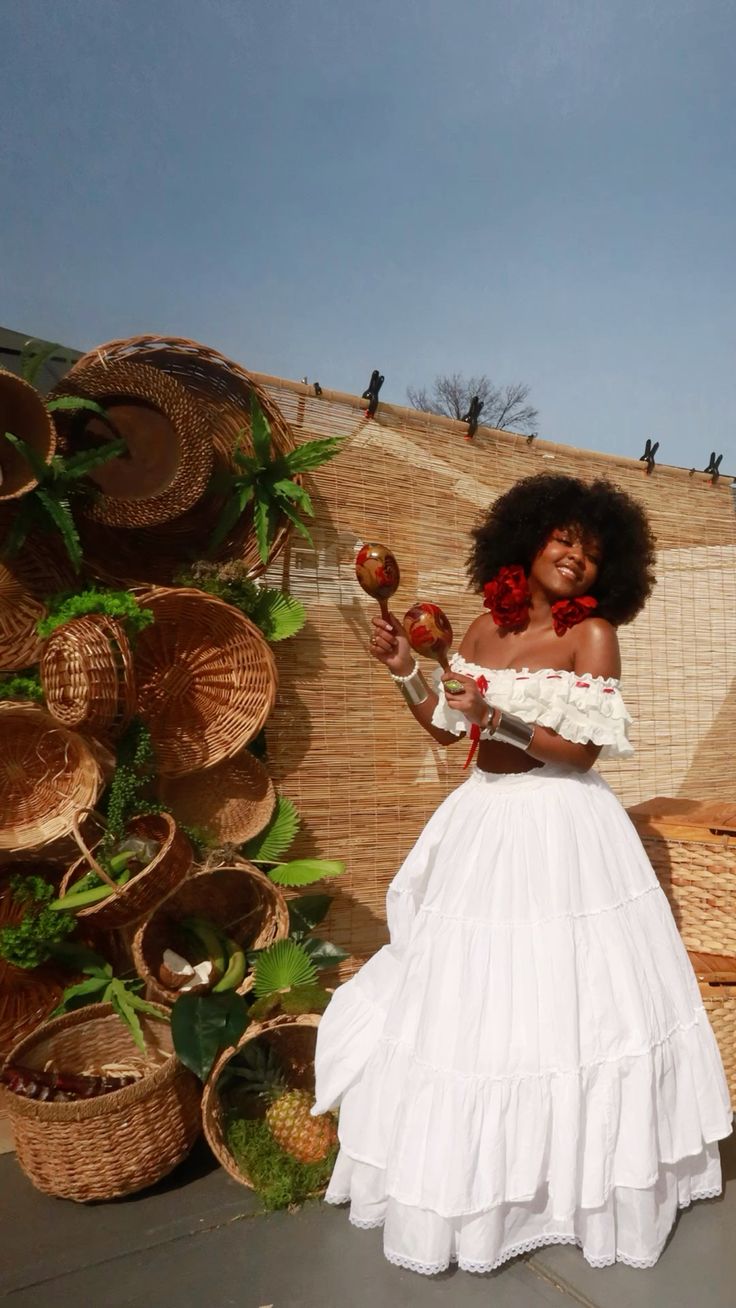
The strongest and most independently verifiable evidence of African cultural influence in Veracruz’s coastal tradition is not in the garment construction itself but in the music that accompanies it. Son jarocho, as documented by the Smithsonian Folkways release of Grupo Mono Blanco’s Soneros Jarochos recordings and by The Garland Handbook of Latin American Music (cited in the son jarocho entry on Encyclopedia.com), developed over roughly two and a half centuries along the coastal Veracruz and southern Tamaulipas region, combining three specifically named sources: Indigenous Huastecan music, Baroque Andalusian fandango, and the West African music brought by enslaved people via the Caribbean into the region. The genre’s instrumentation is specifically documented: requinto, jarana, arpa jarocha, leona, pandero, quijada, and marimbol.
The jarocha/jarocho costume is the dress traditionally worn while performing and dancing to this music at fandangos, community gatherings built around son jarocho. The African contribution to son jarocho is documented in peer-reviewed academic literature, including Micaela Díaz-Sánchez’s “The Son Jarocho as Afro-Mexican Resistance Music” in the Journal of Pan African Studies, which traces African diasporic elements in the genre, including the conga rhythm transferred to Veracruz via Cuba and the documented prohibition of son jarocho songs by colonial Catholic authorities specifically because of their association with Afro-descendant communities. The dress and the music are not separable: the jarocha costume is the visual expression of a cultural tradition whose African roots are best documented through sound and community practice rather than through textile construction alone.
What Separates This From Costa Chica, Stated Plainly
The distinction between Veracruz and Costa Chica, which can be stated with confidence, is structural rather than exhaustive. Veracruz’s Afro-Mexican identity is anchored around a specific historical settlement (Yanga), a specific Gulf coast port economy, and a costume tradition, the jarocho/jarocha dress, closely tied to a named and well-documented music and dance genre (son jarocho) with clearly sourced multi-origin roots. Costa Chica’s Afro-Mexican communities developed on the Pacific coast under a different colonial economy, and their most widely documented dress-adjacent tradition is the Danza de los Diablos (Dance of the Devils), a costume and performance tradition that this piece has not researched in comparable depth and will not describe further without that dedicated research. As Omiren Styles has applied this standard in comparable cases, the responsible position when documentation is incomplete is to name the gap rather than fill it with a plausible description.
Why the Distinction Matters
Collapsing Veracruz and Costa Chica into a single “Afro-Mexican dress” category does not simply risk factual imprecision. It obscures the fact that Mexico has more than one distinct Afro-descendant regional culture, each with its own history, coastline, colonial economy, and cultural expression. Veracruz and Costa Chica deserve the same precision this series has applied elsewhere: Jamaica’s Rastafari dress codes are not Suriname’s Maroon ceremonial dress. Belize’s Garifuna tradition is not Nicaragua’s Bluefields Creole tradition. The Afro-Mexican case is the same argument applied to the Pacific and Gulf coasts of the same country.
The jarocha dress is a specific costume tied to a specific music tradition on Mexico’s Gulf coast, grounded in a documented history of African presence from the 16th century onward. That specificity is what this piece can confirm. The rest, including a full profile of Costa Chica, awaits its own research.
ALSO READ
- Palo de Mayo Bluefields, Nicaragua: Creole and Garifuna Costume, Festival History, and What’s Documented
- Bele Dance and the Dress That Carries What Martinique Could Not Say Out Loud
- The African Roots of Caribbean and Latin American Dance: When the Drum Speaks, the Motherland Answers
Frequently Asked Questions
What is the traditional dress of Veracruz called?
The traditional costume is called jarocho for men and jarocha for women. The women’s version is a white lace dress with a ruffled skirt in two or three tiers, a rebozo shawl draped over the shoulders, and ribbons and flowers arranged in the hair. Following Mexican independence, a black satin apron with red floral embroidery became a documented addition to the women’s dress. The men’s version is a white guayabera shirt, matching white trousers, a red bandana at the neck, and a wide-brimmed hat.
What is Yanga, and why is it significant to Afro-Mexican history?
Yanga is recognised by institutional sources, including the Texas Institute for the Preservation of History and Culture, as among the first free settlements established by formerly enslaved Africans in the Americas, chartered as a free town in 1617 in the Veracruz region of Mexico. It is named for Gaspar Yanga, who led an escape from enslavement around 1570 and established a maroon settlement in the highlands near Córdoba. The town was formally proclaimed on October 3, 1631, and its own plaque identifies it as “Primer pueblo libre de América” (First free town of America). It is the historical anchor of Veracruz’s, specifically Afro-Mexican, cultural identity.
Is Veracruz’s Afro-Mexican dress tradition the same as Costa Chica’s?
No. They come from different coasts (Gulf versus Pacific), different colonial economies, and different historical settlement patterns. Veracruz’s tradition is closely tied to the jarocho/jarocha costume and son jarocho music, with documented roots in Indigenous Huastecan, Spanish Andalusian, and West African musical traditions. Costa Chica’s most documented dress-adjacent tradition is the separate Danza de los Diablos (Dance of the Devils), which this piece has not researched in sufficient depth to describe further. Treating the two regions as interchangeable “Afro-Mexican dress” collapses two genuinely distinct historical and cultural lineages.
What is son jarocho, and how does it connect to Veracruz’s dress tradition?
Son jarocho is a regional Mexican folk music genre that developed over roughly two and a half centuries in coastal Veracruz, documented by the Garland Handbook of Latin American Music as combining three sources: Indigenous Huastecan music, Baroque Andalusian fandango, and West African musical traditions brought via the Caribbean. Its instrumentation includes requinto, jarana, arpa jarocha, leona, pandero, quijada, and marimbol. As documented by the Smithsonian Folkways and peer-reviewed academic literature, son jarocho was closely associated with Afro-descendant communities and was subject to colonial prohibition specifically because of that association. The jarocha/jarocho costume is traditionally worn while performing and dancing to this music at community fandango gatherings.