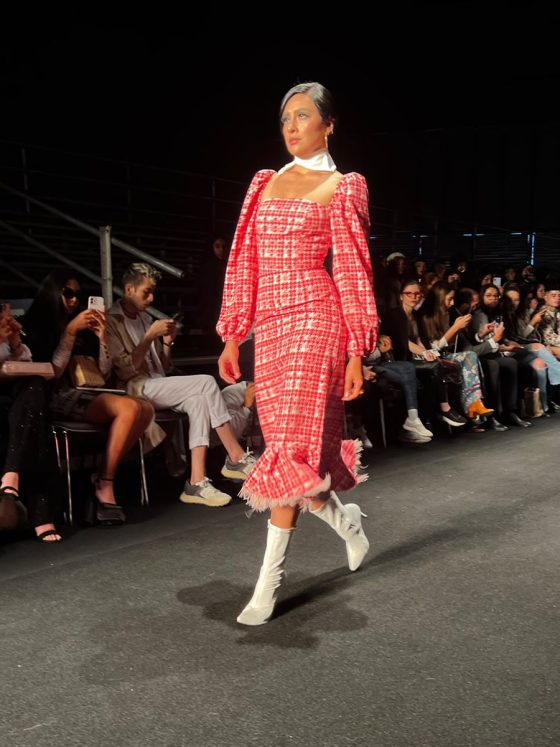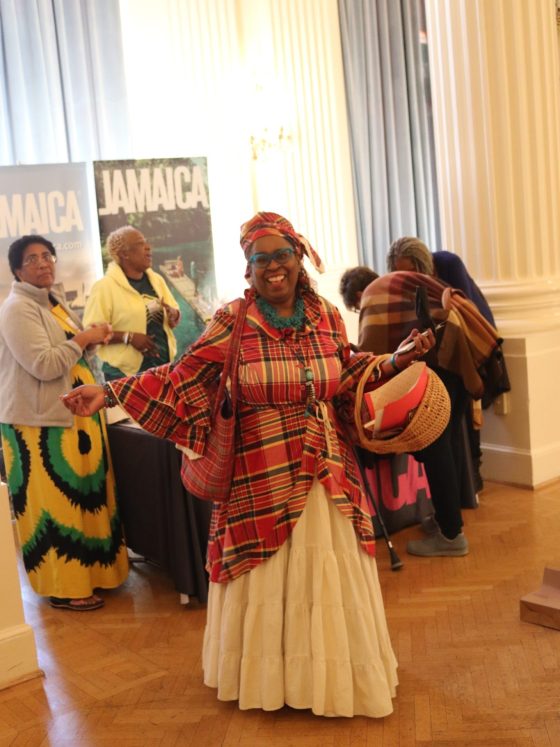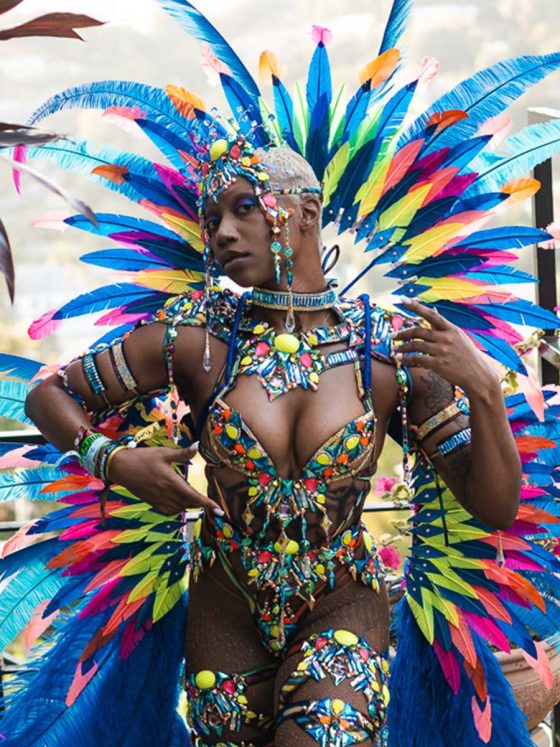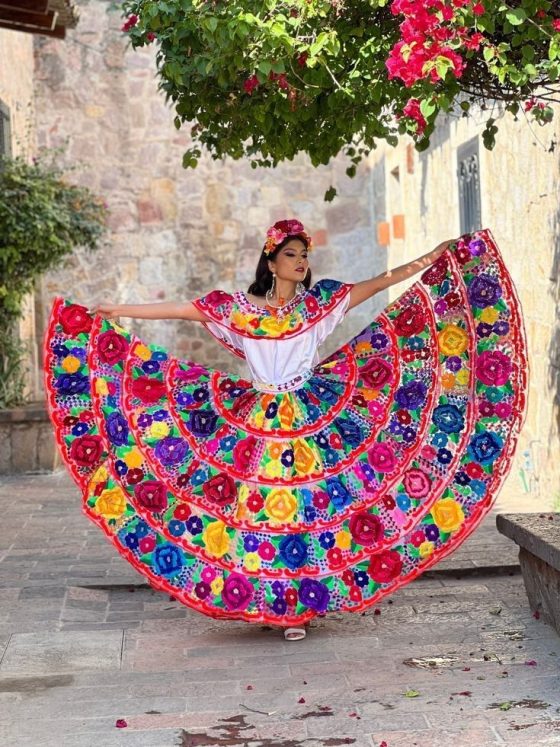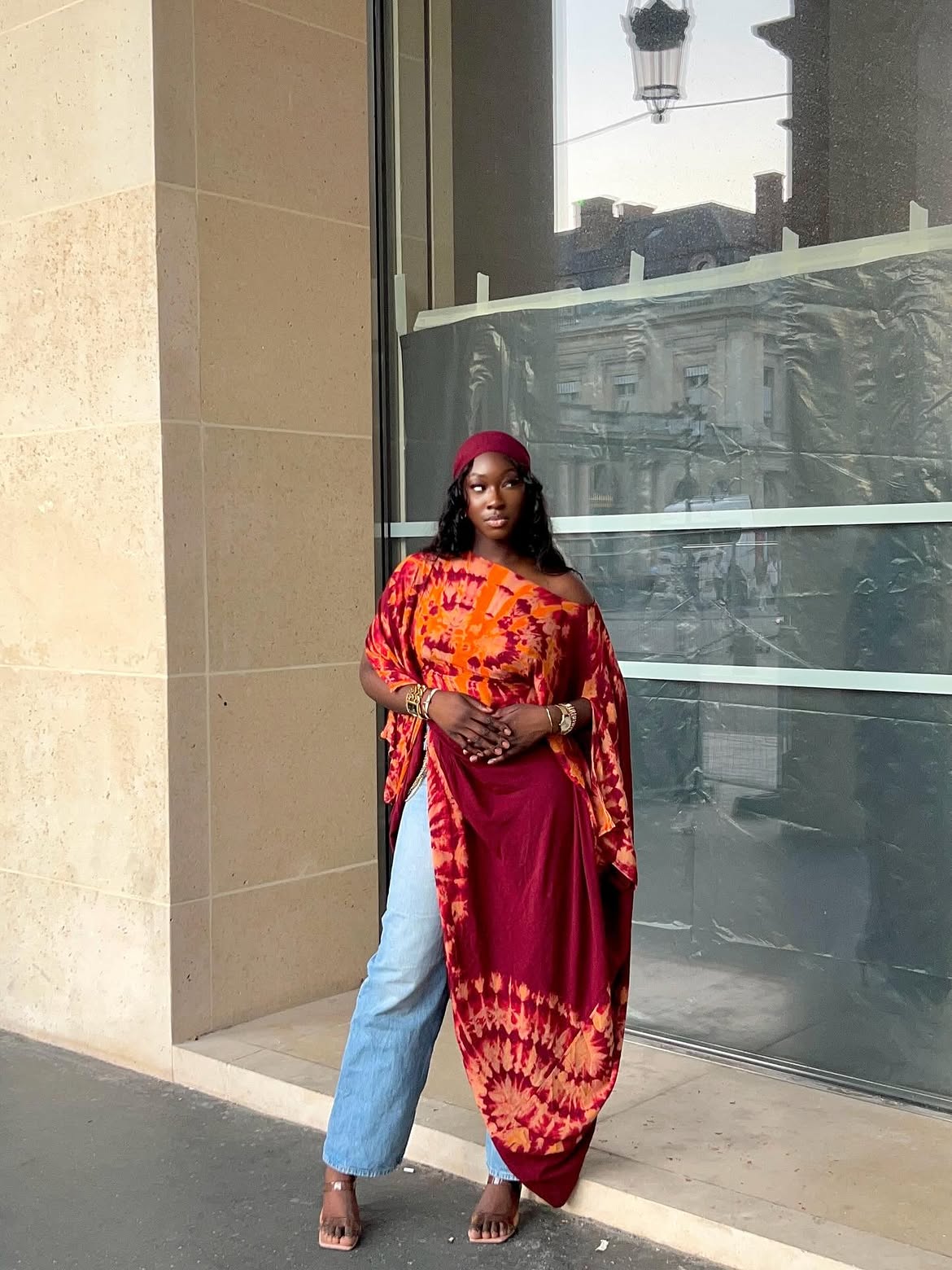
A first-generation Nigerian mother in London has been planning her daughter’s naming ceremony for weeks. She has her expectation: a complete iro and buba with gele, worn correctly, for the occasion that demands it. Her daughter arrives in a tailored dress made with aso-oke fabric, paired with contemporary separates and a minimal headwrap. The mother reads the outfit as a partial acknowledgement of tradition. The daughter reads it as the fullest expression of who she is. Both are wearing Ankara and aso-oke. Both believe they are honouring the same heritage. They are using the same cloth to make different arguments about what that heritage means.
The phrase ‘African style’ often suggests a shared visual language. Yet how diaspora generations define African style is far less straightforward. The difference is not a contest between tradition and modernity. It reflects the different ways migration shapes people’s relationship with the places they call home and the identities they carry across borders. The divergence reveals something important about how culture travels and how it survives.
A first-generation Nigerian mother expects a complete iro and buba with gele at her daughter’s naming ceremony. Her daughter arrives in a tailored Ankara blazer. Neither is wrong. Here is why the same fabric carries two different arguments.
What African Style Means to the First-Generation Diaspora
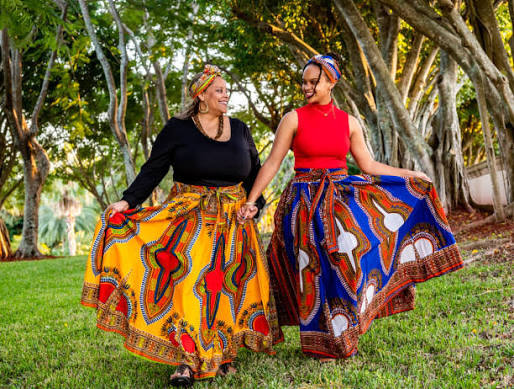
For many first-generation Africans in the diaspora, African style was never something they had to define. Before migration, clothing was simply part of cultural life. Whether worn to a wedding, a religious service, a family gathering, or another important occasion, garments reflected customs that were already understood within the communities where they lived.
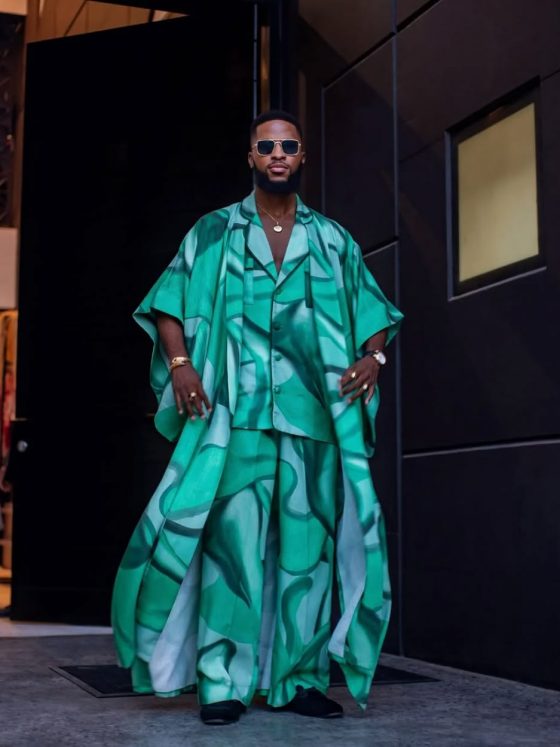
Migration changes that familiarity. Clothing that once blended naturally into everyday life becomes one of the most visible expressions of cultural identity. When a first-generation migrant wears agbada, aso-oke, kente, gomesi, or a wrapper, it is no longer just about dressing for an occasion. It signals a continuing relationship with the traditions, values, and communities that shaped a person’s life before they moved.
Carol Tulloch, Professor of Dress, Diaspora and Transnationalism at the University of the Arts London and author of The Birth of Cool: Style Narratives of the African Diaspora, has described precisely what this shift meant for her own parents when they arrived in Britain: ‘For my parents, this became essential when they arrived in Britain and faced the colour bars. How one presented oneself in public spaces was significant.’ That significance did not belong to the garment alone. It belonged to the relationship between the garment and the specific pressure of being visible in a new and sometimes hostile environment. For many first-generation migrants, how a garment is worn, when it is appropriate, and what it represents matter because the clothing carries meanings that extend beyond individual style.
How Second-Generation Africans Define African Style
For many in the second-generation diaspora, style is shaped by growing up between cultures. While they inherit African traditions from their families, their everyday lives are shaped by the societies in which they are born or raised. As a result, African style is less about preserving familiar customs than deciding how those customs fit into their own lives.
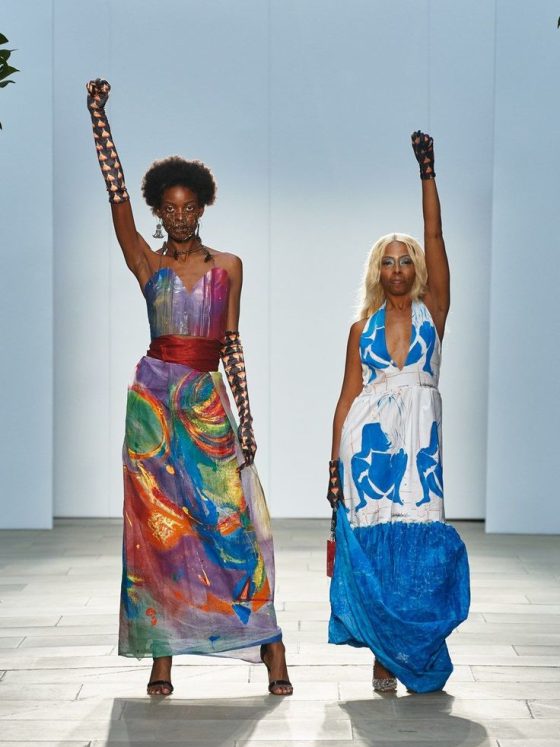
Research on Nigerian women in Peckham, south London, documents exactly this pattern: Ankara fabric functions as a consistent identity marker in this community, but the way it is deployed diverges sharply between generations. Doctoral research on first- and second-generation African women and ethnic dress found that first-generation women were more emotionally attached to their ethnic dress and typically wore their traditional clothing more often with elaborate headgear. In contrast, the second generation preferred less elaborate headgear and wore the same fabrics with jeans and contemporary blouses. The cloth is the same—the grammar changes.
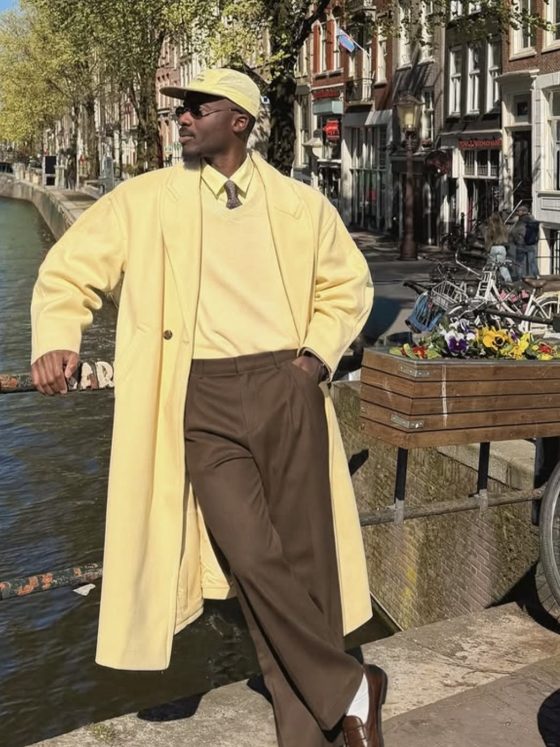
Instead of wearing traditional attire exactly as their parents do, many second-generation diaspora Africans combine African textiles or design elements with contemporary fashion. An Ankara blazer paired with tailored trousers. A Kente scarf styled with everyday clothing. A contemporary kaftan worn to a Friday work meeting. This is not rejection. It reflects an identity shaped by more than one cultural influence. For Caribbean diaspora communities, where Ankara and West African fabrics travel through Jamaican-British and Trinidadian-Canadian households with their own additional layers of inherited identity, the same adjustments happen across a similar intergenerational gap.
Many second-generation Africans define African style as something that can evolve without losing its cultural roots. For them, wearing African clothing is not about preserving the past but about ensuring it remains meaningful in the present.
ALSO READ
- What You Pack When You Leave: The Clothes African Migrants Carry and What They Mean
- Second-Generation African Designers Are Not Borrowing From Heritage. They Are Translating It.
- The Diaspora Did Not Preserve African Style. It Redesigned It.
When Generations Disagree on What African Dressing Should Look Like
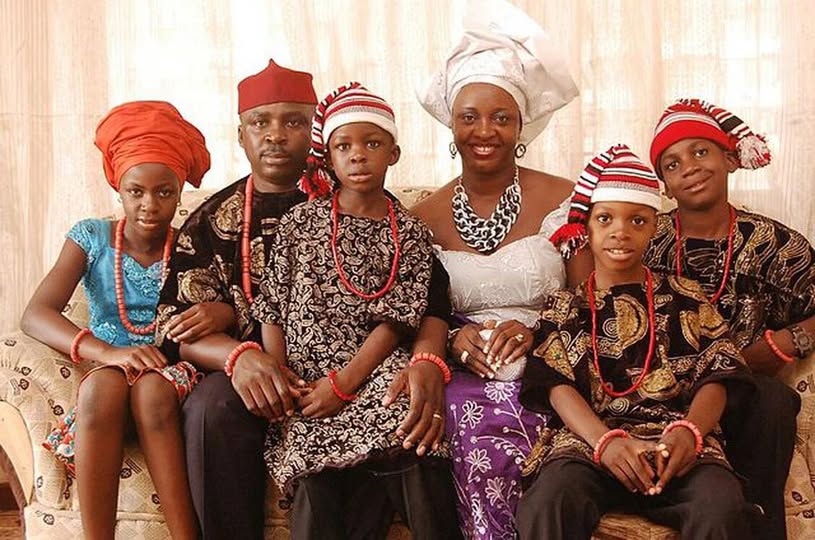
The different ways first- and second-generation Africans define African style become most visible at weddings, naming ceremonies, church services, and cultural celebrations. These occasions bring generations that share the same heritage but may have different expectations of what dressing African should look like.
A first-generation parent may expect a daughter to wear a complete iro and buba with a gele to a wedding because the occasion calls for traditional dress. The daughter arrives in a tailored dress made with aso-oke or pairs an Ankara blazer with contemporary separates, believing she is honouring the same heritage in a way that reflects her everyday life. Similarly, a father may see a full agbada as the most appropriate attire for an important celebration, while his son opts for an embroidered kaftan with tailored trousers and loafers.
In both cases, the clothing reflects different interpretations of the same cultural identity rather than different levels of cultural pride. For many first-generation Africans, traditional dress often carries expectations about respect, cultural knowledge, and continuity. For many in the second generation, clothing is expected to reflect individuality and the realities of growing up in multicultural societies. The difference lies less in whether African style matters and more in what each generation believes it should communicate.
The fabric remains culturally significant, but its meaning shifts with lived experience rather than with the garment itself.
The Same Fabric, Different Argument
How diaspora generations define African style differently becomes most visible when the same garment carries different cultural expectations. Tulloch argues that clothing in the African diaspora functions beyond fashion: it is part of how Black identities are created, negotiated, and communicated across different places and generations. Her concept of ‘style narratives’ names the process precisely: ‘Style is a modification of being that produces captivation,’ she has written. ‘This is part of the process of self-telling, that is, to expound an aspect of one’s autobiography through the clothing choices an individual makes.’ For first-generation migrants, that self-telling draws on the memories of everyday participation in cultural life before migration. For second-generation diaspora members, as documented in the African Journal on Media, Art and Religion study of Peckham’s Nigerian community, the same self-telling draws on an identity shaped by both family heritage and the society in which they grew up. An aso-oke outfit, a kente cloth, or an Ankara garment can be understood in different ways within the same family because it is being read by people whose self-telling begins at different points.
These different interpretations do not compete with one another. They demonstrate that African dress continues to acquire new meanings as it moves across borders and generations.
Why Both Expressions Are African
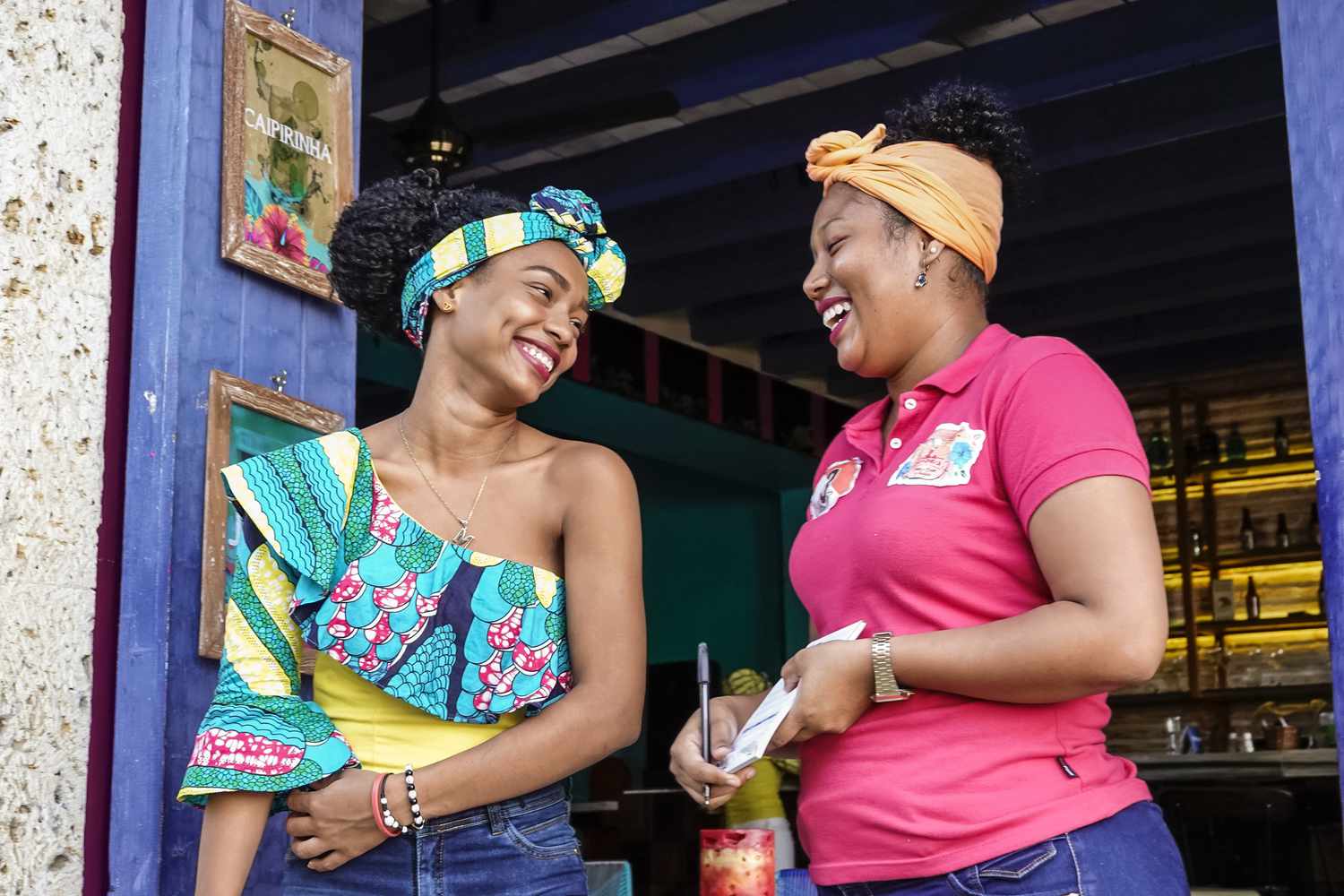
Understanding why diaspora generations define African style differently reveals something larger than changing fashion preferences. Research on second-generation African immigrants consistently finds that identity is negotiated between ancestral heritage and the realities of life in the countries where they are raised. Fashion is one of the cultural practices through which that negotiation becomes visible.
Seen this way, the relationship between the first and second generations is complementary rather than oppositional. The first generation carries cultural knowledge rooted in lived experience, while the second generation demonstrates how that heritage can remain meaningful in new social and cultural environments. Together, they show that African style is not preserved by remaining unchanged but by remaining relevant to the people who wear it.
The debate over what counts as African style often assumes that one generation is preserving authenticity while the other is moving away from it. The evidence suggests something more nuanced. Diaspora generations define African style differently because migration changes how culture is experienced. That difference is not evidence of cultural decline. It is evidence that African style continues to function as a living cultural practice. As dress travels across borders, its meanings expand without losing their historical roots. The result is not one authentic version of African style, but multiple expressions connected by a shared cultural inheritance.
ALSO READ
- African Professionals Are Not Dressing for an Interview. They Are Dressing Against a Bias.
- How African Identity Is Styled Differently Across Continents
FAQs
Why do first- and second-generation Africans define style differently?
Because migration changes how culture is experienced, clothing that once blended naturally into everyday life in Africa becomes, for first-generation migrants, one of the most visible expressions of cultural identity abroad. Professor Carol Tulloch has described how, for her own parents arriving in Britain, presenting oneself in public spaces was significant precisely because of the social pressure they faced. For second-generation diaspora members, who grew up in different cultural environments, the same garments carry the same meaning. Still, they are worn through a different relationship with that meaning, one shaped by both inherited tradition and the society in which they were raised.
Is second-generation diaspora fashion less authentically African?
No. It is different, but no less authentic. Research on first- and second-generation African women and ethnic dress found that the second generation wore the same fabrics as the first generation but combined them differently, with jeans and contemporary blouses rather than with elaborate headgear. The cloth is the same. The cultural inheritance is the same.—The grammar of wearing changes to reflect lived experience. Carol Tulloch’s framework of style narratives describes exactly this: clothing is how people tell the story of who they are, and people whose stories begin in different places will tell them differently, even when they are drawing on the same material.
What does Carol Tulloch mean by ‘style narratives’ in the African diaspora?
Carol Tulloch, Professor of Dress, Diaspora and Transnationalism at the University of the Arts London and author of The Birth of Cool: Style Narratives of the African Diaspora, uses ‘style narrative’ to describe the way individuals use clothing to tell the story of who they are. Style, in her framework, is ‘a modification of being that produces captivation,’ and it is ‘part of the process of self-telling, that is, to expound an aspect of autobiography of oneself through the clothing choices an individual makes.’ In the diaspora context, first-generation migrants tell one version of that autobiography through their dress; second-generation diaspora members tell another. Both narratives are African. They begin from different points in the same story.
Why do family celebrations often bring out generational differences in African dress?
Because occasions like weddings, naming ceremonies, and church services carry the most concentrated cultural expectations, those expectations are where generational interpretations diverge most visibly. A first-generation parent may expect a complete iro and buba with gele because the occasion demands traditional dress as a form of respect and cultural continuity. A second-generation daughter may arrive in a tailored Ankara dress or pair an aso-oke blazer with contemporary separates, understanding this as an equally valid expression of the same heritage. Neither is wrong about what the occasion means. They are applying different frameworks to what it means to dress.
How does Ankara carry different meanings across generations in the diaspora?
For many first-generation Africans, Ankara is worn in the full traditional register: complete ensembles with matching headgear, worn for specific occasions with specific cultural protocols. For many second-generation diaspora members, Ankara appears in blazers, scarves, tailored trousers, and everyday clothing alongside contemporary fashion. Research on Nigerian women in Peckham, south London, documents this pattern specifically: Ankara functions as a consistent identity marker across both generations, but its deployment shifts. The fabric’s cultural significance does not diminish as it moves into new forms. As Carol Tulloch’s framework argues, the meaning shifts with lived experience rather than with the garment itself.