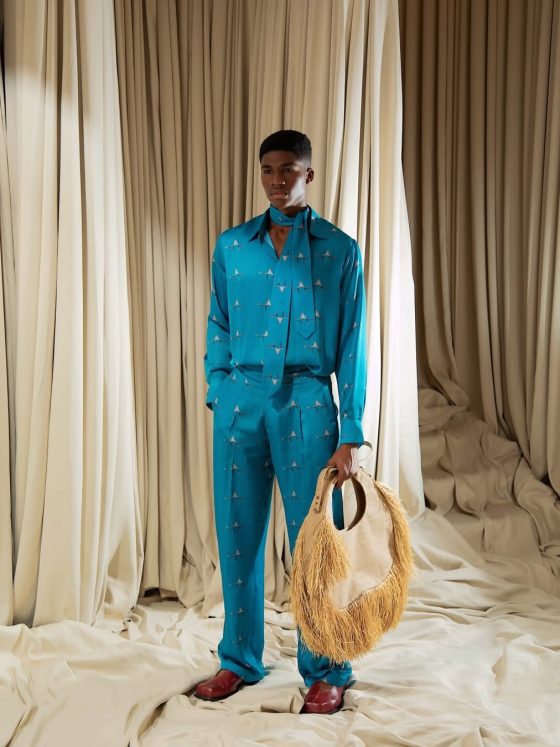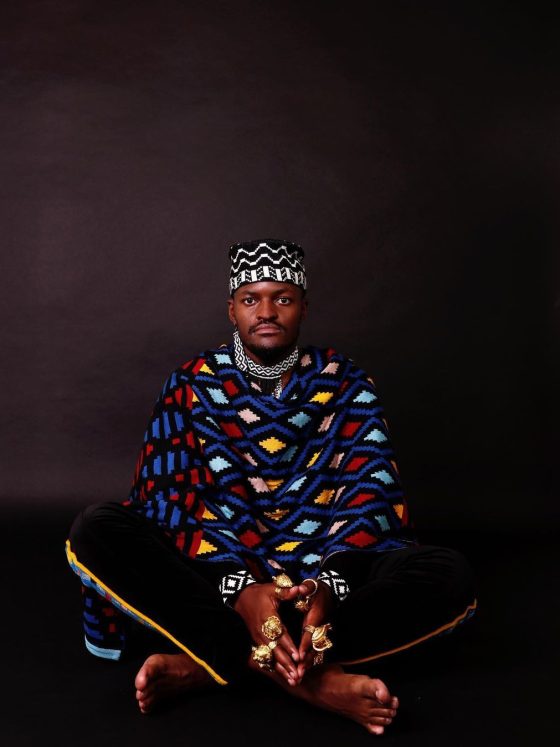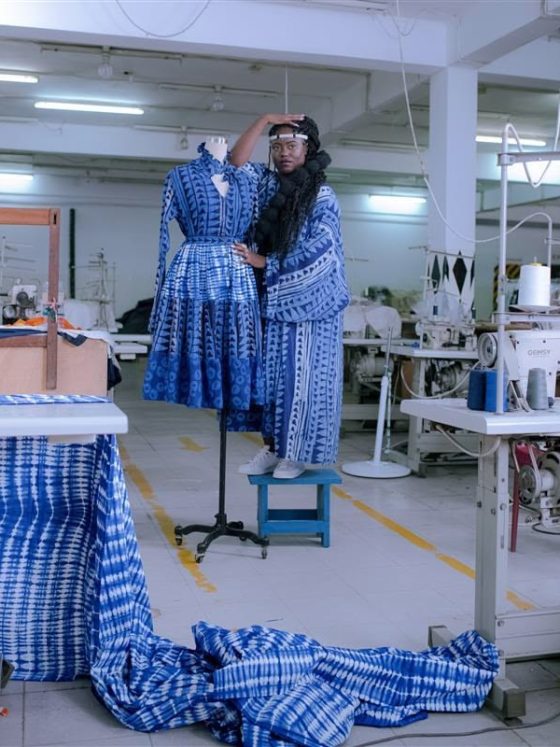
In 2011, Adebayo Oke-Lawal launched Orange Culture in Lagos with a collection about masculinity, identity, and the freedom to dress differently. Thirteen years later, the brand stocks at Browns, at Farfetch, at Temple Muse. It has been a finalist for the LVMH Prize, the first Nigerian brand to show at London Collections Men, and the first African brand nominated for the Woolmark Prize. Oke-Lawal built all of it from Lagos. He did not leave to build credibility. He built credibility, and the world came to him.
This is the argument that Lagos makes, quietly and with increasing confidence, to every African designer who is told that the real work happens in Paris, London, or New York. The real work is happening here. Nigeria’s fashion industry was valued at $4.7 billion in 2024. The apparel market is growing at 9.5% per year through to 2027. In 2024, Lagos Space Programme’s Adeju Thompson became the first African to win the International Woolmark Prize. None of these outcomes required relocation.
Staying in Lagos is not a consolation. It is the strategic position. And the designers who understand this are building authority that relocation would have diluted.
Nigeria’s fashion industry is valued at $4.7 billion. Lagos Fashion Week has produced the first African Woolmark Prize winner. The designers who stayed are not missing the future. They are building it.
The Ecosystem You Cannot Replicate by Leaving.
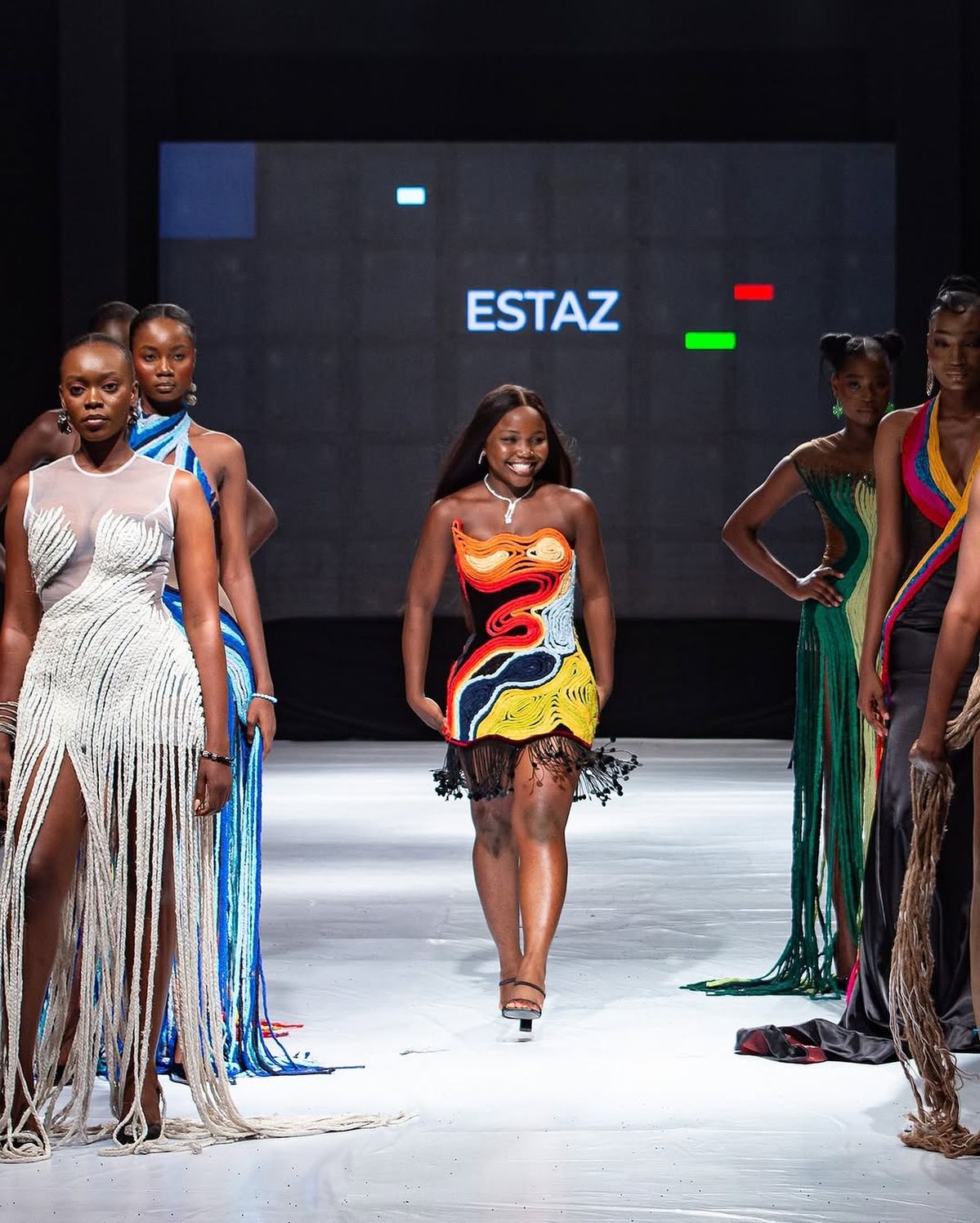
Lagos is one of the few cities on the continent where fashion, commerce, media, and culture collide at full speed. The city does not merely host fashion activity. It generates fashion pressure, the kind of daily competitive environment that forces creative and commercial decisions at a pace that relocating to a quieter, more distant market cannot replicate. As Omiren Styles has documented in its full analysis of what a decade of Lagos Fashion Week runways has actually produced for Nigerian designers’ revenue, the platform’s most important contribution is not the runway itself. It is the year-round ecosystem that it reinforces: press, buyers, retail, collaborations, and a consumer base that follows fashion closely and spends on it seriously.
When Adebayo Oke-Lawal talks about building a movement rather than just a brand, he is describing something Lagos makes possible and distance makes difficult. ‘We aren’t waiting for anyone to tell us how to create,’ he told AnOther Magazine. ‘We aren’t waiting for anyone to tell us how to be African or to invest in us. We are investing in ourselves.’ That self-investment works partly because Lagos provides the infrastructure to make it real: stylists who understand the work, editors who have context for it, consumers who are part of the same cultural conversation.
The designers who stay close to this ecosystem develop faster. They get sharper feedback on what works. They build relationships with cultural curators, musicians, Nollywood talent, and retail buyers who turn a label into a reference point. Fruché, whose work blends traditional Nigerian heritage with contemporary luxury technique, built that reference point from a Lagos base. Orange Culture did the same with menswear and gender identity. When British-Nigerian designer Abigail Ajobi chose Lagos Fashion Week for her debut runway show in October 2024, she was explicit about why: ‘The support you get from Nigerian consumers and press helps you unlock audiences and customers from across the whole of Africa.’ That is the ecosystem argument in one sentence.
ALSO READ
- The Lagos Fashion Week Effect: What a Decade of Runway Has Actually Done for Nigerian Designer Revenue
- Orange Culture by Adebayo Oke-Lawal: Where Identity Meets Style
- Senegal Fashion Future: What Dakar Is Building and Why It Matters for Africa
What You Lose the Day You Leave
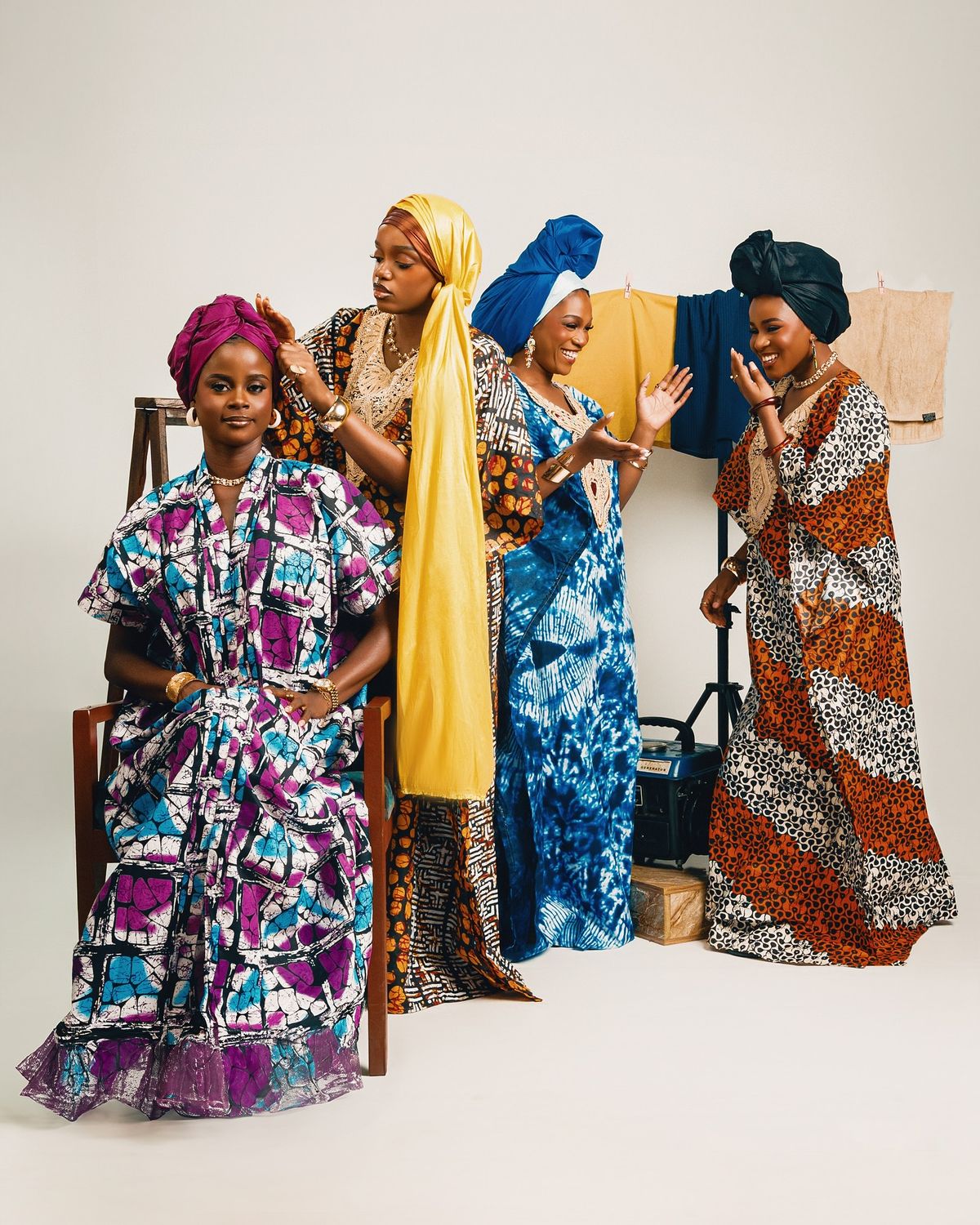
Distance weakens daily relevance. A fashion brand is not only its collections. It is also how closely it listens to its market, how quickly it absorbs cultural shifts, and how visible it is to the people making decisions about what gets stocked, styled, and discussed. Lagos compresses all of this into one city. Leaving stretches it.
The African luxury fashion space rewards context. Luxury in Nigeria is not just about price or quality. It is about storytelling, cultural confidence, and occasion-specific intelligence. Lagos gives designers direct access to those registers, in real time, through the people they encounter daily. A designer in Lagos attends the same events as their customers. They work with the same stylists who dress the musicians and actors whose choices move the market. That proximity creates a quality of market intelligence that is genuinely difficult to approximate from abroad.
Andrea Iyamah did not build her resort aesthetic in Lagos, despite being there. She built it because she was in Lagos, reading the specific Nigerian understanding of occasion, luxury, and the body that her market understands, and that her international competitors do not. The brand now ships globally. The reference point remains Lagos. That is not a limitation. As Omiren Styles has argued in analysing how African luxury living is being redefined from within the continent rather than imported from European models, the designers who stay close to the cultural intelligence their market generates are building something that external repositioning systematically erodes.
Orange Culture remains important in discussions about Nigerian fashion leadership precisely because of this embeddedness. The brand does not float above the Lagos market; it operates inside it, shaped by and shaping it simultaneously. That is why it can speak with authority. Not because it left and came back. Because it never needed to leave to be taken seriously.
City-Building Is Brand-Building
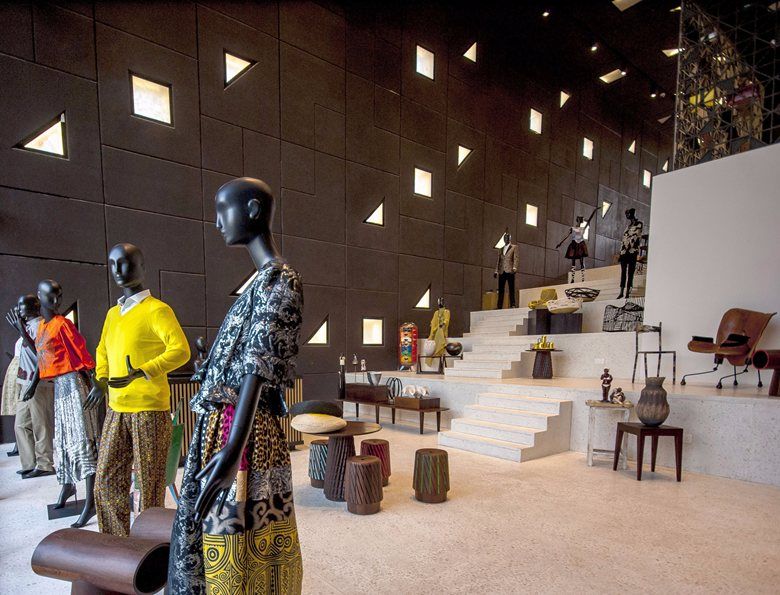
The most strategic designers in Lagos are not only building labels. They are helping build the city’s fashion identity. That matters because cities become fashion capitals when their brands, institutions, and creative culture grow together. Staying in Lagos is as much a contribution to city-building as it is a business decision.
This is where the argument becomes bigger than one designer’s career. When Alára Lagos opened as a concept store and cultural destination in Victoria Island, it changed what was possible for African design in Lagos. Not because it made the work better. Because it gave the work a stage where it could be experienced as premium, permanent, and culturally serious. Designers who stayed in Lagos and showed through Alára made a citywide statement about where African luxury lives.
Fruché contributes to the visual language of Lagos fashion by demonstrating that local heritage can be luxurious, modern, and commercially serious. Orange Culture does something similar by proving that African menswear can be intellectually distinct and internationally recognised. These brands help prove a larger point: when the city grows, the brand grows with it. Designers who stay in Lagos often shape the infrastructure that later enables their own growth.
The argument applies to cities across Africa, the Caribbean, and Latin America. Accra, Nairobi, Johannesburg, Abidjan, Kingston, São Paulo: each has designers making the same calculation, weighing proximity to cultural authority against the perceived need to relocate for international recognition. Lagos is simply the most advanced current case study in what happens when designers choose proximity, and the ecosystem responds by growing around them.
ALSO READ
- The African Icons Transforming the Modern Runway
- Busayo Olupona and Nigerian Print as a Contemporary Fashion Language
- Veekee James Did Not Wait for the Vogue Africa Debate. She Built a Global Nigerian Fashion Empire Instead.
Staying in Lagos is a strategic decision because the city offers the strongest available combination of market access, cultural intelligence, and fashion authority for African designers. Nigeria’s fashion industry, valued at $4.7 billion in 2024 and growing at 9.5% annually through 2027, is not a secondary market to be served from abroad. It is the primary market, the one that shapes the conversation, produces the reference points, and generates the cultural authority that international recognition follows rather than precedes.
The common assumption is that success requires leaving for a global fashion capital. The brands that matter most in Lagos right now are disproving this with results rather than arguments. Fruché, Orange Culture, and Andrea Iyamah: they stayed, they built, and the world came to them. Lagos designers are not missing the future by remaining at home. They are building the infrastructure of African fashion’s next era, in the city where that era is being authored.
Leaving was the compromise. Staying was always the strategy.
FAQs
Why is staying in Lagos seen as a strategic decision for fashion designers?
Because Lagos provides direct access to the market’s fastest-moving cultural intelligence, Nigeria’s fashion industry was valued at $4.7 billion in 2024 and is projected to grow at 9.5% annually through 2027. Designers who stay in Lagos stay close to the stylists, editors, buyers, musicians, and consumers who shape what gets worn, shared, stocked, and discussed. That daily proximity creates feedback loops that accelerate brand development in ways that distance systematically erodes. The brands that have built the most credible Lagos-based authority, from Orange Culture to Fruché to Andrea Iyamah, did so without relocating.
Does leaving Lagos always hurt a fashion brand?
Not always. Some brands have grown internationally by relocating or expanding abroad, and international exposure can open distribution and press opportunities that the Lagos market alone cannot provide. But leaving too early weakens a designer’s daily connection to the cultural intelligence that gave the brand its original authority. The more consequential risk is not that leaving prevents growth. It is what decouples the brand from the ecosystem that made it specific, and specificity is what Lagos-built brands sell.
What makes Lagos important in African fashion specifically?
Nigeria’s fashion industry was valued at $4.7 billion in 2024, according to figures cited by Omiren Styles, with the government’s target for the creative economy set at $25 billion by 2025. Apparel sales are growing at 9.5% annually through 2027 (Euromonitor). Lagos Fashion Week, founded by Omoyemi Akerele in 2011, produced 30 international retail partnerships for 15 emerging designers in its 2024 Rising Stars showcase alone. In 2024, Lagos Space Programme’s Adeju Thompson became the first African to win the International Woolmark Prize. Lagos is not just the largest city in Africa. It is currently the continent’s most productive fashion ecosystem.
Which brands show the value of building a fashion authority in Lagos?
Orange Culture, founded by Adebayo Oke-Lawal in Lagos in 2011, stocked at Browns and Farfetch, was the first Nigerian brand to show at London Collections Men, and was inducted into the BoF 500 in 2022. Fruché blends traditional Nigerian heritage with contemporary luxury technique from its Lagos base. Andrea Iyamah has built a resort aesthetic from Lagos that now ships globally while maintaining its cultural reference point. Alára Lagos, as a concept store and cultural destination, functions as the physical infrastructure that positions African design as premium and permanent. All of these outcomes were built in Lagos, not despite it.
How does Lagos Fashion Week support the case for staying?
Lagos Fashion Week, founded in 2011 by Omoyemi Akerele, is not just an annual runway event. It is the central institution of a year-round fashion ecosystem providing structured press access, buyer relationships through its International Buyers’ Hub, business development programming, and the credibility infrastructure that converts local authority into international visibility. Its 2024 Rising Stars showcase produced 30 international retail partnerships for 15 designers. Adeju Thompson of Lagos Space Programme showed at LFW before winning the 2024 International Woolmark Prize. The platform’s value is not the runway alone; it is what the runway is part of.
What is the broader message for African designers seeking to build authority at home?
The argument applies beyond Lagos to every African, Caribbean, and Latin American city where designers weigh proximity to their home market against the perceived need to relocate for international recognition. The Lagos case demonstrates that cultural authority built at home is not a regional credential. It is a competitive advantage. When Abigail Ajobi chose Lagos Fashion Week for her debut runway show in 2024, she described the logic precisely: ‘The support you get from Nigerian consumers and press helps you unlock audiences and customers from across the whole of Africa.’ The city is not a compromise. Leaving it is.