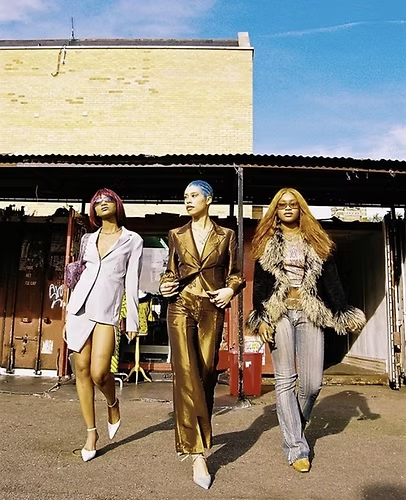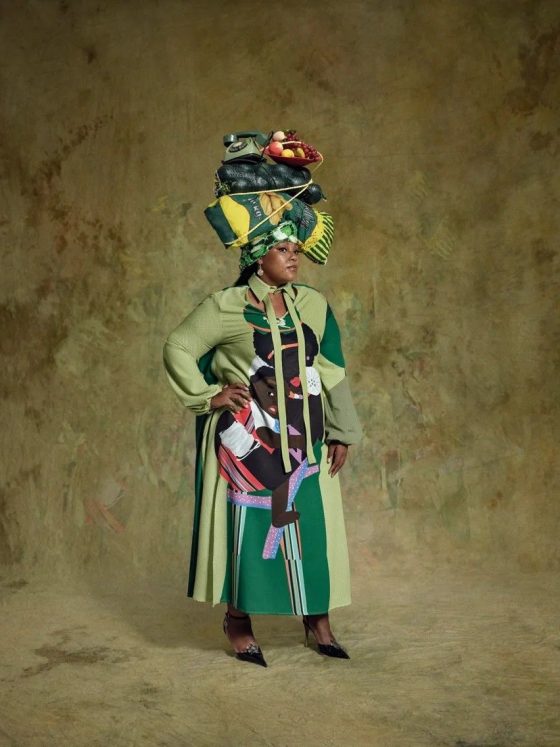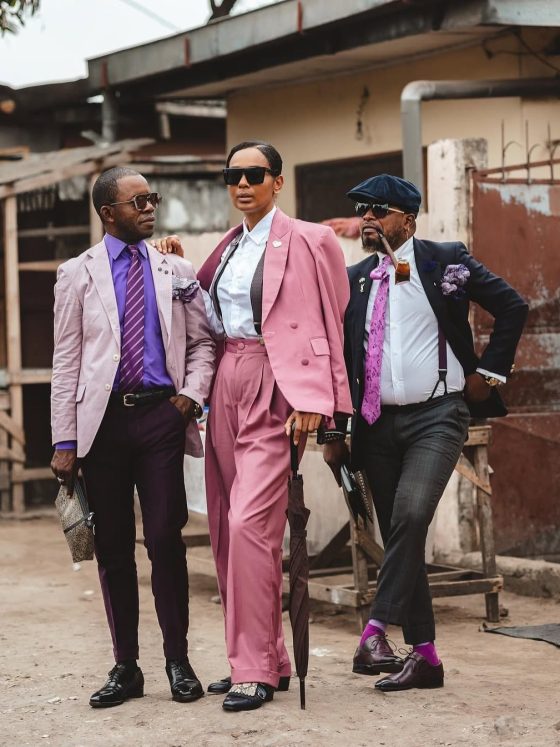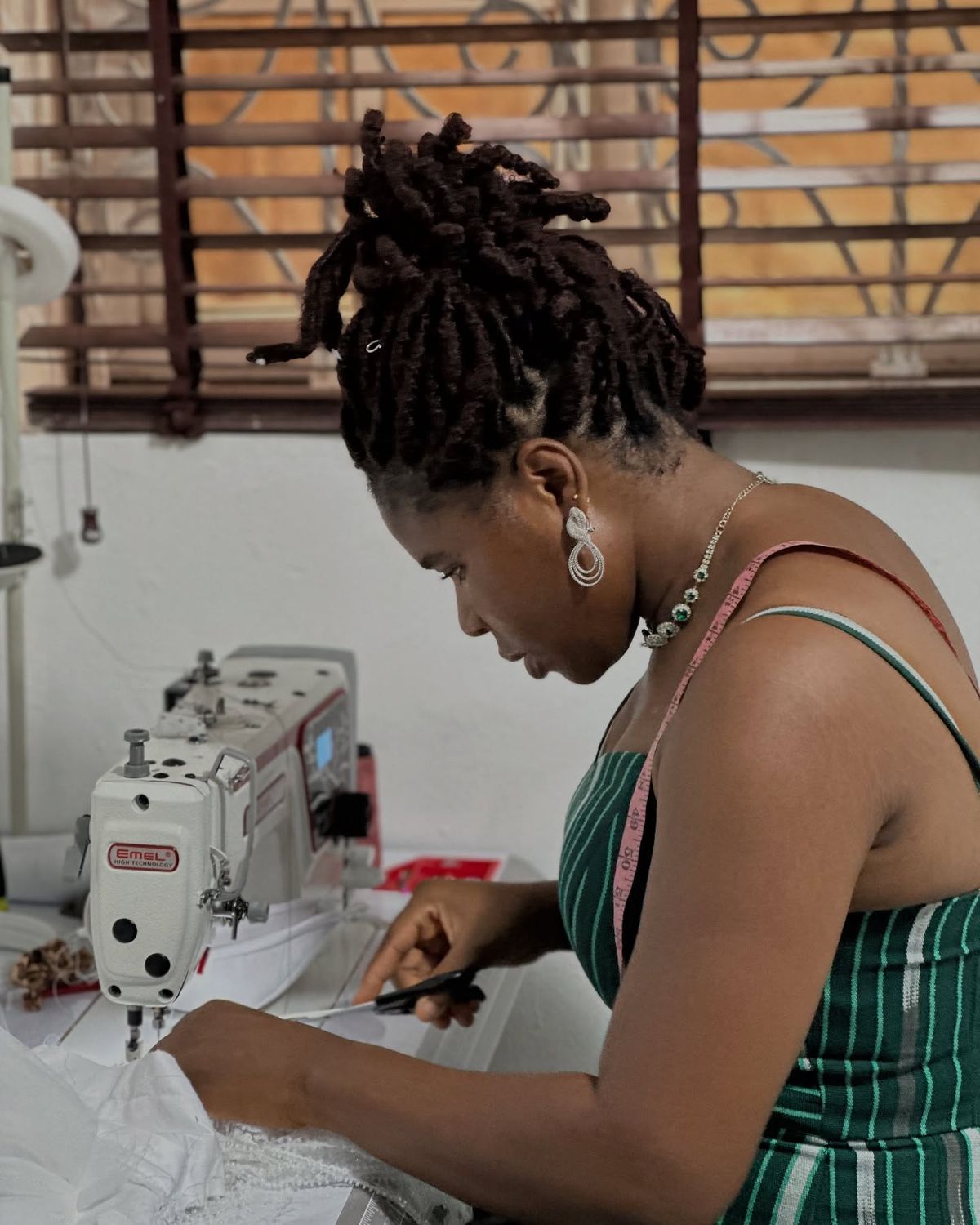
The wrong question about Guinea-Bissau’s fashion future is: can heritage survive alongside innovation? Heritage and innovation are not in competition in Guinea-Bissau; they are the same argument made differently. nt scales of ambition. The pano di pinti textile tradition, the artisan-led production culture, and the specific visual memory of Bissau-Guinean dress are not constraints the next generation of designers must work around. They are the foundation the next generation of designers is working from.
Adja Baio, the most internationally visible Guinean-Bissauan designer at this moment, described this relationship in her statement accompanying the PANO DE PINTI collection shown at ModaLisboa in October 2025: braiding, she said, is identity, memory, and resistance. The cultural connection became stronger, not weaker, after she left the country. That is not nostalgia. It is the correct understanding of what heritage does in fashion: it does not hold the work back. It is the reason the work has something to say.
The question this article addresses is not whether Guinea-Bissau’s fashion scene has the cultural foundation to produce serious work. It does. It has been documented consistently. The question is what structural conditions need to be in place for that foundation to support the fashion industry rather than isolated individual practitioners. Those are different problems, and they require different answers.
Discover the future of fashion in Guinea-Bissau, where heritage, craft, and innovation are shaping a stronger Bissau-Guinean fashion identity.
The Gap Between Foundation and Infrastructure
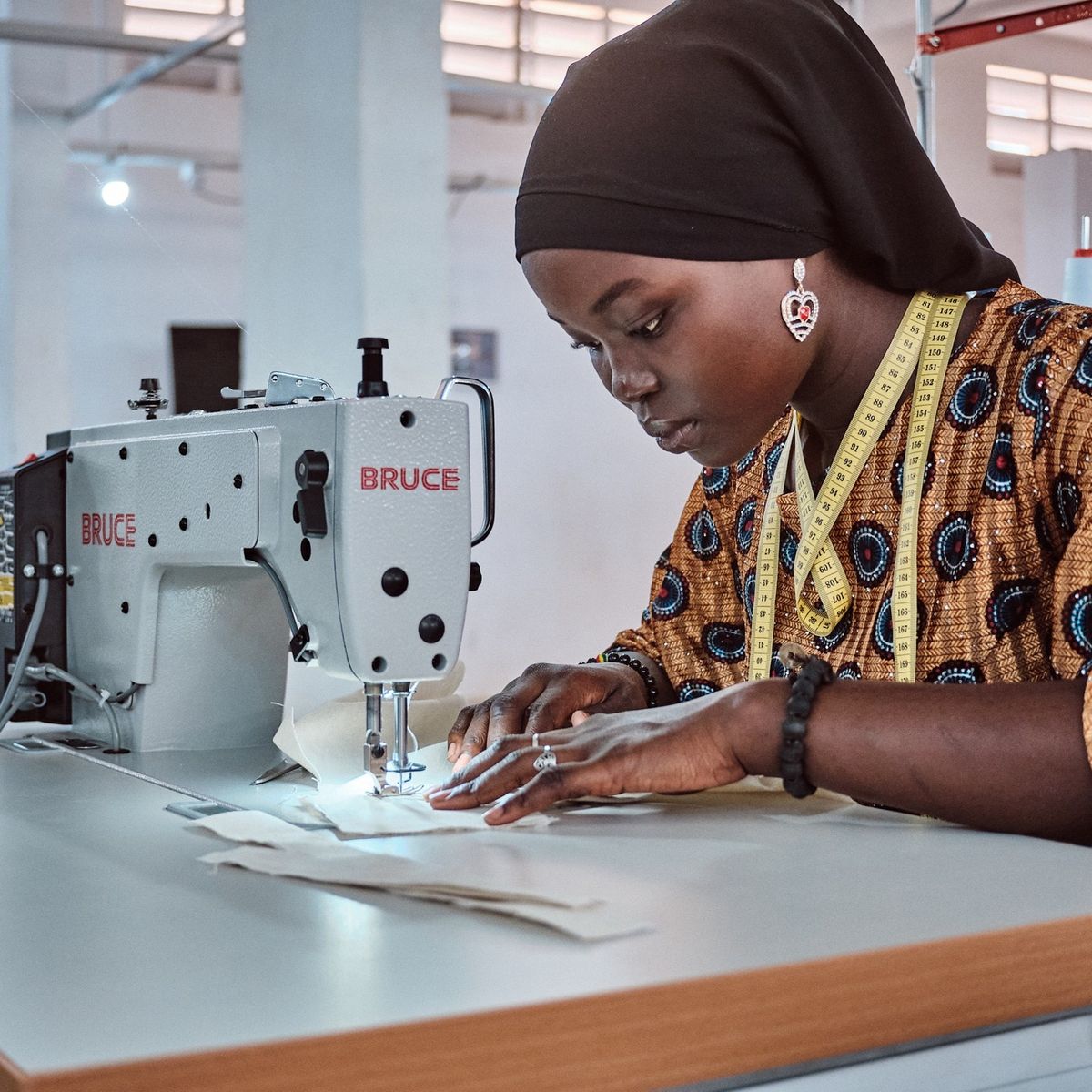
Guinea-Bissau’s fashion scene currently operates at the level of individual practice rather than organised industry. Talented designers exist. Artisan knowledge exists. Pano di pinti and the broader textile tradition of the Upper Guinea Coast exist as a specific, historically documented foundation. What does not yet exist at the required scale is the institutional infrastructure that converts individual talent into a sustainable creative economy. As Omiren Styles has documented in The Future of Fashion in Senegal: Sustainability, Tailoring, and Global Reach, the structural challenges facing Guinea-Bissau are not unique: limited access to capital, inconsistent infrastructure, high production costs, and weak manufacturing systems are the same constraints that prevent West African fashion talent from converting critical recognition into commercial sustainability. Senegal has been working to address those constraints for longer and at greater scale. The lesson is not that Senegal is further ahead. The lesson is that the structural gaps, once named, can be addressed deliberately.
For Guinea-Bissau specifically, the gap manifests in three concrete areas. The first is documentation. The country’s fashion culture, its artisan networks, its textile traditions, and its emerging designers are not being written about, photographed, or archived in ways that make them legible to regional buyers, the press, or investors. You cannot build a fashion industry on cultural practices that have no editorial record. The second is the platform. Guinea-Bissau has no dedicated fashion week, no organised showcase event, and no institutional mechanism through which designers can present work to buyers and the press at the regional level. The third is investment. There is no equivalent to the funding frameworks found in larger West African fashion markets, no dedicated grant system for emerging designers, and no incubators for small fashion businesses.
None of these gaps is permanent. All of them are addressable. But they require naming specifically rather than gesturing generally, which is where most discussion of Guinea-Bissau’s fashion future currently stalls.
What the Regional Models Show
Two regional models show what institutional investment in fashion infrastructure actually produces. Dakar Fashion Week, founded by Adama Paris after her return from Europe, created the visibility infrastructure that allowed Senegalese designers to move from local practice to regional and then international recognition. As documented in the profile of Top Senegalese Fashion Designers Influencing Global Style, Dakar Fashion Week did not discover Senegalese talent. It created the platform that made that talent legible to audiences who had not previously had access to it. The distinction matters: the talent precedes the platform, but the platform is what makes the talent travel. Guinea-Bissau’s talent is already present. The platform question remains open.
Lagos Fashion Week demonstrates what happens when platform investment is sustained over fifteen years. The Earthshot Prize that Lagos Fashion Week received in November 2025, one million pounds sterling in the Build a Waste-Free World category, was not awarded for producing impressive runway shows. As Omiren Styles has documented in Omoyemi Akerele and the £1 Million Argument, the prize was awarded because Lagos Fashion Week had built circular fashion infrastructure at a continental scale, with mandatory sustainability requirements for every designer on the runway and a replication framework targeting Kigali, Dakar, and Accra by 2030. That infrastructure did not begin with a prize. It began with a decision to build organisational systems around individual creative talent. Guinea-Bissau does not need a Lagos-scale operation. It needs the logic: create the system, then the talent has somewhere to build from.
The talent precedes the platform. But the platform is what makes the talent travel.
What Documentation Would Actually Do
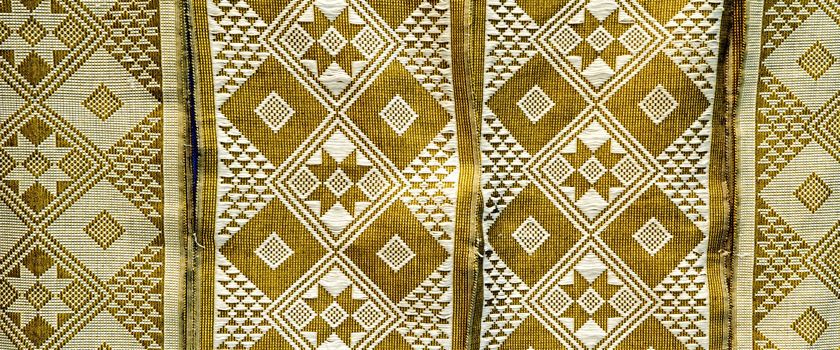
The documentation gap is underestimated in most divisions of Guinea-Bissau’s future. Fashion industries are not built on the existence of talent alone. They are built on the existence of a record: press coverage, fashion photographs, critical writing, and historical archives. That record is what allows buyers to trust unknown designers, investors to assess cultural context, and journalists to file stories that give the market reasons to pay attention.
Currently, Guinea-Bissau’s fashion culture is documented almost entirely by international observers passing through, not by a sustained editorial infrastructure based in the country or the diaspora. The result is that coverage is episodic rather than cumulative. Adja Baio’s ModaLisboa appearance was documented. The artisan networks that trained her before she left for Portugal are mentioned in the appearance at ModaLisboa, and the weavers whose technical tradition underpins the contemporary work are mentioned in the background. They are not named, not profiled, not tracked over time.
This is not a small omission. When the historical record is incomplete, it is harder to make the argument that what exists is foundational rather than emerging. The fashion world consistently argues that” when it lacks a documented history. Guinea-Bissau’s fashion culture is not emerging. Its textile traditions are centuries old. Its artisan economy is established. What is emerging is its editorial record, and that is a much easier problem to solve.
What Specific Investment Would Change
The structural investment that would change Guinea-Bissau’s fashion trajectory is not enormous in financial terms. The gap between where the country’s fashion culture currently sits and where it could be with deliberate support is a gap that regional fashion development organisations, cultural funds, and the diaspora community are all capable of closing.
For documentation: a sustained editorial project, commissioned photography, and archival work on the pano di pinti tradition and the artisan networks of Bissau would cost a fraction of what international fashion publications spend on a single editorial. It would produce the record that makes the culture legible to outside audiences.
For the platform: a biennial fashion showcase in Bissau, even on a small scale, would create a mechanism through which emerging designers could present their work to buyers and address them simultaneously. Dakar Fashion Week did not begin at the scale it operates now. It began as a decision to create visibility at any scale.
For investment: a moonst designer development fund, connected to the diaspora community in Lisbon, Rotterdam, and Paris, would provide the financial runway that allows emerging designers to move from making individual pieces to building a label. JU’s sustainable fashion practice and Adja Baio’s ModaLisboa trajectory both demonstrate that the design intelligence is present. What is missing is the financial infrastructure to build on it.
ALSO READ
- The Future of Fashion in Senegal: Sustainability, Tailoring, and Global Reach
- Omoyemi Akerele and the £1 Million Argument: Why Lagos Fashion Week’s Earthshot Prize Changes the Conversation
The Argument Guinea-Bissau Fashion Is Already Making
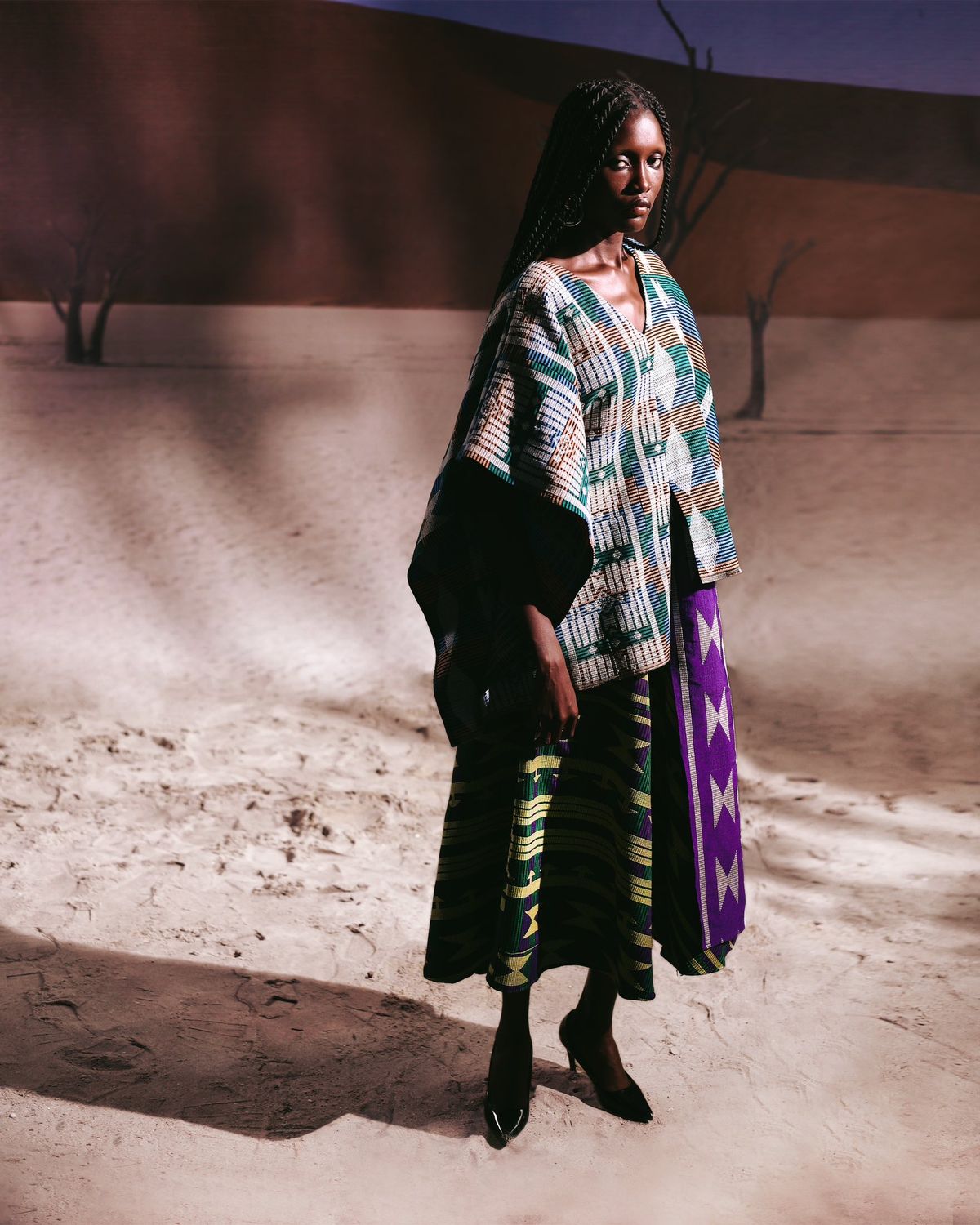
The designers who are already working within Guinea-Bissau’s fashion culture are not asking for permission to treat heritage as a serious foundation. They have already decided that it is. As Omiren Styles has documented in The Lagos Fashion Week Effect: What a Decade of Runway Has Actually Done for Nigerian Designer Revenue, the difference between a creative scene and a fashion industry is not the quality of the individual work. It is the presence of the systems that allows individual excellence to compound into something larger than any single practitioner. Guinea-Bissau allows individual excellence. The systems are the next step.
This changes the terms of the conversation. The question is not whether Guinea-Bissau can develop a fashion future. The cultural foundation already exists. The artisan knowledge already exists. The specific visual language of Bissau-Guinean identity, in its textiles, its silhouettes, its relationship to diaspora communities in Lisbon and Rotterdam, already exists as a competitive differentiator in a global fashion market that increasingly rewards specificity over genericness.
The question is whether the people and institutions who have the capacity to build the structural infrastructure, the editorial record, the showcase platform, and the dissemination vehicles will treat Guinea-Bissau’s fashion culture as worthy of that investment. Heritage is not the ceiling here. It is the floor. What gets built on top of it is an infrastructure question. It is also a choice.
African fashion and culture are not emerging. They are foundational. That statement applies nowhere more precisely than to a country whose textile traditions have been in continuous production for centuries and whose designers are now appearing on European runways while the editorial record at home remains incomplete. The foundation has always been there. The work now is. At the same time, build what goes above it.
THE ARGUMENT
Guinea-Bissau’s fashion future is not a question of whether the cultural foundation is strong enough. It is. The textile tradition of the Upper Guinea Coast, the artisan economy of Bissau, and the specific visual memory of Bissau-Guinean identity constitute one of the most precisely grounded foundations available to any fashion scene in West Africa. The question is structural: documentation, platform, and investment.
The regional models are clear. Dakar Fashion Week created the visibility infrastructure that made Senegalese designers legible to audiences who had not previously had access to them. Lagos Fashion Week built the organisational systems that converted a decade of creative excellence into international recognition and, eventually, one million pounds sterling in prize funding for circular fashion infrastructure. Neither of those outcomes began with the talent becoming stronger. The talent was already strong. They began with a decision to build systems around it. Guinea-Bissau’s designers are ready for the same decision to be made by deciding on work. The heritage is the floor. What gets built above it is the industry.
ALSO READ:
- Top Senegalese Fashion Designers Influencing Global Style
- The Lagos Fashion Week Effect: What a Decade of Runway Has Actually Done for Nigerian Designer Revenue
FAQs
What is the future of fashion in Guinea-Bissau?
Guinea-Bissau’s fashion future depends on building institutional infrastructure around a cultural foundation that is already strong. The country has centuries-old textile traditions and an enduring, culturally strong foundation of designers working internationally. What is needed is the editorial record, showcase platforms, and investment frameworks that allow that foundation to support a fashion industry rather than isolated individual practitioners.
Why is heritage important in Guinea-Bissau fashion?
Heritage is not a decorative layer in Guinea-Bissau fashion. It is the foundation. The pano di pinti textile tradition, introduced to the islands and Upper Guinea Coast by Manjak-Papel weavers centuries ago, is a documented, specific, and distinctive cultural inheritance that gives Guinea-Bissau’s fashion scene a competitive identity in a global market that increasingly rewards cultural specificity. Heritage is the floor, not the ceiling. Innovation is built on top of it, not instead of it.
What structural changes does Guinea-Bissau’s fashion industry need?
Three specific gaps need addressing. Documentation: the country’s fashion culture, artisan networks, and textile traditions need sustained editorial coverage and archival work that make them legible to regional buyers, investors, and press. Platform: a regular fashion showcase event would create the visibility infrastructure that allows emerging designers to present work to buyers and press simultaneously. Investment: a designer development fund, connected to the diaspora and their community, would provide the financial runway to allow talented individuals to build labels rather than just make individual pieces.
How does Guinea-Bissau’s fashion future compare to Senegal’s?
Senegal has been working to address similar structural constraints, including limited access to capital, weak manufacturing infrastructure, and high production costs, for longer and on a larger scale. Week, founded by Adama Paris, created the visibility infrastructure that made a larger set of designers legible to international audiences. Guinea-Bissau does not need a Dakar-scale operation to begin. It needs the logic: create the system, and the talent already present has somewhere to build from.
Is Guinea-Bissau fashion sustainable?
The existing structure of Guinea-Bissau’s fashion culture, small-scale tailoring, handmade craft, heritage textile production, already operates on a more sustainable logic than mass-market fashion by default. The challenge is translating that sustainable production logic into a framing that connects with contemporary sustainable fashion conversations globally, so that what is already a strength becomes legible as such to buyers and investors looking for that positioning.
What role do artisans play in Guinea-Bissau’s future?
Artisans are seeking a foundation on which any sustainable Guinea-Bissau fashion industry will be built. The textile knowledge, handwork techniques, and production practices that artisans carry are not replaceable by training programmes or imported expertise. They are what makes Guinea-Bissau’s fashion output distinct from anywhere else. The industry’s task is to build an economic framework infrastructure that makes it viable for artisans to sustain their practice across generations, which means documentation, fair compensation, and connections to buyers who understand what the work represents.