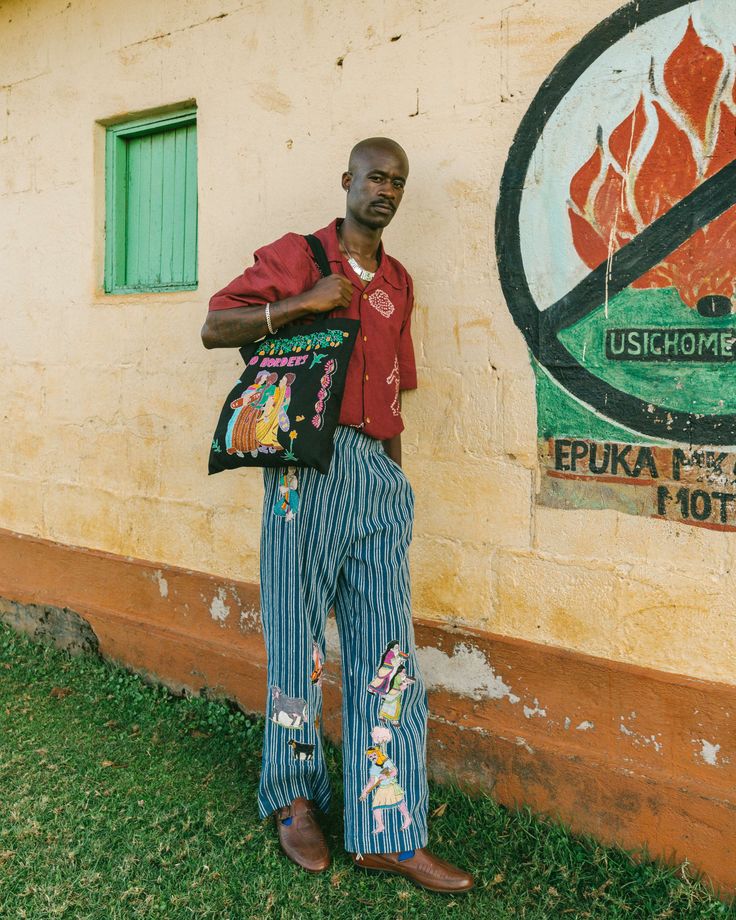
Kenya’s creative sector contributes an estimated 5%-5.6% of national GDP, according to sector studies referenced by the Kenya Investment Authority and UNCTAD. Kenya’s fashion market revenue reached an estimated US$255 million in 2024 and is projected to grow to US$311 million by 2029 at a compound annual growth rate of 4.09%, according to Statista. The Creative Economy Support Bill of 2024 established a formal investment framework for the sector, alongside intellectual property reforms and streamlined licensing procedures. These are not aspirational projections. They are current conditions.
Kenya’s GDP grew 4.7% in real terms in 2024 and reached KSh 17.58 trillion in 2025. The economy is the largest in East Africa. Fashion and apparel are listed among Kenya’s national export goods alongside tea, horticultural products, coffee, and petroleum products. Creative industries are not peripheral to this economy. They are part of its export and employment infrastructure.
The Omiren Argument: Kenya’s fashion economy is not emerging. It is structured, growing, and policy-supported. The question is not whether it will develop. The question is whether the investment and coverage infrastructure will catch up to what the practitioners have already built.
Kenya’s fashion economy is not emerging. It contributes 5% to 5.6% of national GDP, has a Creative Economy Support Bill, and is projected to grow to US$311 million in online fashion revenue by 2029. The data confirms what the designers already knew.
The Policy Framework: Creative Economy Support Bill 2024
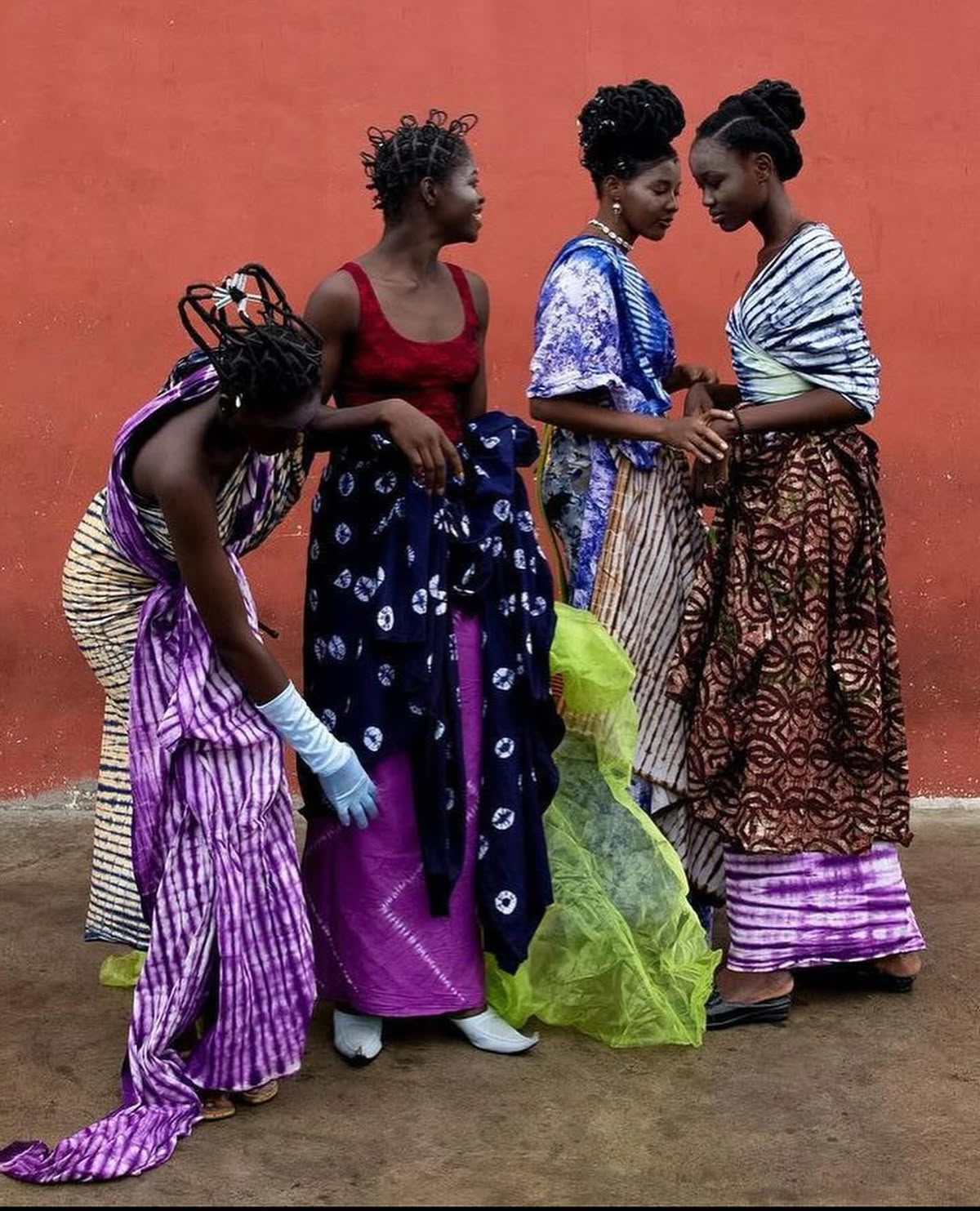
The Creative Economy Support Bill of 2024 is the most significant recent policy action in Kenya’s creative sector. It establishes formal investment frameworks, intellectual property protections, and tax structures for creative industries. The Kenya Investment Authority and the 2025 U.S.–Kenya Creative Economy Forum have both signalled that policy clarity is now functioning as investment infrastructure: the reforms are designed to unlock private capital, protect creators, and reduce the operational friction that has historically limited the sector’s growth.
The expiration of AGOA (the African Growth and Opportunity Act) for the whole continent under the Trump administration in 2025 created a structural challenge for Kenyan textile and apparel exporters who had relied on preferential US market access. This is the primary policy headwind facing the sector in 2025 and 2026. How Kenya’s fashion economy navigates this loss of preferential access will be one of the defining market storylines of the next two years.
The Second-Hand Economy: Gikomba, Mitumba, and the Import Question
In 2023, Kenya overtook Nigeria to become Africa’s largest importer of second-hand clothing. By the year ending March 2024, Kenya had imported 206,580 tonnes of second-hand apparel worth US$218.2 million, a 14.5% year-on-year increase, according to data cited by The Guardian. The mitumba trade (second-hand clothing market, named after the bales) sustains thousands of traders across Kenya and provides affordable clothing for millions of consumers. It is also a structural challenge to the domestic manufacturing sector.
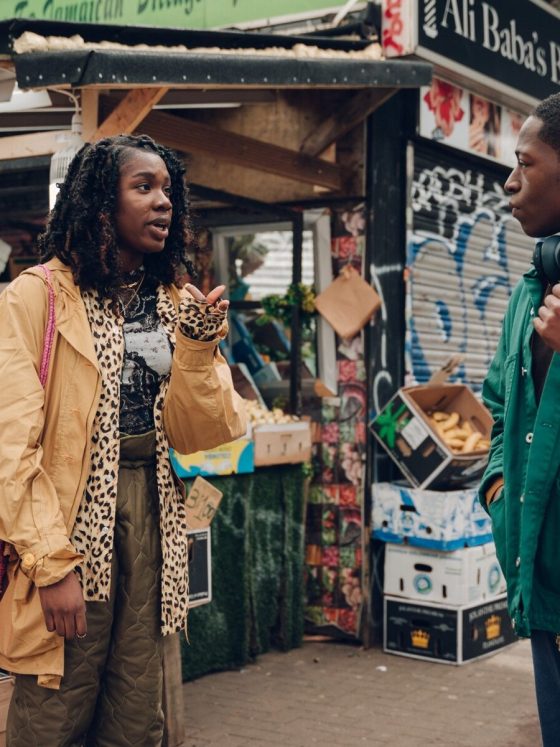
The tension between the mitumba economy and the domestic fashion industry is the central market dynamic in Kenyan fashion. The second-hand import volume creates a material abundance that supports street style and accessible dress. It also creates price competition that domestic manufacturers and designers struggle to keep up with. The SHIFT80 Design Prize 2024, which explicitly awards sustainable design that uses waste materials, is one institutional response to this dynamic: it turns the material abundance of the second-hand economy into a design resource rather than treating it solely as a competitive threat.
The Digital Shift: E-Commerce and Social Fashion
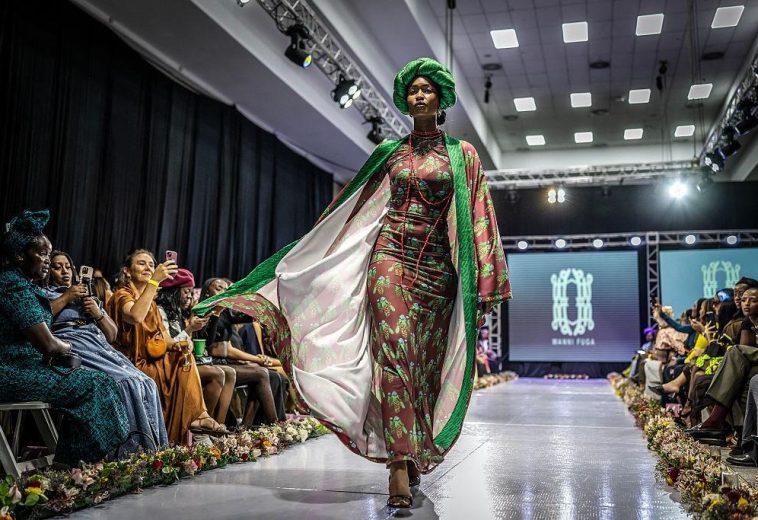
Kenya’s fashion sector has been moving toward digital-first distribution since before the UNESCO African fashion report documented the continental trend. UNESCO’s 2023 report on the African fashion sector noted that e-commerce attracted 28% of Africans by 2021, up from 13% in 2017. Kenya is a leader in this trend: mobile money penetration is high, and 70% of apparel consumers use it for transactions. Fashion e-commerce platforms, including Industrie Africa, Afrikrea, Kisua, and The Folklore, are connecting Kenyan designers with global markets.
The Creative Economy Support Bill of 2024 includes provisions for digital content creator monetisation, recognising that the digital economy is not separate from the fashion economy. Designers who build audiences on TikTok and Instagram are not operating outside the fashion industry. They are building the distribution infrastructure the industry needs.
ALSO READ:
- The Future of Fashion in Liberia: Diaspora, Culture, and Innovation
- The Future of Fashion in Togo: Creativity and Cultural Preservation
- The Future of Fashion in Côte d’Ivoire: Innovation and Youth Influence
What Growth Looks Like from the Inside
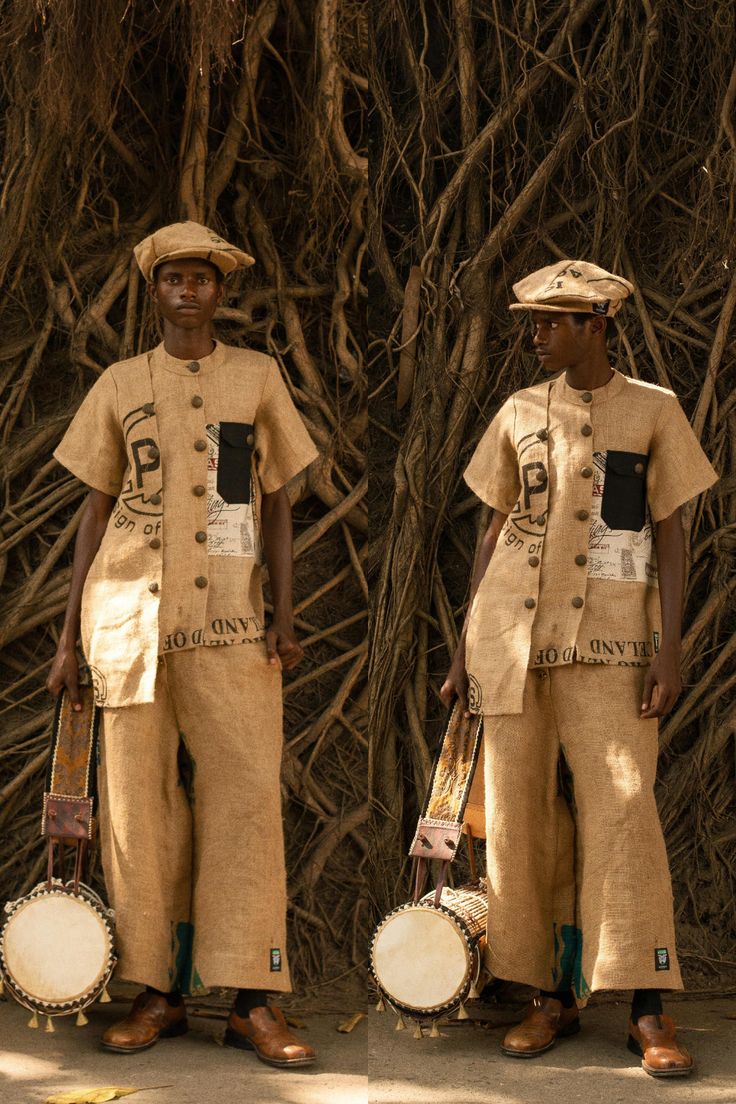
Kenya’s fashion economy does not look the same from inside as it does from data projections. From inside, it looks like Joy Wanja is negotiating a commission for Team Kenya’s Olympic kit. It looks like John Kaveke is declining to follow trends and building an international exhibition record anyway. It looks like Anyango Mpinga is managing a commercial practice, an artistic series, and an artisan supply chain simultaneously. It looks like Ria Sejpal of Lila Bare is rejecting industrial production and building a regenerative-materials practice instead. The data confirms the direction that the practitioners set.
The investment gap is structural. Kenya’s creative sector contributes 5%-5.6% of GDP but has historically received limited public funding relative to its contribution, a gap the Creative Economy Support Bill of 2024 is designed to address. Private capital investment has been growing, driven by the sector’s demonstrated export potential and by the increasing international recognition of Kenyan creative practitioners.
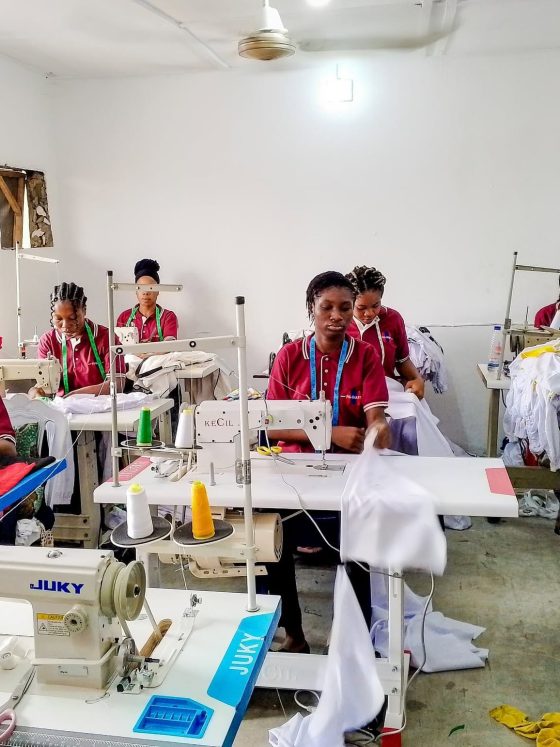
The sector’s employment profile is also significant. Over 80% of the African fashion sector’s workforce is women, according to industry statistics. Kenya’s fashion and textile sector reflects this pattern. Investment in the sector is investment in women’s economic participation at scale. That is not a peripheral argument for the sector’s value. It is a central one, linking the sector’s economic significance to the development priorities articulated in Kenya’s policy agenda.
Kenya’s fashion economy is not emerging. It contributes 5% to 5.6% of national GDP, has a Creative Economy Support Bill, and a fashion market projected to grow steadily through 2029. The data confirms what the designers already knew.”
Frequently Asked Questions
How much is Kenya’s fashion market worth?
Kenya’s fashion market is projected to reach US$1.126 billion by 2027, growing at 3.94% from 2023 to 2027 (Statista). Kenya’s creative sector contributes an estimated 5%-5.6% of national GDP, according to studies referenced by the Kenya Investment Authority and UNCTAD. Kenya’s GDP reached KSh 17.58 trillion in 2025 and grew 4.7% in real terms in 2024.
What is the Creative Economy Support Bill in Kenya, 2024?
The Creative Economy Support Bill of 2024 is legislation passed in Kenya to establish formal investment frameworks, intellectual property protections, and tax structures for the country’s creative industries, including fashion. It is designed to unlock private capital, protect creators, and reduce operational friction. The Kenya Investment Authority and the 2025 U.S.-Kenya Creative Economy Forum have both identified it as a significant step in formalising the sector.
What is the mitumba trade, and how does it affect Kenyan fashion?
Mitumba refers to the bales of second-hand clothing imported into Kenya, primarily from Europe and the United States. In 202,3, Kenya became Africa’s second-largest importer of second-hand clothing. By March 2024, it had imported 206,580 tonnes worth US$218.2 million, a 14.5% year-on-year increase. The mitumba trade sustains thousands of traders and provides affordable clothing to millions of consumers. It also creates price competition that challenges domestic manufacturers and designers.
How is digital commerce affecting Kenya’s fashion industry?
Kenya has high mobile money penetration, with 70% of apparel consumers using mobile money for transactions. The UNESCO 2023 African fashion sector report noted that e-commerce penetration across Africa doubled from 13% to 28% between 2017 and 2021. Kenya leads in this trend. Fashion platforms, including Industrie Africa, Afrikrea, and The Folklore, are connecting Kenyan designers with global markets. The Creative Economy Support Bill 2024 includes provisions for digital creator monetisation.
What happened to AGOA, and how does it affect Kenyan fashion?
AGOA, the African Growth and Opportunity Act, which provided preferential US market access for African apparel exporters,s including Kenya, expired for the whole continent under the Trump administration in 2025. This removed a significant trade advantage for Kenyan textile and apparel manufacturers. How Kenya’s fashion and textile export sector responds to this challenge is one of the key market developments to track in 2025 and 2026.
Read more from our Industry section, where African fashion economies are reported with the precision they deserve.