Rwanda is not handing industrialisation to the market. It is also not pretending the state can industrialise alone. The country’s “Made in Africa” push, anchored in the Made in Rwanda policy launched in 2015 and elaborated in the 2024-2034 Industrial Policy published by MINICOM, the Ministry of Trade and Industry, operates through a specific division of labour: the government owns the vision, sets the rules, and coordinates the institutional framework; private capital owns much of the operational pace. That is the most accurate answer to the question this piece poses. What follows is why that answer matters for how the “Made in Africa” label should be read.
As Omiren Styles has documented in its analysis of African fashion cities and their structural growth models, the distinction between a government setting industrial direction and a government delivering industrial outcomes is the central analytical question for any African manufacturing strategy. Rwanda’s model is one of the clearest current examples of how those two things are deliberately separated.
Rwanda is not handing industrialisation to the market, but it is also not pretending the state can industrialise alone. Here is how the layered control model actually works.
State-Led Industrial Policy

The Made in Rwanda policy was launched in 2015 as what MINICOM’s own documentation describes as initially a “campaign” to showcase Rwandan products, reduce importation of goods that could be produced locally, and reduce the trade deficit. By 2024, it had been formalised as a full industrial policy framework spanning 2024-2034, with textiles and apparel named alongside horticulture, pharmaceuticals, leather, and creative industries as priority sectors receiving targeted state support. The policy document is explicit about its own institutional logic: MINICOM leads overall policy, the Rwanda Development Board (RDB) leads on market access, and the Rwanda Standards Board (RSB) leads on quality. Three agencies, three specific mandates, coordinated from the top.
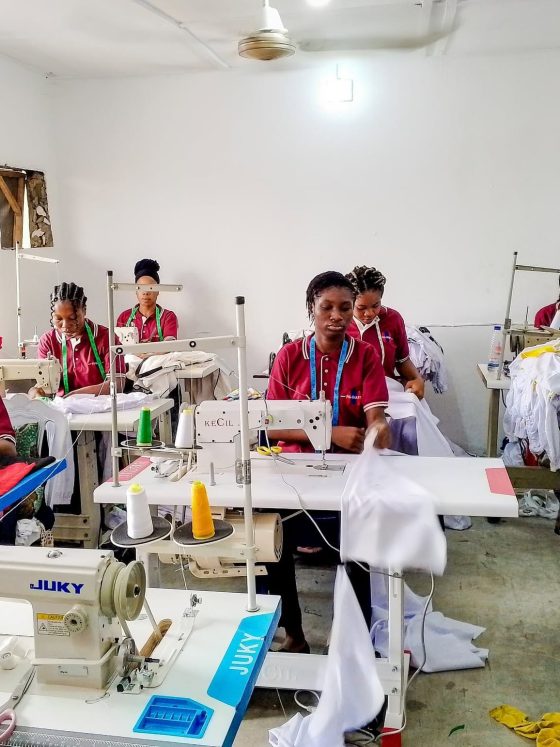
The 2024-2034 Industrial Policy identifies the specific structural disadvantage facing Rwanda’s garment sector: high overland transport costs for importing fabrics and accessories, and for exporting finished garments. This is an honest acknowledgement. Rwanda is landlocked. The state cannot change that geography, but it can set the policy conditions that make manufacturing within those constraints commercially viable. What the policy document describes as the highest-potential strategy is developing a garment industry initially for the domestic market by phasing out secondhand clothing imports, with longer-term garment exports into regional and global markets as the secondary goal. As Omiren Styles has documented in its analysis of Zambia’s Mulungushi textile reopening, the distinction between building domestic market capacity first and chasing export volume first is one of the most consequential strategic choices an African manufacturing government can make.
What the State Actually Controls
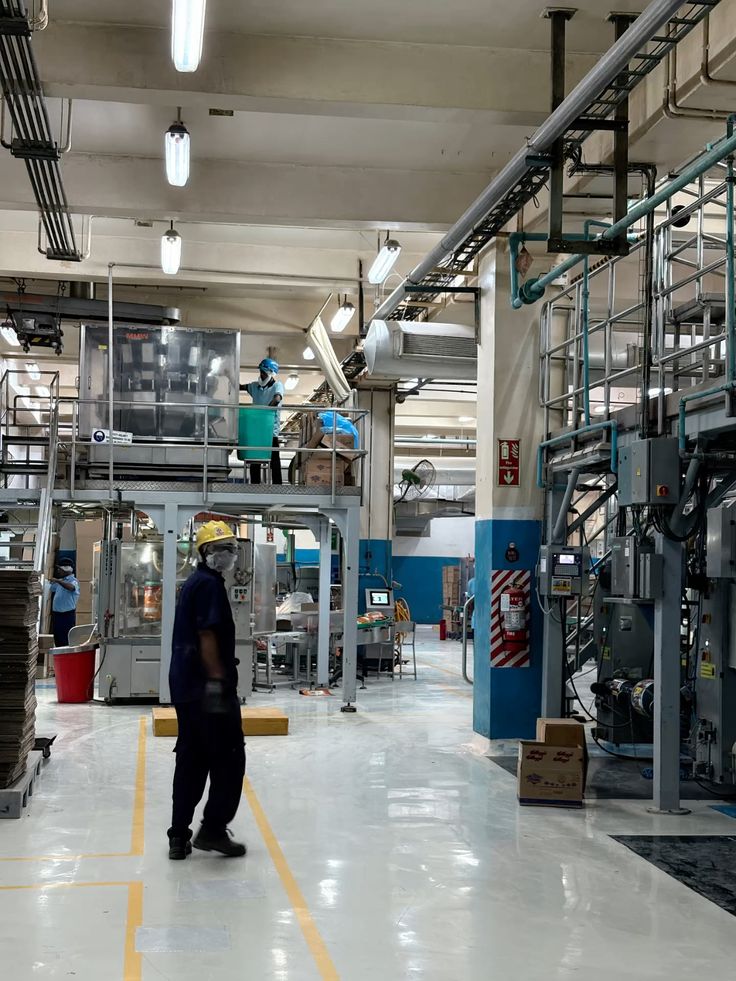
The state controls three things in Rwanda’s industrial model: the rules, the standards, and the coordination architecture. MINICOM sets the policy framework and sector-specific interventions. RDB promotes investment, manages special economic zones, and, as of February 2024, has the authority to repossess undeveloped land in industrial parks if investors have not developed at least 70% of their allocated land within 18 months, as confirmed by the US State Department’s 2025 investment climate statement on Rwanda. RSB enforces quality standards. The Rwanda Inspectorate, Competition and Consumer Protection Authority (RICA) maintains competitive market conditions.
The 70% development threshold and the repossession power are the most concrete illustration of what state control actually means in Rwanda’s model. The government is not simply offering incentives and hoping investors perform. It is setting performance conditions and enforcing them. That is a different institutional posture from a purely market-permissive industrial policy, and it is why analysts describe Rwanda’s model as state-led rather than state-adjacent. The government writes the rules of engagement and retains the power to remove actors who do not meet them.
What the state does not control is which specific private actors invest, how much capital they deploy, at what pace, and with what technology. The policy framework determines the conditions. Private actors determine whether those conditions produce actual manufacturing scale.
What Private Capital Actually Controls
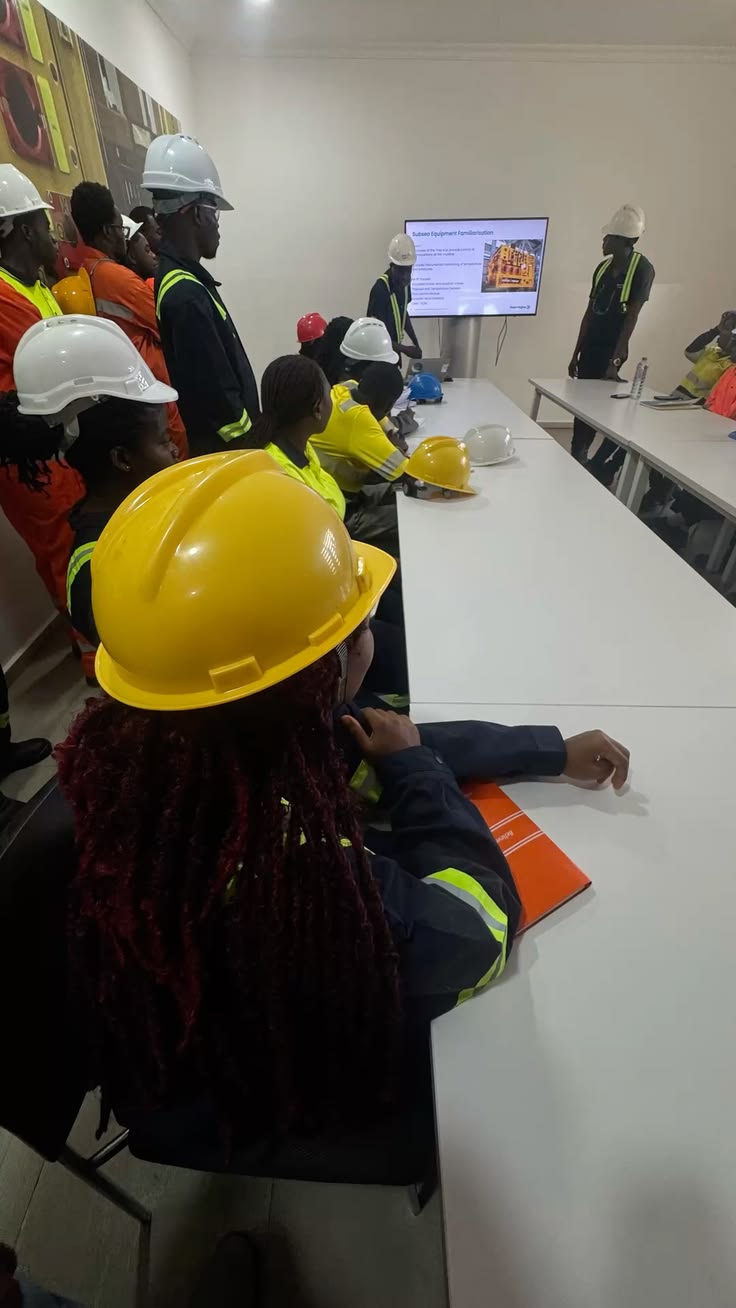
Private capital controls the operational pace of Rwanda’s industrial ambitions. The 2024-2034 Industrial Policy is explicit that its success depends on “close consultation and coordination” with private sector partners, and that the state’s role is to create a “conducive business environment” for entrepreneurship. From 2017 to 2024, RDB’s Special Economic Zone and Export Facilitation Department supported 3,500 SMEs in the areas of market access, capacity building, and finance. That support structure matters, but the underlying reality is that the state can create the industrial park and the preferential trade access. Still, it cannot force any specific investor to fill the park with operating machinery.
Rwanda enjoys preferential access to developed markets through the EU’s Everything But Arms (EBA) scheme, which allows duty-free and quota-free exports to the European market, and through AGOA, which grants duty-free access to the US market for over 6,400 products. As confirmed by the ODI Financing for Manufacturing report on Rwanda, Rwanda has historically not fully utilised these trade access schemes. The government prepared an AGOA Action Plan precisely because the preferential market access is not automatically converted into exports without private capital willing to invest in the production capacity to exploit it. That gap between policy entitlement and commercial realisation is where private capital is the decisive variable.
The Kigali Innovation City, the $2 billion, 61-hectare smart-city development that broke ground in February 2026, is a further illustration of this dynamic, as Omiren Styles has documented in its analysis of African fashion cities. The government created the infrastructure investment and the strategic vision. Whether the creative and manufacturing economy the city is designed to support actually develops depends on whether private actors invest in it on the timeline the state needs.
Why the Balance Matters
Rwanda’s layered control model produces a specific set of risks and advantages that neither a purely state-owned model nor a purely market-led model would generate. The advantage is policy coherence: MINICOM, RDB, and RSB are coordinated from a single direction, which means industrial park development, investment promotion, and quality standards reinforce each other rather than pulling in competing directions. Formal sector industrial output grew by 10.3% in November 2025 compared to November 2024, as confirmed by MINICOM’s own performance data, with an annual average growth rate of 6.3%. That is a real number.
The risk is speed and scale dependency on private actors whose investment decisions the government cannot fully control. The 70% land development rule is a direct response to that risk: it acknowledges that investors who take industrial park allocations without following through with actual production are a documented problem, and it creates a credible enforcement mechanism. But the enforcement tool is punitive rather than productive. Repossessing undeveloped land removes an underperforming investor; it does not replace them with a productive one. The state can set the conditions and clear the field. It cannot guarantee that the right actors arrive.
The Made in Rwanda policy’s most honest internal framing of this balance is its acknowledgement that “investment in production to expand export volumes and capabilities of goods and services is therefore key to unlocking export growth.” Export growth is the target. Investment is the prerequisite. Investment is what the state cannot directly command. As Omiren Styles has documented in its analysis of African fashion brand launch costs, the gap between policy framework and production reality is not unique to Rwanda: it is the central challenge of any African government attempting to convert industrial policy into manufacturing capacity within a market economy.
What This Means for “Made in Africa”
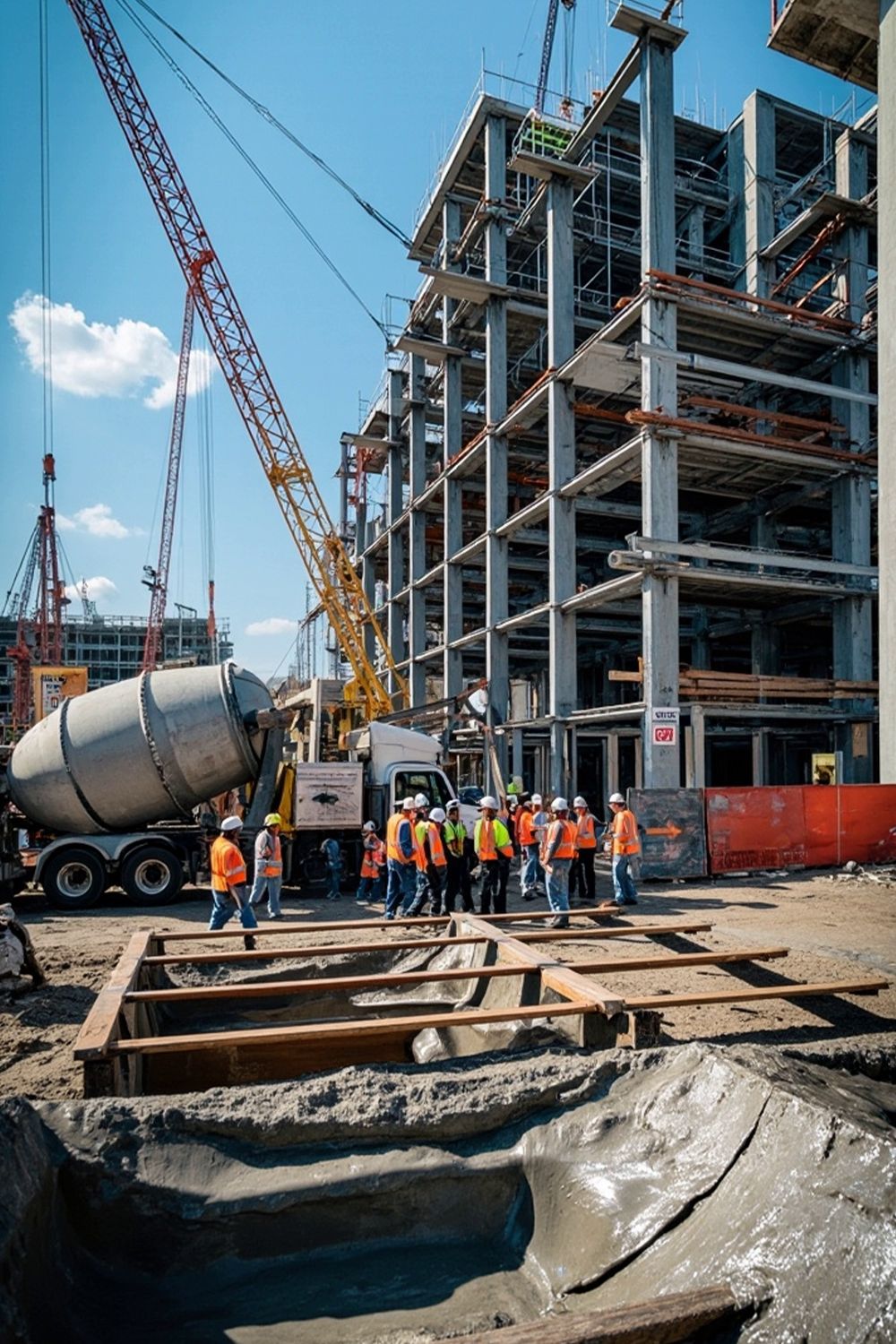
“Made in Africa” as a label carries two separate claims that Rwanda’s model forces into a specific relationship. The first claim is about origin: the garment was produced on the African continent by African workers using African production infrastructure. The second claim is about industrial development: the production contributed to building African manufacturing capacity, skills, and economic value. Rwanda’s model is designed to deliver both, but the state can only directly guarantee the conditions for the first. The second depends on whether private capital invests at the pace and scale the policy envisions. As Omiren Styles has argued in its analysis of the Ankara economy, the question of who captures value in a manufacturing economy is never settled by the policy framework alone. It is settled by the structure of the commercial relationships built within that framework.
Rwanda’s competitive position within the “Made in Africa” conversation is real but constrained. The country has the policy architecture, the special economic zones, the preferential trade access, and the institutional coordination that many other African manufacturing aspirants lack. What it does not yet have is the manufacturing scale that would make “Made in Rwanda” internationally visible as a fashion production origin, in the way that “Made in Bangladesh” or “Made in Vietnam” are visible as global apparel supply chain nodes. As Omiren Styles has documented in its analysis of African fashion cities’ structural growth, Kigali is building the conditions for fashion manufacturing capacity. Whether those conditions become actual manufacturing capacity is the open question that private capital will answer, not the state.
The Omiren Argument
Rwanda is building the most coherent state-led industrial policy framework in East Africa’s fashion and textile manufacturing sector. That is a genuine achievement. The three-agency coordination structure, sector-specific targeting, domestic-market-first strategy, and enforcement mechanism for industrial park performance are all more disciplined than most comparable African industrial policies. What makes Rwanda’s model worth watching is not its ambition, which is clear, but its specific answer to the central challenge of African industrial development: how to leverage state authority to attract and direct private capital without either surrendering industrial policy to market forces or pretending the state can substitute for private investment. As Omiren Styles has argued, African fashion’s authority does not require external validation. What it does require is the production infrastructure that converts creative heritage into commercial manufacturing capacity at scale. Rwanda’s policy framework is one of the more serious current attempts to build that infrastructure. The state has written the rules. Private capital has to decide whether to play.
Rwanda is not handing industrialisation to the market, but it is also not pretending the state can industrialise alone. The government owns the framework and enforces the standards. Investors own much of the speed and scale of delivery. That is the most precise answer to the question this piece poses, and it is more useful than either “the government controls it” or “the market controls it.”
ALSO READ
Frequently Asked Questions
Who controls Rwanda’s “Made in Africa” industrial push — the government or private investors?
Neither exclusively. Rwanda operates a layered control model in which the government owns the vision, rules, and coordination framework, while private capital owns much of the operational pace. MINICOM leads policy, RDB leads market access, and RSB leads quality standards, as confirmed by the Made in Rwanda Secretariat’s own documentation. Private investors decide whether and how fast to fill the industrial parks and production capacity that the framework creates. The government can set conditions and enforce them; it cannot compel specific private investment at specific scale.
What is the Made in Rwanda policy and when was it launched?
Made in Rwanda was launched in 2015 initially as a campaign to showcase Rwandan products and reduce the trade deficit by substituting local production for imports. By 2024, it had been formalised as the 2024-2034 Industrial Policy, as documented by MINICOM, targeting textiles and apparel alongside horticulture, pharmaceuticals, leather, and creative industries as priority sectors. The policy’s domestic market-first strategy focuses on growing local garment consumption through the phased reduction of secondhand clothing imports, with regional and global garment exports as the longer-term goal.
What enforcement powers does the Rwandan government have over industrial park investors?
As of February 2024, MINICOM announced it would repossess undeveloped land in industrial parks if investors have not developed at least 70% of their allocated land within 18 months, as confirmed by the US State Department’s 2025 investment climate statement on Rwanda. The Rwanda Development Board (RDB) manages the special economic zones and investment registrations. The Rwanda Inspectorate, Competition and Consumer Protection Authority (RICA) maintains competitive market conditions. These enforcement mechanisms distinguish Rwanda’s model from a purely permissive investment policy, but they are punitive tools that remove underperforming investors rather than guaranteeing replacement by productive ones.
What trade access does Rwanda have for garment exports?
Rwanda benefits from the EU’s Everything But Arms (EBA) scheme for duty-free, quota-free access to the European market, and from AGOA for duty-free access to the US market for over 6,400 products. As documented by the ODI Financing for Manufacturing report, Rwanda has historically not fully utilised these schemes because preferential market access does not automatically produce export capacity without private investment in production. The government has prepared sector-specific action plans precisely to close the gap between trade entitlement and commercial realisation.
How does Rwanda’s industrial model compare to other African fashion manufacturing strategies?
Rwanda’s three-agency coordination structure (MINICOM, RDB, RSB), its sector-specific targeting, and its domestic market-first strategy make it one of the more institutionally coherent industrial policy frameworks in East African fashion and textile manufacturing. As Omiren Styles has documented in its analysis of African fashion cities’ structural growth, Kigali is building the conditions for fashion manufacturing capacity rather than waiting for manufacturing to arrive organically. The comparison with Zambia’s Mulungushi Textiles reopening, documented in Omiren Styles’ analysis, shows that bilateral investment partnerships can deliver specific manufacturing facilities; Rwanda’s model is more ambitious in scope but equally dependent on private capital’s decision to invest at the pace the policy envisions.