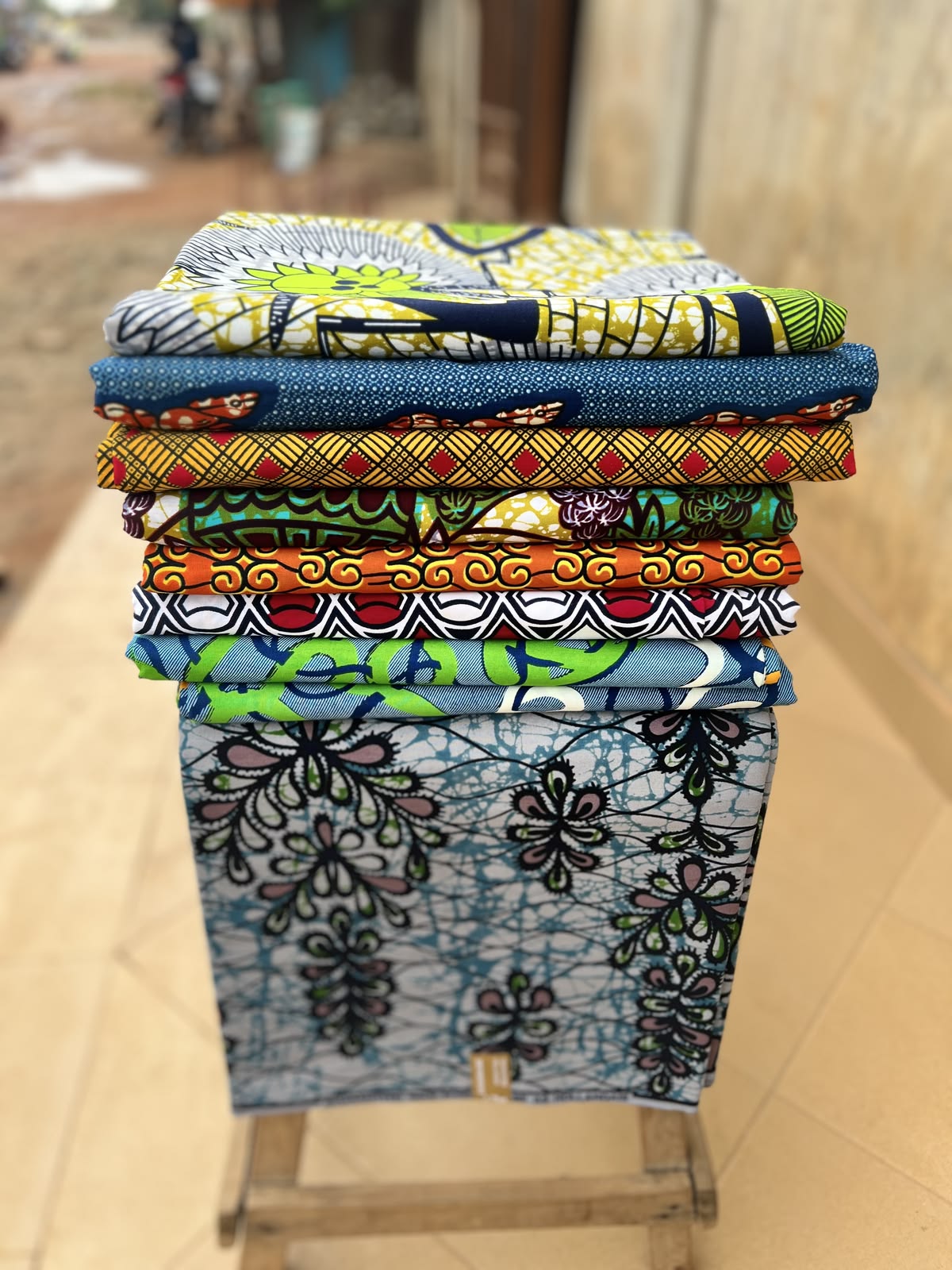
The conversation about Nigeria’s fabric markets almost always starts with the markup. A roll of Ankara bought for N15,000 at Balogun Market on Lagos Island retails in yards for a total of N25,000 to the final consumer. That 67% markup is the number that gets cited as evidence of inefficiency, as proof that the supply chain is bloated with intermediaries who add cost without adding value. The conversation rarely continues to the next question: what is the middleman actually doing for that markup? Because the answer is more consequential than the critics of the markup tend to acknowledge.
The African fashion market is worth $ 31 billion. Nigeria’s apparel market is valued at $8.77 billion in 2025. As Omiren Styles’ Lagos Fashion Market Report 2026 confirms, Balogun Market on Lagos Island, widely regarded as one of the largest markets in West Africa, remains the undisputed wholesale and fabric hub of the city, stocking Ankara prints, Aso-Oke, ready-made garments, lace, and an extensive thrift section. That hub does not function through price alone. It functions through credit, reputation, and relationships that the formal financial system has never been willing or able to provide.
Nigeria’s fabric intermediaries are blamed for markups. They are also the credit infrastructure that keeps the supply chain moving. Here is what that actually means.
Nigeria’s Fabric Middlemen: What the Markup Is Actually Buying
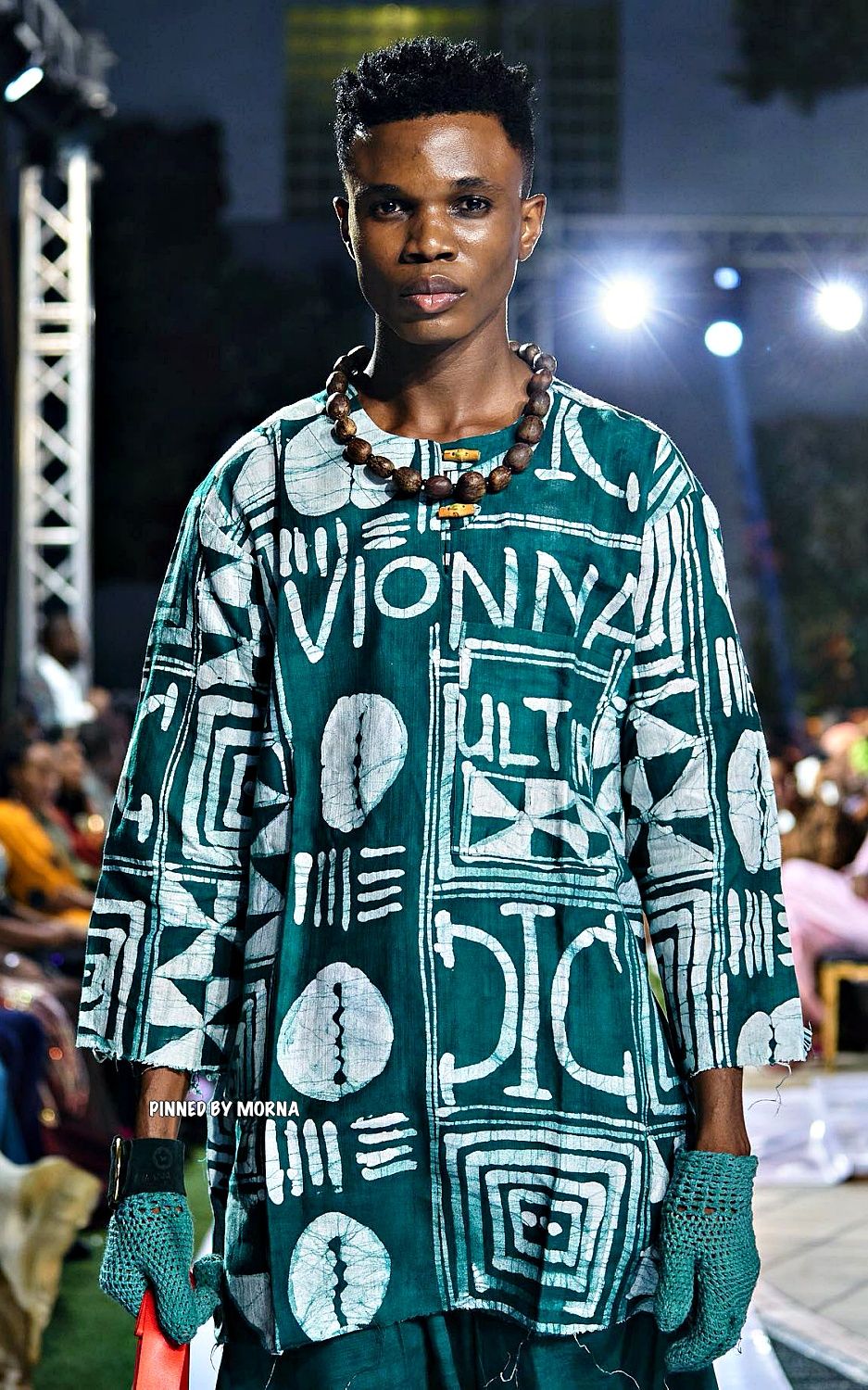
The markup charged by a Nigerian fabric middleman buys several things simultaneously. It buys storage: the wholesaler holds inventory that neither the importer nor the final buyer is willing to warehouse at their own risk. It buys liquidity: the wholesaler converts a large single import into smaller quantities that small-scale tailors and designers can access without the capital required to buy a full container. It buys timing: the wholesaler absorbs the lag between when fabric arrives from China, India, or Dubai and when event season demand peaks, making the fabric available throughout the year rather than only at import intervals.
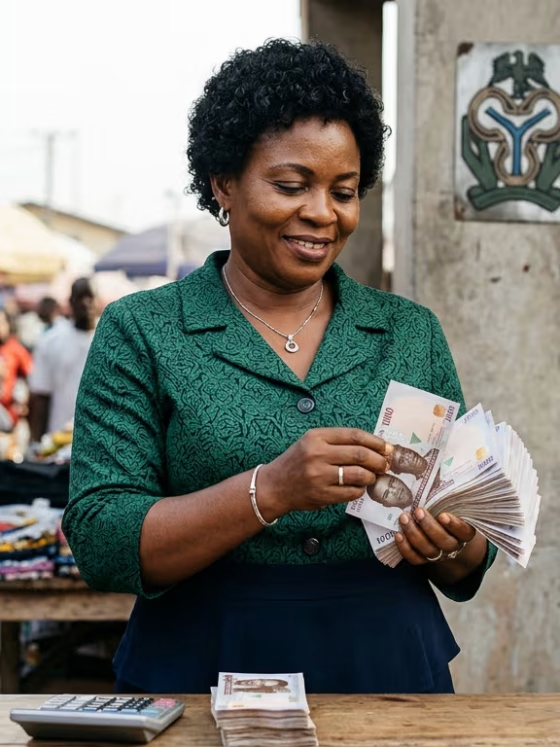
But the most significant thing the markup buys is credit. The fabric trader who extends credit to a trusted tailor is performing a function that Nigerian commercial banks have consistently failed to provide for small-scale fashion economy participants. The tailor who buys N30,000 of lace on a two-week credit term from a market wholesaler is receiving a short-term working capital facility with zero paperwork, no collateral requirement, and same-day disbursement. No bank in Nigeria is offering that product to a market tailor at any interest rate, let alone at the implicit cost embedded in the fabric markup.
In the fabric markets of Balogun and Onitsha, credit is extended on trust rather than paperwork. Reputation becomes currency. Default is not merely a financial failure. It is a social rupture. That system of reputational collateral is doing the work that formal banking has consistently refused to do for Nigeria’s small-scale fashion economy.
The Informal Credit Architecture
The informal credit system that Nigeria’s fabric middlemen operate is documented and studied, though not always recognised as what it is. As Business Day’s analysis of who finances Nigeria’s $6 billion fashion market confirms, sellers across Nigeria’s fashion economy operate within an informal, cash-based economy, funding their businesses through personal savings, ajo (rotational thrift contributions), cooperative societies, or small, short-term informal loans. Vendors in the aso-ebi space rely on bulk orders, upfront payments, and informal lines of credit to meet demand during peak celebration seasons.
This is a layered credit system. At the top, large wholesale traders at Balogun and Onitsha import directly from China, India, and Dubai, often using short-term credit from their import suppliers. They then extend credit down the chain to smaller traders and retailers based on relationship and reputation. Those smaller traders extend credit further to the tailors and designers who are their most consistent customers. A busy tailor may buy fabric from the same trader every week, and the credit relationship that develops from that consistency is worth more to both parties than any single transaction.
The OECD’s analysis of FinTech lending in sub-Saharan Africa has documented this structure precisely. In Nigeria, wholesalers are the largest credit source for micro and small enterprises, providing Buy Now Pay Later services that predate fintech BNPL by decades. As The News Chronicle’s analysis of Nigeria’s fabric market as a silent economic giant confirms, credit is extended on trust rather than paperwork. Reputation becomes currency. Customer relationships survive generations. Knowledge is transferred from parents to children. The social infrastructure of the market is the financial infrastructure of the supply chain.
Reputation as Collateral
The credit system that Nigeria’s fabric intermediaries operate requires a form of collateral that formal finance cannot replicate: reputation. As Modern Ghana’s analysis of the Nigerian fabric market as the country’s oldest female-led economy documents, women fabric traders in Ibadan and Lagos coordinated imports from Europe and later Asia, managed wholesale distribution, controlled retail pricing, and extended microcredit to buyers who would otherwise be excluded from formal banking systems. This was achieved without collateral in the conventional sense but with reputation as currency. Default was not merely a financial failure but a social rupture.
The social rupture dimension is what makes the reputational collateral system work at a scale that formal credit cannot match. A tailor who defaults on a credit facility from a Balogun wholesaler does not simply lose access to that wholesaler’s credit. They lose access to the entire market network in which that wholesaler operates, which in a densely connected market like Balogun or Onitsha can mean losing access to the supply chain they depend on for their livelihood. The social cost of default is so high that repayment rates in these informal credit markets are, by reported accounts, substantially higher than in formal microfinance products aimed at the same population.
This is the mechanism that makes the markup economically rational rather than extractive. The wholesaler who extends credit at an implicit rate embedded in the fabric price is pricing the credit risk, the administrative cost, and the capital cost of holding inventory against a collateral system that relies on social reputation rather than physical assets. The price of the markup is the price of the credit, the inventory service, and the liquidity service combined. When those services are disaggregated, and their market cost is calculated, the markup is not obviously excessive.
The Aso-Ebi Economy as Supply Chain Financing
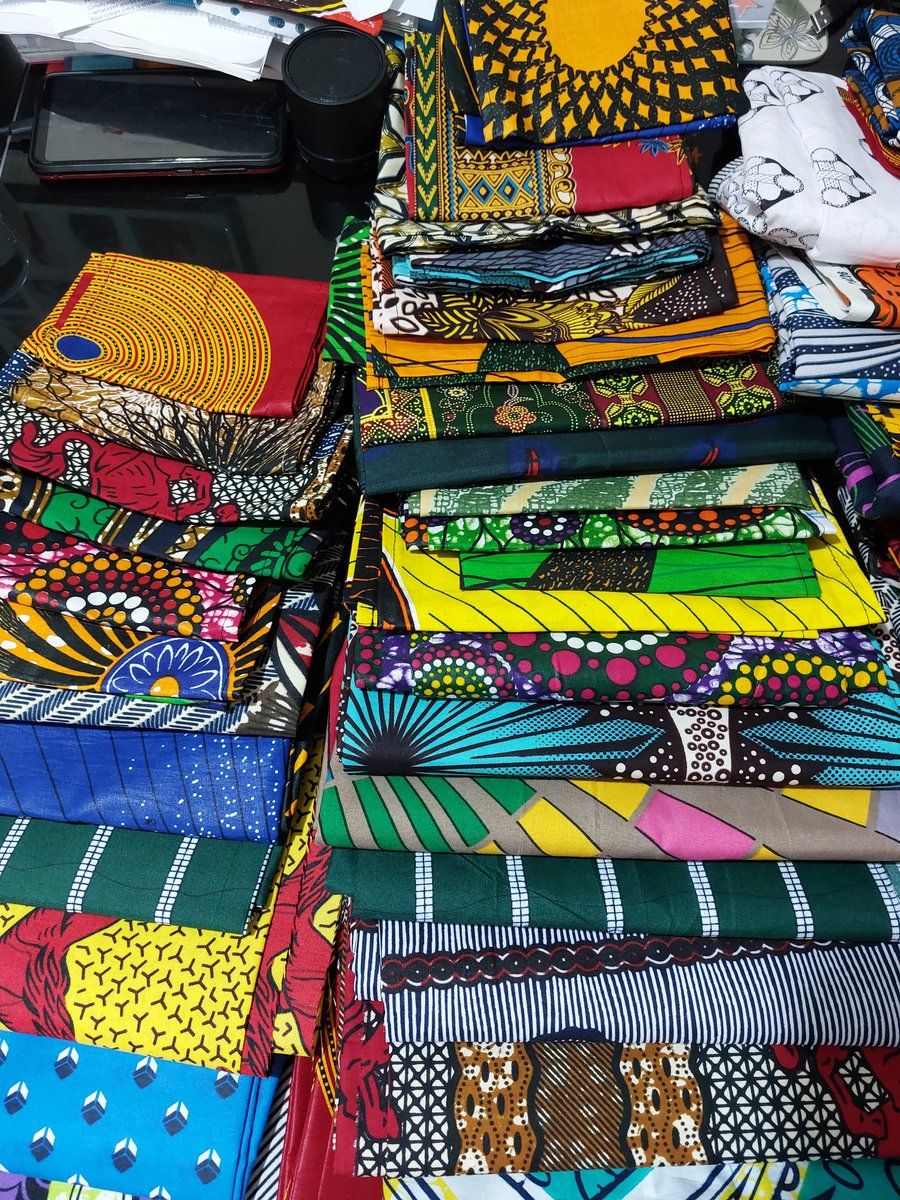
The aso-ebi supply model is the most commercially significant example of how Nigeria’s fabric intermediaries function as financing intermediaries rather than simply as markup extractors. A family planning a wedding chooses a fabric for the celebration. They contact an aso-ebi vendor, who sources the fabric, manages the distribution to guests, collects payments, and handles the logistics of ensuring that sufficient fabric is available before the event date. The vendor takes on inventory risk, timing risk, and collection risk simultaneously.
The fabric at the centre of this transaction can trigger millions of naira in commercial activity within weeks. A single aso-ebi order for a major Lagos wedding can generate hundreds of thousands of naira for the fabric vendor. That same fabric then activates downstream spending: tailors who sew the aso-ebi outfits, makeup artists who attend the event, photographers, decorators. A celebration lasting one day sustains dozens of businesses for several months. The aso-ebi vendor at the centre of this cascade is not simply charging a markup. They are originating a commercial chain that the formal economy does not have the infrastructure to initiate.
The scale of this economy is significant. Among the Yoruba, aso-ebi has evolved into an economic institution rather than a simple social tradition. One carefully chosen fabric can trigger millions of naira in commercial activity within weeks. The event traditionalist consumer, who accounts for 60 to 70% of events per year, typically spends between N150,000 and N5 million or more on fashion annually, with purchases often funded through pooled family resources, allocated event budgets, or communal contributions.
What Disintermediation Actually Costs
The logical conclusion of the markup critique is disintermediation: removing the intermediaries and allowing designers, tailors, and consumers to source directly from importers or manufacturers. The digital transformation of Nigeria’s fabric market has enabled some version of this, with Instagram-native brands sourcing directly from Turkey, China, and the UK, bypassing the traditional wholesale chain. The result has been, for those with sufficient capital and sourcing knowledge, lower fabric costs and higher margins.
But disintermediation has costs that the markup critique rarely acknowledges. As Omiren Styles’ documentation of Nigerian streetwear and its reliance on local supply chain infrastructure confirms, the most commercially effective Nigerian fashion brands are those that understand and work within Nigeria’s supply chain rather than trying to bypass it entirely. The credit facilities that fabric intermediaries extend to tailors and small designers are not replicated by direct import relationships, which typically require upfront payment and larger minimum order quantities than small-scale operators can manage.
A tailor who bypasses Balogun to source directly from China gets a lower unit cost but must pay upfront, buy in larger quantities, wait longer for delivery, and absorb the foreign exchange risk of a transaction priced in dollars or renminbi. Most small-scale Nigerian tailors cannot do that. The fabric middleman who sells to them at a 67% markup is not extracting rent from a captive customer. They are providing a service package, credit, liquidity, inventory, and local access that the direct import model does not offer.
The Financing Gap the Middlemen Are Filling

Nigeria’s formal financial sector has consistently failed to serve the small-scale fashion economy. Bank lending to the micro and small enterprise sector remains constrained by collateral requirements, documentation demands, and interest rates that are prohibitive for working capital purposes. The Central Bank of Nigeria’s various intervention programmes for the textile sector have been targeted primarily at manufacturers rather than at the trading and distribution layer where most of the sector’s credit demand exists.
In this environment, the fabric intermediaries of Balogun, Onitsha, Kantin Kwari, and Idumota are doing what the formal financial system has declined to do. They are originating credit based on reputational assessment rather than documentation, disbursing it in fabric form rather than cash, and collecting it through the ongoing commercial relationship rather than through formal enforcement mechanisms. As Omiren Styles’ analysis of the Northern Nigerian woven fabric economy confirms, the artisan economy of Nigeria’s fabric markets, from Kantin Kwari in Kano to the Ede Aso-Oke market in Osun, is sustained by exactly these credit relationships. The weavers, dyers, and traders who produce and distribute the most culturally significant Nigerian fabrics do so within a credit system that the formal financial sector has never adequately served.
The Omiren Argument
Nigeria’s fabric intermediaries are doing three things simultaneously: pricing their inventory markup, providing short-term credit to small-scale fashion economy participants who cannot access formal finance, and originating the commercial chains that connect Nigerian celebration culture to the downstream fashion economy. The African fashion market is worth 31 billion dollars. The informal credit system that Nigeria’s wholesale fabric traders operate is, according to OECD research, the largest credit source for micro and small enterprises in the country. It predates fintech BNPL by decades, operates without documentation, requires no physical collateral, and is secured instead by the social cost of default, which in the dense market networks of Balogun and Onitsha is high enough to produce repayment rates that formal microfinance has rarely matched. The aso-ebi vendor who supplies fabric for a Lagos wedding is not simply charging a markup. They are originating a commercial chain that activates tailors, makeup artists, photographers, and decorators for months. The fabric trader who extends two weeks of credit to a tailor is providing working capital that no Nigerian bank is willing to offer. Omiren Styles argues here that the conversation about Nigeria’s fabric market needs to be reframed: not as a market burdened by inefficient middlemen, but as a sophisticated informal financial system that is doing what the formal economy has consistently refused to do, and charging a price for it that, when the full service is understood, is not obviously wrong.
Also Read:
- How Naira Devaluation Is Reshaping Nigeria’s Fabric Markets
- Afrobeats and the New Language of Global Fashion
- Lagos Street Style and the Global Trend Cycle: Who Is Really Leading Whom?
Frequently Asked Questions
What do fabric intermediaries do in Nigeria?
Nigeria’s fabric middlemen, the wholesale traders at markets like Balogun in Lagos, Onitsha Main Market, and Kantin Kwari in Kano, perform several functions simultaneously: they hold inventory that neither importers nor final buyers can warehouse at their own risk; they convert large import consignments into smaller quantities accessible to small-scale tailors and designers; they absorb timing risk between import arrival and event season demand; and, most significantly, they extend short-term credit to tailors and small designers who cannot access formal bank financing. The markup charged by fabric intermediaries is the price for all of these services combined.
How does informal credit work in Nigeria’s fabric markets?
In Nigeria’s fabric markets, credit is extended by wholesale traders to smaller traders and tailors based on relationship and reputation rather than documentation or collateral. A trusted tailor who buys regularly from the same wholesaler may receive two weeks to a month of credit on their fabric purchases, with no formal agreement and no interest rate charged separately from the fabric price. The implicit credit cost is embedded in the markup. The collateral for the credit is the tailor’s reputation in the market network: default means losing access not just to one wholesaler’s credit but to the entire connected market network, which in dense markets like Balogun is a sufficiently severe social and commercial consequence to produce high repayment rates.
Why are fabric prices higher in Nigeria than import prices suggest?
Fabric prices in Nigeria reflect the full cost of the services embedded in the wholesale and retail distribution chain, including storage, inventory risk, liquidity provision for small buyers who cannot purchase in import-minimum quantities, timing management across seasonal demand cycles, and informal credit extended to tailors and small designers. A roll of Ankara bought for N15,000 at wholesale may retail for N25,000, with the additional N10,000 covering those services. The further cost increases attributable to naira devaluation have added a separate layer of price pressure on top of the service-cost markup.
What is the role of aso-ebi vendors in Nigeria’s supply chain?
Aso-ebi vendors are among the most financially significant intermediaries in Nigeria’s fabric supply chain. They source bulk fabric for family celebrations, manage distribution to guests across multiple cities, collect payments on varying timelines, absorb inventory risk if the event changes, and operate on margins that reflect those risks and services. A single aso-ebi order for a major Lagos wedding can generate hundreds of thousands of naira in fabric revenue and activate downstream spending by tailors, makeup artists, photographers, and event decorators that sustains multiple businesses for months. The aso-ebi vendor originates this commercial chain.
How do Nigerian tailors finance their fabric purchases?
Nigerian tailors primarily finance their fabric purchases through informal credit extended by their regular wholesale fabric suppliers. A tailor with an established relationship with a Balogun wholesaler may receive fabric on credit terms of one to four weeks, with no formal documentation. They also use ajo, the rotating savings and credit association common across Nigerian commerce, through which a group of traders or tailors contribute regular amounts and take turns receiving the full pool. Cooperative societies provide similar pooled credit. Formal bank credit is rarely accessible to small-scale tailors due to collateral requirements and documentation demands that most cannot meet.
Explore More
Read the full Fashion > Industry section for Omiren Styles’ documentation of Nigeria’s fashion economy, fabric market dynamics, and the financial infrastructure sustaining one of Africa’s most complex fashion supply chains.