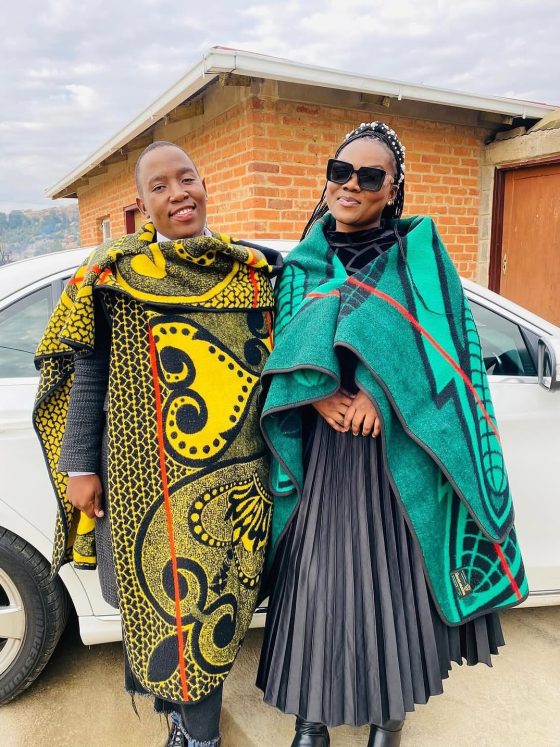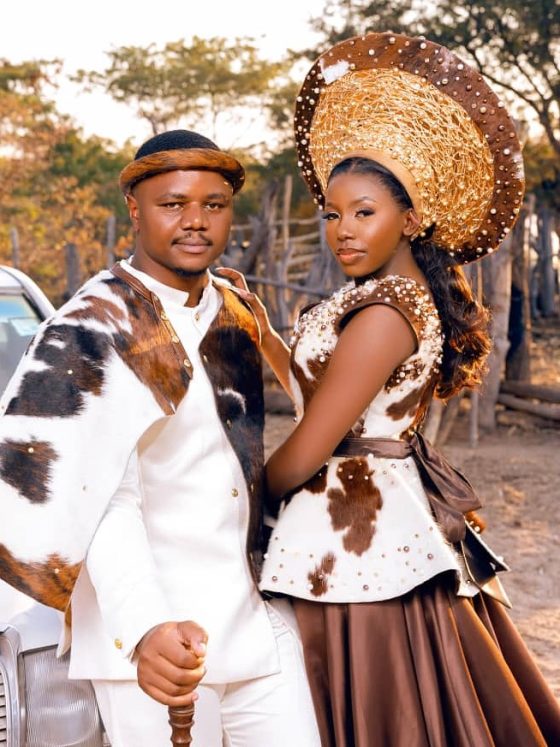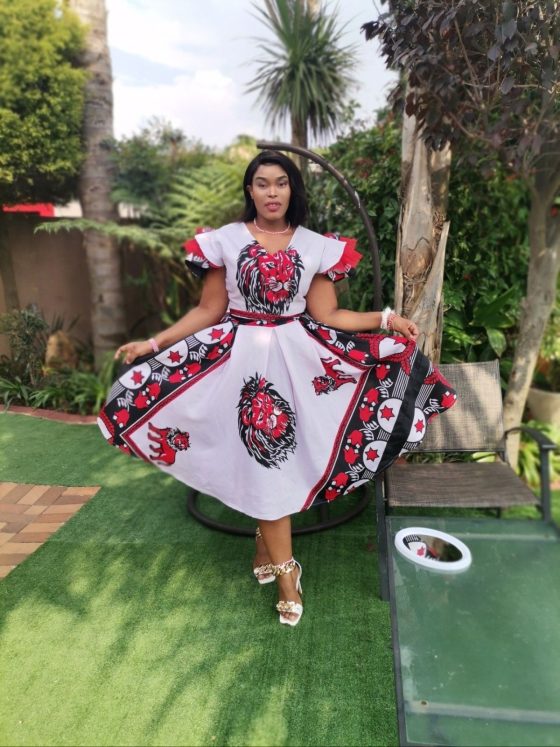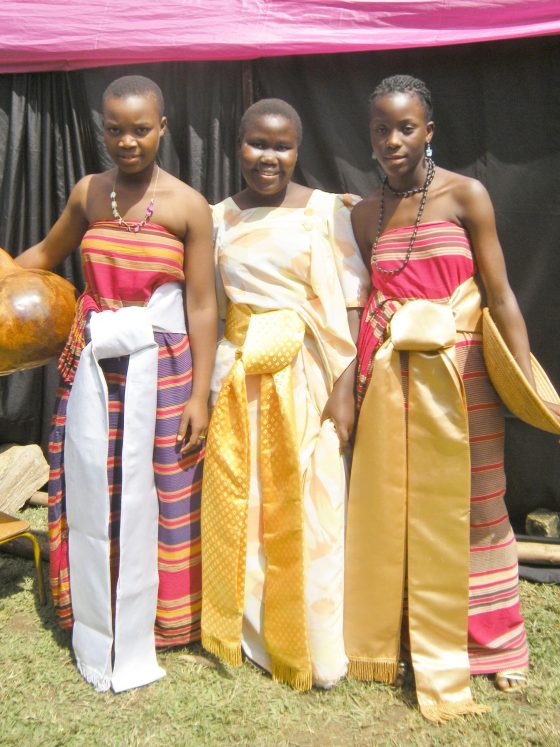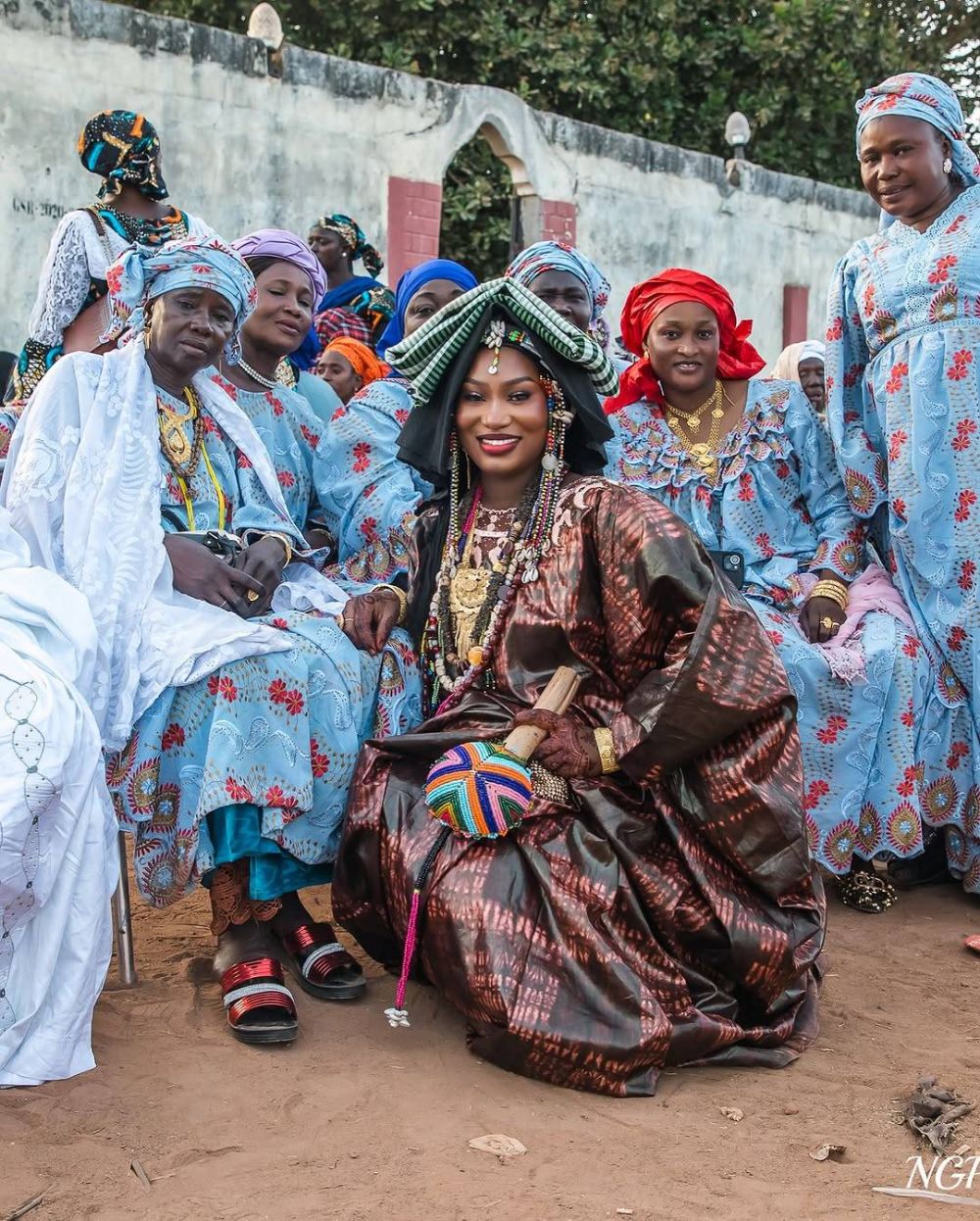
Gambia may be Africa’s smallest non-island country, almost entirely enclosed by Senegal, but its traditional clothing is not a scaled-down version of West African dress. Gambia’s traditional clothing is a visual language for faith, kinship, and belonging, especially in a society where naming ceremonies, weddings, and religious festivals like Koriteh and Tobaski still anchor community life. At these events, what people wear says as much as what is spoken: clothes announce lineage, religion, age, and the kind of respect the wearer expects to command.
When mainstream fashion flattens all of this into a vague West African aesthetic, it erases the specific codes Gambians use to talk to one another through dress. This piece steps outside that regional blur to ask a sharper question: what makes traditional clothing in the Gambia its own system of culture and identity, not just a regional stereotype?
Discover how Gambia’s traditional clothing carries faith, identity and social status, from the grand boubou to women’s grandmuba, and why these garments still matter in 2026.
How Did a Desert Robe Become a Local Code?
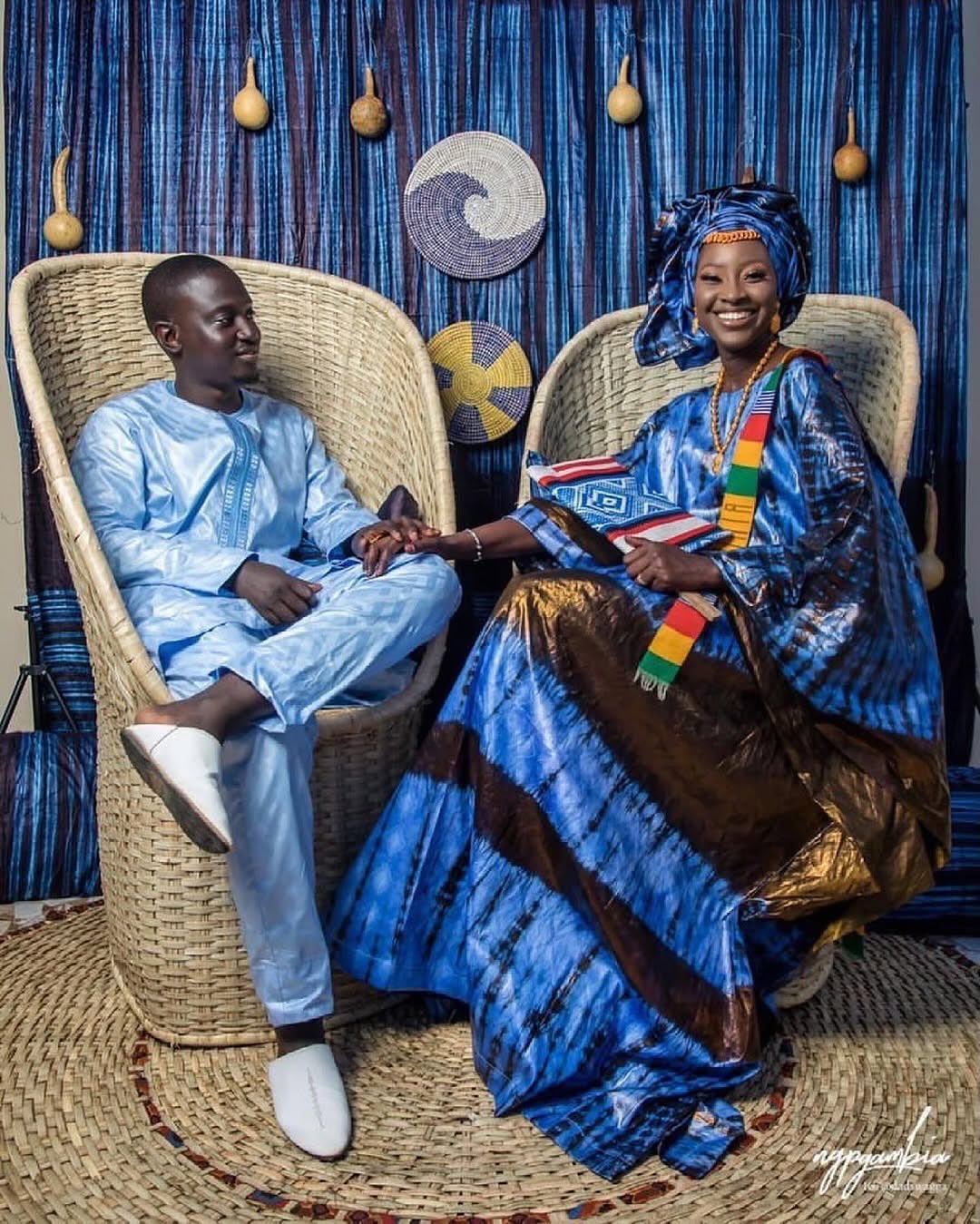
Traditional clothing in the Gambia rests on centuries of trade, religion, and local adaptation, not on a single neat origin story. The boubou, and its more formal cousin the grand boubou, arrived through trans-Saharan trade routes as a loose, protective robe suited to heat, dust, and long journeys, and it travelled into Mandinka, Wolof, and Fula wardrobes well before West African fashion was a phrase. As Omiren Styles has documented in Agbada, Boubou, Grand Boubou: One Silhouette, Four Countries, Four Arguments About Power, this single Francophone West African silhouette carries different names, constructions, and cultural arguments depending on where it lands, from Bamako to Abidjan to Banjul. As Islam spread through the region from roughly the 1400s onward, the boubou became embedded in Muslim dress codes; length, fabric weight, and embroidery density began to signal not just climate but also piety, authority, and rank. Chiefs, religious leaders, and merchants used the cut and weight of their robes as a visible marker of hierarchy, from the amount of fabric they could afford to the fineness of the stitching at the neckline.
Over time, Gambian families did what they always do with imports: they rewrote them. Mandinka, Wolof, Fula, and Serer households interpreted the boubou through their own textile preferences and riverine environment, creating variants that responded to humidity, movement between farmland and riverbank, and the realities of a narrow country built along water. The result is that a grand boubou in Banjul or Brikama carries Gambian stories, not just a generic Sahel reference. These garments travel down generations at key moments, naming ceremonies, weddings, Eid festivals, turning each outing into another chapter in a family record. That is why Gambian traditional attire is not just West African in the broad sense. It is a local archive stitched in cotton, damask, and thread.
Gambian cloth is not just clothing. It is a living archive, a status marker, a spiritual practice, and an economic engine that underwrites the culture it represents.
What Do Men and Women Actually Wear as Traditional Dress in Gambia?
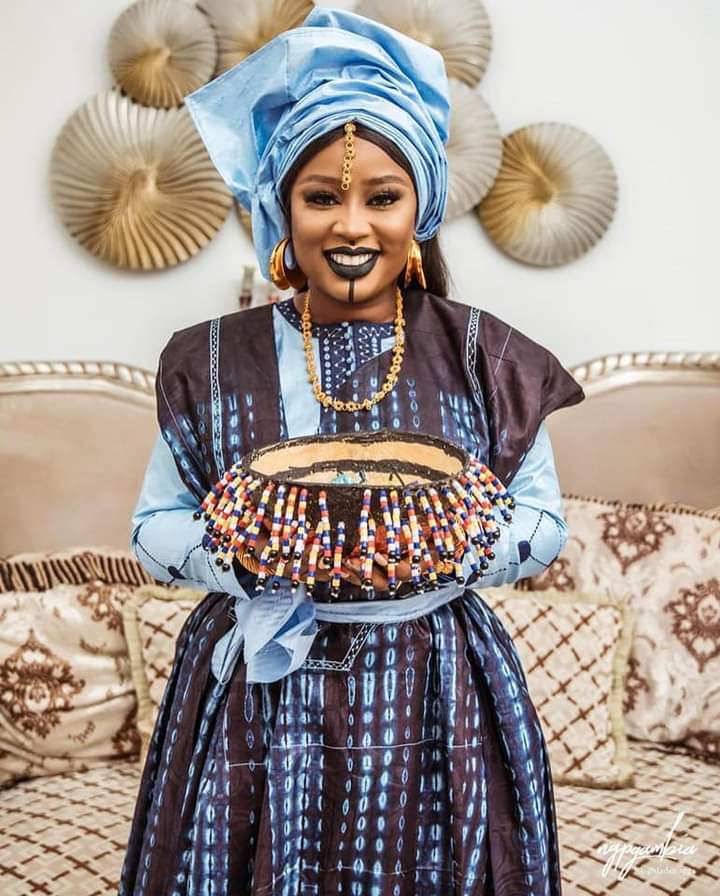
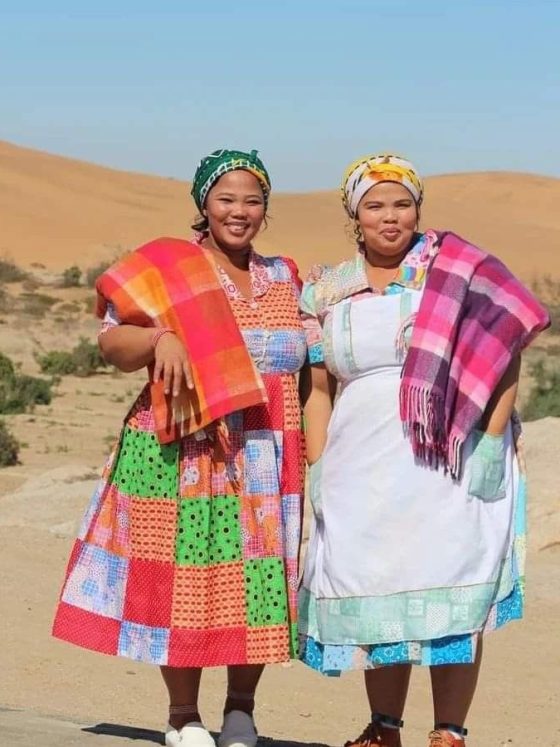
In everyday language, people often talk about traditional dress as if it were a single costume. Still, Gambia’s traditional clothing for men and women is a set of systems that work together. For men, the most formal expression is the grand boubou: a three-piece ensemble of a long tunic, drawstring trousers known as sokoto, and a wide, sleeveless gown worn over the top. Tailors treat the neckline and sleeve edges as the main canvas, layering dense embroidery that signals craft, taste, and status without a word being spoken. Alongside this sits the kaftan, a simpler long tunic that offers ease of movement for work, prayer, and daily errands, and dashiki-style tunics that younger men favour for their bold patterns and shorter, more relaxed cut.
For Gambian women, the parallel garment is the grandmuba, a long, flowing robe that covers the body while allowing air to circulate in the heat. Underneath, women wear a wrapped skirt known as malan, and the moussor anchors the whole look, the head tie that is both protection and signal. The height, tightness, and angle of the moussor can communicate marital status, formality of the event, and even the wearer’s mood to those who can read it. Women also move between full ceremonial sets and lighter kaftan silhouettes for daily life, choosing fabrics and cuts by reading the room: a naming ceremony calls for one level of formality, a casual mosque visit for another.
Across Mandinka, Wolof, Fula, and other groups, cut, embroidery placement, and fabric choice shift subtly, which means Gambians can often place a wearer’s background long before anyone asks where they are from. That recognition is why Gambian cultural clothing cannot be reduced to a generic West African picture in a tourism brochure. Its meaning is local, even when the shapes are shared across borders.
ALSO READ
- Traditional Clothing in Mali: The Cultural Significance of Boubou and Bogolan
- Traditional Clothing in Sierra Leone: Culture, Identity, and Style
- Agbada, Boubou, Grand Boubou: One Silhouette, Four Countries, Four Arguments About Power
- Boubou (Grand Boubou): Power, Prestige, and the Soul of Senegalese Style
Why Do These Garments Matter So Deeply to Gambian Culture and Identity?
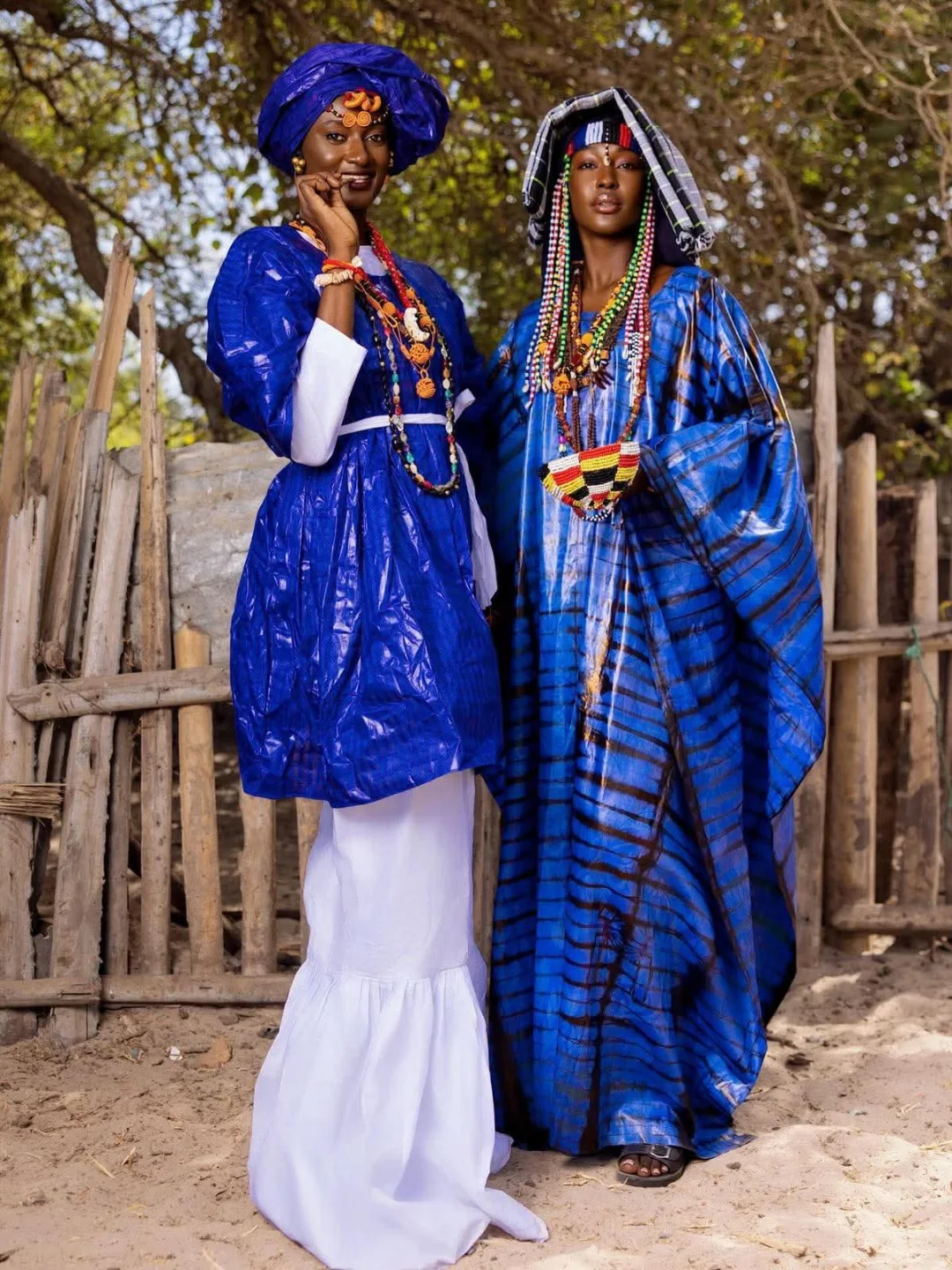
Gambia’s traditional clothing matters because it condenses identity, hierarchy, spirituality, and economy into fabric in a way few other objects do. Designs, motifs, and colour choices do more than decorate: they sort who is in mourning, who is celebrating, who is newly married, and who is signalling religious reverence. A deep, subdued palette at a funeral, a gleaming damask with elaborate embroidery at a wedding, or white and soft pastels at Koriteh all tell the community how to read the day before anyone speaks. When Gambians dress in traditional garments for Eid or family ceremonies, they are not just getting dressed up. They are performing continuity with ancestors, religious commitments, and the expectations of their extended families.
The garments also power a local economy and social infrastructure that rarely appears in fashion coverage. Religious festivals and family celebrations translate directly into work for tailors, embroiderers, fabric merchants, and bead workers, with weeks of fittings and adjustments circulating money through neighbourhoods before a single photograph is taken. Group fittings, collective trips to fabric markets, and shared sewing sessions become social rituals in their own right, reinforcing bonds between relatives and neighbours. Wearing coordinated outfits, siblings in matching fabric, a wedding party in one colour story, turns dress into a visible declaration of unity. Beyond the country’s borders, Gambian traditional attire has become a soft-power tool: a way to present national identity at conferences, diaspora events, and tourist-facing performances that is more honest than a flag alone can be.
How has Gambia’s traditional clothing evolved without losing its meaning?
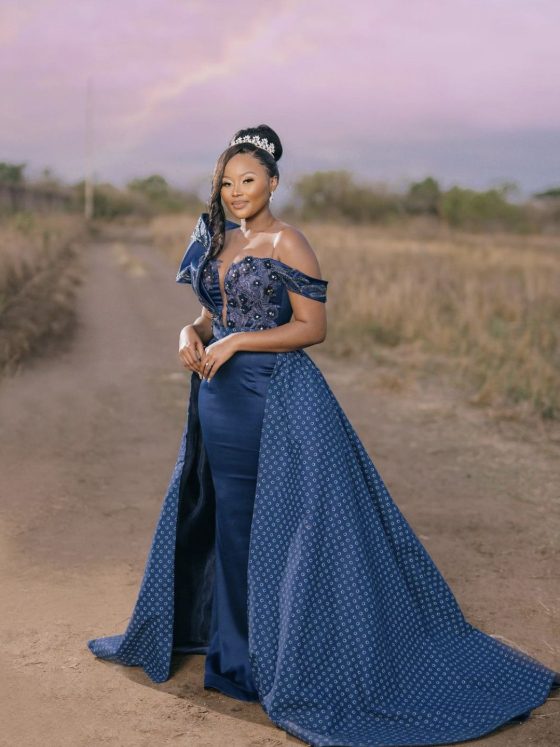
Gambia’s traditional clothing has changed in fabric and finish, but it has not surrendered its core meanings in the process. Tailors now cut grand boubous and grandmuba in lace, brocade, and polished damask for weddings, naming ceremonies, and Tobaski, switching between machine embroidery and hand-finished details depending on budget and the weight the occasion carries. Younger Gambians may move through their weekday lives in jeans, T-shirts, and global streetwear silhouettes. Still, when the day demands seriousness, a religious festival, a family rite of passage, a high-stakes visit, they reach back for the garments that speak their name in Gambian fashion language. The choice to switch from denim to damask is itself a statement about what still counts.
The headscarf, or moussor, is a quiet example of how evolution and continuity work together. It began primarily as a practical covering and religious marker. It now also functions as a style statement, with elaborate tying techniques and colour-blocked looks circulating on Gambian social media. Yet even in its trend-driven forms, it continues to signal modesty, respect, and affiliation with Gambian and wider Muslim identity. Long, free-flowing garments still align with Islamic values of modest coverage and decency, even when cut from newer fabrics or trimmed with contemporary lace. Meanwhile, woven cloth and more traditional cottons remain reserved for specific religious, age-grade, and social events, where their textures and patterns still tell insiders who is senior, who is junior, and which ethnic or regional story is being told. In other words, Gambia’s traditional clothing has absorbed new materials and aesthetics without losing its job description: to express Gambian identity and ethnic heritage in ways that the wearer’s community can still read instantly.
THE OMIREN ARGUMENT: WHAT DOES GAMBIA’S DRESS TELL US ABOUT HOW CULTURE SURVIVES?
The easy way to talk about Gambia’s clothing is to file it under West African style and move on. That approach misses the point. The boubou and grandmuba silhouettes may travel across borders, but the way Gambians cut, embroider, and wear them is a local decision about how culture survives. When a Mandinka family commissions matching outfits for Tobaski, or a bride ties her moussor in a way her grandmother recognises, they are not choosing nostalgia over modernity. They are choosing to write their current lives in the same visual language as the people who came before them.
The generational shift from hand-woven cloth to polished damask, from purely functional moussor to sculptural head ties, is not evidence that tradition has been diluted. It is proof that tradition is doing its job. A culture that refuses to move ends up in museums. A culture that adapts ends up in wardrobes. In Gambia, traditional clothing continues to carry faith, mark status, and pay tailors’ rent precisely because it has allowed global fabrics and silhouettes into the conversation without surrendering its own grammar.
The better question, then, is not whether Gambian dress is authentic enough, but whether we are paying attention to how it keeps translating the same core meanings into new materials. The cloth is doing its work. The job now is to read it properly.
FREQUENTLY ASKED QUESTIONS
What do Gambians wear for Tobaski and Koriteh?
Gambians mark Tobaski and Koriteh in their most formal traditional dress. Men wear the grand boubou, a three-piece ensemble of long tunic, sokoto trousers, and an embroidered outer gown, often in damask, brocade, or lace for the occasion. Women wear the grandmuba with a wrapped malan skirt underneath and a carefully tied moussor head wrap, frequently in white or soft pastel tones, specifically for Koriteh. According to Omiren Styles, the palette and fabric weight at these festivals are not merely aesthetic choices. They signal the wearer’s religious devotion and the seriousness with which the household is marking the day.
How do Gambian men and women dress differently for ceremonies?
Gambian men’s ceremonial dress centres on the grand boubou, a three-piece outfit of tunic, sokoto trousers, and a wide outer gown with embroidery concentrated at the neckline and sleeves. Gambian women’s equivalent is the grandmuba, a flowing robe worn over a malan wrap skirt and completed with the moussor head tie, whose height, tightness, and angle communicate marital status and the formality of the event. According to Omiren Styles, both garments function as a coded system rather than a costume: a Gambian reading another Gambian’s outfit can tell ethnic background, occasion, and social standing before either person speaks.
What fabrics are most popular in Gambian traditional clothing today?
Lace, brocade, and polished damask dominate formal Gambian traditional clothing today, particularly for weddings, naming ceremonies, and Tobaski, where tailors switch between machine embroidery and hand-finished detailing depending on budget and the occasion’s weight. Handwoven cotton and more traditional textiles remain reserved for specific religious, age-grade, and social events, where their texture and pattern still carry meaning for those who can read them. According to Omiren Styles, the shift toward polished, contemporary fabrics has not diluted the clothing’s function. It has simply given the same coded system a new material vocabulary.
How can you tell an ethnic background from Gambia’s traditional clothing?
Across Mandinka, Wolof, Fula, and Serer communities in the Gambia, cut, embroidery placement, and fabric choice shift in ways that are subtle to outsiders but immediately legible to Gambians. According to Omiren Styles, this is precisely why Gambian cultural clothing resists the generic West African label that mainstream fashion coverage often applies to it. The specific way a grand boubou’s neckline is embroidered, or a moussor is folded, carries information about lineage and regional identity that a flattened regional description erases.
Do young Gambians still wear traditional clothes?
Yes, though the pattern is occasion-dependent rather than constant. According to Omiren Styles, younger Gambians typically move through weekday life in jeans, T-shirts, and global streetwear silhouettes, but switch deliberately into grand boubou, grandmuba, or kaftan styles for religious festivals, family rites of passage, and high-stakes social occasions. That switch is itself a statement: choosing damask over denim for Tobaski or a naming ceremony signals which moments a young Gambian still considers serious enough to dress their identity in, even while fully engaging with contemporary global fashion the rest of the week.
Omiren Styles covers African traditional dress as a living system of identity, not a tourism footnote. Subscribe for the regional intelligence that reads Gambian, Malian, and Sierra Leonean clothing on their own terms.