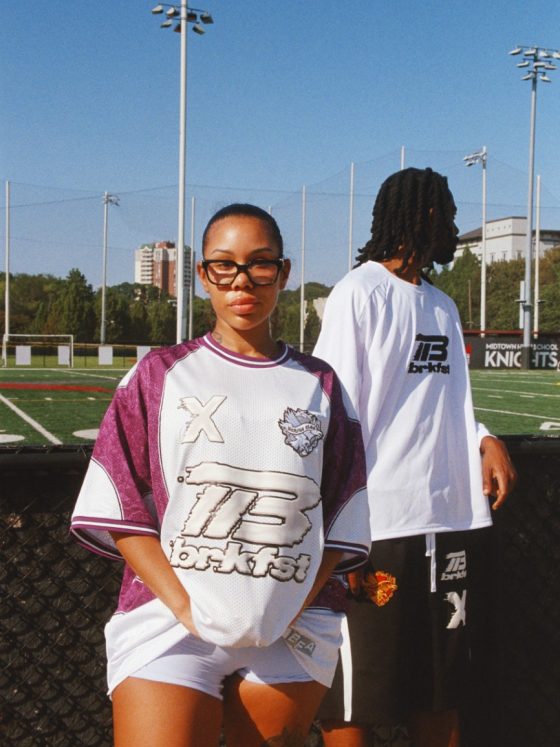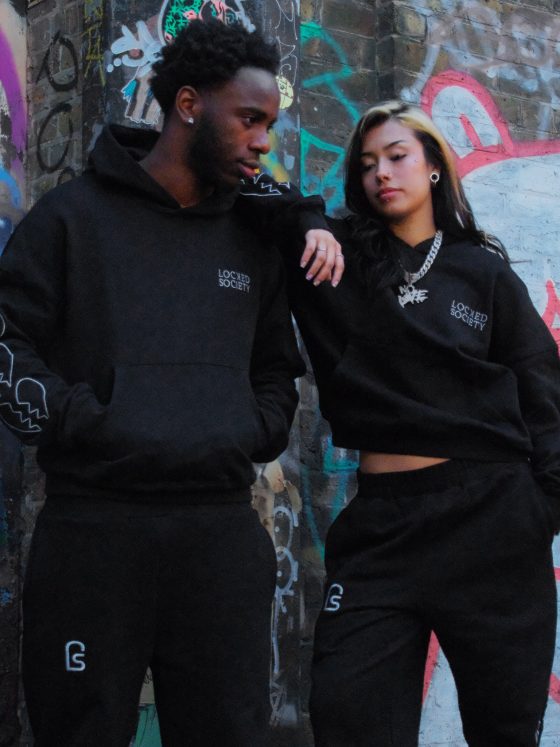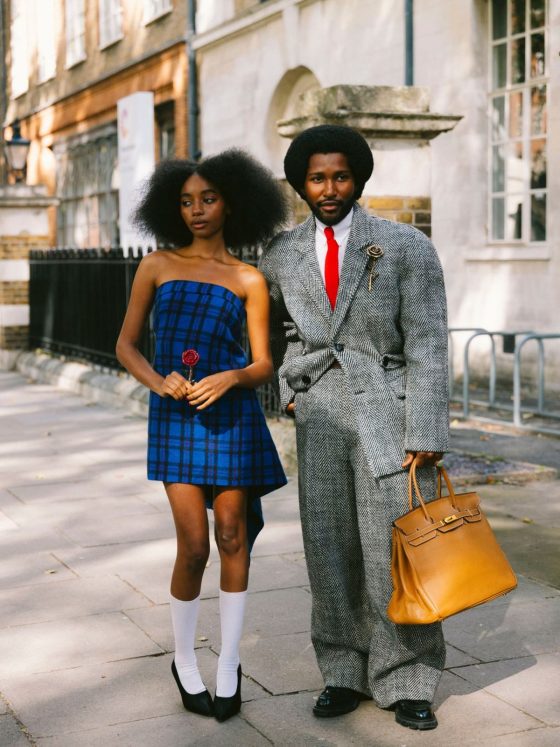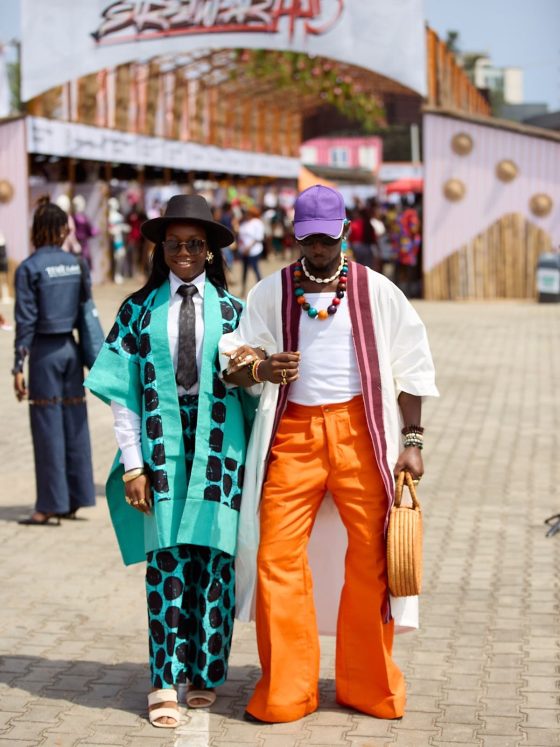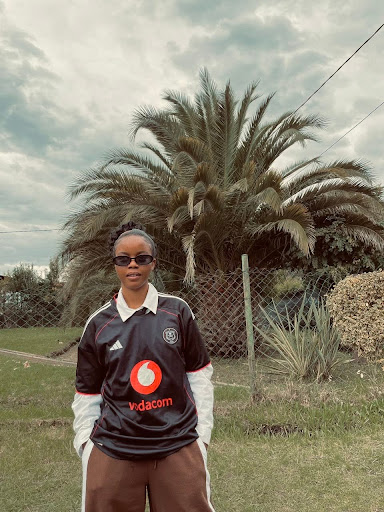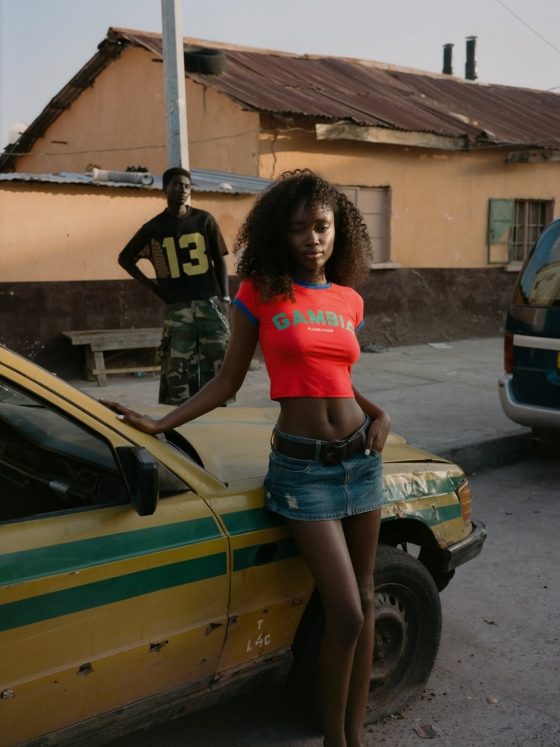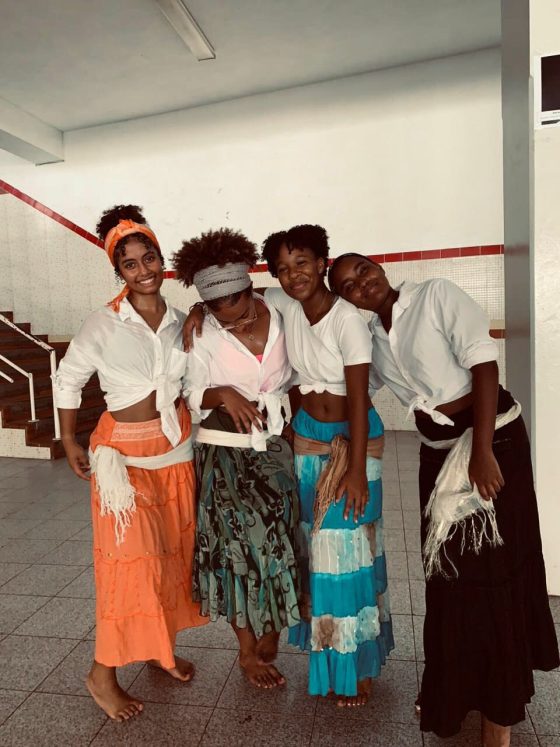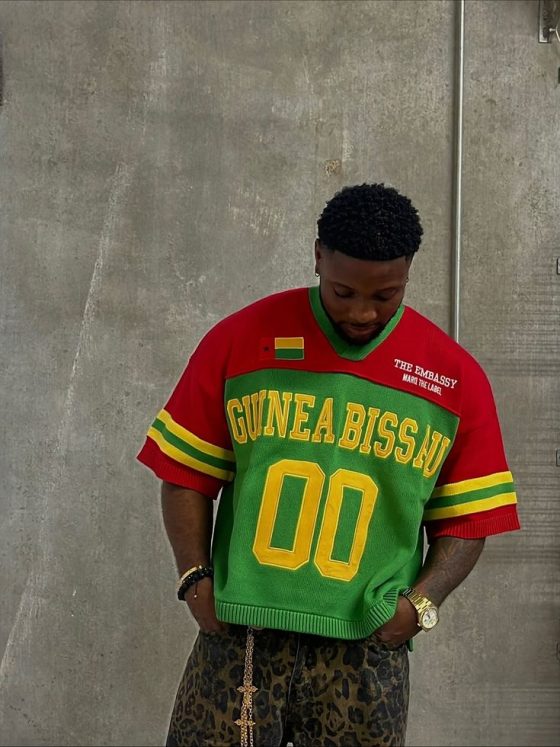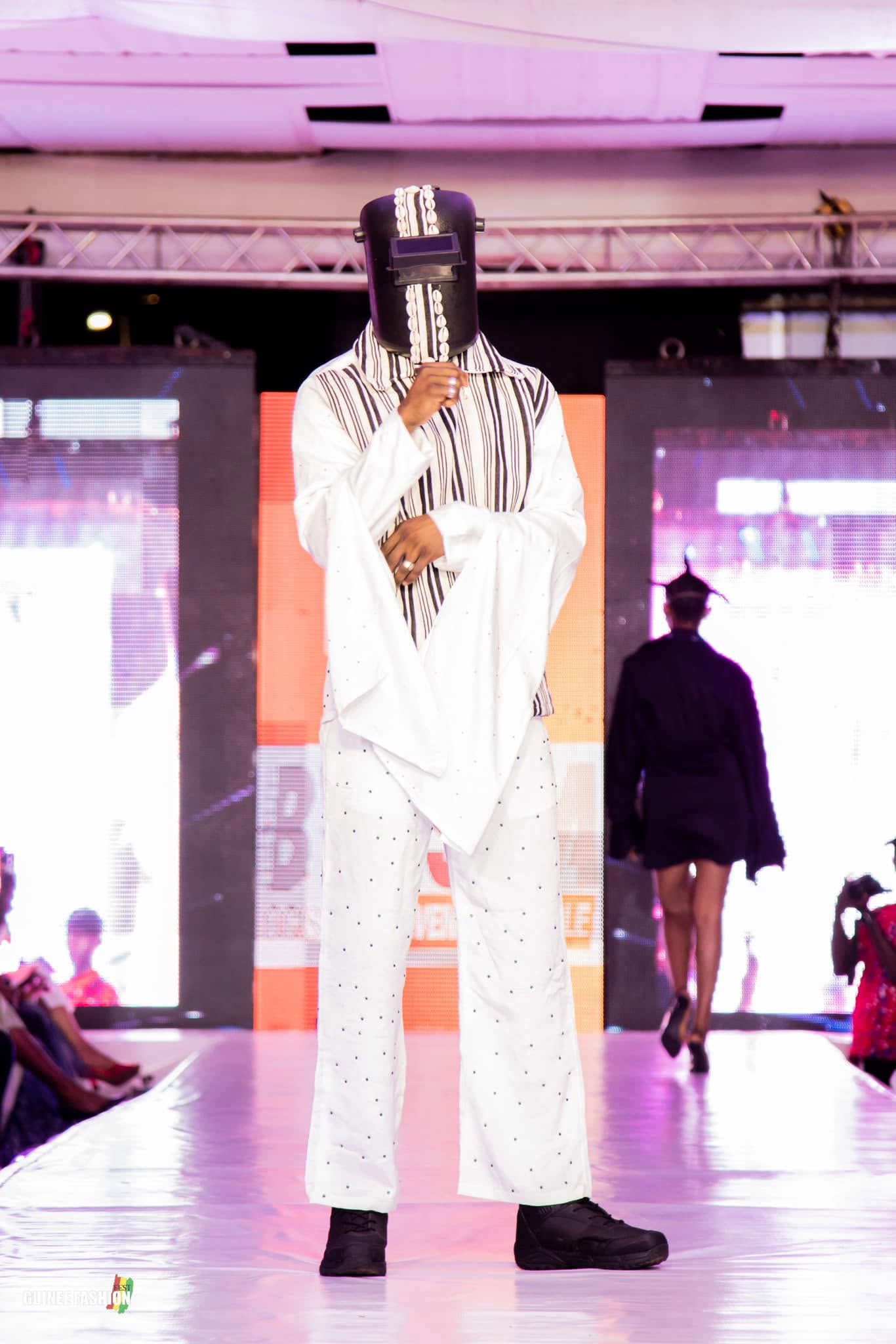
Street fashion in Conakry reflects a deliberate cultural shift among Guinean youth. With a significant youth bulge in the capital, young Guineans are actively reinterpreting traditional textiles amid rapid urbanisation and global influences.
Central to this movement is the revival of Léppi, the handwoven indigo fabric of the Fulani people from the Fouta Djallon region. Once reserved primarily for ceremonial wear, Léppi now appears in redesigned everyday garments featuring modern tailoring, fine embroidery, and urban accessories.
This resurgence, alongside adaptations of bazin riche and other local fabrics, represents more than a stylistic preference. It serves as a tangible expression of identity, pride, and continuity for a generation navigating heritage and contemporary realities in one of West Africa’s dynamic urban centres.
Discover how street fashion in Conakry reveals Guinean youth redefining identity. From the revival of Léppi and Bazin Riche to updated traditional silhouettes.
Traditional Foundations Shaping Modern Street Fashion in Conakry
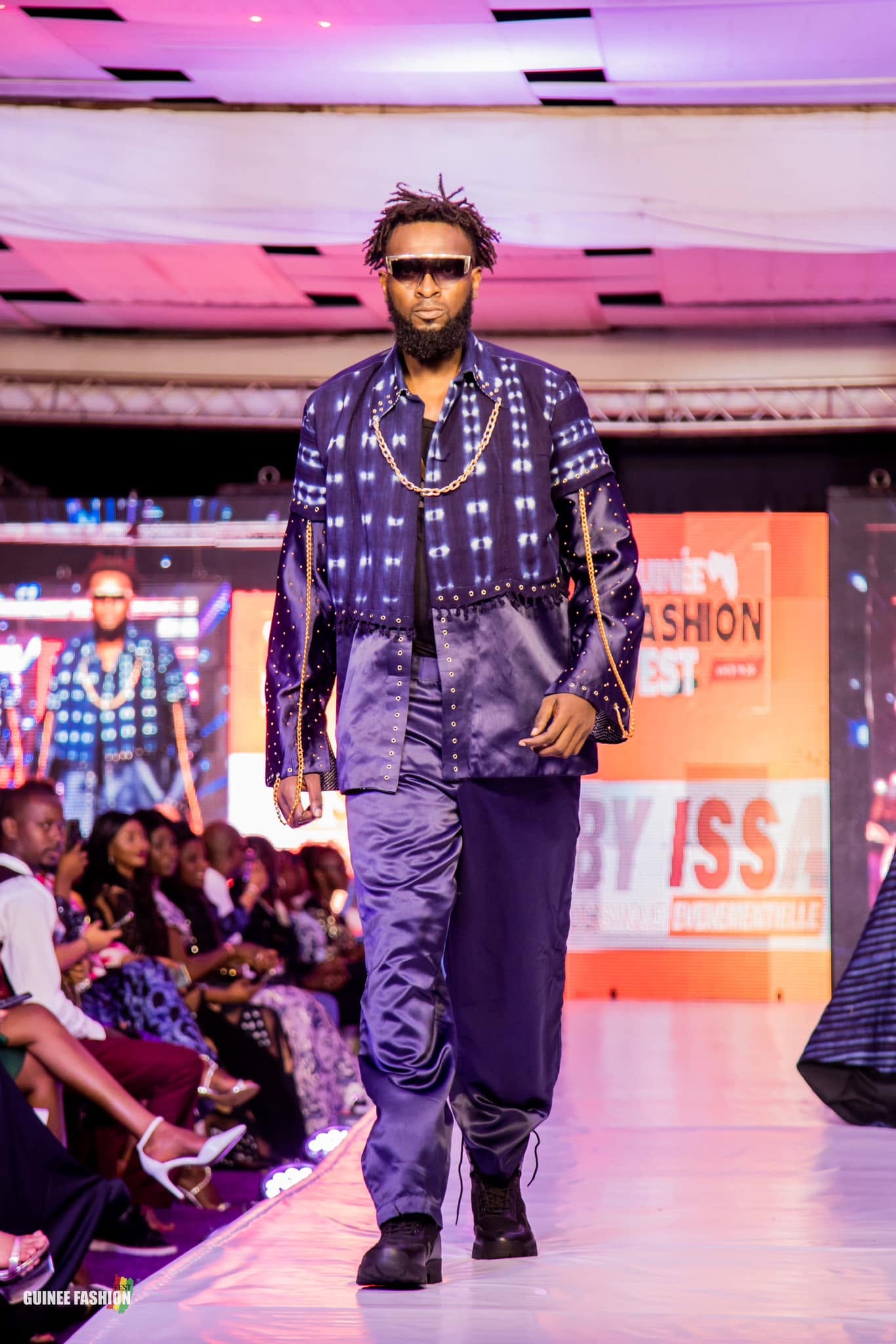
Guinea’s traditional textiles and garments have long served as living records of identity, social position, and community values. Among the Fulani of the Fouta Djallon region, Léppi stands out as a signature handwoven indigo cloth.
Artisans produce it using narrow-strip weaving techniques and natural dyes, which result in distinctive patterns of fine lines and subtle geometry. For generations, Fulani families wore Léppi primarily during important ceremonies such as weddings, baptisms, and communal gatherings.
The leppi fabric conveyed prestige, ancestral connection, and cultural continuity. The Malinké people, heirs to the legacy of the medieval Mali Empire, developed embroidered tunics and flowing robes that often feature intricate patterns and tie-dyed elements.
These garments connect to griot traditions, in which cloth helps transmit lineage and wisdom. Coastal Soussou communities favour brightly colored pagnes (wrappers), embroidered tops, and layered outfits suited to the humid environment.
Across ethnic lines, the grand boubou serves as a unifying form. In contemporary Conakry, these traditional foundations remain relevant. They supply the depth beneath Guinea street style and urban fashion in Conakry.
Young people reference these same textiles and silhouettes as they develop modern Guinean clothing expressions. This continuity strengthens Guinean youth fashion and street fashion in Conakry.
Conakry’s Streets as Runway: What Youth Are Wearing Now
Street fashion in Conakry highlights how young Guineans have brought Léppi into daily urban wear. Tailors in the capital now produce slimmer cuts of this Fulani indigo fabric, turning it into button-up shirts, lightweight jackets, and statement accessories.
Then these reformed pieces are paired with straightforward jeans or chinos and sneakers by youths to create looks suitable for commuting and casual outings. A separate stream involves Bazin’s rich adaptations.
Young people commission shortened boubou-style tops or vests made from the lustrous damask fabric. These appear layered over plain t-shirts or worn with tailored trousers.
It allows comfort in the heat while maintaining visual richness. Women frequently style them with updated head ties and wrap skirts that permit easy movement.
Furthermore, global streetwear elements also circulate, including second-hand lightweight hoodies, cargo pants, and athletic shoes. These streetwear items are sourced from local markets or diaspora connections.
Sometimes local tailors customise them with small Guinean fabric inserts or embroidery details. Together, these choices form a distinct modern Guinean style of dress that supports urban routines.
They allow young people to move confidently through Conakry while visibly drawing on their textile heritage.
Fashion as Expression of Urban Identity and Resilience in Conakry
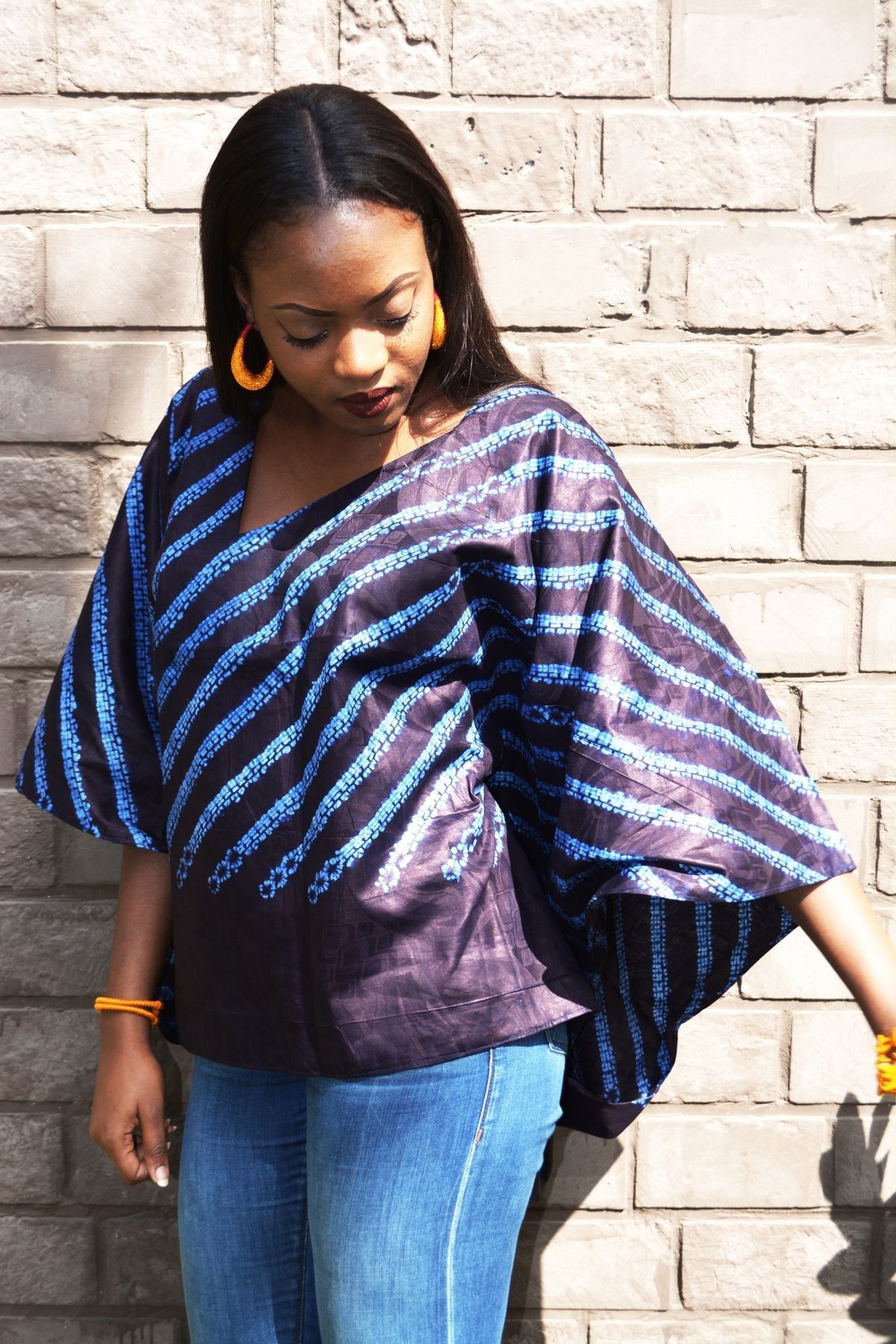
Fashion in Conakry serves as a vital language of self-definition for Guinean youth. In a capital defined by rapid urbanisation and a large youth population, young people deliberately incorporate Léppi and bazin riche into everyday wear.
These choices represent a clear statement of cultural pride and continuity. They go beyond aesthetics to anchor identity amid education, work, and economic pressures. This practice gains special meaning in Conakry’s diverse environment.
Fulani, Malinké, Soussou and other groups live side by side. Reformed traditional garments allow young people to affirm their roots while building a shared urban identity.
They maintain values of modesty and community belonging even while engaging global influences. Most importantly, these expressions reveal deep resilience. Local tailoring traditions foster creativity and self-reliance despite limited resources.
They support small economies and counter reliance on imported fast fashion. Guinea’s street style and urban fashion in Conakry serve as active forms of cultural resistance and innovation. Through modern Guinean clothing, youth carry meaningful threads from the past into the present.
Also Read:
- Traditional Clothing in Guinea: A Blend of Culture and Identity
- The Future of Fashion in Sierra Leone: Creativity, Culture, and Growth
- Street Style in Bamako: Where Tradition Meets Modern Expression
What’s The Influence of Conakry Youth on the Broader Stage
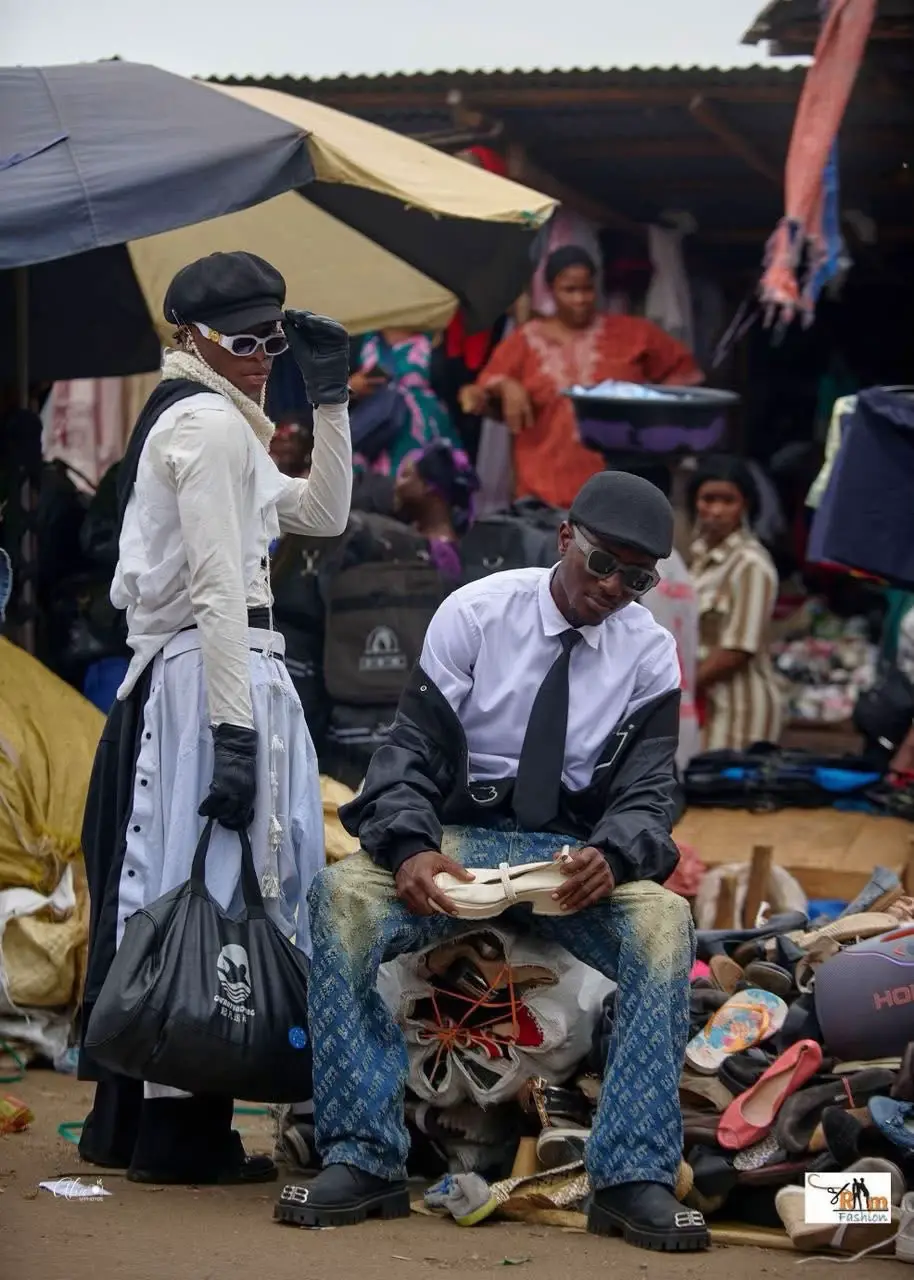
Young Guineans are extending their creative expressions far beyond national borders. Through social media platforms, they share daily looks that combine Léppi, Bazin Riche, and updated traditional silhouettes with contemporary pieces.
These images present Guinean youth fashion as both locally grounded and globally relevant. This draws interest from the African diaspora and international observers.
Many young people maintain strong ties with family abroad. This connection allows ideas to flow in both directions. On the other hand, diaspora Guineans often seek authentic styles from Conakry, while youth in the capital draw inspiration from global trends without losing their cultural core.
Also, local designers and tailors play a key role by creating modern Guinean clothing that travels well and speaks to wider audiences. Aside from the clothing youths wear, events such as Guinée Fashion Fest provide platforms for Conakry’s street style to gain visibility.
These gatherings showcase how young creatives fuse heritage with innovation. This positions urban fashion in Conakry within larger conversations about African design. Rather than copying external trends, Guinean youth demonstrate that authentic cultural expression can influence global fashion narratives.
This outward movement strengthens pride at home. It shows that Guinea street style offers something distinctive. In choosing these looks, young people participate in a wider reclamation of African urban identity on their own terms.
Omiren Argument
The common assumption is that street fashion in Conakry represents Guinean youth abandoning tradition in favour of global Western styles. In reality, the opposite is happening.
Amid rapid urbanisation and a massive youth population, young Guineans are deliberately reviving Léppi, bazin riche and traditional silhouettes, updating them for city life rather than discarding them. This is not superficial fusion. It is a conscious act of cultural reinforcement.
By choosing heritage fabrics for everyday wear, Conakry’s youth disrupt the tired narrative that African urban style equals cultural loss. They prove that authentic identity can thrive in modern contexts.
What they wear signals that Guinean fashion is not waiting for external validation. It is quietly asserting its own continuity and relevance on the continent’s terms.
Frequently Asked Questions
- What is the meaning of streetwear in fashion?
Streetwear is a casual style that originated in the 1990s. It mixes hip-hop, skate, surf, and urban elements into comfortable clothes like hoodies, graphic tees, and sneakers.
- What is the difference between urban wear and streetwear?
Urban wear draws on inner-city hip-hop culture, featuring bold, practical designs. Streetwear is broader, focusing on skate, hype, and global youth trends with limited drops and collaborations.
- What are the four types of streetwear?
Common types include minimalist, high-fashion, sports-inspired, and classic styles. Others are skatewear, techwear, athleisure, and hypebeast.
- What are the different types of street fashion?
Street fashion includes hip-hop, skate, Japanese (like Harajuku), and vintage looks. It also features punk, sportswear mixes, minimalist fits, and high-end collaborations.
- What is the 3-3-3 rule in fashion?
The 3-3-3 rule means picking 3 tops, 3 bottoms, and 3 shoes. You mix them to create many outfits for better use of your wardrobe.