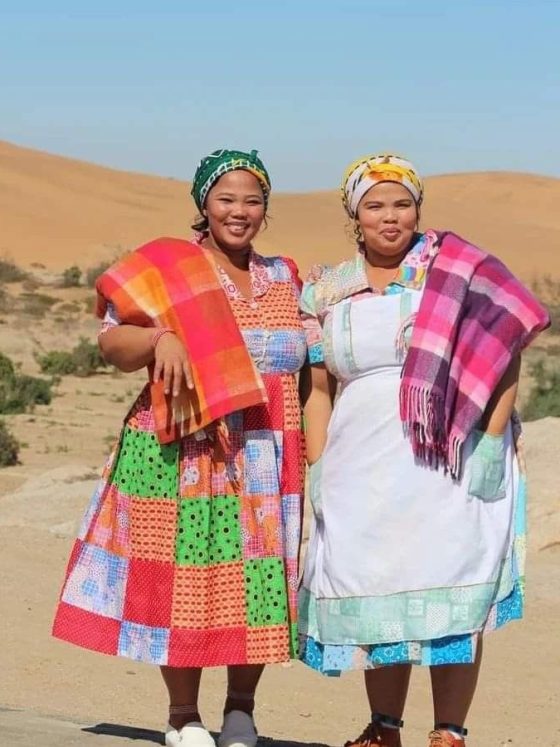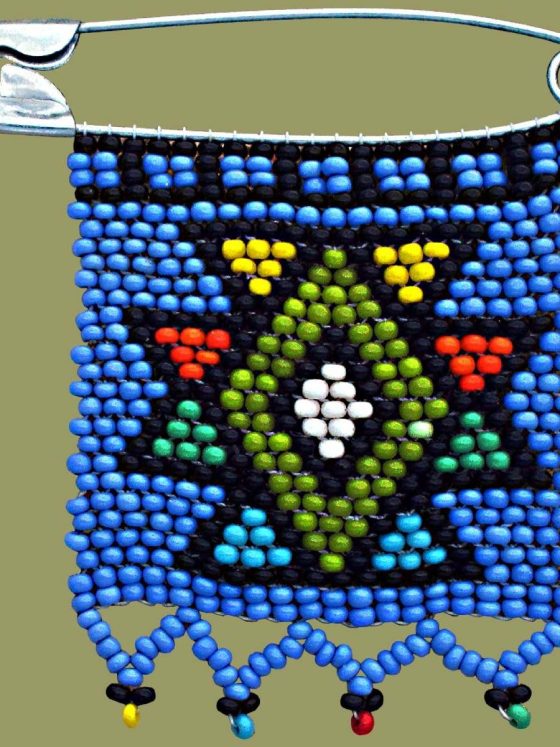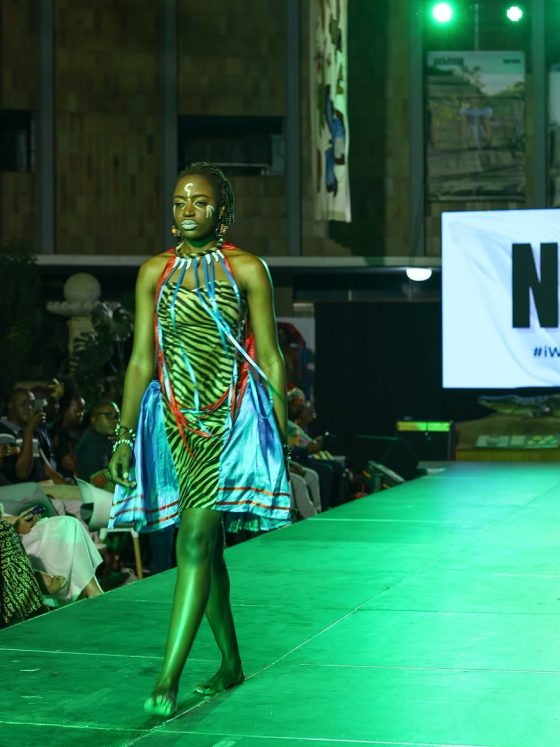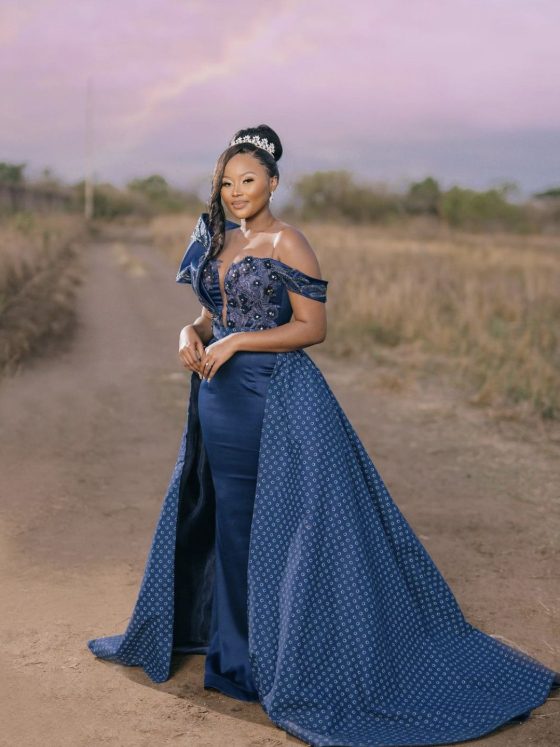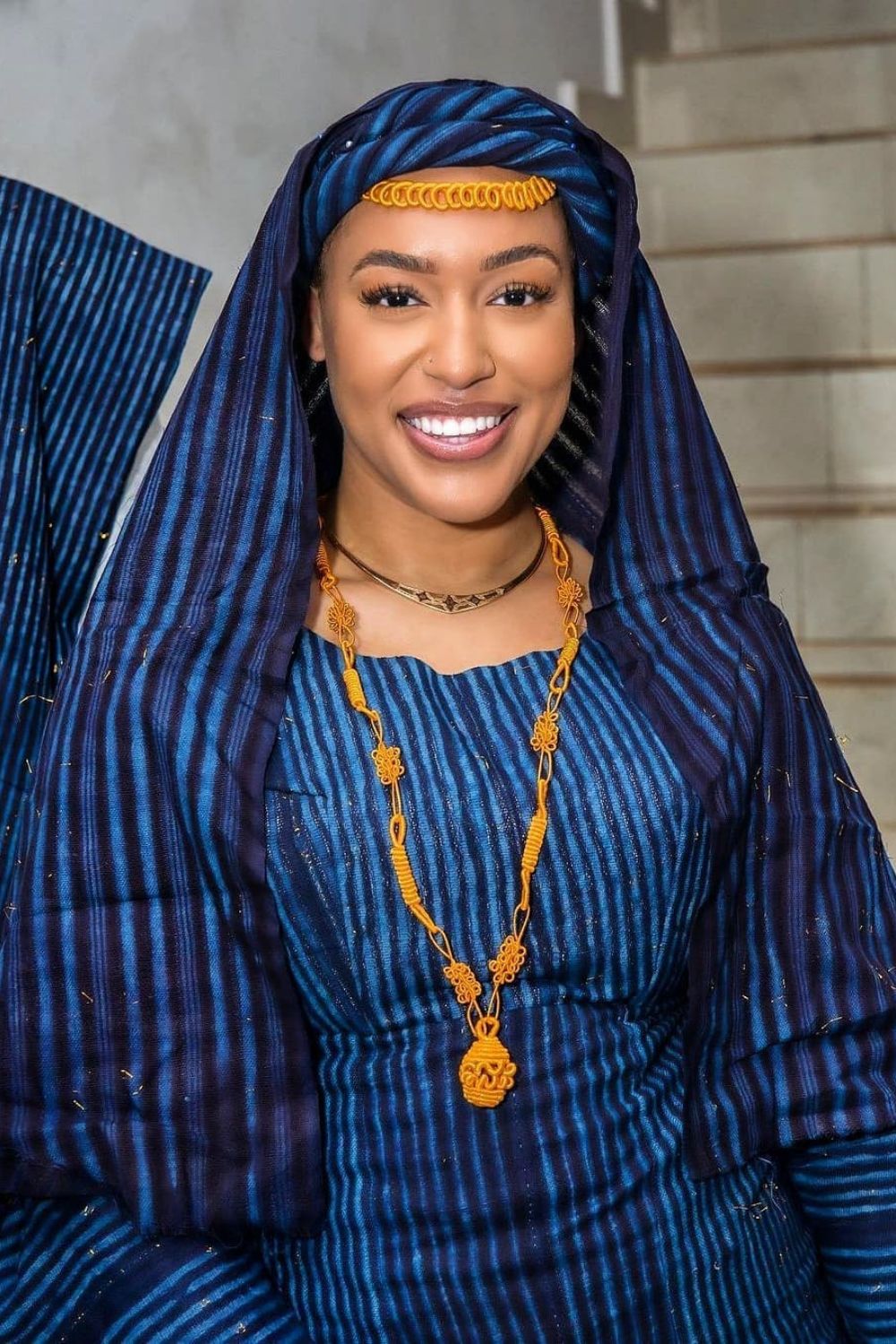
Traditional clothing in Guinea is a living language of identity, history, and quiet pride across one of West Africa’s most ethnically diverse nations.
Its roots stretch across the highlands of Fouta Djallon and the coastal plains. Here, Fulani, Malinké, Soussou, and other communities developed distinct dress traditions shaped by trade routes, Islamic scholarship, and pre-colonial empires.
These traditions were never static. Over time, clothing became part of how people marked status, occasion, and belonging, with fabrics and styles evolving alongside social and religious life.
This article explores how that history continues to shape Guinean dress today, from everyday garments to ethnic styles that still define cultural identity.
Traditional clothing in Guinea reflects centuries of cultural heritage and ethnic diversity. Discover its history and enduring role in cultural identity today.
What Is the History of Guinea Cloth?
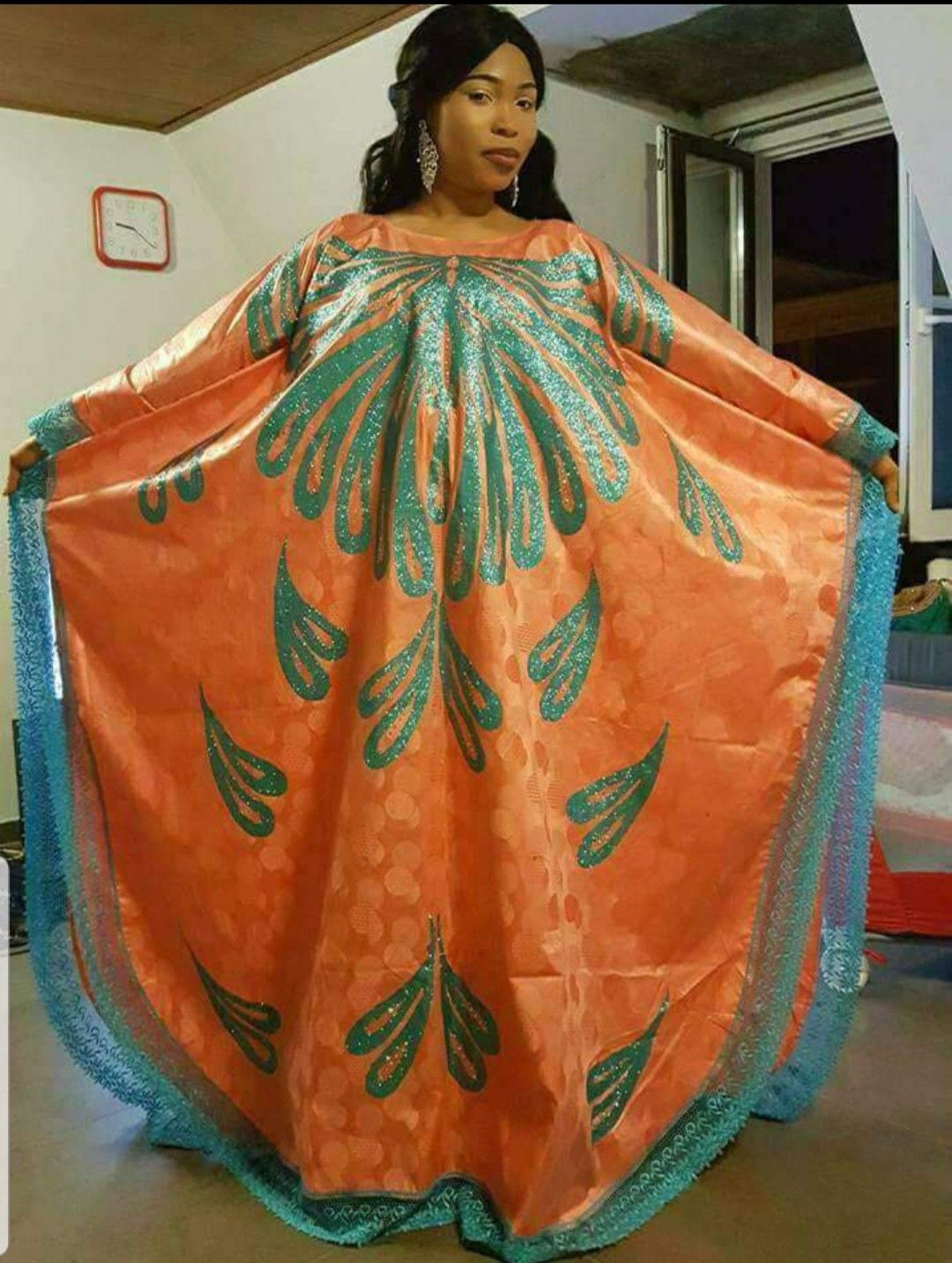
Traditional clothing in Guinea developed through long processes of local production, religious influence, and regional exchange.
Early textile systems were built around handspun cotton, strip weaving, and natural dye techniques, especially indigo, which became a defining feature of dress in many inland areas.
These materials were shaped into garments that balanced practicality with social meaning, especially in communities where clothing signalled rank, occupation, and cultural belonging.
The spread of Islam from the 11th century onwards influenced clothing styles in many parts of Guinea, particularly in the Fouta Djallon region. Loose, flowing garments became more common. This reflected values of modesty and respectability within Islamic life.
At the same time, older textile practices like natural dyeing, strip weaving, etc didn’t disappear. Instead, they adapted, blending local weaving traditions with new cultural expectations.
In Mandé-influenced areas, clothing also carried symbolic meaning tied to authority structures and oral tradition. For instance, embroidery, dye patterns, and garment structure often indicated social position or family lineage.
During the colonial period, imported fabrics and European tailoring methods entered local dress systems. This created new combinations rather than replacing existing ones. After independence, traditional clothing became more visible in public ceremonies and national representation.
Today, these historical layers remain visible in how clothing is produced and worn. This shows continuity between older textile knowledge and present-day expression.
What Do Men and Women Traditionally Wear in Guinea?
Guinean traditional clothing is known for its loose, flowing silhouettes that offer comfort in the warm climate while carrying deep cultural weight. Across the country, these garments reflect shared values of modesty, dignity, and social harmony shaped by Islamic traditions and local customs.
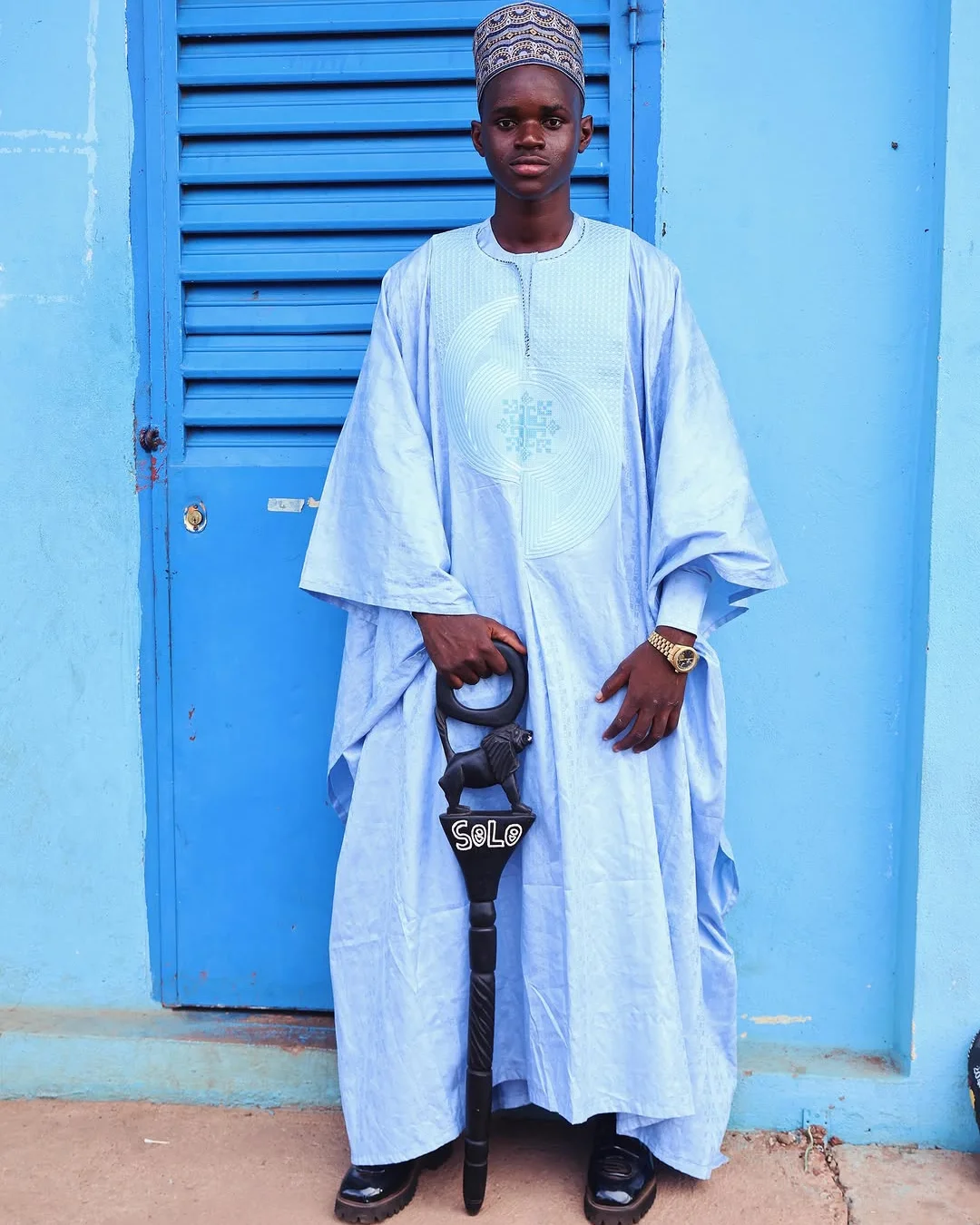
Men commonly wear the grand Guinea boubou, a wide-sleeved, ankle-length robe worn over a simple shirt and trousers. Made from cotton, rich bazin damask, or embroidered fabrics, the boubou varies in elaboration depending on the occasion.
Everyday versions are simpler and practical for movement, while ceremonial ones feature detailed embroidery around the neckline and sleeves. A matching cap or hat often completes the outfit.
Women traditionally dress in elegant floor-length robes or long dresses, typically paired with a pagne, a rectangular wrapper cloth tied or draped around the waist. A coordinated head tie, often elaborate and sculptural, frames the look and adds grace.
In both men’s and women’s wear, the clothing communicates belonging and respect. The garments were never merely coverings. They formed part of a visual language that conveyed status, occasion, and shared identity.
Today, these styles remain central to daily life in Conakry and across Guinea’s regions. Younger generations adapt them with modern tailoring, while preserving the core elegance and meaning. Traditional dress in Guinea continues to serve as a quiet expression of cultural continuity in a changing world.
How Does Traditional Clothing Vary by Ethnic Groups in Guinea?
Traditional clothing in Guinea shines brightest when you look closer at its ethnic variations. Each group has developed distinct styles that reflect their history, environment, and values.
These differences have long helped people recognise one another and celebrate their unique place within the nation’s cultural mosaic.
Among the Fulani (Peul) of the Fouta Djallon highlands, Leppi fabric stands out as a treasured symbol of identity. This handwoven indigo textile, often featuring fine stripes or geometric patterns, is crafted into gowns, wraps, robes, and headscarves.
Guinea Fulani clothing is worn especially during weddings, naming ceremonies, and festivals. Leppi represents prestige, heritage, and cultural pride. It recently gained protected heritage status to safeguard the artisanal weaving tradition and protect it from counterfeits.
The Malinké (Mandinka) bring forward influences from the ancient Mali Empire. Their styles often feature embroidered tunics for men and distinctive women’s robes paired with elaborate headwraps. Tie-dyed fabrics and intricate patterns play an important role, closely tied to griot traditions where cloth helps tell stories of lineage, wisdom, and social standing.
For the Soussou (Susu) along the coast, traditional dress in Guinea tends toward colourful wrappers (pagnes), embroidered blouses or tops, and flowing garments. These garments show coastal influences and practical adaptations to the warmer, humid environment. Vibrant tie-dye pieces and layered looks are common, blending comfort with elegance.
Historically, these ethnic variations in Guinean traditional clothing helped mark belonging, status, and regional knowledge. Today, they continue to strengthen identity while allowing Guineans to share and appreciate one another’s heritage in a unified yet diverse nation.
Also Read:
- Traditional Clothing in Mali: The Cultural Significance of Boubou and Bogolan
- Traditional Clothing in Senegal: The Elegance of Boubou and Cultural Identity
- Traditional Fashion in Côte d’Ivoire: Culture, Colour, and Identity
How Is Traditional Clothing in Guinea Evolving in Modern Times?
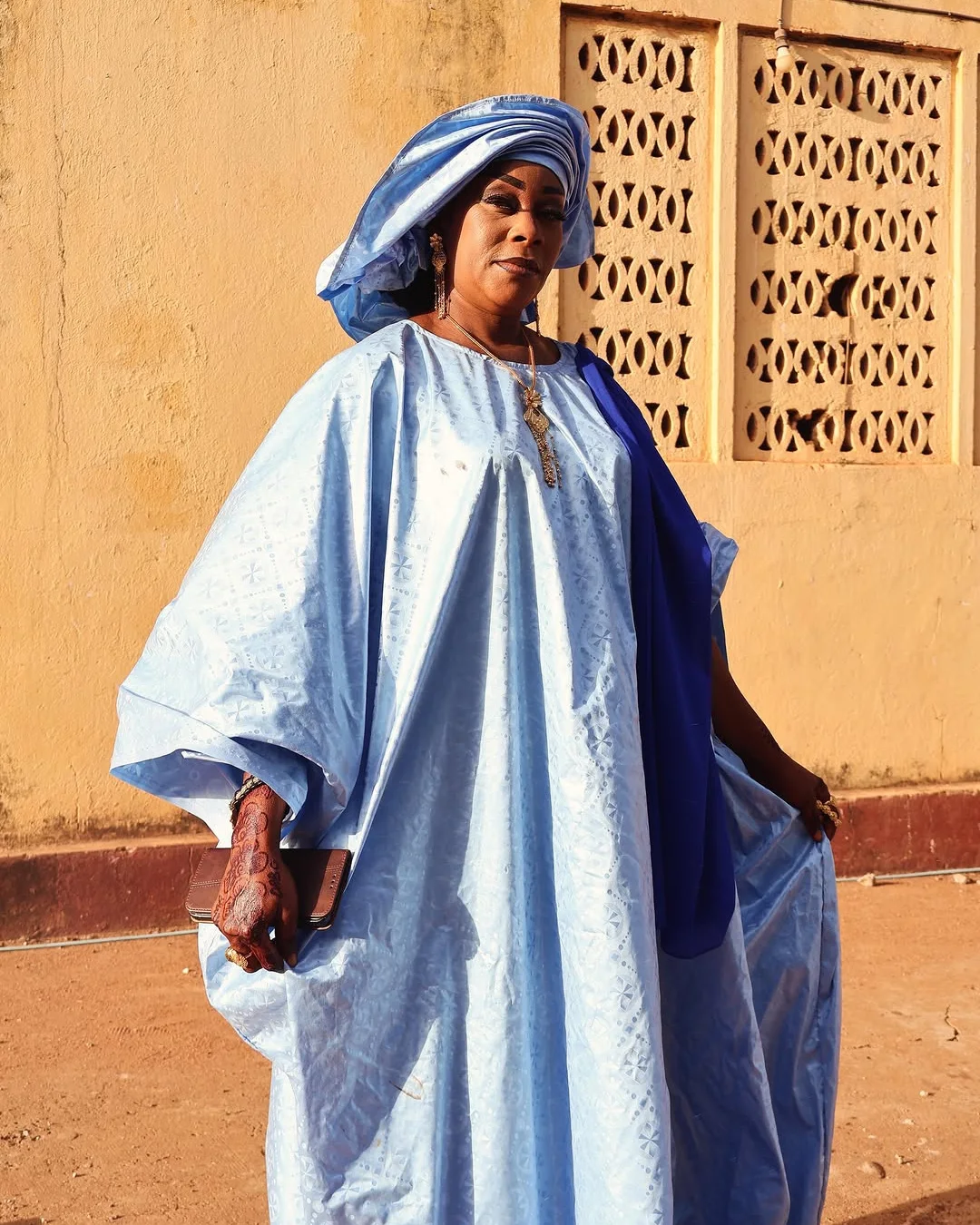
Guinean traditional clothing continues to thrive by adapting to new realities while staying rooted in its core values. Young Guineans, especially in urban centres and across the diaspora, are reclaiming these garments with fresh energy.
They wear them with pride at cultural events, on social media, and even in creative everyday combinations that speak to both heritage and personal style.
Designers and creatives are blending classic elements like the grand boubou with contemporary cuts, tailored fits, and global fashion trends. You now see traditional silhouettes on international runways, in music videos, and at high-profile celebrations.
This fusion keeps the garments relevant for a generation navigating modern life without abandoning their identity.
The artisan economy plays a vital role in this evolution. Weavers and tailors producing Leppi fabric and other handcrafted textiles are gaining more recognition. They’re supported by efforts to protect these traditions from counterfeits and mass-produced imitations.
Also, initiatives to preserve techniques and support local makers help ensure cultural continuity for future generations.
From the Omiren perspective, this revival feels like a quiet form of resistance to cultural erasure. In a world that often pushes toward uniformity, choosing Guinean traditional clothing becomes a meaningful act.
It affirms belonging, honours the past, and carries dignity forward.
The Omiren Argument
Traditional clothing in Guinea stands as a powerful reply to a world rushing toward sameness. While fast fashion and global trends push everyone into identical moulds, Guineans continue to wear garments that carry real weight.
From the ethnic foundations laid in pre-colonial times through Islamic influences and the resilience shown after independence, these clothes have always marked status, spirituality, and belonging. They still do.
We at Omiren argue that Guinean traditional clothing isn’t fading into the past. It actively contests the erasure happening around us. Young people and those in the diaspora aren’t simply borrowing old styles. They are choosing them deliberately to affirm who they are.
Artisans preserving techniques such as Leppi weaving fight against counterfeits and cultural dilution. Every grand boubou worn with pride and every thoughtfully tied wrapper pushes back against the idea that heritage must be sacrificed for modernity.
This is the living strength of traditional clothing in Guinea. It refuses to become a costume or a trend. It remains a daily declaration that dignity and rooted identity matter more than convenience or conformity.
Frequently Asked Questions
- How does clothing represent cultural identity?
Clothing reflects cultural identity by showing a person’s connection to a particular community, heritage, or tradition. Through specific fabrics, colours, patterns, and styles, people communicate values, social roles, and cultural belonging across generations.
- What do people in Guinea wear?
People in Guinea wear a mix of traditional and modern clothing depending on the occasion and location. Traditional garments such as flowing boubous, wrappers, long dresses, and head ties remain common during ceremonies, religious events, and celebrations, while everyday urban life often features contemporary fashion.
- What are some traditions in Guinea?
Many Guinean traditions centre on family, community, and respect for elders. Cultural practices include storytelling, music and dance performances, religious celebrations, naming ceremonies, weddings, and communal gatherings that strengthen social bonds.
- What is the history of Guinea cloth?
The term “Guinea cloth” historically referred to cotton textiles associated with the Guinea coast of West Africa. These fabrics became important trade goods in regional and international commerce, helping connect West African markets with traders from Europe and other parts of the world.
- What is the origin of cloth?
Cloth originated thousands of years ago when early societies learned how to transform natural fibres into woven textiles. Before the development of woven fabrics, humans relied on animal skins and plant materials for covering and protection, gradually advancing textile-making techniques over time.