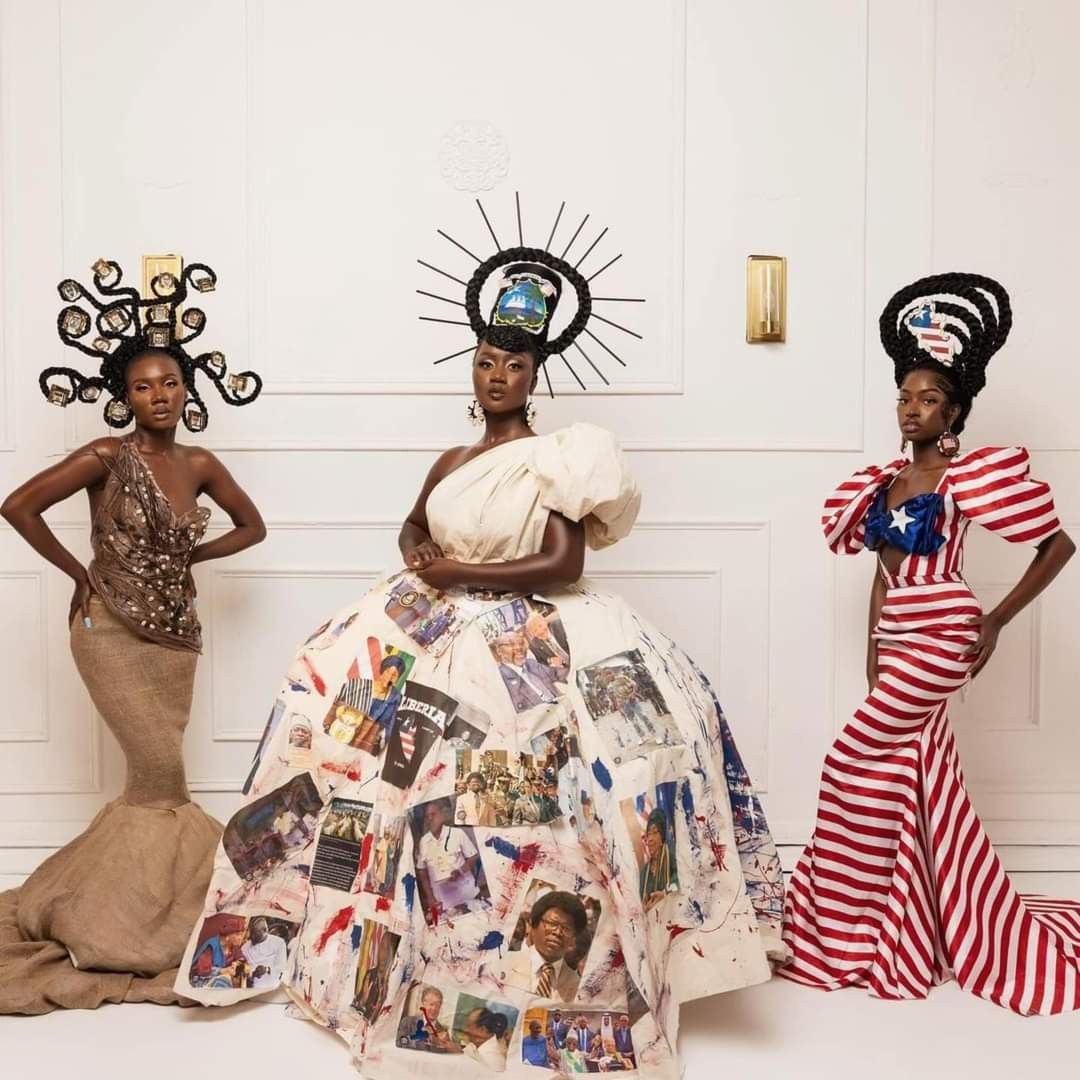
Imitation of international fashion systems will not be the only factor influencing Liberian fashion in the future. The extent to which Liberian creatives can translate cultural identity, digital visibility, heritage tailoring, diaspora relationships, and entrepreneurial innovation into a sustainable local industry will determine the outcome. The groundwork for that future is already present in Liberian fashion. The question is whether the nation can develop the infrastructure necessary to foster its current level of creativity.
Liberia holds a complex place in modern African fashion, so that discussion is important. Despite having a deep cultural history, a globally connected diaspora, a strong tailoring culture, and highly adaptive youth creativity, the nation’s fashion industry still receives little institutional support when compared to larger African fashion economies. Despite inconsistent manufacturing systems, a lack of investment structures, and low international visibility, many Liberian creatives continue to produce influential work.
However, a limited analysis of Liberia’s fashion future is insufficient. Digital entrepreneurship, diaspora collaboration, social media visibility, independent tailoring systems, and urban youth culture centred mostly around Monrovia are all contributing to the evolution of the nation’s creative industries. Instead of waiting for traditional fashion gatekeepers to approve their work, young designers are increasingly building brands through local fashion communities, cultural identity, and online storytelling.
Diaspora ties continue to have a significant influence on Liberian fashion. Networks of creative exchange that shaped aesthetics, production systems, business models, and fashion visibility were established through years of migration among Liberia, the United States, Ghana, Nigeria, and Europe. Through storytelling, cooperative projects, and Afrocentric design identity, Liberian designers throughout the diaspora frequently preserve close cultural ties with the nation.
However, visibility alone won’t be enough to determine the future of Liberia’s fashion industry. Stronger local production systems, fashion education, textile investment, creative infrastructure, media documentation, and institutional support are all necessary to turn individual talent into long-term industry development and achieve sustainable growth.
Thus, Liberia’s fashion future lies at the nexus of economic strategy, digital innovation, entrepreneurship, and culture.
The future of fashion in Liberia depends on diaspora investment, cultural confidence, local production, and creative innovation shaping modern African fashion.
Diaspora Influence Will Continue Reshaping Liberian Fashion
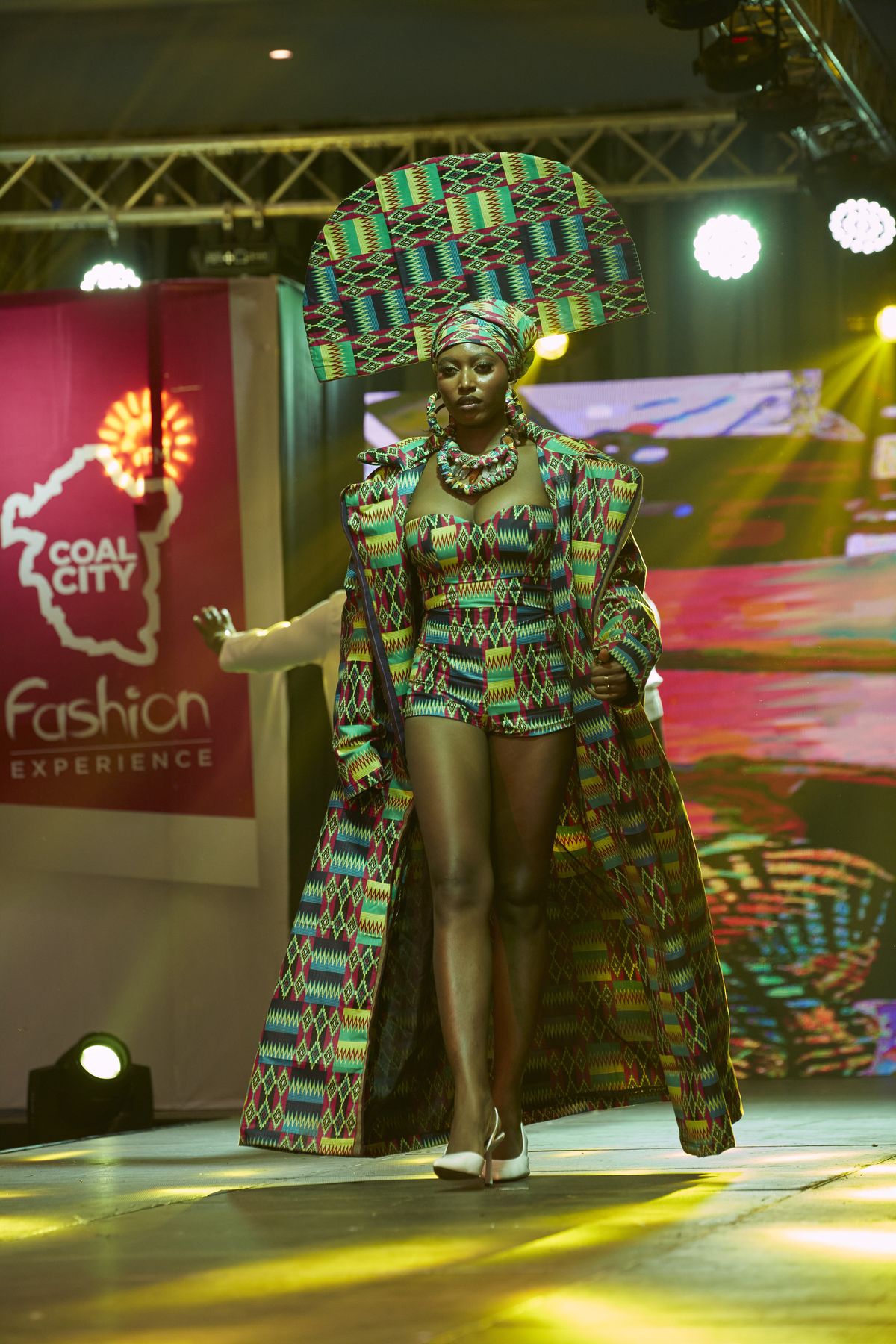
Since migration has already changed how Liberian identity is expressed culturally, artistically, and commercially across generations, diaspora relationships will continue to be one of the most significant factors influencing the future of fashion in Liberia.
Liberians at home and communities abroad, especially in the United States and other parts of West Africa, have strong cultural ties thanks to Liberia’s history of migration. Through design aesthetics, business networks, digital storytelling, music culture, and modern Afro-diasporic identity, these connections continue to impact fashion.
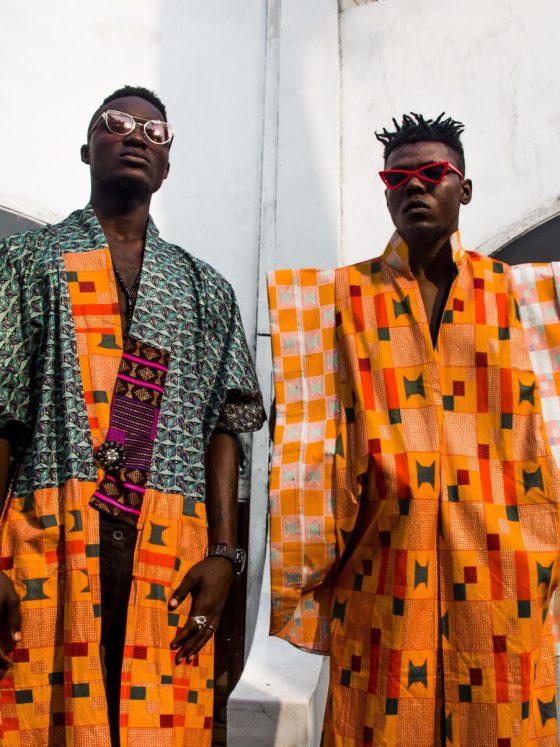
Through photography, modelling, styling, creative direction, fashion entrepreneurship, and social media influence, many Liberian creatives currently residing overseas contribute to Liberia’s fashion visibility. While working in international fashion spaces, diaspora designers often refer to Liberian heritage through Afrocentric aesthetics, cultural storytelling, and tailoring details.
Younger Liberians now have a different understanding of style as a result of this exchange. Without treating any of those influences as mutually exclusive, Liberian fashion increasingly reflects the movement between local tailoring culture, international streetwear, luxury aesthetics, music influence, and diaspora creativity.
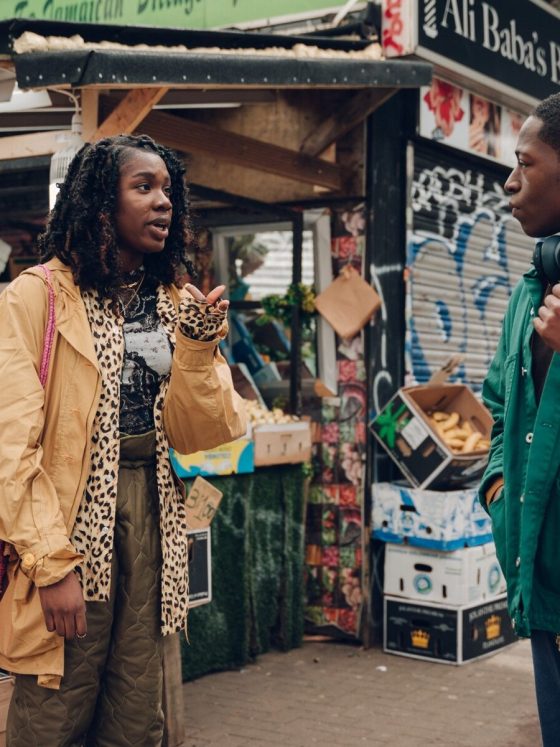
In a similar vein, our investigation of Monrovia’s modern fashion culture demonstrated how the country’s youth fashion already reflects highly globalised visual influences filtered through social experiences unique to Liberia.
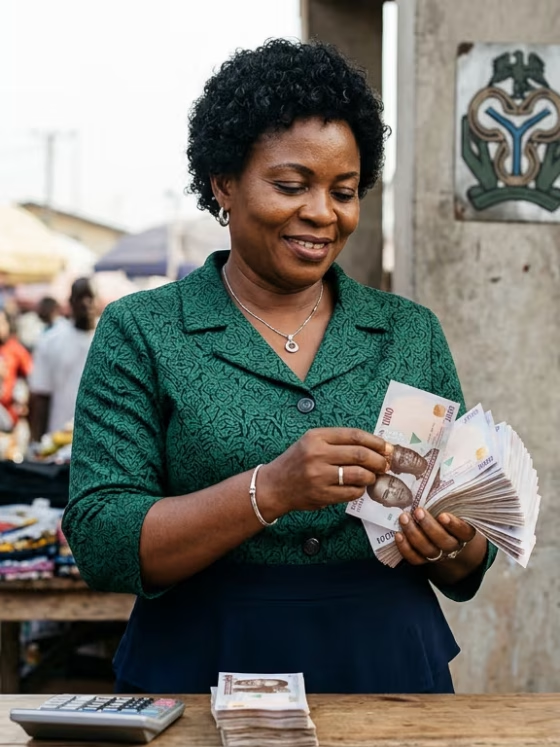
The nation’s future fashion industry may also be significantly impacted economically by diaspora investment. Diaspora capital, collaborative production, international networking, and mentorship have all contributed to the growth of numerous African creative industries. Liberia has comparable potential if more robust systems are established to link local artists with investors and professionals from the diaspora.
However, Liberia’s fashion future cannot be sustained by diaspora influence alone. Local infrastructure, production systems, media ecosystems, and educational opportunities created within the nation itself make fashion industries resilient. Only when local industries receive structural support does diaspora visibility become significant.
African companies like Tongoro and Daily Paper show how diaspora ties continue to influence contemporary African fashion worldwide while maintaining ties to African identity and cultural authorship.
Therefore, Liberia’s ability to turn diaspora connections into long-term creative infrastructure rather than fleeting visibility will play a role in the country’s fashion future.
Fashion Innovation in Liberia Will Depend on Local Creative Infrastructure
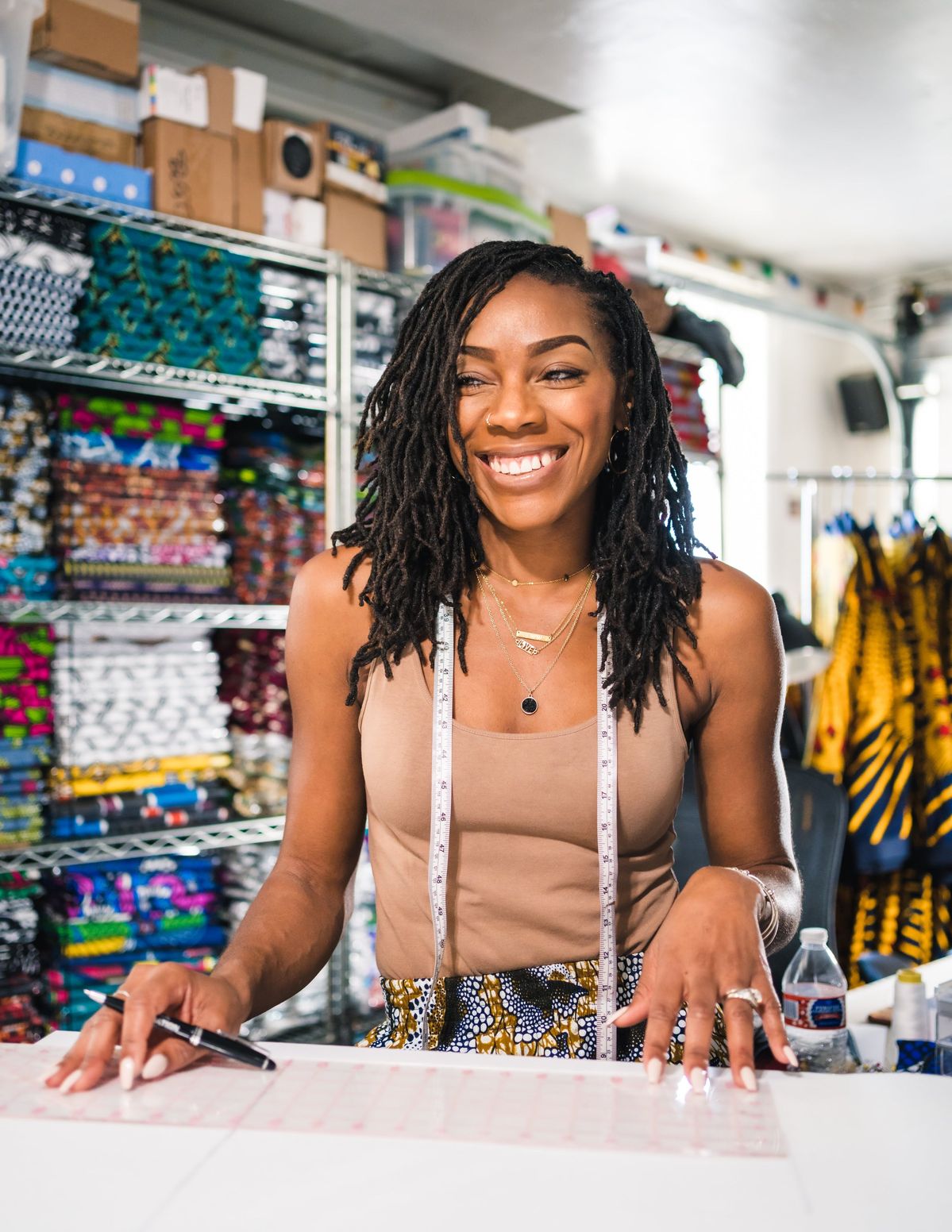
The development of a more robust creative infrastructure that can support designers beyond survival-based entrepreneurship will be crucial to the future of Liberia’s fashion industry.
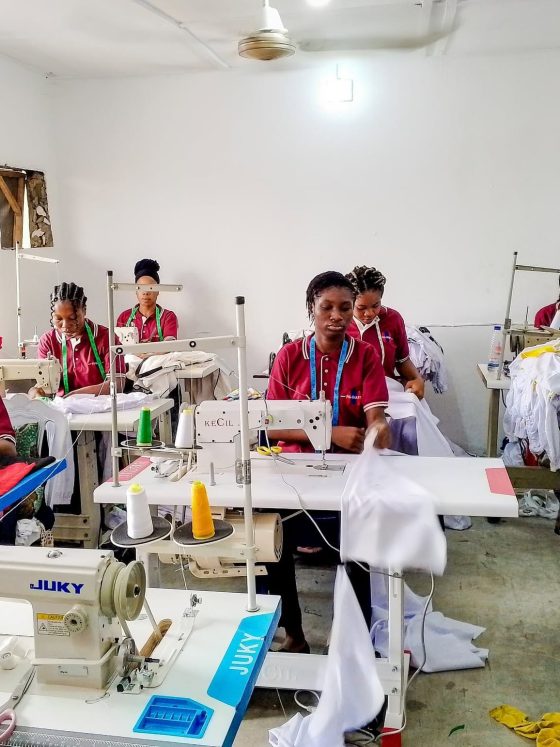
Due to the lack of institutional support for fashion, many Liberian designers currently operate through independent tailoring, small workshops, custom commissions, and digital self-promotion. In addition to maintaining commercial sustainability, designers often oversee production, branding, photography, marketing, and distribution themselves.
Although this entrepreneurial flexibility shows creativity, it also highlights structural flaws. The fashion industry struggles to grow beyond individual success stories and into long-term national creative economies without more robust infrastructure.
The ability of up-and-coming designers to establish long-term companies that can expand both locally and globally is influenced by several factors, including fashion schools, textile development programs, creative funding systems, fashion media platforms, production facilities, and manufacturing investment.
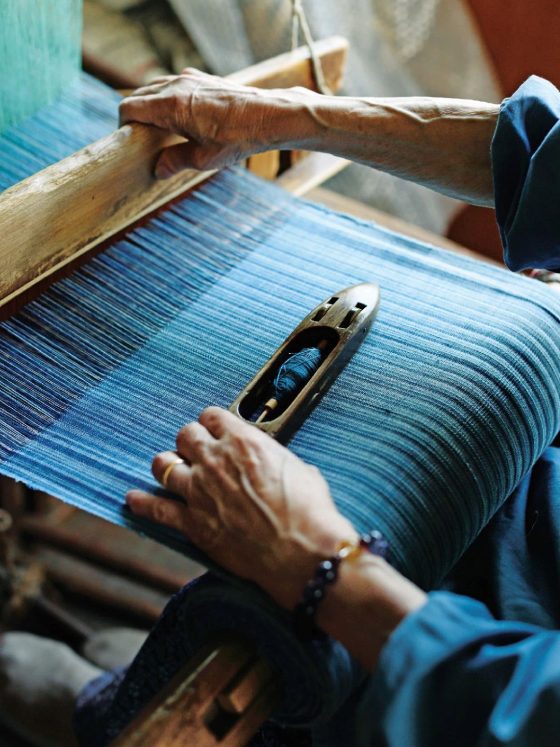
An essential basis for this development is already provided by the culture of tailoring. Because tailoring clearly conveys professionalism, celebration, elegance, and identity, custom-made apparel continues to have social value throughout Liberia. Before moving on to independent labels and fashion entrepreneurship, many modern designers come straight out of tailoring systems.
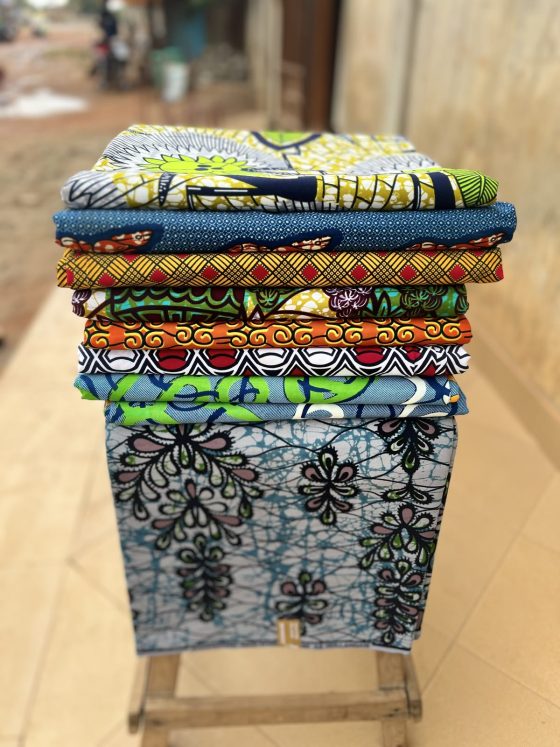
Our examination of Liberian textile traditions, in which clothing production has historically evolved through adaptation, craftsmanship, and informal economic systems rather than industrial manufacturing alone, also revealed a connection between tailoring and modern design.
Liberia’s fashion industry will continue to be greatly influenced by digital innovation. Through online branding, photography, and visual storytelling, Liberian creatives can already reach audiences directly through social media platforms, circumventing traditional fashion gatekeepers. Fashion is increasingly understood by young designers as digital image culture, in addition to clothing manufacturing.
Therefore, despite structural disadvantages, technology could help smaller African fashion industries compete globally. Independent fashion media, digital campaigns, creative partnerships, and online retail systems all lessen dependence on established international fashion organisations.
Modern African fashion economies are increasingly shaped by digital visibility, branding, and cultural storytelling, as exemplified by African brands like Orange Culture and Ashluxe.
Therefore, Liberia’s fashion future depends not only on talent but also on whether innovation is structurally supported rather than improvised on an individual basis.
ALSO READ:
Cultural Confidence Will Define Liberia’s Fashion Future More Than Trends
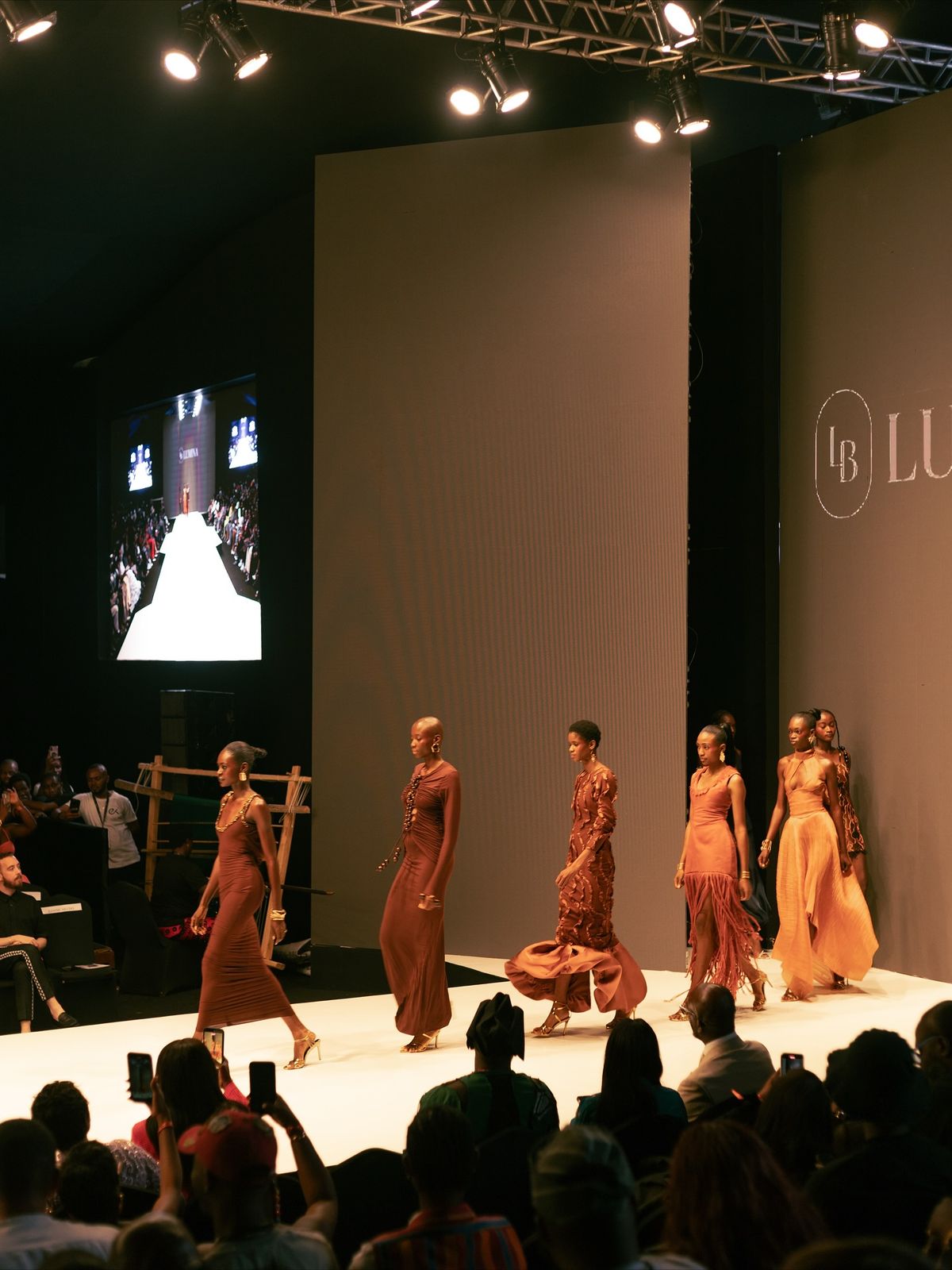
Long-term fashion in Liberia will rely more on cultural confidence rooted in Liberian identity than on copying trends.
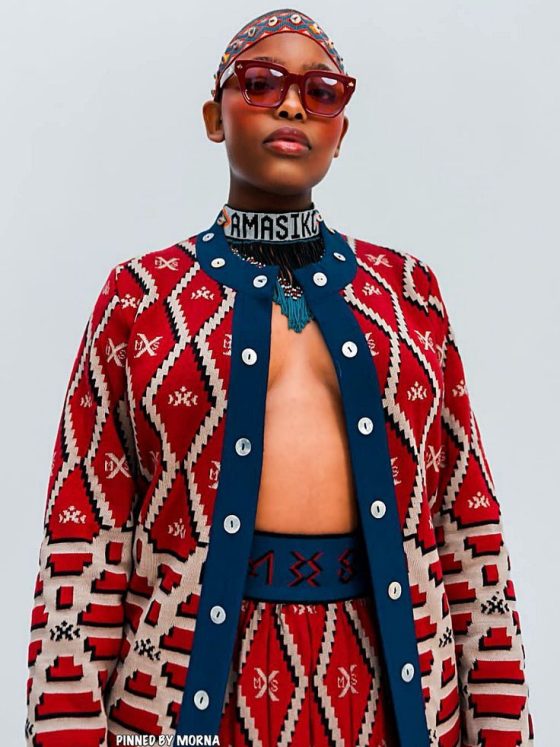
African fashion industries are shifting away from earlier models that relied heavily on proximity to Western fashion aesthetics for global validation. These days, local culture, urban experience, language, music, tailoring customs, and Afrocentric storytelling are used by younger African designers to create fashion identities without considering international approval as their main creative goal.
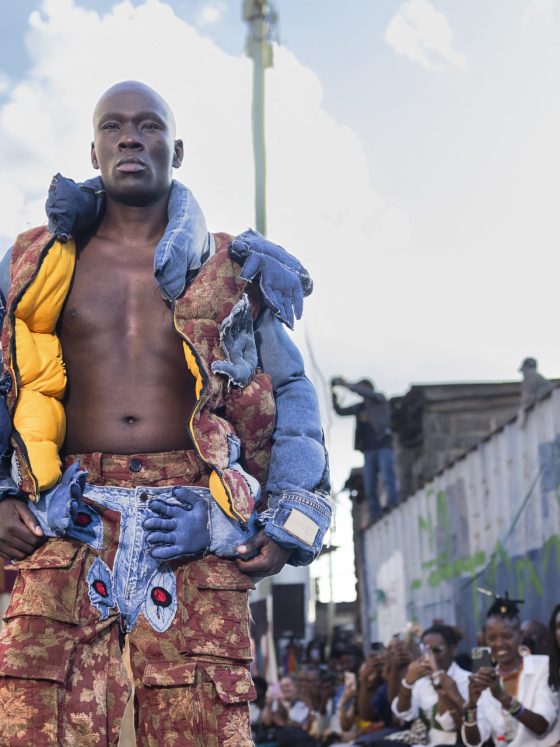
This change is already very evident in Liberian fashion. Monrovia’s urban youth culture blends sneakers, musical aesthetics, oversized silhouettes, diaspora influences, local tailoring practices, and second-hand fashion markets to create highly modern style identities uniquely shaped by Liberian social realities.
Designers are becoming more aware of the creative value of cultural specificity. Fashion based on real social experiences has a more distinctive identity than fashion based solely on following international trends.
This distinction is important because, historically, exoticism or cultural simplification, rather than complexity and modern relevance, have been used to frame African fashion internationally. Rejecting those frameworks completely will be essential to Liberia’s fashion industry in the future.
Long before international fashion systems sought to define African aesthetics from the outside, our investigation of Liberia’s ceremonial clothing traditions showed how dress has historically served as a form of social communication.
The next generation of Liberian designers is likely to pursue tailoring, streetwear, luxury fashion, conceptual design, sustainability, digital fashion culture, and Afro-diasporic identity concurrently. The future of modern African fashion is embodied in that flexibility.
Similar examples of how African fashion is increasingly positioning local identity as a source of global creative authority rather than a niche cultural category are brands like Boyedoe and Hanifa.
Therefore, Liberia’s current creative culture already encompasses the country’s fashion future. Whether or not institutions, investors, media outlets, and legislators value the work Liberian designers are already producing will determine the sector’s future.
The Omiren Argument
Foreign recognition won’t be the main factor determining the future of Liberia’s fashion industry; rather, it will depend on how well the country translates its current cultural inventiveness into a viable domestic sector.
Due to Afrocentric cultural identity, youth creativity, digital entrepreneurship, diaspora networks, and tailoring culture, Liberian fashion already has solid foundations. However, the industry still lacks a lot of the infrastructure needed to sustain long-term creative sustainability and large-scale growth.
Through social media visibility, custom tailoring, creative collaboration, and urban cultural innovation, Liberian designers continue to construct modern fashion systems independently of these structural constraints. Therefore, even though institutional support is still lacking, the industry’s future is already present in practice.
The analysis of African fashion futures is altered by this distinction. The future is not something that will materialise through international validation or foreign investment. It already manifests in regional creative systems, where photographers, stylists, designers, and business owners constantly influence contemporary African culture from within their own communities.
Therefore, whether Liberia decides to make structural investments in the creativity it already possesses will determine the future of the country’s fashion industry. The direction has already been established by entrepreneurial resilience, cultural confidence, digital innovation, and diaspora influence. Now, infrastructure needs to adapt to the culture.
Frequently Asked Questions (FAQs):
- What is the future of fashion in Liberia?
The future of fashion in Liberia will likely be shaped by diaspora collaboration, digital entrepreneurship, local tailoring culture, youth creativity, and stronger investment in creative infrastructure.
- How does the Liberian diaspora influence fashion?
The Liberian diaspora influences fashion through cultural exchange, design aesthetics, digital visibility, business investment, creative collaboration, and Afro-diasporic storytelling connected to Liberian identity.
- Why is tailoring important to Liberia’s fashion future?
Tailoring remains important because custom-made clothing carries strong social and cultural value across Liberia. Many contemporary designers emerge directly from tailoring systems and workshop culture.
- Can Liberia build a larger fashion industry?
Yes. Liberia already possesses strong creative talent and cultural identity. Long-term industry growth will depend on infrastructure such as production systems, fashion education, media support, and investment.
- How does youth culture affect fashion in Liberia?
Youth culture influences Liberian fashion through music, streetwear, nightlife aesthetics, digital creativity, second-hand fashion markets, and a contemporary urban identity largely shaped in Monrovia.
EXPLORE MORE
Through editorials centred on identity, craftsmanship, urban life, and cultural transformation, the Omiren Styles Editorial Team covers Afrocentric fashion, African creative industries, textile heritage, and contemporary design culture.
Visit Omiren Styles to learn more about Afrocentric creativity, urban culture, African fashion industries, and designers.