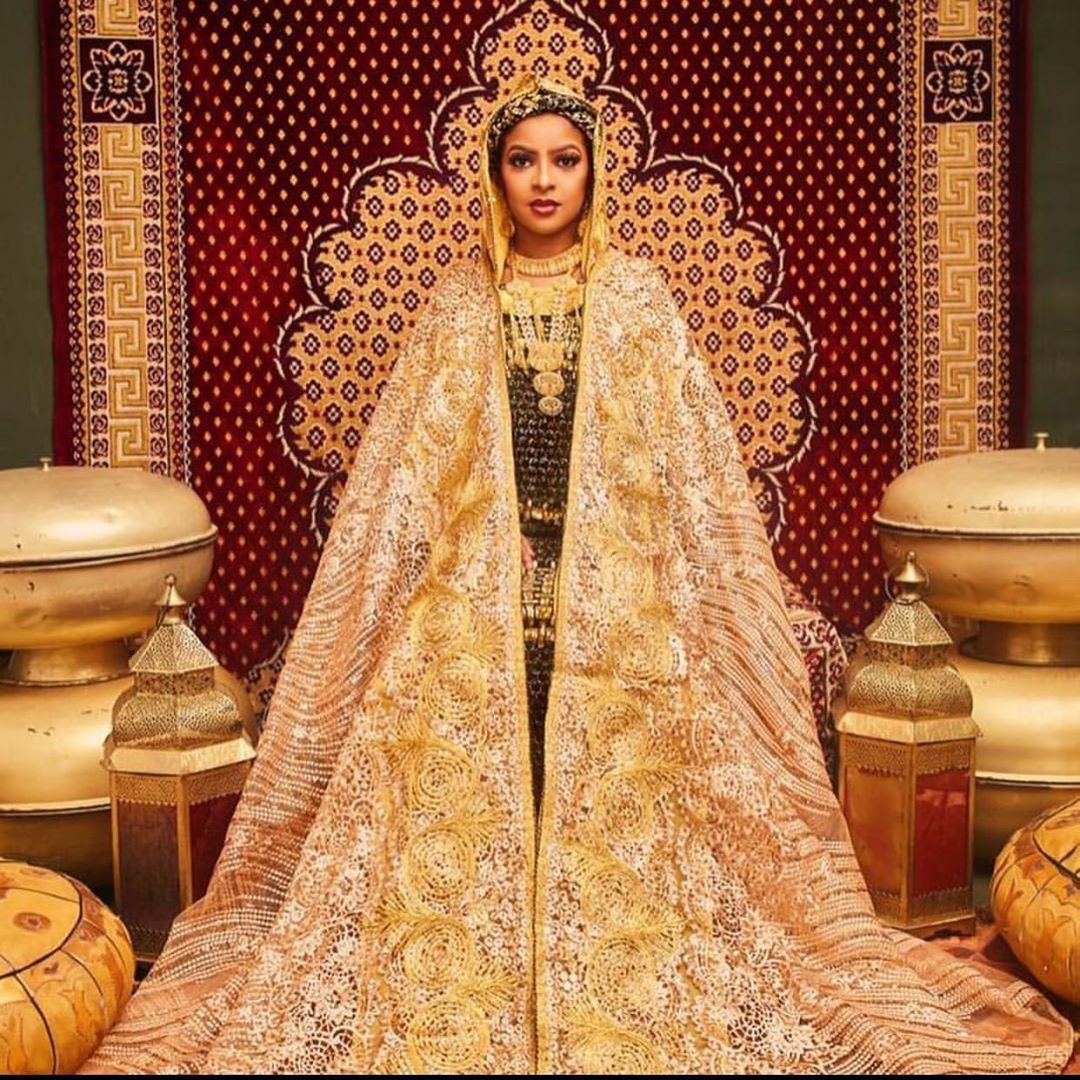
Fashion in Northern Nigeria is not just about identity; it’s a cultural heritage that preserves history and showcases culture. From Kano to Zaria and Sokoto to Maiduguri, every sketch, every design, tells a story. The soft rustle of Asaƙe fabric, the glint of embroidered Babban Riga, and the fluid grace of a flowing Abaya are no longer just echoes of heritage; they are statements of identity reimagined for a modern age.
Northern Nigerian fashion today tells a story that runs deeper than fabric and colour. It is a living dialogue between cultural heritage, traditions, and contemporary lifestyle, woven with threads that carry centuries of artistry and adaptation.
As a Northern fashion writer who grew up in extreme northern Nigeria, I will take you along in this article to explore how fashion in Northern Nigeria bridges the gap between old and new, preserving the essence of its history while embracing innovation. From the regal garments of ancient empires to the sleek creations of modern designers, I will tell you how our Northern fashion continues to evolve, without ever losing its soul.
Discover how Northern Nigerian fashion blends native traditions with modern styles, creating a unique cultural identity
The Roots of Northern Nigerian Fashion: A Journey of Centuries
A Tapestry of Cultures and Influences
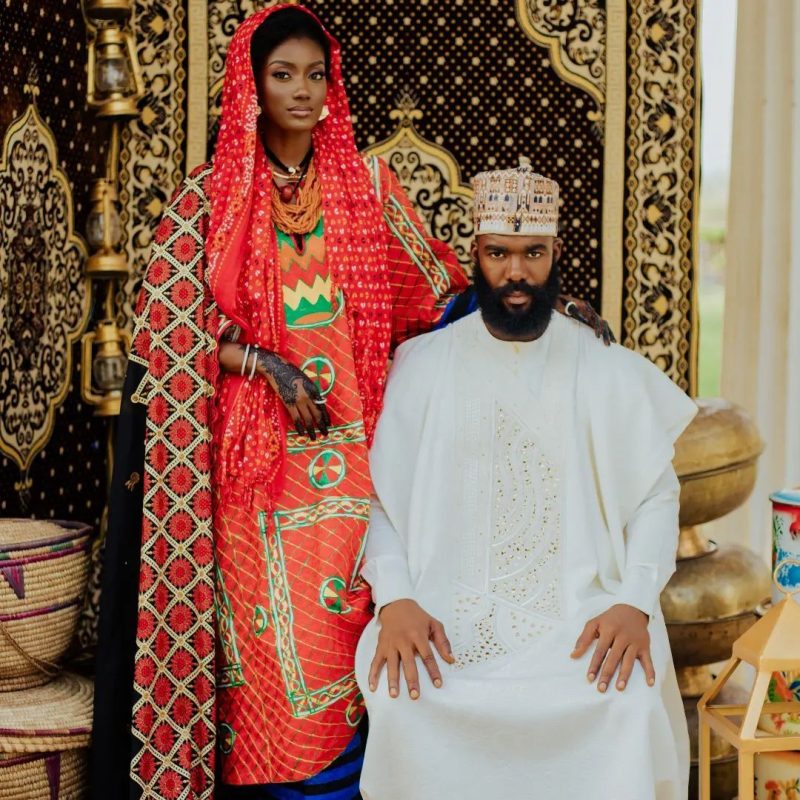
Northern Nigeria’s fashion heritage is a product of centuries of cultural exchange. The region has long been a hub of trade, migration, and cultural exchange, and has historically been home to the Hausa, Fulani, Kanuri, and Nupe peoples. Its textiles, designs, and dress patterns reflect a fusion of influences from Arabian, Saharan, and West African traditions.
The trans-Saharan trade routes brought in fabrics, dyes, and design techniques from North Africa, while indigenous weavers in towns like Zaria, Kano, and Sokoto refined the art of local textile production. One such fabric, the handwoven Zanna Bukar, remains a symbol of both craftsmanship and status.
From Royal Courts to Everyday Life
Historically, our clothes in the North were not merely for adornment; they were markers of rank, identity, and spirituality. Our royal families embroidered Babban, Riga, and Kaftan, while traders and scholars preferred lighter robes suited for the desert climate.
The Fulani people, known for their elegance, introduced soft, flowing garments and intricate jewellery made from beads and silver, which signifies their nomadic identity. In the Hausa tribe, tailors of the region developed embroidery patterns known as ‘saki‘ that continue to influence fashion today.
These garments were, and still are, living expressions of dignity, modesty, and cultural pride.
Symbolism and Spirituality in Traditional Attire
Clothing as Cultural Identity
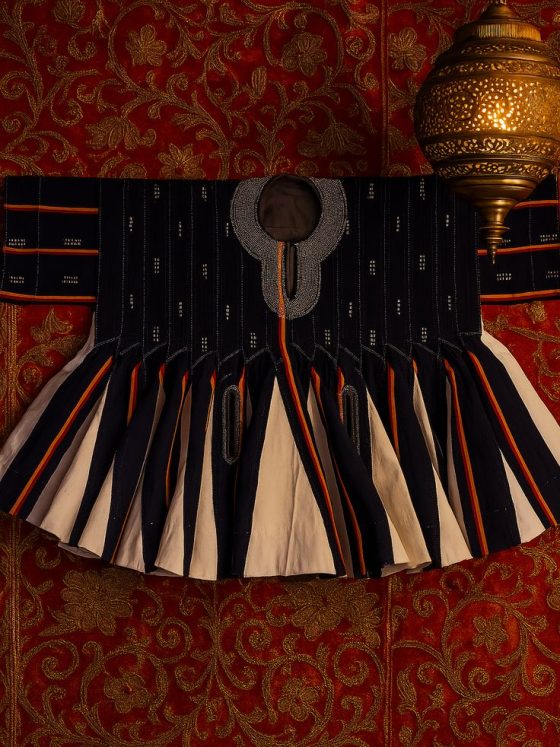
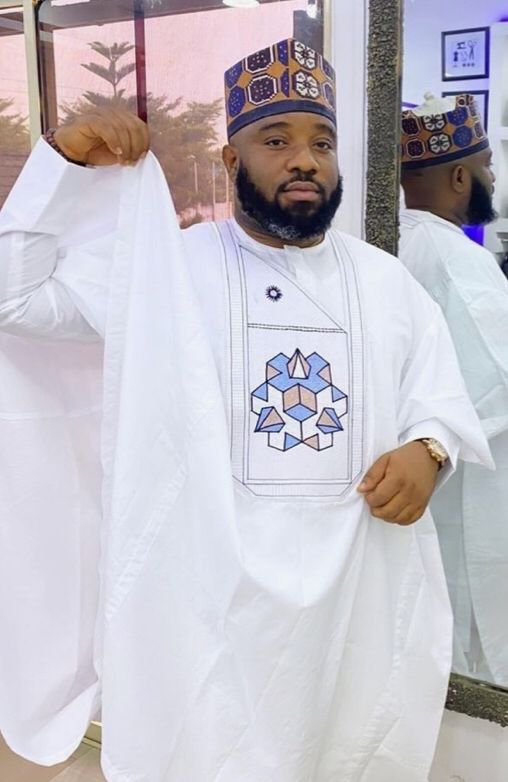
In Northern Nigeria, every cloth we wear tells a story about our ancestors. The Babban Riga, for example, is not just a gown; it symbolises authority and respect. The Hula cap, with its intricate woven designs, represents patience and precision.
For women, garments like the (Zani) wrapper or Abaya reflect elegance and modesty. Headscarves or hijabs complement many outfits, blending faith and fashion in seamless harmony.
Colours and Patterns: Carriers of Meaning
To us, colours are not just a garment; they are a symbol of cultural identity.
- White: represents purity and peace and is often worn during religious festivals.
- Blue, especially the indigo dyed in places like Kano’s ancient dye pits, signifies wealth and tradition.
- Gold and brown tones are reserved for weddings, symbolising prosperity and earthiness.
Each design, motif, or colour combination preserves a fragment of history, passed down through generations of artisans.
The Modern Revival: How Designers are Redefining Tradition
Emerging Designers and Urban Influence
In cities like Abuja, Kano, and Kaduna, a new generation of designers is giving traditional fashion a contemporary twist. Brands such as Wambal, FMK Duniya CE, zafas clothing and several Arewa-based fashion houses are reimagining heritage through modern tailoring and sustainable design.
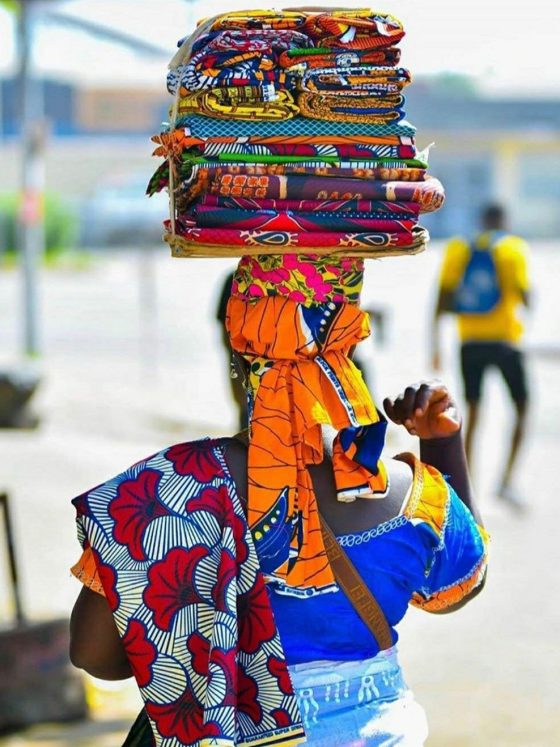
These creators blend cultural heritage with urban aesthetics, producing collections that appeal to both local and global audiences. A kaftan might now come in minimalist cuts, while Ankara fabrics are being paired with handwoven (saƙe) to create bold new statements.
Social Media and Global Appeal
Platforms like Instagram and TikTok have become powerful stages for this movement. Northern designers showcase their work to the world, often using storytelling to explain the meaning behind each pattern or stitch.
Fashion influencers from Northern Nigeria have also played a role in promoting modest yet stylish looks, merging faith-based fashion with global trends.
A brand like FMK Duniya Ce is known first for its presence on social media, from TikTok to Instagram and Facebook.
This digital renaissance has positioned Northern Nigerian fashion not as a relic of the past but as a voice in the global dialogue on identity and creativity.
The Role of Festivals, Weddings, and Ceremonies
Fashion in Celebration and Identity
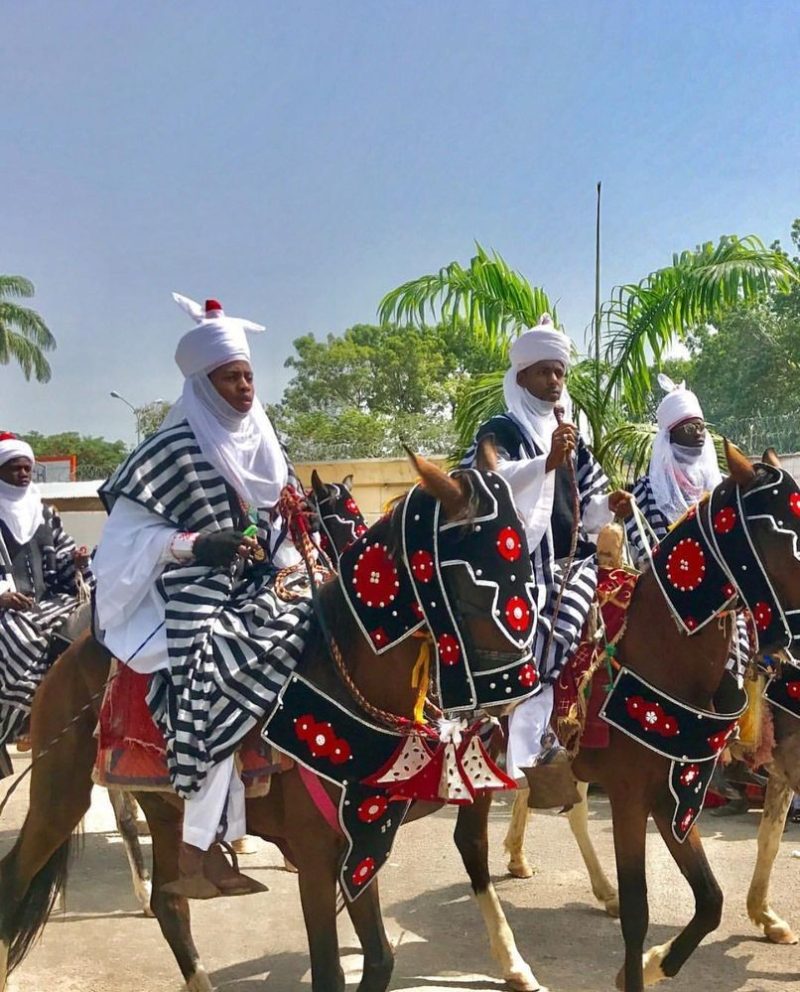
From Durbar festivals to weddings, clothing takes centre stage as a mark of joy, heritage, and belonging.
The Durbar, for instance, is a vibrant spectacle where traditional horse riders dress Babban Riga in radiant colours, showcasing embroidery that reflects the royal lineage of emirs and warriors. It is both a cultural performance and a fashion exhibition rooted in the history and traditions of our ancestors.
At weddings, brides adorn themselves in lace, silk, and Ankara combinations, modern interpretations of age-old designs. The Fulani bride’s attire often includes beaded jewellery and henna designs, symbols of beauty and fertility.
Passing Down Traditions Through Generations
Many Northern families still practice tailoring garments for special occasions, often using family-owned fabric stores or local artisans. This connection between generations ensures that the knowledge of design, dyeing, and embroidery remains alive.
ALSO CHECK:
- Northern Nigerian Textiles and Utensils: How Culture Meets the Dining Table
- Kano Dye Pits: Nigeria’s 500-Year-Old Indigo Craft Still Alive Today
- From Calabash to Leather: Traditional Crafts of Northern Nigeria
Threads of Sustainability: The Return to Handcrafted Fashion
The Value of Local Artisanship
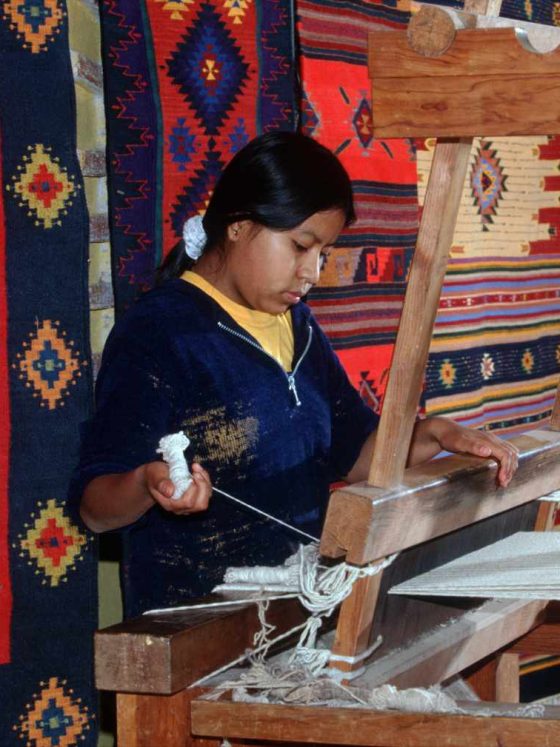
As global conversations shift toward sustainable fashion, our artisans are finding renewed relevance. The hand-dyeing pits of Kano, the looms of Zaria, and the embroidery workshops of Sokoto are testaments to slow, ethical craftsmanship that predates industrial production by centuries.
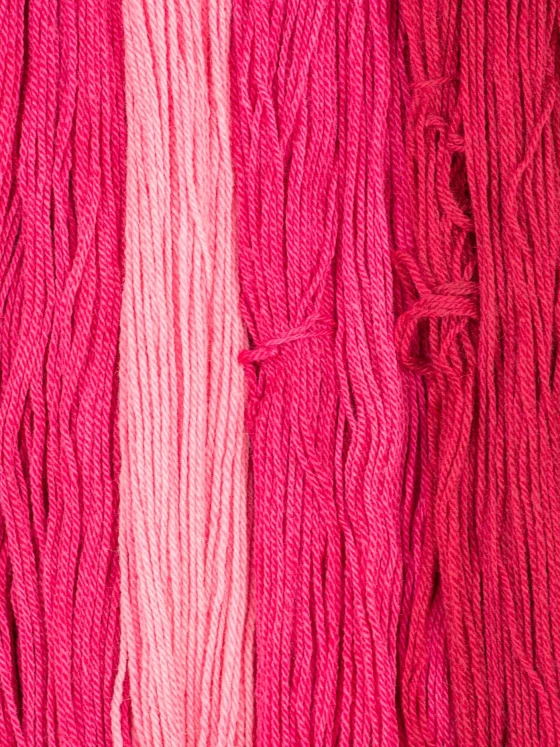
Our communities prioritise natural dyes, organic fibres, and minimal waste— principles that align perfectly with modern sustainability trends.
Preserving Cultural Knowledge Through Fashion
To us, traditional fashion is more than an art form; it is a repository of indigenous knowledge and pride. Every stitch, fold, and motif encodes lessons in geometry, spirituality, and community ethics.
By supporting local designers and wearing locally made clothes, people are preserving style and safeguarding centuries of cultural heritage.
The Global Stage: Northern Nigerian Fashion Beyond Borders
Northern Nigerian fashion has begun to attract international attention. Runway shows in Lagos Fashion Week and African Fashion International (AFI) often feature Northern-inspired designs, modernised kaftans, embellished abayas, and contemporary turban styles.
Diaspora communities also play a role in exporting these styles, wearing them proudly during festivals and national days abroad. Fashion has become a language of pride and representation, a way for Northern Nigerians to share their story with the world.
Challenges and the Road Ahead
While progress is visible, challenges remain. The fashion industry in Northern Nigeria continues to struggle with limited funding, a lack of fashion education, and infrastructure gaps. Many artisans operate without proper marketing channels or export opportunities.
However, collaborations between designers, cultural organisations, and fashion institutes are beginning to change this narrative. Initiatives promoting fashion tourism and creative education are fostering a new generation of skilled designers who can compete globally while staying rooted in their traditions.
Finally
Northern Nigerian fashion is more than fabric and thread; it’s the embodiment of a people’s spirit, lifestyle, and history. From our ancient empires to modern runways, our designers and artisans have continued to weave stories of resilience and identity.
As global fashion embraces diversity and authenticity, the world is finally catching up to what Northern Nigeria has always known: that true style is timeless when rooted in culture.
So, the next time you see a Babban Riga or a kaftan on the streets of Kano, or on an international runway, remember: you’re witnessing the threads of change, carrying centuries of artistry into the future.
What’s your favourite Northern Nigerian outfit or design element? Share your thoughts with us in the comments or tag us on social media @OmirenStyles.
FAQs
1. What makes Northern Nigerian fashion unique?
Northern Nigerian fashion stands out for its profound cultural symbolism, rich embroidery, and modest yet elegant designs that balance tradition with modernity.
2. What are some traditional garments from Northern Nigeria?
Key garments include the Babban Riga, Kaftan, Abaya, Zani wrapper, and Hula caps, each reflecting the wearer’s identity, religion, and social status.
3. How is Northern Nigerian fashion adapting to modern trends?
Designers are blending traditional fabrics like Zanna Bukar and Asaƙe with contemporary tailoring, creating versatile pieces suited for modern lifestyles while preserving cultural heritage.
4. What role do festivals and ceremonies play in fashion?
Events like Durbar and weddings serve as showcases for traditional attire, reinforcing cultural pride and intergenerational continuity.
5. Is Northern Nigerian fashion sustainable?
Yes. Many local designers and artisans use natural dyes, handwoven fabrics, and traditional production techniques, making it an inherently sustainable craft.