From the historic market of Kurmi, located at Kano, where history meets skills, norms, and cultural preservation, the rhythmic tapping of a leatherworker’s hammer mixes with the melodic hum of traders calling out prices to the ancient city of Zaria, where women gather under neem trees, carving calabashes with elegant patterns that tell stories of ancestry, community, and pride. In Northern Nigeria, traditional crafts are not just creative expressions; they are living reflections of cultural heritage, woven into the fabric of daily lifestyle and history.
This essay examines the enduring crafts of Northern Nigeria, ranging from the symbolic calabash art of Hausaland to the exquisite leatherwork of Sokoto and Kano. You’ll discover how these traditions connect food, festivals, and hospitality, shaping not just material culture but also the social heartbeat of the region.
.
Read about Northern Nigeria’s rich heritage through calabash carving, leatherwork, and traditional crafts that tell cultural stories.
The Calabash: Symbol of Nourishment and Artistic Expression
The Everyday Use of Calabash
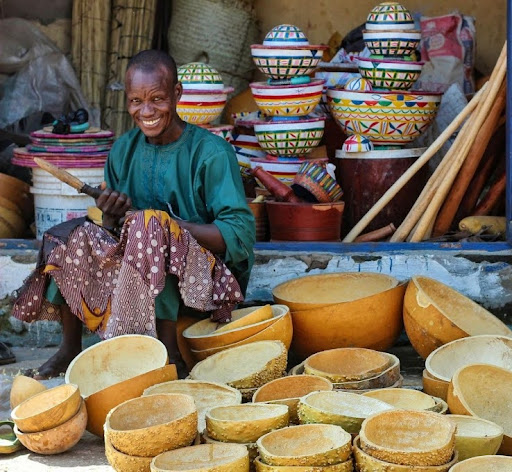
For centuries, the calabash, a dried gourd hollowed and shaped into bowls, cups, and containers, has been a central part of the Northern Nigerian lifestyle. More than just kitchenware, it represents simplicity, community, and sustainability. Used for serving food such as fura da nono (millet and milk), tuwon shinkafa, or kunun zaki, the calabash connects food with cultural identity.
In Hausa homes, the calabash is part of daily rituals. During festivals like Eid al-Fitr or weddings, food is often shared in these smooth, hand-carved bowls, a gesture symbolising unity and generosity, two core pillars of Northern Nigerian hospitality.
The Art of Calabash Carving
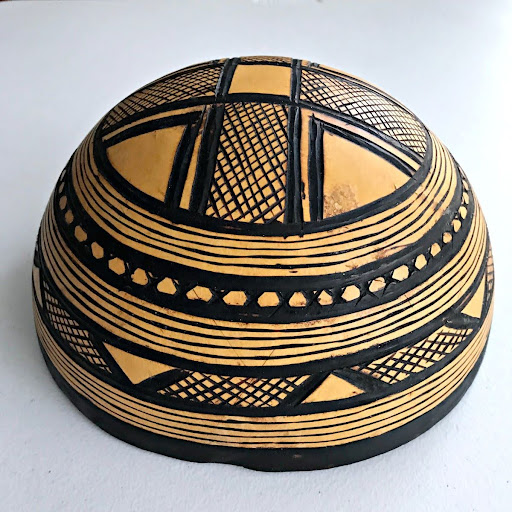
In towns like Zaria, Katsina, and Bauchi, as well as certain parts of Kano, skilled artisans, primarily women, transform simple gourds into intricate masterpieces. Using sharp blades, they carve geometric designs, Arabic calligraphy, and symbols of fertility or prosperity. The patterns often reflect ancient knowledge passed down through generations.
A beautifully engraved calabash might be gifted during marriage ceremonies or used as a decorative item in homes, celebrating both beauty and tradition. The skill, patience, and storytelling embedded in each design make calabash art a proud emblem of Northern Nigeria’s cultural heritage.
Leatherwork: The Pride of the Sahel
The Legendary Kano and Sokoto Leather
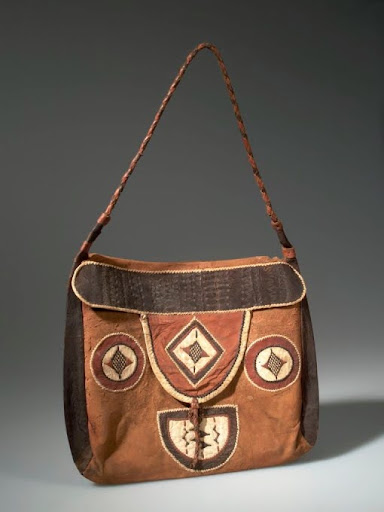
If there’s one craft that has carried Northern Nigeria’s fame beyond Africa, it is leatherwork. The cities of Kano and Sokoto have for centuries been hubs of the trans-Saharan trade, known for producing soft, durable hides locally called “Morocco leather”. Traders from North Africa and Europe once sought these materials for high-end footwear, bags, and bookbindings.
The tradition continues today, blending ancient tanning techniques with modern design. Artisans still soak hides in natural dyes made from pomegranate skins, indigo, and bark, eco-friendly methods that highlight a deep respect for the environment and ancestral knowledge.
Leather in Fashion, Festivals, and Daily Life
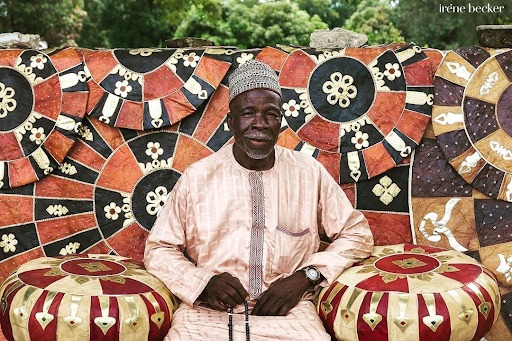
In Northern Nigeria’s festivals and celebrations, leather goods are more than functional; they’re fashionable and symbolic. During the Durbar Festival in Kano, you’ll see horsemen adorned with richly tooled leather saddles, reins, and ornamental straps. The vibrant colours and detailed embossing display status and craftsmanship, making each piece a wearable story of history and pride.
Everyday items like sandals (takalma), belts, and wallets remain essential to the Northern lifestyle, combining utility with artistry. Many families still rely on these handmade products, supporting a legacy that sustains both craftsmanship and community.
Weaving and Dyeing: Threads of Identity
The Art of Traditional Weaving
In towns such as Kano, Zaria, Bida, and Katsina, weavers use narrow-strip looms to produce fabric known as aso-oke or zani. The rhythmic sound of wooden looms has echoed through generations, producing clothing worn at weddings, markets, and special gatherings.
The woven patterns often carry cultural meaning; bold stripes symbolise strength, while softer tones represent peace or humility. These textiles not only serve aesthetic purposes but also document traditions and social values.
Zaria has been known for mastering the making of the most popular African menswear (Agba or Babbar riga), traditionally known as tsamiya for royal families in Northern Nigeria.
Indigo Dyeing: The Ancient Blue of Northern Nigeria
The dye pits of Kano, particularly the famous Kofar Mata Dye Pits, are among the oldest in West Africa, dating back over 500 years. Artisans mix natural indigo leaves with ash, lime, and water to create deep blue hues used in fabrics. Standing by these ancient pits, one can feel the enduring link between craft, history, and the natural environment.
Indigo-dyed garments, especially babban riga and zanna bukar robes, remain symbols of dignity and identity across the region, worn proudly at festivals, religious ceremonies, and social gatherings.
Pottery, Woodwork, and the Spirit of Sustainability
Pottery in Everyday Life
From the clay pots of Maradi to the ornate vessels of Bida, pottery has been both a domestic tool and a cultural marker. Women mould pots for storing water, cooking tuwo, or fermenting milk, a process that reflects harmony between art and utility.
Clay pots are also associated with Northern Nigerian hospitality, often used to keep water cool for guests, a simple yet powerful expression of warmth and generosity.
Woodwork and Symbolism
Northern Nigerian artisans craft stools, drums, and farm tools from wood, seamlessly blending practical function with artistic beauty. Many of these carvings reflect Islamic influence, featuring geometric patterns instead of figurative forms. The craft emphasises humility, patience, and devotion, values deeply embedded in Northern traditions.
Craft, Food, and the Rhythm of Everyday Life
The Culinary Connection
Traditional crafts and food culture are inseparable in Northern Nigeria. The calabash, for instance, serves fura da nono during the heat of the day. At the same time, leather containers (karan ruwa) were historically used to carry water during long travels across the Sahel. These crafts demonstrate how creativity supports not only beauty but also daily survival.
At festivals and communal feasts, locally crafted utensils and containers take centre stage, reminding everyone of the enduring relationship between art, nourishment, and community.
Preserving Heritage Through Modern Innovation
Today, many young entrepreneurs in cities like Abuja and Kaduna are reinventing these crafts, combining traditional techniques with modern aesthetics. Calabash lamps, leather handbags, and handwoven fashion are finding their way into urban homes and international markets.
Such innovations preserve heritage while offering economic opportunities for artisans, ensuring that Northern Nigeria’s traditions remain relevant in the global era.
Also read
- The Culinary Secrets of Tuwo Shinkafa, Masa and Miyan Kuka
- The Legendary Walls of Kano: History, Strength, and Heritage
- Ancient Trade Routes That Shaped Northern Nigeria’s Economy
The Role of Crafts in Festivals and Social Identity
Every major Northern Nigerian festival, from the Durbar to the Argungu Fishing Festival, celebrates the art of craftsmanship. Drummers use handmade instruments, riders wear hand-dyed garments, and households decorate with locally carved items. These displays are more than a spectacle; they’re affirmations of identity and a means of transmitting cultural knowledge to younger generations.
Crafts connect the people of the North to their ancestors, preserving a sense of belonging and pride that transcends time.
From calabash bowls that carry ancestral stories to leather saddles that have journeyed across the Sahel, the traditional crafts of Northern Nigeria embody resilience, creativity, and community. They are more than artefacts; they’re living narratives of cultural heritage, connecting food, lifestyle, and identity.
As modernisation sweeps the region, these crafts remind us that heritage and innovation can coexist. Travellers and locals alike can support artisans, learn their stories, and celebrate the artistry that continues to define Northern Nigeria’s soul.
Ready to experience the living traditions of Northern Nigeria? Join Rex Clarke Adventures on a cultural journey through Kano, Sokoto, and Zaria, where every market, meal, and handmade craft reveals the true spirit of Northern Nigerian hospitality.
FAQ
What are the most famous traditional crafts in Northern Nigeria?
- The most notable include calabash carving, leatherwork, pottery, weaving, and indigo dyeing, each reflecting a unique aspect of Northern Nigeria’s cultural heritage.
Why is the calabash so significant in Northern Nigerian culture?
- The calabash is a symbol of community, hospitality, and sustainability. It plays a key role in serving traditional meals and is often adorned with intricate carvings that represent tradition and identity.
How do crafts influence Northern Nigerian festivals?
- During events like Durbar, crafts such as leather saddles, dyed robes, and hand-carved drums are showcased, celebrating artistry and social history.
Are these traditional crafts still relevant today?
- Yes. Many artisans and entrepreneurs are modernising these crafts, integrating traditional designs with contemporary fashion, décor, and tourism.
How can travellers experience these crafts firsthand?
- Visitors can explore the Kofar Mata Dye Pits in Kano, Sokoto leather markets, or Zaria’s calabash workshops to watch artisans at work and purchase authentic handmade products.