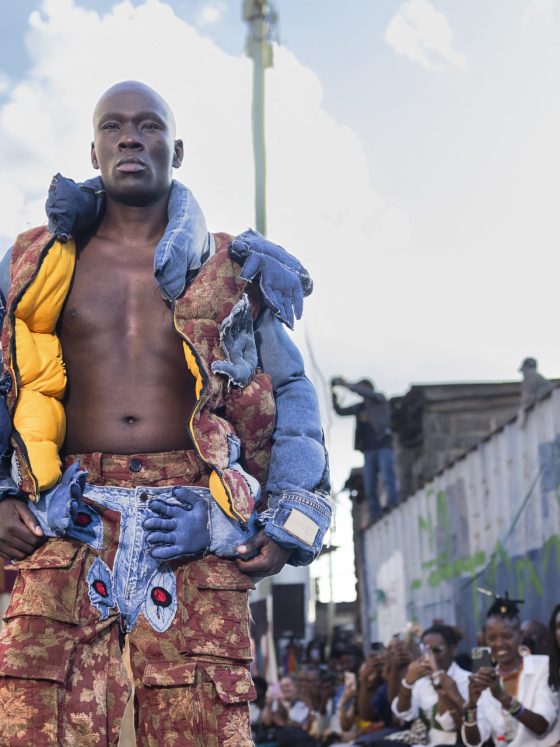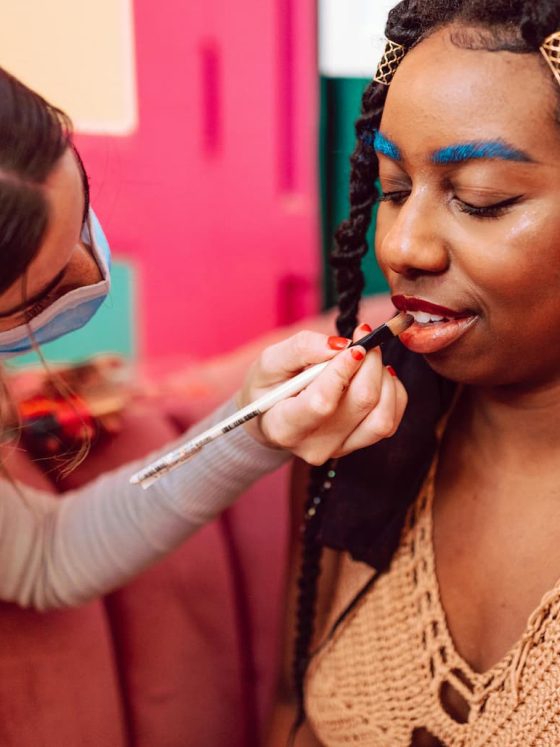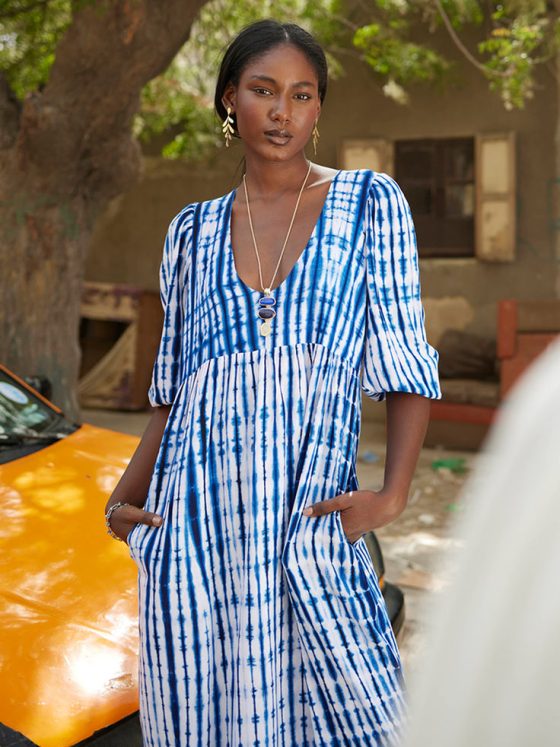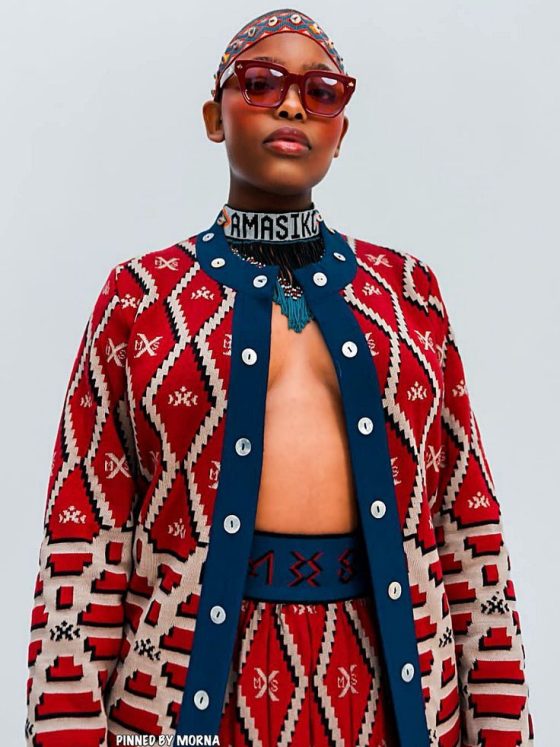
A runway invitation, a Vogue feature or a viral red-carpet moment can put an independent African fashion brand on the global map. But attention does not pay a factory deposit, clear goods through customs, finance a wholesale order or build a reliable route to market.
That is the gap the fashion industry still refuses to name plainly: African designers are increasingly visible, while many African fashion businesses remain structurally underpowered.
The result is a familiar cycle. A designer receives international recognition. Buyers enquire. Media coverage accelerates. Social engagement climbs. Then the operational demands of growth arrive: production, fulfilment, currency conversion, freight, returns, payment terms, working capital. The opportunity becomes difficult or impossible to execute.
This is not a failure of talent.
It is a failure to distinguish visibility from market power.
Visibility can make a brand desirable. Market power enables a company to negotiate, deliver, retain customers, and grow without collapsing under the cost of its own success.
The African fashion sector has earned more global attention than ever. But major industry research still identifies a shortage of structured investment, export logistics, modern manufacturing capacity, affordable inputs, intellectual property protection, and practical support for small and medium-sized brands as core barriers to growth.
The fashion world is getting better at seeing African designers. It is not yet good enough at helping them stay in business.
African designers are more visible than ever. But attention does not pay a factory deposit or clear goods through customs. This is the infrastructure argument the industry refuses to name.
The Visibility Trap

There is a version of success that is now deeply familiar in African fashion.
A designer presents a collection that travels across social media. A celebrity wears a look. A global magazine publishes an editorial. A fashion-week appearance produces photographs that circulate across Instagram, TikTok and trade media. An international buyer sends an email. The brand’s name enters rooms it could not access a year earlier.
For the designer, this matters.
Representation matters. Cultural recognition matters. International editorial access matters. The global fashion industry spent decades excluding, flattening or selectively consuming African design. Being visible in institutions that once ignored African talent can create real cultural capital and open professional conversations.
A press feature can signal legitimacy to a buyer who might otherwise never search beyond familiar European or North American showrooms. A runway slot can demonstrate creative direction. As Omiren Styles has documented in its analysis of what a decade of Lagos Fashion Week has actually done for Nigerian designer revenue, runway visibility and commercial revenue follow very different timelines, and the gap between them is where most brands lose ground.
But visibility is only the first stage of commerce. It creates awareness. At its best, it creates demand. What it does not automatically create is the operational capacity required to meet that demand.
A buyer’s email is not a purchase order. A purchase order is not cash in the bank. Cash in the bank is not a functioning supply chain. A functioning supply chain is not guaranteed to survive customs delays, currency volatility, material shortages, payment friction or return requests.
The industry often tells a simplified story:
A designer is discovered, a platform amplifies them, the market responds and success follows.
The actual story is more complicated:
A designer is discovered, demand arrives, operating costs rise before revenue does, and the business must absorb risks that visibility did nothing to reduce.
That is where independent brands begin to lose ground.
The Wholesale Reality
When a global retailer expresses interest in stocking an independent African fashion brand, both sides may use the language of opportunity while imagining completely different transactions.
The buyer may expect a supplier capable of meeting established retail conditions: confirmed minimum order quantities, seasonal delivery schedules, quality-control documentation, labelling rules, customs compliance, packaging standards, barcodes, insurance, delivery guarantees and returns procedures.
The brand may be operating with a small team, limited stock, inconsistent access to materials, and no line of credit.
Neither party is necessarily acting in bad faith. But the gap between their expectations can be enormous.
Wholesale buyers commonly work on delayed payment terms. A retailer may ask for net-30, net-60 or net-90 payment, meaning the designer is paid 30, 60 or 90 days after delivery. As Omiren Styles has argued in its buyer shortlist of African designers to act on in 2026, the conditions under which these buyer relationships are structured often determine whether a first order becomes a second or becomes a financial crisis.
In practical terms, the brand may have to pay for fabric, trims, cutting, sewing, finishing, packaging, quality checks and shipping long before it receives payment. For a small independent label, this can turn a large order into a financial threat.
Imagine a retailer places a $25,000 order. On paper, it looks transformational. But the designer may need to spend $12,000 to $18,000 on production, materials, labour, packaging and freight before receiving the first payment. If the retailer pays on net-60 or net-90 terms, the brand must finance that gap itself.
If there is no bank loan, purchase-order finance, invoice finance, trade-credit insurance or investor support, the designer has limited choices: decline the order and risk losing the buyer; accept the order and risk a cash-flow crisis; borrow informally at high cost; cut production corners to meet price or deadline pressure; or delay delivery and damage the new commercial relationship.
The press feature remains valuable. But it does not solve the working-capital problem.
The African Development Bank’s Fashionomics research has long identified restricted access to bank financing and microcredit as a constraint for fashion businesses, alongside infrastructure, customs, tariffs, exchange-rate exposure and limited market information. The Bank’s Fashionomics Africa Investment Readiness programme is a seven-year commitment with a direct target of $10 million designed to mobilise up to $70 million in follow-on investments, specifically acknowledging that the financing gap is structural, not anecdotal.
The question is not whether a designer deserves an international buyer. The question is whether the buyer relationship is designed on terms the brand can survive.
The Cost of Making More
Independent fashion businesses everywhere face production constraints. But African brands often face those pressures alongside more fundamental gaps in manufacturing ecosystems.
A designer looking to scale may find that local production has limited capacity, inconsistent quality, ageing machinery or unreliable access to specialist services. They may need to source fabrics, trims, hardware, dyes, labels, packaging, or machinery internationally, exposing the business to import costs, currency fluctuations, shipping delays, and customs procedures.
The alternative may be an overseas manufacturer. That can create its own problem: minimum order quantities. A factory may require volumes far above what a small brand can fund, sell or store. Producing at scale without confirmed demand is risky. Producing only when orders arrive can lengthen delivery times. Producing small quantities can increase unit costs to the point that a brand cannot compete on price.
This is why scale is not always a simple ambition. For many independent designers, growth means navigating a sequence of impossible choices: produce locally at higher cost or inconsistent capacity; produce abroad at higher minimums and longer lead times; import materials and absorb exchange-rate risk; use local materials where possible but compromise on quality, colour or consistency; take more orders but risk delayed fulfilment; stay small but struggle to generate enough revenue to invest.
The UNESCO 2024 report on the African fashion sector identifies weak manufacturing infrastructure, outdated equipment, limited automation, insufficient investment, skills gaps, input costs and constrained availability of quality local textiles as among the sector’s central barriers. It also highlights export logistics, limited formal training and weak legal, fiscal and regulatory frameworks.
That context changes how we read a designer’s success. When an African brand produces a polished collection with a clear point of view, it is not simply competing in aesthetic terms. It may be doing so while negotiating a production environment that is more expensive, fragmented and uncertain than the one many of its global competitors take for granted.
The industry should recognise it not as an inspirational story of resilience, but as a policy and investment problem. Resilience is often what people praise when they have failed to build support.
Logistics Is Part of the Product
Fashion buyers do not only buy clothes. They buy reliability.
A retailer needs to know that goods will arrive in the correct quantity, at the agreed time, with the right documentation, in acceptable condition and with a clear process for dealing with errors, damages and returns.
For an African brand selling internationally, logistics can determine whether a first order becomes a second. As Omiren Styles has documented in its analysis of African diaspora fashion brands shipping back to the continent, the fulfilment infrastructure required for cross-border commerce is one of the most underdiscussed barriers in African fashion retail.
At small volumes, international shipping can consume a significant share of a brand’s margin. Customs procedures differ by destination. Tariffs and documentation can be complex. Packages may be delayed or held. Insurance can add cost. Customers may face unexpected import charges. Returns can be particularly difficult because reverse logistics requires systems most small labels do not have.
A customer in London or New York may not distinguish between a brand’s creative brilliance and a delivery delay. They may simply not order again.
The same applies to wholesale. A buyer may love a collection, but if deliveries arrive late or incomplete, the retailer may decide that the brand is too risky for the following season. In global fashion, operational consistency becomes part of brand perception.
The UNESCO report specifically recommends improving logistics and export infrastructure, noting that a dynamic garment sector depends on dependable roads, ports and airports for moving materials and finished goods. High freight costs, transport delays, port congestion, customs inefficiency, limited warehousing and weak intermodal systems all remain documented barriers to competitiveness.
No fashion editorial can clear a container. No runway applause can build a returns system. No celebrity placement can lower the cost of shipping a small parcel across continents.
Payments Are Still a Border
Cross-border payments are among the least glamorous parts of fashion and among the most consequential.
A designer may have a buyer. A buyer may want to pay. Yet the process of receiving funds can still be slow, expensive or limited by banking infrastructure, platform availability, foreign-exchange restrictions and currency conversion.
For direct-to-consumer brands, checkout is part of the customer experience. If a customer cannot use their preferred payment method, encounters an unfamiliar checkout process, or is charged unexpected fees, they may abandon the purchase. For brands, global payment platforms may have uneven availability or restrictive payout rules depending on where the business is registered.
For wholesale businesses, international transfers can create delays and fees that further narrow already-thin margins. Currency conversion adds another layer of uncertainty. A brand may price an order in dollars, euros, or pounds but pay staff, suppliers, and rent in the local currency. If exchange rates shift between order confirmation and payment, the economics of a collection can change.
Within Africa, the fragmentation is equally important. Trade between African countries should not require the same friction that often exists between the continent and external markets. But different currencies, banking systems, regulations and payment channels can make intra-African commerce unnecessarily difficult.
The Pan-African Payment and Settlement System, developed with Afreximbank in the context of the African Continental Free Trade Area, is intended to support more efficient, lower-cost cross-border payments in local currencies. UNESCO identifies payment facilitation as an important part of improving the sector’s operating environment. But it must reach the small brand, not only the policy document.
A designer needs to know: Can I invoice a buyer in another African country? Can I receive payment quickly? What will it cost? Can I price without losing margin to currency conversion? Can I sell online across the region without building a different payment solution for every market? Until the answers are consistently practical, market access will remain uneven.
Recognition Is Not Reform

The global fashion industry has made real progress in its recognition of African creativity. There are more African designers on international platforms. More global publications are commissioning stories about fashion across the continent. More retailers and fashion institutions are interested in African labels.
This matters. But recognition can become a substitute for reform.
It is easier to include an African designer in a group exhibition than to change a buyer’s payment terms. It is easier to feature a brand in a campaign than to offer production finance. As Omiren Styles has argued in its analysis of why European luxury houses invest in Afrobeats stars but not African fashion infrastructure, the cultural visibility that African design generates is being extracted commercially while the structural investment that would make African fashion businesses viable at scale has not followed.
Global institutions often prefer the visible gesture because it is comparatively inexpensive. A platform can showcase a designer without taking responsibility for what happens next. A retailer can celebrate discovery without changing the conditions that make a new supplier difficult to work with. A fashion week can invite a brand without supporting travel, sampling, sales appointments or post-show conversion.
That is how representation becomes extractive. The industry receives cultural energy, new aesthetics, press value and diversity credentials. The designer receives attention, but remains responsible for financing every operational consequence of that attention.
The better question is not, “How can the industry discover more African designers?” It is, “What must change so that independent African designers can turn discovery into durable businesses?”
What Market Power Requires
Market power is the ability to make choices.
It is a brand’s ability to negotiate realistic payment terms rather than accept any conditions offered by a prestigious buyer. It is the ability to produce without borrowing at punitive rates. It is the ability to ship reliably, pay staff, source materials, manage returns, protect intellectual property and build customer relationships across markets.
For independent African fashion brands, market power requires specific forms of support.
Finance built for fashion
Fashion businesses need financial products that understand and account for inventory, production deposits, and delayed payments. That includes purchase-order finance, invoice finance, revolving working-capital facilities, inventory finance, trade-credit protection and patient equity. A loan product designed for a conventional business with immediate cash receipts may not work for a label that invests in a collection months before it earns revenue.
Manufacturing investment
Local and regional manufacturing ecosystems need investment in machinery, skills, quality assurance, fabric production, dyeing, finishing, cutting, sewing and specialist services. This is not only about building more factories. It is about building flexible capacity that can serve small and medium-sized brands without forcing them into unsustainable production volumes.
Better buyer behaviour
Buyers and retailers sourcing from African brands should not treat logistics and finance as problems the designer must solve alone. They can help by offering realistic minimum order quantities, earlier deposits, clearer forecasting, fairer payment terms, flexible delivery windows and transparent compliance requirements. They can also invest in relationships rather than treating African fashion as a seasonal discovery category.
Trade and logistics support
Governments, trade bodies, development institutions, and logistics companies need to build export systems that work for both small shipments and large containers. That means better customs processes, transparent tariff information, affordable freight options, warehousing partnerships and cross-border returns solutions.
Business support that reaches operations
Mentorship matters, but it must extend beyond branding and social media. Independent designers need access to production managers, finance advisers, export specialists, legal support, merchandising expertise, supply chain professionals, and people who understand how to convert creative recognition into operating stability.
The Omiren Argument
African fashion does not need less visibility. It needs visibility connected to capital, infrastructure, trade systems and equitable commercial relationships. Platforms such as AFAA can play a useful role by bringing designers, buyers, investors, institutions and entrepreneurs into the same room. But the value of these platforms should be measured by what happens after the stage: orders placed, payments made, capital accessed, production strengthened, jobs created and cross-border relationships sustained.
The African Development Bank’s Fashionomics Africa programme is built around precisely those very gaps that the industry often ignores: market access, finance, mentoring, networking and skills development. Its investment-readiness programme signals that institutions are beginning to recognise fashion as an economic sector rather than a cultural afterthought. That recognition is welcome. But independent designers cannot live on recognition alone.
They need the ability to say no to impossible order terms. They need enough capital to fulfil a large order without bankrupting the business. They need factories that can make what they design. They need payment systems that allow money to move. They need logistics that allow products to arrive. They need buyers who treat them as long-term commercial partners rather than as sources of aesthetic novelty.
Visibility opens the door. Market power determines whether a brand can walk through it and whether it can still be standing when the next season begins.
ALSO READ
- Why European Luxury Houses Invest in Afrobeats Stars but Not African Fashion Infrastructure
- African Designers Buyers Should Act On in 2026: A Three-Tier Shortlist
- The Lagos Fashion Week Effect: What a Decade of Runway Has Actually Done for Nigerian Designer Revenue
- The African Fashion Brands in the Diaspora That Are Actually Shipping Back to the Continent
- Africa Fashion Week London 2026: Design Beyond Borders
Frequently Asked Questions
What is the difference between visibility and market power in African fashion?
Visibility is the ability to be seen: in editorial features, on runways, in brand campaigns, and across social media. Market power is the ability to trade on viable terms: to negotiate payment conditions, finance production, ship reliably, handle returns, and grow without being destroyed by the operational cost of success. African fashion has more visibility than at any previous point. Market power requires capital, manufacturing infrastructure, logistics systems and commercial relationships that visibility alone cannot provide.
Why do wholesale payment terms create problems for African fashion brands?
Wholesale retailers commonly pay on delayed terms, typically net-30, net-60 or net-90 days after delivery. For a small brand, this means funding production, materials, labour, packaging and shipping before receiving any payment. On a $25,000 order, the brand may need to spend $12,000 to $18,000 before a single payment arrives. Without purchase-order finance, invoice finance or working-capital credit, brands must borrow informally, cut corners, decline orders or risk collapse. The African Development Bank’s Fashionomics research confirms restricted access to finance as a core structural constraint.
What manufacturing challenges do independent African fashion brands face?
The UNESCO 2024 African fashion report identifies weak manufacturing infrastructure, outdated equipment, limited automation, skills gaps and constrained access to quality local textiles as central barriers. Brands scaling up often face a choice between local production with inconsistent capacity or overseas production with high minimum order requirements. Neither option is straightforward. The result is that growth requires navigating production environments that are more expensive, fragmented and unpredictable than those available to many global competitors.
How do logistics and shipping affect African fashion brands selling internationally?
At small volumes, international shipping can consume a significant share of margin. Customs procedures vary by destination. Packages may be delayed or held. Customers may face unexpected import charges. Returns are difficult because reverse logistics requires fulfilment systems most independent labels lack. A single missed delivery or damaged shipment can end a buyer relationship before it begins. UNESCO identifies export logistics infrastructure, including roads, ports and airports, as a specific barrier to competitiveness for African fashion businesses.
What is the Fashionomics Africa Investment Readiness programme?
The Fashionomics Africa Investment Readiness programme, known as FAIR, is a seven-year programme run by the African Development Bank with a direct target of $10 million designed to mobilise up to $70 million in follow-on investment. It focuses on women-led small and medium-sized enterprises in the textile, apparel and accessories sector. Its existence is an institutional acknowledgement that the financing gap faced by African fashion businesses is structural rather than individual. More information is available at afdb.org.
What does market power require for African fashion brands?
Market power for independent African fashion brands requires five things working together: financial products built for fashion’s seasonality and cash-flow patterns; manufacturing investment that builds flexible local capacity; better buyer behaviour including fairer payment terms, realistic minimum orders and longer-term commercial relationships; trade and logistics support from governments, development institutions and freight providers; and business support that extends into operations, supply chain, export compliance and finance, not only branding and social media.
EXPLORE MORE
Read the full Fashion > Industry section at Omiren Styles for intelligence on African fashion infrastructure, wholesale conditions, and the commercial systems that determine whether creative visibility converts into sustained market access. Discover travel and heritage intelligence across Africa at Rex Clarke Adventures.