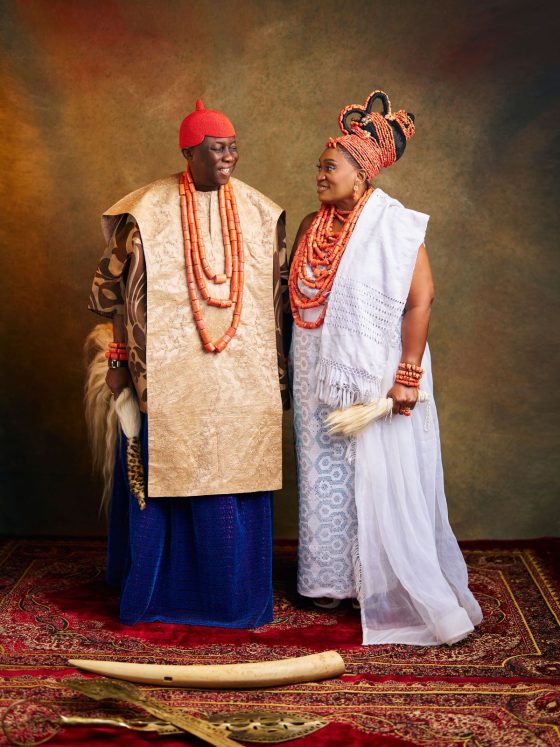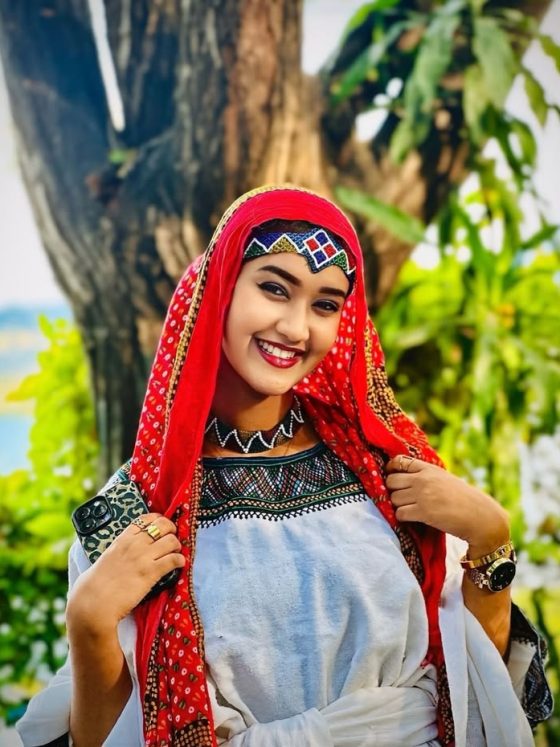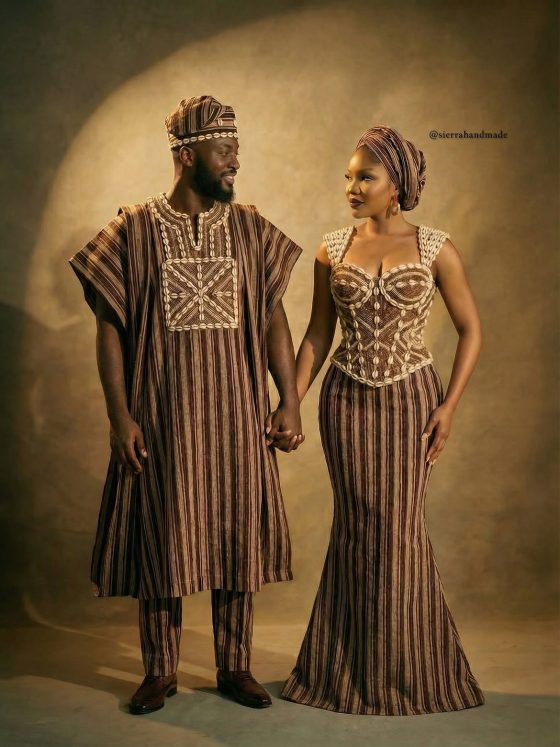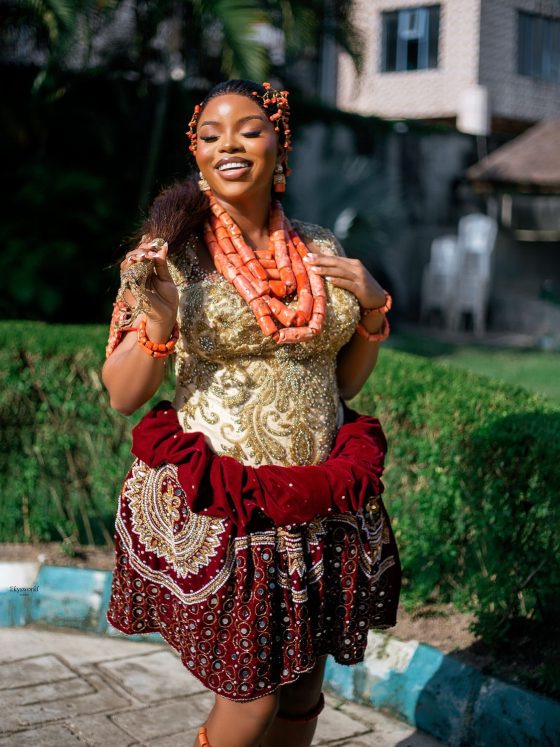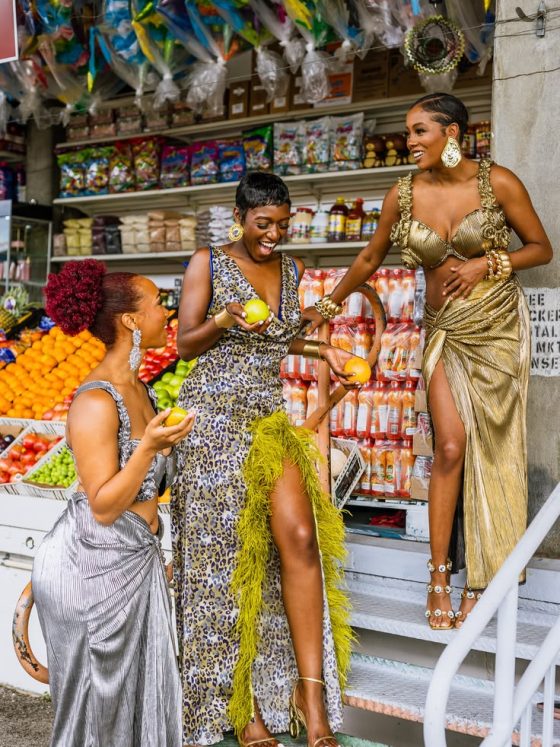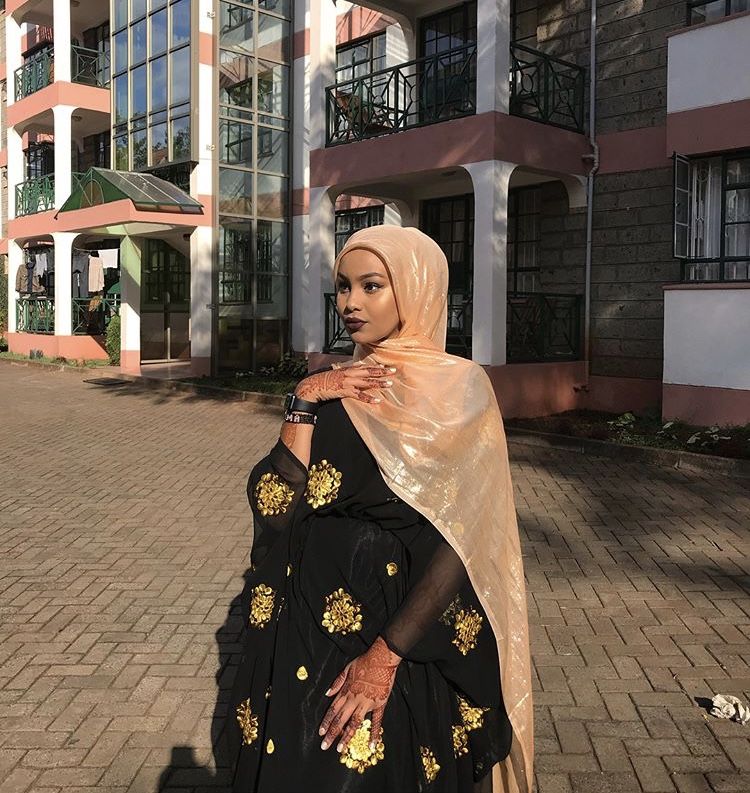
Somali women’s clothing has been shaped by one of the most demanding climates on the continent, by centuries of pastoral movement, by trade routes connecting the Horn of Africa to the Gulf, India and the Red Sea, and by the persistent craft knowledge of women who built garments to meet the needs of specific lives in specific places.
The result is a dress tradition whose garments are not decorative additions to a neutral wardrobe but functional objects with cultural weight, regional variation and a history of movement and adaptation. The Dirac travelled along trade routes and through coastal cities. The guntiino has roots older than any of the more recent garment influences. The garbasaar completes the ensemble with a shawl whose coordination signals taste, occasion and identity.
As documented in the Omiren Styles analysis of the cultural clothing of Somali women, Somali women’s clothing was engineered by women before it was documented by scholars: garments built for airflow and movement in extreme heat, for modesty in desert and coastal contexts, for the specific social codes of pastoral communities and urban centres, and for the celebrations that punctuate the Somali year. Understanding these garments requires understanding the conditions they were built for, not only the occasions they are associated with.
Somali traditional dress is not a single item but a system. The dirac, the guntiino and the garbasaar function together, each serving a purpose the others do not, each carrying meanings that the complete ensemble communicates more fully than any single piece can on its own.
The dirac, guntiino, and garbasaar are the three primary garments of Somali women’s traditional dress. Each carries its own history, fabric tradition and cultural significance. This is what they are and when they are worn.
The Dirac
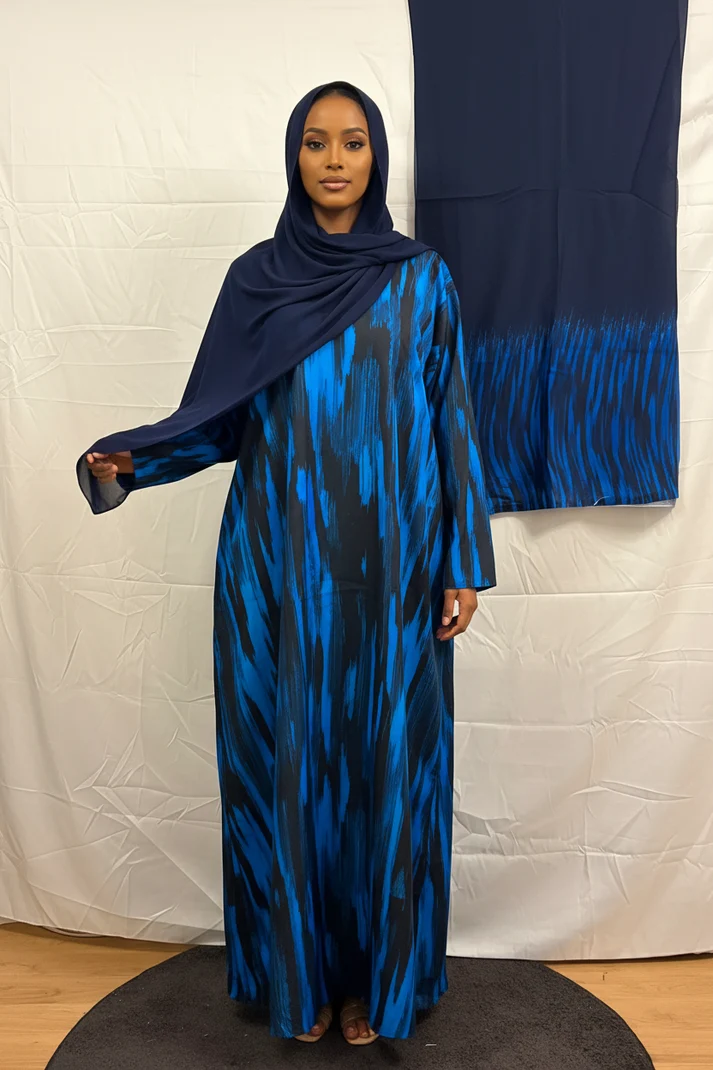
The dirac is the most internationally recognised Somali women’s garment and the one most associated with urban sophistication, celebration and coastal Somali culture.
As United Tribes documented in its July 2026 analysis of traditional Somali clothing, the dirac is a long, flowing dress typically made from silk, chiffon, or fine cotton, worn by Somali women for celebrations, weddings, and religious occasions. Its defining characteristic is its translucency: the fabric is often sheer and layered, creating a luminous, graceful silhouette. The dress is worn over an underskirt called a gorgorad and accompanied by a garbasaar, the matching shawl that completes the ensemble.
A dirac ensemble consists of three distinct components. The gown itself: long, flowing, often semi-transparent, typically made from silk, chiffon, or voile in solid colours or with embroidery, lace, or subtle beadwork. Embroidery and sequin work are most commonly concentrated at the neckline and hemline. The gorgorad: a satin or cotton underskirt that provides the opacity the dirac’s sheer fabric does not, worn immediately under the dress and typically in a complementary or contrasting colour. The garbasaar: a matching shawl or wrap worn over the head or shoulders, whose coordination with the dirac in colour and pattern is an important element of the complete presentation.
As Regal Fabrics documents in its analysis of Somali dress traditions, the dirac is wrapped around the body over the gorgorad and pinned at the shoulders with jewellery. The garbasaar peeps through slits in the dirac, contrasting elegantly against the dirac’s lighter fabric. Together they create , graceful silhouette representing the richness of Somali heritage.
The dirac is a garment of transnational craftsmanship and material sourcing. The fabrics may come from Dubai, Jeddah, India or China. Embroidery may be done by Somali women in Jigjiga or Dire Dawa, or by specialised shops in the Gulf. Tailors in Ethiopian Somali towns cut and finish dresses to the wearer’s height and style. The patterns, often floral, paisley and geometric, reflect both local taste and the global textile trade routes that the Horn of Africa has participated in for centuries.
The dirac is specifically associated with celebrations and public occasions. It is worn at weddings, Eid, Somali Independence Day and important family gatherings. In its most elaborate forms, the dress is accompanied by layered gold jewellery and xirsi (amulets) that complement the garment’s visual language. In its everyday and contemporary forms, it may be simpler in fabric and construction, worn as an expression of cultural identity in diaspora contexts as much as for formal occasions. The occasions History
The dirac is associated with urban and coastal Somali culture, and its spread within Somali dress reflects the historical connectivity of coastal cities. Originating along the Somali coast, in cities such as Zeila, Berbera and Mogadishu, the dirac travelled inland through trade routes, marriage networks and the cosmopolitan markets of Dire Dawa and similar exchange points.
New styles were popularised by Somali women in northern Somalia, Somaliland and Djibouti in the early and mid-20th century. These new styles gradually spread to the rest of the Somali regions. The dirac’s spread was not only a fashion movement. It was a reflection of the urbanisation, trade connections and cross-community exchange that characterised the coastal Somali world.
The Guntiino
The guntiino is one of the oldest and most culturally significant garments in Somali tradition, predating the dirac’s urban popularity and carrying a different set of cultural associations.
As documented by United Tribes, the guntiino consists of a long piece of cloth, typically four metres or more, draped around the body and tied at one shoulder, leaving the other bare. Its style resembles garments found across East Africa, reflecting centuries of trade, migration and cultural exchange. Unlike the dirac, the guntiino is especially associated with formal ceremonies, poetry readings, cultural performances and national occasions, where it symbolises heritage and feminine strength.
As One2eleven’s February 2026 analysis of Somali traditional clothing notes, the guntiino has deep cultural resonance, hi and was historically worn by married women as a sign of status and responsibility. In contemporary wardrobes, it may be used ceremonially or as an everyday layering piece, especially in rural areas, where its wrap-around style remains practical and comfortable in a hot climate.
The guntiino’s design is climate-smart by principle. Its loose draping allows airflow, and its adjustability allows the wearer to tighten or loosen it throughout the day as conditions change. This is not incidental: the garment was developed within a pastoral culture in one of the hottest environments on earth, and its construction reflects the specific demands of that context. The ability to drape, tie, and adjust without a structured garment body is a functional design solution as much as a cone is.
One of the most distinctive fabrics associated with the guntiino is alindi: a fabric originating along the Somali coast, whose use in the guntiino connects the garment to the specific material culture of the Somali coastal trading world. The relationship between the guntiino’s form and the alindi fabric is an example of the specific material knowledge that characterises traditional dress: the choice of fabric is not interchangeable but is part of the garment’s cultural identity.
The drape of the guntiino leaves one shoulder uncovered, which distinguishes it from the dirac’s covered silhouette and from the layered ensemble of the dirac, gorgorad and garbasaar. That distinction is not merely aesthetic. It reflects the distinct social role: a garment of ceremony, national identity, and cultural affirmation rather than one of celebration or festivity. When Somali women wear the guntiino at poetry readings or national occasions, the choice of garment communicates cultural seriousness and belonging in a way that the more celebratory dirac does not carry in the same register.
The Garbasaar
The garbasaar is the shawl or wrap that completes the Somali women’s traditional dress ensemble. Its function is both practical and expressive, and its versatility is one of the reasons it persists across the range of Somali dress contexts from formal to everyday.
As One2eleven documents, a garbasaar can protect against sun, dust or light rain, and it also serves as a fashion statement, showcasing regional colours and patterns. In many settings, it is the element of the ensemble that most clearly signals personal taste and cultural affiliation: the specific choice of colour, pattern and fabric in the garbasaar communicates information about the wearer that the more standardised forms of the dirac or guntiino do not.
When worn with the dirac, the garbasaar is typically coordinated in colour and pattern with the gown and gorgorad, creating a complete, unified ensemble. The coordination is itself a practice that requires knowledge and taste: the ability to put together a dirac ensemble whose three components are in dialogue with each other is a dimension of cultural competence that Somali women develop and pass on. The garbasaar is the most flexible element of the ensemble, and its management clearly expresses individual sensibility within a shared cultural vocabulary.
Beyond the formal dress context, the garbasaar also appears as a more everyday accessory: worn over the head or shoulders in public spaces as an expression of modesty, or as a practical layer in variable conditions. In coastal communities the dirac is frequently complemented by a light shawl worn over the head or shoulders. This use of the garbasaar reflects its versatility as a garment that serves different purposes in different contexts while maintaining a consistent identity as the completing element of Somali women’s dress.
The Gorgorad
The gorgorad is the underskirt worn beneath the dirac, providing the opacity the fabric lacks. Made from satin or lace, it typically appears in a colour that coordinates with or contrasts against the gown worn over it.
The gorgorad is less frequently discussed than the dirac or the garbasaar because it is the least visible element of the ensemble: covered by the dirac, it appears only where the dirac parts or through the translucent fabric. But it is structurally essential. Without the gorgorad, the dirac’s sheer fabric would not meet the modesty requirements observed in Somali dress culture. The gorgorad is what makes the dirac wearable in the contexts where the dress is most at home.
The relationship between the dirac and the gorgorad is a practical illustration of how the Somali dress system works: each garment in the ensemble performs a function, and the complete ensemble is the sum of functions that no single piece could perform alone. The dirac provides the beautiful outer surface. The gorgorad provides the practical opacity. The garbasaar provides the covering, the coordination and the personal expression. The jewellery and xirsi complete the social signal. The ensemble is a system, not a costume.
Fabric, Occasion and Identity
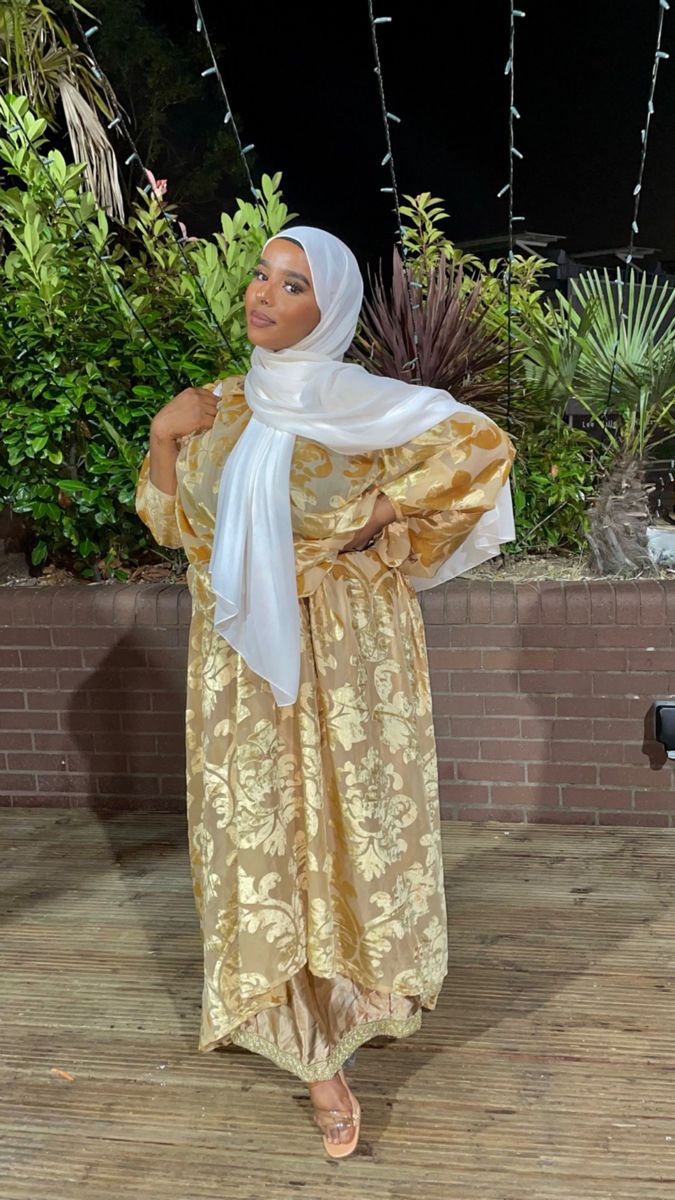
The fabrics used in Somali traditional women’s clothing are chosen for breathability, durability and appropriateness to the specific garment and its occasion.
Cotton is foundational: light, moisture-absorbent, and well-suited to the heat. In more affluent or ceremonial pieces, silk or silk blends achieve a luminous drape and subtle sheen that elevate the garment for weddings and important occasions. In coastal towns with historic trade connections, blends incorporating linen or viscose create garments that perform well in maritime conditions. The specific fabric choices for the dirac reflect its urban and coastal origin: silk, chiffon and voile are trade fabrics, materials that arrived through the same Indian Ocean networks that shaped Somali coastal culture.
Occasion determines the level of embellishment. Everyday dress uses simpler fabrics and less ornate finishing. Wedding and Eid dress uses the most luxurious fabrics available, the most intricate embroidery at the neckline and hemline, the most carefully coordinated garbasaar and the full complement of jewellery and xirsi. The garment communicates the importance of the occasion it marks, and the investment in craft and materials is proportionate to that importance.
As Omiren Styles has established in its analysis of material intelligence and African fashion, every material decision in a fashion context is simultaneously a cultural, supply chain, economic, and environmental decision. The fabrics embedded in Somali traditional dress embody all four of these dimensions: culturally specific materials for specific occasions, sourced through trade networks that shaped the Horn of Africa’s commercial geography, priced to reflect the occasion’s social significance, and suited to the specific demands of the Somali climate.
Somali Dress in the Diaspora
Somali traditional women’s clothing has followed the Somali diaspora to North America, Europe and the Middle East, where the dirac, guntiino and garbasaar serve as markers of cultural continuity and identity in communities far from their geographic origin.
In diaspora contexts, garments serve a dual function that they do not in the same way in Somalia. They are garments for celebration and ceremony, worn at weddings, Eid, and cultural events. They also become assertions of cultural identity in environments where that identity is not the default: wearing a dirac in Minneapolis, London, or Oslo is simultaneously a personal choice and a public statement about belonging and heritage.
Social media has amplified the reach of contemporary interpretations of Somali traditional dress, with diaspora designers and community members sharing dirac styling, guntiino draping techniques and garbasaar coordination across platforms. The market for Somali traditional attire is driven by renewed interest in cultural identity and a growing diaspora population. The highest search interest for Somali dress was recorded in December 2024, with a second peak in July 2024, reflecting seasonal and religious patterns. This analysis explains why diaspora fashion is a supply chain story, not just a style story, and why the logistics, production, and distribution challenges facing diaspora fashion brands are structural rather than individual. For Somali traditional dress in the diaspora, the supply chain question involves where the specific fabrics are sourced, where the embroidery and tailoring are done, and how the finished garments reach customers who may be anywhere in the world, while the production knowledge, the fabric sourcing,rcing and the craft skills remain concentrated in specific communities in East Africa and the Gulf.
Somali Dress and the Broader East African Context
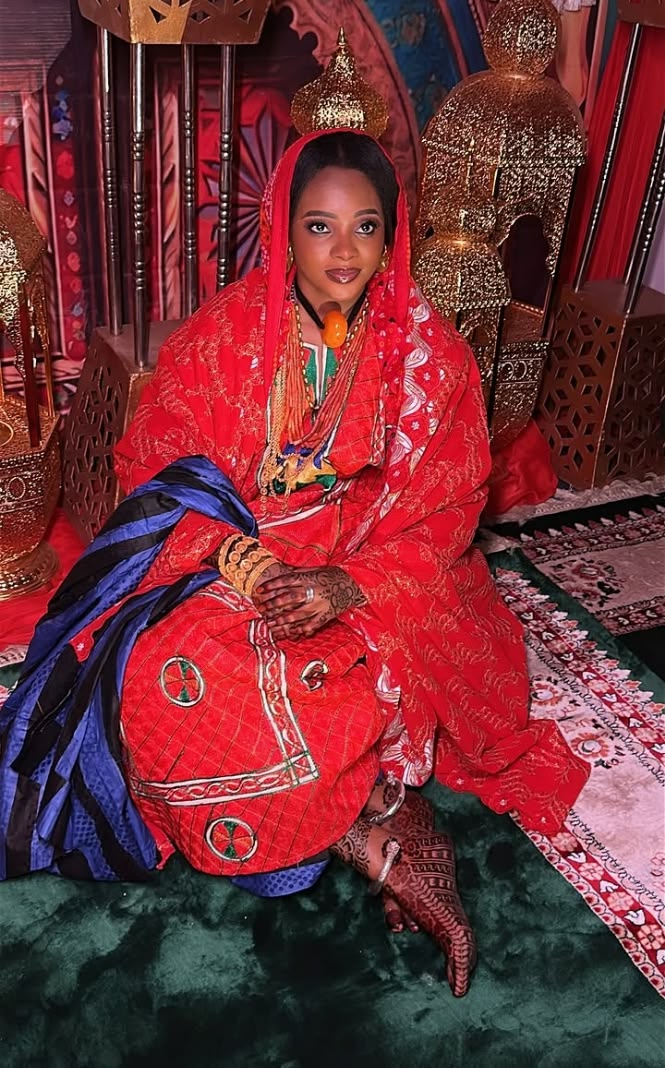
The Somali dress tradition does not exist in isolation from the broader textile and dress cultures of the Horn of Africa and the East African coast. The guntiino’s resemblance to garments found across East Africa reflects centuries of trade, migration and cultural exchange within the region. The dirac’s fabrics and embroidery traditions connect to the Indian Ocean trade networks that linked Somali coastal cities to the Gulf, India and beyond.
As Omiren Styles has documented, in its analysis of what people wear in Togo nd the parallels between West and East African dress cultures, that dress traditions across the continent share the characteristic of being functional systems that carry cultural information, regional identity and social meaning rather than purely aesthetic choices. The Somali case is a specific instance of this broader pattern: a dress tradition built from practical requirements, shaped by trade and climate, carrying cultural weight in every choice of fabric, colour and occasion.
The parallel with Caribbean Madras dress traditions is also instructive: in both cases, a textile tradition developed by women as a system of social communication, using a specific vocabulary of colour, pattern and drape to encode information about status, occasion and identity. The garbasaar’s coordination with the dirac, like the maré tèt headwrap code in Martinique and Guadeloupe, communicates to those who know the vocabulary in ways invisible to those who do not.
The Omiren Argument
Somali traditional women’s clothing is a dress system, not a costume. The dirac, the guntiino, the garbasaar and the gorgorad each have specific functions, specific histories, material resources and specific cultural contexts for which they are appropriate. The complete ensemble communicates more than any single piece can, and the knowledge required to put an ensemble together correctly, in terms of fabric, colour, coordination and occasion, is a form of cultural knowledge as specific and as hard-won as any other.
That knowledge has been maintained and transmitted across generations of Somali women, through the pastoral communities of the interior and the cosmopolitan trading cities of the coast, through displacement and diaspora, through the occasions that the dress was made for and through the persistent craft intelligence of the women who sewed, embroidered and draped the garments that carry it.
The Global South made fashion and never got credit. Somali women’s tra for its traditional dress is a specific case of that argument: a complete and sophisticated dress system built by women for women in response to specific cultural, climatic and social conditions, whose sophistication and cultural depth deserve documentation as precise and as respectful as the documentation given to the dress traditions of any other culture the fashion world has found interesting.
ALSO READ
- The Cultural Clothing of Somali Women
- Diaspora Fashion Is a Supply Chain Story, Not Only a Style Story
- Caribbean Madras: From Colonial Textile to Contemporary Creole Fashion
- A Fabric Is Never Just a Fabric: Why Material Intelligence Matters to African Fashion’s Future
- The Global South Made Fashion. It Just Never Got Credit.
Frequently Asked Questions
What is a Somali dirac dress?
A Somali dirac is a long, flowing dress, typically made from silk, chiffon or voile, with embroidery and sequin work at the neckline and hemline. It is often semi-transparent and is worn over a gorgorad (an underskirt), with a garbasaar (a matching shawl) completing the ensemble. The dirac is pinned at the shoulders with jewellery and is the primary celebratory garment for Somali women, worn at weddings, Eid, family gatherings and national occasions. It is associated with urban sophistication and coastal Somali culture.
What is the difference between a dirac and a guntiino?
The dirac is a tailored dress of silk, chiffon, or voile worn with a gorgorad and garbasaar, associated with celebrations, weddings, and urban life in Somali culture. The guntiino is one of the oldest Somali garments: a long piece of cloth, typically four metres or more, draped around the body and tied at one shoulder, leaving the other bare. The guntiino is associated with formal ceremonies, poetry readings, cultural performances and national occasions, and has historically been worn by married women as a sign of status and responsibility. The two garments occupy different cultural registers within the Somali dress tradition: the dirac for festivity, the guntiino for ceremony and cultural affirmation.
What is a garbasaar?
A garbasaar is a sizeable shawl or wrap worn by Somali women as part of the traditional dress ensemble, typically coordinated in colour and pattern with the dirac. It completes the ensemble both practically, providing coverage for the head and shoulders, and expressively, showcasing regional identity through colours and patterns. Women often coordinate the garbasaar with their dirac, choosing complementary colours and patterns that signal personal taste and cultural identity. It also serves practical functions: protecting against sun, dust and light rain in outdoor contexts.
What is a gorgorad?
A gorgorad is the underskirt worn beneath a dirac, typically made from satin or cotton in a colour that complements or contrasts with the outer gown. Because the dirac is often semi-transparent, the gorgorad provides the opacity the garment requires for modest wear. The gorgorad is the least visible element of the ensemble but structurally essential: it is what makes the dirac wearable in the contexts where the dress is most appropriate. The colour choice for the gorgorad, like the garbasaar, is part of the ensemble coordination that expresses personal taste within the shared vocabulary of Somali women’s dress.
When is the guntiino worn?
As United Tribes documents, the guntiino is especially prominent during Somali cultural celebrations and national occasions, where it symbolises heritage and feminine strength. Unlike the dirac, which is associated with festive and celebratory contexts, the guntiino is most associated with formal ceremonies, poetry readings, cultural performances and occasions where Somali cultural identity is specifically being expressed and affirmed. In rural areas and among older generations, it may also appear as an everyday garment, where its practical wrap-around design and excellent airflow make it well suited to the climate.
What fabrics are Somali traditional dresses made from?
According to One2eleven’s analysis of Somali traditional clothing, cotton is foundational, prized for its moisture-wicking properties in the heat. For more formal or celebratory dress, silk or silk blends achieve a luminous drape and sheen appropriate for weddings and important occasions. In coastal communities with historic trade connections, linen or viscose blends may be incorporated. The dirac specifically uses silk, chiffon and voile, reflecting its origin in coastal Somali urban culture connected to Indian Ocean trade routes. The specific fabric of a garment reflects both its occasion and the trade connections that have shaped Somali dress culture over centuries.
EXPLORE MORE
Re: the Dress and Identity sections at Omiren Styles for ongoing documentation of African and diaspora dress traditions, cultural clothing systems, and the knowledge embedded in traditional garments. Discover travel and heritage intelligence across East Africa and the Horn of Africa at Rex Clarke Adventures.