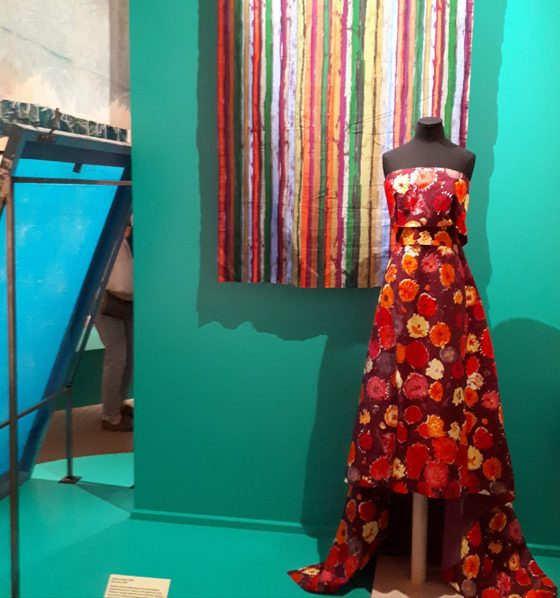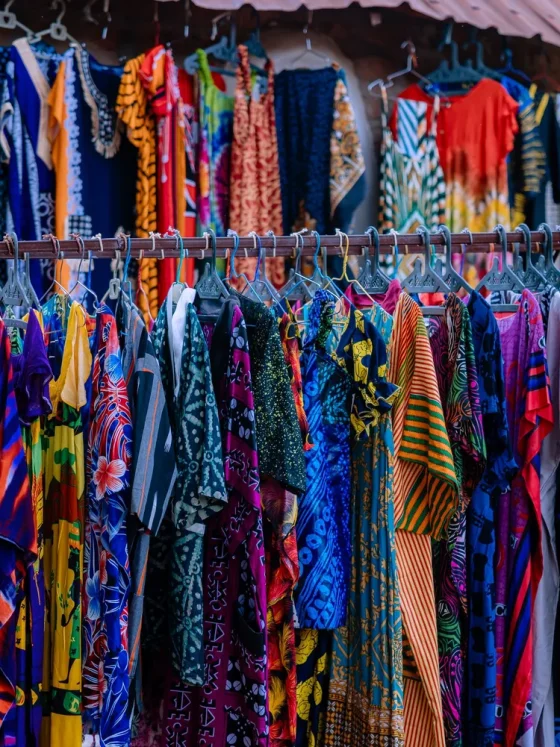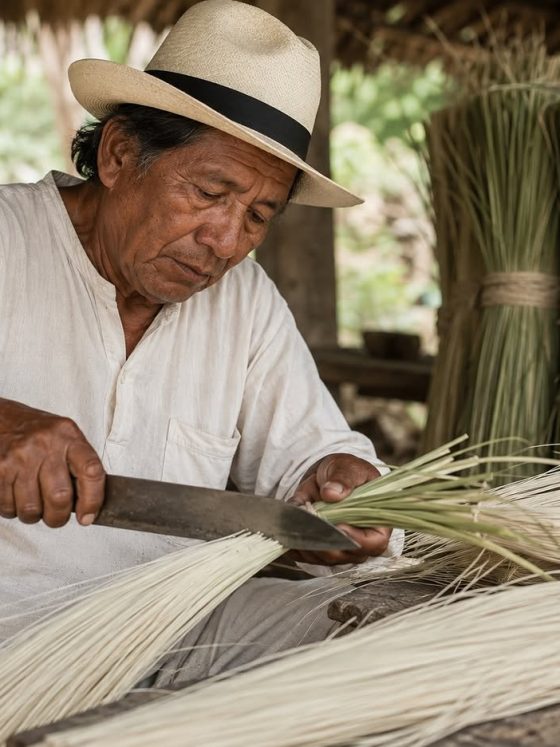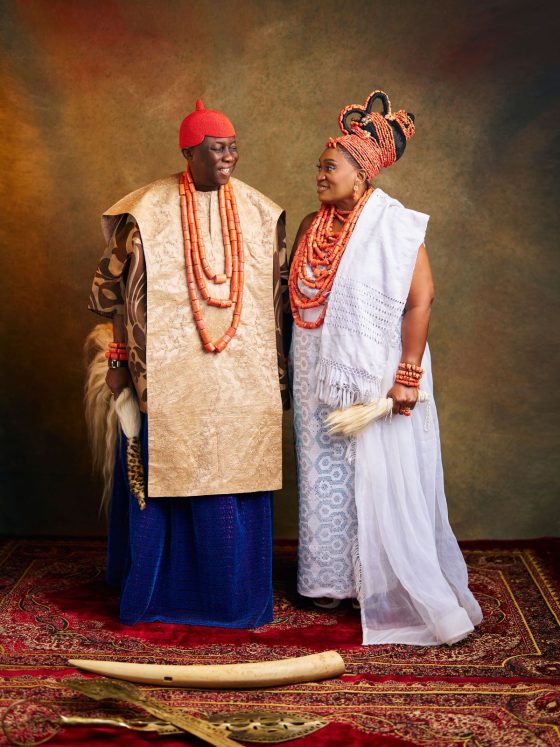
A weaver sits at a loom in Abeokuta. The cotton she works with has been dyed with indigo using a resist technique that her community has practised for generations. The cloth she produces is Adiré, one of West Africa’s most documented and recognisable textile traditions. When that cloth enters the global fashion supply chain, it carries a set of characteristics that the brand using it will call provenance: the technique, the geography, and the cultural tradition. Those characteristics are commercially valuable. Whether they are also valuable to the weaver who produced them is a different question, and most provenance documentation currently does not answer it.
Provenance documentation records where something came from and how it was made. In the fashion and textile industry, it is growing in importance from three simultaneous directions: regulatory (the EU Digital Product Passport will require structured provenance data for textile products), commercial (buyers increasingly require supply chain documentation before placing orders), and reputational (consumers and press are asking questions about the origin and production conditions of heritage textiles that brands are using as creative and marketing resources). What the documentation records, however, is primarily geographic and material: where the fibre came from, where the weaving happened, what the technique is. What it does not yet systematically record is the economic relationship between the brand and the maker.
Craft is not automatically equitable, low-impact or economically secure. That precise formulation comes from an academic call for papers on the gap between heritage craft’s sustainability positioning and its operational reality. It is one of the more honest summaries of what the provenance argument leaves out: a textile can be documented as originating from a specific community using a specific traditional technique by a named artisan, and that documentation can accompany the brand’s marketing of the resulting garment at a premium. price, without the artisan’s income being changed by the fact that their name is now part of the brand’s story.
Textile provenance tells a buyer where a cloth was made. It rarely tells them whether the person who made it was paid fairly. This article examines what provenance documentation can and cannot do for the people at the start of the supply chain.
What Provenance Documentation Currently Records
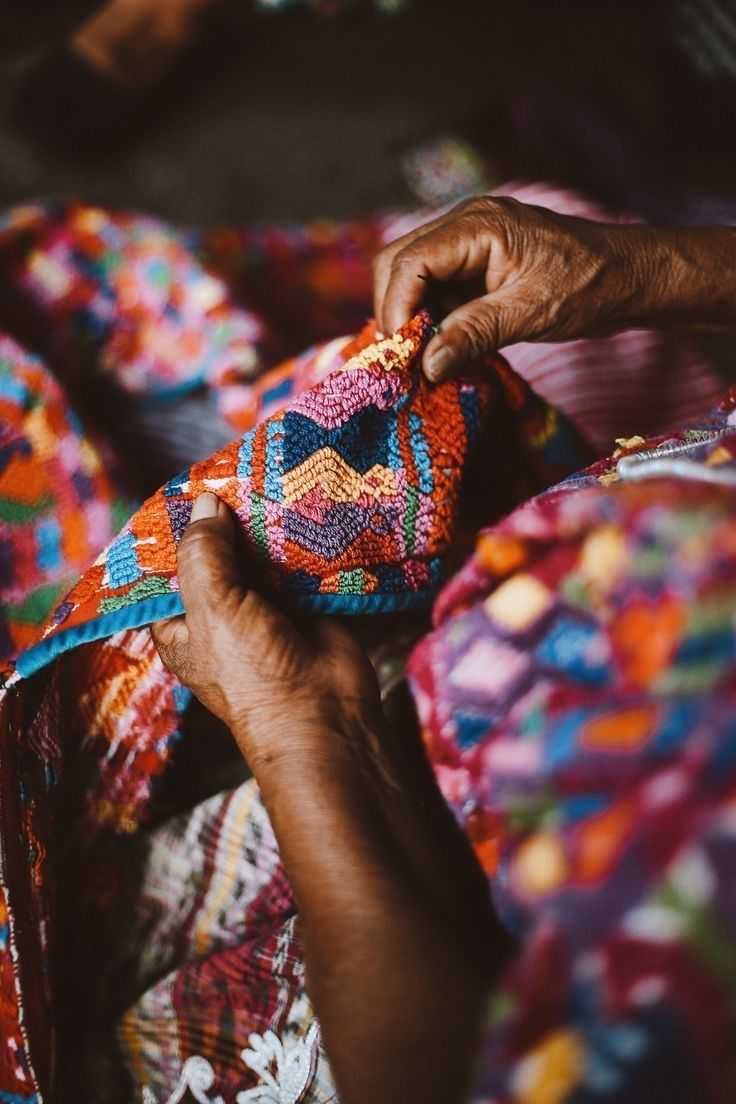
Fibre2Fashion’s 2026 framework for heritage textiles in fashion accessories identifies four things that provenance documentation should establish: craft integrity (the non-negotiable elements that define the textile as authentic to its tradition), material compatibility, quality control and traceability. Each of these serves the commercial proposition of the brand: they protect the brand from claims that its ‘heritage’ textile is not what it says it is, they protect the quality of the finished product for the buyer, and they create the paper trail that allows the provenance claim to be substantiated when challenged.
What the same framework also notes, in a sentence that most provenance discussions do not reach, is that pricing should recognise design development, unusable panels, documentation, training and repair; not only final assembly. This is the economic dimension that provenance documentation currently handles least reliably. A brand that documents the provenance of its Adiré fabric for regulatory and marketing purposes has established where the cloth came from. It has not established whether the price it paid for that cloth reflected the full cost of the knowledge, the time, the documentation and the skill that produced it.
The standard pricing model for artisan-produced heritage textiles pays for the unit of output: the metre of cloth, the piece completed. It does not price in the years of practice that produced the skill, the time spent on dyeing tests whose results are rejected and whose cloth becomes waste, the knowledge transmitted from the generation before and owed to the generation after, or the documentation that the brand uses to support its provenance claim. The artisan and community bear those costs. The commercial benefit of the documentation flows primarily to the brand.
Geographical Indications: The Legal Tool That Comes Closest
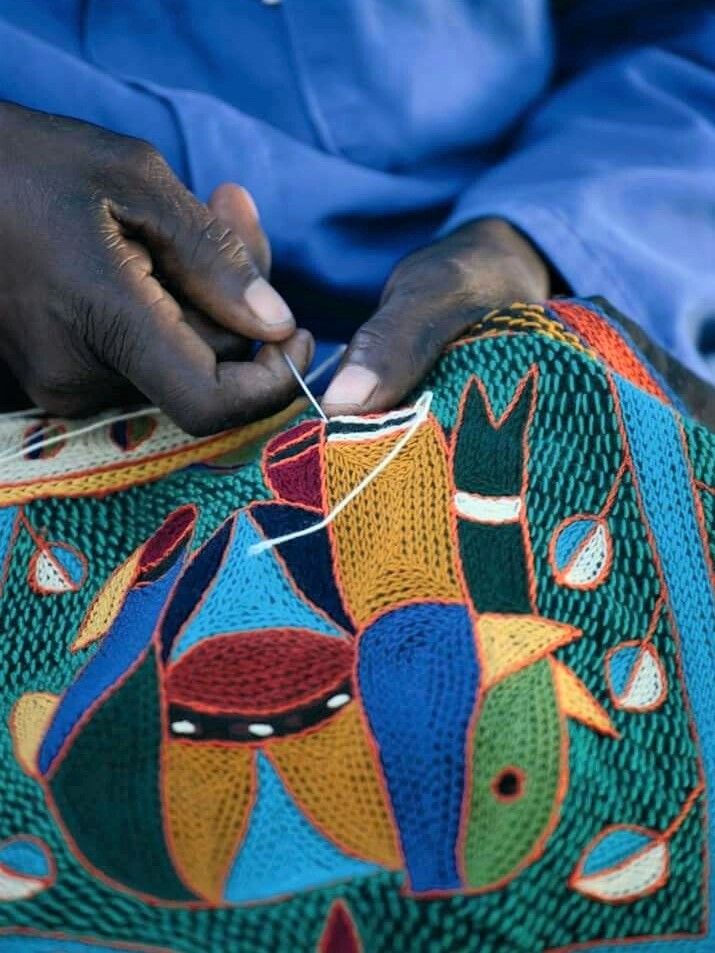
Geographical Indication (GI) protection is the closest existing legal mechanism for using provenance documentation as an instrument of artisan protection. GI protection does three specific things: it authenticates hand-worked origin against machine-made imitation, confirming the craft; it strengthens artisan clusters’ bargaining position in commercial negotiations; and it gives buyers a verifiable provenance signal equivalent to a maker’s mark. In India, where the GI registration system for textiles is among the most developed in the world, specific craft traditions have used GI status to establish legal ownership of their provenance claim.
Lucknow Chikankari received GI registration in 2008. Lucknow Zardozi followed in 2013. The Kantha Stitch Saree of West Bengal received GI protection in 2021. Phulkari embroidery from Punjab is also GI-registered. In each case, the GI registration formally ties the craft to its region of origin, making the provenance claim legally binding rather than commercially asserted. A brand that uses Lucknow Chikankari embroidery in its collection cannot legally describe the technique by that name if the embroidery was not produced in Lucknow by artisans working within the registered tradition.
The GI model’s limitation is that it establishes the provenance claim but does not regulate the economic terms on which the registered craft is purchased. An artisan cluster that holds GI protection has a stronger bargaining position than one without it, because the technique’s legal name is theirs to protect. But that stronger position does not automatically translate into a higher price per unit, a better payment timeline or access to the premium that the brand captures when it sells the finished garment at retail. GI is a provenance protection. It is not a price protection.
The Maker-Credit Problem
As Omiren Styles has established through its maker-credit analysis, a heritage fashion product page that names a technique but not its maker, that describes a tradition but not the person who produced the specific item being sold, that claims cultural provenance without naming the community and the individual within it, has built its commercial proposition on the artisan’s knowledge without extending the artisan’s visibility into the commercial record. The maker-credit test, which applies six fields to a heritage product page, found that most current product pages fail at the fields that would make the credit meaningful to the maker: the commercial relationship, the price paid to the maker, and the name and location of the specific maker.
The Pippa Holt Kaftan example from the Omiren Styles maker-credit series is instructive. Felipa Hernandez, who contributes to Pippa Holt’s kaftan production, is named on the brand’s website with her photograph, her location, her years of collaboration and her own words about what the work has meant to her community. That level of maker credit is unusual in the heritage textile industry. Most heritage textile brands name the technique and the tradition without naming the person. Felipa’s visibility is the exception that confirms the rule about what is typically absent.
Provenance tells a brand where its textile came from. Maker credit tells a maker that the commercial record acknowledges their contribution to the brand’s value. The two are not the same, and the fashion industry’s current investment in provenance documentation does not automatically produce maker credit.
The Digital Product Passport and Its Limits as a Maker-Protection Tool
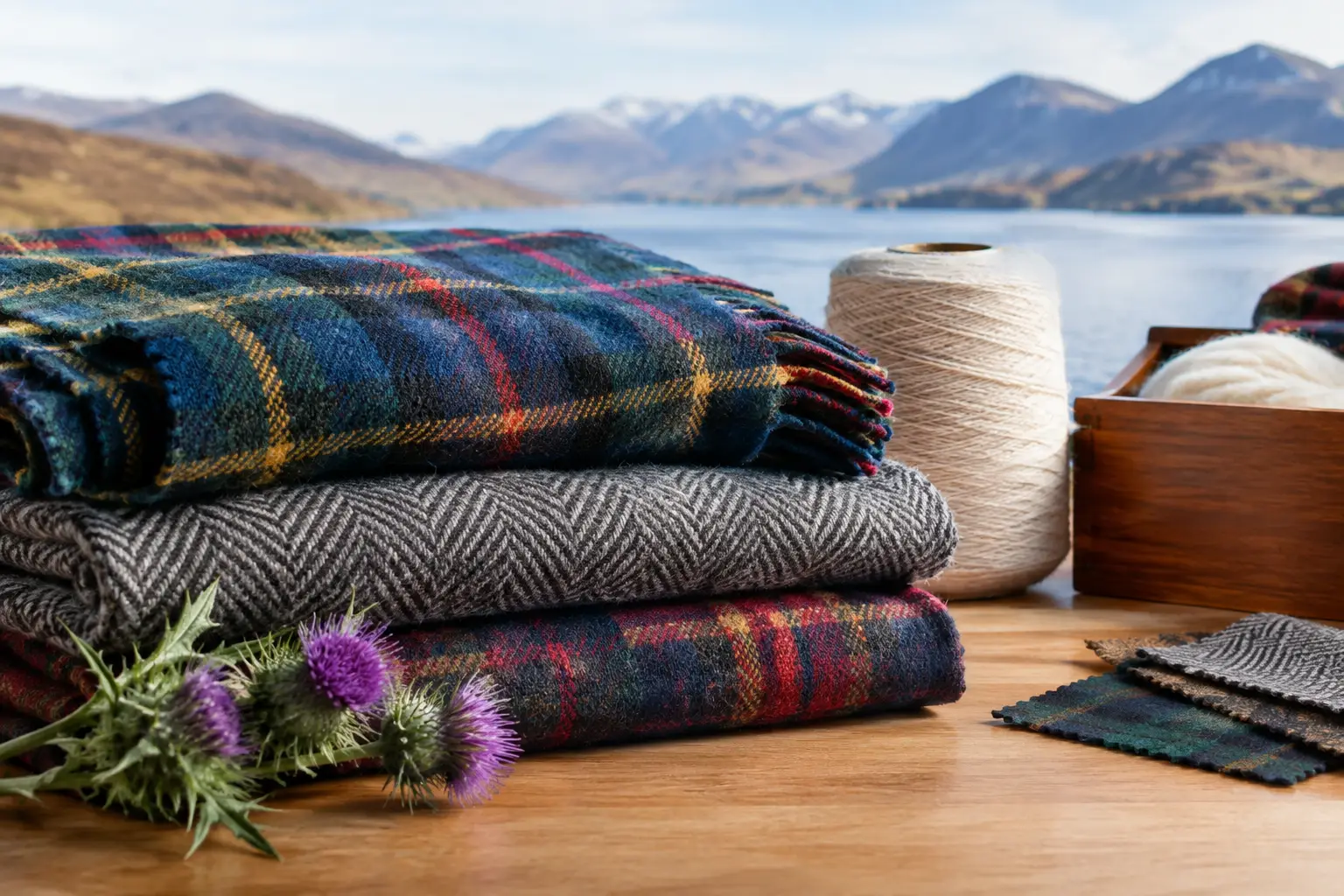
The EU Digital Product Passport framework, which is planned to become mandatory for textile products following the adoption of the textile delegated act (currently planned for Q3–Q4 2027), will require structured data about the garment’s composition, origin and production process. The DPP is designed primarily as a consumer transparency and circular economy instrument: it tells recyclers what the fabric is made of, tells regulators where it was manufactured, and allows end-of-life routing to be based on documented material data rather than estimated composition.
The DPP’s data requirements, as currently specified in the JRC’s 49 data points for textile apparel, do not include the price paid to the artisan, the payment terms under which the cloth was purchased, the artisan’s name, or any economic indicator of the commercial relationship between the brand and the maker. The DPP will tell a recycler that a garment contains 60% Adiré cotton produced in Abeokuta. It will not tell that recycler, or anyone else, whether the weaver who produced that cotton received a price that reflected the knowledge and skill invested in producing it.
This is not a criticism of the DPP. The instrument was designed to serve circular economy and consumer transparency purposes, and it does so. The point is that expanding provenance documentation into formal mandatory territory does not, by itself, extend protection to the maker. A regulation that requires brands to document where a textile was produced has not required brands to document what they paid for it, what the making of it cost the artisan, or whether the economic relationship was equitable. Those are questions the DPP’s current framework does not ask and therefore cannot answer.
What Provenance Documentation Could Do Differently
The gap between provenance as a commercial instrument and provenance as a maker-protection instrument is closeable, but it requires a different decision about what provenance documentation records. The following are changes that would move the instrument toward protection rather than only authentication.
First, price-to-maker disclosure. A provenance record that includes the price paid to the artisan or artisan collective for the specific cloth documented creates the data point needed to ask and answer questions about fair compensation. It does not establish what ‘fair’ means in a given context, but it creates the transparent record from which advocacy, regulation and buyer decisions can operate. A brand that knows its price-to-maker data will be recorded and potentially visible to buyers and regulators faces different incentives in price negotiation than a brand whose pricing decisions remain invisible behind the provenance claim.
Second, artisan identity in the supply chain record. A provenance record that names the maker, or the collective, at the level of the specific item produced moves the documentation from cultural generalisation to individual attribution. It does not guarantee economic equity, but it creates the visibility that makes accountability possible. A named maker whose contribution is in the commercial record has a documented claim on the provenance story the brand is building.
Third, community capacity constraints as a documented supply chain factor. A provenance record that includes the artisan’s current production capacity, the realistic lead time for the technique, and the minimum order volume that can be produced without overextending the community prevents the scale problem that the heritage textile industry repeatedly encounters: a brand discovers a traditional technique, creates demand for it at volumes the artisan community cannot sustain, and the response to that demand either forces the community to take on more than it can produce well, or the brand substitutes machine-made imitation when the authentic supply runs short.
ALSO READ
- The Maker-Credit Test: What a Heritage Fashion Product Page Should Clarify
- Digital Product Passports for Fashion: The EU Framework Exists. Textile Rules Do Not Yet.
- A Fabric Provenance Claim, Field by Field: What a Buyer Should Ask to See
- Can Heritage Textiles Scale Without Losing Their Meaning?
- The Global South Made Fashion. It Just Never Got Credit.
The Omiren Argument
The question the title asks has a partial answer and an incomplete one. The partial answer is yes: provenance documentation in its current forms, from GI protection to DPP requirements to maker-credit practices like the one Pippa Holt maintains for Felipa Hernandez, can and does create conditions that help some makers in some contexts. GI registration strengthens bargaining positions. Named maker credit creates public accountability. Documented supply chain relationships create the transparency that advocacy can use.
The incomplete answer is that most provenance documentation currently being developed, including the EU DPP framework, records geographic and material origin without recording economic relationships. A garment passport that tells a regulator where a fabric was woven but not what the weaver was paid serves the circular economy without serving the weaver. The regulatory expansion of provenance documentation is a significant development for supply chain transparency. Its extension into economic transparency, specifically the price, the terms and the capacity constraints of the artisan, is the development that would make provenance a maker-protection instrument rather than only a brand authentication one.
African fashion has creative quality, cultural authority, and international attention. The textile traditions it draws from, including Adiré, Kente, Gangan, and the heritage cloths of communities across the continent, carry knowledge systems that the fashion industry values commercially. Whether the people who hold and transmit those knowledge systems receive a return proportional to that commercial value is a question that provenance documentation, in its current form, is not designed to answer. That design choice is still open. A different choice would make provenance more than a brand’s story about where its fabric came from.